
On the frontlines is our monthly newsletter section covering the activities of BirdLife Malta’s conservation, policy, nature reserve (Salina, Simar, Għadira and Foresta 2000), seabird and public engagement teams, together with an update about rare and scarce bird species observed.
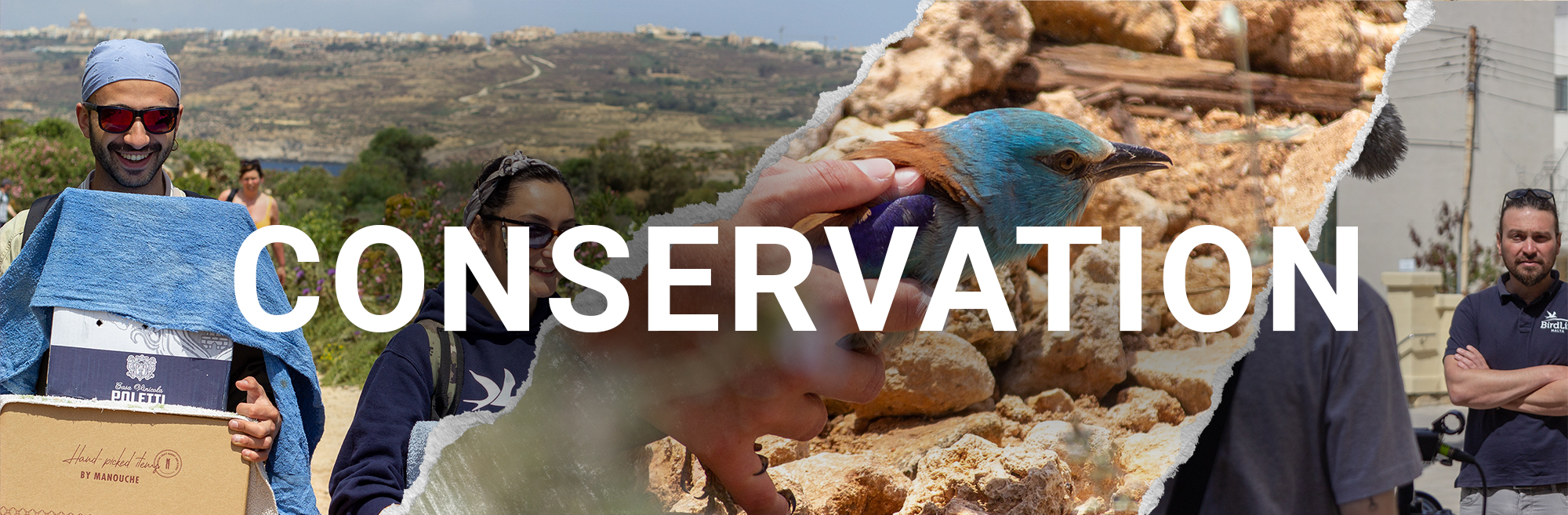
Spring Hunting is Over!
After three long weeks, the spring hunting season finally closed on 3 May. The season opened for two species: Common Quail and European Turtle-dove, the latter classified as “Vulnerable to Extinction” according to the IUCN. Our team was joined by 11 international volunteers, who assisted BirdLife Malta to monitor the hunting situation over a period of four weeks. An average of four teams were out both during the early mornings and later afternoons, and an array of illegalities were detected – from “smaller” offences such as the use of plastic decoys of protected species, to much more serious offences including an active unlicensed hunter (see here for more information on this case).
At least 14 protected birds were recovered during the spring hunting season, all of which were confirmed shot. This figure only represents what is known for sure, but the true number will never be known. Many birds were never reported to BirdLife Malta or the police due to various factors, such as birds landing in inaccessible areas.
Should you witness any illegal hunting during the rest of May, please do report this either directly to EPU on 119 or to BirdLife Malta on (+356) 21347645 or during evenings and weekends on (+356) 79255697. Please note that the rabbit hunting season is due to open on 1 June, so after this date, gunshots may be detected again in the countryside.
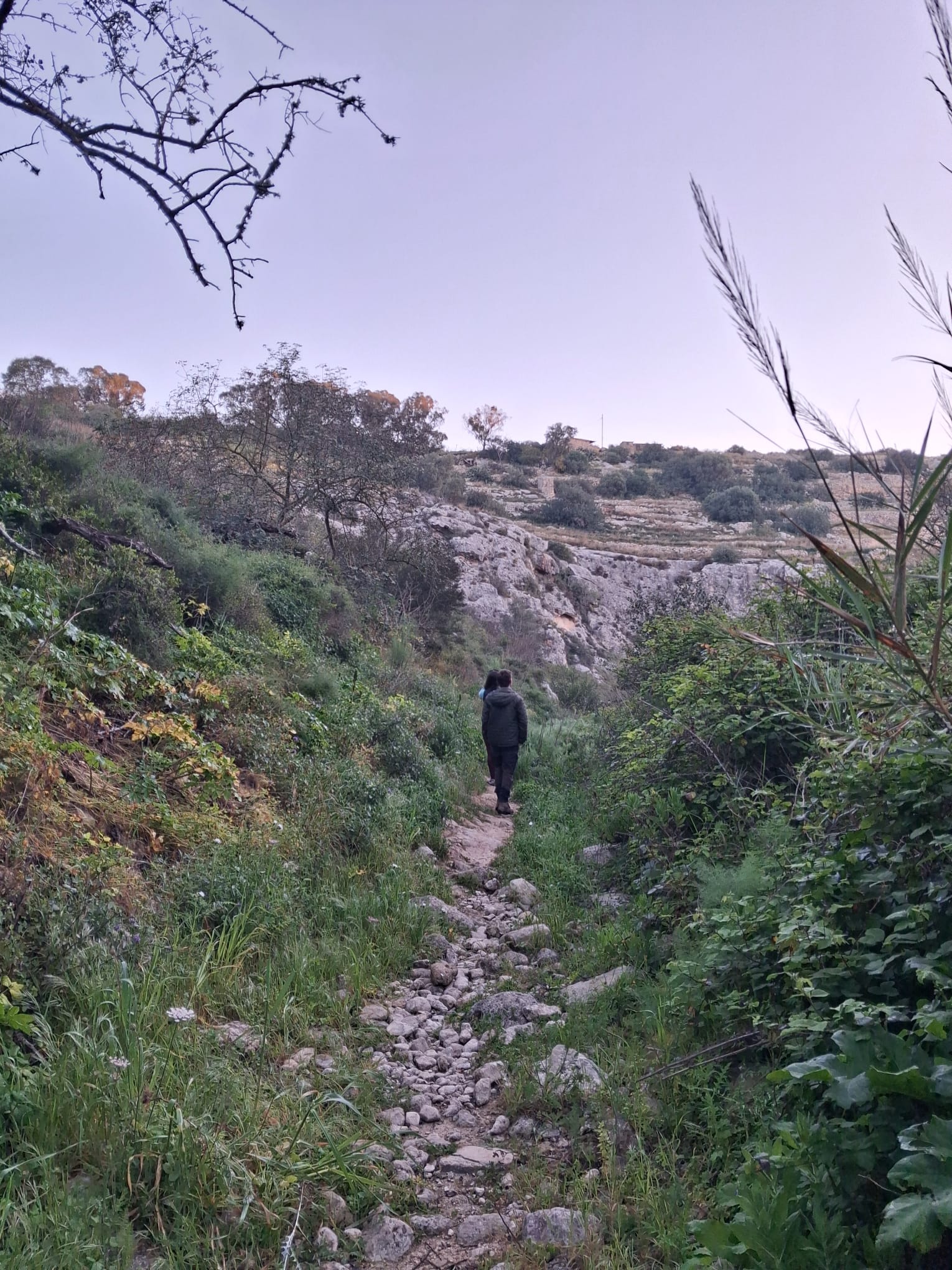
by BirdLife Malta
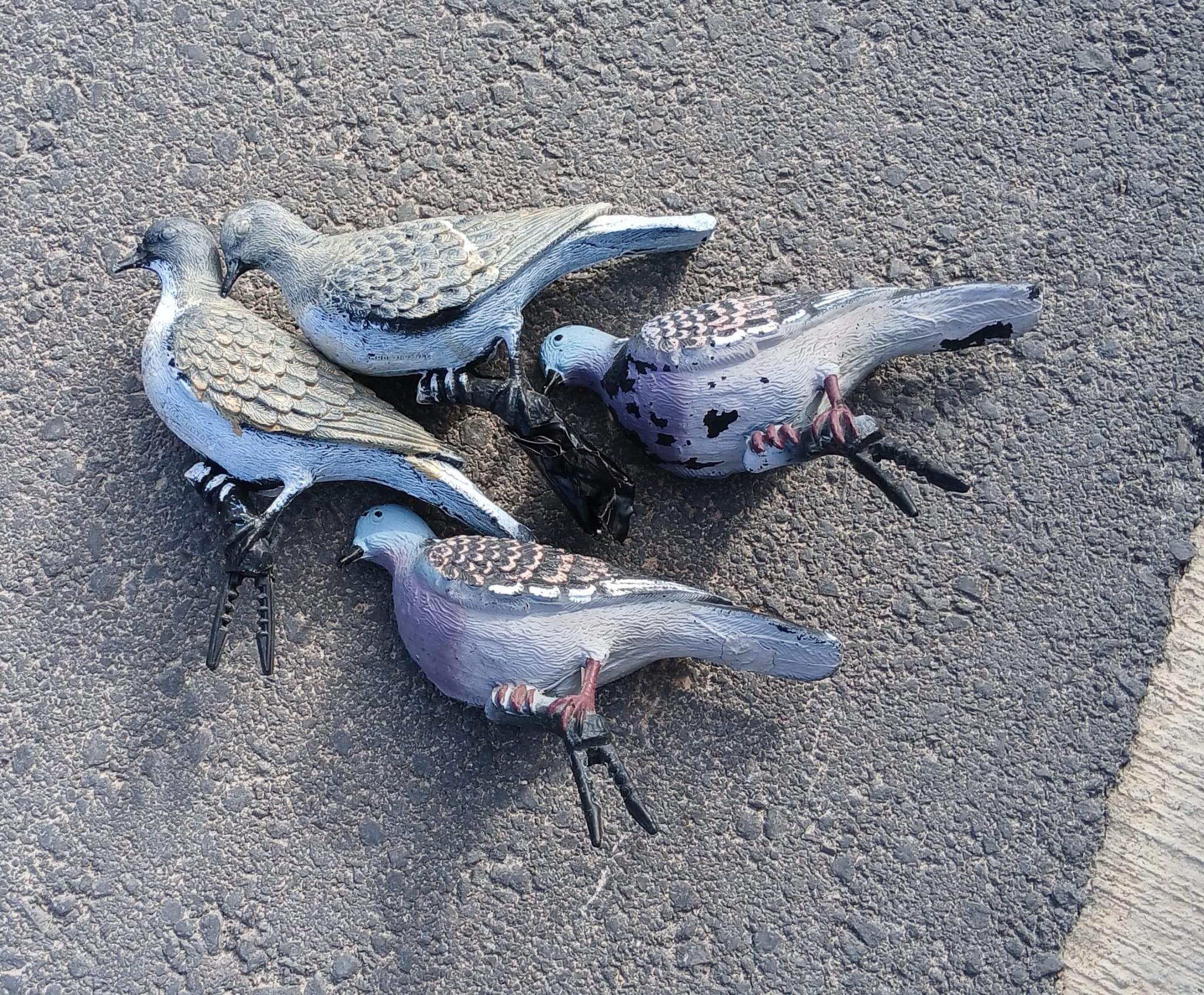
by BirdLife Malta
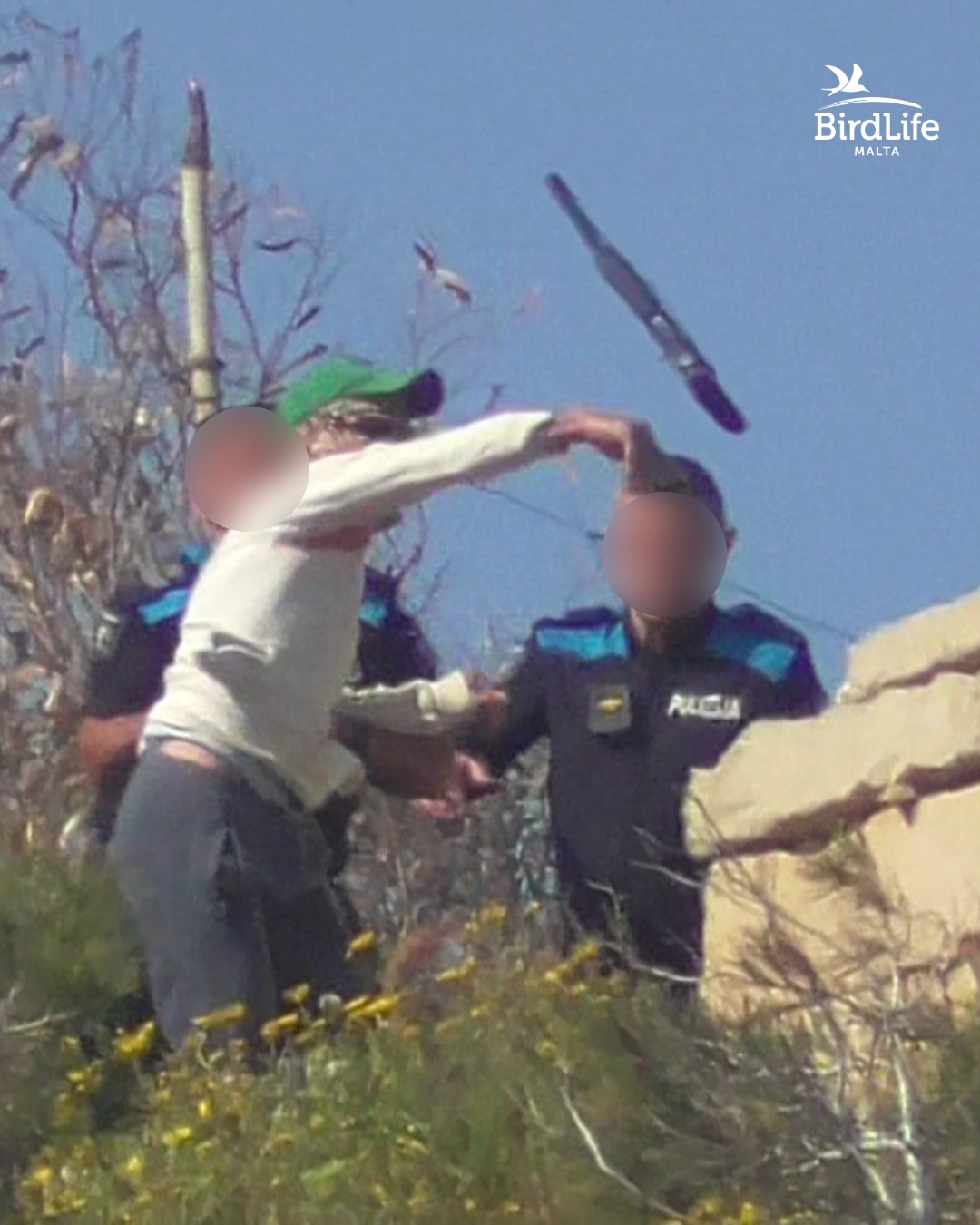
by BirdLife Malta
Trapper Loses Licence for Life
In April, a trapper was fined €3,000 and had his trapping licence permanently revoked after he was found guilty of finch trapping on an unregistered site in Marsaskala.
The case started back in October 2024, when a BirdLife Malta staff member saw nets on a trapping site and reported it to the Environmental Protection Unit (EPU) on the basis of it not being registered with the Wild Birds Regulation Unit (WBRU). EPU officers managed to successfully apprehend the trapper on site, and the case was eventually concluded in court.
Many finch trappers will take the risk of trapping on unregistered sites during the autumn derogation months in the hope that their site will avoid detection in amongst the thousands of registered sites. To read more about the bird trapping situation in Malta, please click here.
Rehabilitation and Releases
This was a relatively quiet month in terms of migration, resulting in a lower number of wildlife admissions in the rehabilitation centre. Nonetheless, our team managed a range of interesting and challenging cases.
Four Yellow-legged Gulls – three from St Paul’s Island and one from Anchor Bay – were admitted in a weakened condition, all suffering from enteritis. Their rehabilitation required particular care, as they initially needed assisted feeding. After a period of treatment and monitoring, all birds recovered well and were transferred to a larger enclosure to assess their flight capabilities. After that, they were eventually ringed and tagged before being released for future tracking.
A female Kestrel was recovered in Madliena following a collision with a building. Fortunately, the bird was in relatively good condition and required only a short rehabilitation period. It was ringed and successfully released at the Għadira Nature Reserve. Similarly, a Nightingale found in Marsaskala after a window strike recovered overnight and was released the following day.
Our team also dealt with a high number of swift rescues, with both Pallid and Common Swifts found stranded on balconies across Malta. Many of these birds were simply disoriented and could be released shortly after collection, while others required a few days of care to regain strength before release in suitable locations.
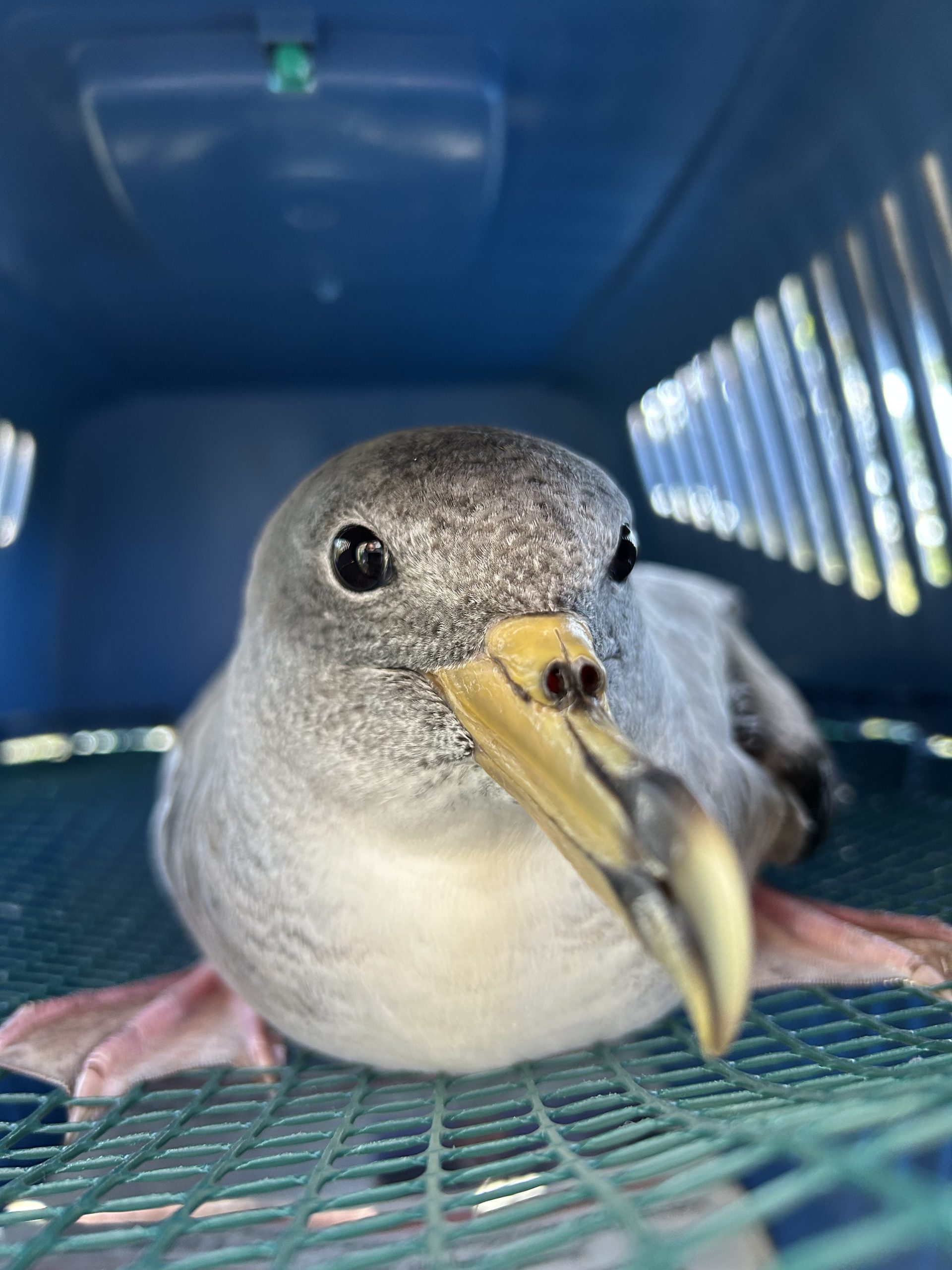
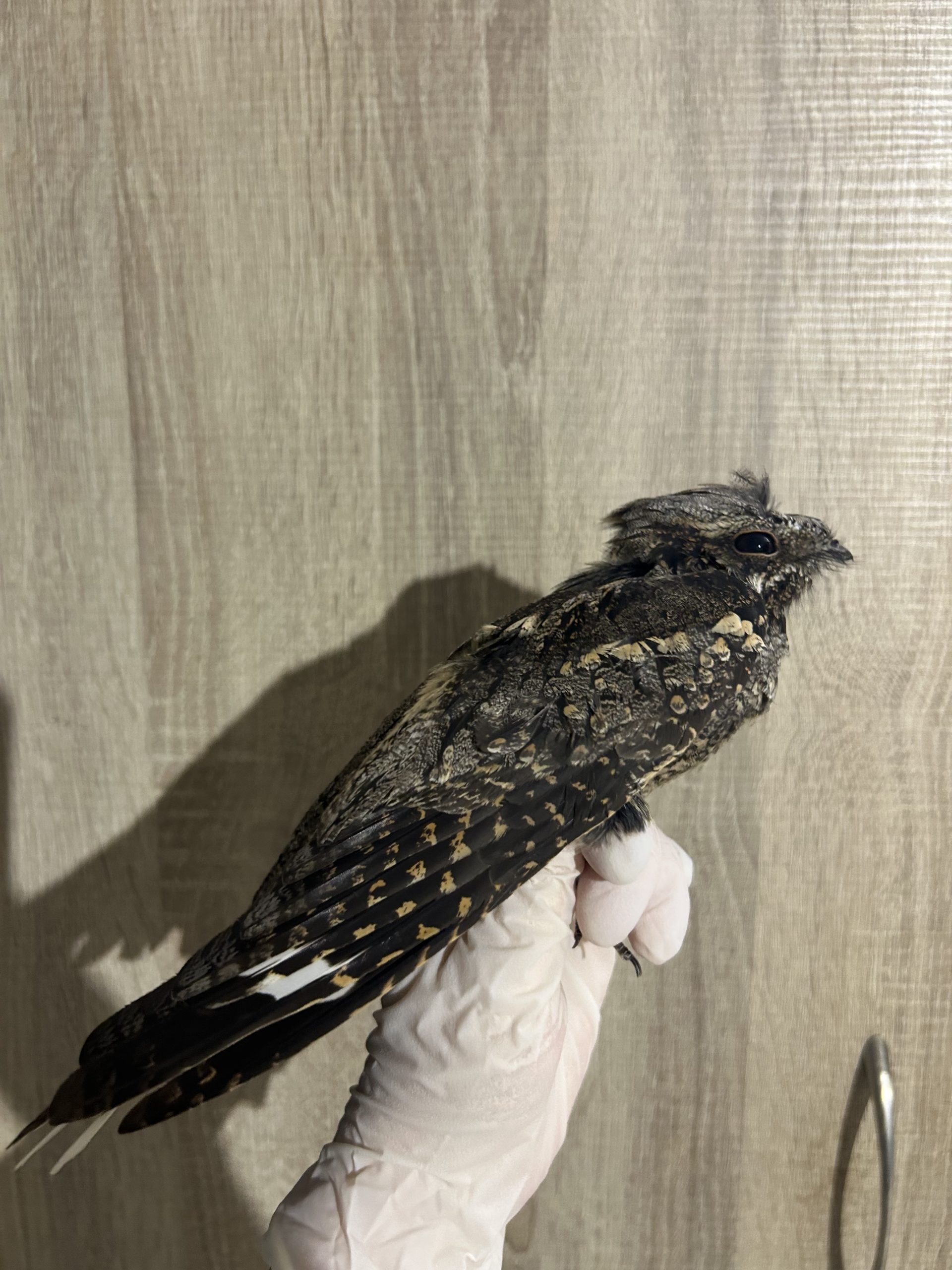
Other notable cases included a European Nightjar rescued from a garage in Kordin with a minor head injury. Despite the incident, the bird remained active and, after a short period of rehabilitation, it was ringed and released into the wild. In the latter half of the month, a Scopoli’s Shearwater was rescued after being found entangled in fishing line at Fawwara. The bird initially showed stiffness in one wing but recovered well through rehabilitation and swimming sessions and was later successfully released at Anchor Bay.
by Anja Finke
by Anja Finke
Fieldwork Continues Under the Cover of Night
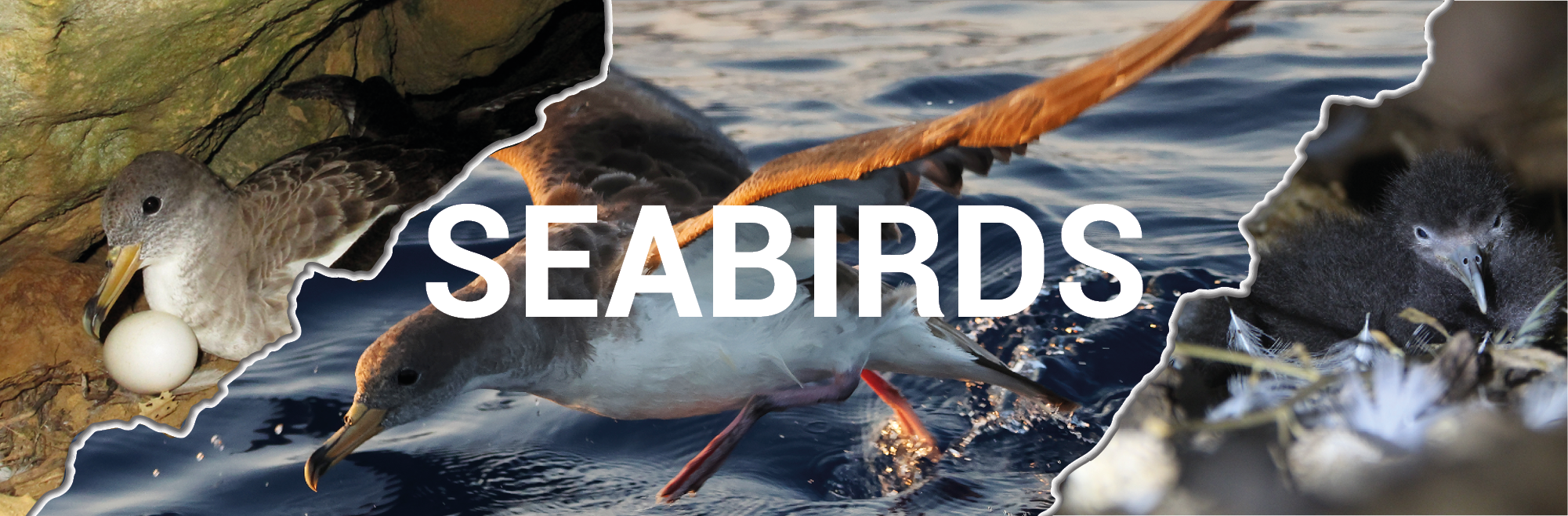
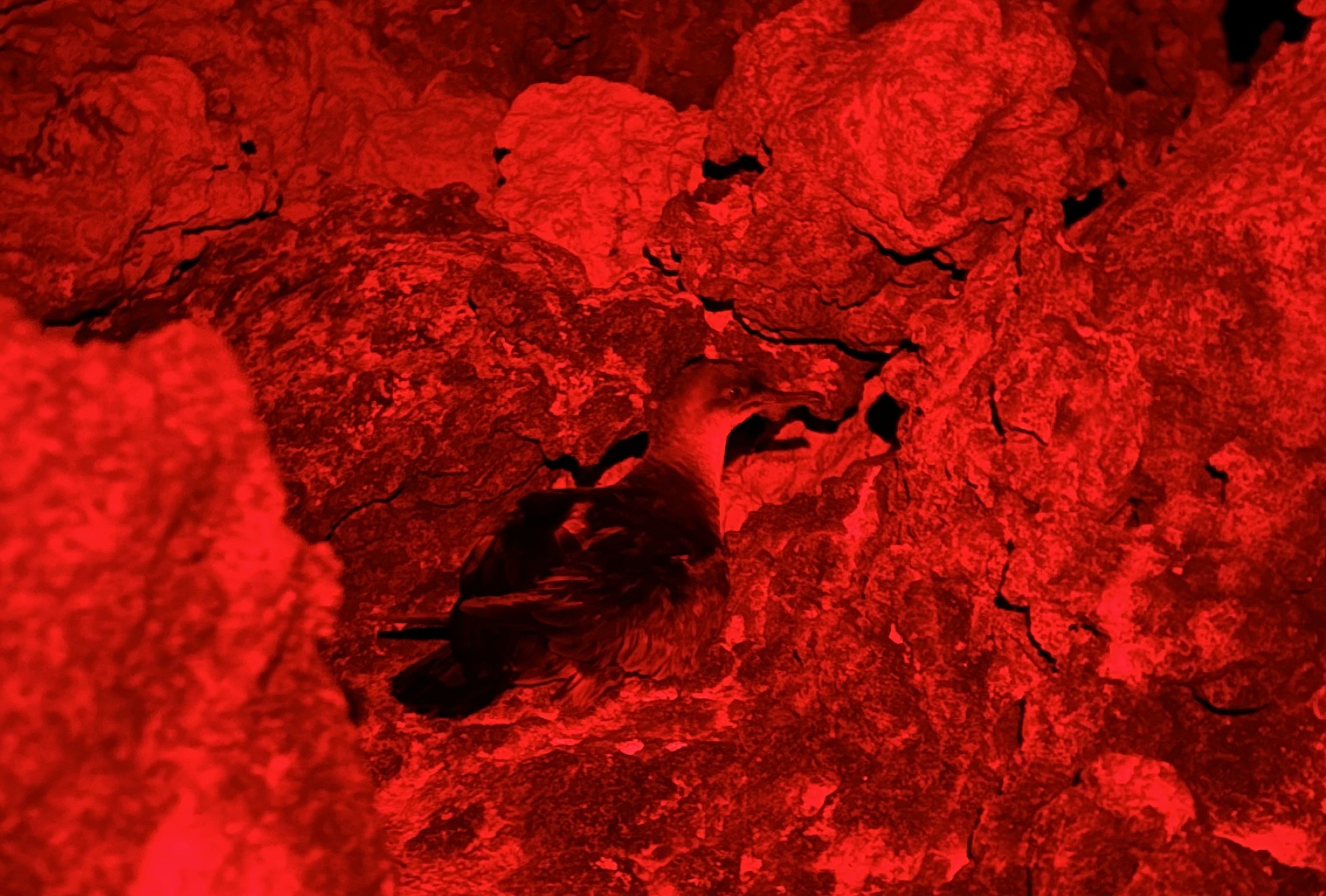
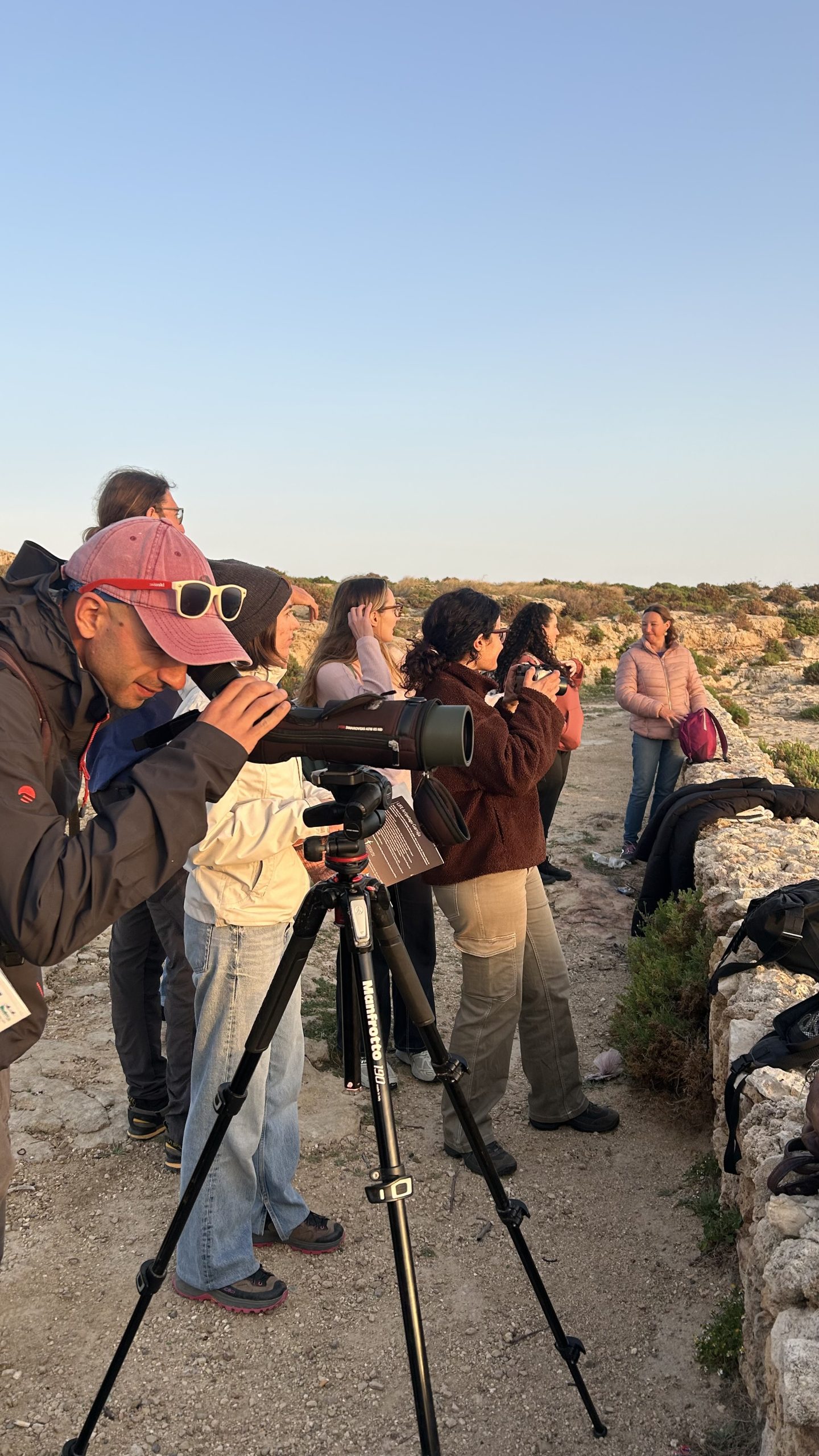
Fieldwork is in full swing as the seabird breeding season progresses, with our team continuing its efforts across Malta’s colonies. This month, we introduced Capture-Mark-Recapture activities where we safely capture seabirds, fit them with a unique identification ring and release them within minutes, with the possibility of recapturing them in future surveys. This approach provides valuable insights into population size and site fidelity over time. As the sun sets, the team makes its way to the colonies, preparing equipment and settling into position. Then comes the quiet wait in the dark, as the first shearwaters begin to return from the open sea. All the while, the work unfolds against the backdrop of an extraordinary soundscape. The colonies come alive with the calls of shearwaters, males and females calling back and forth in the darkness, creating a vivid and immersive atmosphere that defines these nocturnal field sessions.
“Shearwaters and Stars” Kicks Off Seabird Team Events
As the breeding season begins to unfold, our team has continued its work to reduce the impact of invasive rats around Malta’s seabird colonies. Building on the efforts introduced in February, the team has been carrying out weekly monitoring visits to assess rat activity in key areas, including sensitive nesting sites. Over the past month, these regular checks have begun to show encouraging results. A noticeable decrease in bait consumption has been recorded across several locations, suggesting a reduction in rat presence in time for Yelkouan Shearwater‘s egg-laying. The team will continue to closely monitor the situation in the weeks ahead, working to ensure that these positive trends are sustained throughout the season.
by Vittoria Turone
by Vittoria Turone
Follow our LIFE PanPuffinus! project on our website and social media!

Public Consultation on Malta’s National Parks: An Opportunity for Peaceful Green Spaces for People and Nature
Malta’s three proposed national parks – at Fort Campbell, Pembroke and Manoel Island – offer a unique opportunity to create accessible green spaces that prioritise nature, biodiversity and public well-being over commercial development.
BirdLife Malta took the opportunity to participate in the open public consultation for the proposed parks. We have recommended that all interventions begin with ecological assessments to protect important habitats and species. Landscaping should focus on native vegetation, water-efficient systems and wildlife-friendly design, while invasive species and cat colonies should be carefully managed.
We also called for low-impact infrastructure, including ecologically sensitive lighting, bird-friendly glass designs, installation of nest boxes, and sustainable building practices. Visitor access should prioritise walking, cycling and public transport, with protected wildlife zones remaining inaccessible to minimise disturbance.
We stressed the importance of long-term ecological management, strong enforcement, educational signage and strict limits on commercial activities, festivals and large-scale events to ensure the parks remain peaceful spaces for nature and recreation.
BirdLife Malta also took the opportunity to put forward site-specific recommendations, including a non-commercial environmental community hub on Manoel Island, education centres and bird observatories at Fort Campbell and White Rocks, plus a wildlife rehabilitation centre and low-impact nature camping at White Rocks, all focused on conservation, education and public awareness.
Objection to Proposed Development on ODZ Land in Xemxija
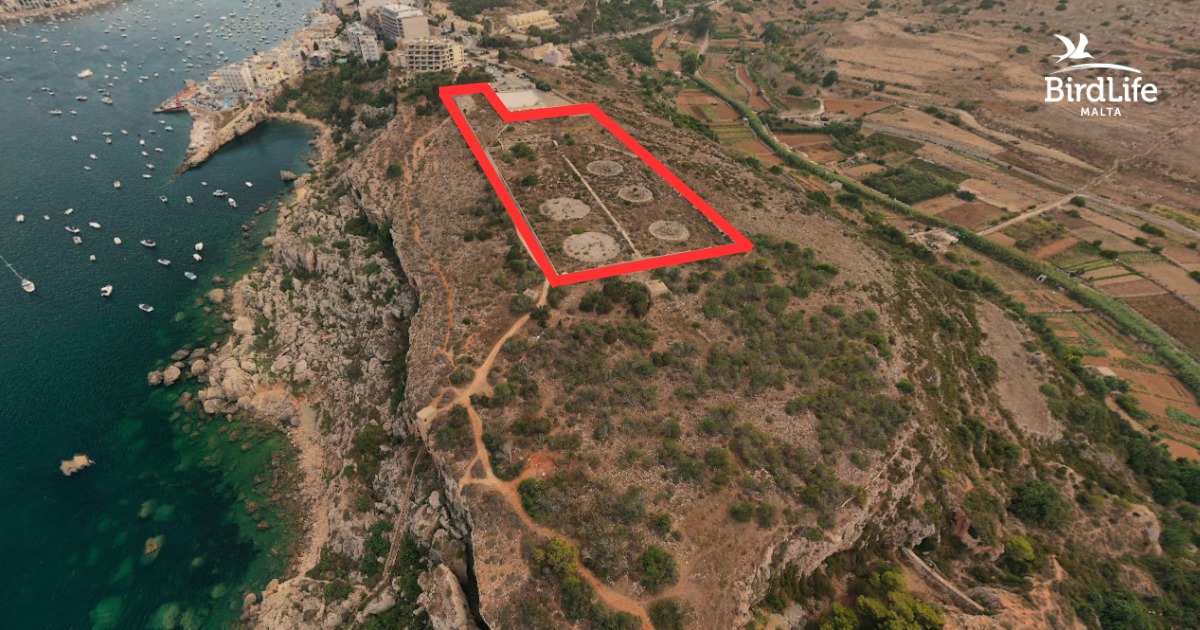
Xemxija is yet again under threat, with a proposed development targeting one of the village’s last remaining open and quiet areas at Xagħra tal-Kortin, overlooking Mistra Bay. The application proposes a gated complex of 12 bungalows on the former British Petroleum plant site, behind the Xemxija fire station, through outline application PA/03389/09, originally submitted in 2009 as a “health farm.”
BirdLife Malta has formally objected to this development, as the site lies within an Outside Development Zone (ODZ), outside the North West Local Plan boundary, and directly borders the Natura 2000 site Ix-Xagħra tal-Kortin, with ecologically sensitive habitats and protected species.
The project risks increasing light and noise pollution in an already illuminated St Paul’s Bay area, worsening skyglow and affecting nearby protected habitats. It is also around 1 km from the Yelkouan Shearwater colony on Selmunett, where artificial lighting can disorient fledglings, increase mortality, and disrupt breeding behaviour.
We stressed that the site should instead be recognised as an ecological corridor and restoration opportunity, potentially eligible for EU Nature Restoration protection and Natura 2000 expansion. The development would undermine this ecological continuity.
Given its ODZ status and environmental sensitivity, we strongly urged that this proposal is refused.
Read our full objection here.
by Piotr Kowalonek from Google Maps
Salina Nature Reserve
Sightings
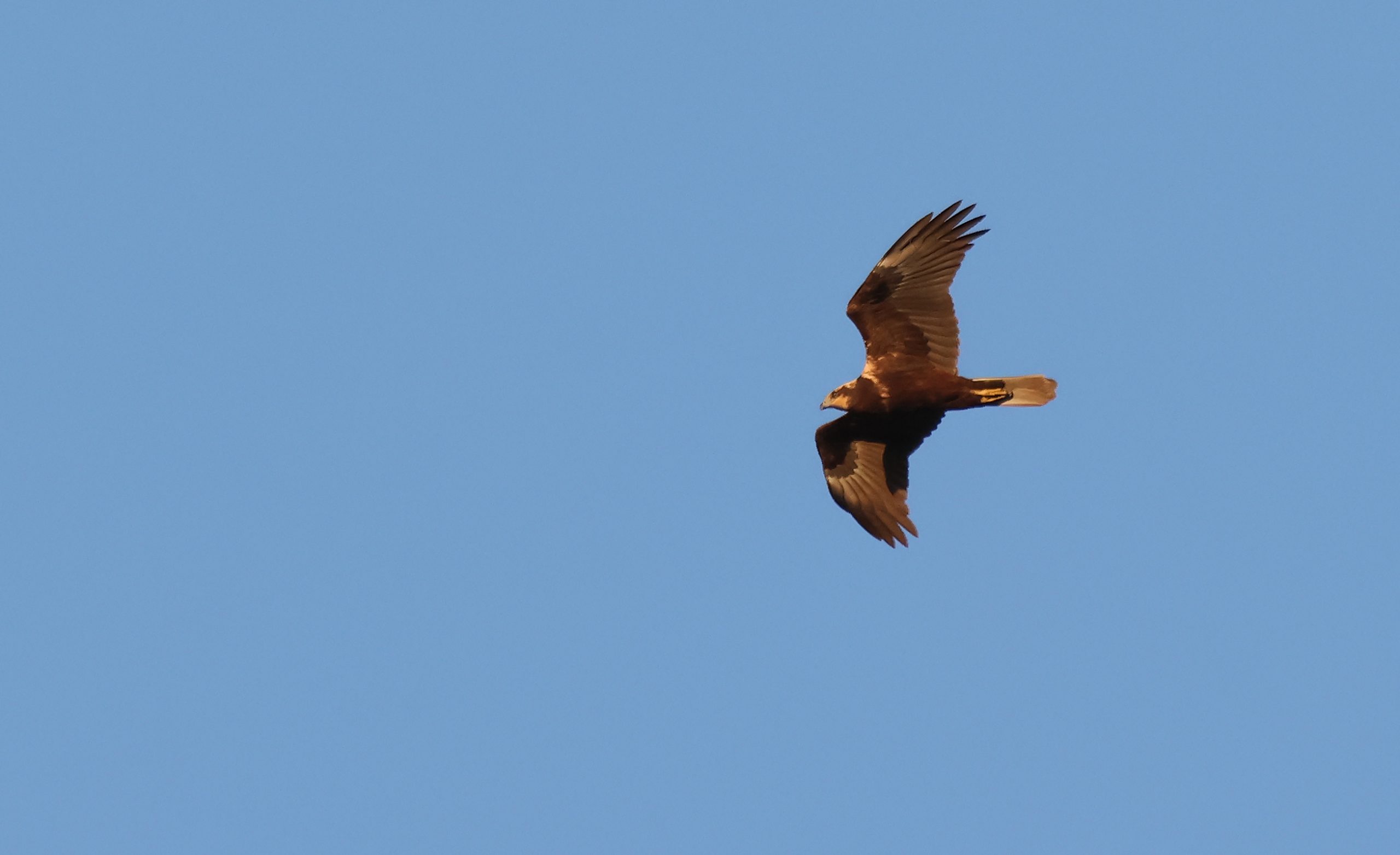
This year, spring took some time to start, with the weather staying cold and overcast for longer, but nowadays it feels blisteringly hot. Migration has been quite slow; hirundines arrived in smaller numbers, while Western Marsh-harriers were observed every day continuing their migration. Some stunning Black Kites were also seen, along with some Lesser Kestrels.
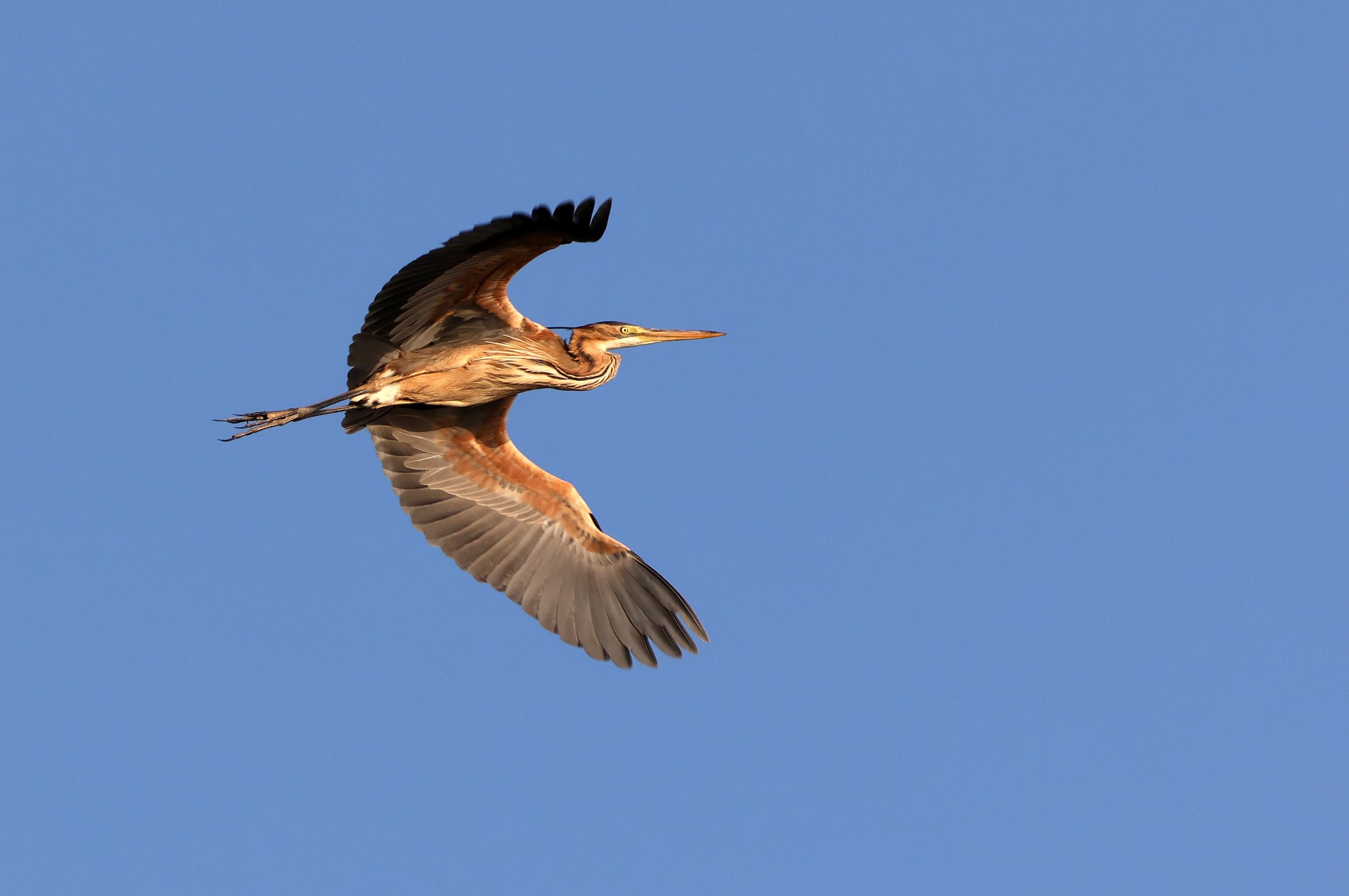
Also, passerines were rather scarce, with only some small flocks of European Bee-Eaters. As for herons, Purple Herons and some Squacco Herons chose to stay, delighting us with their breeding plumage, much like the migrating wild Cattle Egrets.
We had some interesting waders coming around, such as Green Sandpipers, Curlew Sandpipers, and a Sanderling. Unfortunately, the Sanderling’s stay was very brief. On one of the days, a number of Hoopoes were observed, mesmerising us with their beautiful flight, reminiscent of a butterfly.
by Aron Tanti
by Aron Tanti
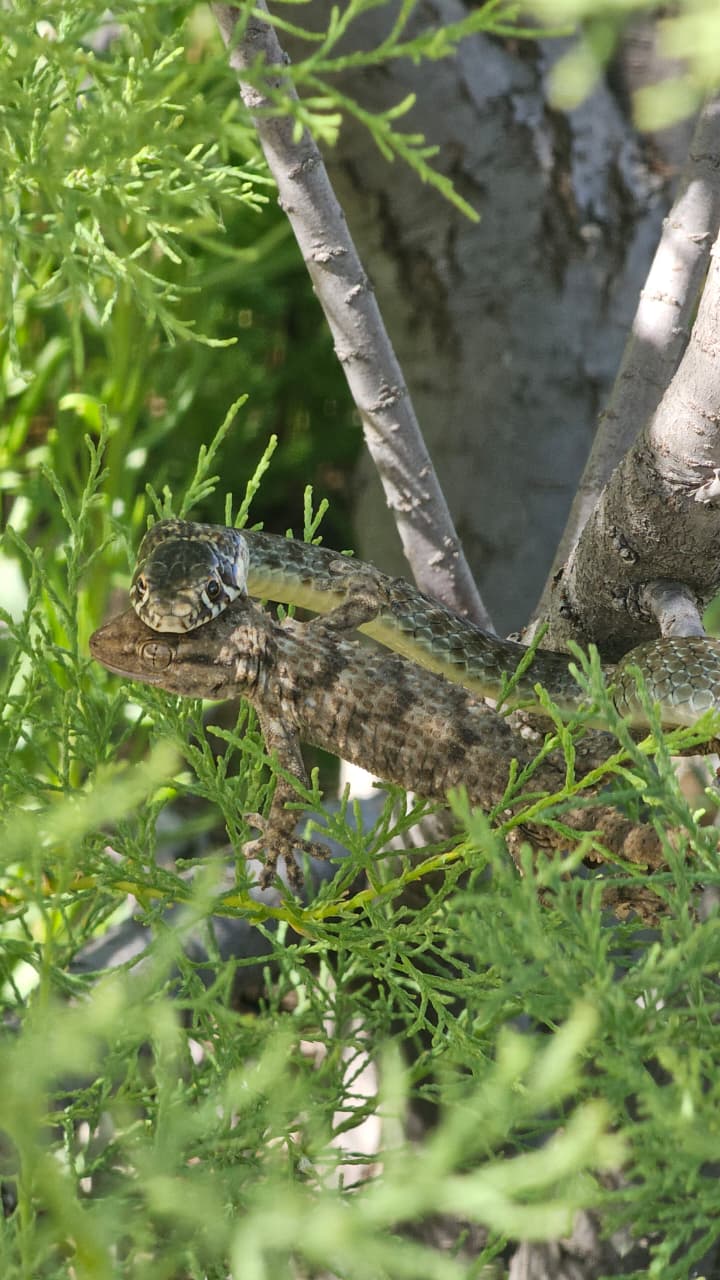
On the sunny days, reptiles on the reserve were abundant, with Wall Lizards, Skinks, Chameleons, and the ever-present but hidden Western Whip Snake hunting around the pond. Meanwhile, the frogs started spawning, and now the pond is a flurry of activity with Tadpoles, Damselflies, and a variety of Dragonfly species.
Planting has commenced, with many rare species being planted in the nature reserve, such as the Hairy Rock Rose, encouraging more pollinating species into the reserve.
by Pamela Jorgo
Għadira Nature Reserve
Sightings
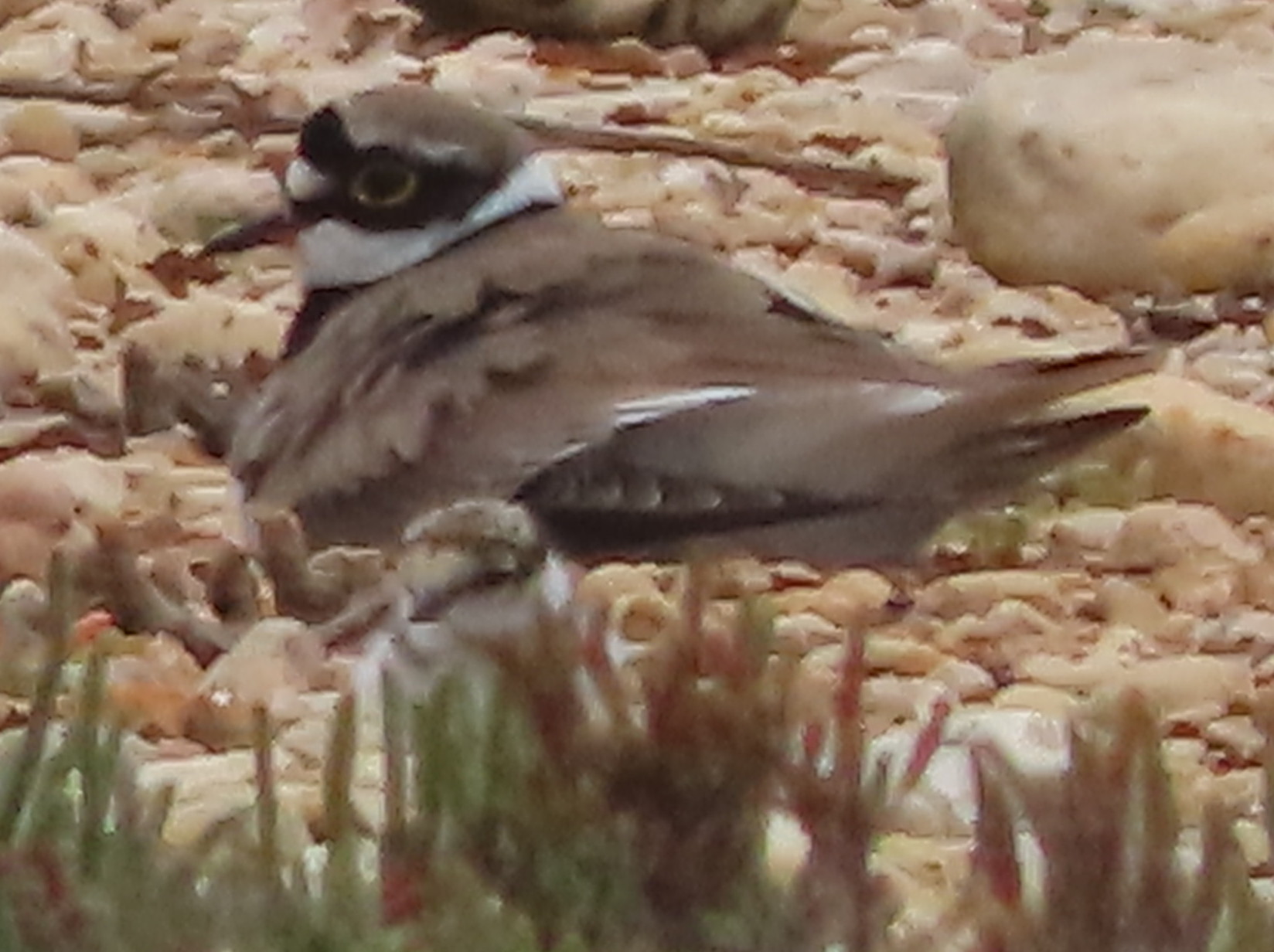
A good variety of spring migrants arrived at Għadira Nature Reserve this month, but the highlight of the month surely is the hatching of the first chicks of Little Ringed Plovers!
Two pairs of Little Ringed Plovers were noted incubating for most of the month. The first pair, which had started nesting at the end of March, hatched four chicks. The chicks were noted running about and feeding close to the nesting area while the adults stood guard against potential predators such as Yellow-legged Gulls. Little Ringed Plovers nest on the ground amongst pebbles and shingle and take around 21 days to hatch.
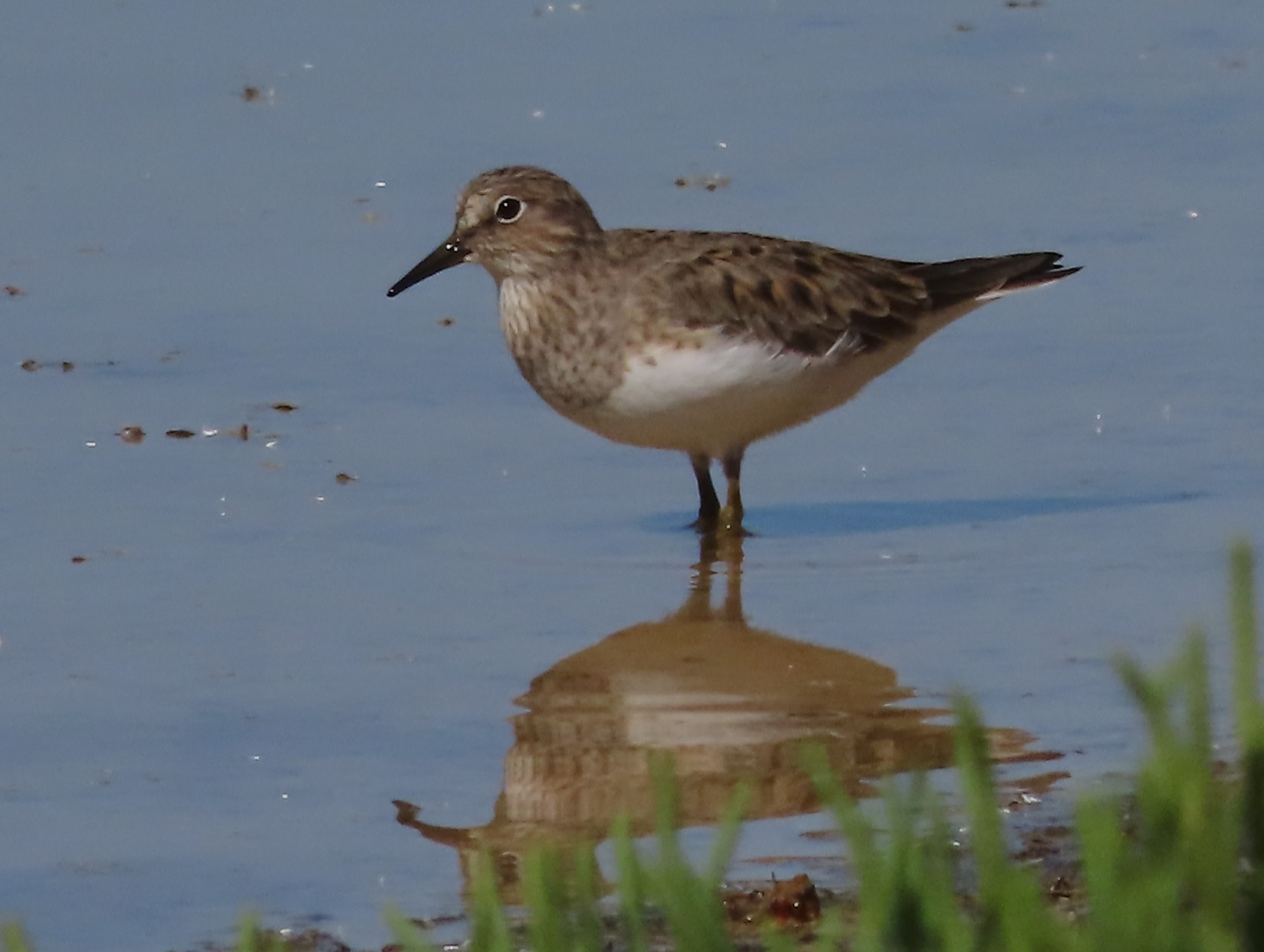
During most days, Yellow Wagtails, Common Sandpipers and Wood Sandpipers could be seen on all islands scouring the low vegetation in pursuit of insects. Other waders recorded included Little and Temminck’s Stints, Ruffs, Greenshanks and Curlew Sandpipers.
by David Attard
by David Attard
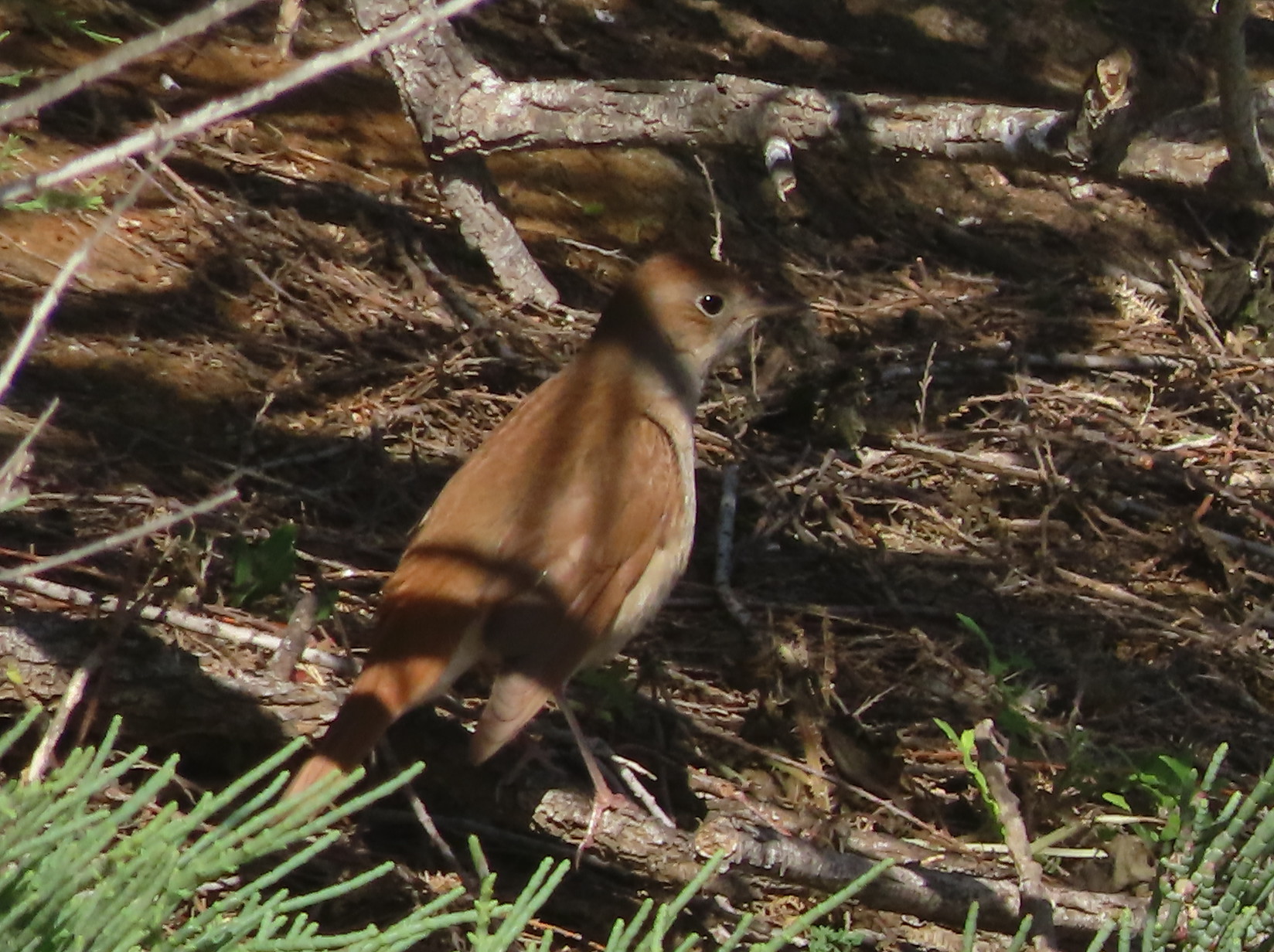
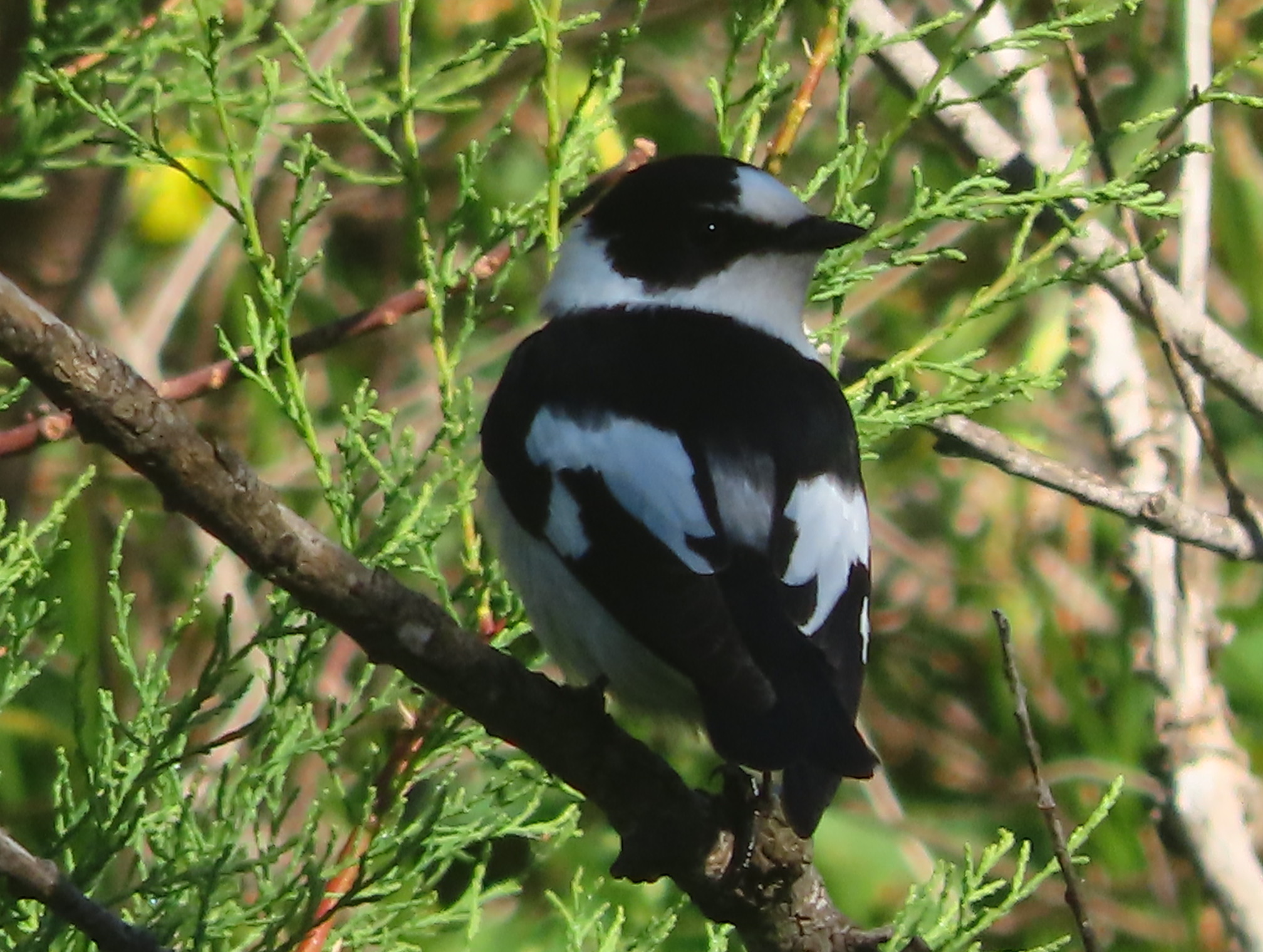
Black-winged Stilts were often seen in low numbers, but no pair has settled for nesting yet. A Spotted Crake was also seen in close proximity to the hide on various days. Little Egrets were seen daily, sometimes mixed with Cattle Egrets, all in summer plumage. Purple and Squacco Herons were also seen in small numbers, and a Greater Flamingo was recorded on a couple of dates. Of particular note were Ferruginous Ducks, which showed up occasionally. Along the path, Wood Warblers and Willow Warblers could be seen darting in the Tamarix trees, picking insects. European Pied Flycatchers were also noted in small numbers. Collared Flycatchers and Common Redstarts were particularly lacking this year, with very few individuals recorded. Other trans-Saharan passerines recorded included Rufous Nightingale, Common Whitethroats, Garden Warblers, Sedge Warblers, Great Reed Warblers and Icterine Warblers too.
by David Attard
by David Attard
Simar Nature Reserve
Sightings
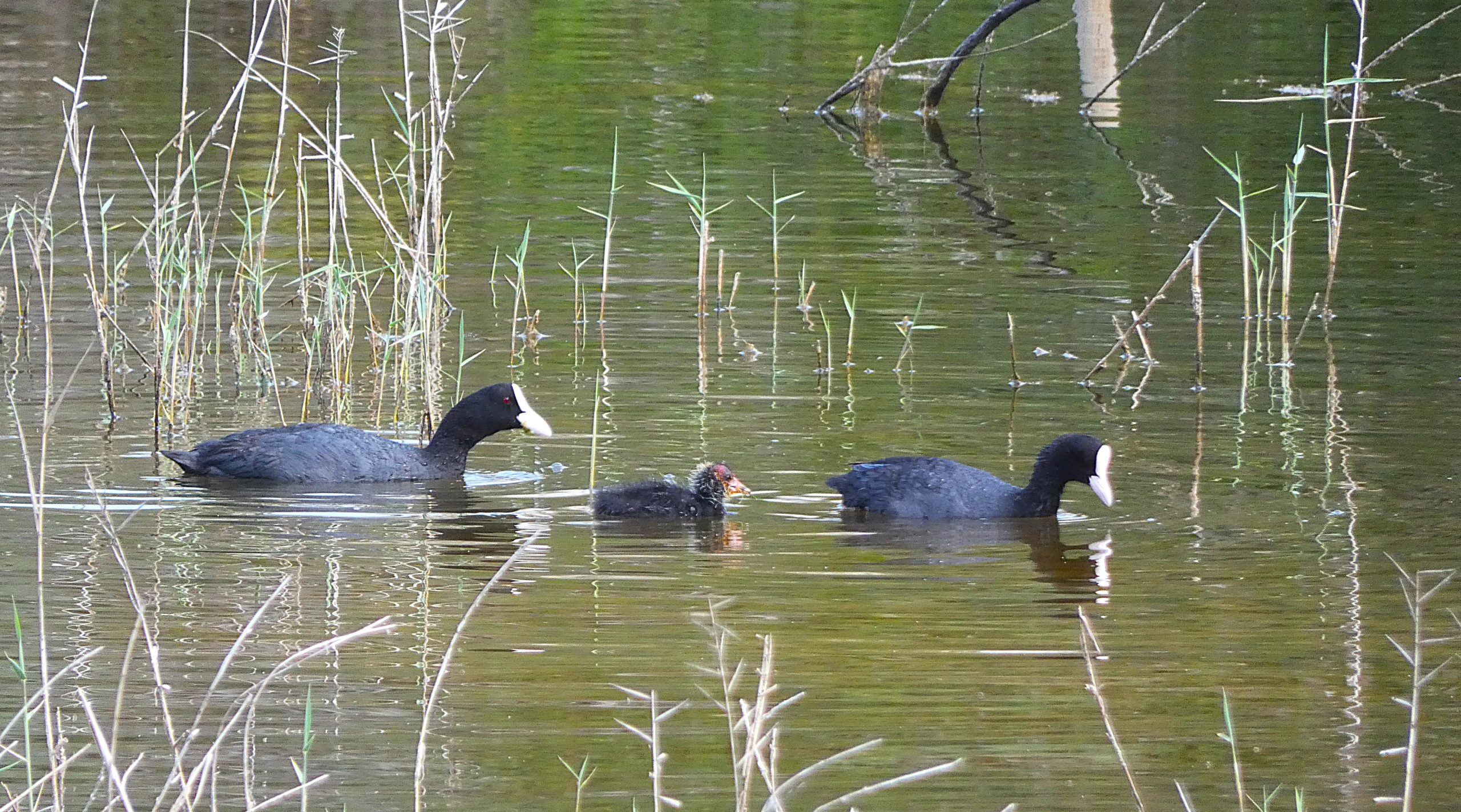
Migratory bird species passing through Malta often stop by Simar Nature Reserve, spending several days to rest and replenish before continuing their journey north. The wetland and its surroundings offer a biodiverse ecosystem which offers rich feeding habitats. It also attracts species to nest, such as the Common Coot, which managed to successfully breed and establish itself as the rarest breeding bird in the Maltese Islands.
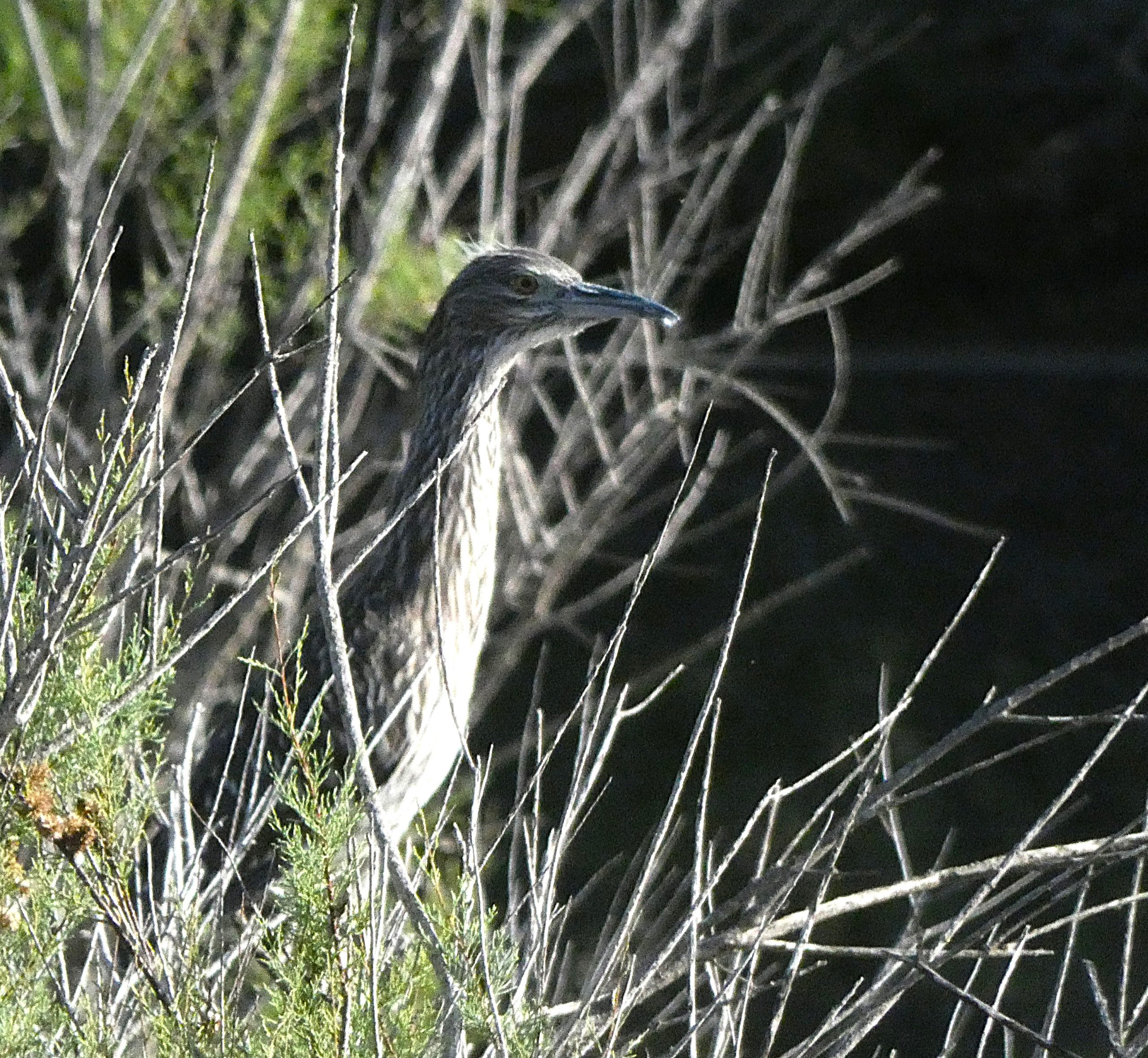
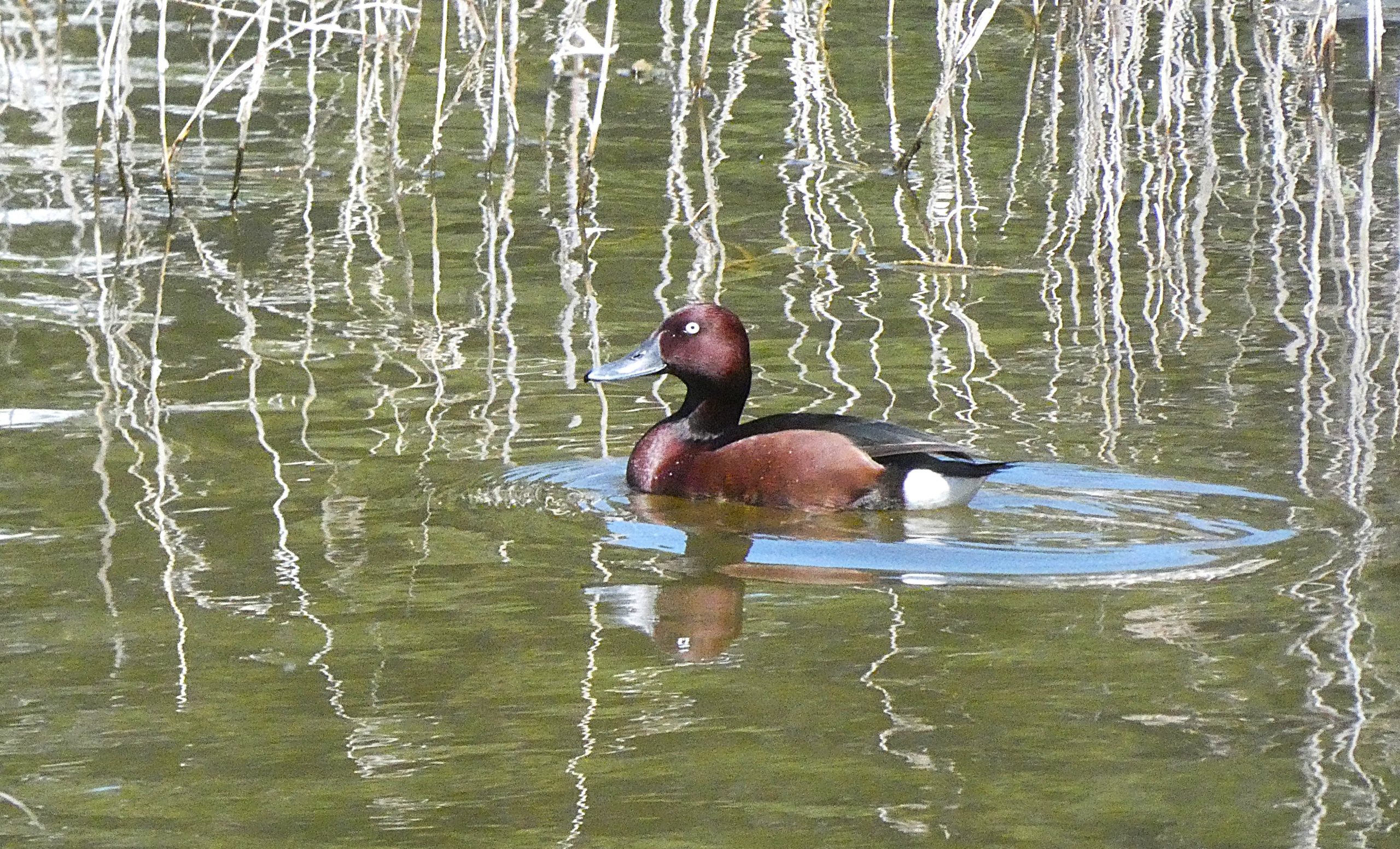
One of the main highlights was definitely the presence of two male Ferruginous Ducks, which spent almost the whole month in the reserve. A female Ferruginous Duck eventually also joined them for some time. Purple Herons and Squacco Herons were also present on several days, as well as Grey Herons, Little Egrets, Black-crowned Night-herons and Cattle Egrets.
by Charles Coleiro
by Charles Coleiro
by Charles Coleiro
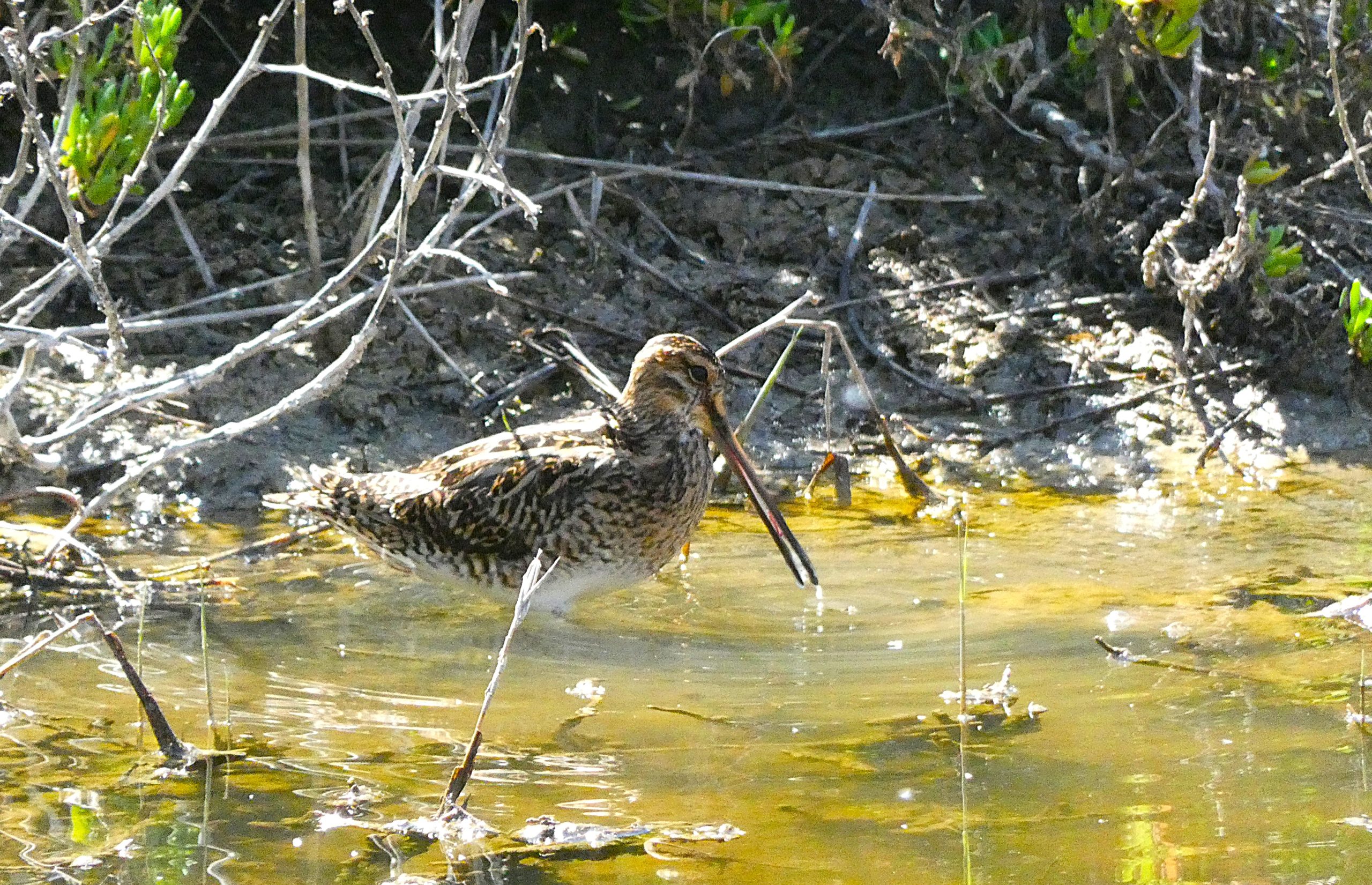
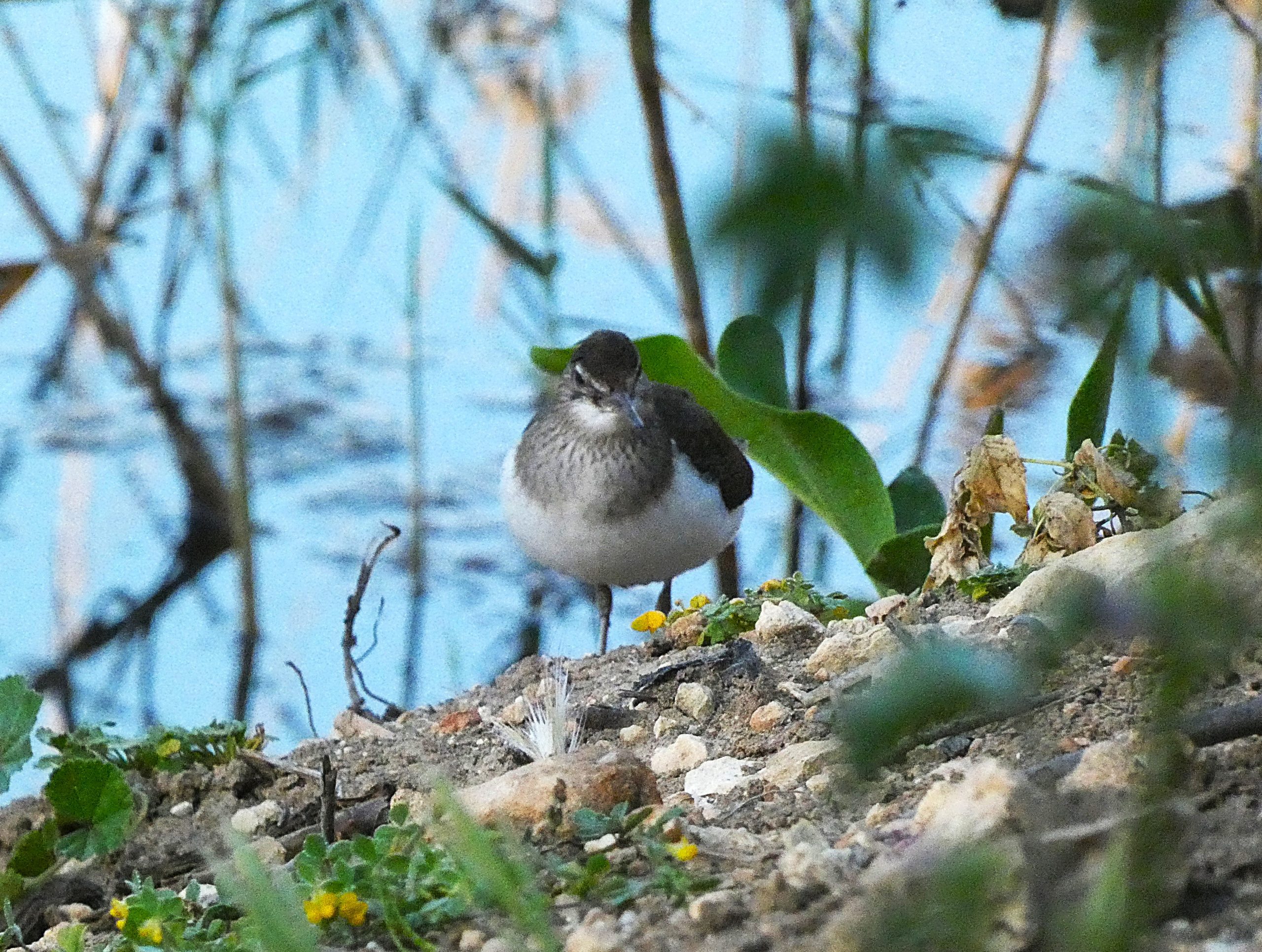
Shorebirds were also present in good numbers, especially Common Sandpipers and Wood Sandpipers. Occasionally, a few Green Sandpipers were also seen whilst a Curlew Sandpiper and a Common Snipe were present on a few days. Raptors were also regularly observed, including European Honey-buzzards, Red-footed Falcons and Western Marsh-harriers as well as a female Montagu’s Harrier. European Bee-eaters also migrated in good numbers, with some flocks even using the wetland to feed and rest.
Finally, migration of the passerines was at its peak towards the end of the month. A good number of Wood Warblers and Sedge Warblers were present, as well as Great Reed-warblers and European Pied Flycatchers. In smaller numbers but also regular were Collared Flycatchers, Whinchats, Willow Warblers and Common Whitethroats.
by Charles Coleiro
by Charles Coleiro
Foresta 2000
Sightings
With migration season at its peak, birds are moving nonstop, using the reserve as a key stopover.
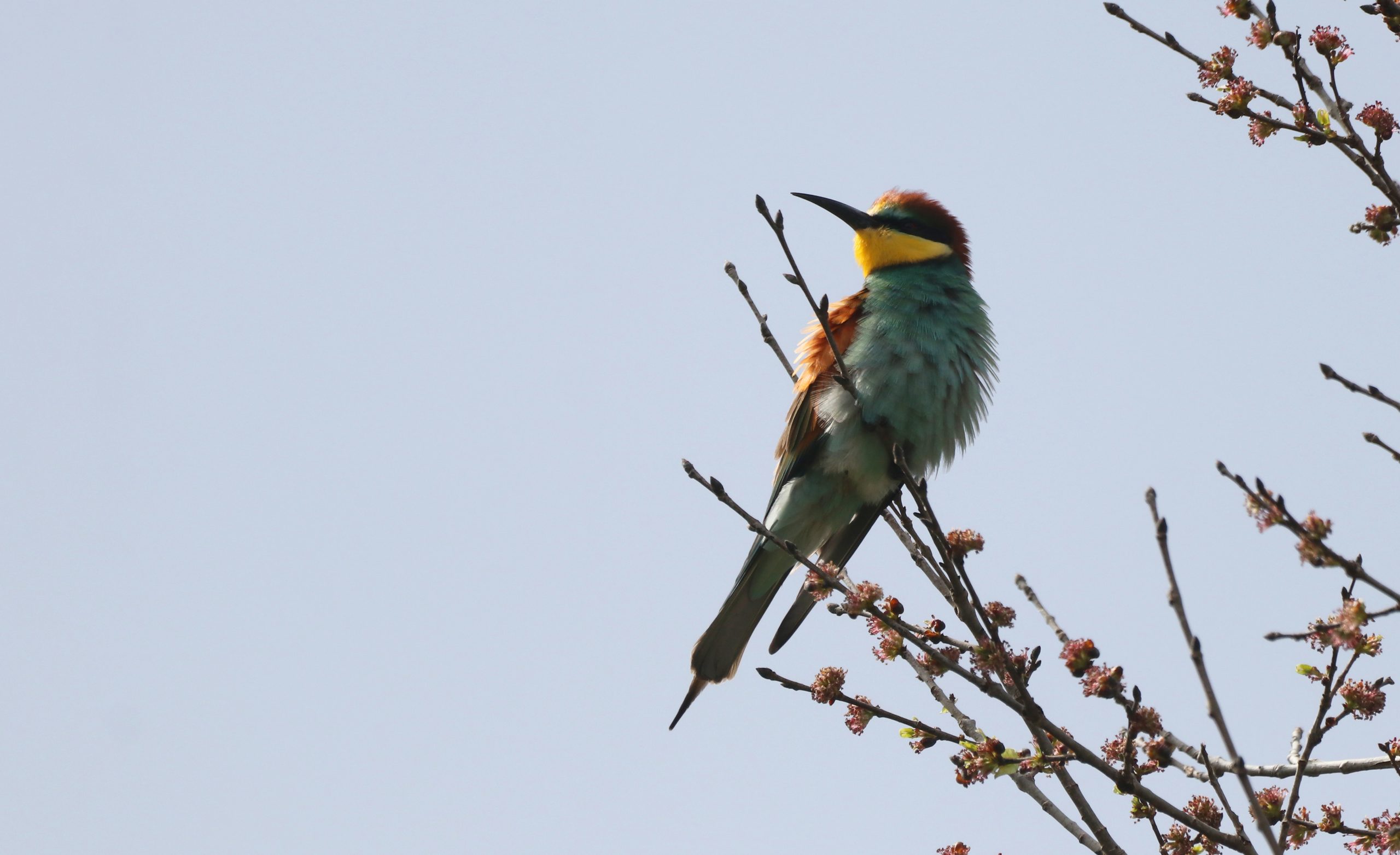
Overhead, Barn Swallows, House Martins, and Common Swifts dominated the skies in constant movement. Mixed in among them were European Bee-eaters, often heard before seen.
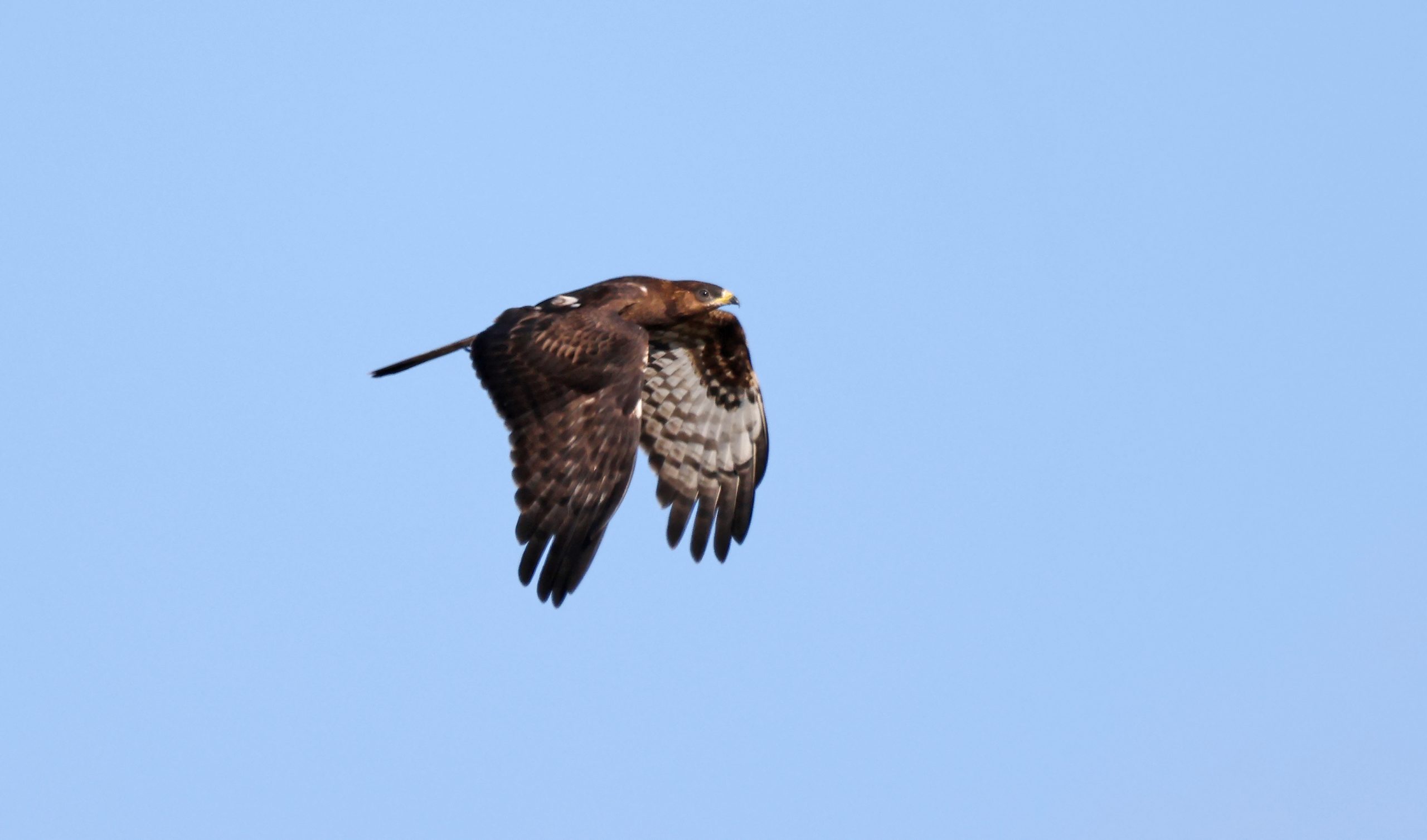
Raptor passage was noticeable, with Western Marsh-harriers, European Honey-buzzards, and occasional Lesser Kestrels moving north. Common Kestrels remained regularly hunting over the western area.
by Aron Tanti
by Aron Tanti
In the scrub and woodland, migration was strong. Subalpine Warblers were among the most characteristic migrants, alongside Garden Warblers and Wood Warblers, all using Foresta 2000 as a feeding stop. Spotted Flycatchers also started appearing towards the end of the month.
Resident and early breeders kept the soundscape full. Among them, Sardinian Warblers, Zitting Cisticolas, and Collared Doves were highly active, with continuous calling and display behaviour.
Additional passage birds included Yellow Wagtails, Whinchats, and occasional Icterine Warblers, especially in more open areas.
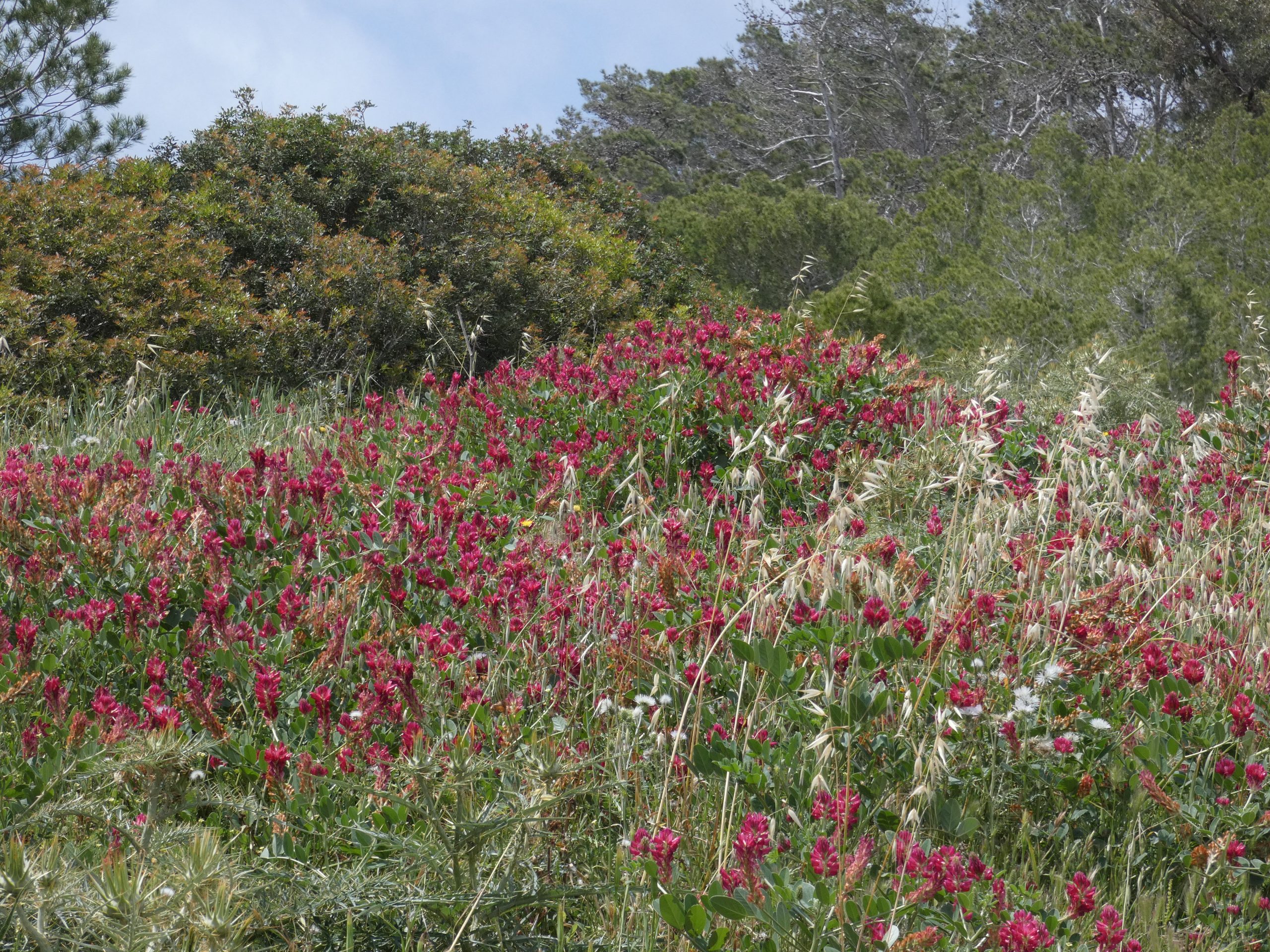
Butterflies and insects were at peak activity, with Swallowtails, Painted Ladies, Clouded Yellows, and Common Blues widespread across the flowering meadows.
Works
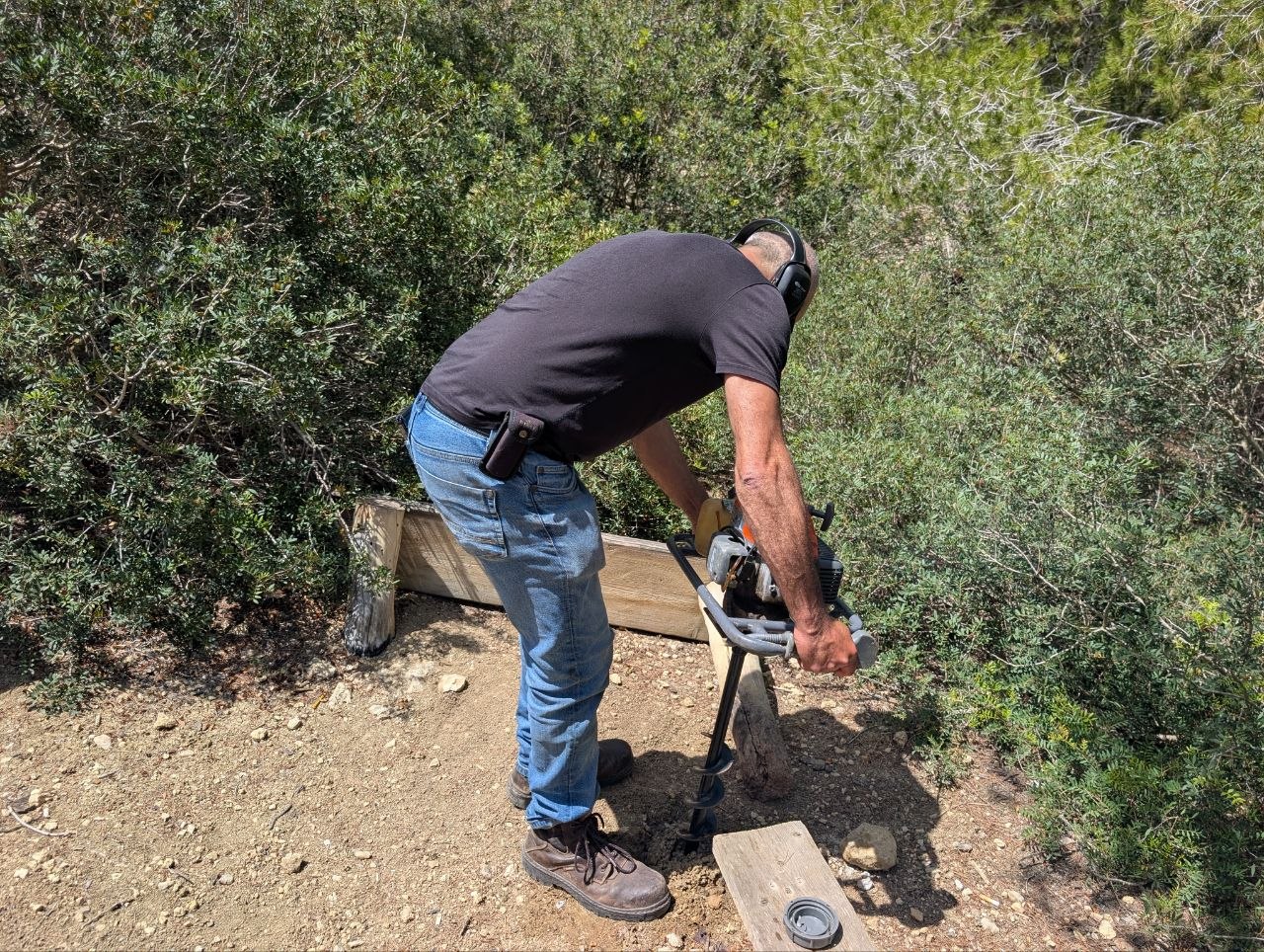
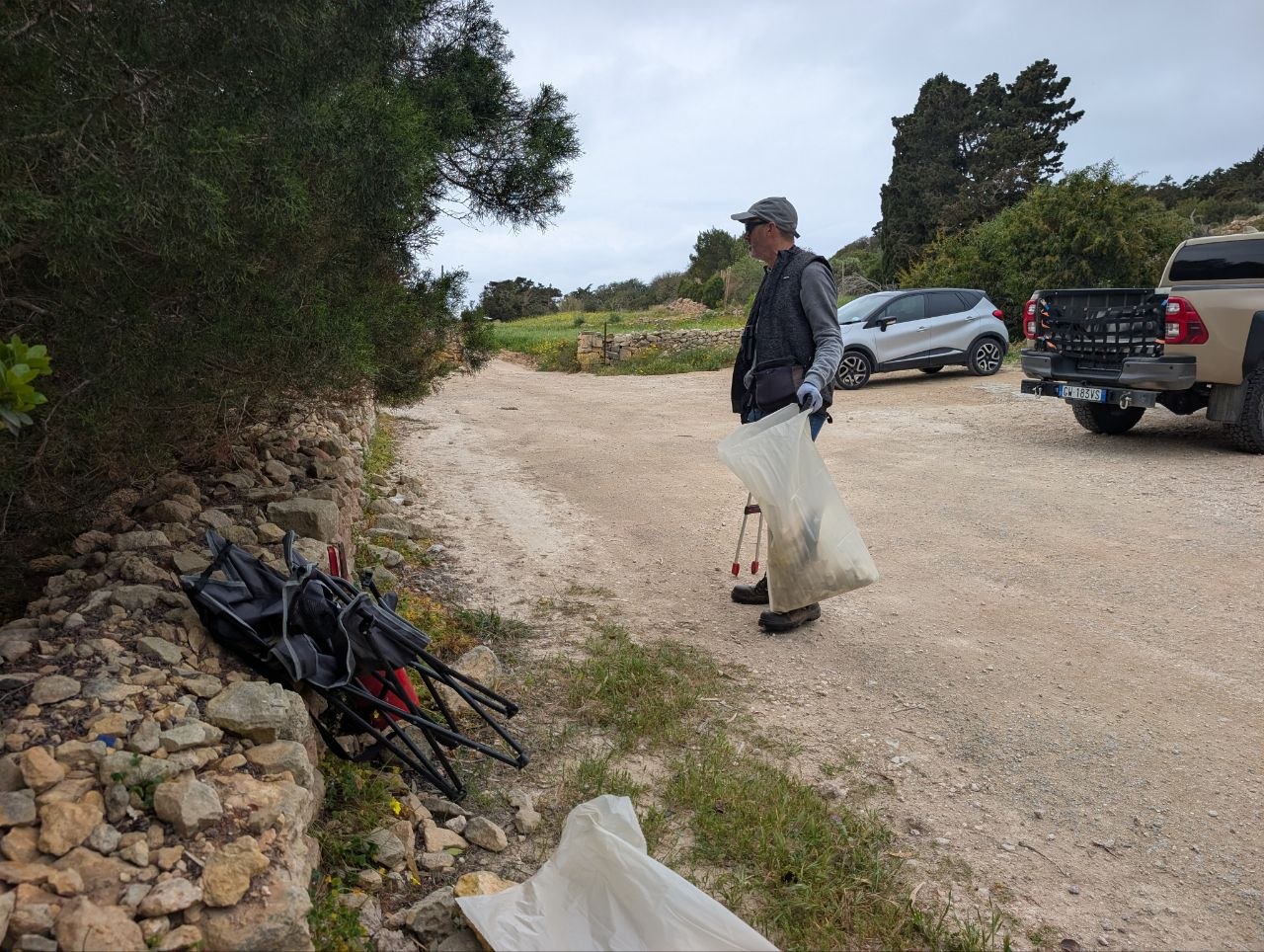
Regular clean-ups and path maintenance continued throughout the month. A bench was repaired after being damaged, restoring a key resting point along the main trail.
by Vera Tokmakova
Vera Tokmakova
by Vera Tokmakova
Spring Flights!
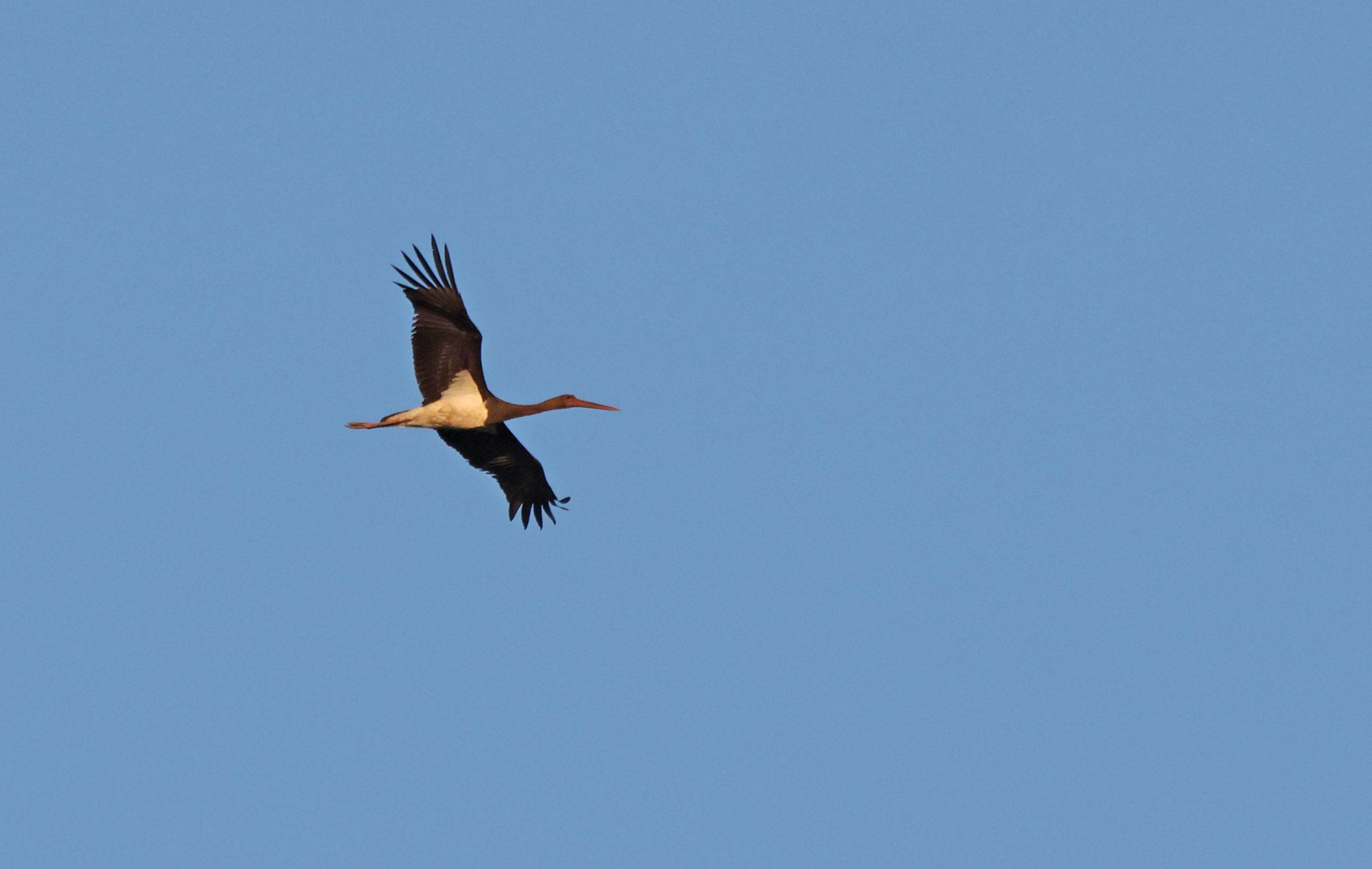
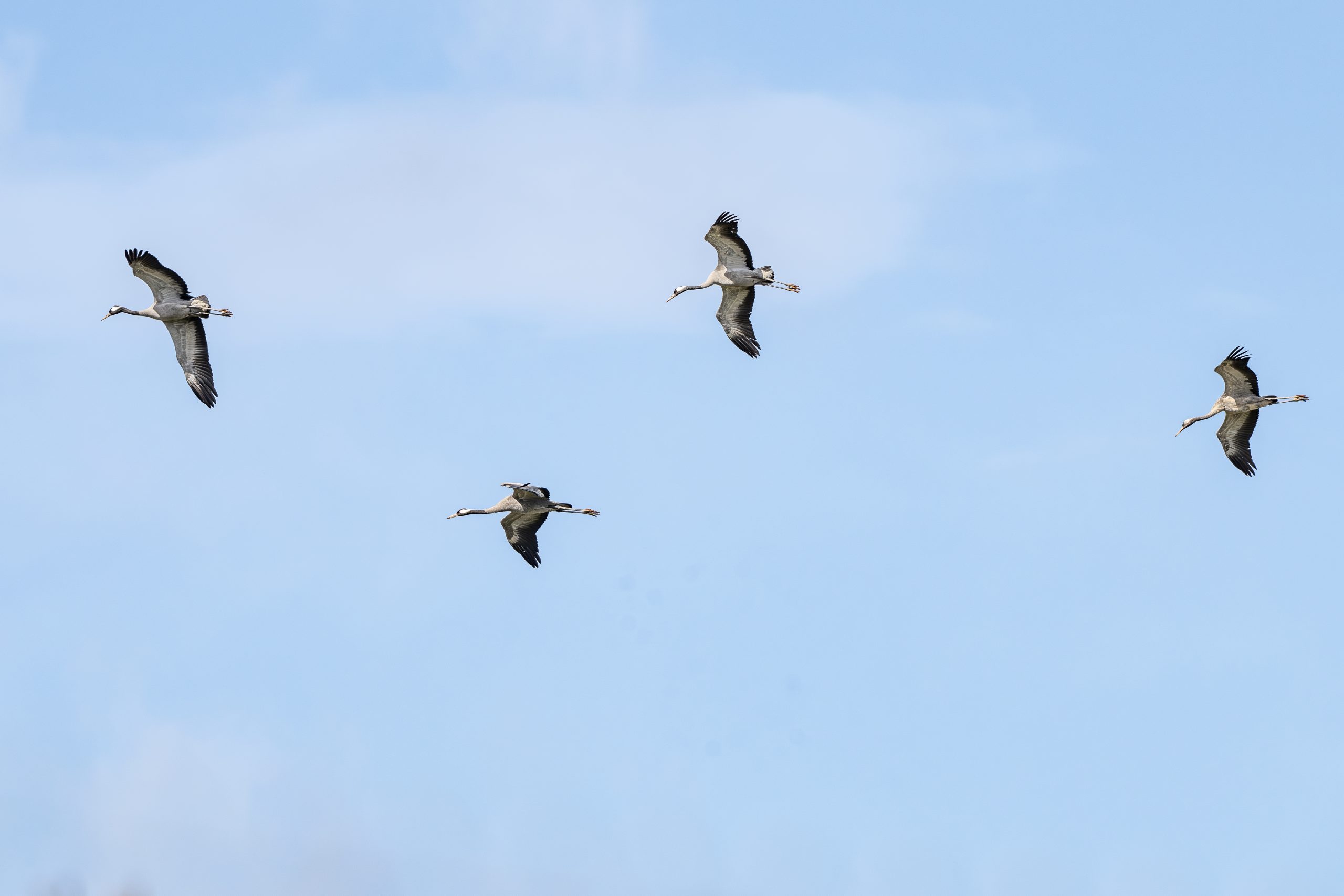
April usually brings the highest abundance and diversity of migrants, and is thus probably the best month for birding in Malta. However, this year was relatively quiet for most species. Nevertheless, a few surprises and highlights did turn up. At the beginning of the month, some interesting birds were reported, especially from the south of the island. These included some Common Cranes, a couple of Black Storks, a Eurasian Buzzard, and an Osprey, as well as large numbers of Western Marsh-harriers. However, one of the most interesting sights was that of a Ring Ouzel. This is a very scarce migrant here, with most records being in autumn, rather than spring.
A good number of birds were spotted migrating in the Comino Channel, including large numbers of Cattle Egrets and Western Marsh-harriers, alongside some Garganeys, Northern Shovelers, and Black Kites. A few Ruppell’s and Savi’s Warblers were still lingering from earlier in the spring, while the Hume’s Leaf-warblers found in February were still around at the beginning of the month.
by Aron Tanti
by Kevin Gambin
Decent numbers of the usually scarce Eurasian Buzzards, Common Woodpigeons, and Eurasian Thick-knees were reported during the month, while the more common Northern Wheatears, Black-eared Wheatears, and Common Hoopoes turned up in good numbers. A handful of Ortolan Buntings were also reported around the middle of the month, as well as multiple sightings of the always good-looking Rufous-tailed Rock-thrushes.
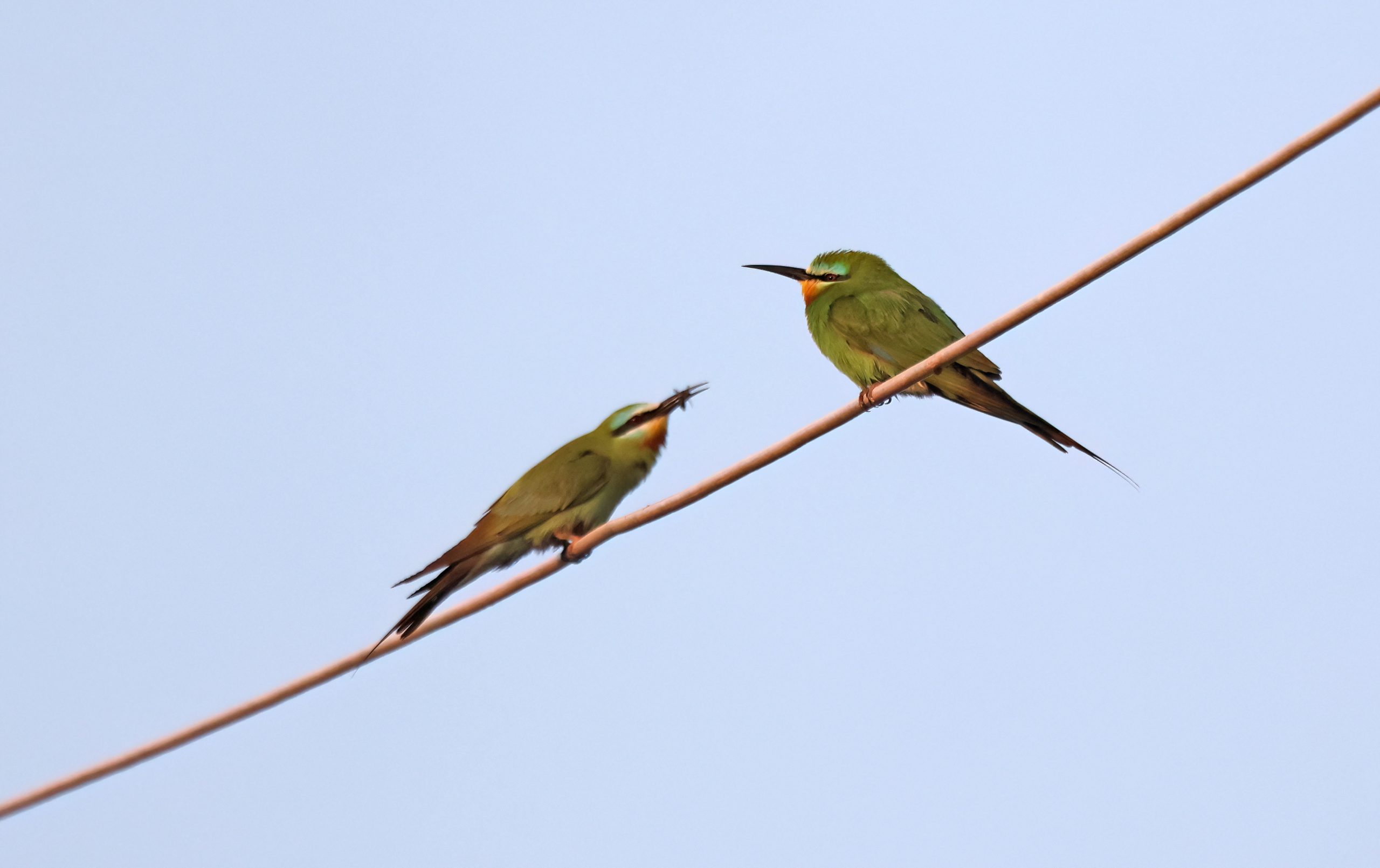
A very rare Mediterranean Short-toed Lark was spotted on 11 April, while an even rarer Pallas’s Leaf-warbler was seen a week later, together with two stunning Blue-cheeked Bee-eaters. Another atypical occurrence was that of a couple of Stock Doves, which are usually very scarce in autumn and unheard of in spring.
Finally, towards the end of the month, some other Black Storks, a Rufous-tailed Scrub-robin, and a few European Rollers were spotted, as well as a Great Snipe and an impressive flock of 55 Black-winged Stilts!
by Aron Tanti
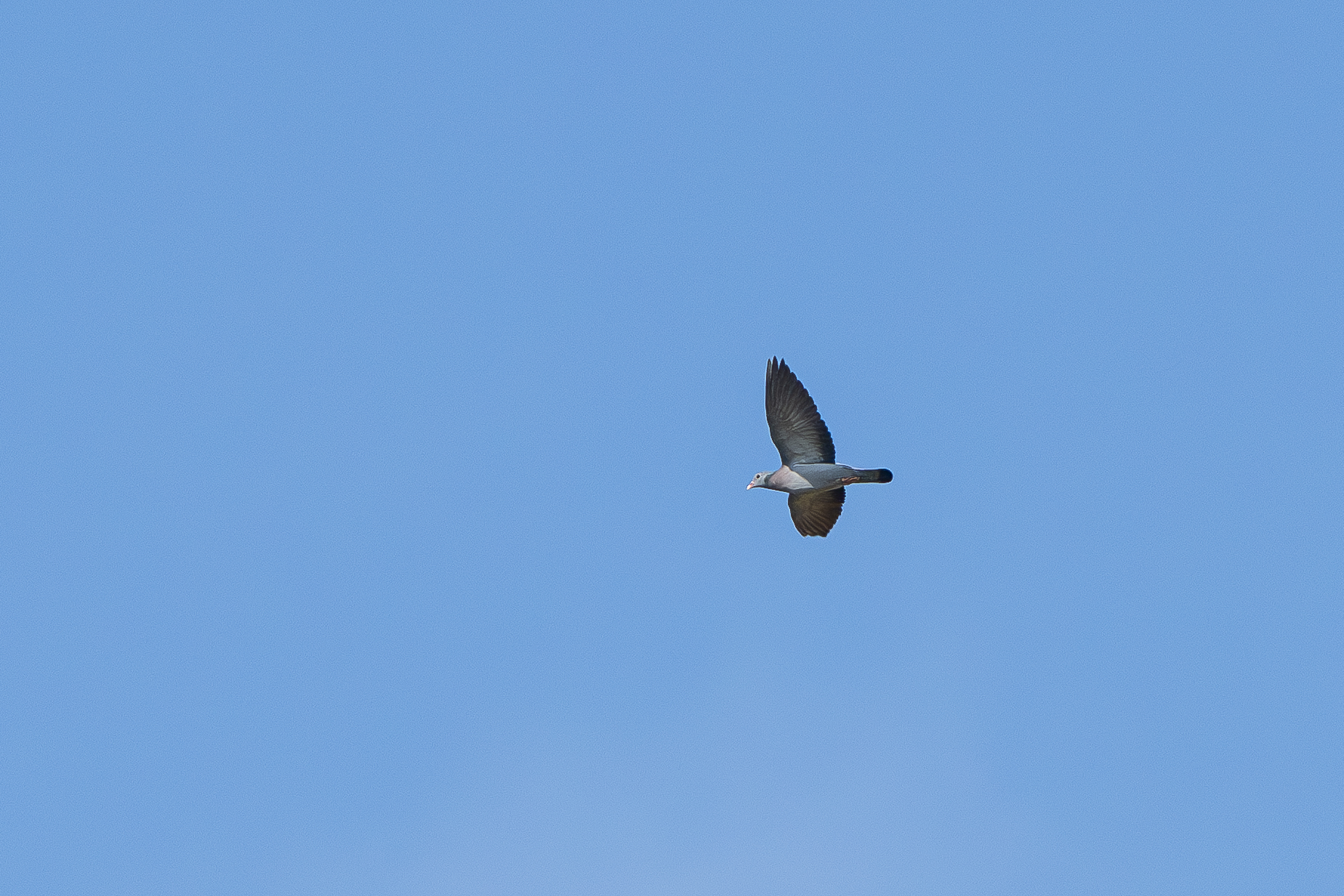
by Kevin Gambin
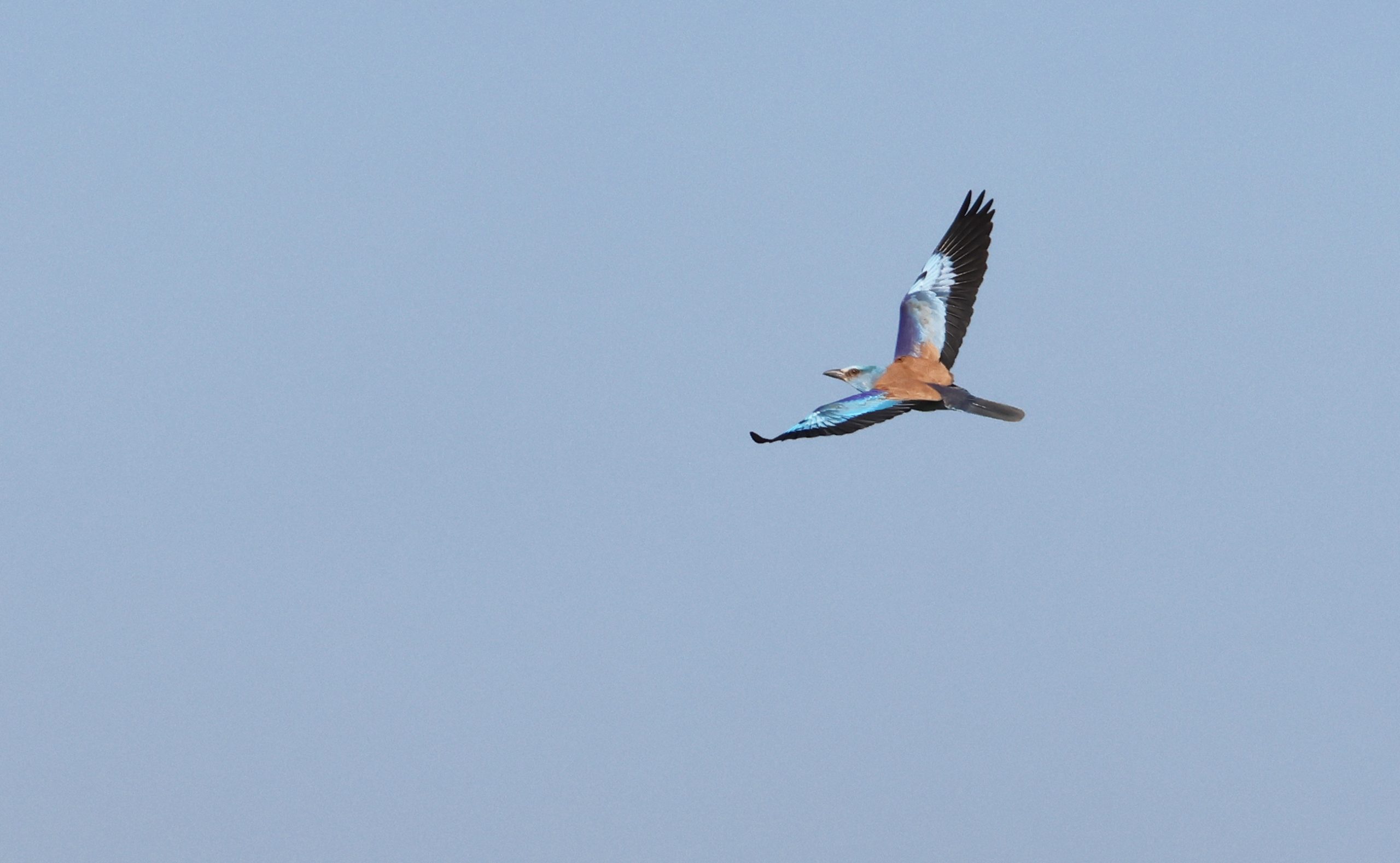
by Aron Tanti
Learning about Bird Ringing at Għadira Nature Reserve
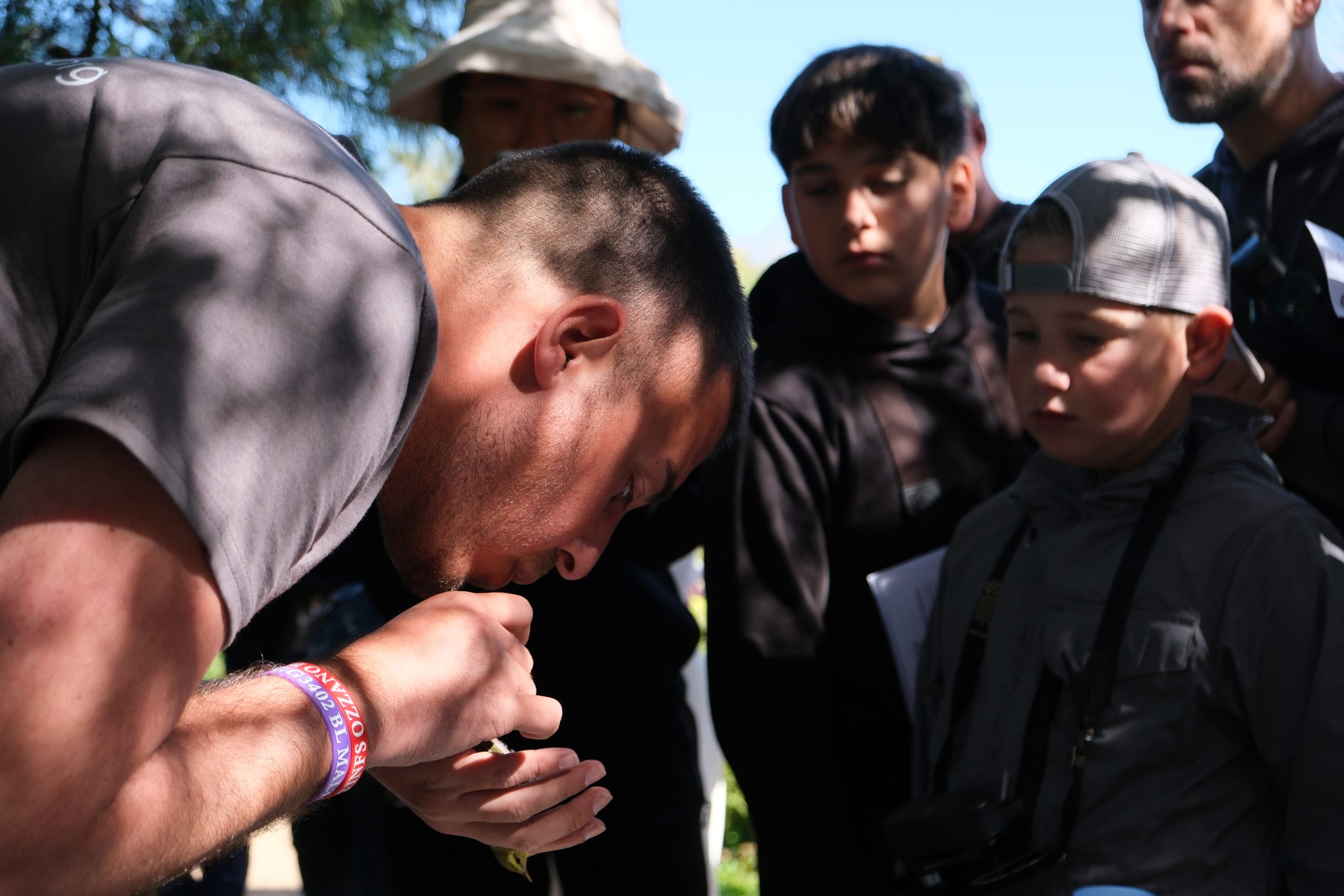
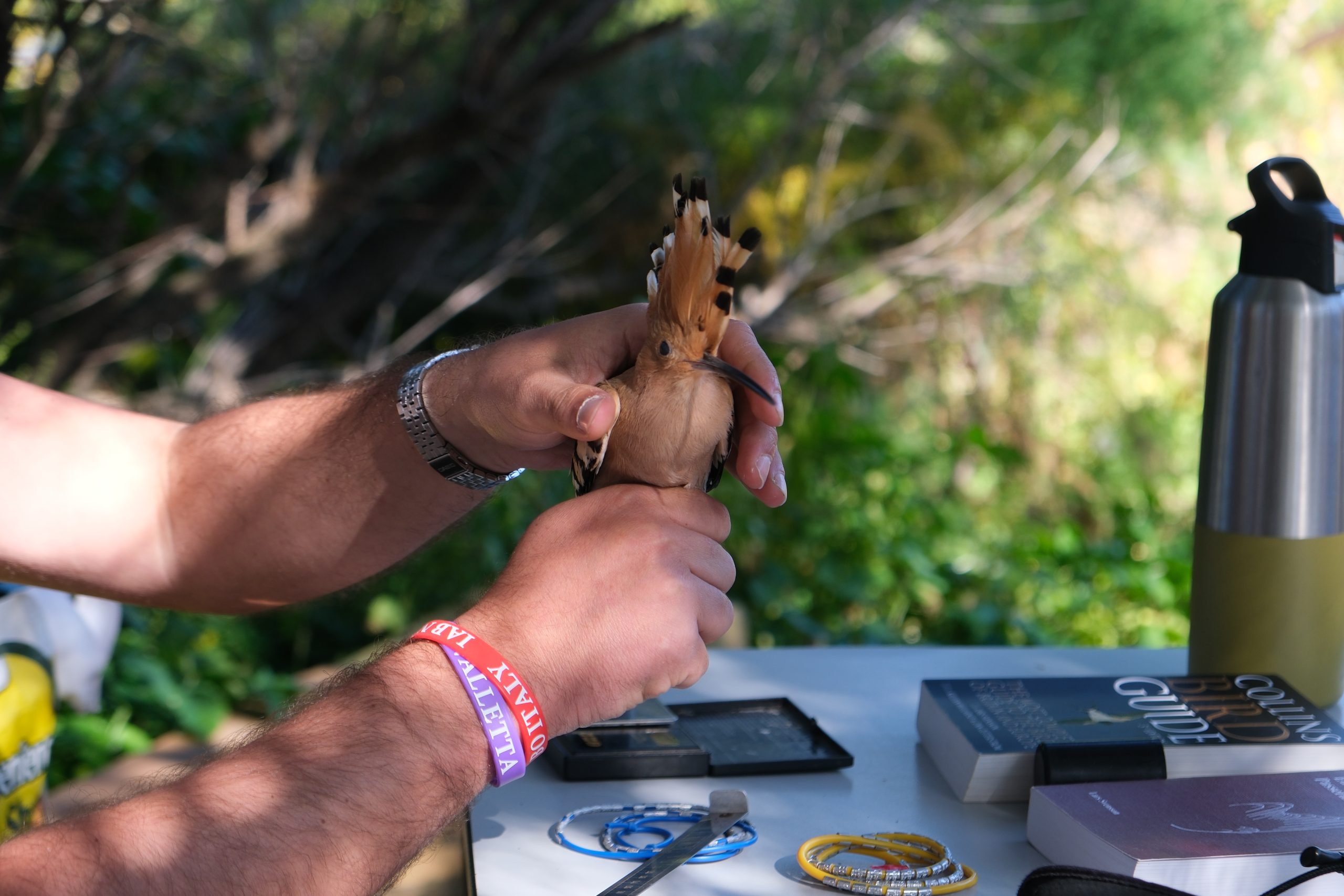
On 11 April, we held a second edition of Wings & Rings at Għadira Nature Reserve. Visitors participated in a fun educational activity, observed the process of bird ringing, and enjoyed a beautiful morning out in nature. Still, among the many fascinating bird species spotted and ringed on the day, the highlight for every participant was the Common Hoopoe!
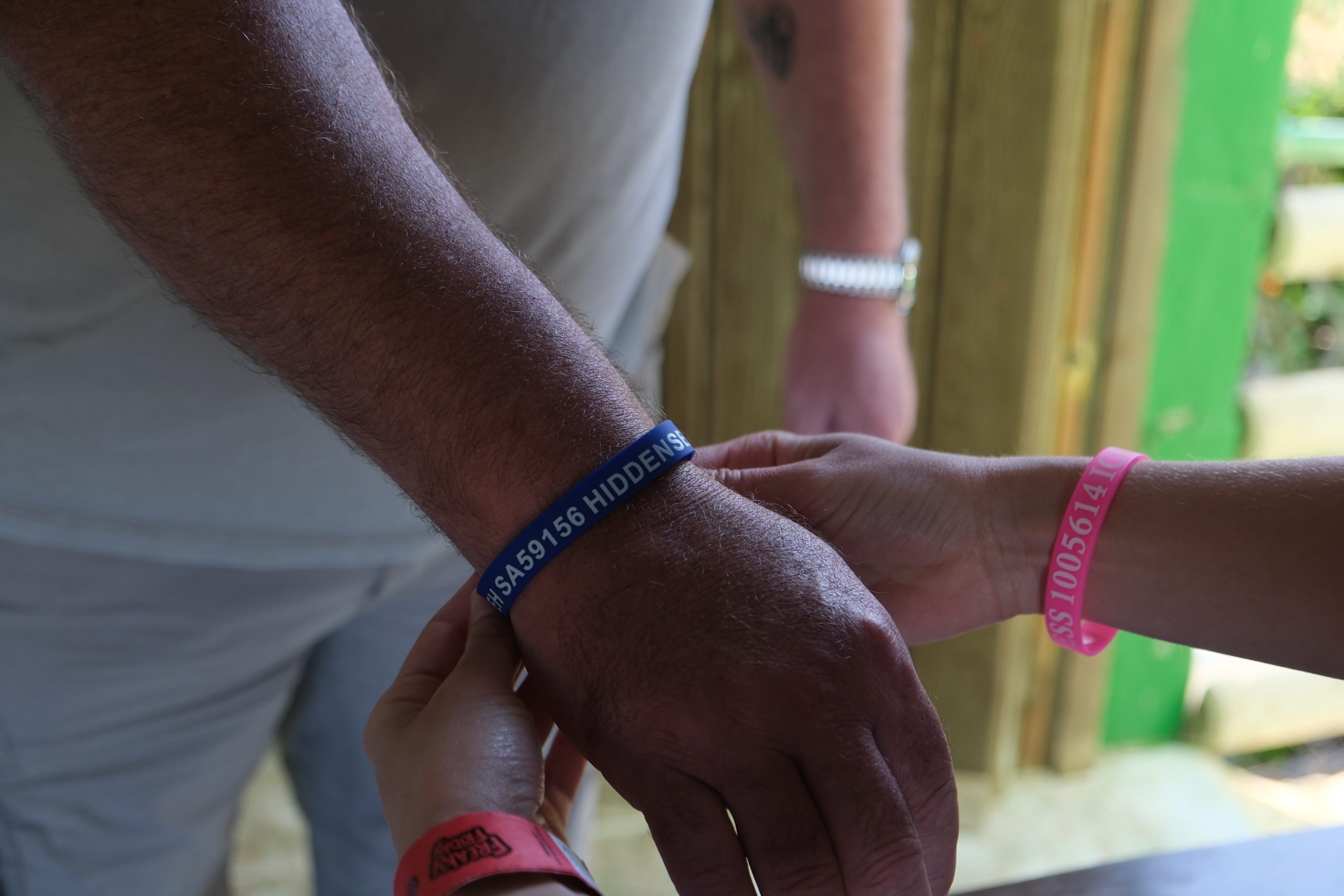
by Nadia Sodano
by Nadia Sodano
by Nadia Sodano
Shearwaters and Stars during Dark Sky Week
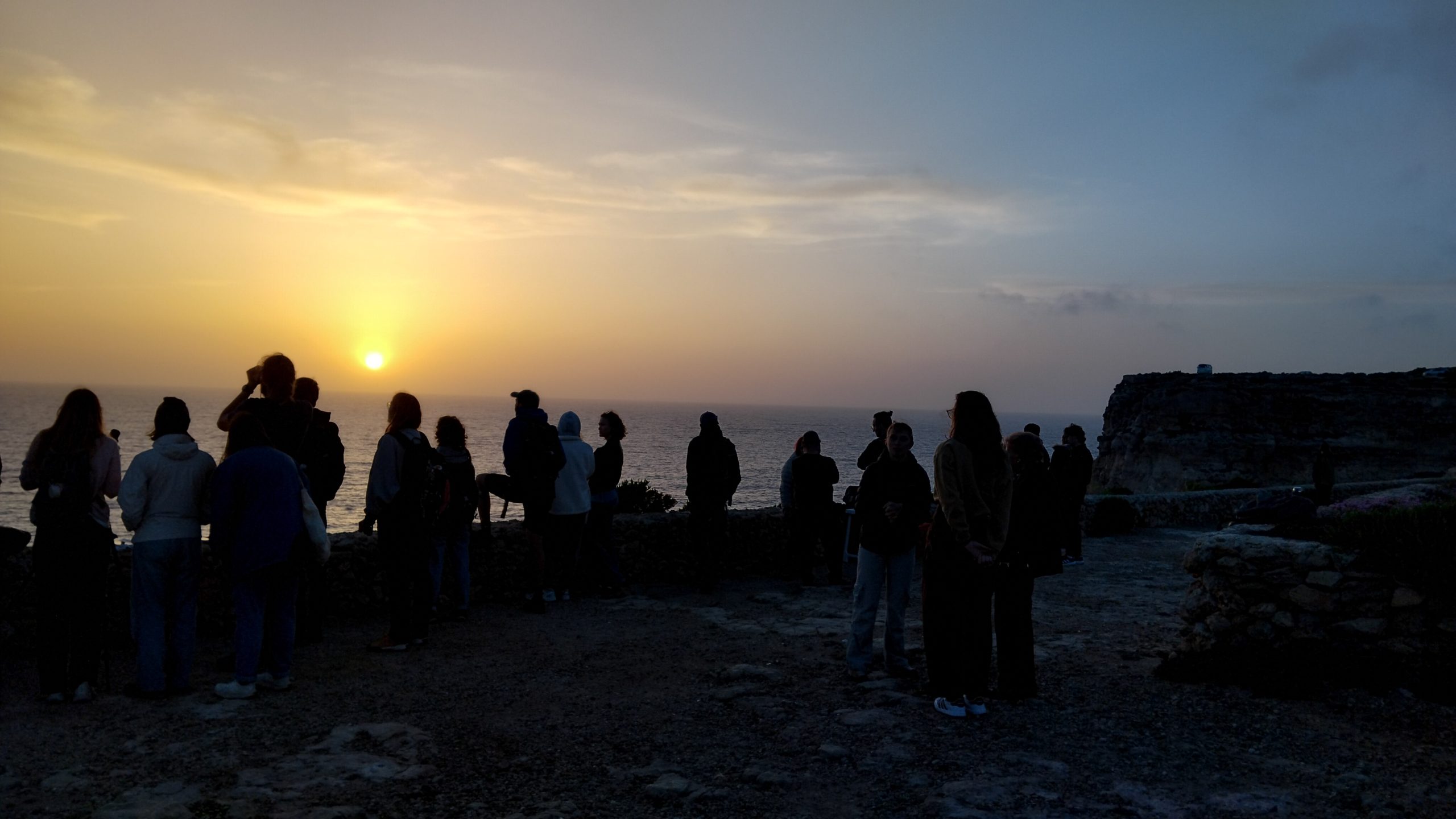
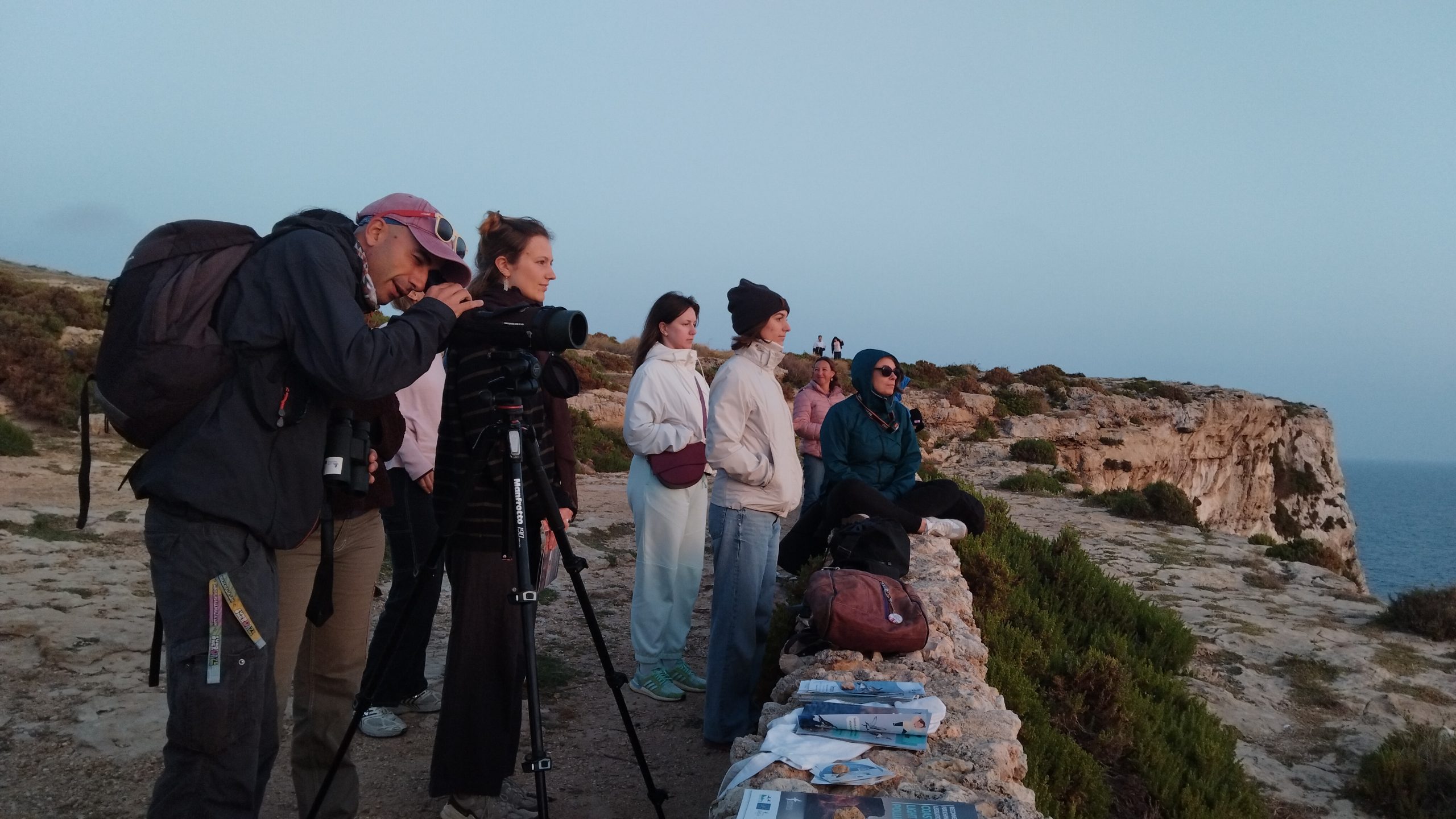
We marked the International Dark Sky Week 2026 (April 13-20) together with the Astronomical Society of Malta at Miġra l-Ferħa, where we gathered to observe the night sky and listen to the calls of Yelkouan and Scopoli’s Shearwaters returning to their nests. This activity once again highlighted the level of light pollution in Malta, as even Miġra l-Ferħa, considered one of the best places for stargazing on the island, is affected by the glow from nearby localities. This also results in a high level of disturbance for seabirds, which nest in the cliffs.
by Sofia Meskhidze
by Sofia Meskhidze
Pub Quiz Night with Falko!
To celebrate Earth Month, on 24 April, we enjoyed a pub quiz night with our Falko youth group and tackled the European Green Deal! We had a great turnout, with over 6 teams, and as the evening went on, participants got even more in the zone. It was a fantastic way to learn about the policy, as well as some fun facts surrounding the topic! Did you know that the most renewable material we can use is aluminium? It can be recycled infinitely without losing its quality!
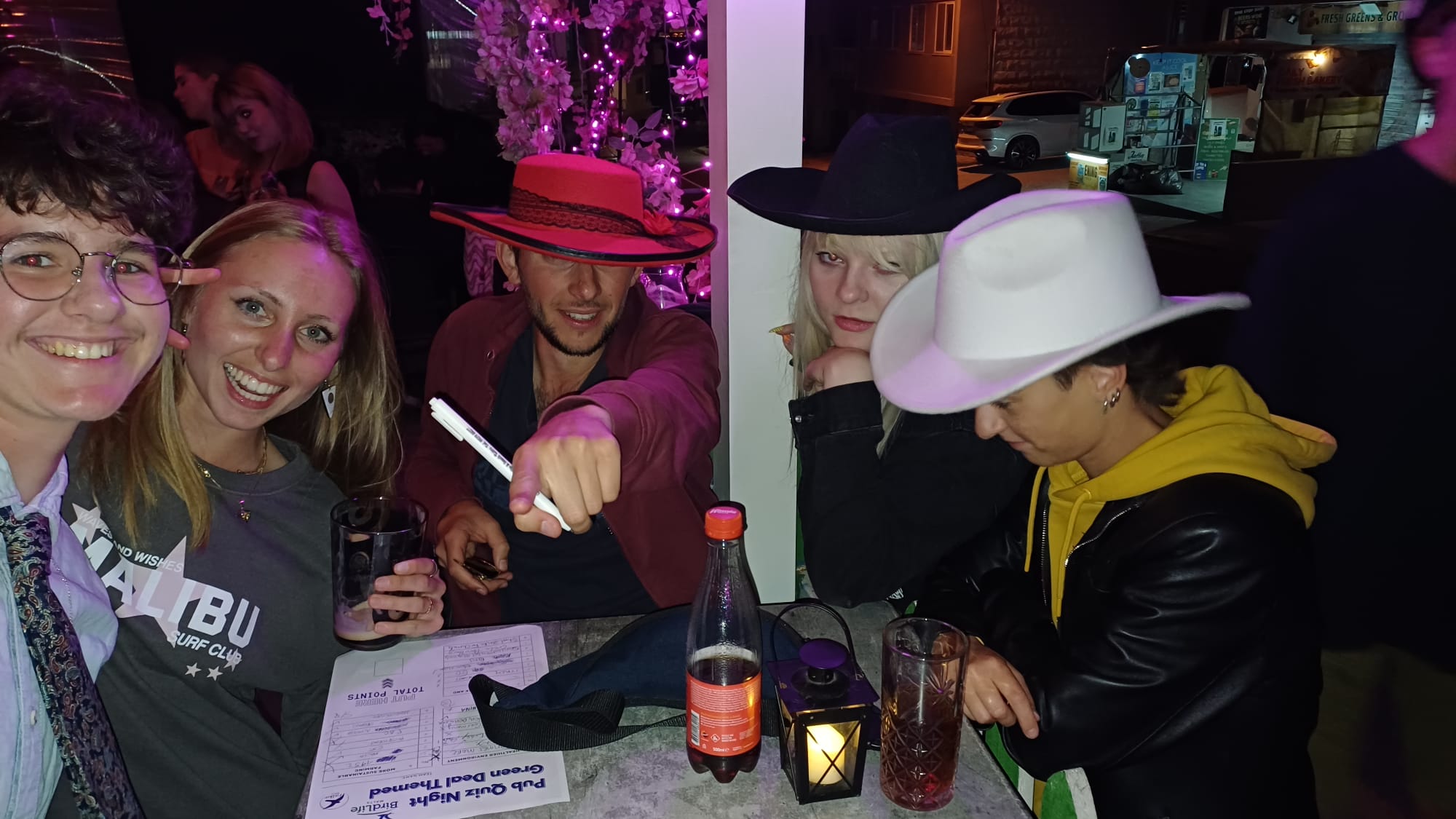
by Giulia Galvani
Birds and Hike in Comino
On a beautiful Sunday morning at the end of April, avid flora and fauna enthusiasts took off to hike around Comino and experience a great bird ringing session! From European Nightjars to European Bee-eaters, participants were able to learn more about spring migration and discuss fun facts surrounding each species. Malta is a popular stop for our travelling friends who are on their way to spend the summer in Europe. What an amazing way to spend the last BirdLife Malta Events & Activities Group event of the season!
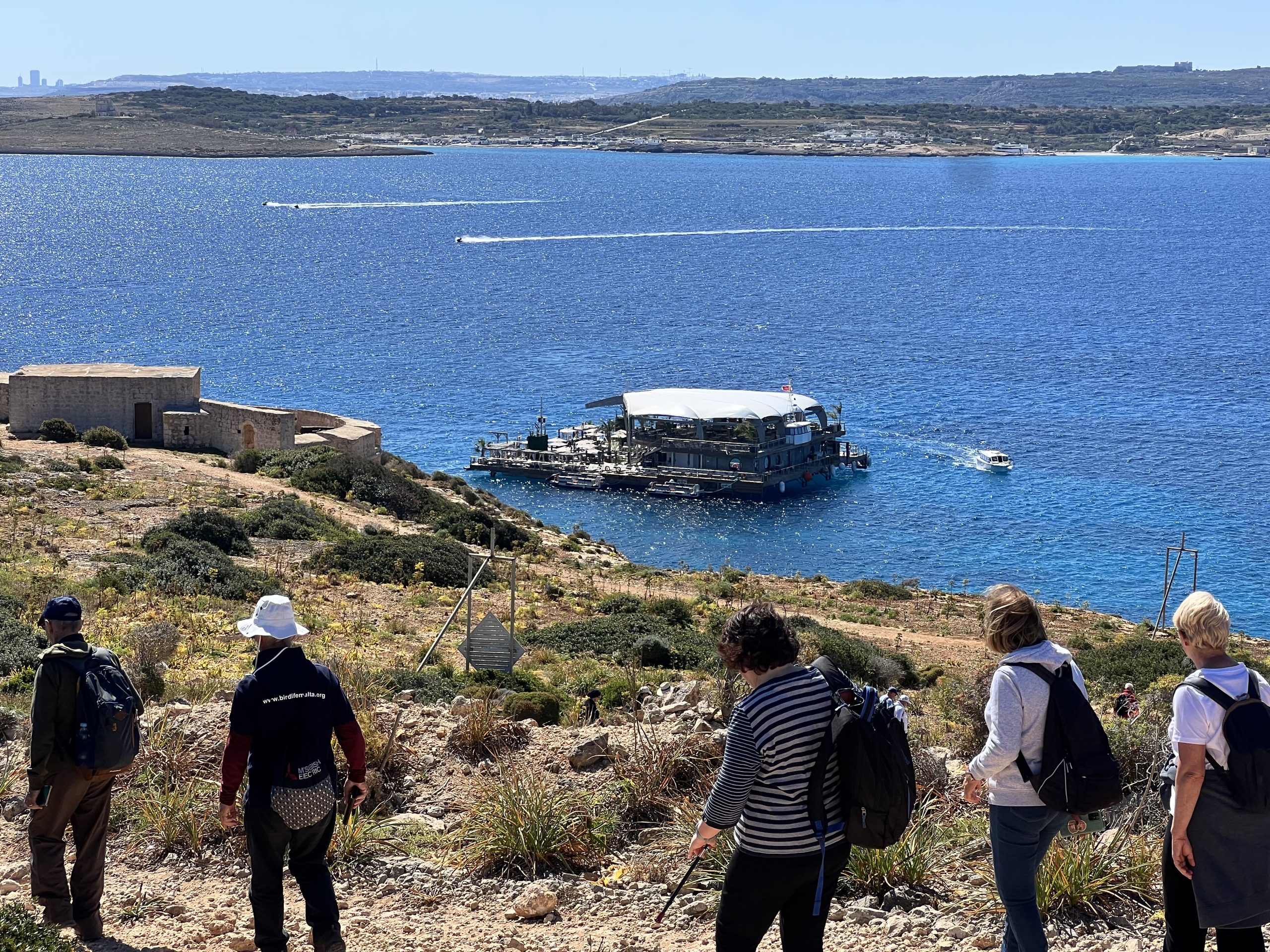
by Antonia Micallef
Science in the Citadel
On 26 April, we were thrilled to take part in the 2026 edition of Science in the Citadel in Gozo, a celebration of science and innovation! Our stand buzzed with activity as participants tested their bird knowledge with a spinning wheel, challenged their memory with a Malta’s birds-themed memory game, and explored the fascinating differences between bird beaks using household tools. They also tackled a board game to uncover the challenges faced by Shearwaters. A highlight of the day was our full-day birdwatching session, led by an expert birdwatcher. It was a day of learning, wonder, and community, bringing together curious minds of all ages to celebrate discoveries, inventions, and the incredible birds of Malta!
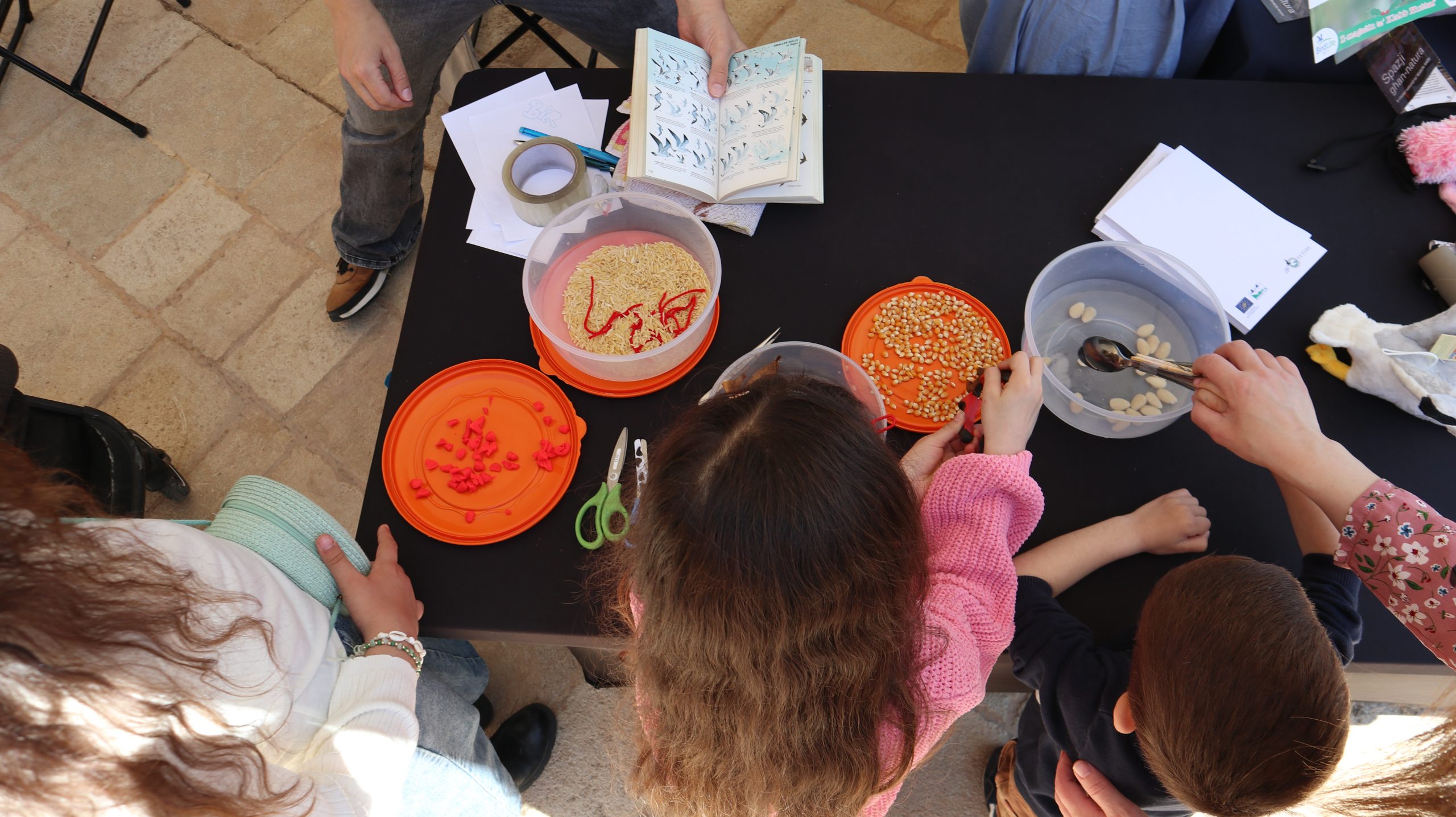
by Nadia Sodano
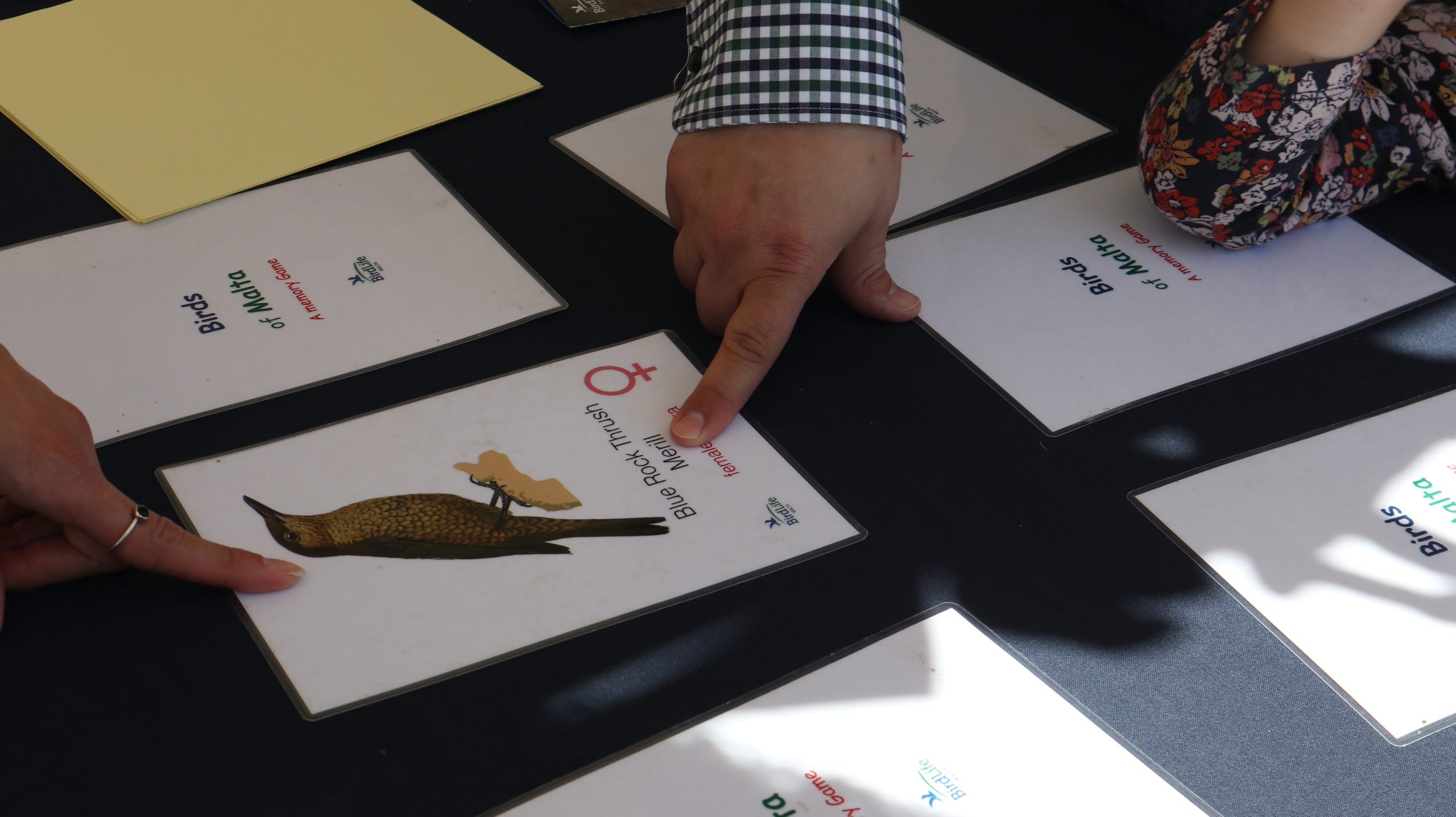
by Nadia Sodano
Kayak, Clean & Connect
On Saturday, 2 May 2026, the Kayak, Clean, & Connect event, held as part of European Youth Week, brought together young people for a fun day of adventure, environmental action, and connection along Malta’s coast. Taking place at Ġnejna Bay, the event began with a kayaking session, giving participants the chance to explore scenic caves from the water. This was followed by a beach clean-up, where everyone pitched in to collect litter and make a visible difference. The day wrapped up with a relaxed picnic and some social time on the beach, during which participants also took part in birdwatching.
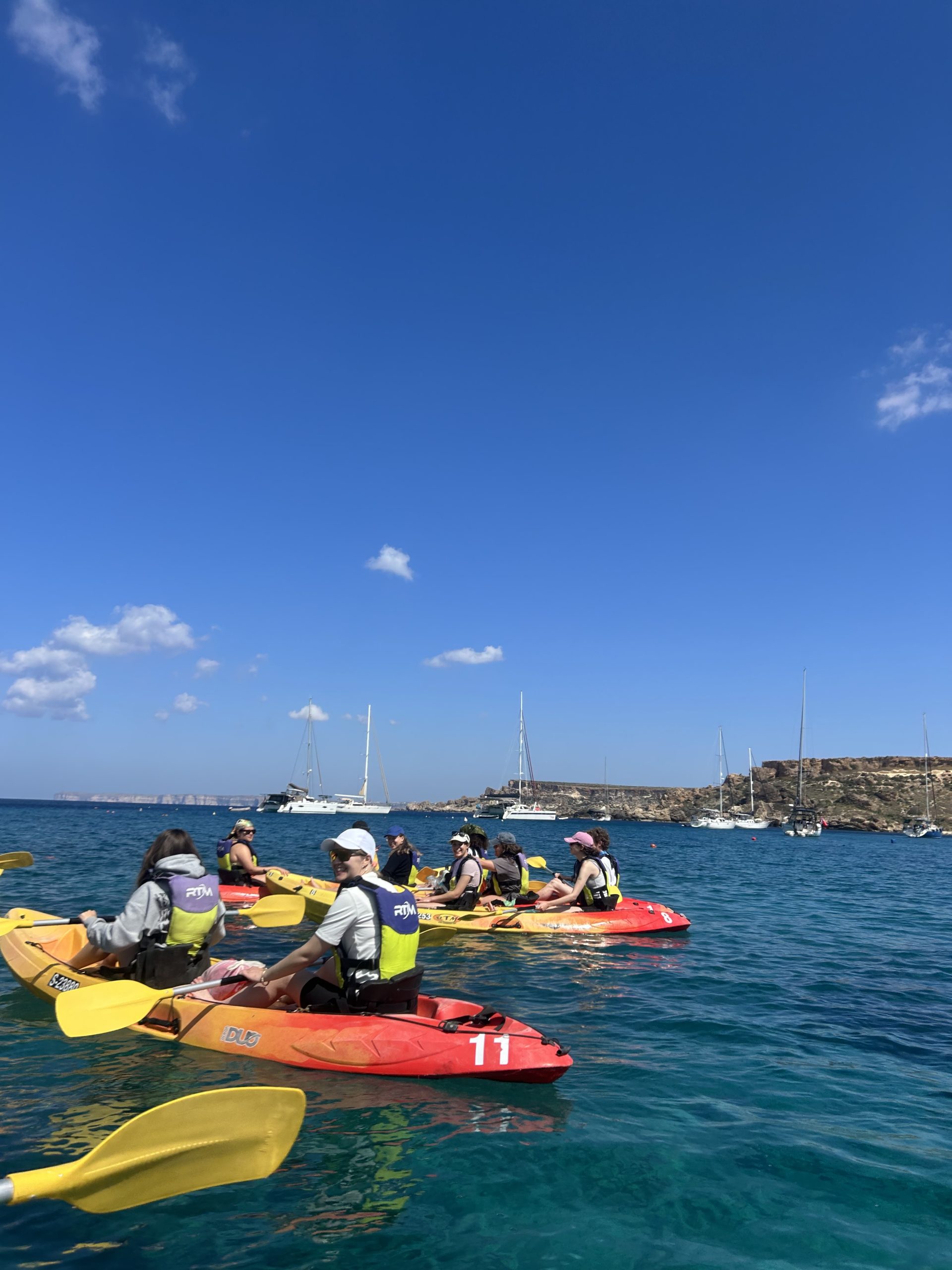
by Alexandra Zubrowicz
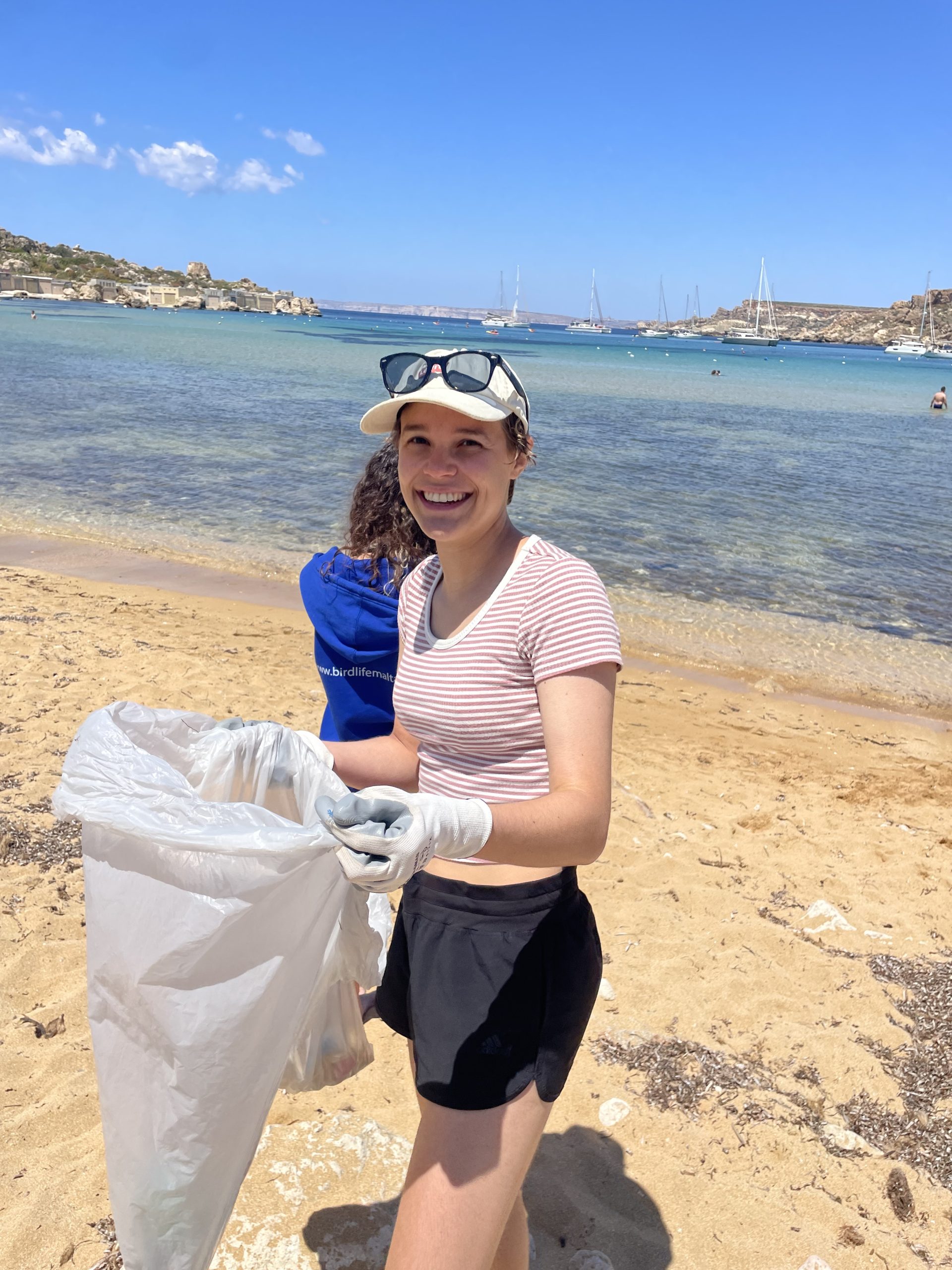
by Giada Lampitelli
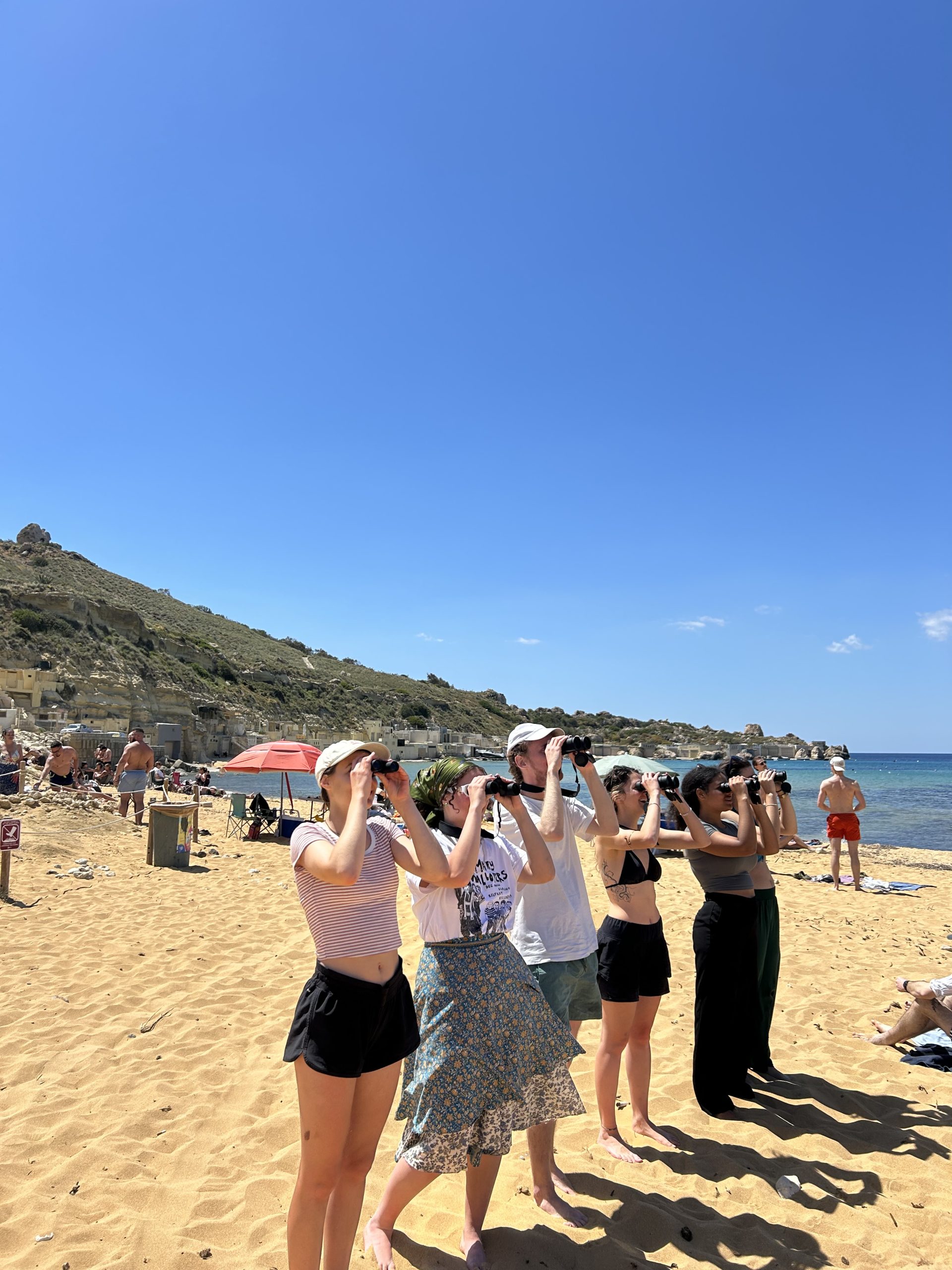
by Alexandra Zubrowicz
Walk4Nature
On 9 May, BirdLife Malta hosted Walk4Nature, a fundraising walk bringing together nature lovers, families, supporters and volunteers for a day dedicated to celebrating Malta’s natural heritage. Thanks to the collective effort and generosity of all participants, we successfully raised enough funds to purchase a GPS tracker that will contribute to future bird conservation and scientific research.
Participants explored beautiful natural areas, learned more about local wildlife, and shared a meaningful experience outdoors together. This year’s event also felt particularly special as it coincided with the celebrations of David Attenborough’s 100th birthday, a man whose work has inspired generations of people to appreciate and protect the natural world.
A heartfelt thank you goes to everyone who walked with us, donated, volunteered, and helped make the event possible.
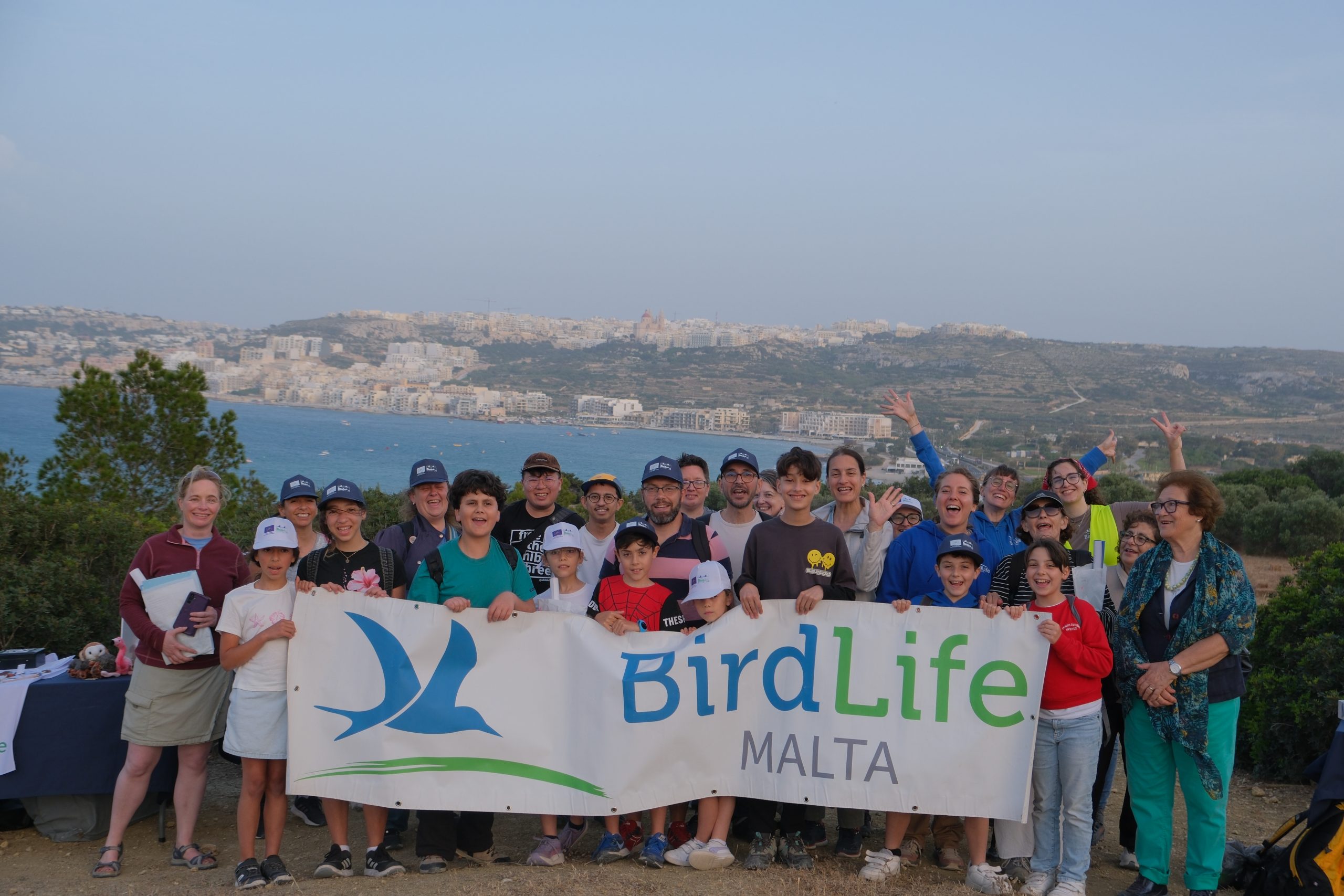
by Nadia Sodano
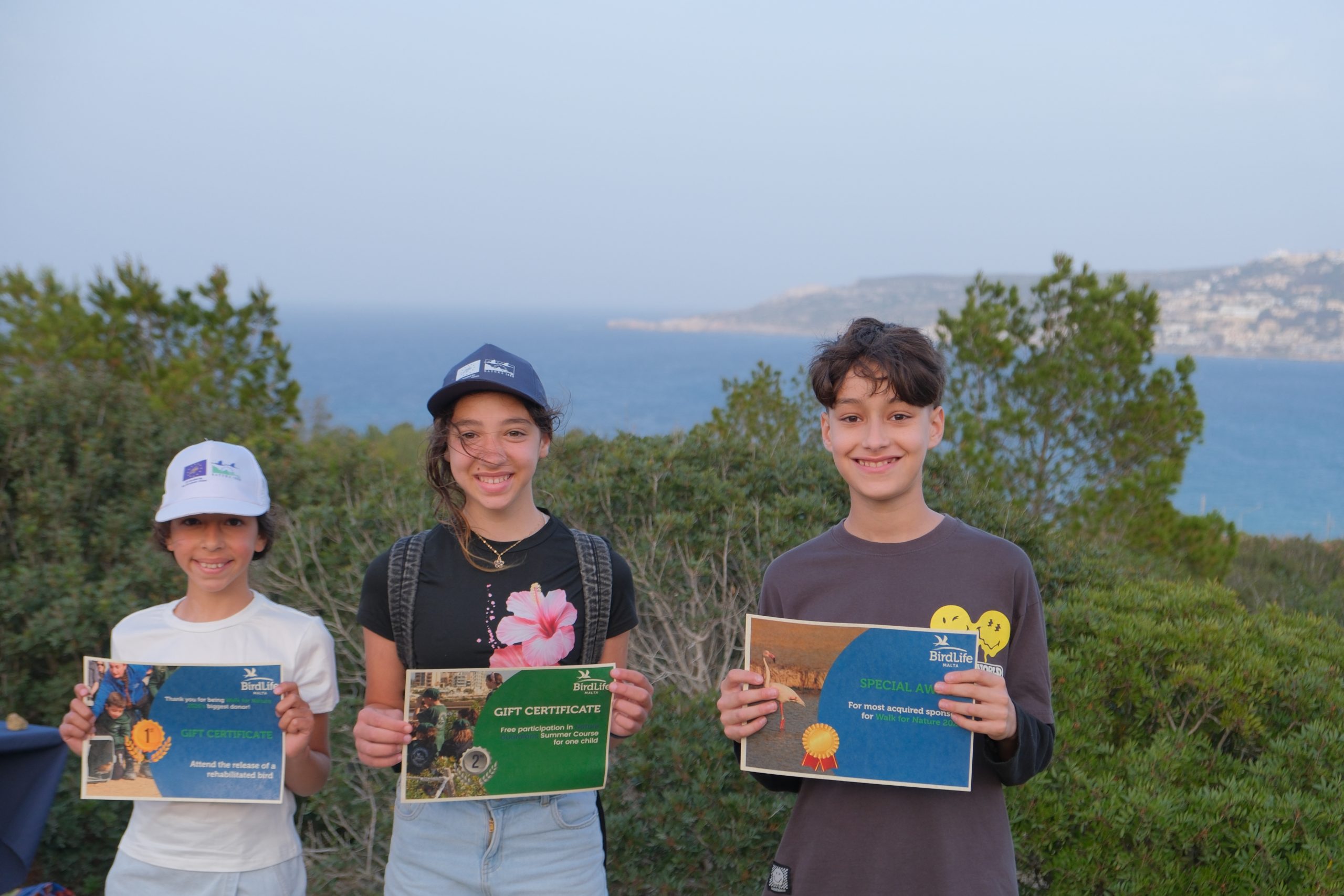
by Nadia Sodano
Credits
Text: David Attard, Sára Bezvodová, Charles Coleiro, Anja Finke, Giulia Galvani, Pamela Jorgo, Giada Lampitelli, Stefano Miceli, Nimrod Mifsud, Vera Tokmakova, Alice Tribe, Silvia Viviani, Charlotte Von Kietzell
Editing: Nadia Sodano