On the Frontlines is our monthly newsletter section covering the activities of BirdLife Malta’s conservation, policy, nature reserve teams (Salina, Simar, Għadira and Foresta 2000), seabird and public engagement teams, together with an update about rare and scarce bird species observed.
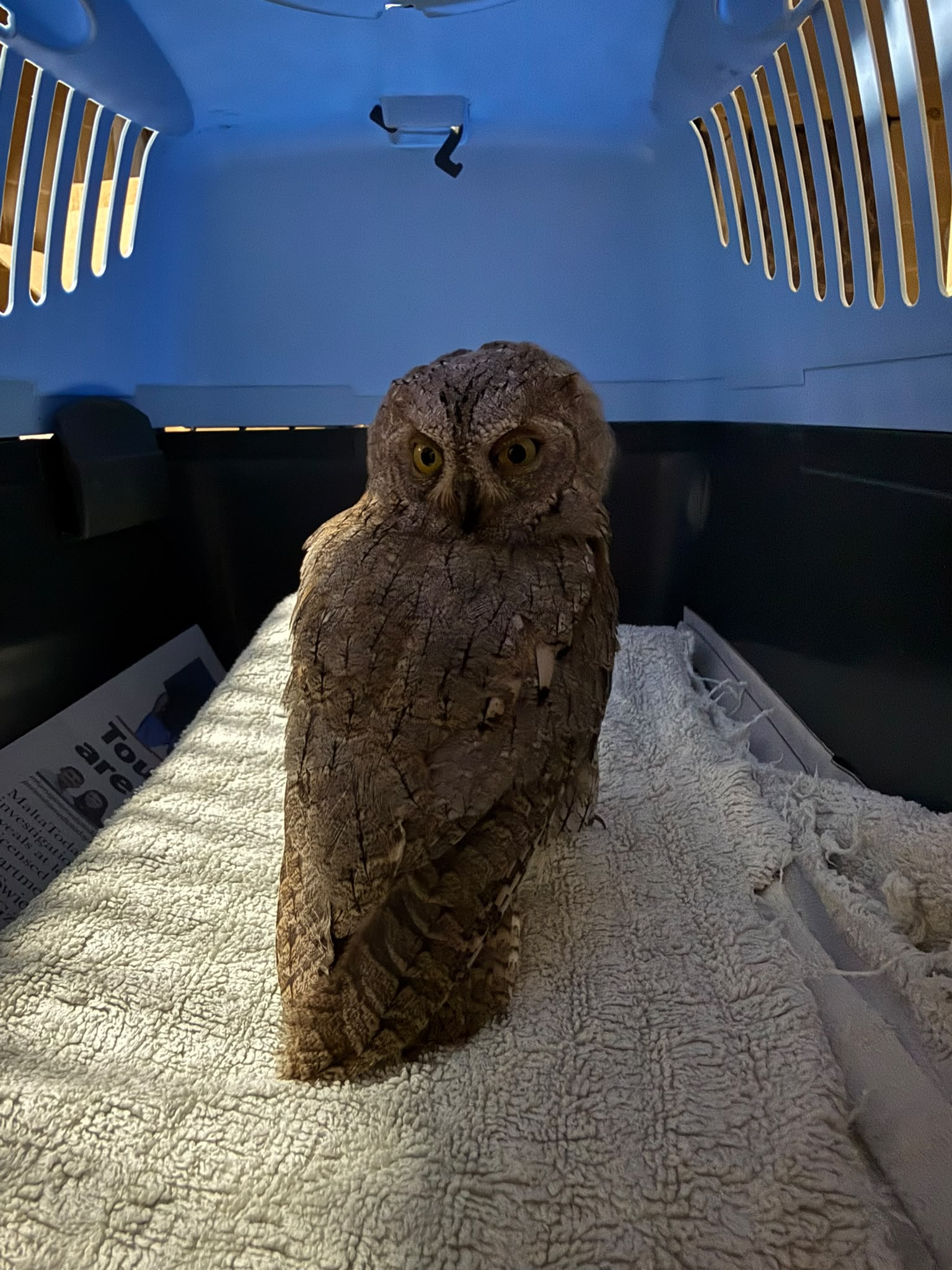
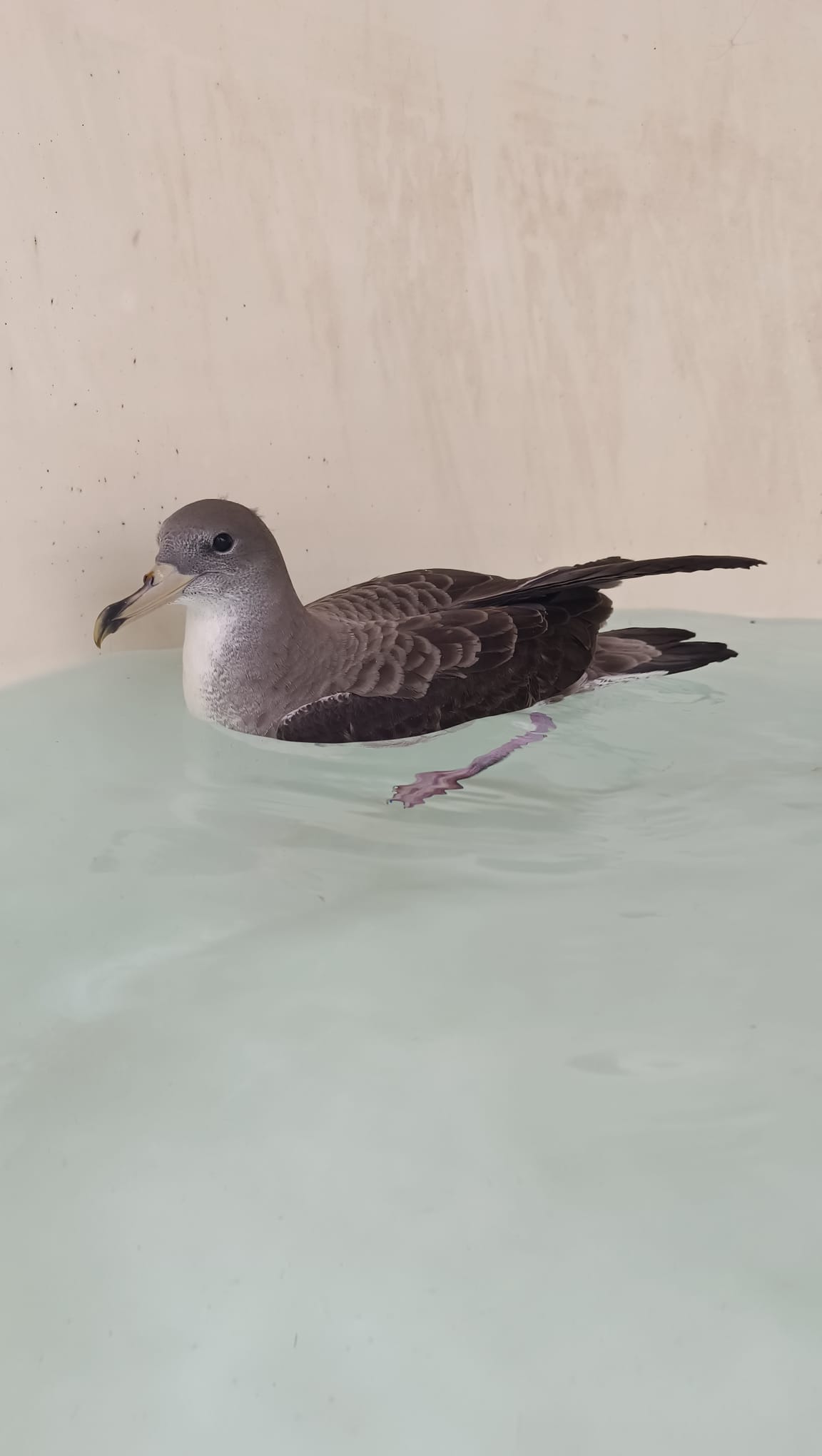
Scopoli’s Shearwaters and a Scops Owl, among the others
October has been another busy month at the Rehabilitation Centre, with the autumn migration in full swing and the arrival of the Scopoli’s Shearwaters keeping our team busy. Despite the demanding workload, the month brought plenty of rewarding moments and successful releases.
Among the highlights were 17 Scopoli’s Shearwaters successfully rehabilitated after becoming stranded due to light pollution. A concussed Eurasian Scops-owl also made a full recovery and was returned to the wild, alongside two European Robins, a Wood Warbler and a Little Bittern.
We also celebrated the recovery and release of three Yellow-legged Gulls following botulism intoxication. Another individual of the same species was successfully rehabilitated after being found shot in Buġibba.
Unfortunately, illegal hunting continues to bring injured birds to our Centre. This month, we were able to give a second chance to a European Honey-buzzard, a Common Kestrel and a European Turtle-dove, all of which were successfully rehabilitated and released back into the wild.
by Francesco Dal Colle
by Francesco Dal Colle
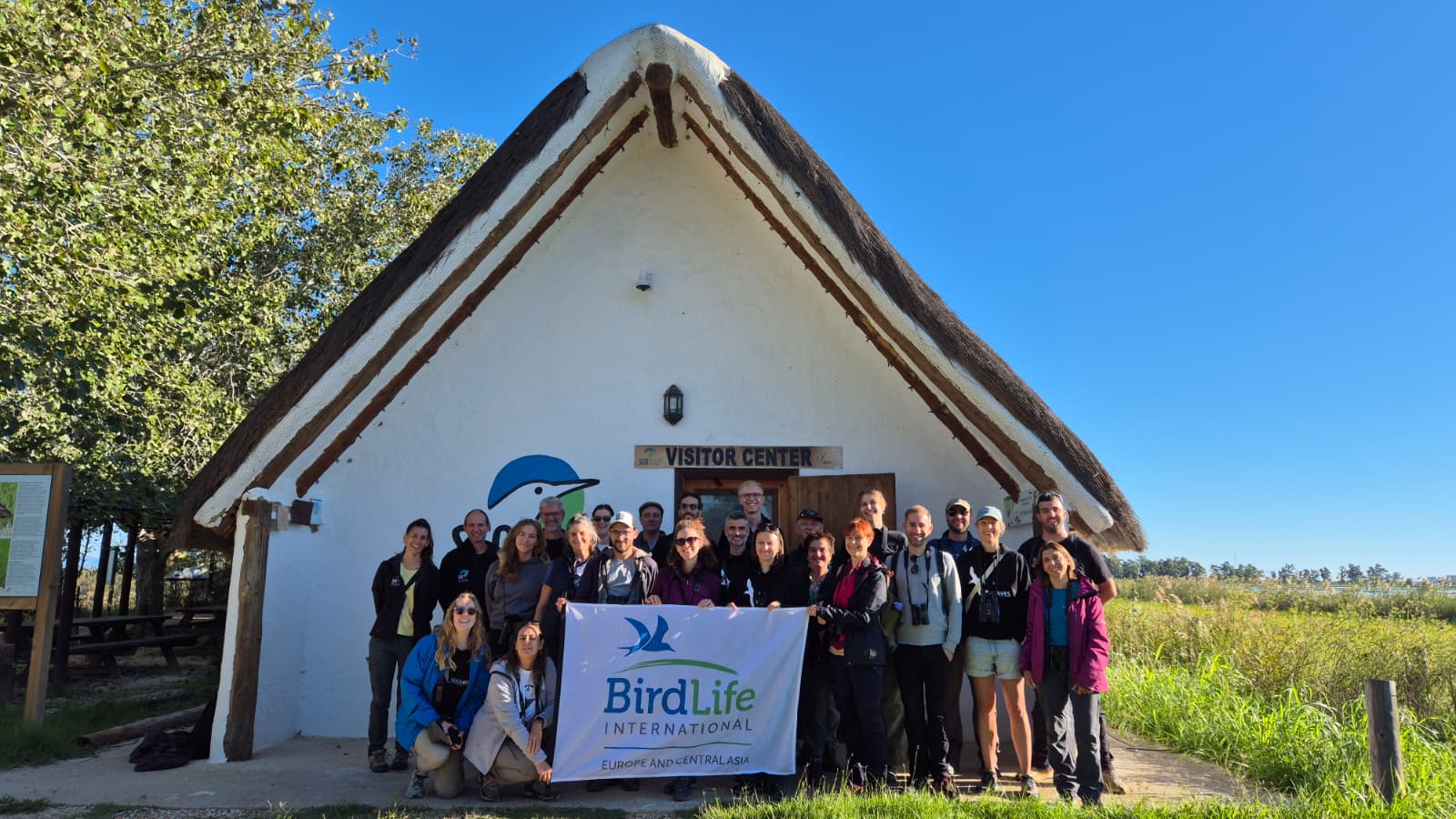
Marine Task Force meets in Spain
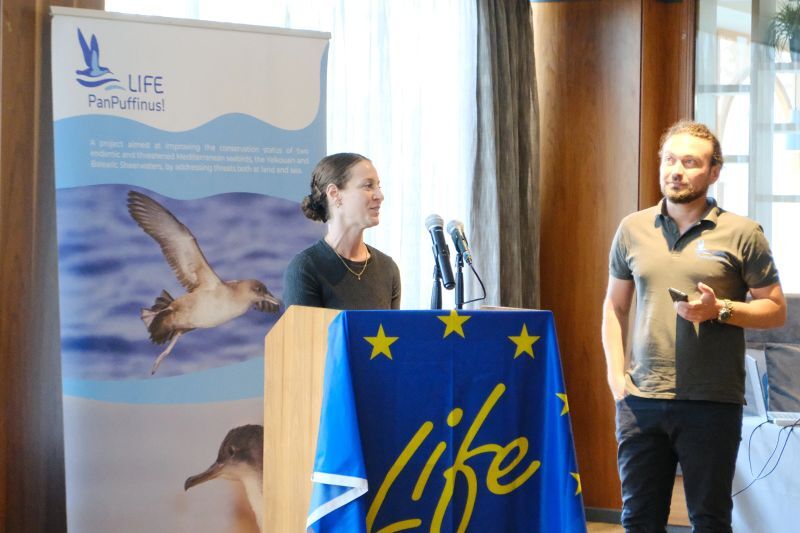
Our project manager, Manya Russo attended the Marine Task Force, which was held in Ebro Delta, Spain, this year. The Marine Task Force meeting is an annual gathering of the marine teams across BirdLife’s Europe and Central Asia offices, and acts as a crucial platform for partners to provide updates, discuss collective challenges and collaborate on projects. One of the important topics discussed this year was the upcoming Nature Restoration Law and its role in protecting birds and nature. BirdLife Malta provided an overview of the current work being done to understand seabird interactions with aquaculture installations, and activities to tackle seabird bycatch with fishers as part of the legacy of LIFE PanPuffinus! project.
by Saskia Prezer
Public assists in reporting grounded Scopoli’s shearwaters
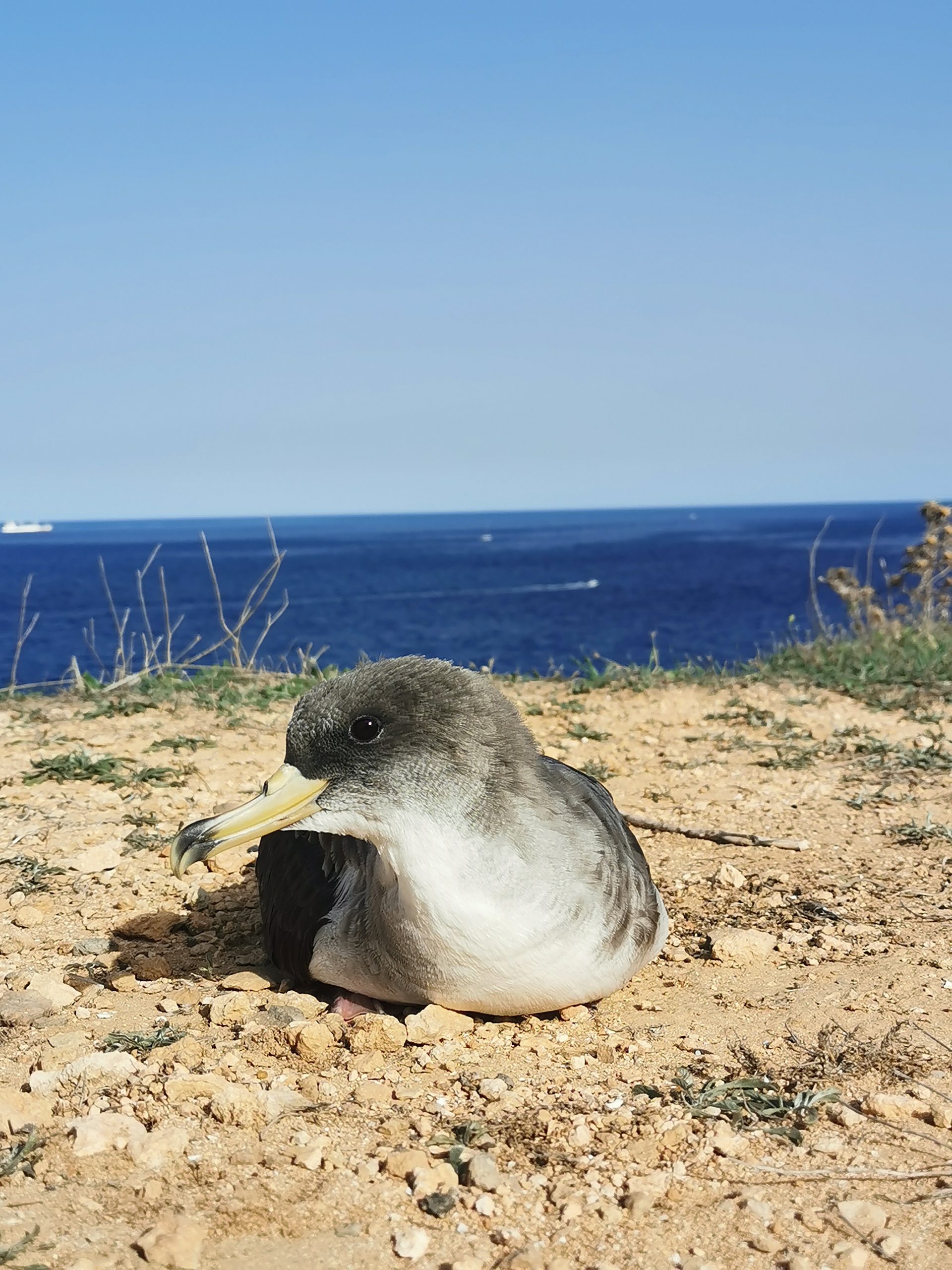
October is an important month for young Scopoli’s Shearwaters (Ċiefa), as they leave their cliffside nests for the first time. However, not all fledglings have a smooth journey to sea. Bright coastal lights can disorient shearwaters and result in ‘grounding’, where birds become stranded inland. Thanks to reporting by members of the public, we were able to collect grounded fledglings and pass them into the expert hands of our rehabilitation team. As the last shearwaters leave the nest, we urge the public to remain watchful for grounded birds, to make sure this year’s fledglings have the best possible start to their voyage to open waters.
by Ana Raposo
by Simone Davide Brunori
A new chapter for our seabird team project manager
We’re sad to say goodbye to our Project Manager, Manya Russo, as she embarks on a new chapter in her career. Manya joined us in 2020 and has made significant contributions to the seabird team over the past six years, particularly through her work managing the LIFE PanPuffinus! Project, for which BirdLife Malta was the lead partner. We thank Manya for her dedication and valuable contribution to our work, and wish her the very best of luck in her future endeavours. She will be greatly missed!

Feedback to the planning and design framework for temporary outdoor sports events and facilities
BirdLife Malta submitted its feedback to the Planning Authority on the proposed planning and design framework for temporary outdoor sports events and facilities. While we welcomed the initiative to regulate these activities, recognising the growing popularity of outdoor obstacle courses, we stressed that stronger environmental safeguards are needed.
We recommended that separate regulatory frameworks be established for temporary events and longer-term facilities, given their differences in duration, scale and environmental impact.
We expressed our concerns about the potential impacts of repeated sporting activities, including noise, lighting, traffic, trampling and disturbance to wildlife. We called for the exclusion of sensitive habitats, including garrigue or agricultural land (including abandoned ones) that serve as an important wildlife corridor, and for night-time activities near Natura 2000 sites to be prohibited. We also recommended stricter lighting controls, proper waste management and measures to prevent cumulative impacts from multiple facilities.
Furthermore, we raised concerns about the proposed five-year development permissions, calling for shorter, more appropriate durations and clear limits on the frequency and intensity of activities. Finally, we called for early stakeholder consultation, regular inspections and effective enforcement mechanisms to ensure compliance and prevent lasting damage.
Read our full feedback here.
BirdLife Malta participates in the Shipping Emissions Conference in Barcelona
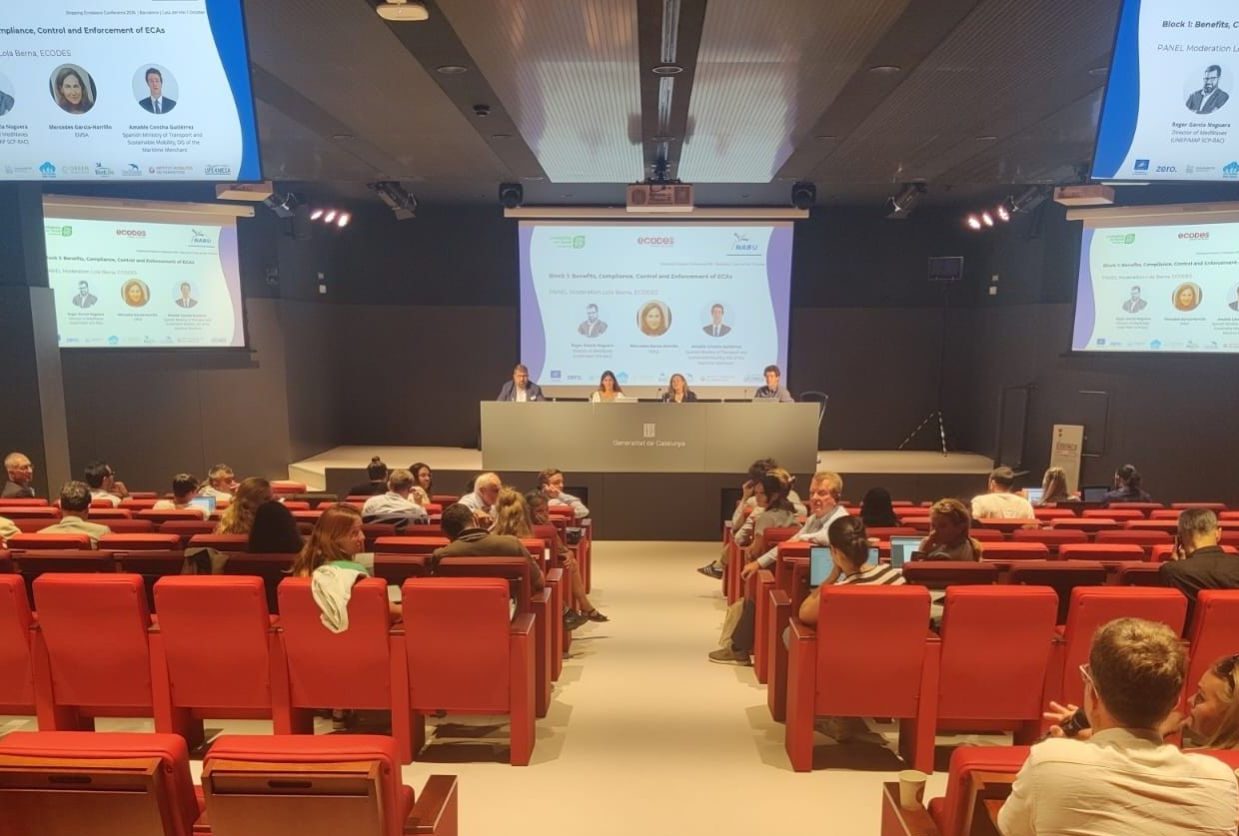
As part of BirdLife Malta’s ongoing collaboration with a network of NGOs working to tackle air pollution from shipping, our Policy Officer, Justine Borg, attended the annual Shipping Emissions Conference, this year held in Barcelona.
The conference brought together representatives from European and Spanish public authorities, maritime organisations, environmental NGOs, research institutions and port authorities to discuss reducing shipping-related air pollution and accelerating the transition towards more sustainable maritime transport.
Discussions focused on two main themes: the benefits, implementation, monitoring and enforcement of Emission Control Areas (ECAs), including the Mediterranean ECA, and pathways towards cleaner shipping. The latter explored solutions such as wind-assisted propulsion, ferry electrification, scrubber impacts and maritime decarbonisation, as well as the environmental impact of cruise tourism.
An important takeaway from the conference was the significant progress made in reducing shipping emissions in recent years, demonstrating that measures such as Emission Control Areas can deliver tangible environmental benefits. However, challenges remain, particularly regarding effective monitoring and enforcement, scrubber washwater discharges, nitrogen oxide emissions and, ultimately, the decarbonisation of the shipping sector.
The insights and best practices shared will help BirdLife Malta apply relevant lessons to the local context, strengthen its advocacy for shipping decarbonisation and support its ongoing engagement with the port residents’ network.
While progress has been made, shipping emissions, including sulphur oxides, nitrogen oxides and ultrafine particulate matter, continue to pose risks to human health and contribute to environmental problems. These impacts are particularly relevant to coastal and port communities, especially those surrounding the Grand Harbour. Building on the progress already achieved, BirdLife Malta will continue to advocate for further action to reduce shipping-related pollution and ensure that improvements in air quality translate into tangible benefits for local communities and the environment.
by Sönke Diesener
Salina Nature Reserve
The month of October welcomed the first rains and brought herbaceous and perennial plants to life. Planting and sowing seeds of rare indigenous plants were a priority as the soil retained the moisture from the downpours. The most spectacular place to observe autumn flowers is the garigue area of Salina or Foresta 2000, since the geophytes do not wait to grow leaves before flowering. If you go there, expect to see the Sea Squill (Drimia maritima) sending up tall stalks with white flowers, the Autumn Squill (Prospero autumnale) that forms delicate bluish racemes, and the Autumn Narcissus (Narcissus serotinus) with its medium-sized white flowers.
The wetland and the saltpans filled up nicely thanks to the rains, and the Mediterranean Killifish eggs most probably started hatching.
The works continued and were completed with the smooth path behind the salt museum and leading to the birdwatching hide and the photography hide. This gives a bigger and better opportunity for visitors, young and old alike, to observe wildlife in the furthest part of the saltpans and around the freshwater pond that attracts thirsty birds.
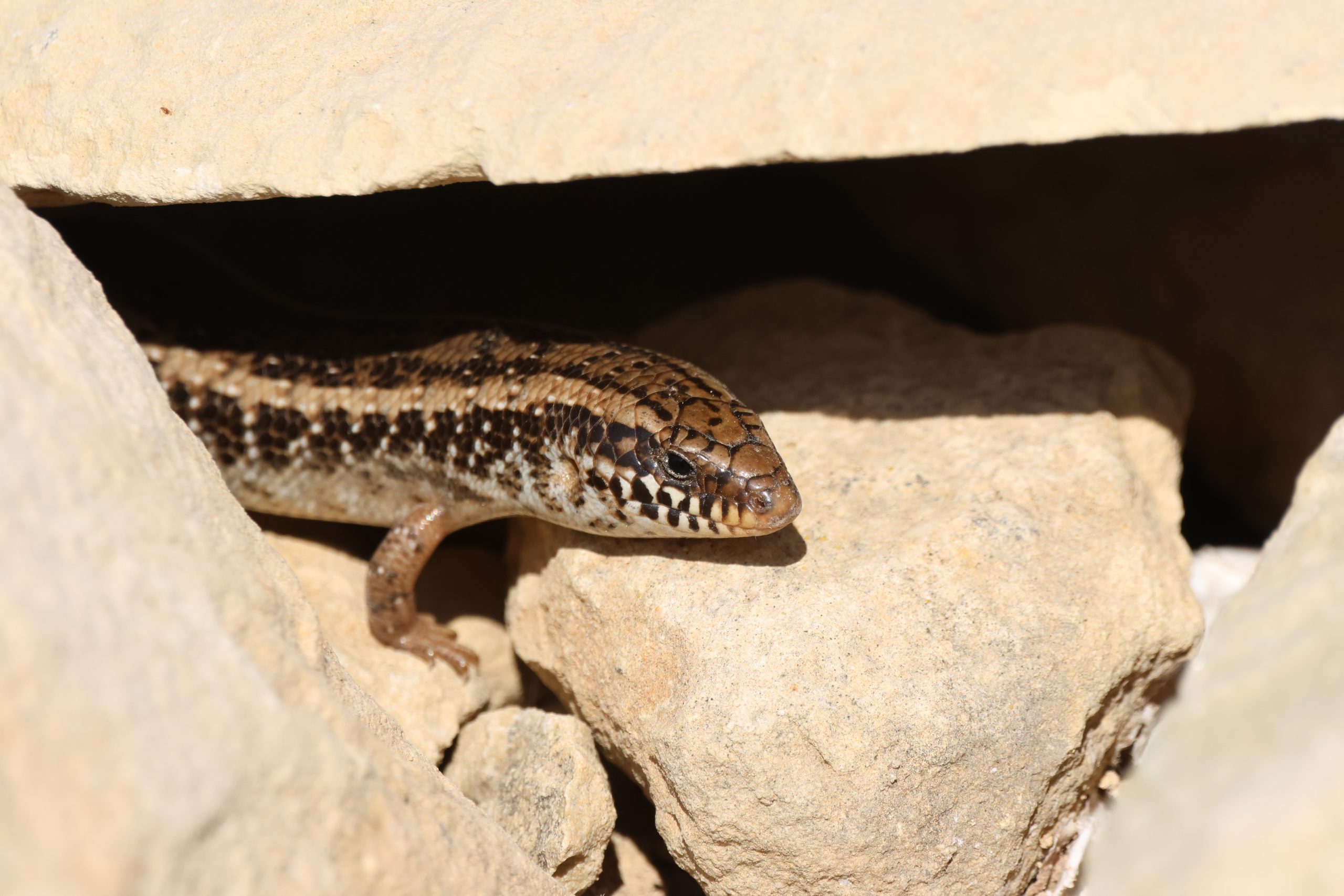
A group of volunteers planted some trees and shrubs in the newly landscaped path behind the museum. These not only add more biodiversity to the wildlife present in the reserve but also act as a refuge for fauna. Chameleons and Maltese Wall Lizards were still spotted along the paths and in the shrubs, whilst Geckos were seen on fences and the barn walls, making the most of the receding hot sun. Some visitors also spotted the Oscillated Skink taking a sunbath far from the noise in the visitor centre.
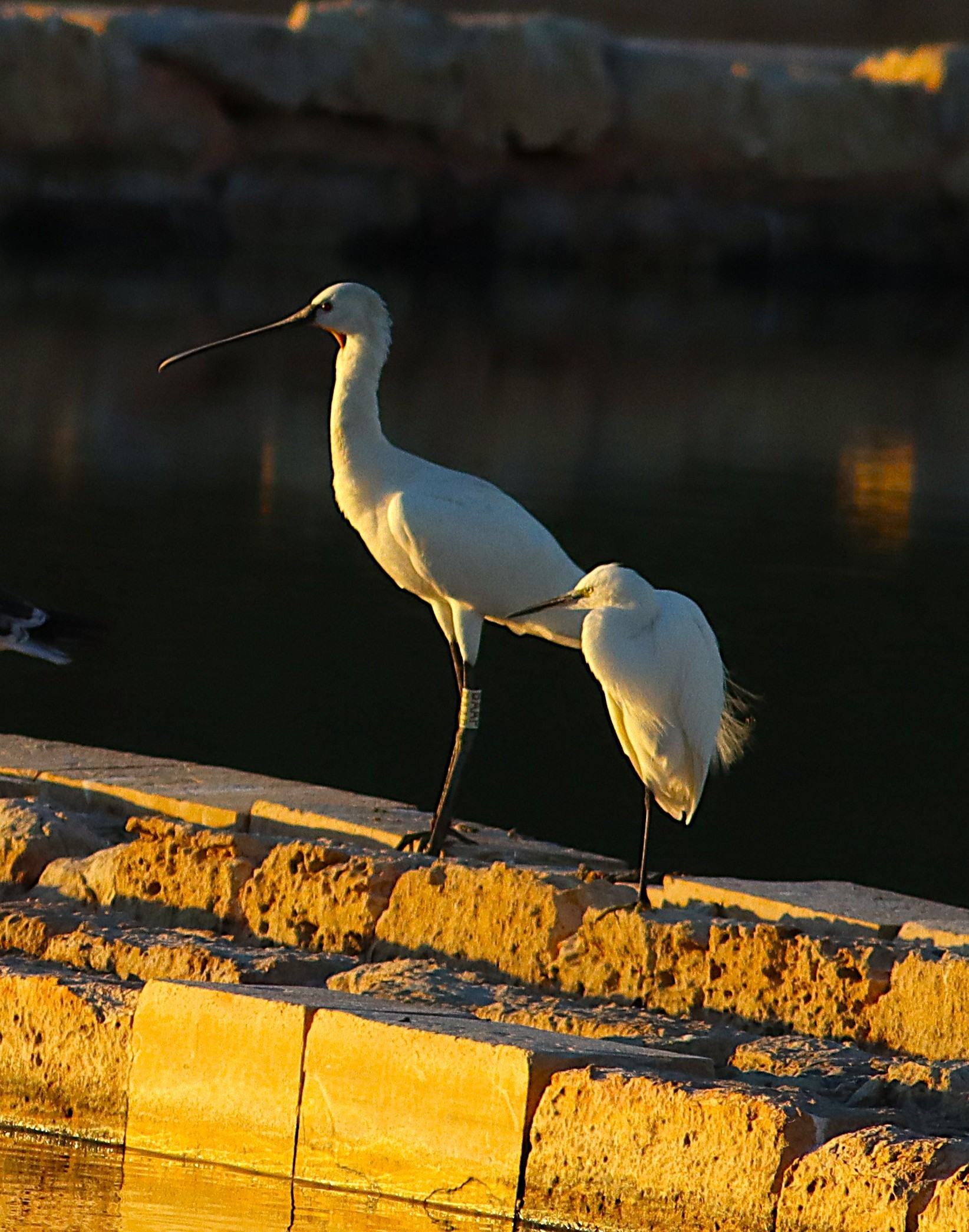
With respect to birds, a solitary Eurasian Spoonbill ringed in Serbia delighted all the nature reserve visitors for a couple of weeks, and a Lesser Black-backed Gull ringed in the Netherlands used the reserve to rest before flying off. Moreover, the gull numbers have started to increase in number and species. The Black-headed Gulls are the most numerous, the Mediterranean Gulls a distant second, and the rarer and bigger Lesser Black-backed Gulls, with the occasional Slender-billed Gull came last. The formerly summer resident Yellow-legged Gull thinned greatly in numbers since the start of the wet season.
by Aron Tanti
by Aron Tanti
Għadira Nature Reserve
Sightings
October brought an influx of wintering passerines at Għadira with significant increases in numbers of European Robins, Chiffchaffs, Common Stonechats, White Wagtails and Meadow Pipits. Low rainfall kept water levels rather low, and salinity levels are still very high within the main pond, resulting in poor numbers of wetland birds. A Little Grebe and a Black-necked Grebe were noted on most days. One-Two Water Rails and low numbers of Moorhens were recorded daily. Waders included a Little Stint, Dunlin and two Common Sandpipers on most dates. Few Kingfishers were noted throughout the month, and Jynxs were heard calling their characteristic repetitive shriek daily. Of particular note was a Whiskered Tern on 24 October.
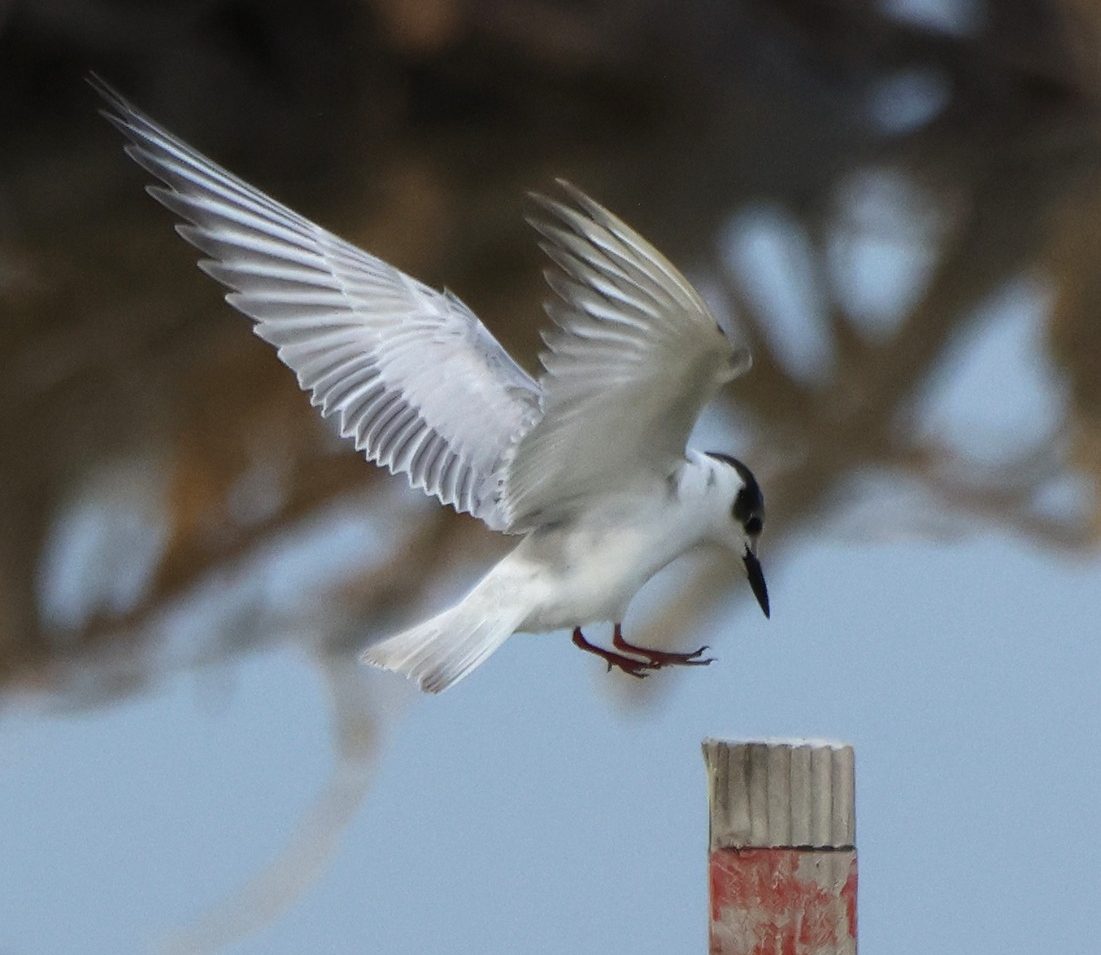
by David Attard
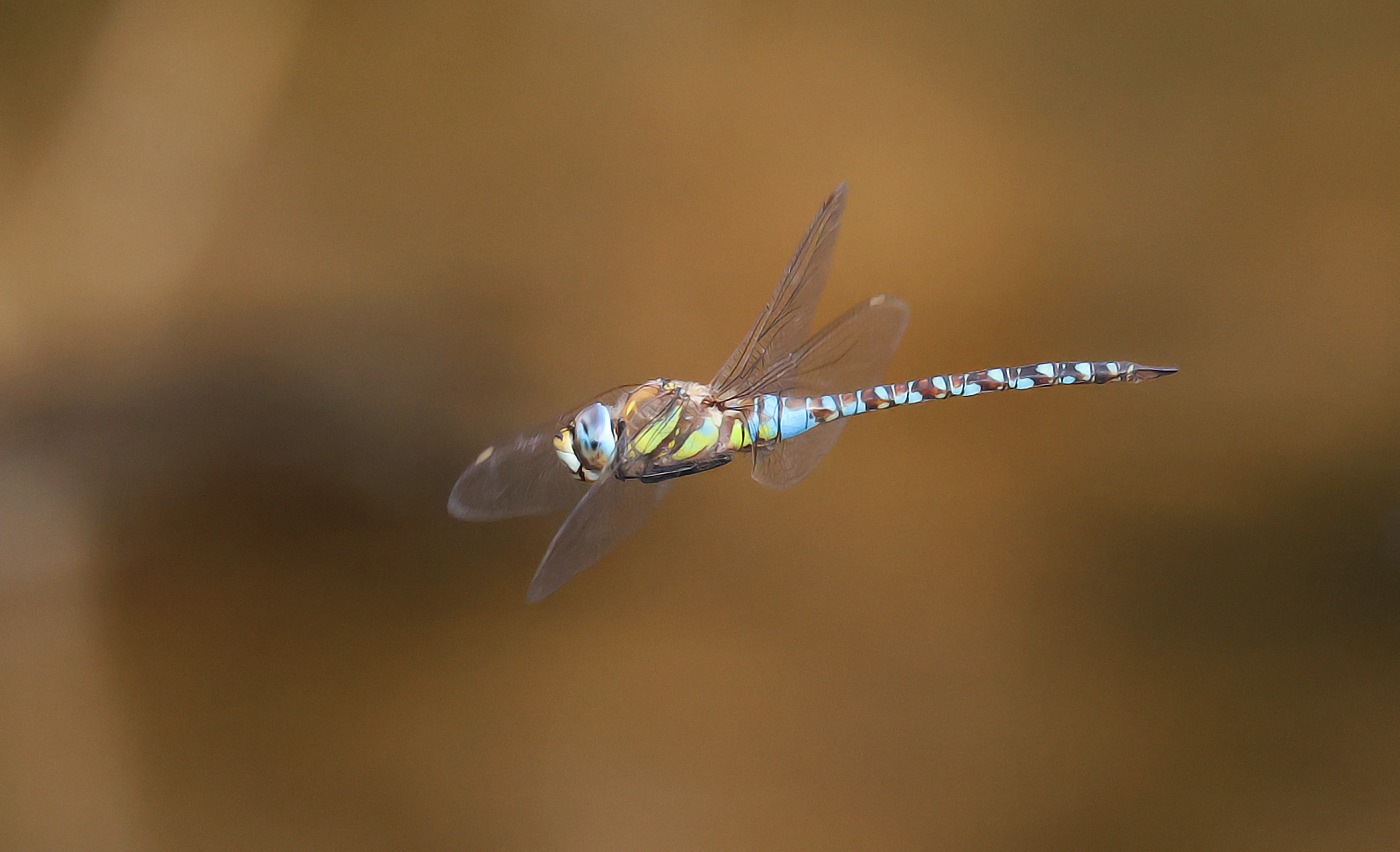
by Ray Galea
Works
Pruning of Tamarix branches along the main public path continued throughout November. Control of invasive plants, in particular African boxthorn, continued in the sand dune as more plants were noted to sprout in various areas.
On 16 October, a group from the NEU Collective Restaurants and Hotels carried out a cleanup in the sand dune areas, as well as helping out with transferring pruning material to the shredding area.
Preparations for transferring the irrigation tank closer to the main building were done, including clearing of the pot storage area, which is earmarked for the installation of the tank, as well as installation of an electricity point for the water pump.
Simar Nature Reserve
Sightings
This month always brings a vast array of bird species. With the onset of autumn, the trans-Saharan migrants continue decreasing whilst the wintering species continue arriving in good numbers. This kept the reserve abounding with birds. The wetland area hosted various aquatic birds whilst woodland species visited the surrounding habitats.
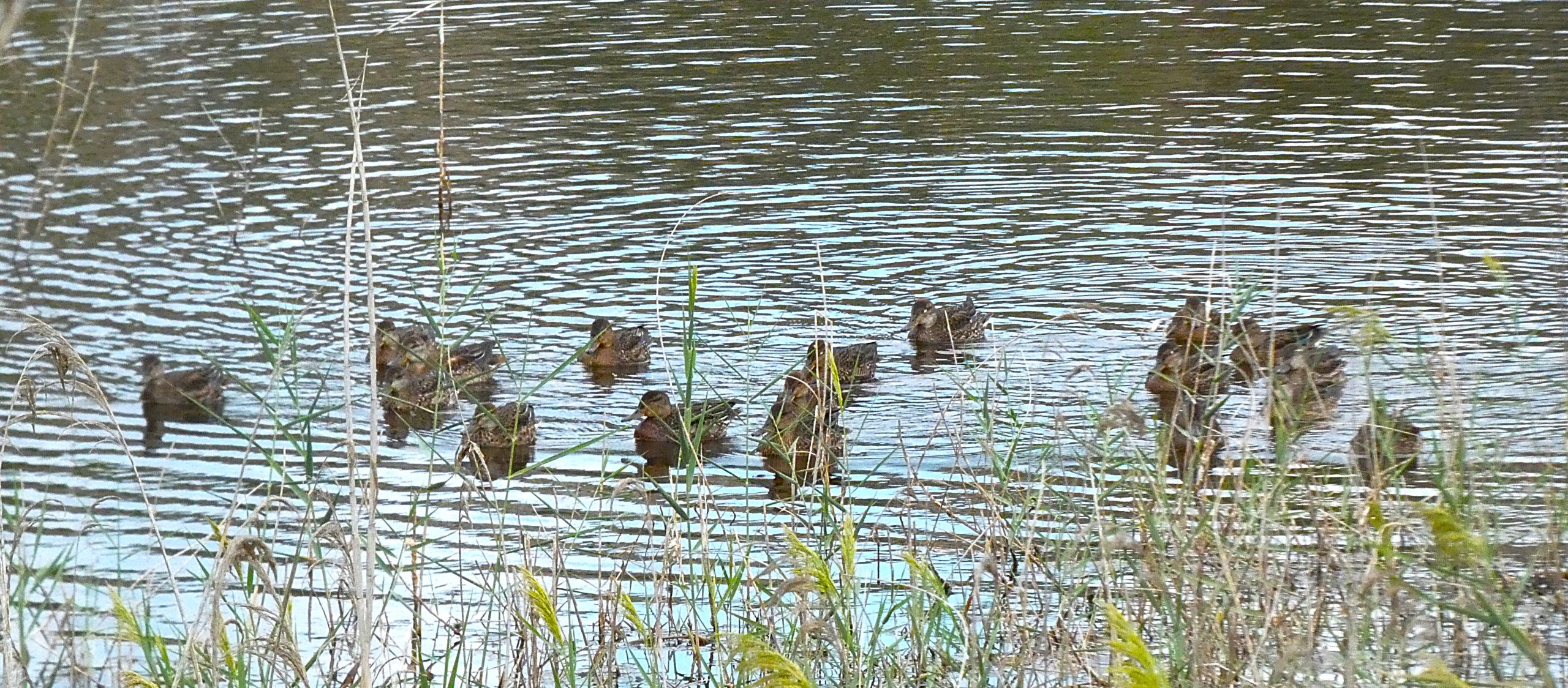
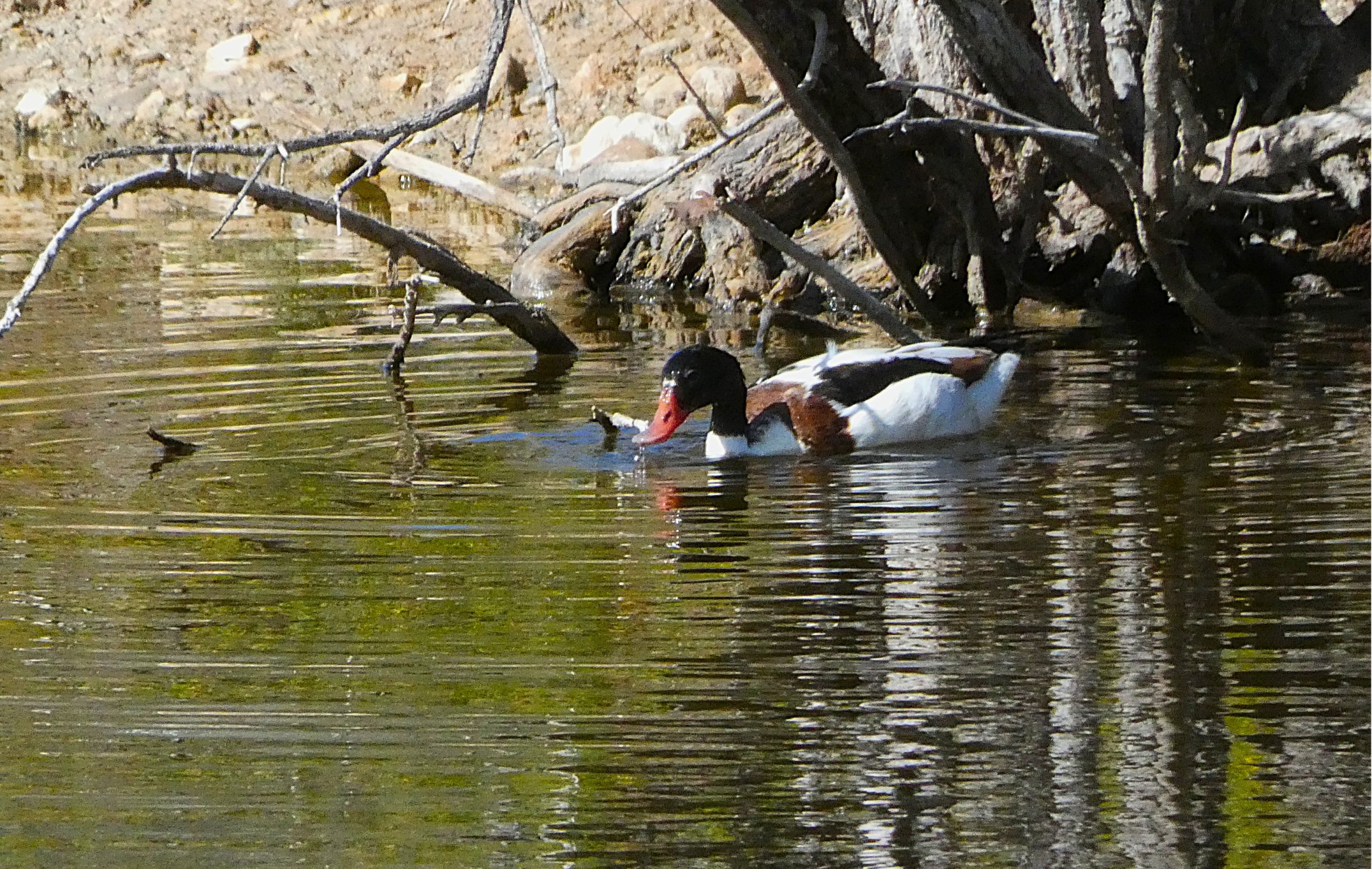
The most striking view was probably that of a flock of 18 Common Teals that spent a day in the reserve. This makes it the largest flock of Common Teals ever present at Simar. A smaller number of Teals were also present throughout the month. A Common Shelduck arrived towards the end of the month and has been present since then. Little Grebes started arriving, as did Common Coots and Water Rails. A Jack Snipe was regularly seen throughout the month. It is a very elusive bird, but sometimes it ventures out in the open, feeding along the shorelines; Common Snipes were also present, as well as a few Common Sandpipers. Good numbers of Common Kingfishers could be seen feeding throughout the wetland, often observed perched on branches and poles. A rare Moustached Warbler was sometimes observed skulking within the vegetation.
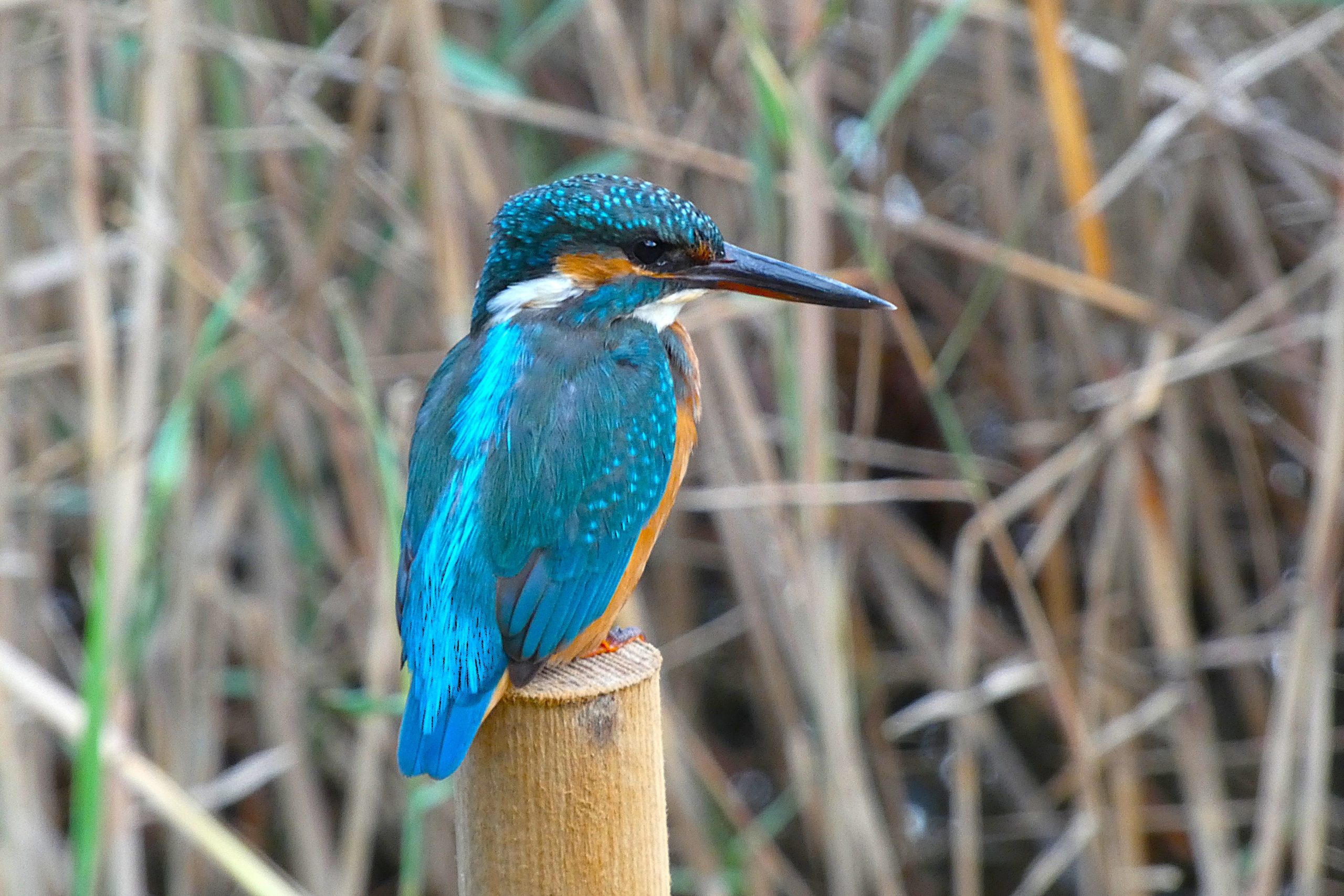
by Charles Coleiro
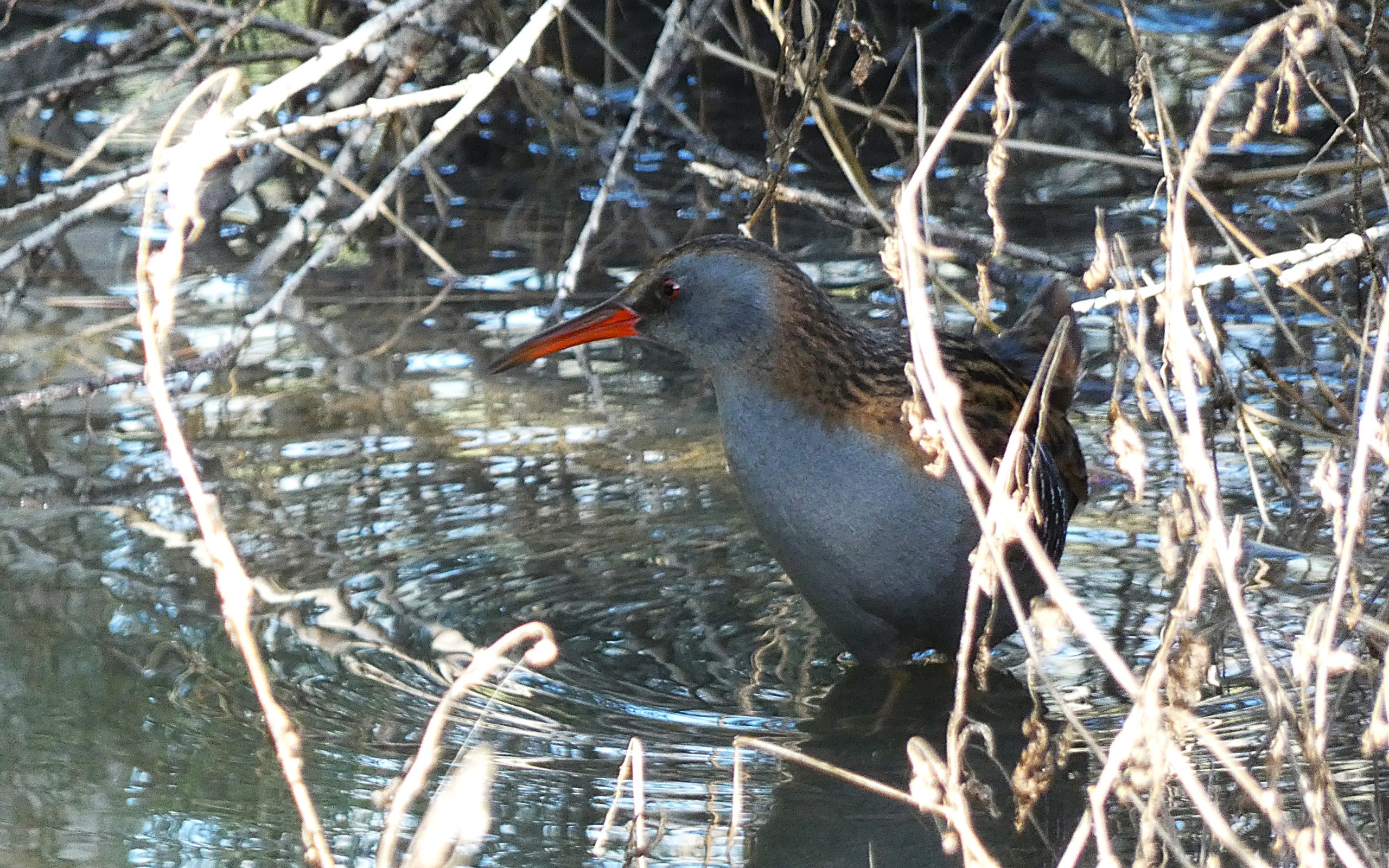
by Charles Coleiro
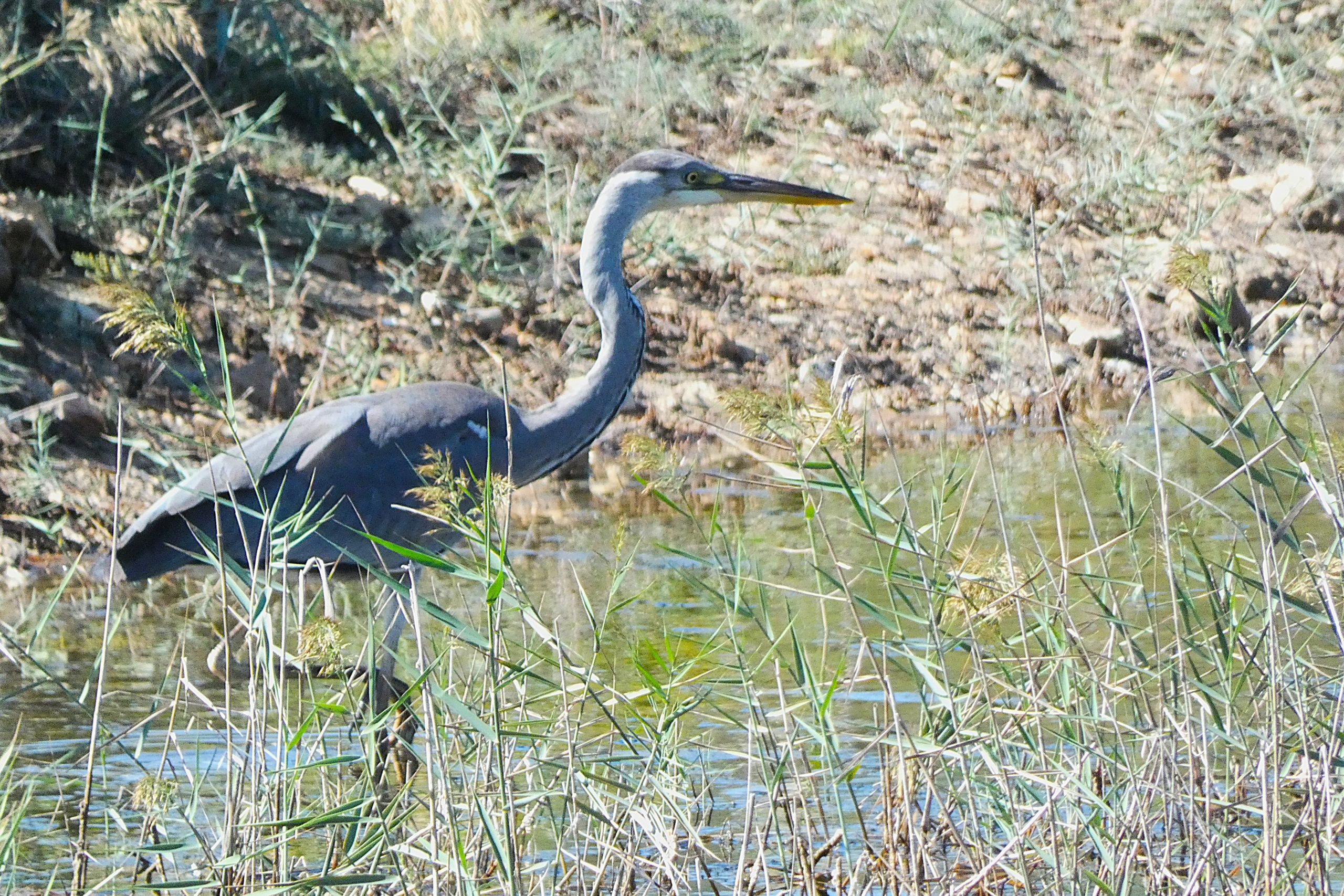
Various herons and egrets were also present. A late Purple Heron was occasionally seen hidden within the reedbed. A small number of Grey Herons were present throughout the month, with some late migrant Night Herons still observed roosting in the wetland. Various flocks of migratory Cattle Egrets often flew into the reserve to roost for the day.
The last trans-Saharan migrants included mostly Reed Warblers, Wood and Willow Warblers, and Common Redstarts. These gradually made way for the arrival of larger numbers of European Robins, Common Chiffchaffs and Blackcaps. Other species present but in lower numbers included Common Stonechats and Grey Wagtails. A few rare Yellow-browed Warblers were sometimes seen, as well as Goldcrests and Firecrests.
by Charles Coleiro
by Charles Coleiro
by Charles Coleiro
Foresta 2000
Sightings
October transformed the wooded hillsides of Foresta 2000 into a lively stopover for autumn wildlife, with cooler temperatures, greener vegetation and a noticeable increase in bird activity.
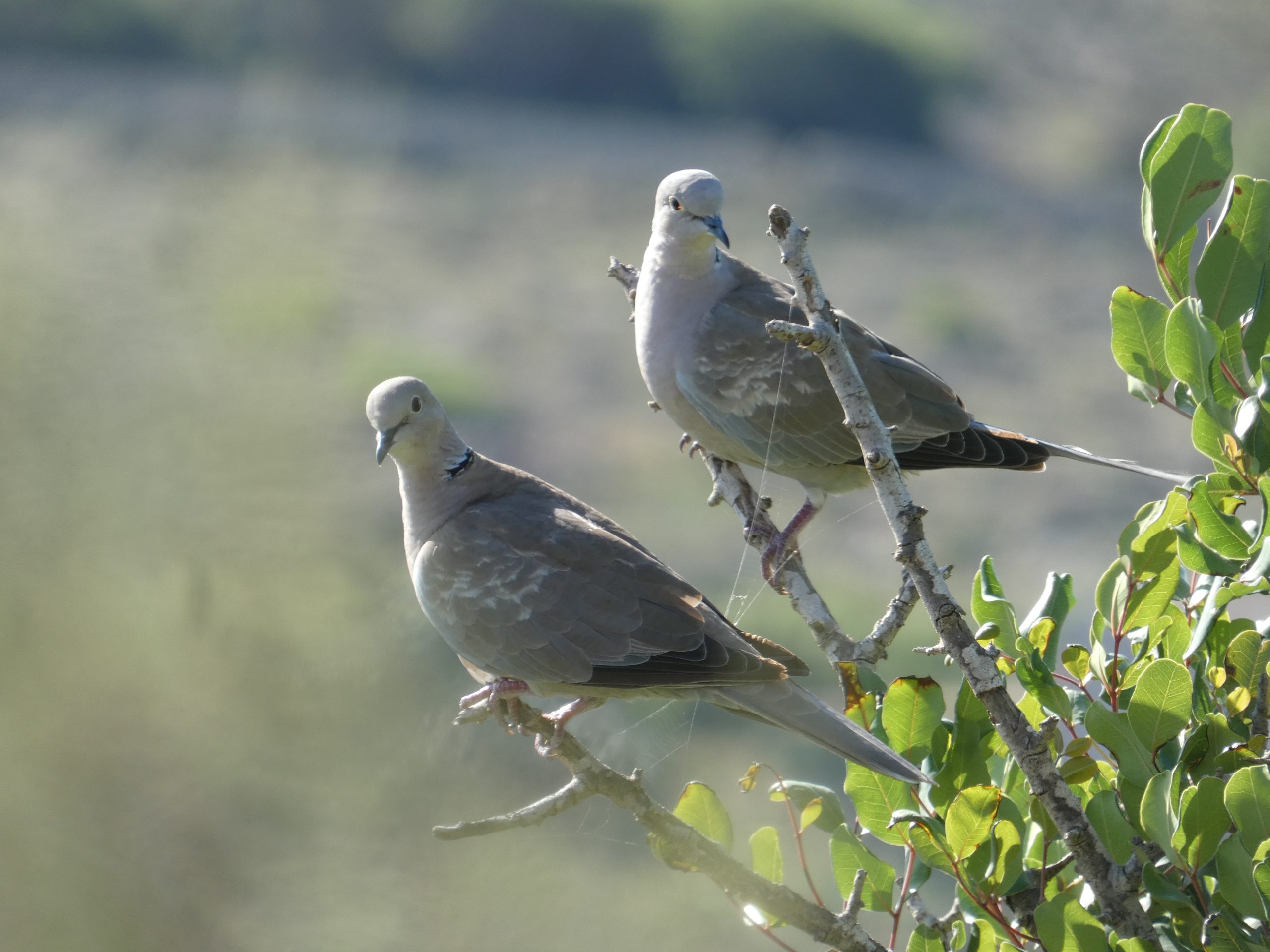
The woodland was particularly active with Common Chiffchaffs moving through the olive trees, together with flocks of Common Starlings, Eurasian Collared-doves and sparrows. Resident Sardinian Warblers remained among the most vocal birds around the reserve, while the arrival of European Robins and Common Stonechats marked another clear sign of the changing season. Stonechats were seen using open areas and low vegetation, while Robins could be heard establishing their winter territories with their characteristic autumn song.
Reptiles were still active despite the cooler weather. A Western Whip Snake was observed basking along the rocky trails, taking advantage of the autumn sunshine before temperatures drop further. Mediterranean Chameleons also continued to be encountered around the reserve.
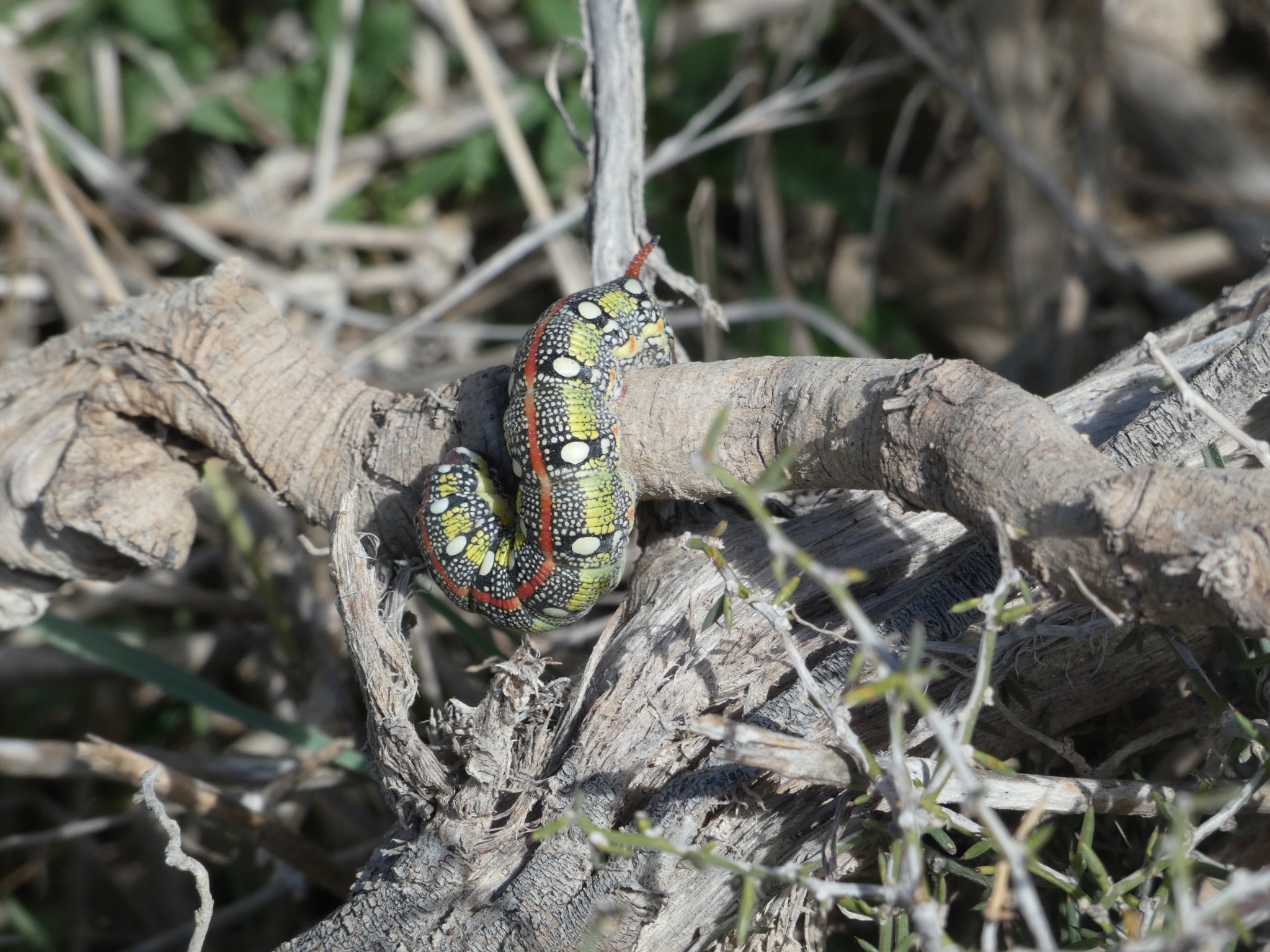
Invertebrate activity remained high. Harvester Ants were particularly noticeable along the paths, while numerous butterflies could be seen feeding among the flowering garrigue vegetation. One especially interesting observation was a Spurge Hawk-moth caterpillar.
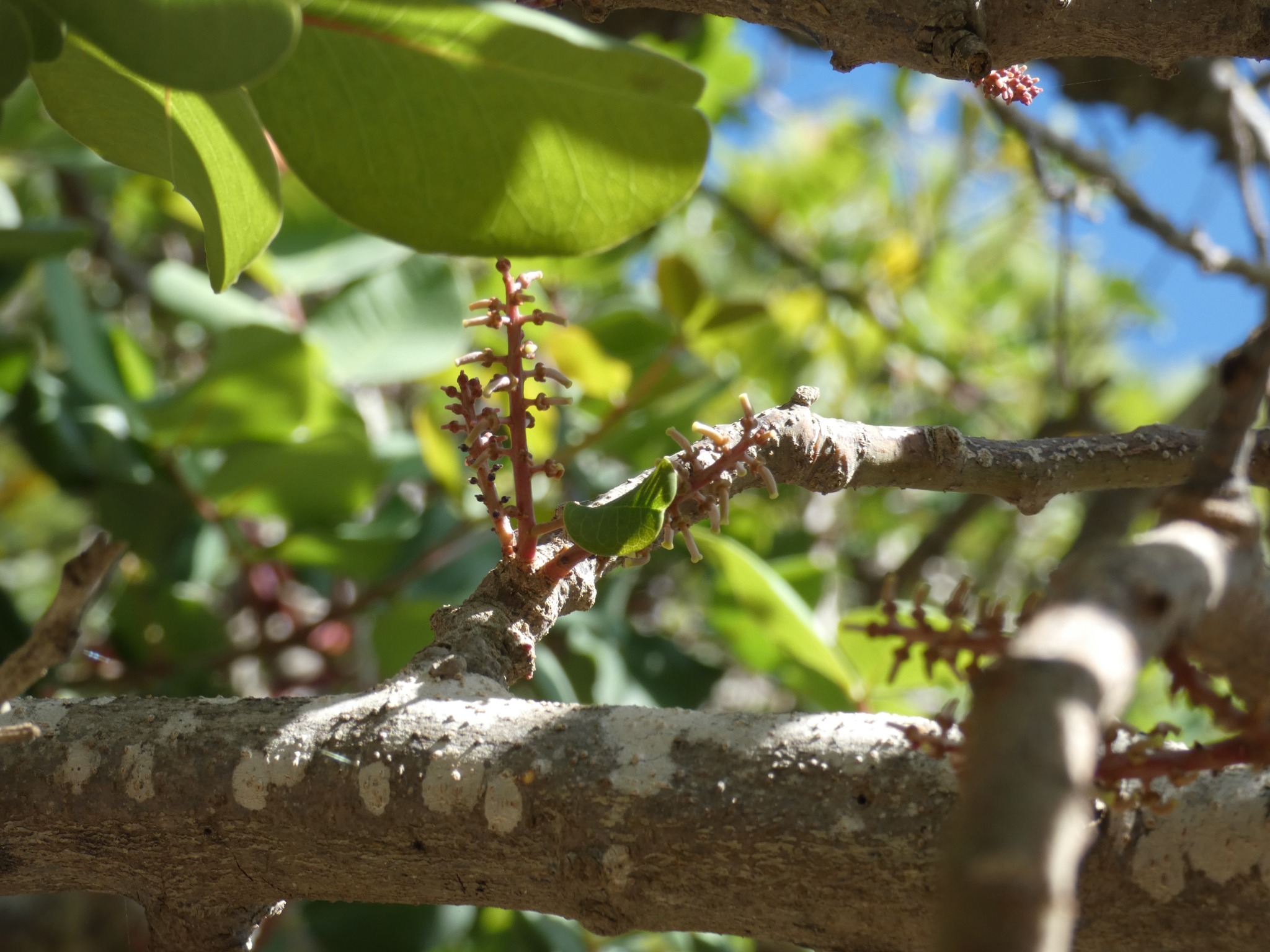
Autumn flowering has also become increasingly noticeable. Mature Carob trees (Siġra tal-Ħarrub) are now in bloom, filling parts of the reserve with their distinctive flowers. Carob is an important autumn nectar source for local bees, particularly at a time when many summer-flowering plants have already dried out, and contributes to the production of Malta’s characteristic dark carob honey.
by Vera Tokmakova
by Vera Tokmakova
by Vera Tokmakova
Works
Regular volunteer clean-ups, site inspections and general monitoring continued throughout October, helping to keep the reserve clean and accessible.
October also marked the restart of school visits, bringing children back to Foresta 2000 to explore woodland, garrigue and seasonal wildlife outside the classroom. With the first autumn growth appearing and migration still underway, the reserve once again provides an excellent setting for environmental education and direct contact with nature.
Nature Guardians
Birding Highlights
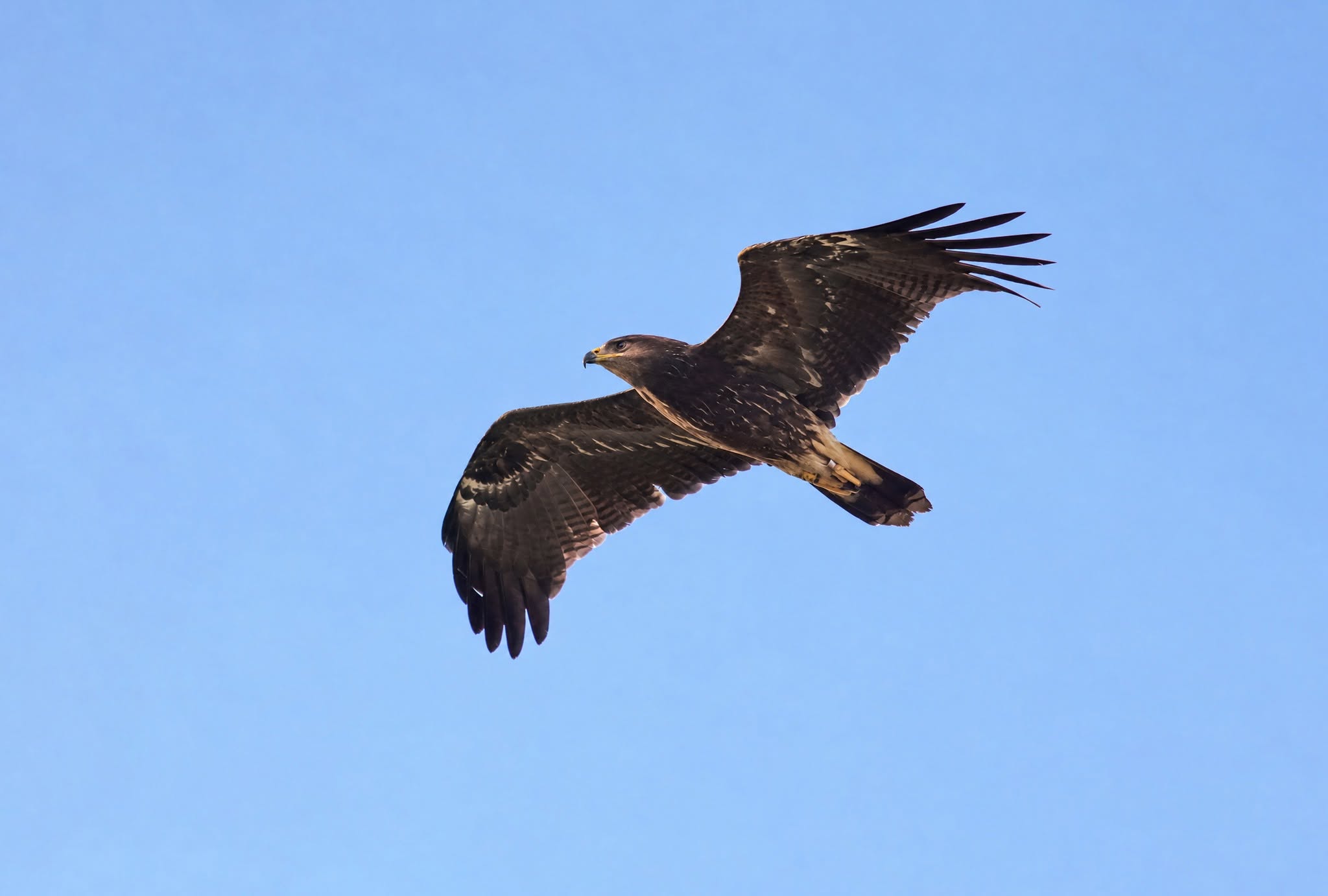
The first half of October brought with it a number of scarce birds of prey which are typical of this time of year. These included multiple Lesser Spotted Eagles and Short-toed Snake-eagles, as well as a few Pallid Harriers and single Hen Harriers and Eurasian Buzzards. An Egyptian Vulture was also seen in Gozo. On 18 October, a very early lone Common Crane was spotted migrating south. At the end of the month, a Stock Dove and a Ring Ouzel were seen at Buskett, while a very scarce Woodlark was ringed at Kemmuna on 28. On the same day, a huge flock of 125 Greater Flamingos was also seen at Kemmuna, while a smaller flock of 12 was seen at Tas-Safra on 30.
October also brought in good numbers of short-distance migrants, which remain in the Mediterranean region in winter. These included good numbers of European Robins, Meadow Pipits, White Wagtails, and Common Stonechats. A decent number of scarce Yellow-browed Warblers were also recorded in early October, although numbers were then low for the rest of the month. A rare Moltoni’s Warbler was also recorded, as well as a handful of Red-breasted Flycatchers and a Richard’s Pipit. An Isabelline Wheatear was spotted on 25, forming part of an influx of this species in Europe this autumn. However, the rarest bird of the month was recorded on 24 October, when the first-ever Black-faced Bunting for Malta was ringed in Gozo. This species is very rare throughout Europe, with only a handful of records every year.
by Aron Tanti
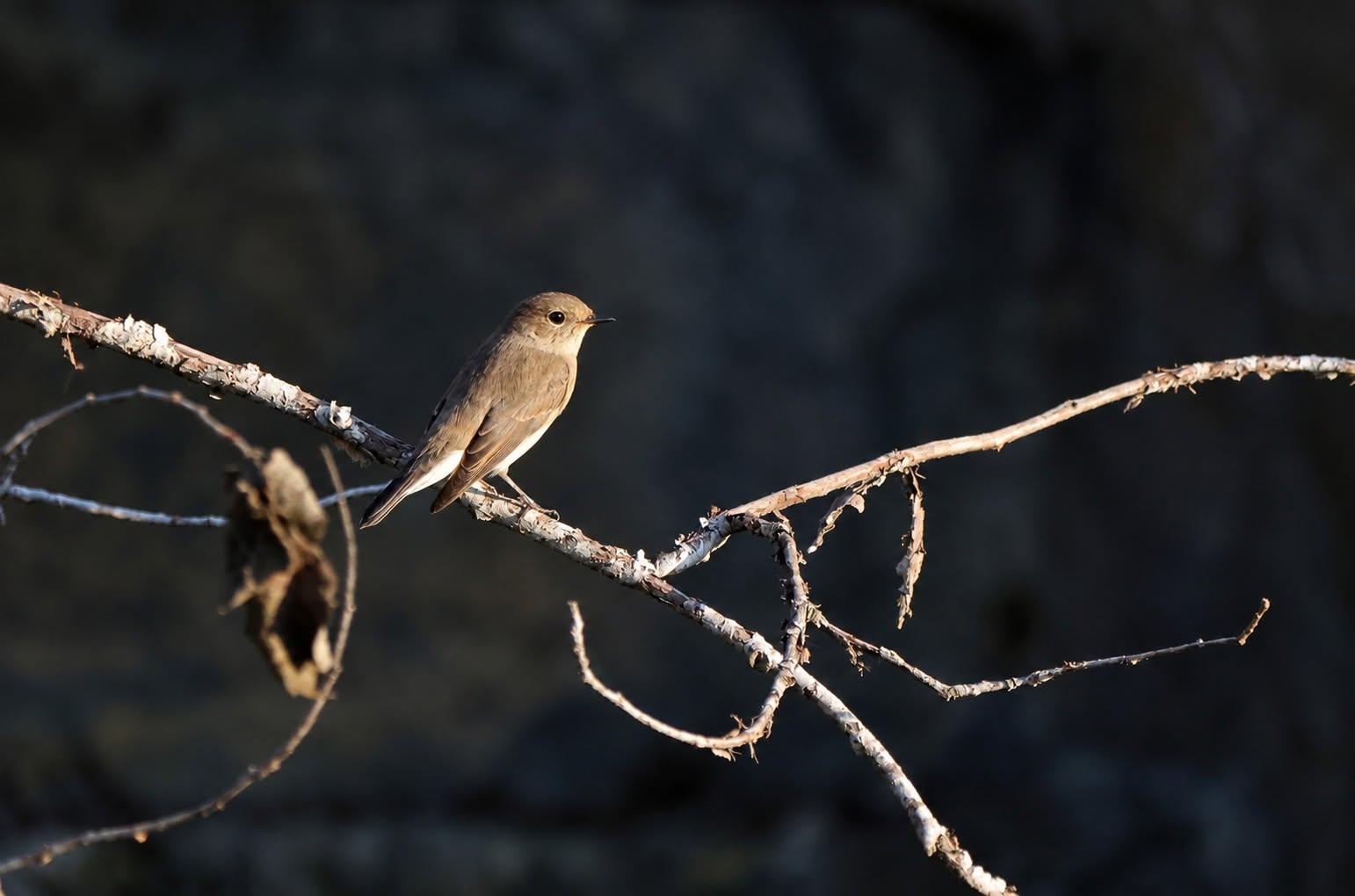
by Aron Tanti
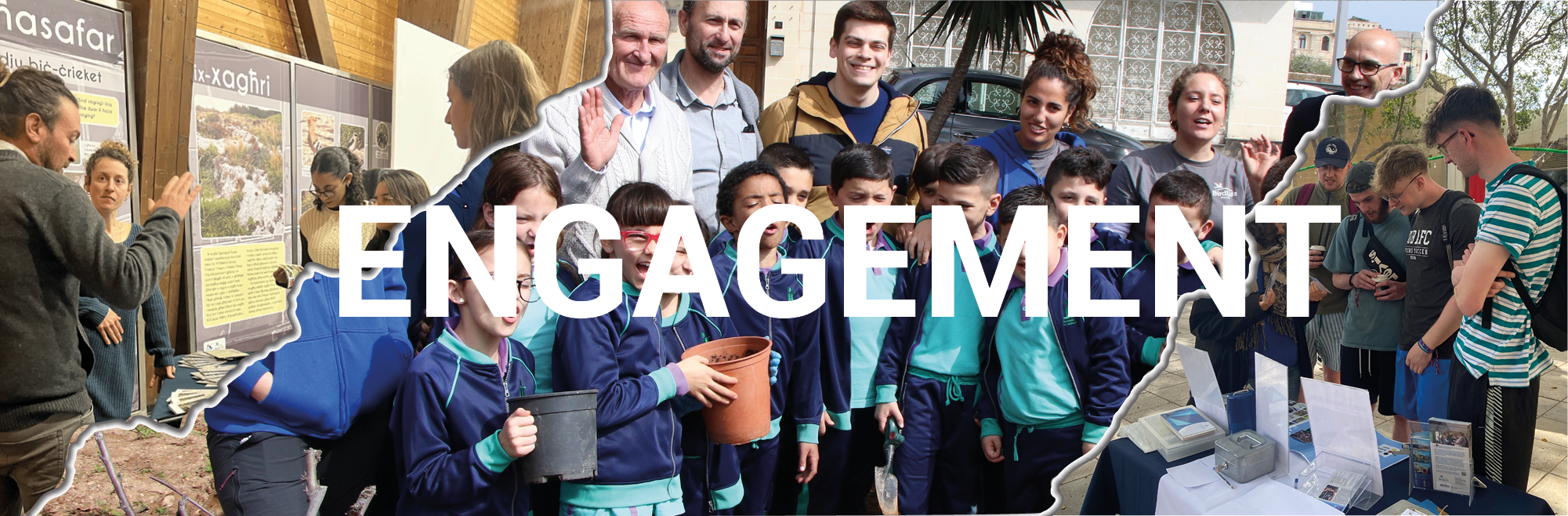
MCAST Fresher’s Week
What’s a better way to pique a young adult’s mind than to attend a fresher week at MCAST? Being surrounded by other Maltese NGOs gave us inspiration and motivation for future events as well as engagement with youth! From talking about FALKO and showing off our amazing nature reserves, to discussing potential volunteer opportunities with BirdLife Malta, we got them thinking about the environment and birds!
Most importantly, everyone who stopped by had a chance to learn what bird best fits their personality. Are you an introvert, like to travel, and are into fashion? Then you can call yourself a kingfisher! Even when playing a silly game such as that, you find yourself connecting with nature and its inhabitants. We hope that the students at MCAST felt that way as well!
UM Fresher’s Week
Along with S-Cubed, or the Science Students’ Society, we participated in the University of Malta Freshers’ Week! We loved hearing about fresh ideas for FALKO and youth engagement straight from the source. Our new DegreePlus course, Introduction to Birdwatching and Ornithology, garnered many interested students. Who knew putting up silly images of birds all over campus would convince kids to sign up? We did!
A special thank you to S-Cubed for asking us to join them, and we hope to collaborate on more events to come. The future is bright!
My Bird Day!
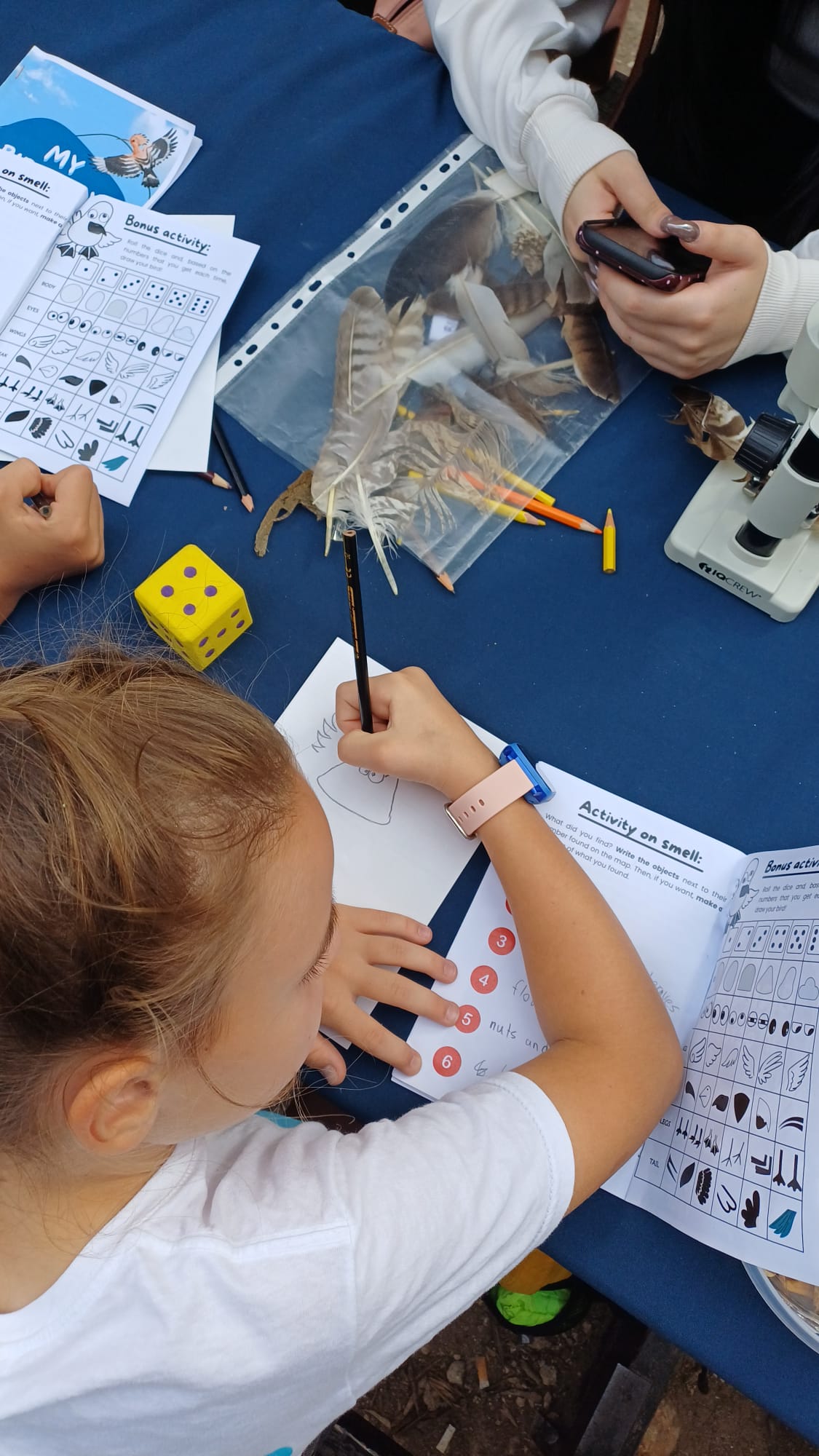
Another month, another amazing event in collaboration with Project Green. My Bird Day!, held at Park ta’ San Klement, in Żabbar, on the 24th of October, let participants “fly” in a bird’s wings for a morning, discovering how these incredible animals experience the world through the five senses.
We saw hidden worms with UV lights, heard the songs and calls of different species in the park, used different tools to understand how beaks work, held feathers under a microscope, and “smelled” our way through different elements found in the wild. Finally, participants created their own wacky bird by letting a dice decide its features!
Lots of activities and lots of fun, learning that even if we use our senses a bit differently, birds share a lot with us.
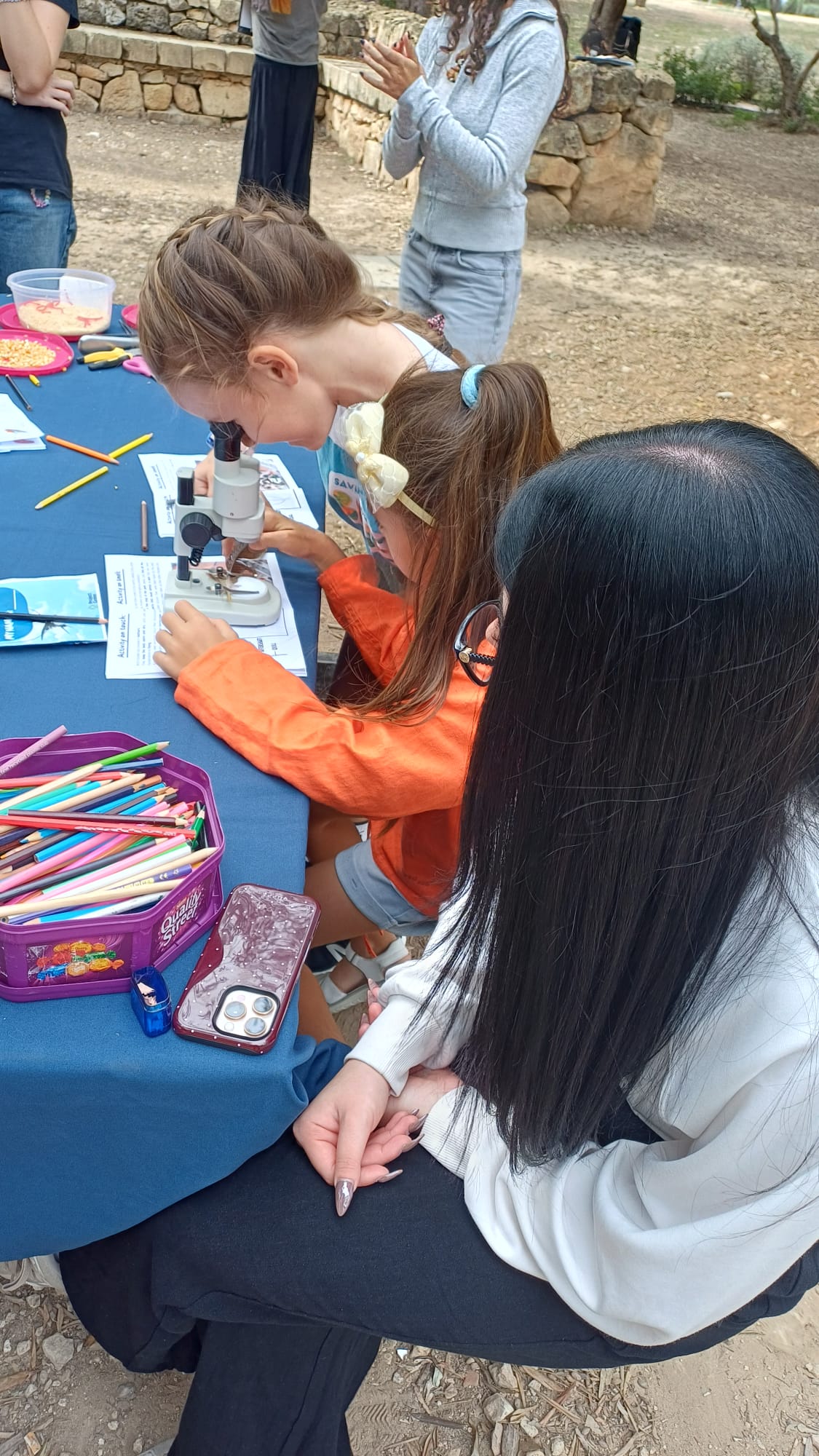
by Giulia Galvani
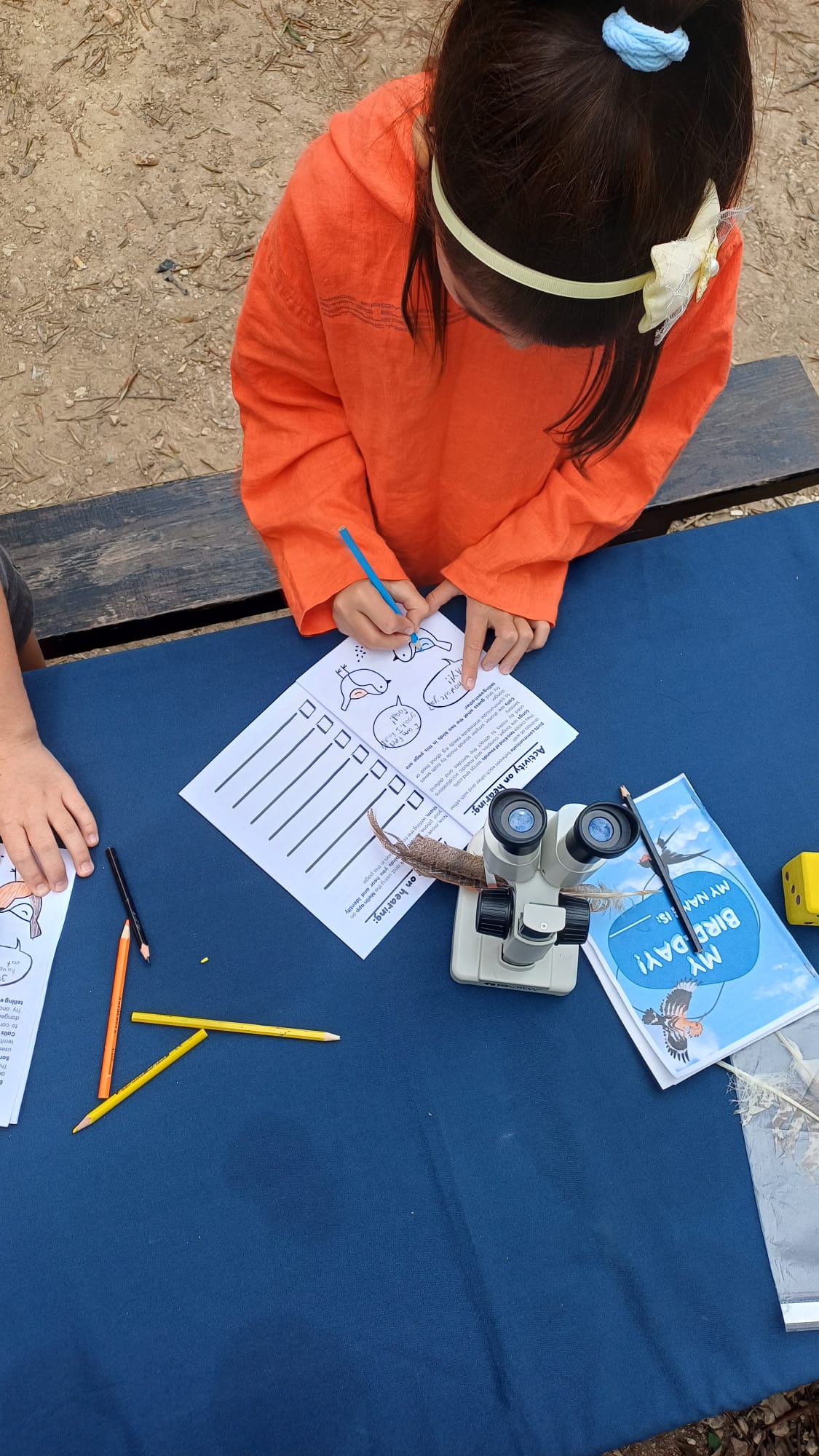
by Giulia Galvani
by Giulia Galvani
Together we shine
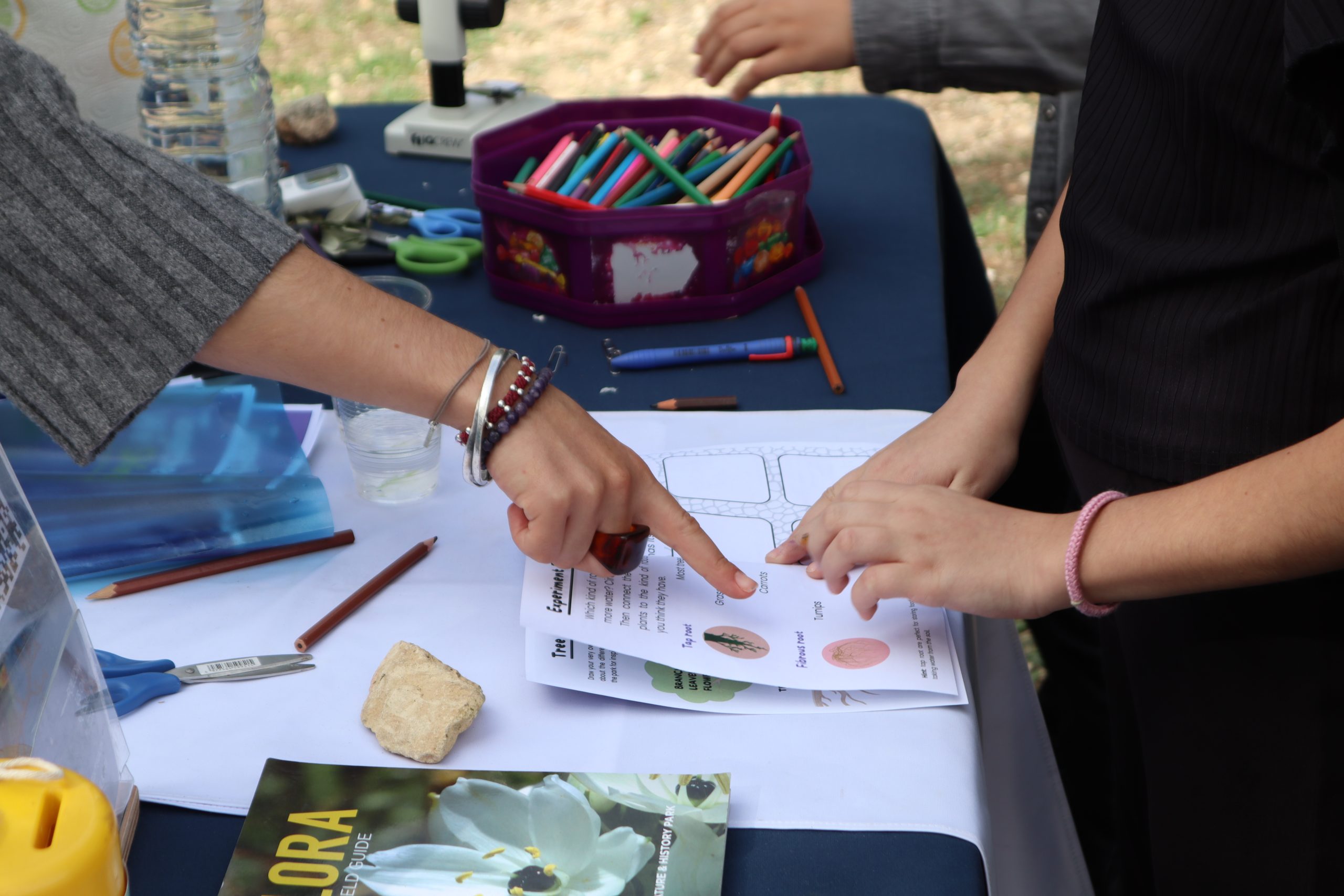
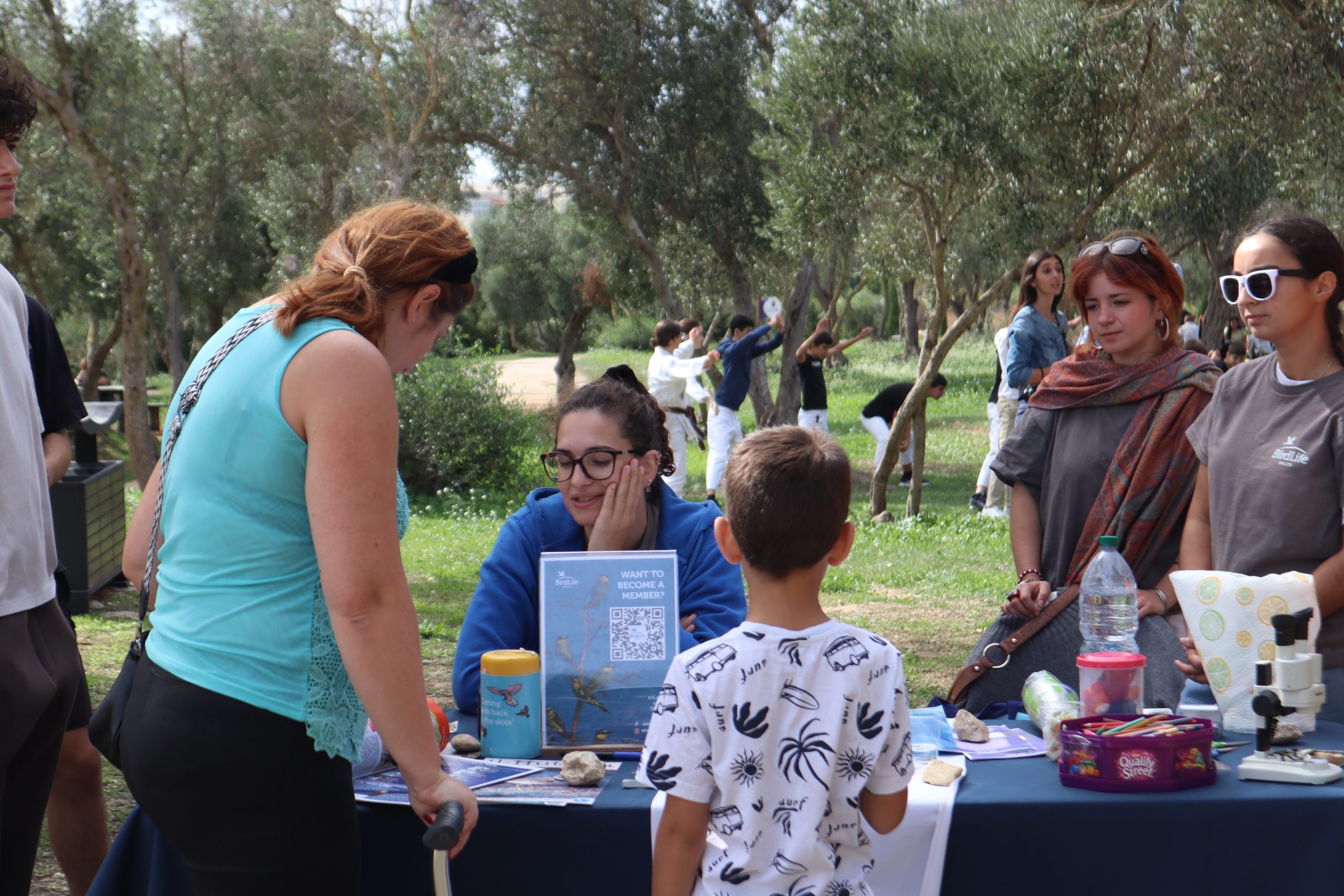
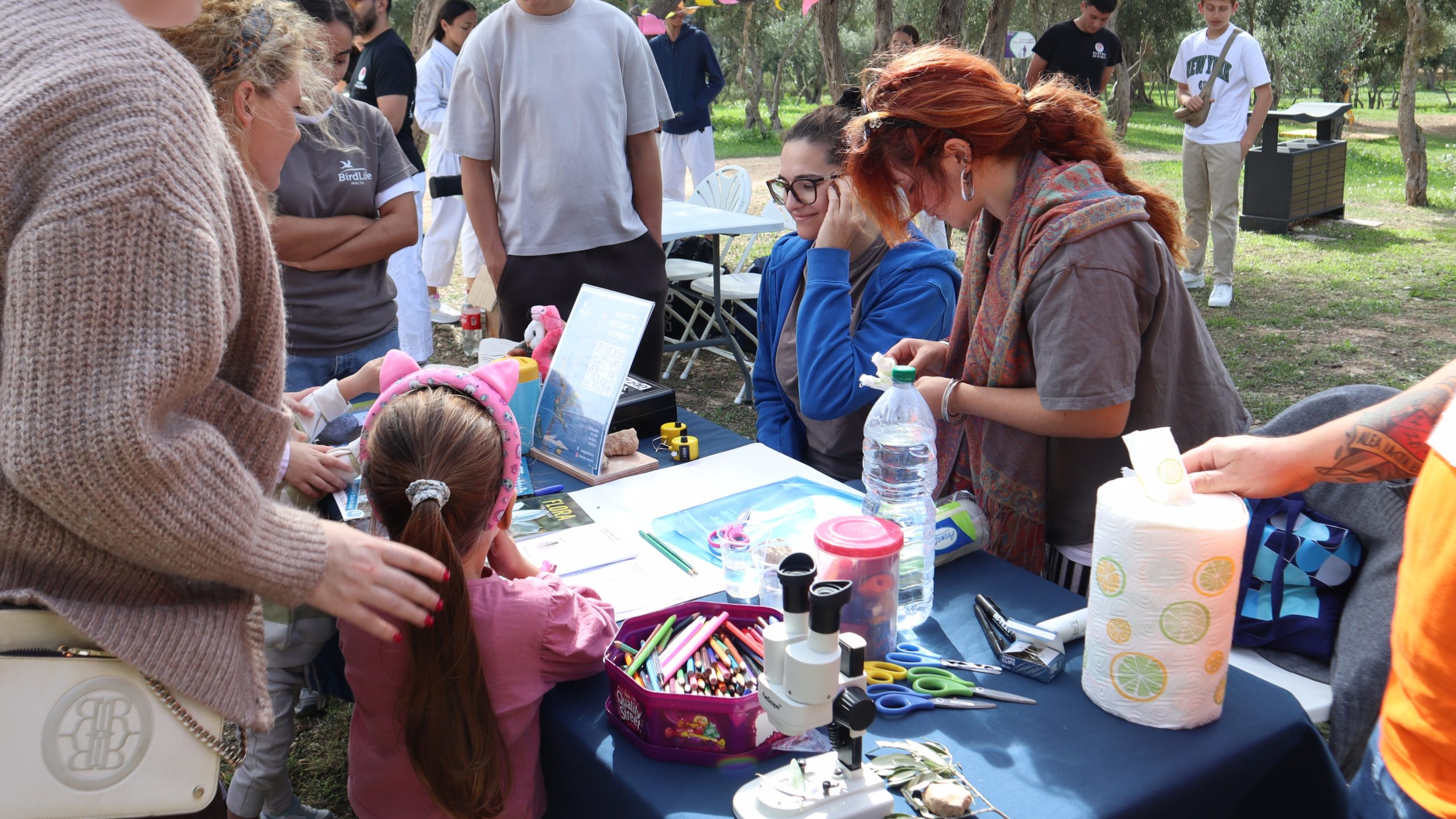
Together We Shine family festival, taking place in San Klement Park, brought families together and encouraged them to spend some quality time with their children in nature, along with enjoying each other’s company, music and precious memories together. BirdLife Malta was represented through its stand – we provided information to our visitors and familiarised them with BirdLife and our nature reserves; Moreover we presented our merch – bags, keychains and soft animal toys, as well as activities and experiments for children – the day ended up being fruitful and enjoyable, as many kids enjoyed our tree activities, observation through a microscope of leaves and learning new information about nature.
by Angela Scorzoni
by Angela Scorzoni
by Angela Scorzoni
Moth trick & Cupcake treat
Imagine Salina under dark clouds and the evening sky. On a spooky Halloween night, despite the rain and floods and thunder, participants came to join in on the fun!
Kids got to discover what actually happens in the reserve after dark. They learned why moths are so important for nature, helped us set up the light trap to see which species live around the wetland, and examined them up close with microscopes. After that, everyone made their own craft moth to take home, followed by warm food and Halloween cupcake decorating by the Buzaqq cafe team. When the natural elements come to create a hallowed atmosphere, make the spookiest and silly night of all- and that’s exactly what our participants did! Big thanks to everyone who joined.
Comino Walk
From watching birds being ringed and released at our bird ringing station to exploring Santa Maria Tower with its spectacular rooftop views, it was a wonderful day discovering Comino from a different perspective. Even with the unpredictable October weather, it was well worth a visit to see some winter residents, such as the European Robin, Sardinian Warblers, and Blackcaps.
A big thank you to Din l-Art Ħelwa for making the tower visit possible, and to everyone who joined us for this memorable walk! This marked a great start to our trekking season with the Events and Activities Committee, and we’re excited for our upcoming walks as well!
Wave of Change, Erasmus+ youth exchange
This month, five young people from Malta participated in “Wave of Change”, an Erasmus+ Youth Exchange held in Milos, Greece, from 23 September to 3 October, alongside participants from Latvia, Greece, Finland and Croatia.
The project focused on climate change, equipping participants with green skills and promoting intercultural dialogue and sustainability. Through non-formal education, workshops and intercultural exchanges, participants explored zero-waste living, cultural awareness and inclusivity.
During their stay, the group explored the challenges faced by island and coastal environments and met local people working to restore nature and biodiversity while preserving their island’s culture and traditions.
Together, participants shared good practices from their countries, developed an action plan proposing initiatives for the island, and designed a poster campaign to raise awareness among locals and tourists.
By the end of the project, participants had strengthened their green competences, developed their leadership skills in climate action and gained practical tools to launch eco-initiatives in their communities. They also strengthened their sense of European identity and shared responsibility, recognising that sustainability must be inclusive and accessible to all.
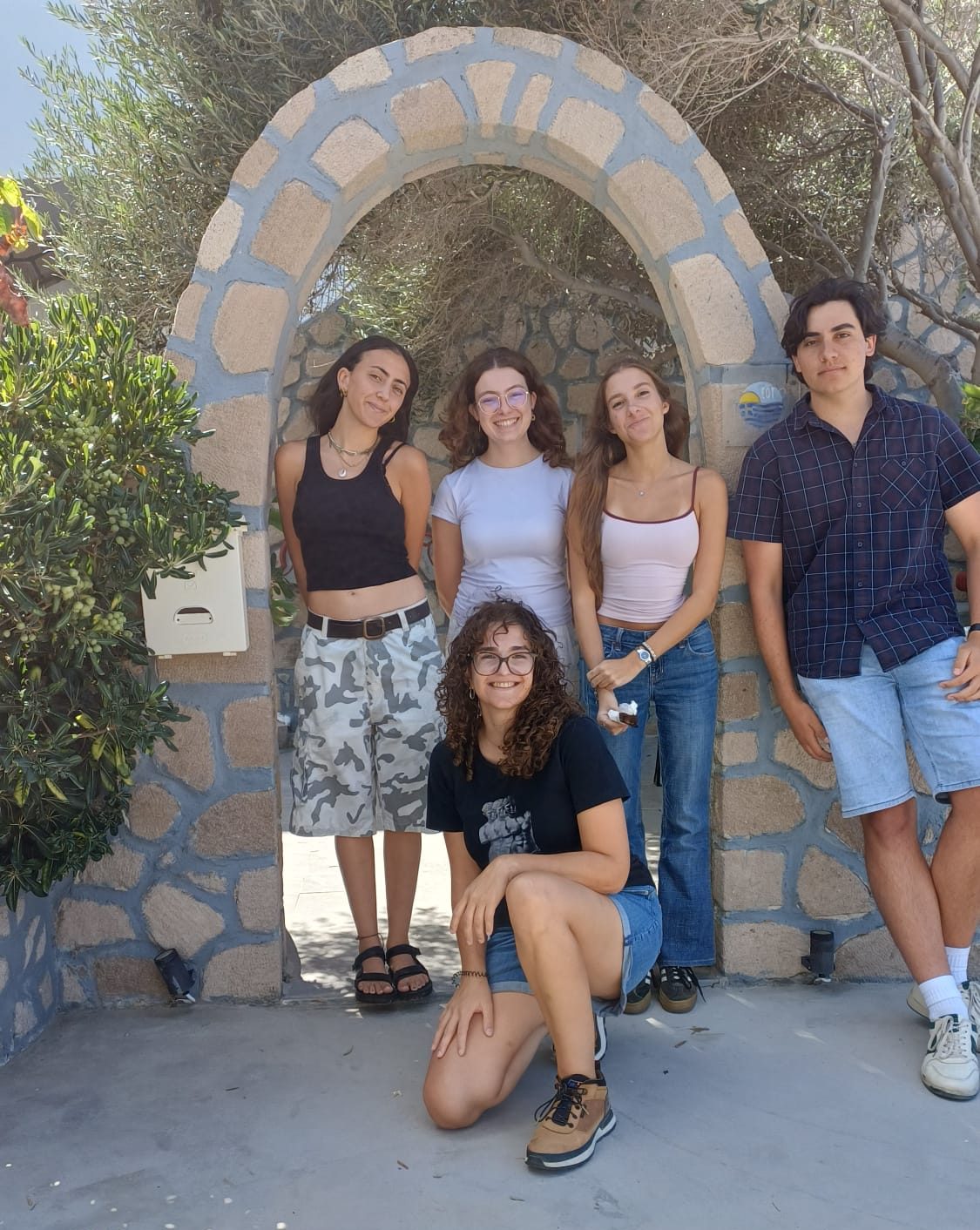
by Angela Scorzoni
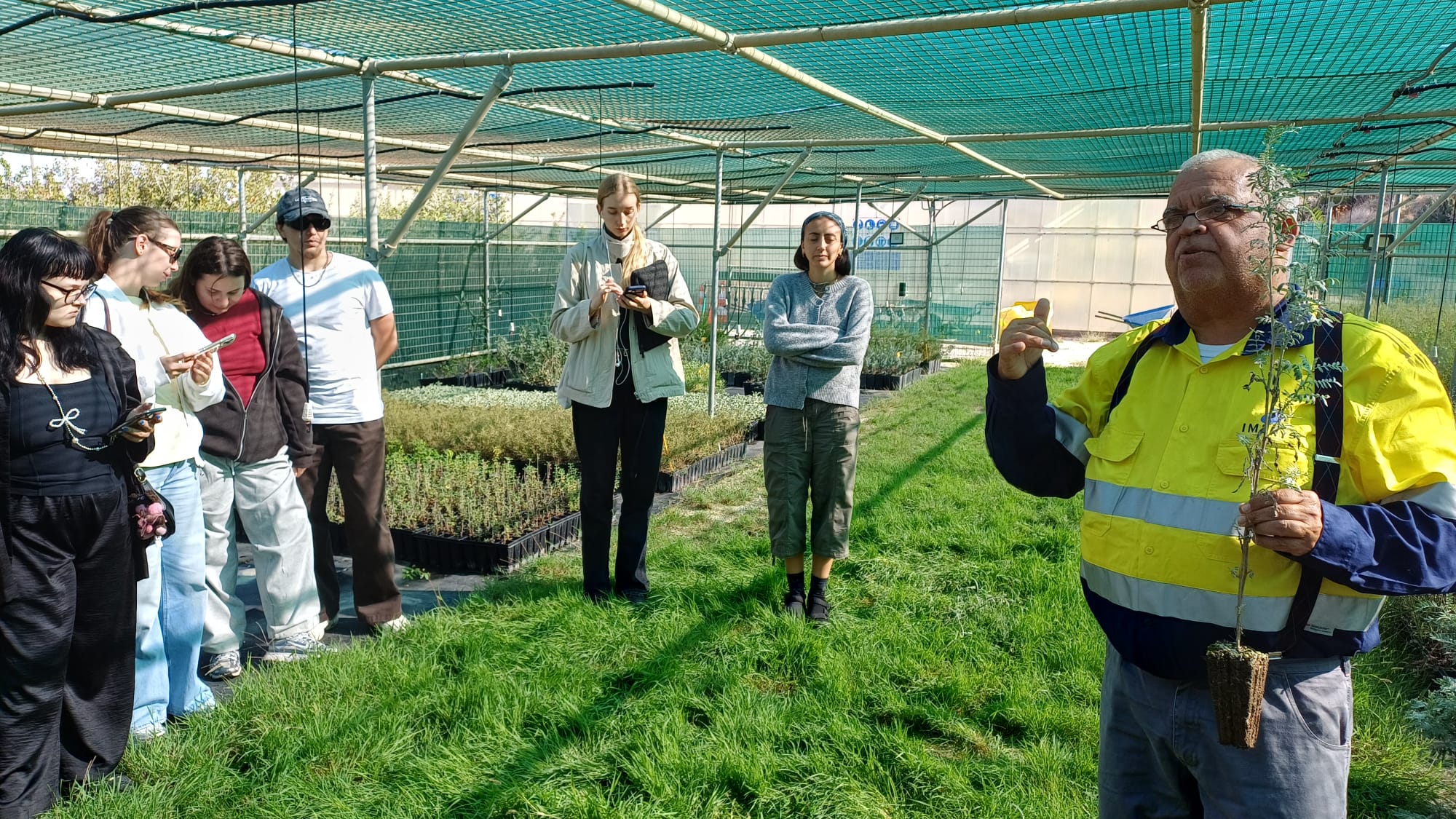
by Angela Scorzoni
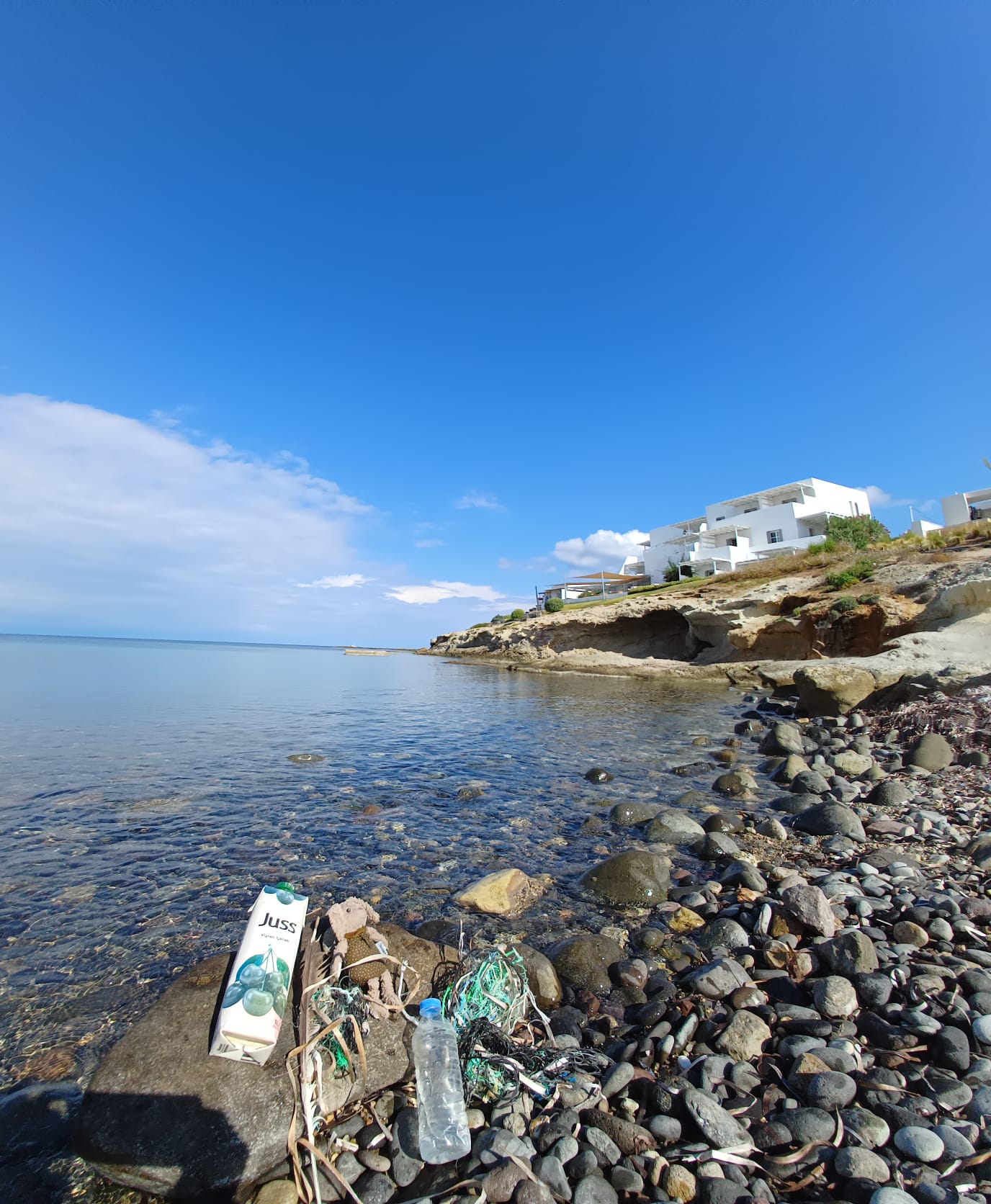
by Angela Scorzoni
Credits
Text: David Attard, Justine Borg, Charles Coleiro, Francesco Dal Colle, Giulia Galvani, Iñaki Leunda, Stefano Micieli, Lola Von Kietzell, Vera Tokmakova, Ola Żubrowicz
Editing: Angela Scorzoni