
On the Frontlines is our monthly newsletter section covering the activities of BirdLife Malta’s conservation, policy, nature reserve teams (Salina, Simar, Għadira and Foresta 2000), seabird and public engagement teams, together with an update about rare and scarce bird species observed.
A successful September at the Rehabilitation Centre
This month, our team successfully rehabilitated and released a high number of birds suffering from a wide range of injuries and health conditions.
At the end of August, we saw an increase in oiled seabirds, with several protected species arriving at our centre with extensive feather contamination. Among them were numerous European Storm-petrels, a Yelkouan Shearwater, a Yellow-legged Gull, and a Black Tern.
Caring for these delicate species requires specialised knowledge and careful handling, particularly during the washing process, when preserving the condition and waterproofing of the feathers is essential. Our team was able to successfully treat these birds and return them to the wild.
For our rehabilitation centre, the successful rehabilitation of Storm-petrels represents an important milestone. These small seabirds are particularly challenging to handle and rehabilitate, and their successful release demonstrates the growing expertise and knowledge developed by our team in seabird rehabilitation.
As September arrived, migration was in full swing, while the opening of the hunting season marked the beginning of our busiest period of the year. We are now dealing with a significant increase in both shooting-related injuries and bird-stranding cases.
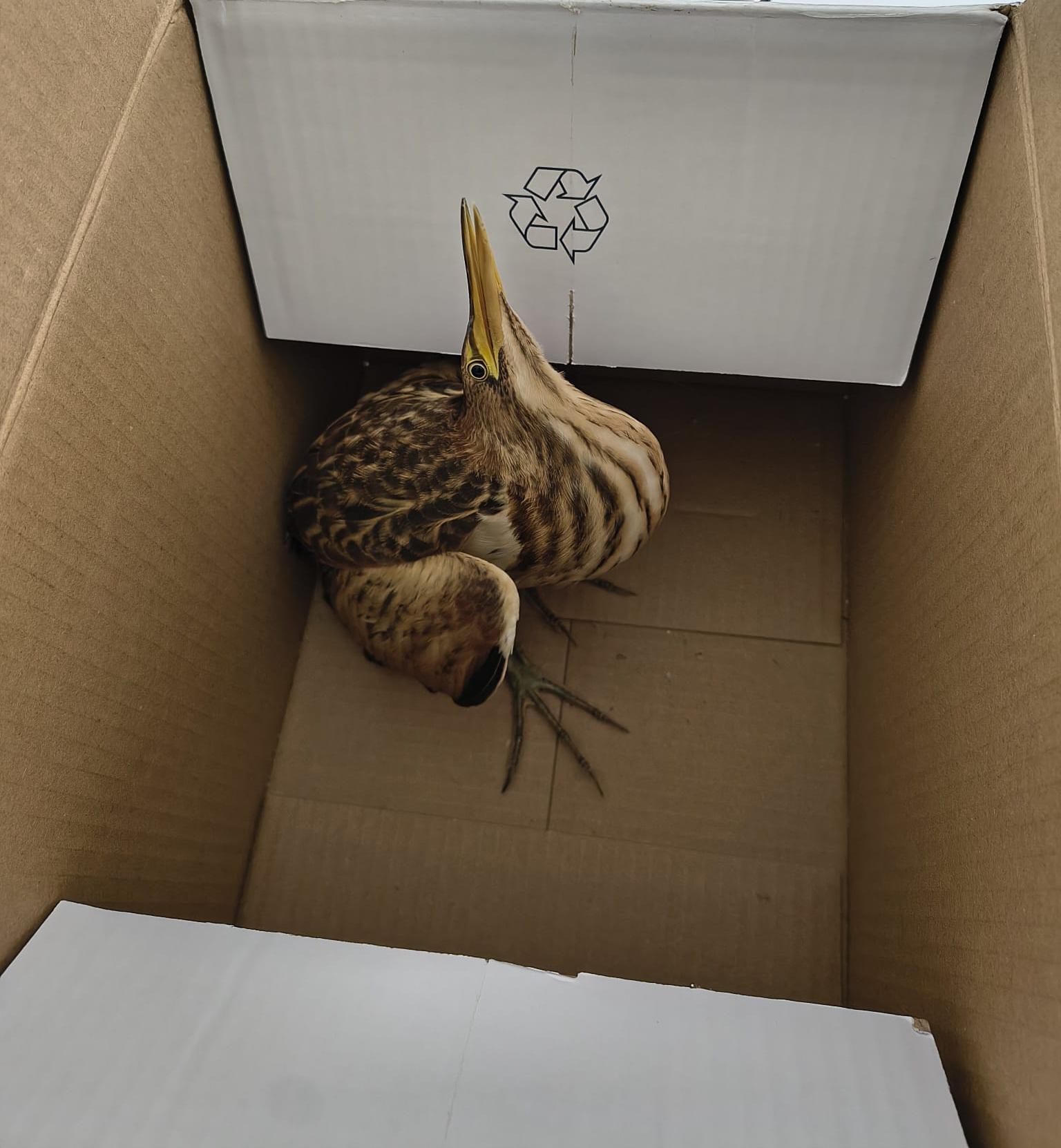
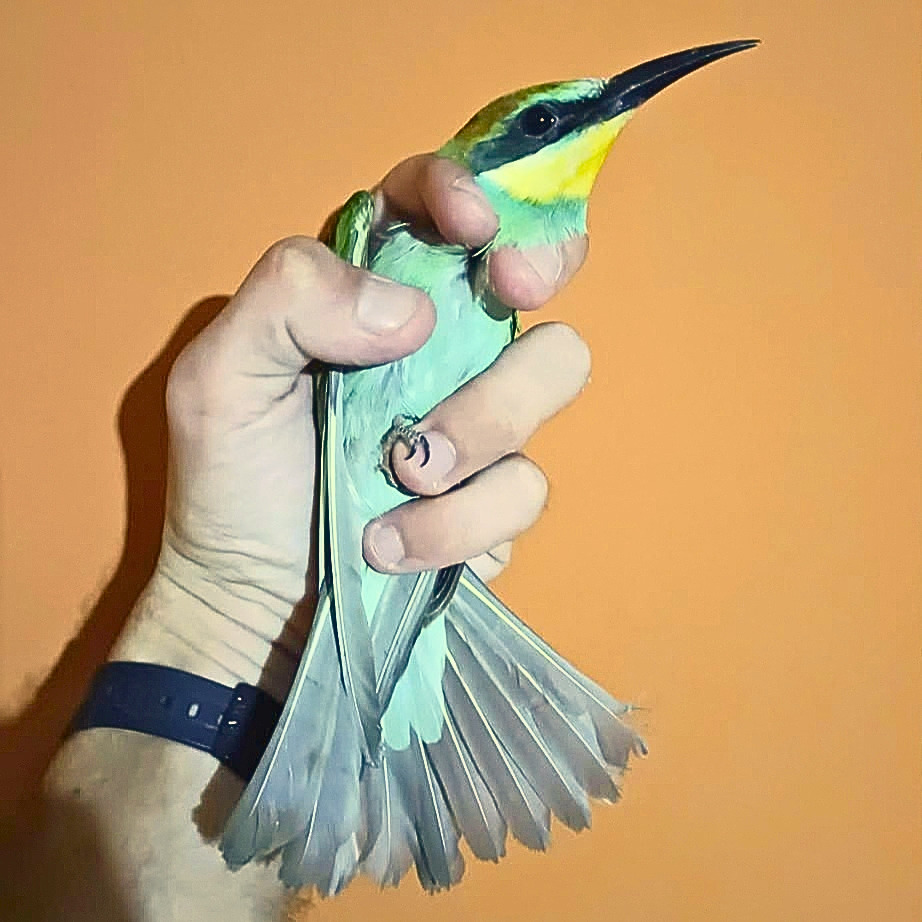
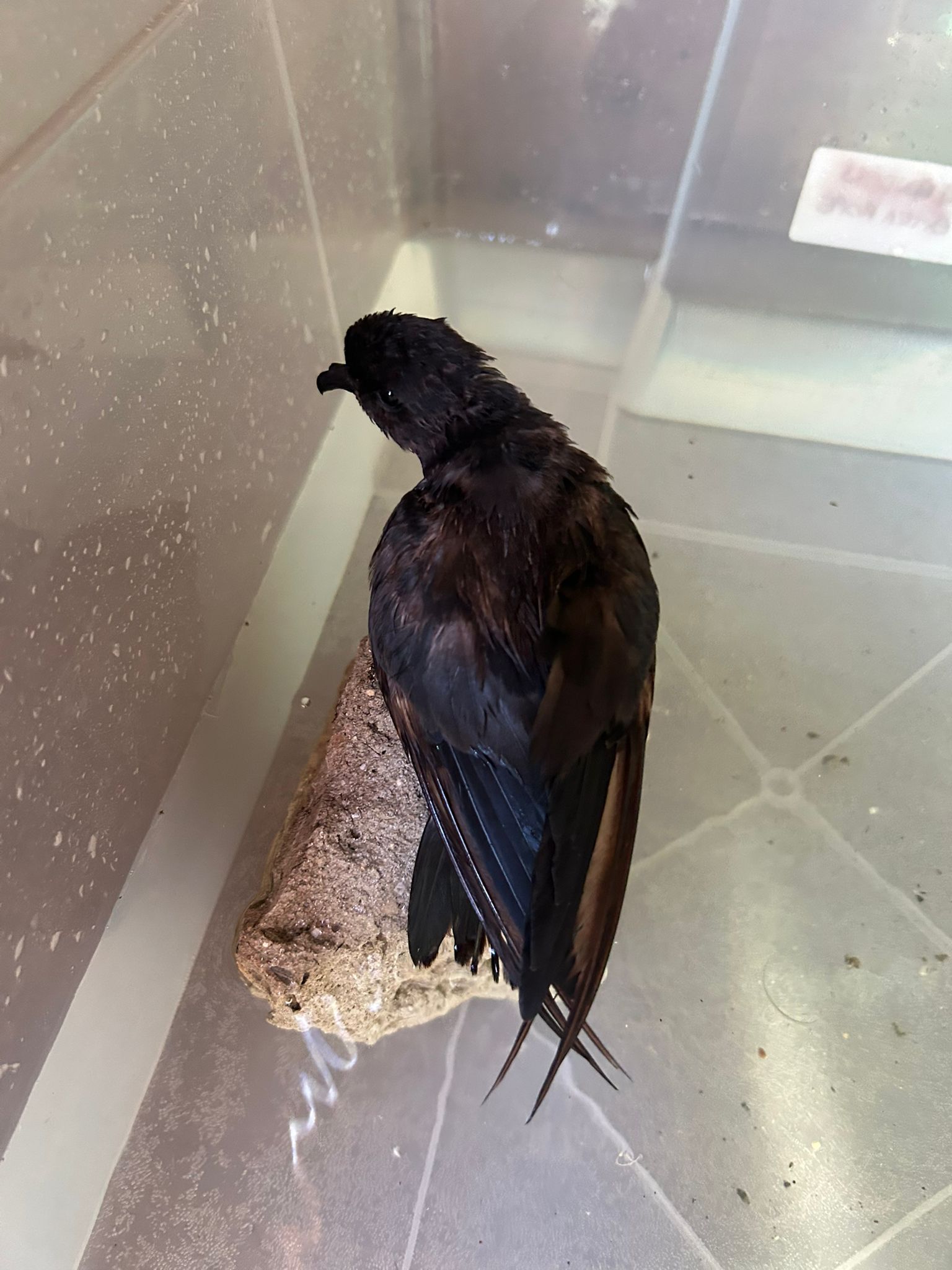
Among the birds already successfully rehabilitated and released were two European Bee-eaters and two Wood Warblers, as well as a Little Bittern and two juvenile Moorhens. We also successfully rehabilitated a concussed Pallid Swift, together with a European Turtle-dove, a Common Quail and a shot Yellow-legged Gull.
We also experienced another wave of paretic Yellow-legged Gull cases. Following treatment and supportive care, 14 gulls have recently recovered their strength and been released back into the wild.
After dealing with this recurring issue for several years, the successful rehabilitation and release of such a high number of affected gulls is an encouraging result and reflects the experience our team has developed in managing these challenging cases.
BirdLife Malta Archive
by Francesco Dal Colle
by Francesco Dal Colle
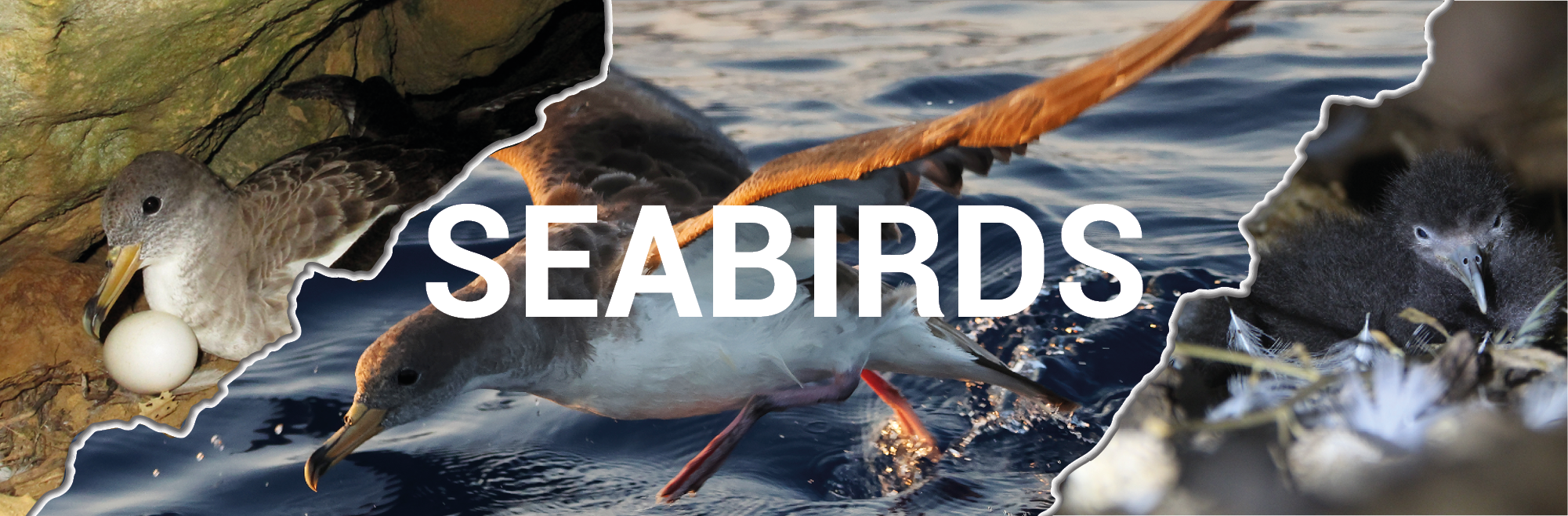
The Dark Side of Light: shining a light on seabird conservation
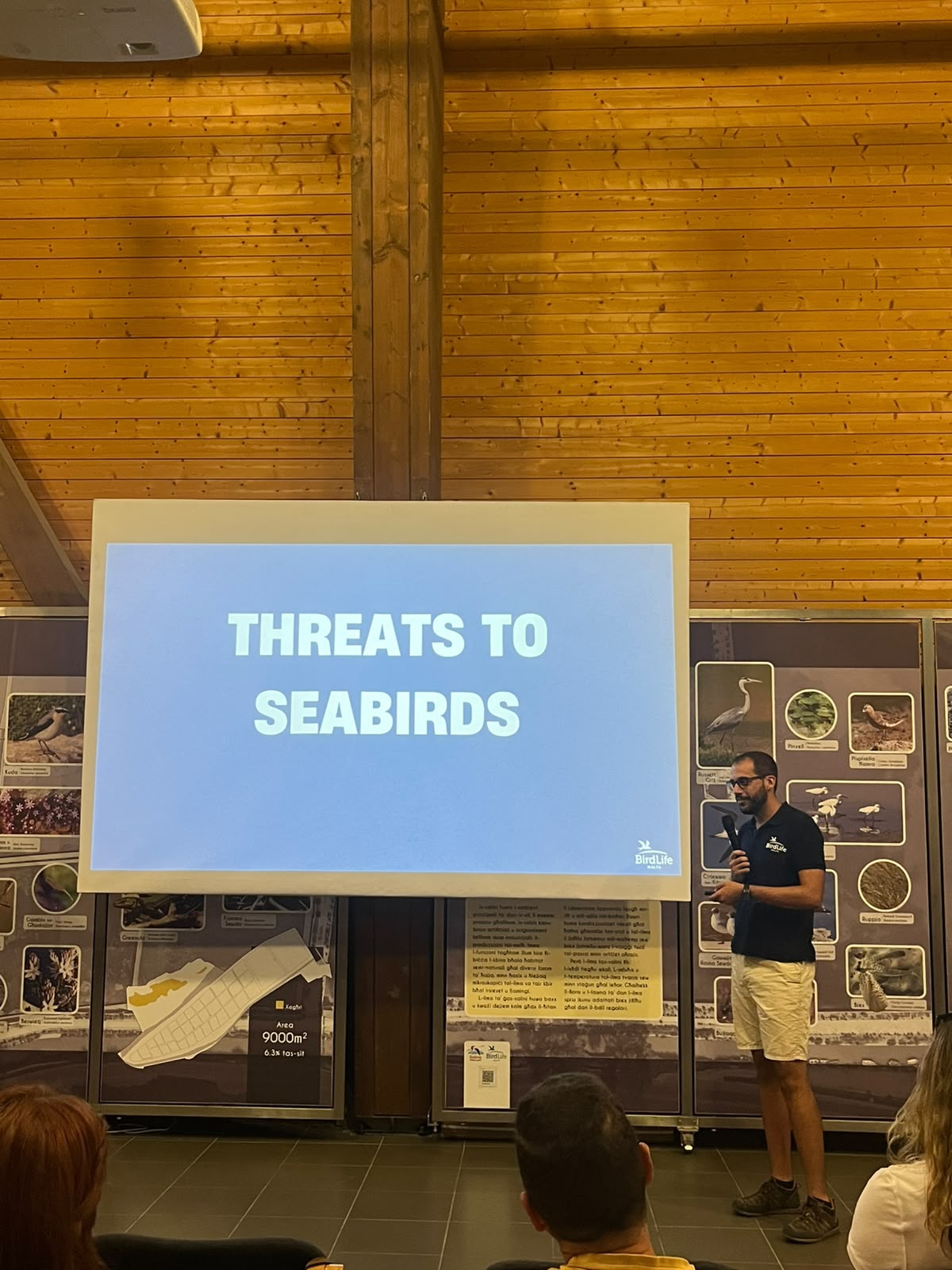
In September, the Seabird Team joined two public events to raise awareness about one of the growing threats faced by Malta’s nocturnal seabirds: light pollution. The team took part in a Science in the City workshop at the Valletta Design Cluster, as well as the Sip, Soak and Savour event at Salina Nature Reserve.
During a presentation titled “The Dark Side of Light”, the team introduced visitors to the main threats affecting Malta’s seabirds, with a special focus on Yelkouan Shearwaters (Puffinus yelkouan) and Scopoli’s Shearwaters (Calonectris diomedea). These species are adapted to travelling between their breeding colonies and the open sea under naturally dark conditions, making them particularly sensitive to artificial lighting.
Bright and poorly directed lights can disorient seabirds, especially young birds leaving their nests for the first time. Instead of heading out to sea, fledglings may be attracted towards illuminated areas, where they can become grounded and exposed to additional risks. Excessive lighting around breeding areas can also affect colony use and disturb the dark conditions these species rely on.
The presentation also highlighted simple measures that can help reduce these impacts, such as limiting unnecessary lighting, directing lights only where needed and reducing light intensity. This information is detailed in BirdLife Malta’s Lighting Standard, a result of the LIFE Archipelagu Garnija project. This standard can be accessed here.
By sharing these messages with the public, the team aimed to show how small changes in the way we use artificial light can make an important difference for Malta’s seabirds.
by Lola Von Kietzell
Almost ready to fly: Scopoli’s shearwater chicks approach fledging
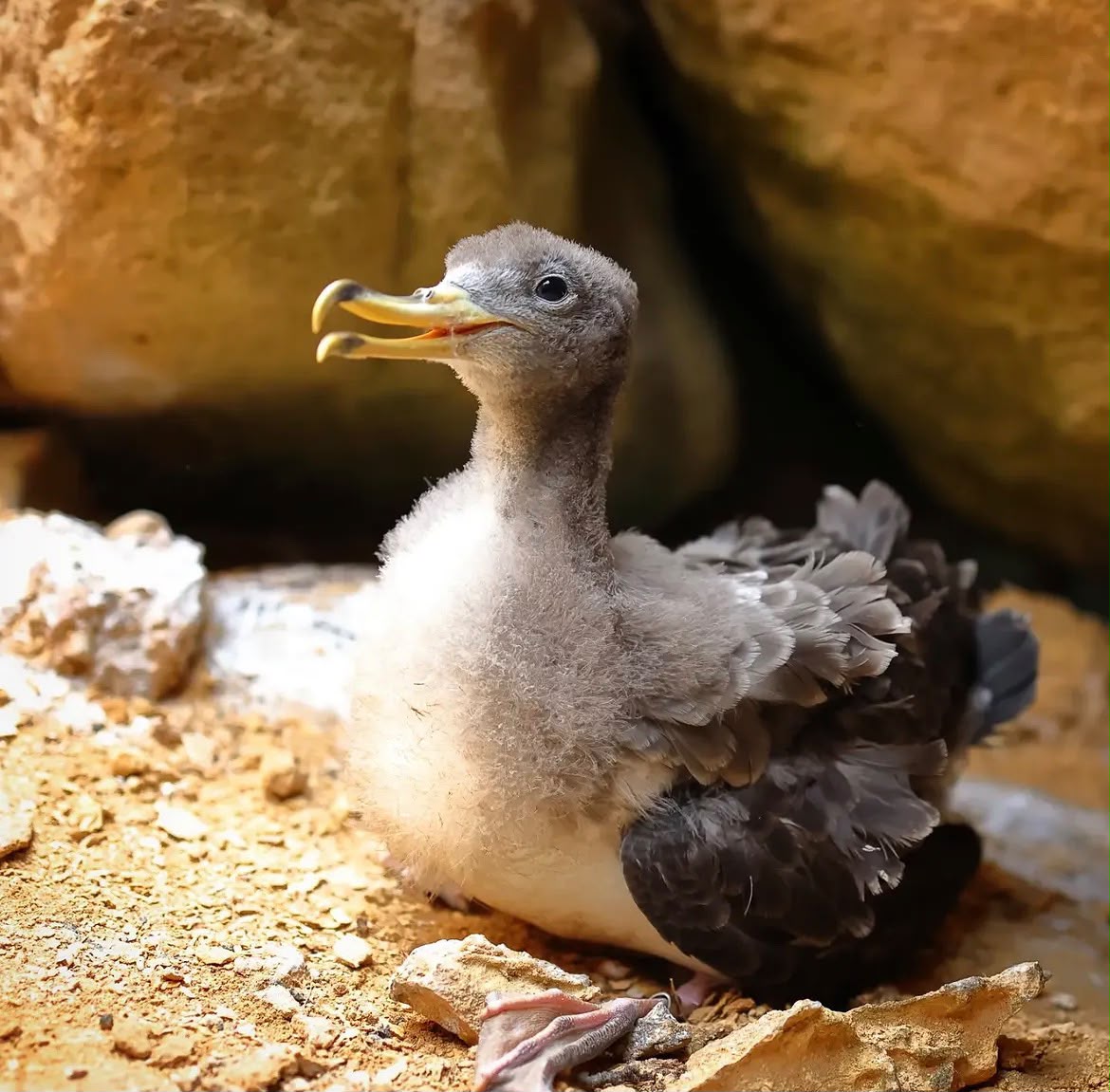
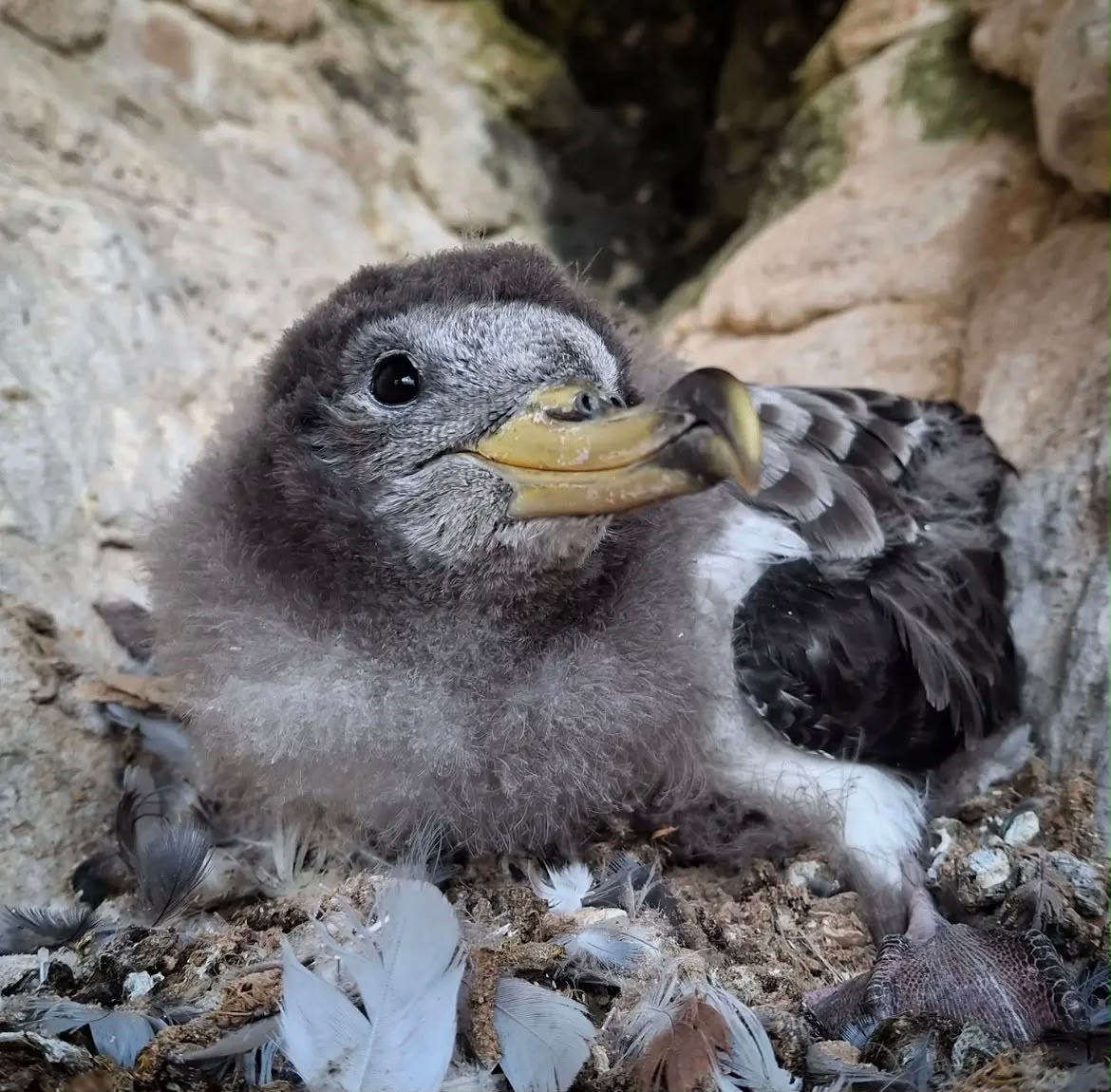
September also brought the Scopoli’s Shearwater breeding season closer to its final stage. Throughout the month, the Seabird Team continued visiting colonies and checking accessible nests to monitor the development of chicks as they prepared to fledge.
After spending the summer growing inside their nests, the young shearwaters are now approaching the moment when they will leave the colony and head out to sea for the first time. This is a major milestone in their lives, but also one of the periods when they are most vulnerable.
During their first flights, inexperienced fledglings can become disoriented by artificial lights and may end up grounded on roads, in urban areas or other unsuitable locations instead of reaching the sea. As the fledging period approaches, it becomes especially important to keep an eye out for grounded birds. BirdLife Malta will be issuing further instructions to the public on what to do in the case of finding a stranded bird in the coming weeks on our social media pages.
Continued nest monitoring, combined with public awareness and rapid response when grounded individuals are found, helps give these young Scopoli’s Shearwaters the best possible start as they leave Malta’s colonies and begin life at sea.
by Ricardo Fernandes
by Ricardo Fernandes
LIFE Tetide Feasibility Study in Croatia
As part of the LIFE Tetide project, our team, together with partners and experts from RSPB, NEMO and BIOM, spent five days in Croatia carrying out preliminary assessments for a potential rat eradication feasibility study covering several islands off the coast of Split, including Palagruža, Svetac, Brusnik and Biševo. Based on the island of Vis, the team surveyed remote coastlines and cliffs by boat and carried out on-the-ground assessments on Palagruža and Svetac, evaluating habitats, vegetation, seabird colonies, terrain and accessibility. Biological sampling of rodents was also conducted on Vis, with samples collected for genetic analysis to better understand relationships among rodent populations across the archipelago and potential reinvasion risks.
The visit also included outreach activities with the Vis Archipelago UNESCO Global Geopark, where LIFE Tetide materials were displayed at the Visitor Centre. The information gathered will contribute to assessing the ecological and practical feasibility of future rat eradication actions, supporting long-term efforts to protect these important island ecosystems and their biodiversity.
Follow our LIFE PanPuffinus! project on our website and social media!
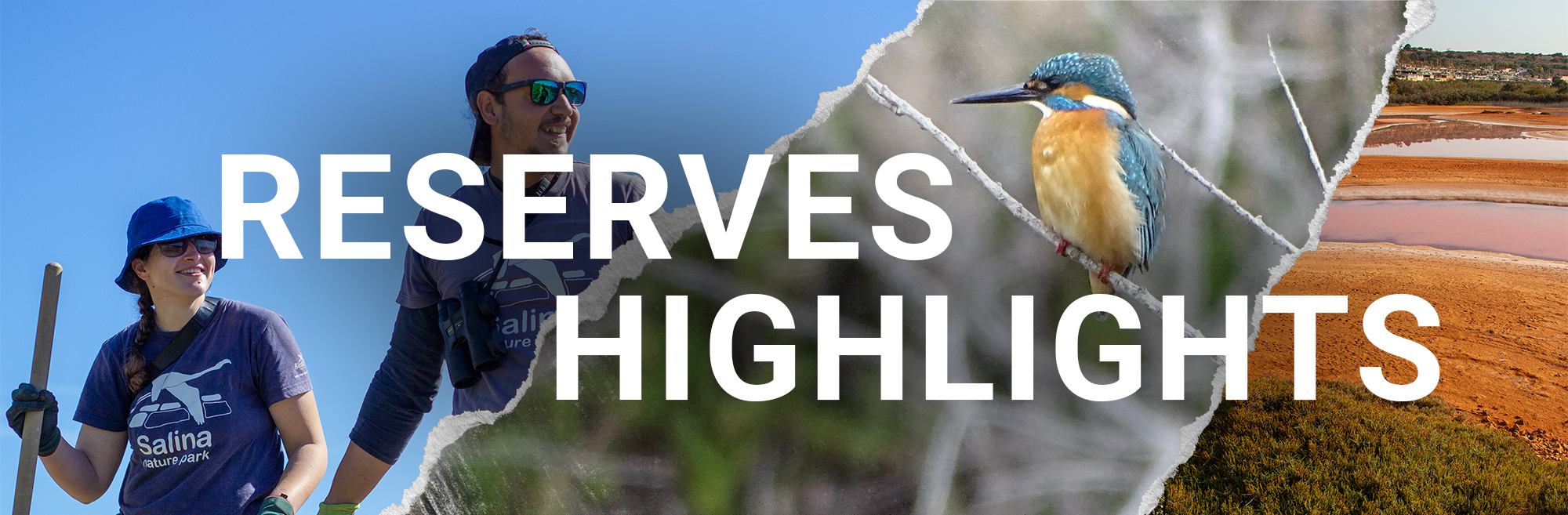
Salina Nature Reserve
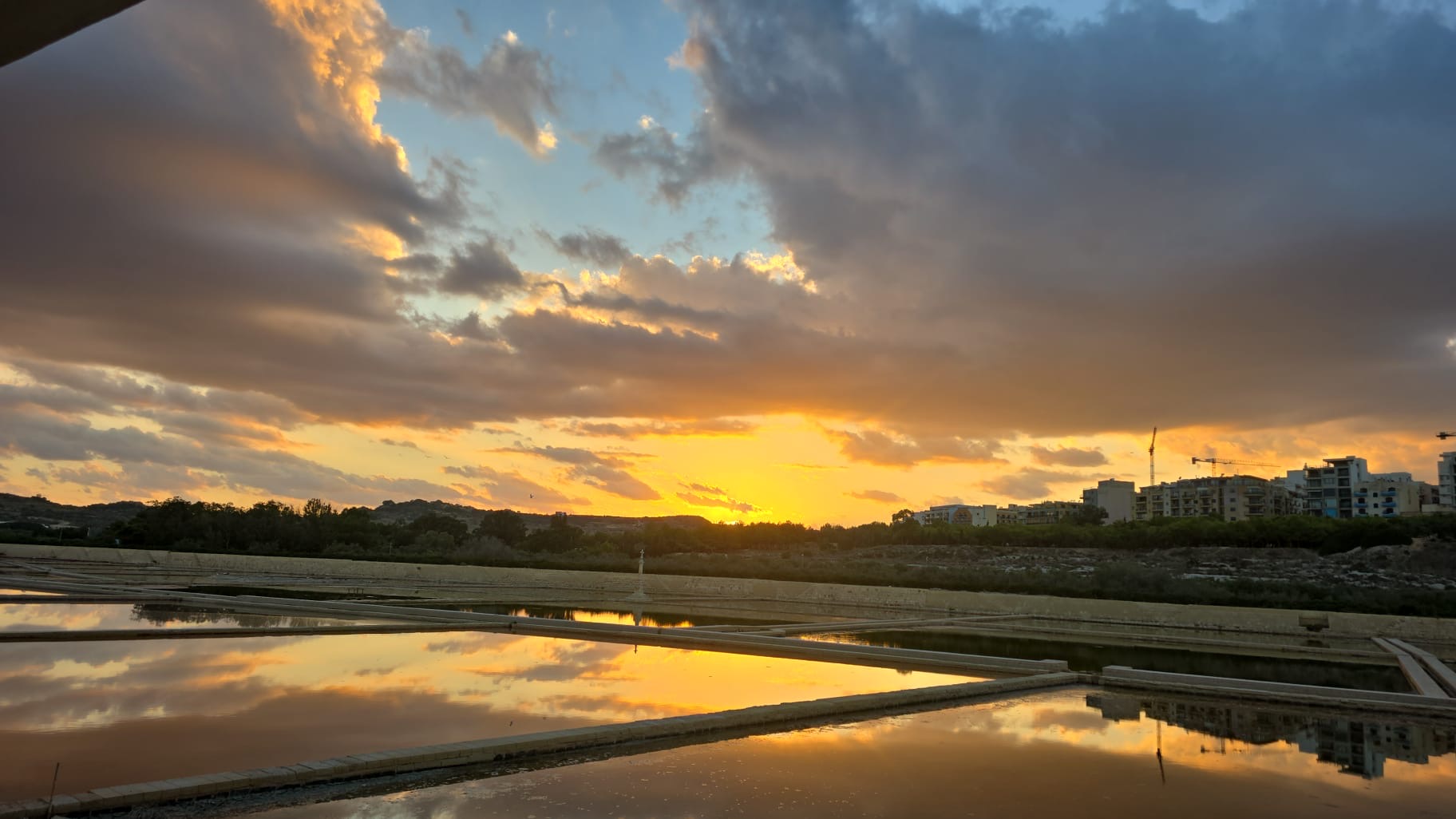
With September comes one of the most exciting times at Salina Nature Reserve: migration season.
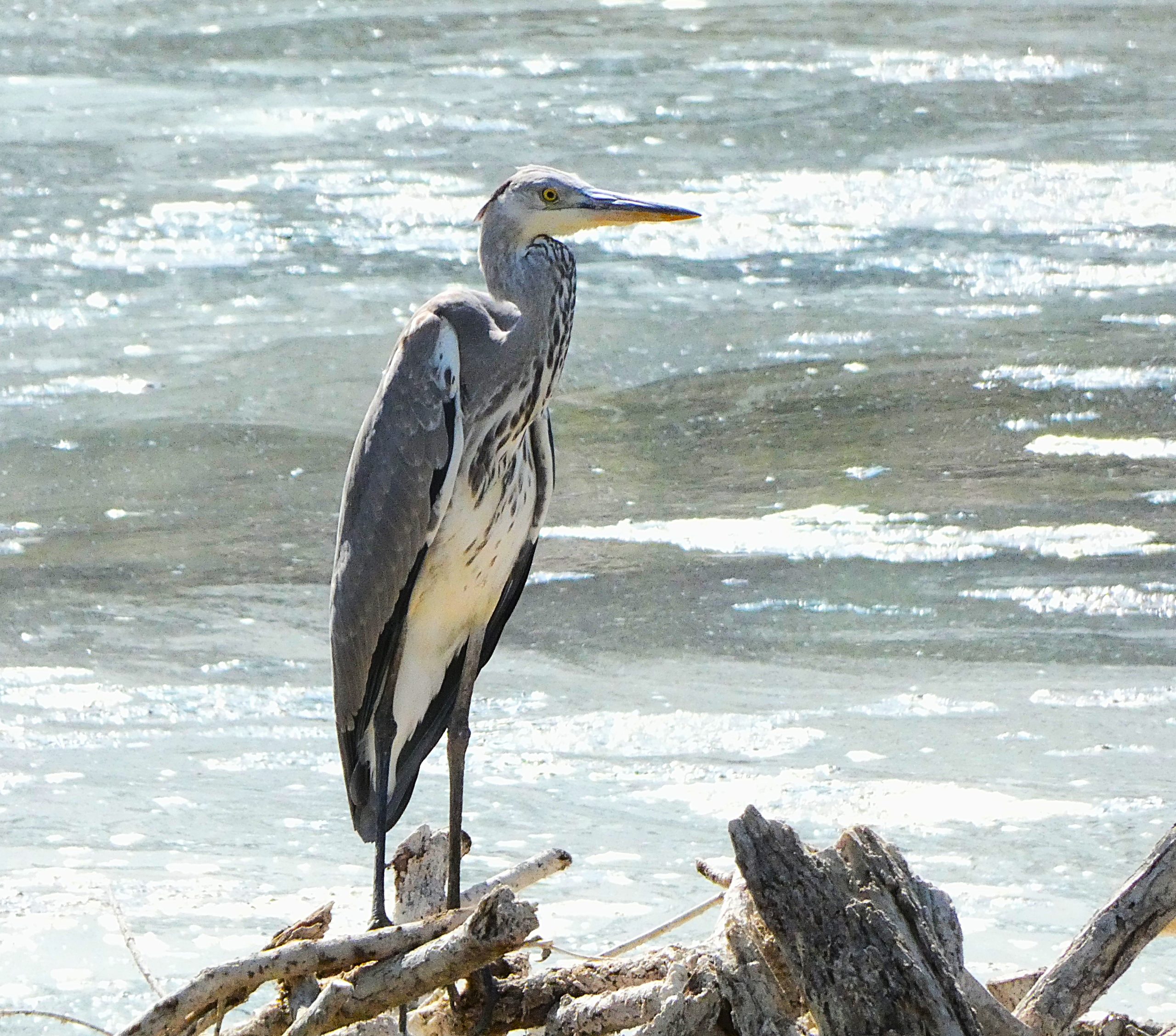
As every year, Salina becomes a magnificent place to discover and enjoy birds, with our salt pans welcoming both resident and migratory species. For more than two weeks, our salt pans have been home to a flock of Grey Herons, sharing the reserve with Little Egrets, Common Sandpipers and Little Ringed Plovers. We were also lucky enough to welcome an amazing pair of Black-winged Stilts.
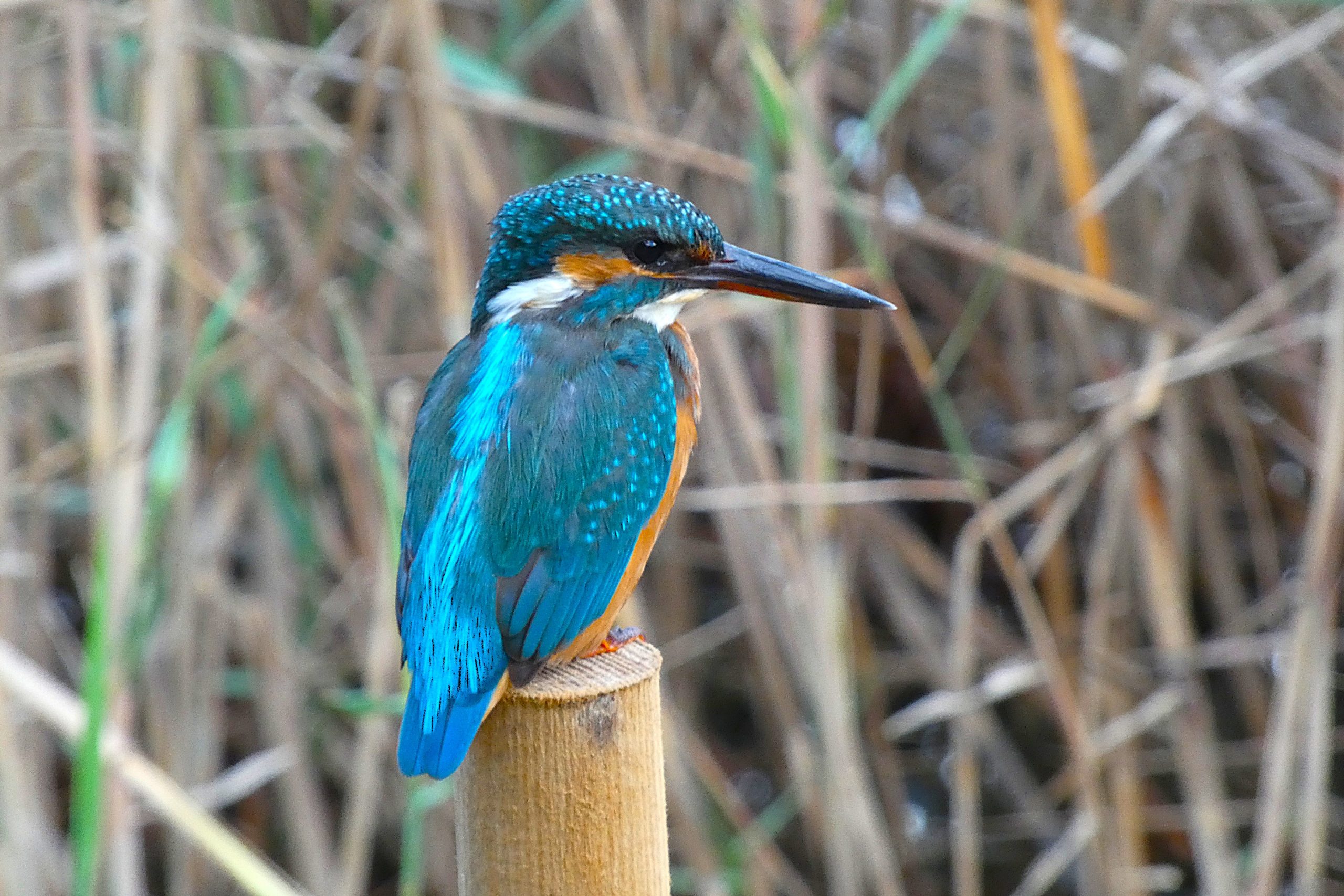
And, of course, Salina is never short of colour! Our beautiful Kingfishers have been making regular appearances around the reserve, while a Gull-billed Tern and a Whiskered Tern also stopped by for a visit this month. Looking up at the sky brought even more excitement, with several birds of prey spotted over Salina, including a Marsh-harrier and a Peregrine Falcon.
But without doubt, the exceptional migration of hundreds of herons and egrets of all species was a sight to behold. This happened on 14 September due to very specific weather conditions in the central Mediterranean. In addition, our rarest bird of the month was a Savi’s Warbler that was ringed in the wetland area. This is the first time we recorded this species at Salina since Birdlife took on its management.
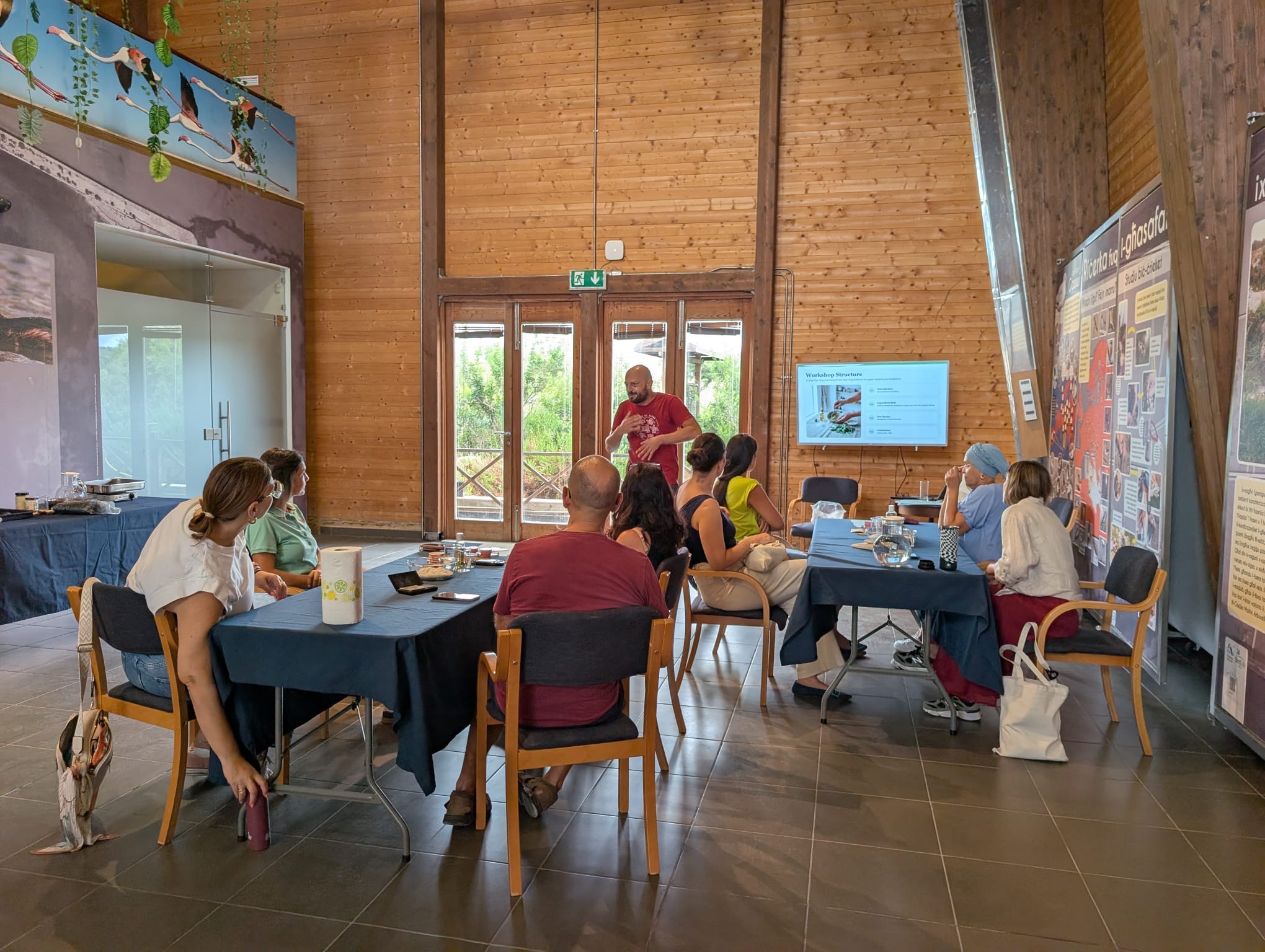
Salina is not only a wonderful place to discover wildlife, but also a place to learn about our natural and cultural heritage. September was also a month of learning and discovery, with a salt scrub workshop and an event focused on light pollution.
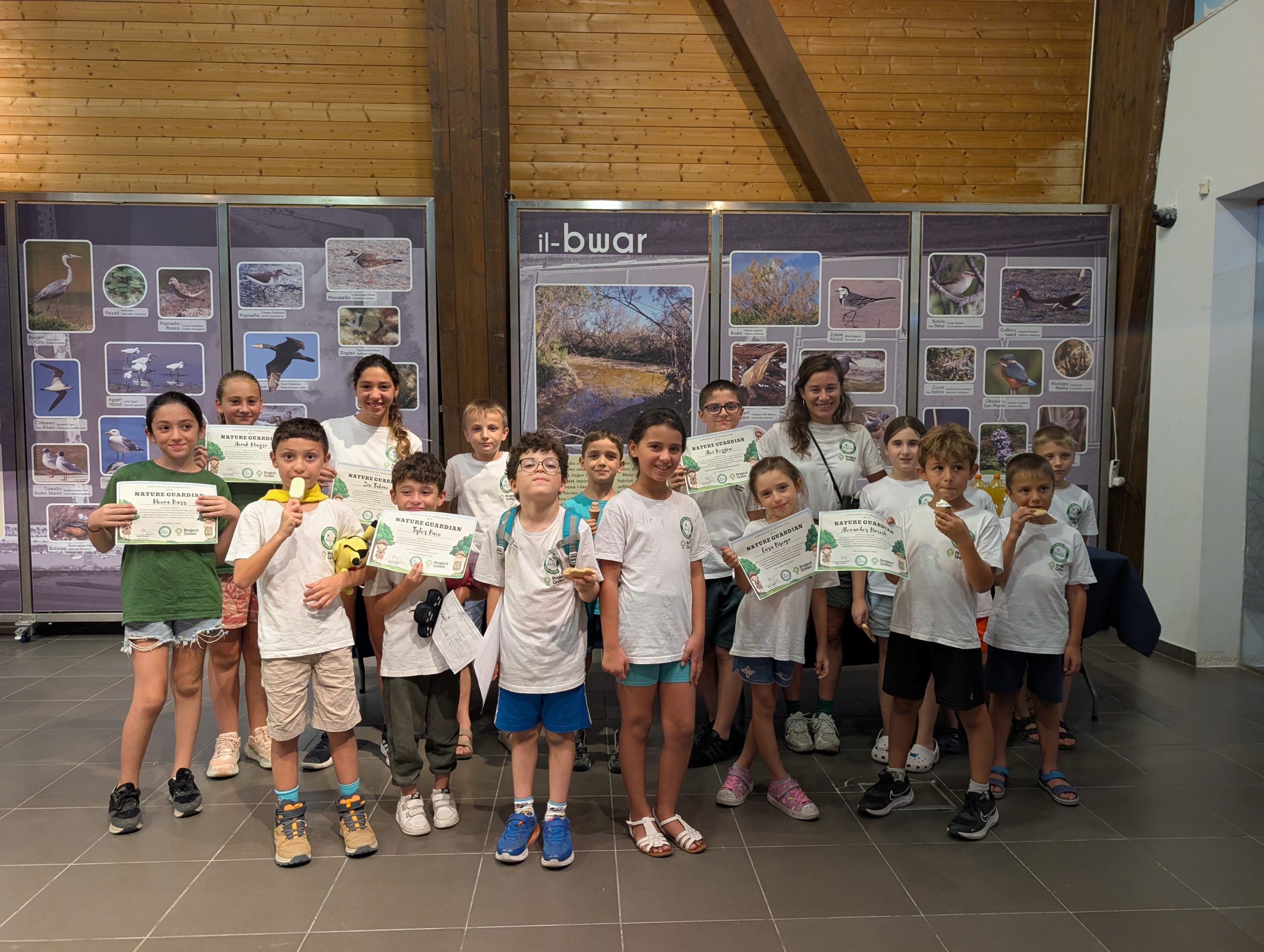
We celebrated the graduation of 20 new Nature Guardians, continuing our programme of connecting children with Malta’s wildlife and nature.
The café upstairs in the Visitor Centre is now open!
Visitors can enjoy a coffee while taking in the beautiful views of the reserve.
Meanwhile, work continues by the Public Works Department to clear the blockage in the Sukkursu canal, and we welcomed visitors of all ages, including our youngest explorers aged 2–3, as well as CSR groups who helped us with work around the reserve.
Migration season is only beginning — we can’t wait to see what the next few weeks will bring!
by Sara Melfi
by Pamela Jorgo
by Vera Tokmakova
Għadira Nature Reserve
Sightings
Autumn migrant species increased considerably during September at Għadira Nature Reserve.
Various wader and heron species were recorded daily, especially in the days following the first rains. 14 September was a remarkable day with several flocks of mixed heron species, Turtle-doves and Golden Orioles recorded, amongst others.
On 24 September, a Red-backed Shrike was ringed, and two Spotted Crakes were also recorded. Raptors including Osprey, Marsh-harriers and Common Kestrels were often recorded on various dates. Kingfishers were recorded almost daily, while small passerines including Willow Warblers, Wood Warblers and Subalpine Warblers amongst others were recorded in small numbers almost daily.
Other outstanding species recorded this month were Oystercatcher and Glossy Ibis.
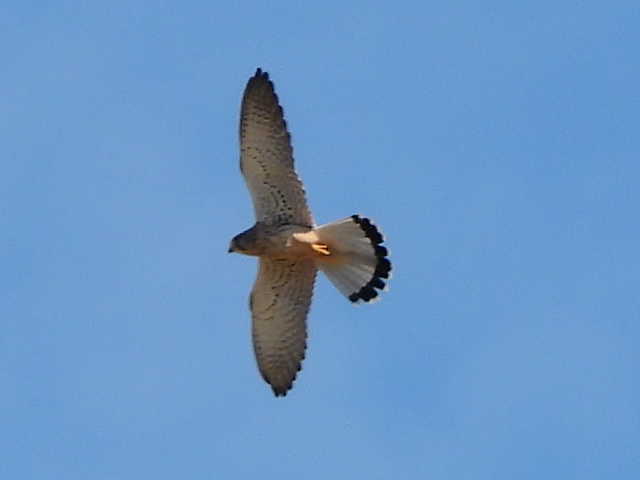
by David Attard
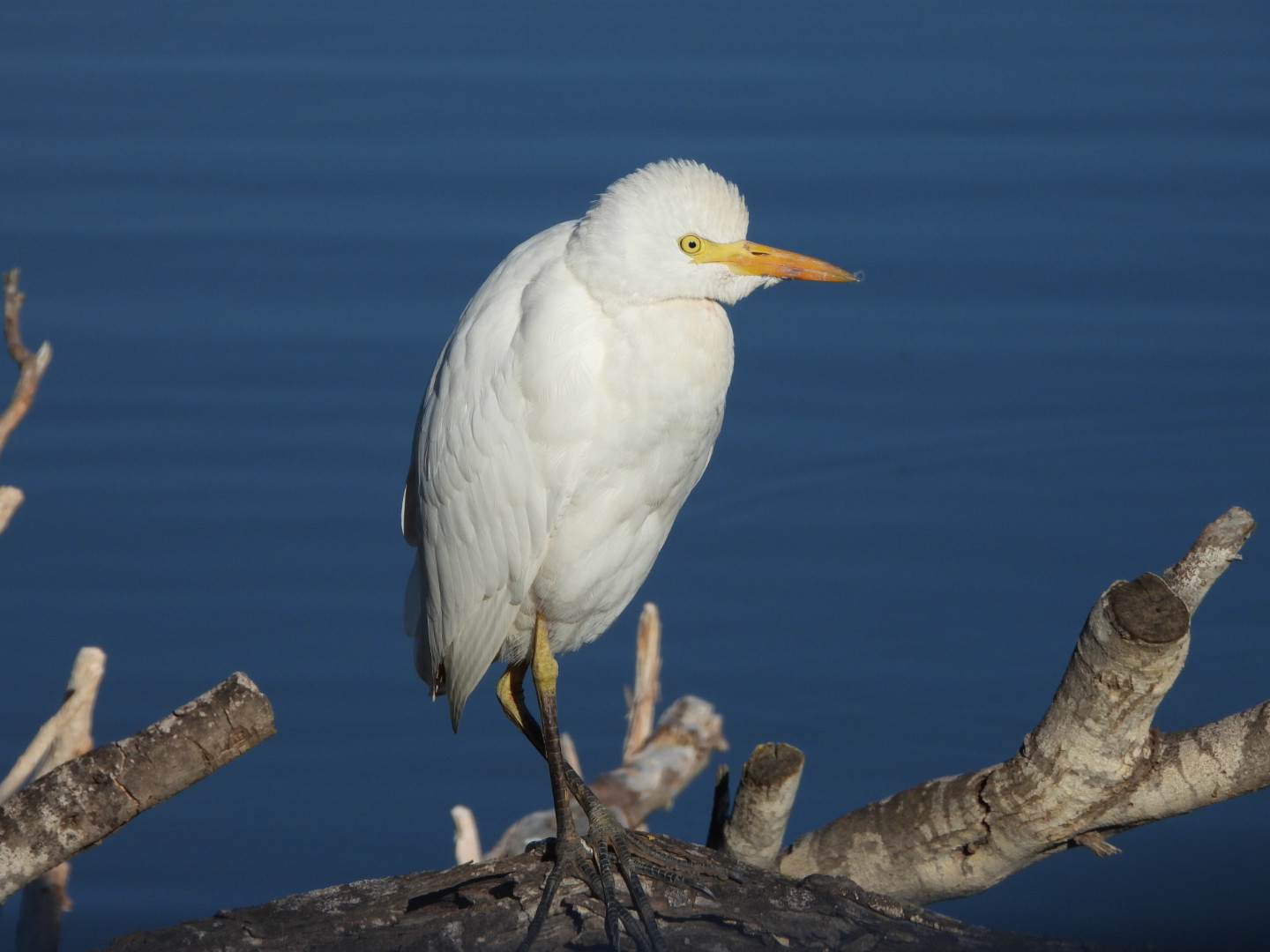
by David Attard
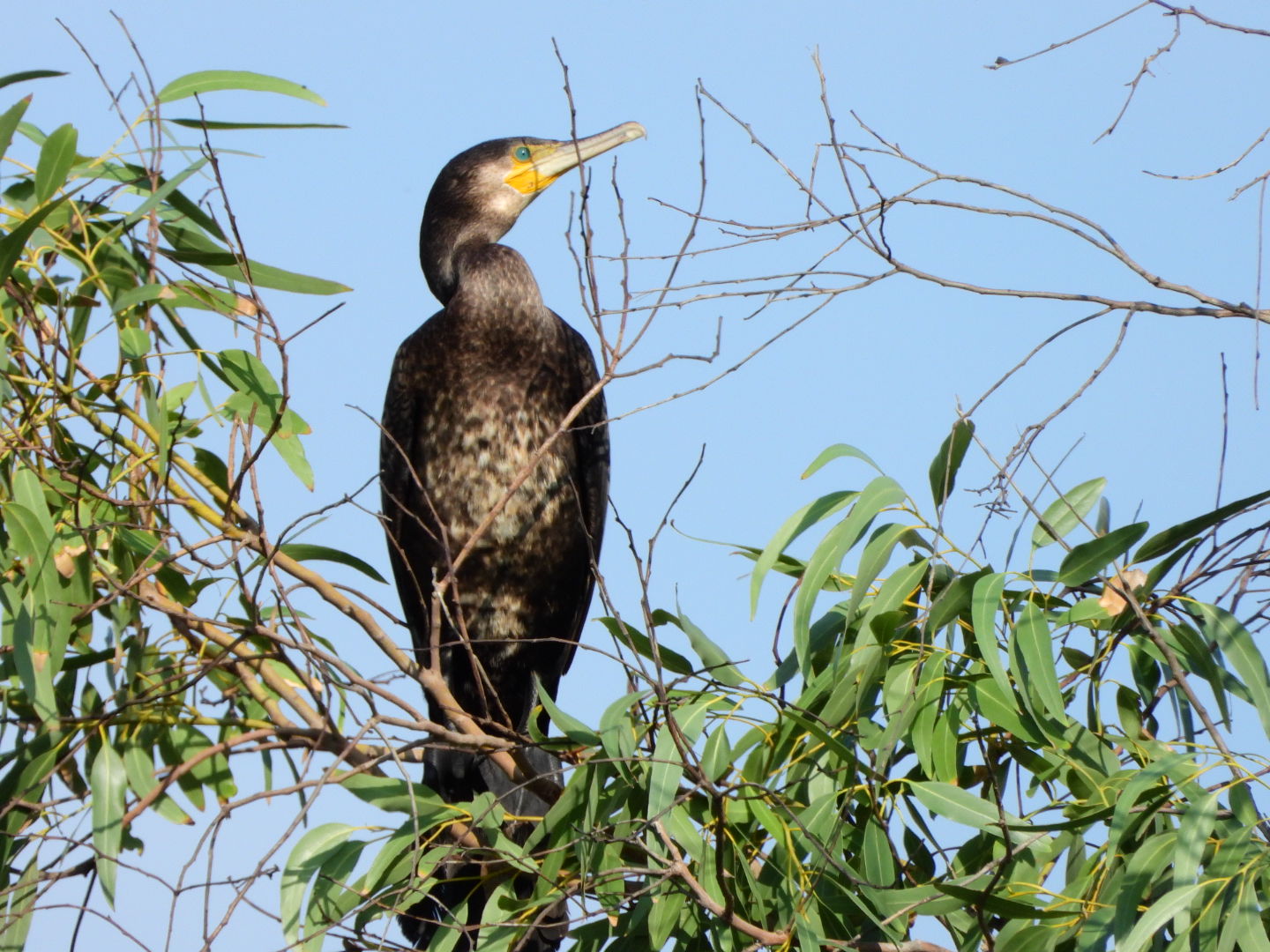
by David Attard
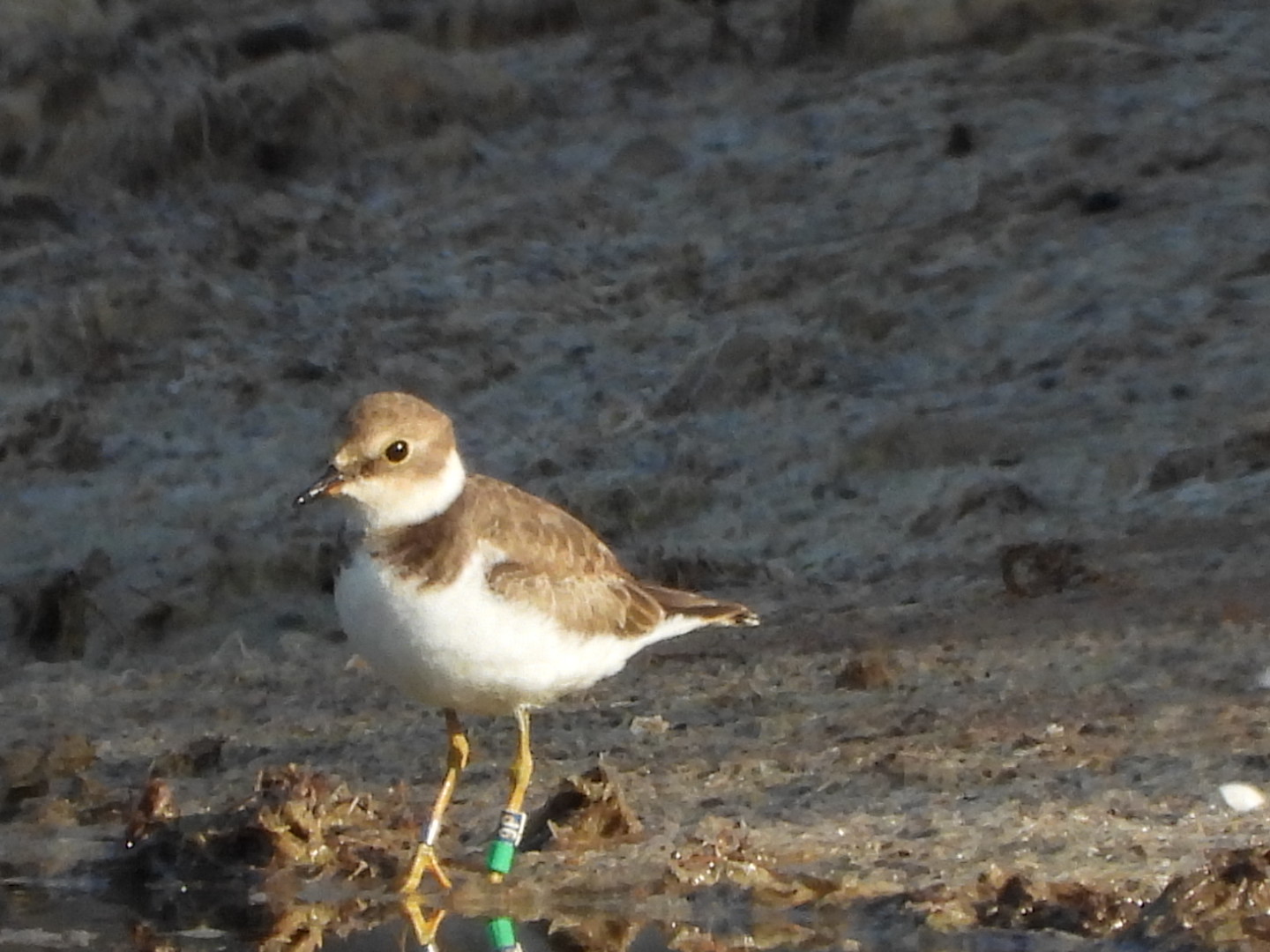
by David Attard
Works
During September, several CSR activities were carried out, with work focussing mainly on control of invasive alien plant species and cleanup of sand dune areas from fly-tipping.
Removal of pruning material and shredding was also carried out, with all the shredded wood material used as mulch in the public path.
Simar Nature Reserve
Sightings
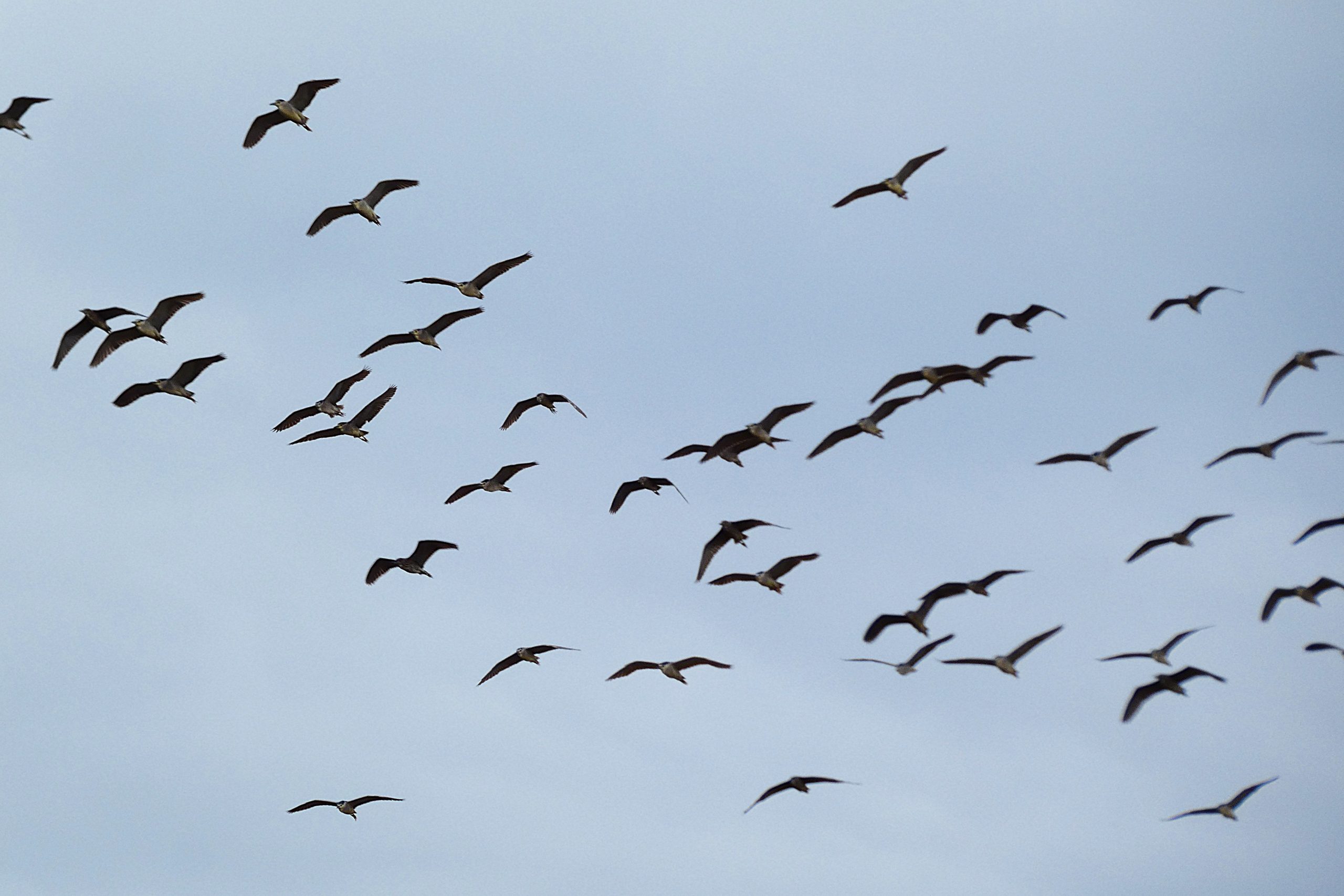
The continuous passage of migratory birds brought various species to the reserve. Birds mostly find refuge in the wetland, especially during storms. On one particular day, over 100 Black-crowned Night-herons settled in the reserve during unsettled weather. Also on this day, several hundred Turtle-doves were seen migrating over the reserve, as well as large numbers of Grey Herons, Purple Herons and Little Egrets. Some of these also settled in the reserve. A flock of seven European Rollers were also observed. Large numbers of Marsh-harriers and Lesser Kestrels were also seen, as well as good numbers of Tree Pipits.
Other birds present throughout the month included a Spotted Crake, a few Common Snipes, a Great White Egret, several Common Kingfishers and a few Common Teals. A small number of Common Coots continued arriving, as well as the first Water Rails. Numerous other species were also present, including Willow Warblers, Wood Warblers, Reed Warblers and Subalpine Warblers.
The first major rarity for this autumn was a Little Bunting, which is a Siberian breeding bird that rarely visits Europe.
by Charles Coleiro
by Charles Coleiro
by Charles Coleiro
Habitat Management
During this month, the reserve welcomed the first visitors. So the path had to be maintained to give an enjoyable walk around the reserve. Some parts of the island’s shorelines were also maintained and cleared of reeds. This helps increase the variety of habitats within the wetland and invite a wider number of bird species.
Foresta 2000
Sightings
September brought the first clear signs of autumn migration to Foresta 2000. At the beginning of the month, stormy weather appeared to trigger a noticeable movement of birds through the area, with herons seen passing overhead and flocks of migrating birds using the tree canopy to rest and shelter.
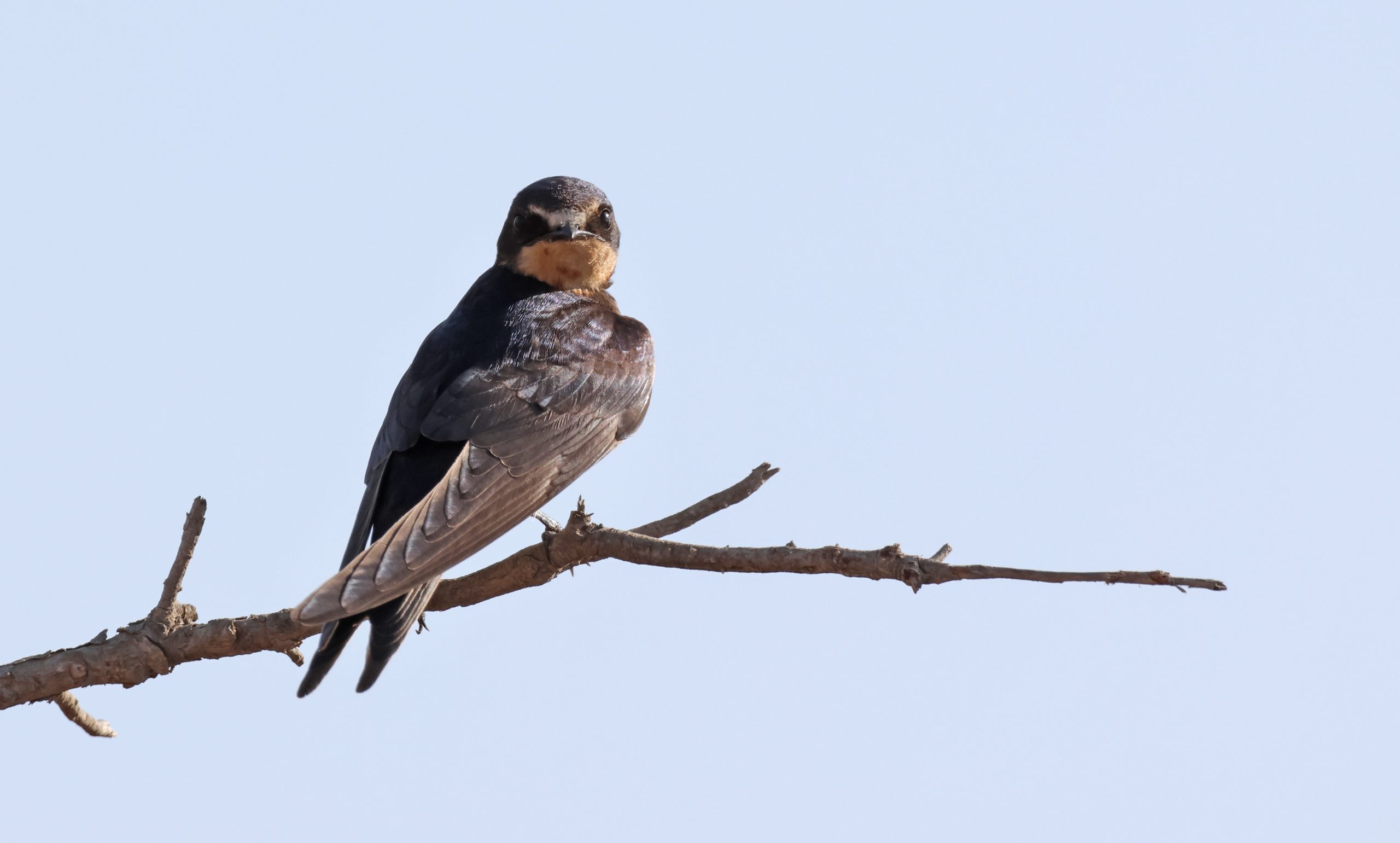
The skies remained particularly active throughout the month, with numerous Barn Swallows and Northern House Martins observed passing over the reserve. Resident Sardinian Warblers continued to be regularly recorded among the shrubs and woodland.
Among the highlights, there was a Eurasian Wryneck, which was heard in the reserve. European Bee-eaters were also heard and seen passing over Foresta as they continued their southward migration.
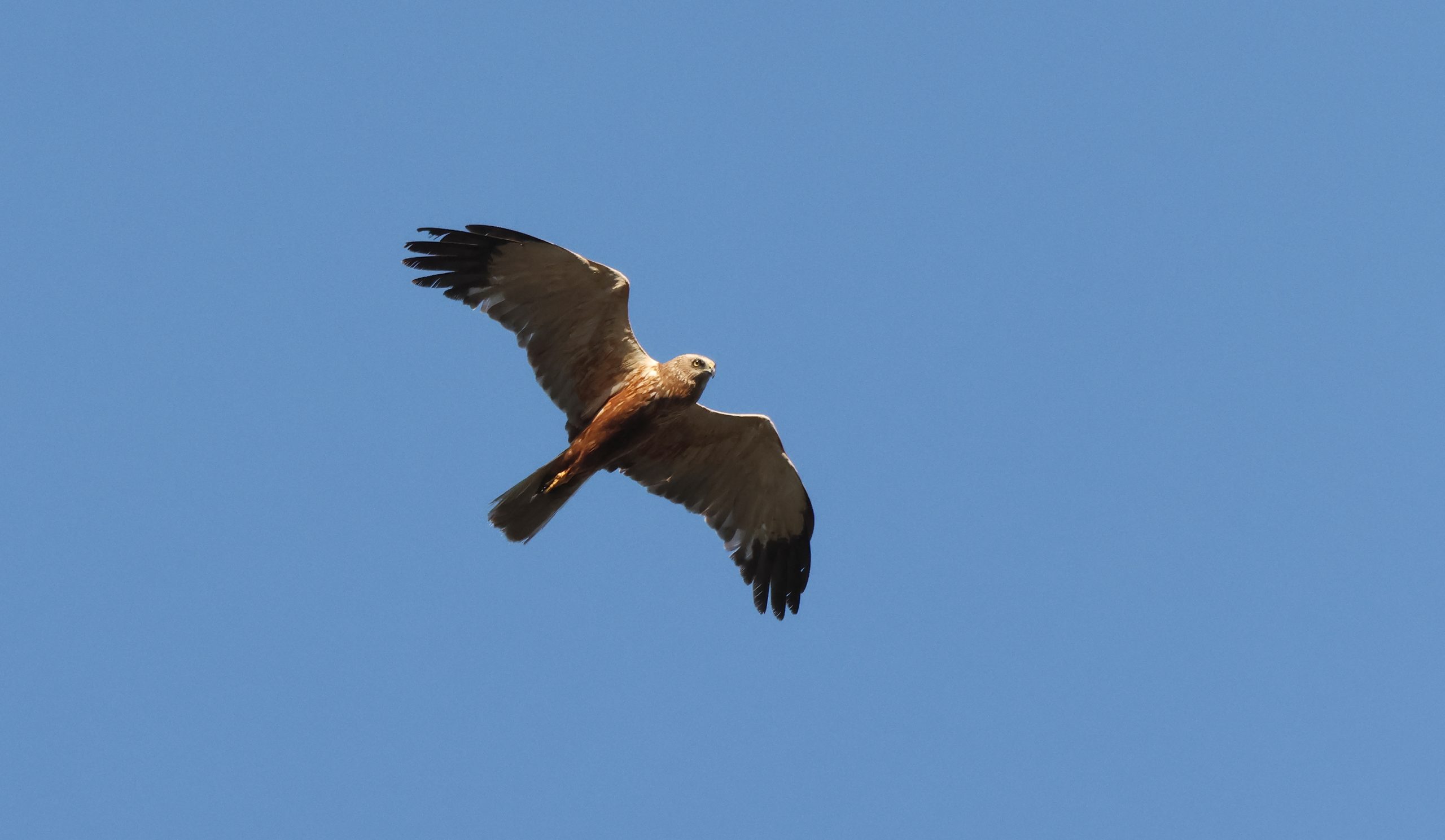
Raptor migration was particularly noticeable, with Western Marsh-harriers and Hen Harriers recorded passing through, together with Common Kestrels.
Blue Rock Thrushes also continued to be observed around the rocky areas and cliffs of the reserve.
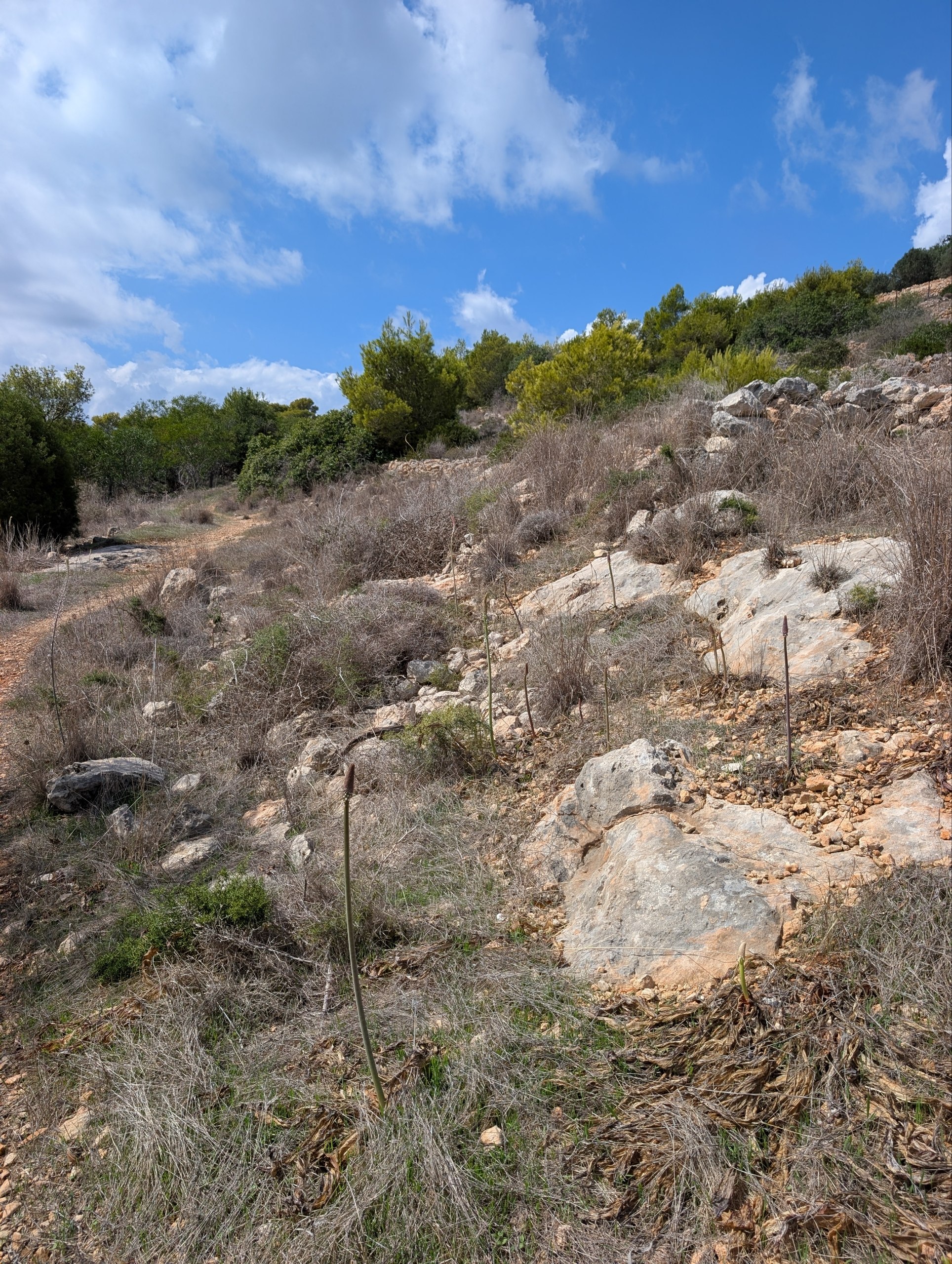
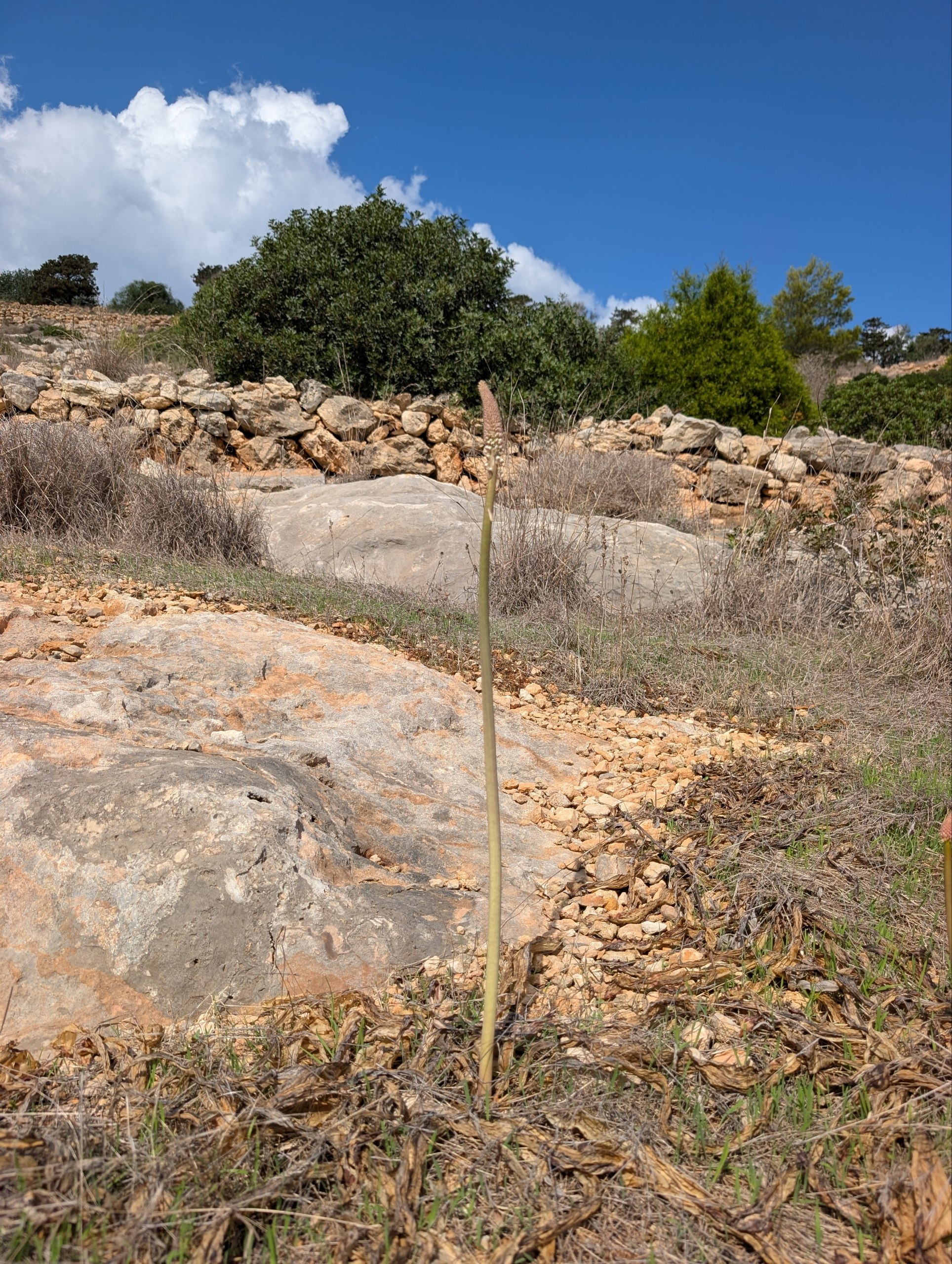
Mediterranean Chameleons were still regularly encountered, while butterflies, including what appeared to be Painted Ladies, remained active around the reserve. Sea Squill began producing its distinctive tall flower spikes. This Mediterranean plant flowers at the end of the dry summer, often before its leaves emerge, making it one of the characteristic signs of the transition into autumn.
Overall, September marked a clear transition from the quieter summer period into the autumn migration season, with changing weather conditions bringing increased movement of birds through and above Foresta 2000..
by Aron Tanti
by Vera Tokmakova
by Aron Tanti
Works
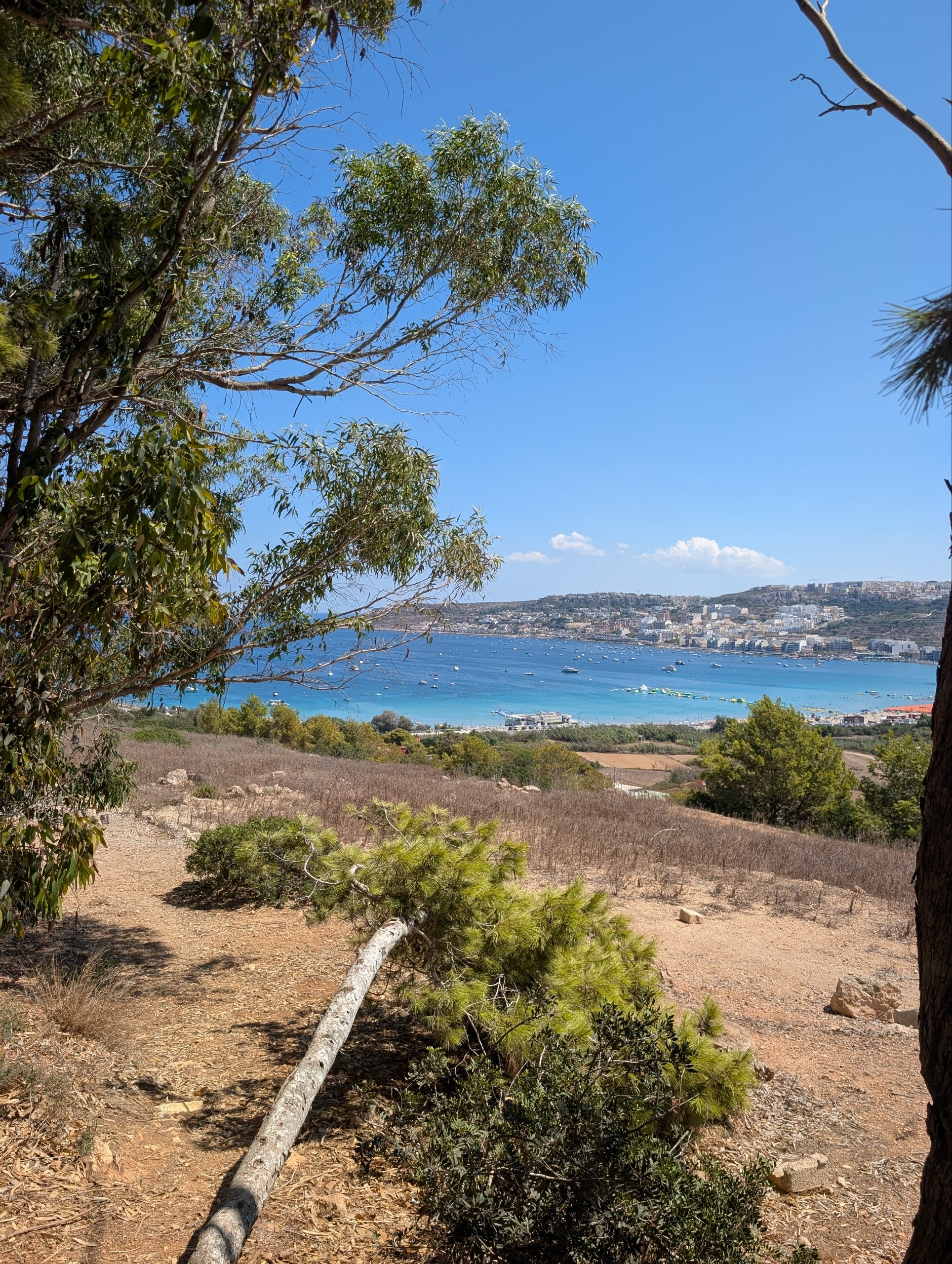
Routine management continued throughout September, including regular clean-ups, site inspections and general monitoring of the reserve.
by Vera Tokmakova
by Vera Tokmakova
Nature Guardians
Our Summer Nature Guardians course has now come to an end, and we would like to thank all the children and families who joined us for another season of outdoor learning, exploring, and small but mighty conservation work.
Through Tuesday evenings from July to September, the children learned by doing. We started every topic from zero with movement games and teamwork, then went into nature walks, observation, hands-on activities and visits to different reserves. They learned about birds, habitats and wildlife in Malta, used real nature terms explained in simple words, and finished with a final mission in the reserve on 15 September.
WE ARE NOW HAPPY TO OPEN REGISTRATION FOR THE NEXT COURSE!
We start Saturday 24 October at Salina Nature Reserve
Every Saturday from 9:00 to 12:00
For 12 sessions
Open to children aged 7 to 11
Places are limited, so families interested are encouraged to register early here
Nature Guardians (Autumn 2026 edition)
Half of the spots are already booked! Don’t miss your chance!
After completing the course, children also become part of our Nature Guardians Alumni Community, where they can join additional events and continue learning with us. For example, at the beginning of September, our alumni group visited the Nature Trust Wildlife Rehabilitation Centre at Xrobb l-Għaġin to learn more about wildlife care and rehabilitation.
Birding Highlights
September brought about a considerable increase in the abundance and diversity of migrants, after a relatively slow August.
Good numbers of herons were recorded throughout most of the month, mainly including Grey Herons, Purple Herons and Black-crowned Night-herons.
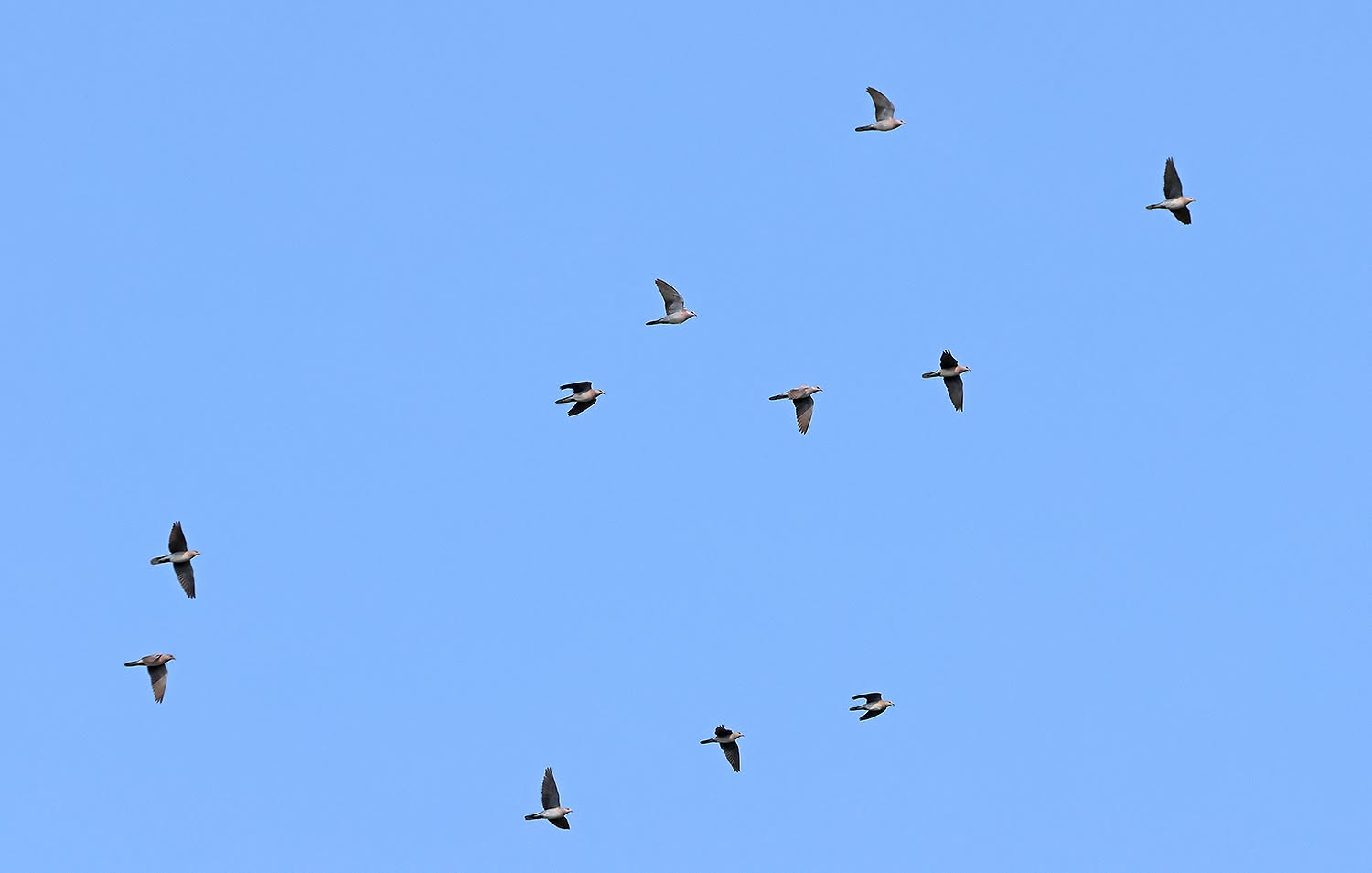
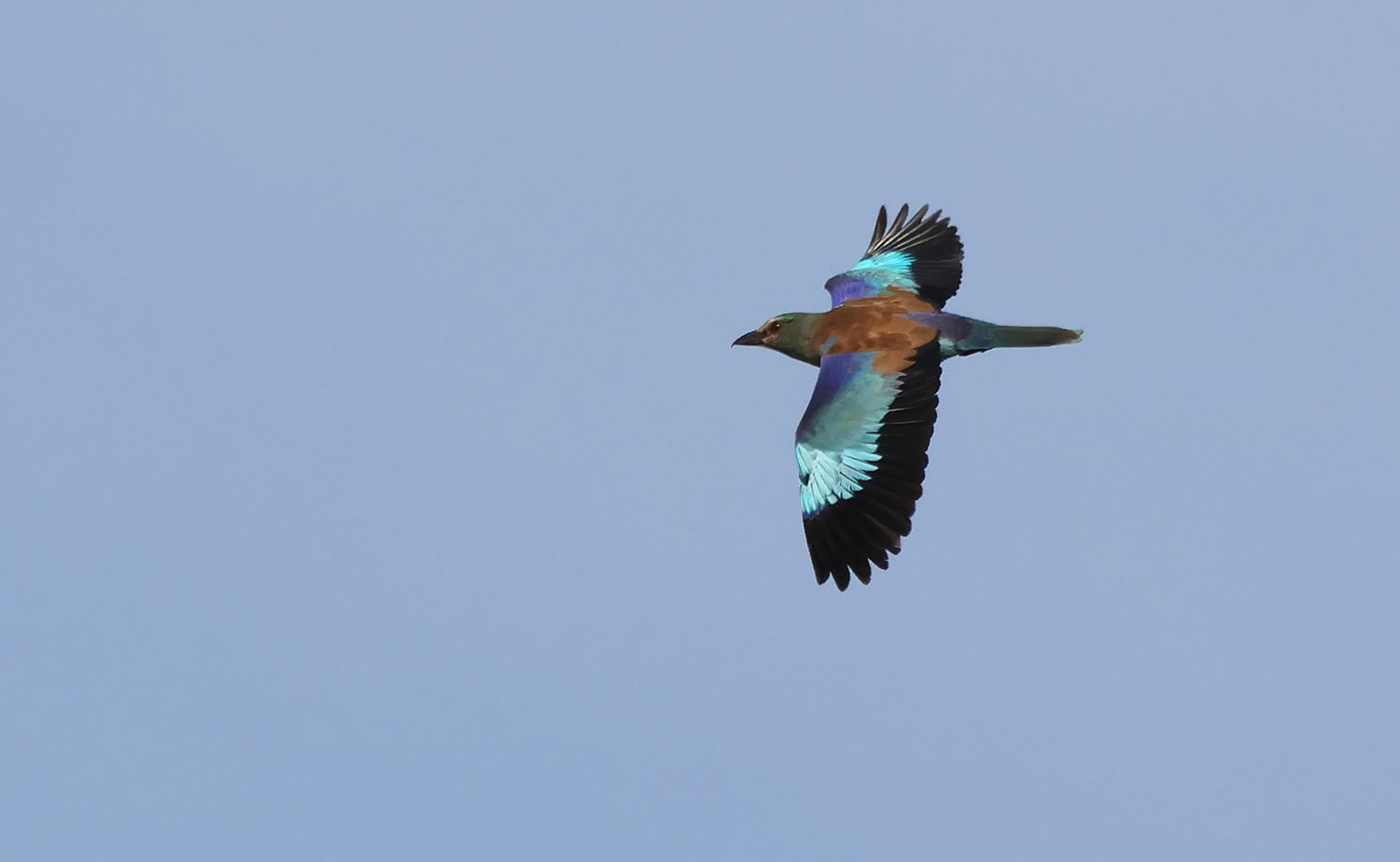
The first European Roller was recorded on 8 September, marking the start of an exceptional month for this species, with several records of multiple birds on a number of days, peaking on 14 September when hundreds of individuals of this species were recorded. This date will remain one to be remembered by Maltese birders for the exceptional influx of migrants which occurred, due to the alignment of various meteorological factors which forced birds to funnel towards Malta and pause their migration here. On this day, apart from the hundreds of Rollers, species which turned up in exceptional numbers included Common Little Bitterns, Grey Herons, Purple Herons, Black-crowned Night-herons, Little Egrets, Lesser Kestrels, Golden Orioles, European Turtle-doves, Common Hoopoes, Common Cuckoos, Wood Warblers, and Tree Pipits, while Great Bittern, Glossy Ibis, Caspian Tern, Eurasian Oystercatcher, Eurasian Dotterel, Eurasian Thick-knee, and Red-backed Shrike were also recorded. The cherry on the cake on this exceptional day was a few White Storks, which turned up late in the afternoon.
15 September was also a good day but for different species, with large numbers of Western Marsh-harrier recorded in the afternoon, which were also joined by two Black Storks.
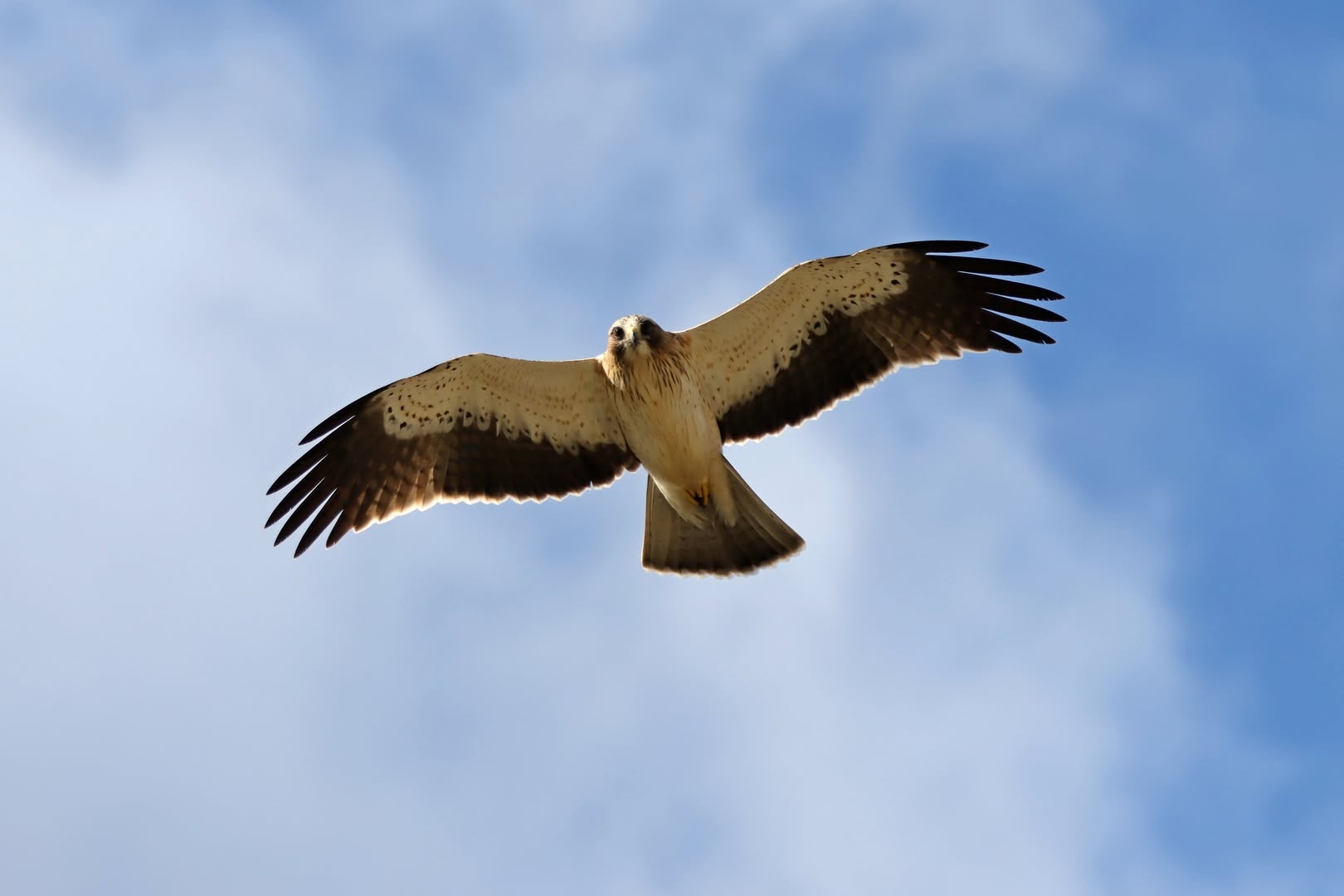
Inclement weather on 19 also brought large numbers of Western Marsh-harriers, while large numbers of European Honey-buzzards were recorded on the following day. Good numbers of Ospreys and Pallid Harriers were recorded during the month, while a Booted Eagle was recorded on the 22nd, a Hen Harrier was recorded on the 24th, and a Short-toed Snake-eagle was recorded on the 25th together with another White Stork. Other highlights recorded from the rest of the month included a few flocks of Greater Flamingos, at least three Rufous-tailed Rock-thrushes, a Bluethroat, a Lesser Whitethroat, a Moltoni’s Warbler, and at least two more Red-backed Shrikes.
by Stephen Cilia
by Aron Tanti
by Aron Tanti
SITC Pep Workshop
On 14 September, we gathered at the Valletta Design Cluster for an afternoon dedicated to exploring the implications of light pollution in a compact setting like Malta. This workshop was part of the “Science in the City” festival.
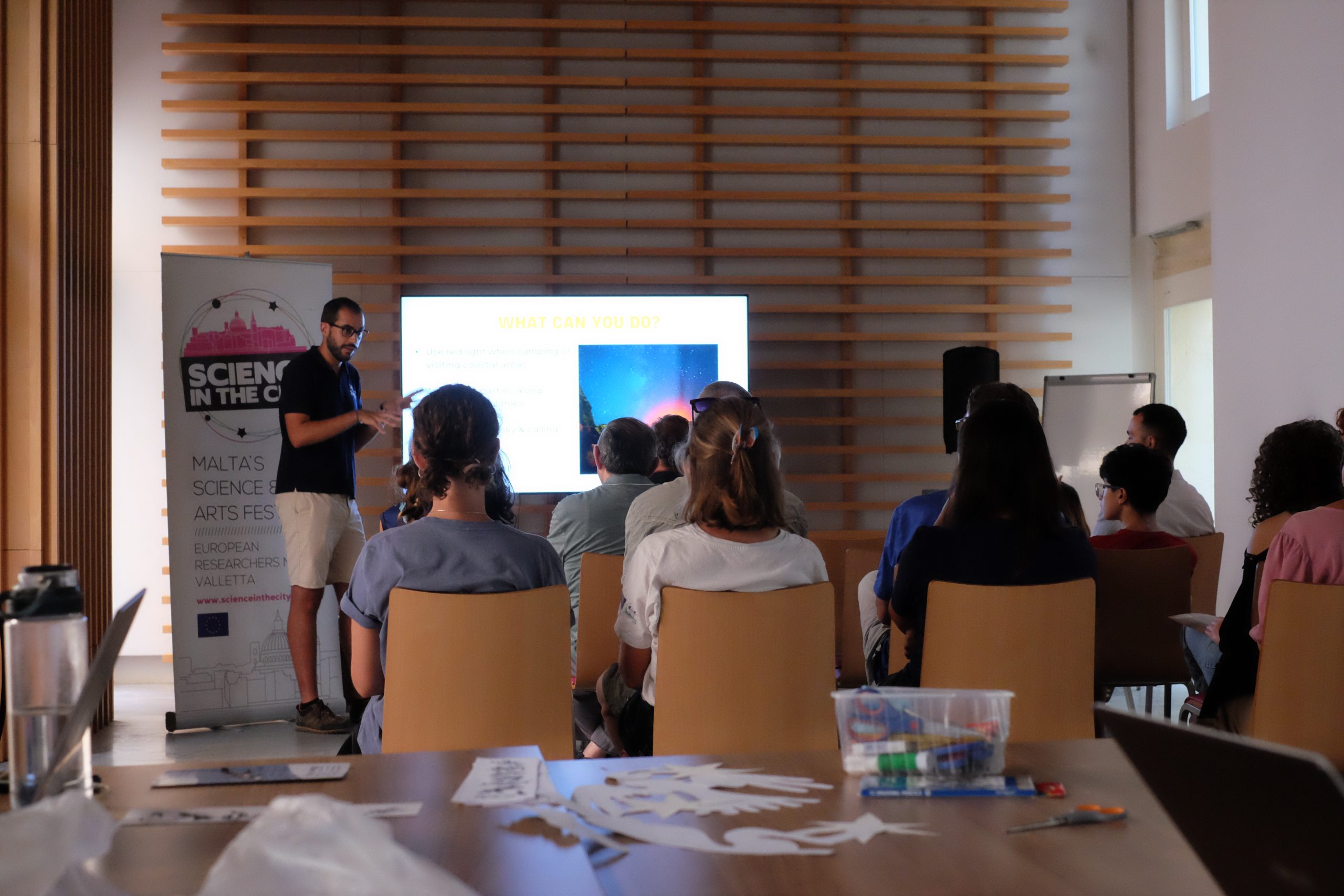
The event kicked off with a presentation by Prof. Joseph Caruana, an expert on light pollution from the University of Malta, who clearly outlined many of the issues caused by light pollution. Following, Ricardo Fernandes, from the BirdLife Malta Seabird team, took the floor to explain the impact of light pollution on seabirds, setting the stage for an interactive quiz led by Alexandra Zubrowicz and Annalisa Merici.
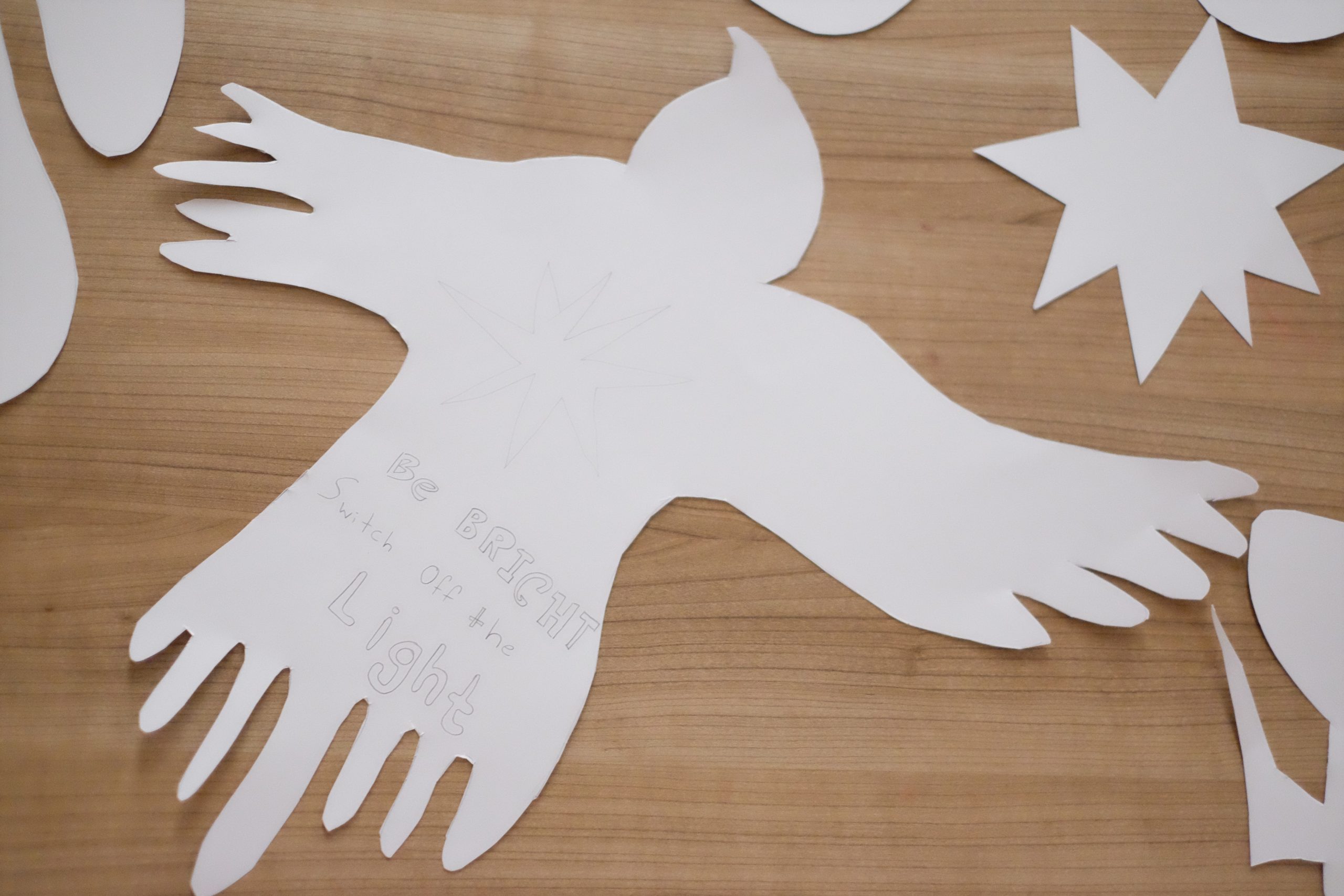
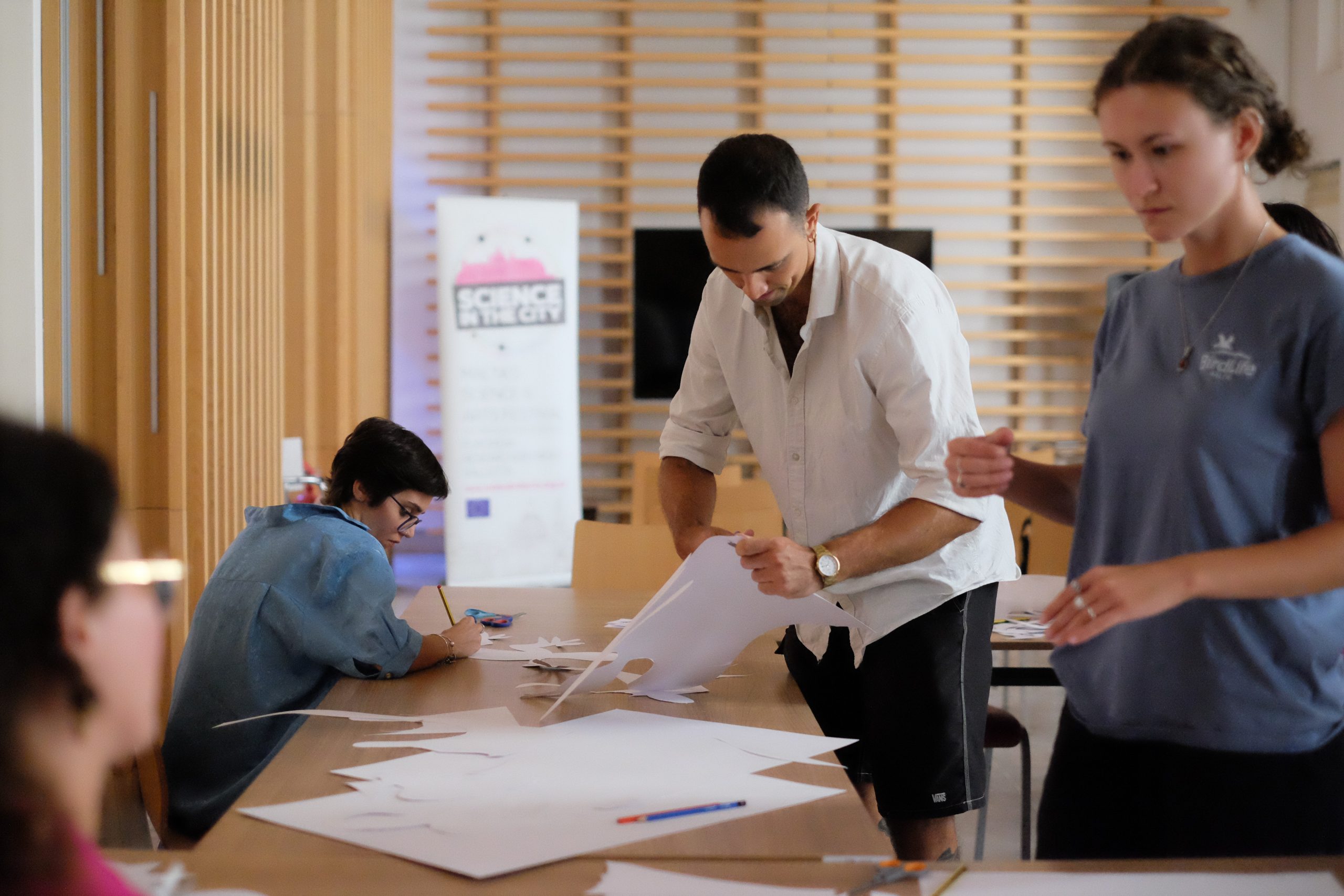
Before the event concluded, there was time for a workshop led by artist Josep Herrera ,”Pep Walls”. Participants created drawings on white paper and added messages to share. A heartfelt thank you goes to our fantastic speakers and to everyone who attended, bringing great enthusiasm and energy to the event.
by Annalisa Merici
by SITC
by SITC
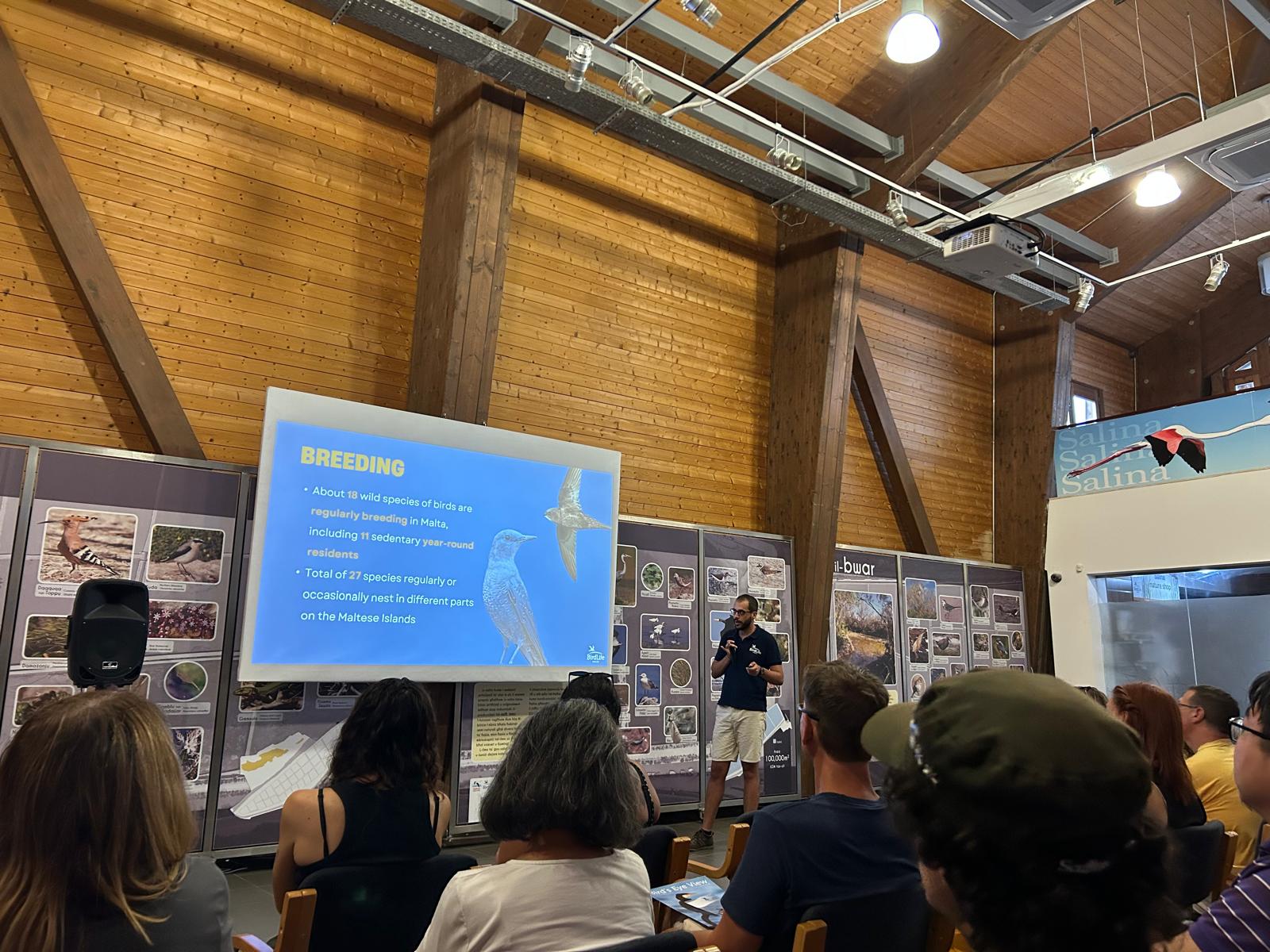
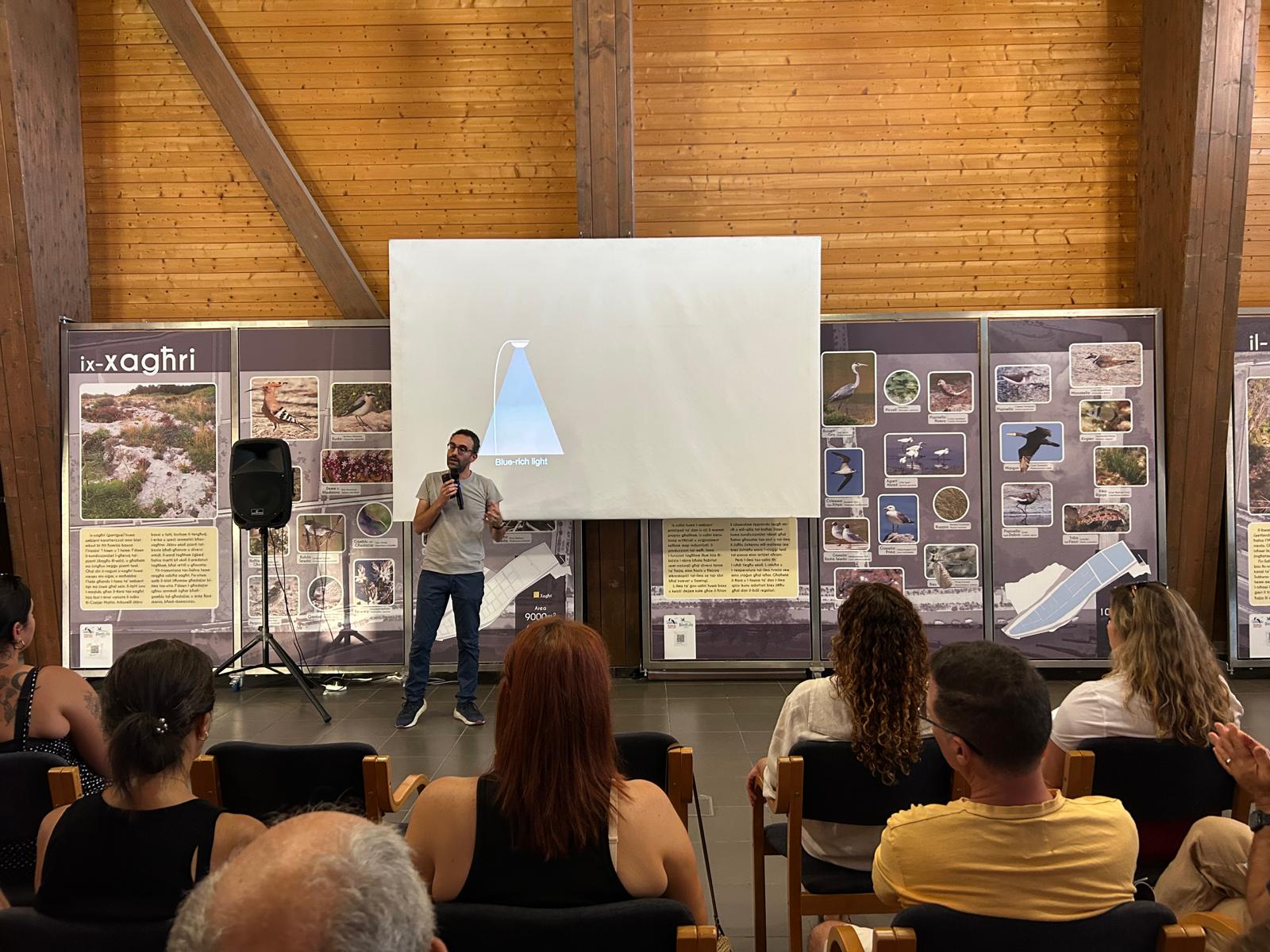
Sip, Soak & Savour with Wave Of Change
On a beautiful evening at Salina Nature Reserve, community members joined to hear about the very real issue of light pollution. We were joined by Sharon Falzon from Wave of Change, our very own Ricardo Fernandes from the BirdLife Malta Seabird team, and Professor Joseph Caruana- an expert on light pollution in Malta.
We learned that while Malta is 17th in the world for light pollution, the issue is reversible depending on our actions. We must remember that it not only affects wildlife, like our beloved Shearwaters, but also us humans. Using motion-detector lights for countryside roads, decreasing unnecessary lighting around things like trees, and using less bright lightbulbs can all decrease the effect of light around us.
What can we do as citizens? Simple. Calling for action to our local councils and raising their attention to individual lights on your street can be effective enough.
by Alexandra Żubrowicz
by Alexandra Żubrowicz
Migration Rangers
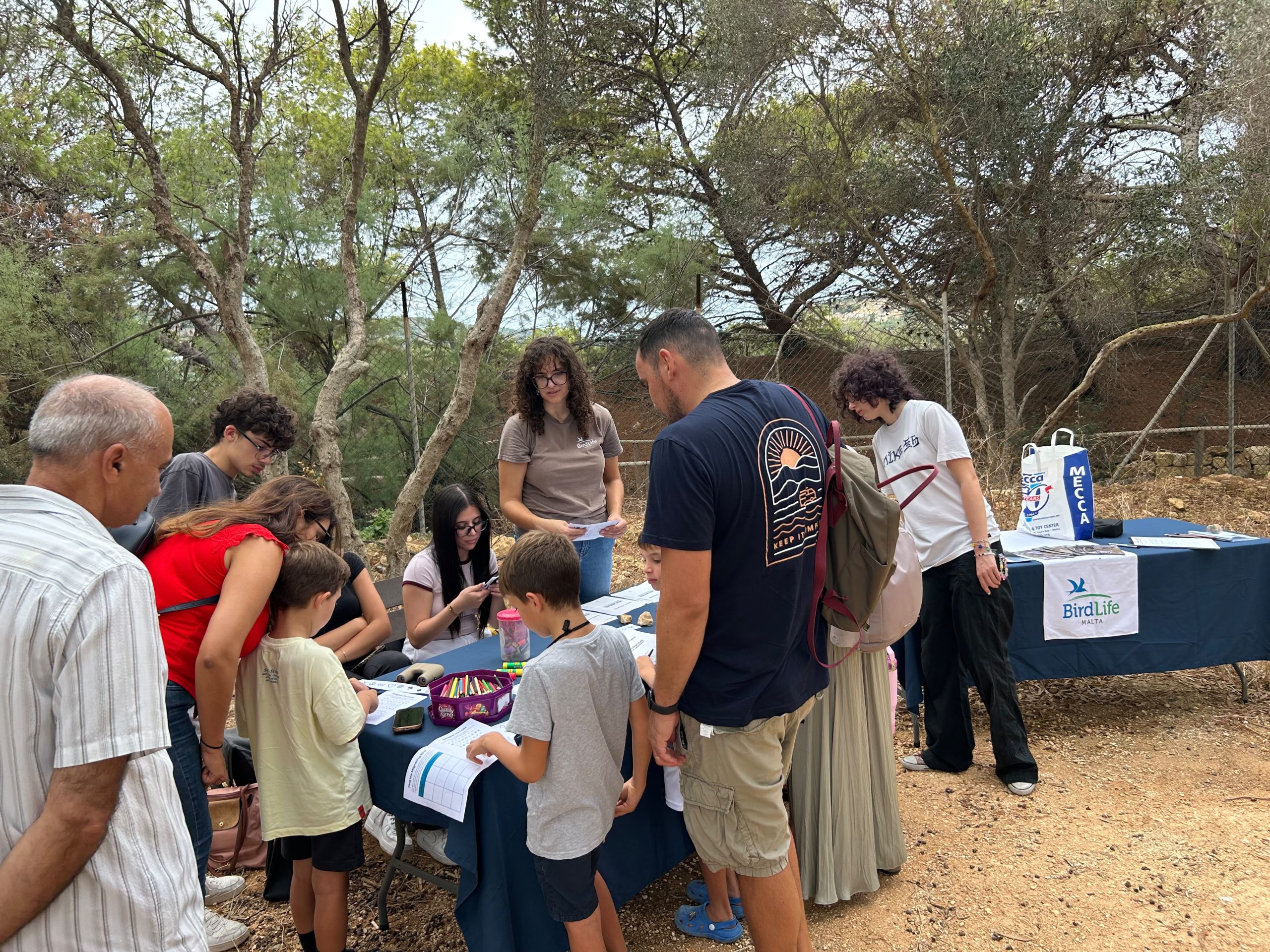
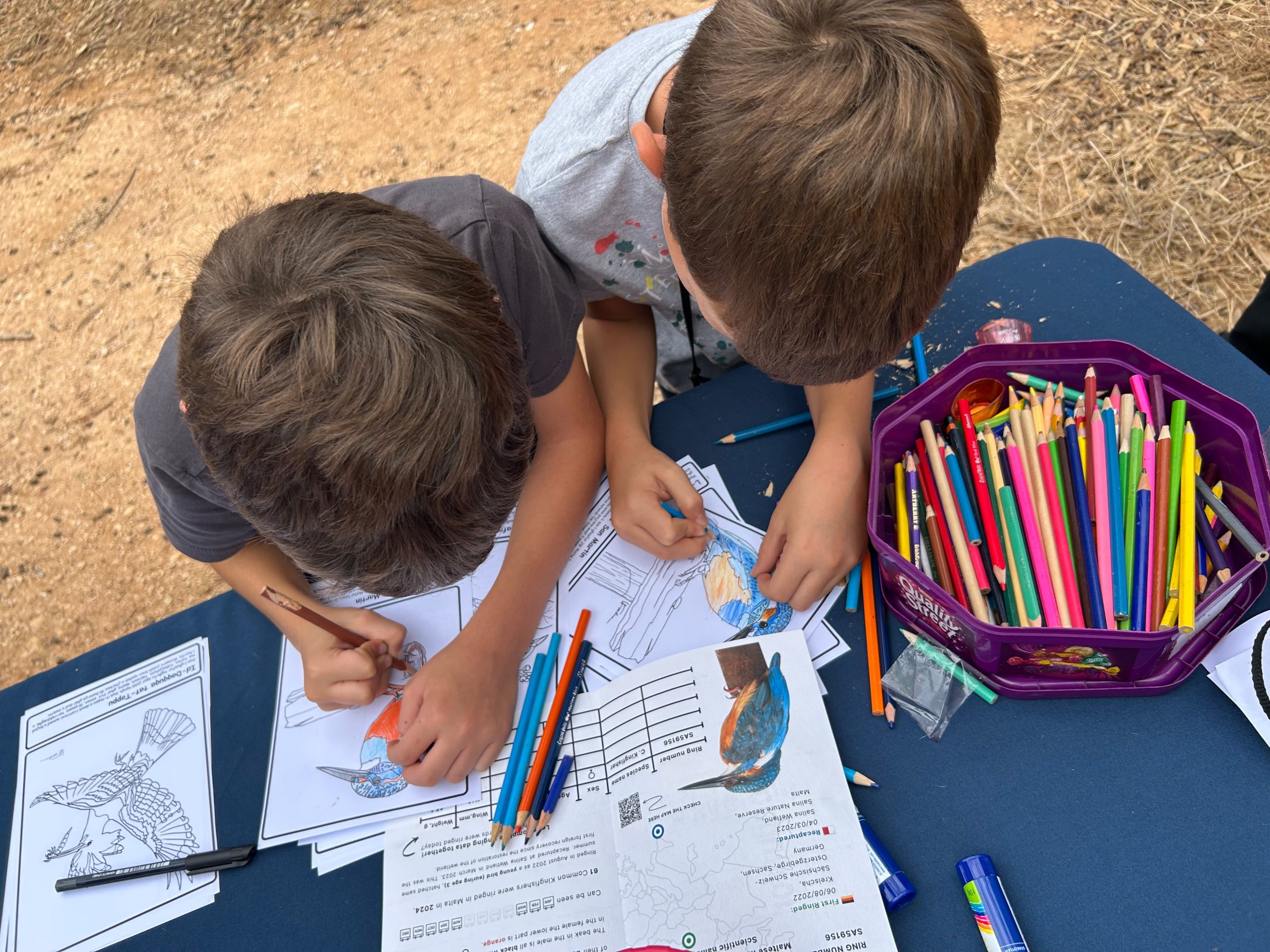
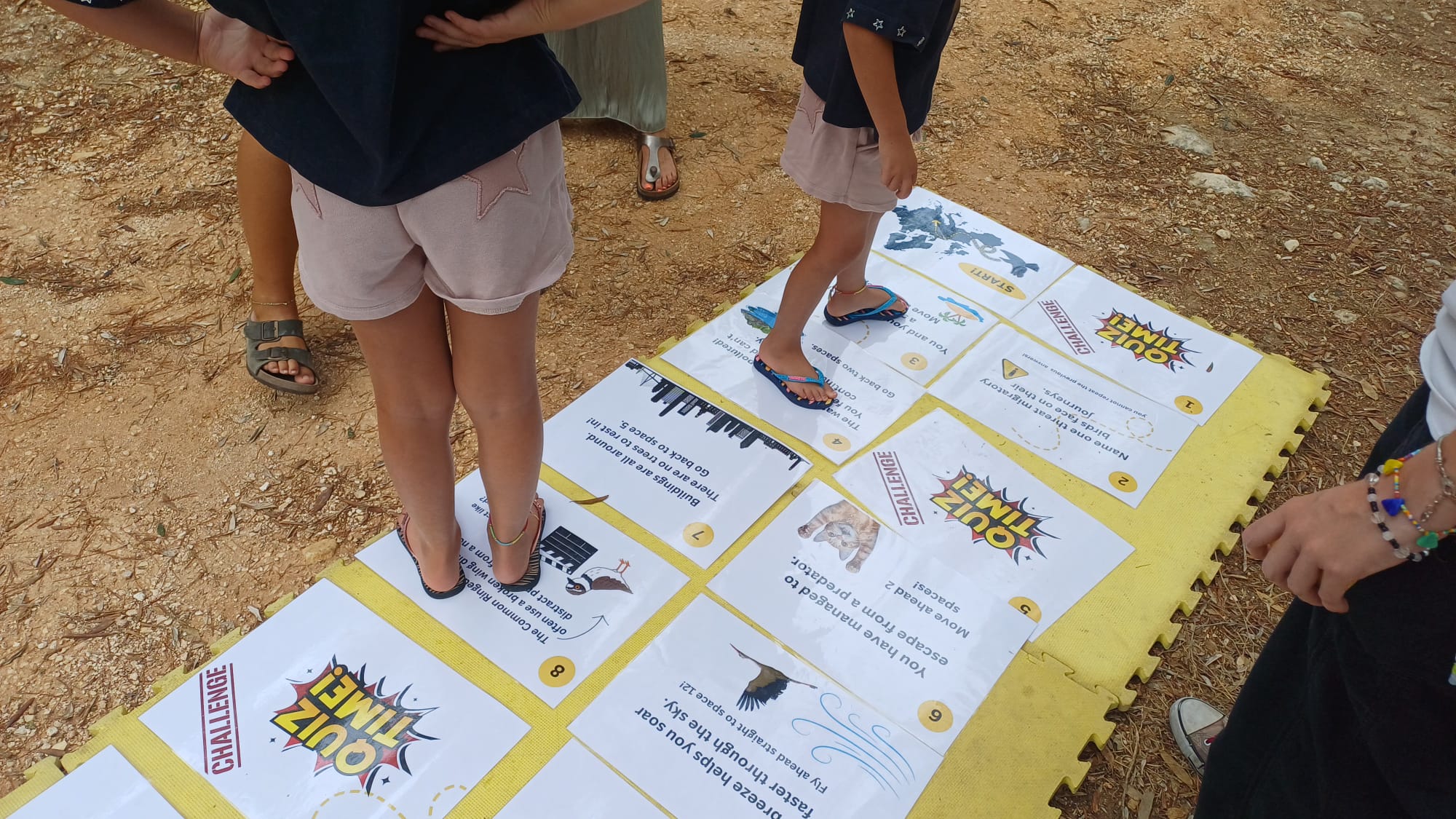
On 19 September we were at the Project Green area of Simar to search for birds and learn more about migration. Our event, Migration Rangers, in collaboration with Project Green, had activities for children and families to test their bird knowledge, observation skills and teach them about the conservation work behind migration.
Although under a cloudy sky, children had lots of fun using binoculars and bird manuals to search for information about some of the migrating birds which cross Malta. They also played a live board game and discovered bird ringing, an important scientific practice to help protect these amazing animals. Lastly, they colored a bird to take home together with their own personal bird ranger leaflet.
by Annalisa Merici
by Annalisa Merici
by Giulia Galvani
Watching Raptors at Buskett (SDGs days)
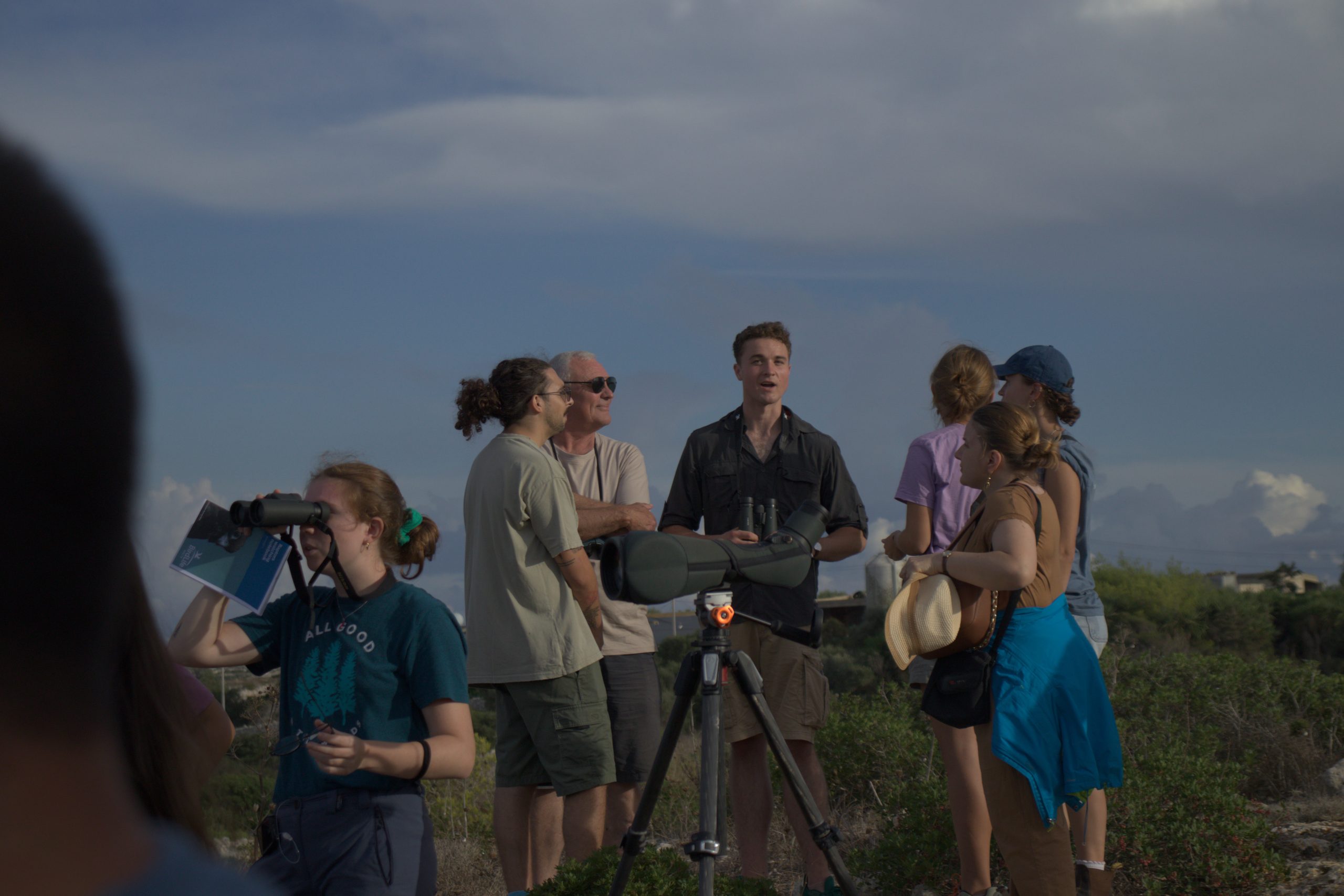
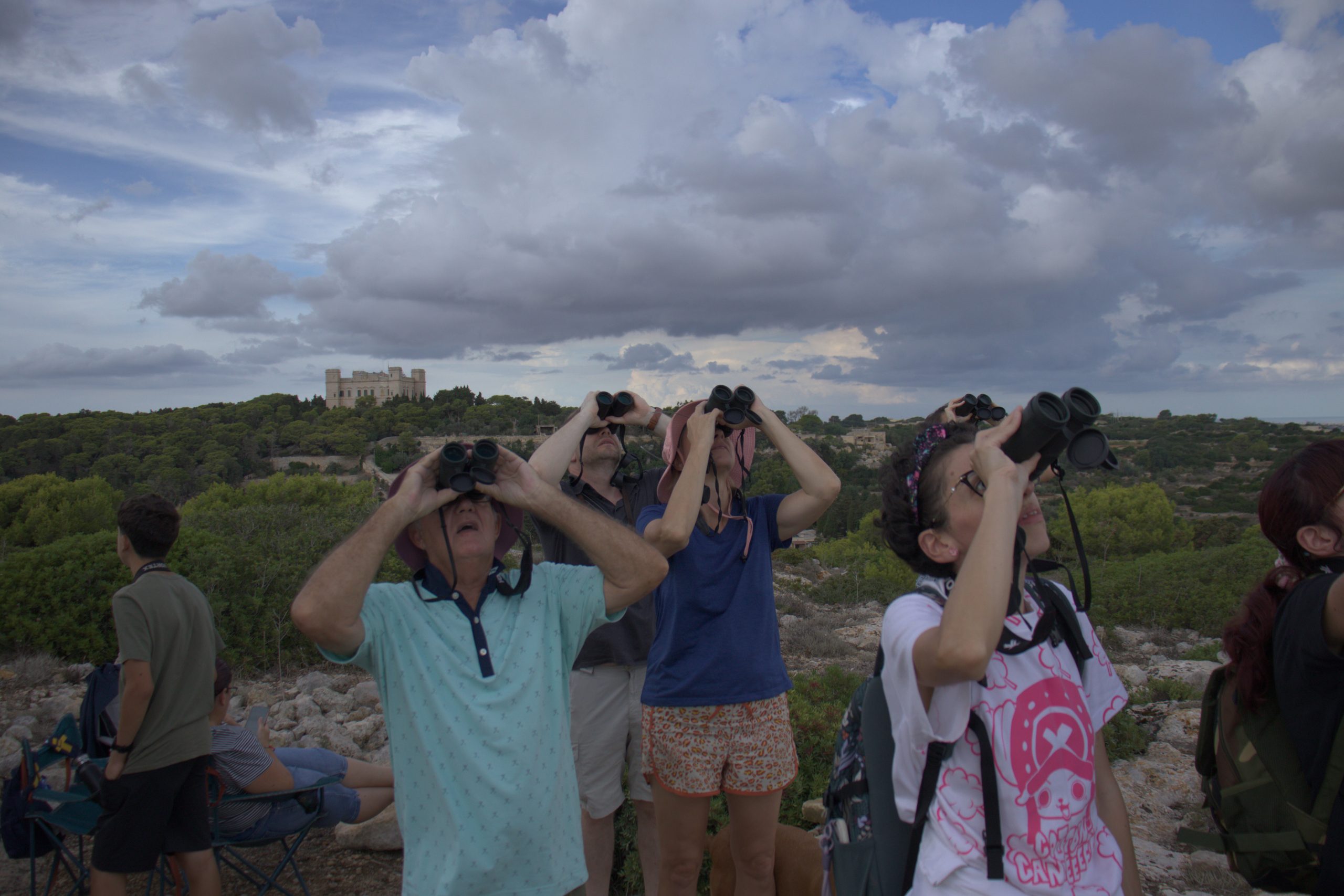
On a sunny Sunday, over 30 people showed up in Buskett to come and watch raptors. We were lucky to witness Marsh-harriers, Common Kestrels, Honey Buzzards, and other beautiful birds circling the sky. We even saw a Hobby mobbing an Eleonora’s Falcon in a seemingly territorial manner – something that was fascinating to watch! In addition to these raptors, we were constantly surrounded by the song of Bee-eaters, whose amazing colours were easy to spot.
Another part of this event was our focus on Sustainable Development Goals, where a member of our FALKO group, Giulio Spiteri, explained how overdevelopment in Malta is hindering natural areas such as Buskett. Participants were challenged to think of solutions how to resolve present issues surrounding sustainable development in the country- where tied to birdwatching, produced thoughtful conversations and a new perspective on the future.
In all, thank you to everyone who joined and enjoyed the sky full of beautiful raptors and friends.
by João Candeias
by João Candeias
Science in the City
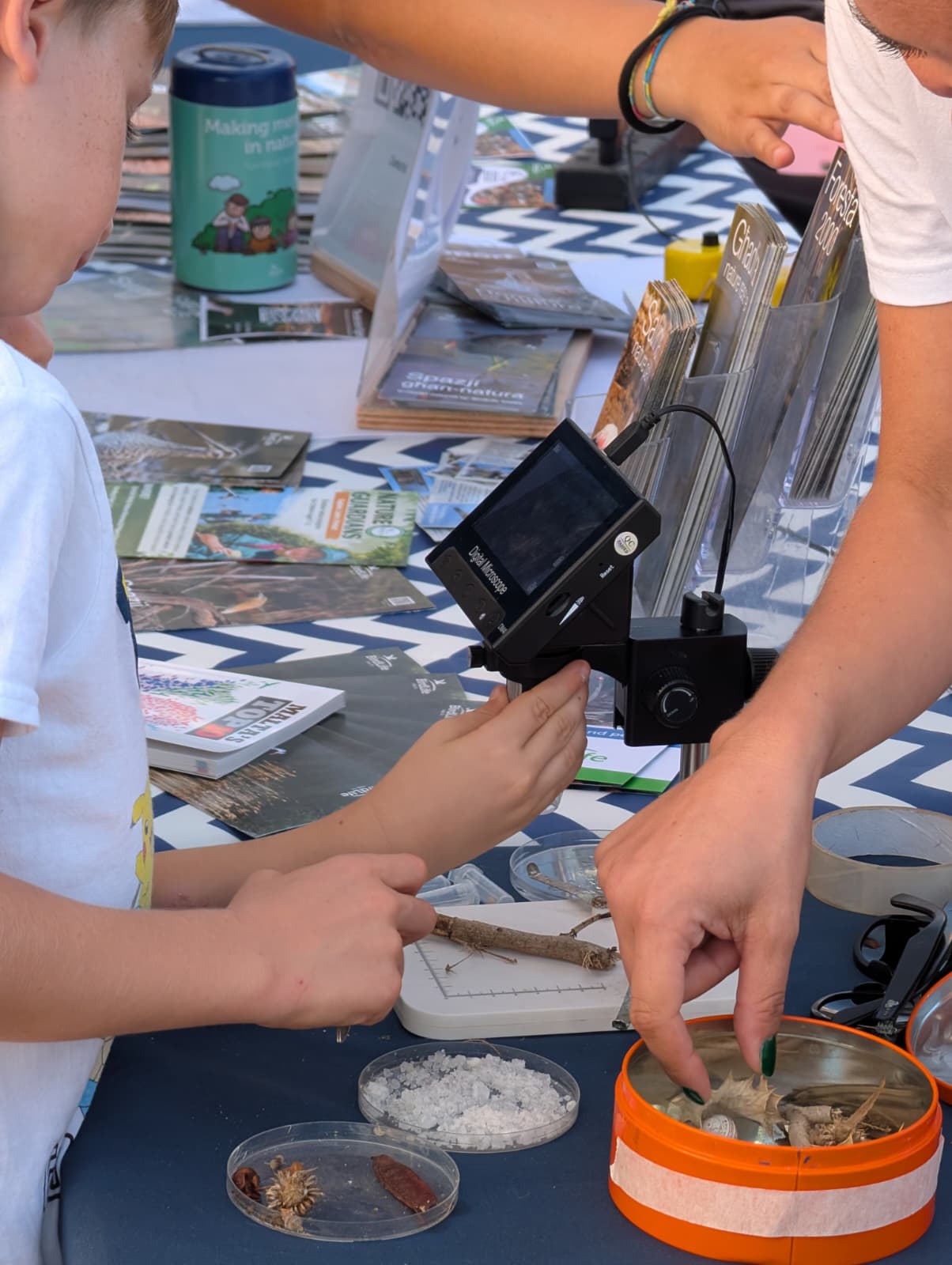
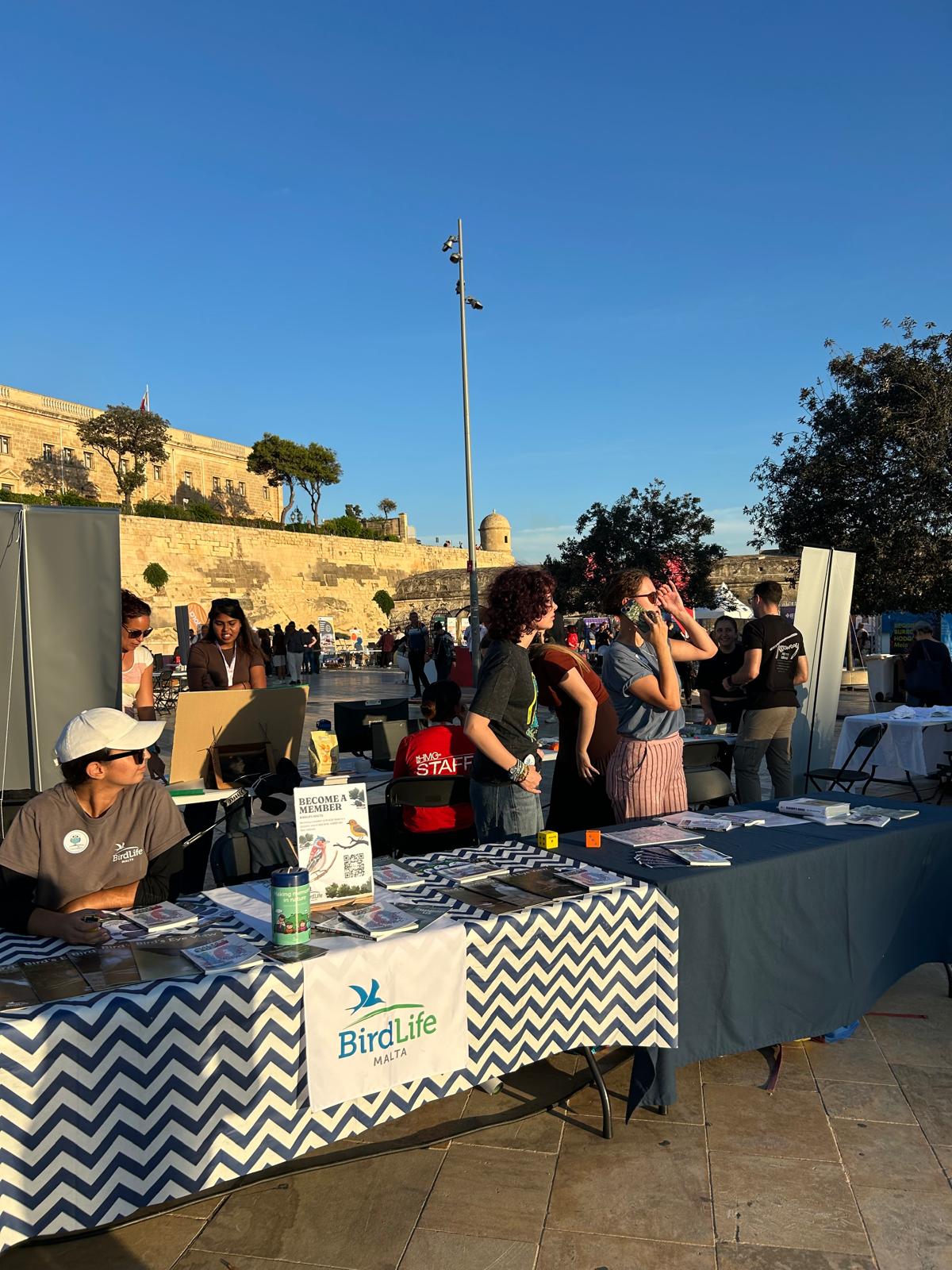
During the 2-day festival in Valletta, we participated in the event where scientists and various organisations presented themselves and their values. We offered different engaging activities – fun quizzes and games, along with providing information about birds, BirdLife, events and opportunities.
We promoted our upcoming events and raised awareness about BirdLife, and gave away many flyers, books, stickers and leaflets. In total, we hosted more than 700 people during both days.
Participants could enjoy our activities such as a personality test, “Which bird are you?”, drawing birds, and the BirdLife Malta memory game. Children enjoyed the games, and they approached our activities with curiosity; adults were interested in us and were asking what our values are and what we do at BirdLife.
by Vera Tokmakova
by Alexandra Żubrowicz
EuroBirdwatch
Autumn migration, a perfect time to admire the birds passing in Malta on their trajectory to other continents! EuroBirdwatch is a global initiative to celebrate migration and raise awareness about the challenges the migratory birds face.
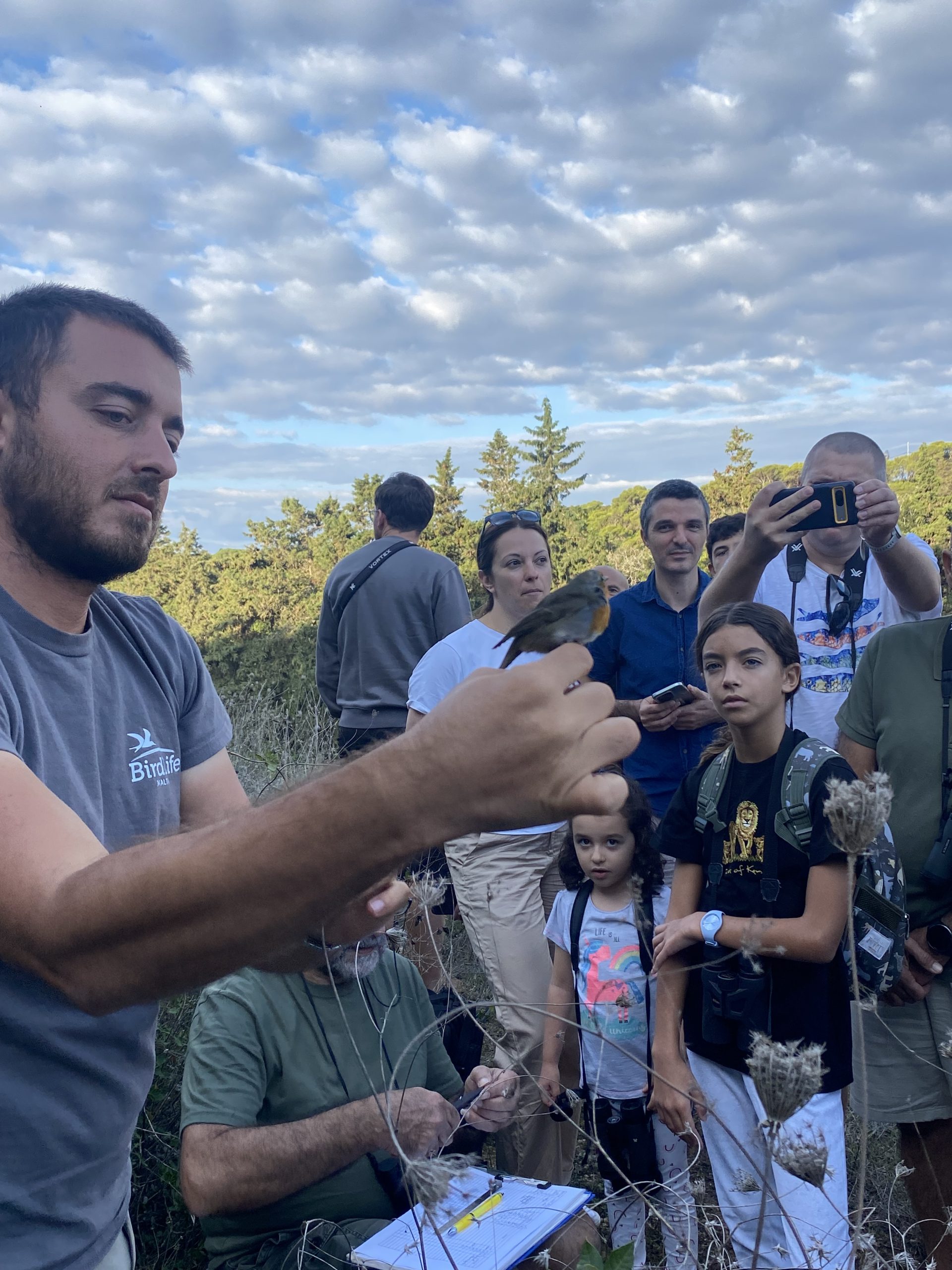
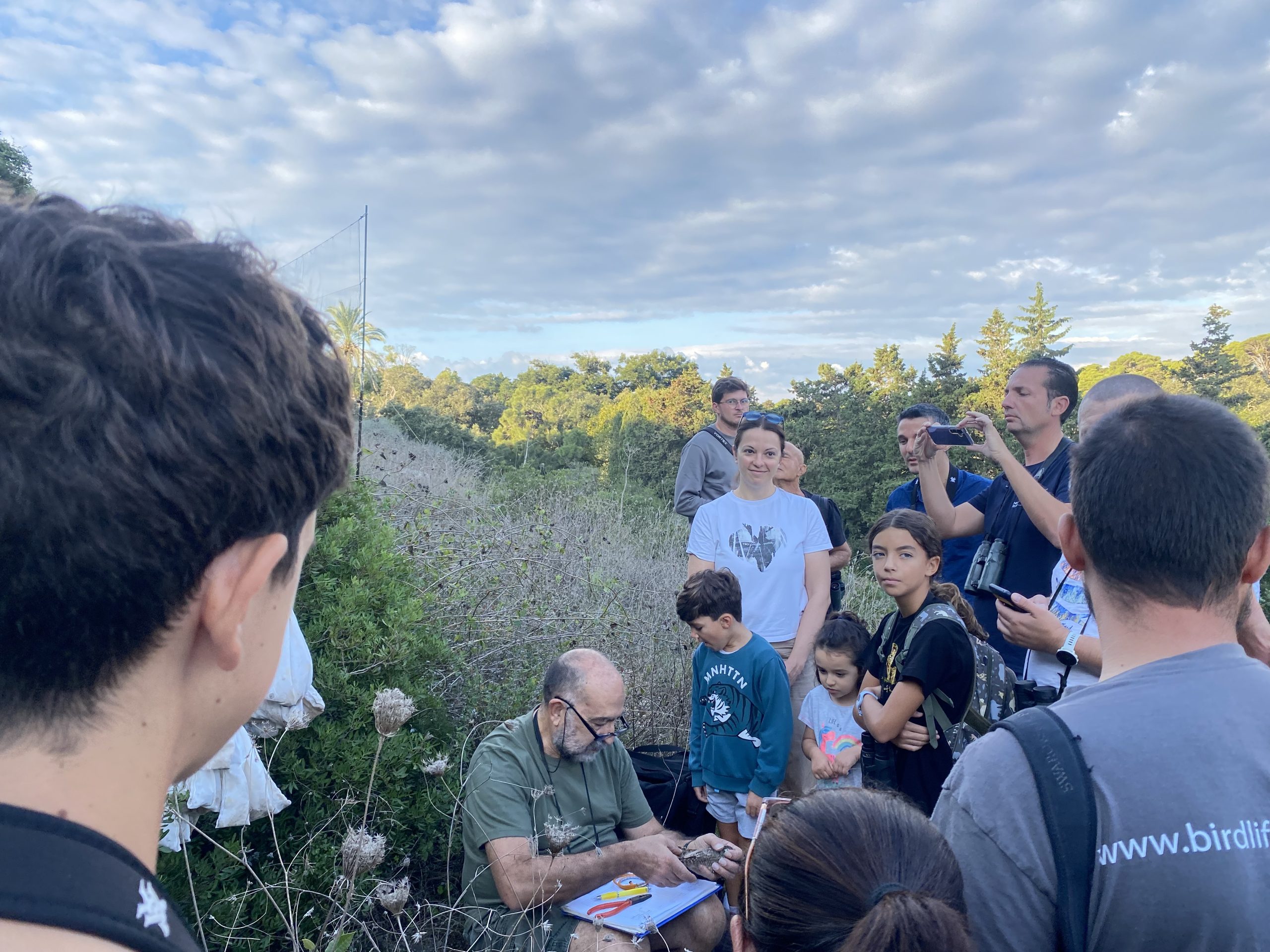
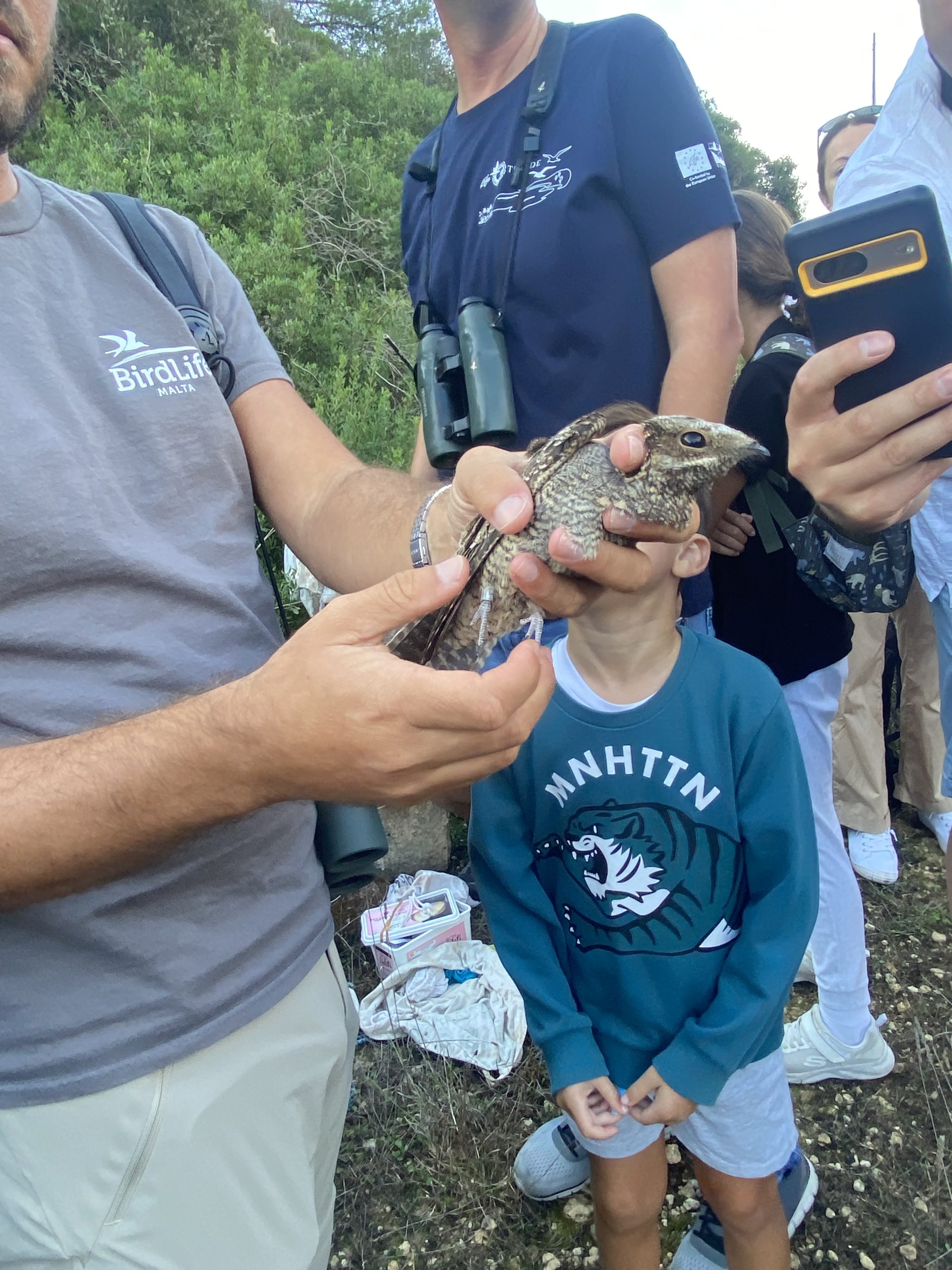
On this occasion, we organised two sessions of bird ringing, one at Għadira Nature Reserve on 3 October and the other at Buskett Woodlands on 4 October. In total, more than 60 of you have helped the scientific network! Between robins, nightjars, blue rock thrushes… plenty of different species of birds have been ringed and released.
Stay tuned for future events and keep your boots ready to go on adventures to help the birds with us!
by Victoria Sebag
by Victoria Sebag
by Victoria Sebag
Credits
Text: Charles Coleiro, Francesco Dal Colle, Ana Gagloevi, Giulia Galvani, Sara Melfi, Annalisa Merici, Stefano Miceli, Victoria Sebag, Vera Tokmakova, Vittoria Turone, Alexandra Żubrowicz
Editing: Angela Scorzoni