
On the Frontlines is our monthly newsletter section covering the activities of BirdLife Malta’s conservation, policy, nature reserve teams (Salina, Simar, Għadira and Foresta 2000), seabird and public engagement teams, together with an update about rare and scarce bird species observed.
Challenging cases in August at the Rehabilitation Centre
August is usually a relatively quiet month at the BirdLife Malta Rehabilitation Centre, although we continued to receive several challenging cases requiring careful attention and specialised rehabilitation.
Among our successful cases were two juvenile Collared-doves, found separately in San Ġwann and Swieqi. After a veterinary check, both birds started their rehabilitation in smaller cages, where we could monitor them closely and make sure they were feeding independently. Once they were ready, they moved to larger enclosures to practise flying and strengthen their muscles.
Both were eventually released at one of our reserves, where they could access suitable habitat and resources.
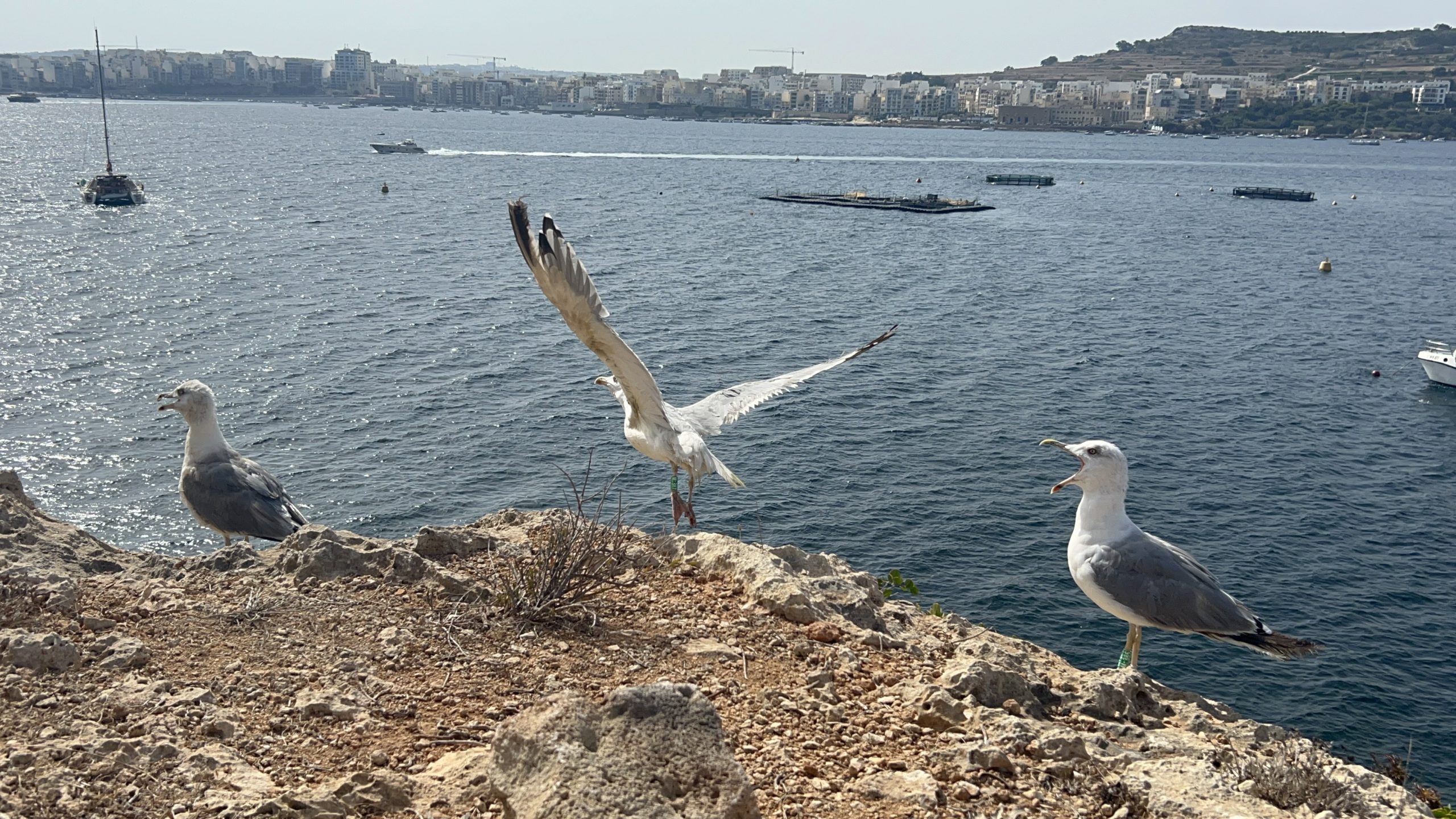
We also released five Yellow-legged Gulls, all found weak, stranded and unable to fly. Following examination by the Government veterinarian, they began their rehabilitation in smaller cages, allowing close monitoring and any necessary treatment. As they recovered, they were moved into larger enclosures to exercise and regain their strength. Once ready, all five were fitted with standard and coloured rings and released in a bay in the north of the island.
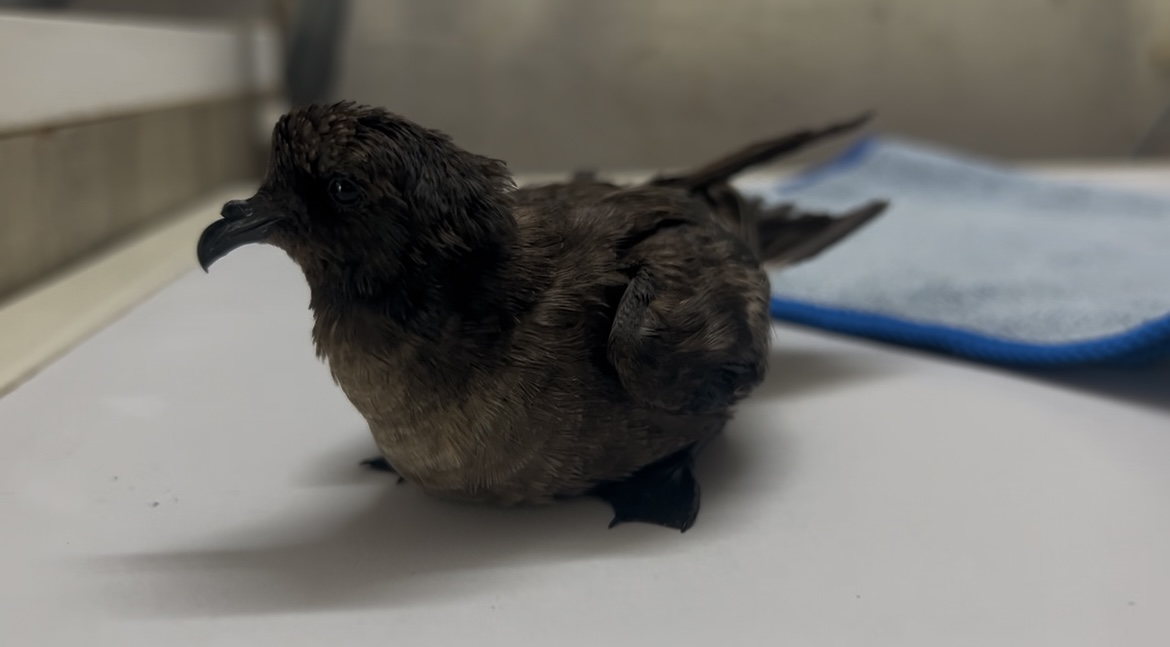
Another highlight was the successful release of two European Storm-petrels. These delicate seabirds are often found oiled, weak and unable to fly, requiring very specialised care. The two birds were carefully washed, provided with appropriate food and housing, and their waterproofing was tested once they were dry. After recovering fully, they were released back into the wild near a large colony.
Our rehabilitation work also benefits from opportunities to learn and improve our skills. During June, we had the chance to train at CRUMA LIPU, a large wildlife rescue centre in Italy. We worked with different bird species and other animals across the nursery, clinic and rescue centre, gaining valuable experience that we can bring back to our work in Malta.
by Anja Finke
by Anja Finke
Seabird monitoring at Maltese fish farms
This summer, we launched a year-long project monitoring seabird interactions with fish farms in the south of Malta. This is funded by the Department of Fisheries and Aquaculture, in the Ministry for Aquaculture, Fisheries and Food Supply, and aims to assess the presence and behaviour of seabirds at aquaculture sites via regular boat-based surveys. In Spring of 2027, a practical workshop will also be held to provide guidance to aquaculture operators on how to correctly identify seabirds, and best practices on seabird handling and reporting in the case of injured or distressed birds. With two surveys completed already, the project is well underway and we look forward to continuing this important work in the coming months.
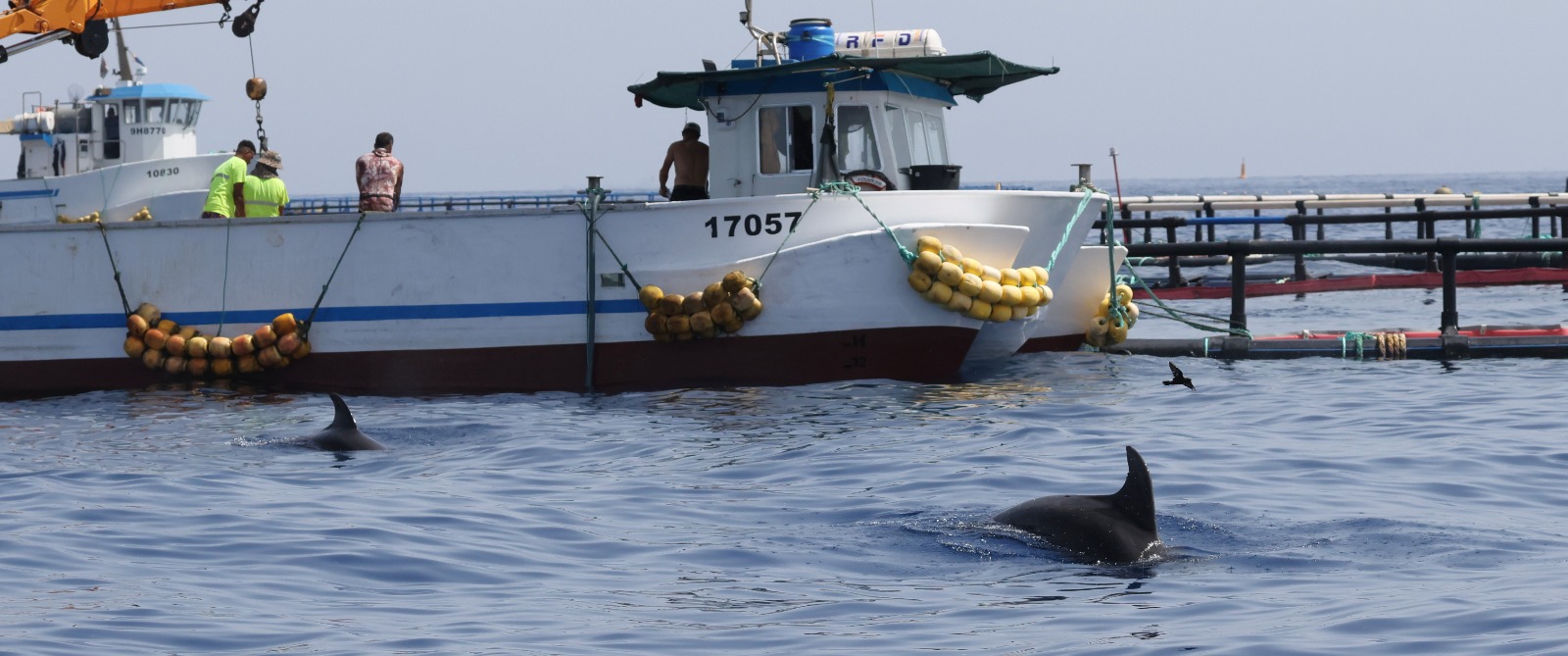
by Nicholas Galea
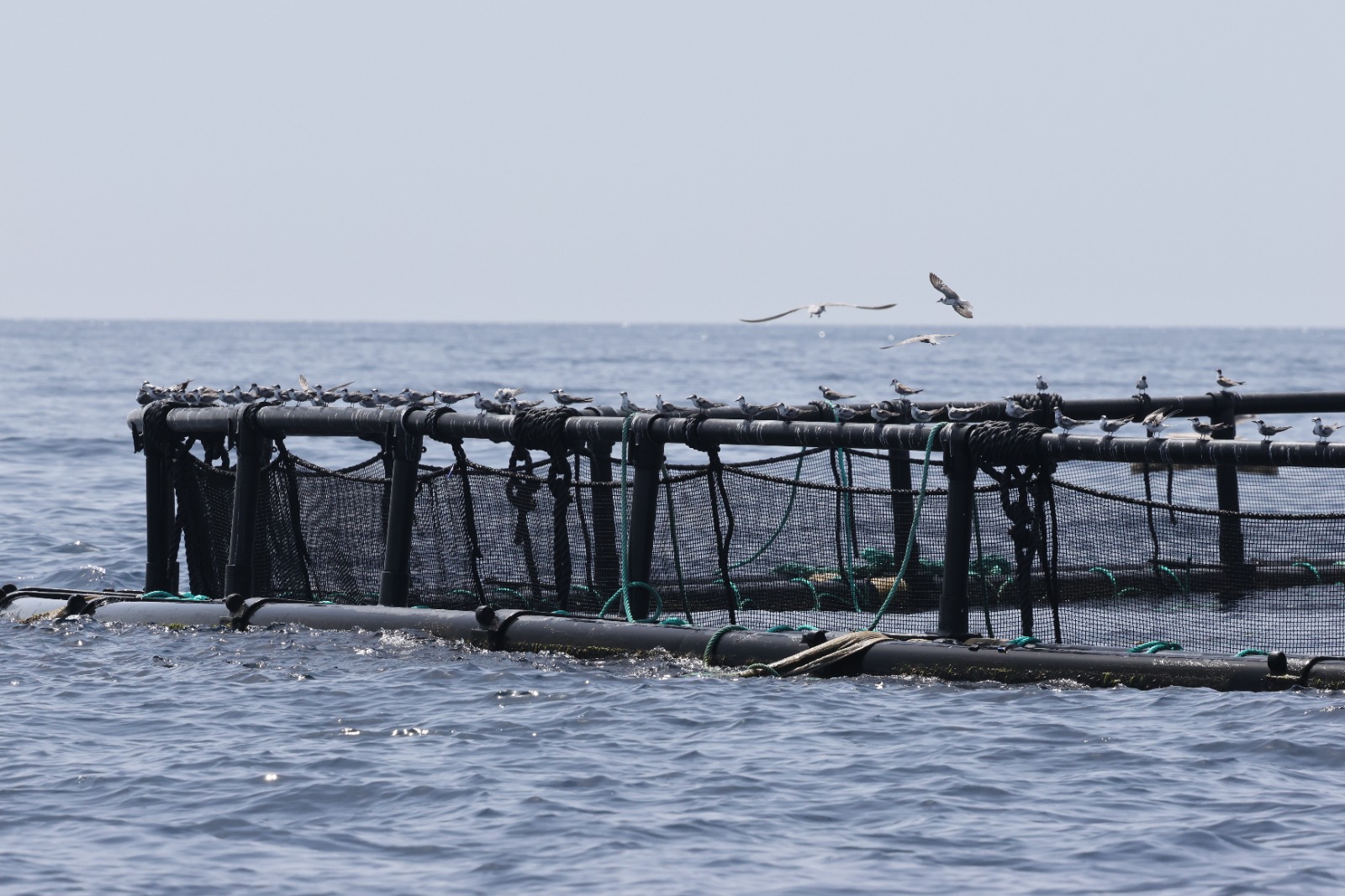
by Nicholas Galea
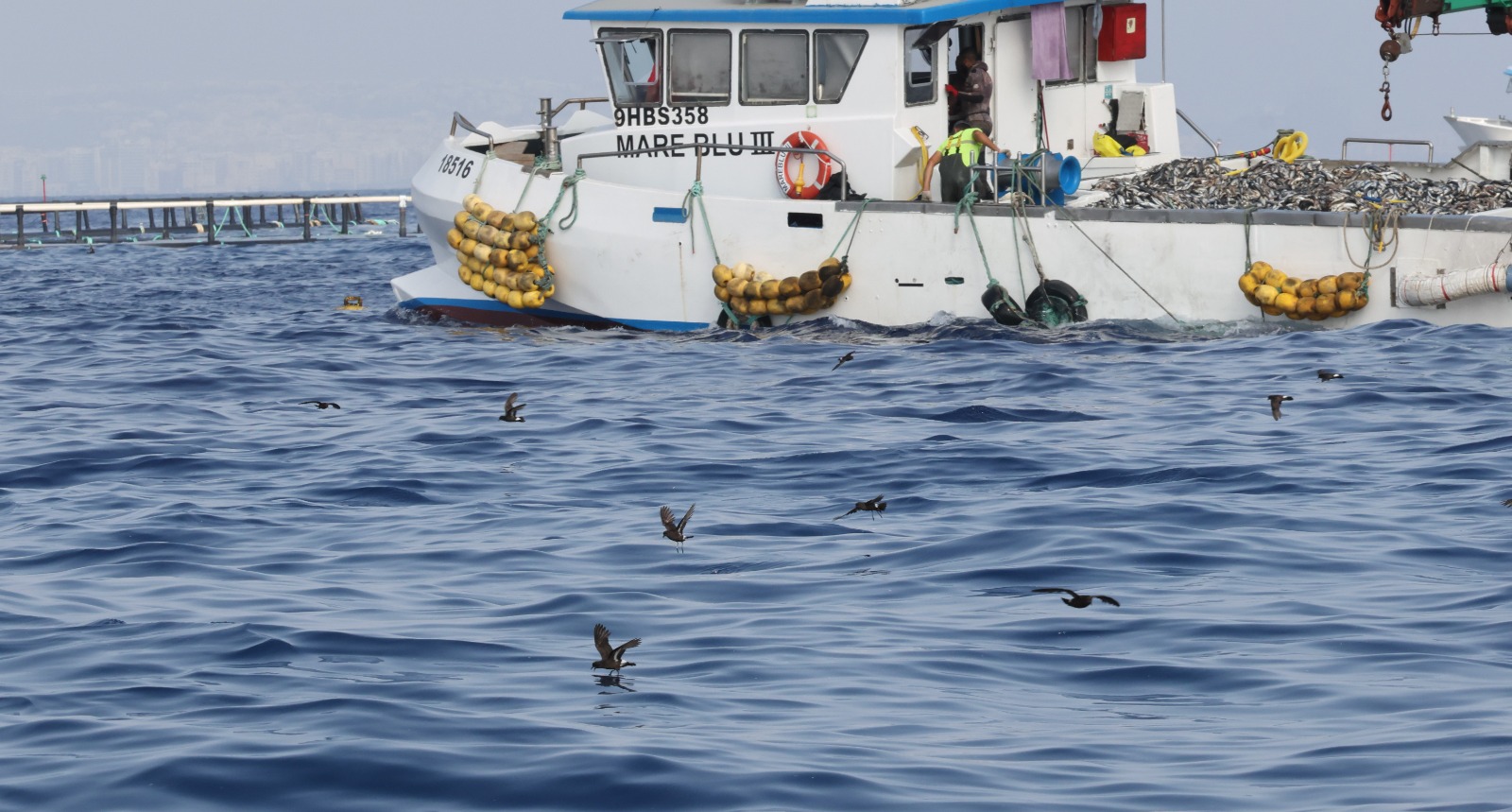
by Nicholas Galea
Ongoing collaboration with Maltese fishers to reduce bycatch
This August, we have continued our collaboration with Maltese fishers to reduce seabird bycatch as part of a project funded by the Malta Environment Foundation. Building on previous work with local fishers, the project aims to expand the evidence base using self-reporting logbooks, as well as to assess the effectiveness of the ‘scary bird’, a large raptor-shaped kite that can be installed on fishing vessels to deter seabirds. Through regular engagement meetings with fishers, we hope to increase awareness of the issue, encourage knowledge sharing, and strengthen our collaboration with the fishing community. We are grateful for the opportunity to build on this important partnership and the legacy of the LIFE PanPuffinus! project, taking further steps towards more sustainable fishing practices in Malta.
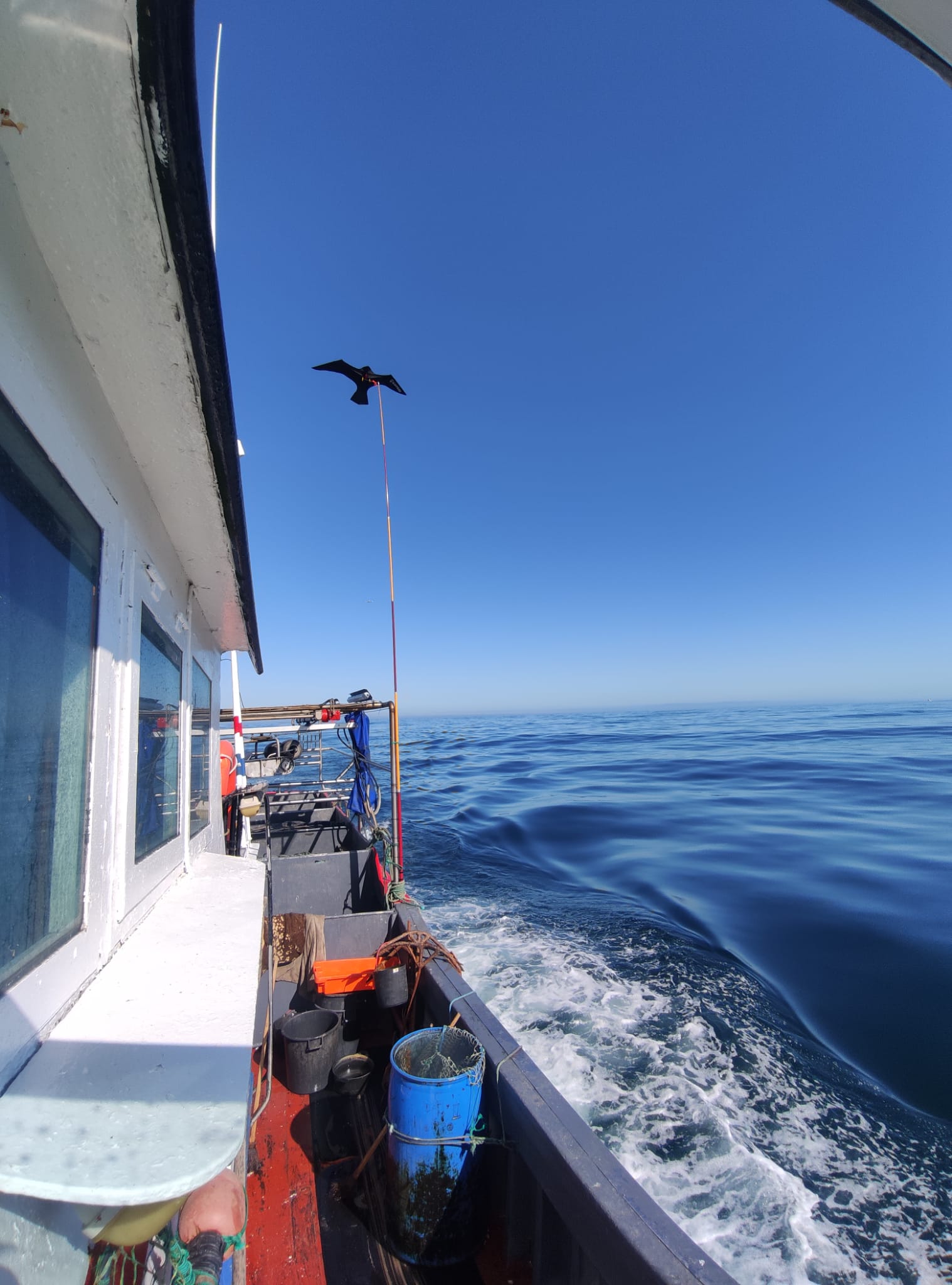
by Inês Casinhas
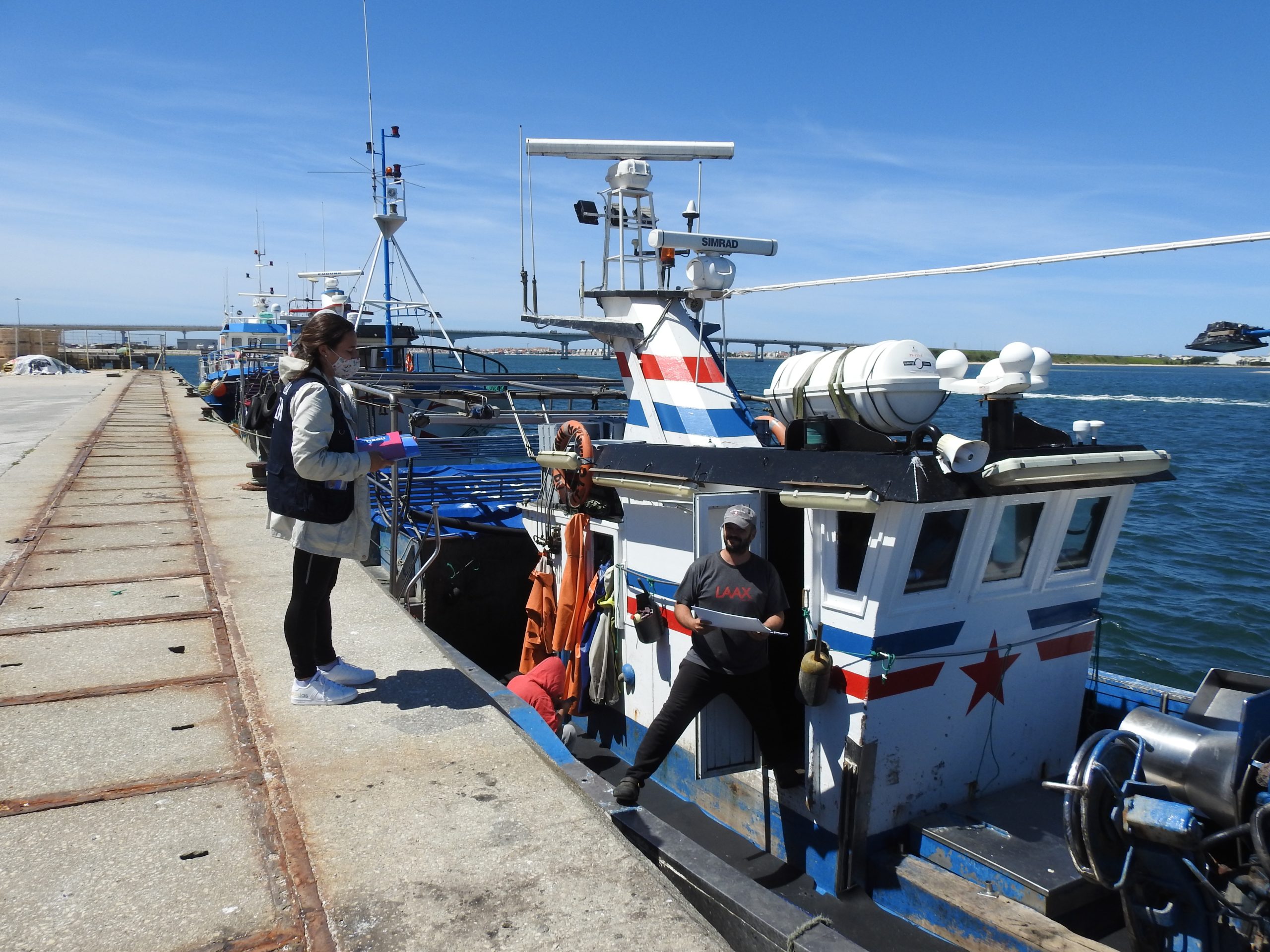
by Ana Almeida
Follow our LIFE PanPuffinus! project on our website and social media!

Recommendations for the proposed extension of the Paradise Bay Hotel
Birdlife Malta has submitted its recommendations for the Terms of Reference for the Environmental Impact Assessment (EIA) of the proposed extension of the Paradise Bay Hotel. Judging by the scale of the proposed hotel, the number of people it is expected to accommodate and its immediate proximity to three protected areas, a number of potential negative impacts on the environment can be expected. We have therefore recommended that a number of criteria and considerations are included within the EIA.
We strongly recommend conducting an ecological survey, including that of avifauna, to determine the species which make use of the site and its immediate surroundings. Given that the development site borders three Natura 2000 sites and lies in the area of influence of important seabird colonies, the impacts of light and noise pollution must be carefully assessed. Using infrared cameras, BirdLife Malta has previously detected Puffinus yelkouan (Yelkouan Shearwater – Garnija in Maltese) rafts off the Qammieħ Cliffs, which lie immediately opposite the development site.
We have also recommended a noise and vibration study, a thorough evaluation of the external lighting scheme and its implications for the natural environment, and measures to mitigate collision risks associated with glass and tower cranes.
The EIA should also include a Traffic Impact Statement. The expected increase in the number of accommodation rooms, which is almost double the existing number, is likely to significantly increase the number of vehicles accessing the site. We highlighted the need to include a sustainable approach to managing this impact in relation to the existing road infrastructure, particularly when considering that this is the main route to and from Gozo.
With almost 130,000 m³ of construction waste expected to be generated, we have recommended that a Waste Management Plan is drafted and appropriately evaluated, including the potential impacts of transporting waste by sea. The risks to the marine environment, including increased turbidity, dust and pollutants, should be assessed, with continuous monitoring throughout the construction period. Deposition of dust and construction waste into the sea can severely impact Posidonia oceanica meadows found in the immediate surrounding marine areas.
Finally, we recommended assessing the increased visitor pressure on the surrounding coastal and marine areas and incorporating responsible tourism principles into the operational standards of the development.
Read our full feedback here.
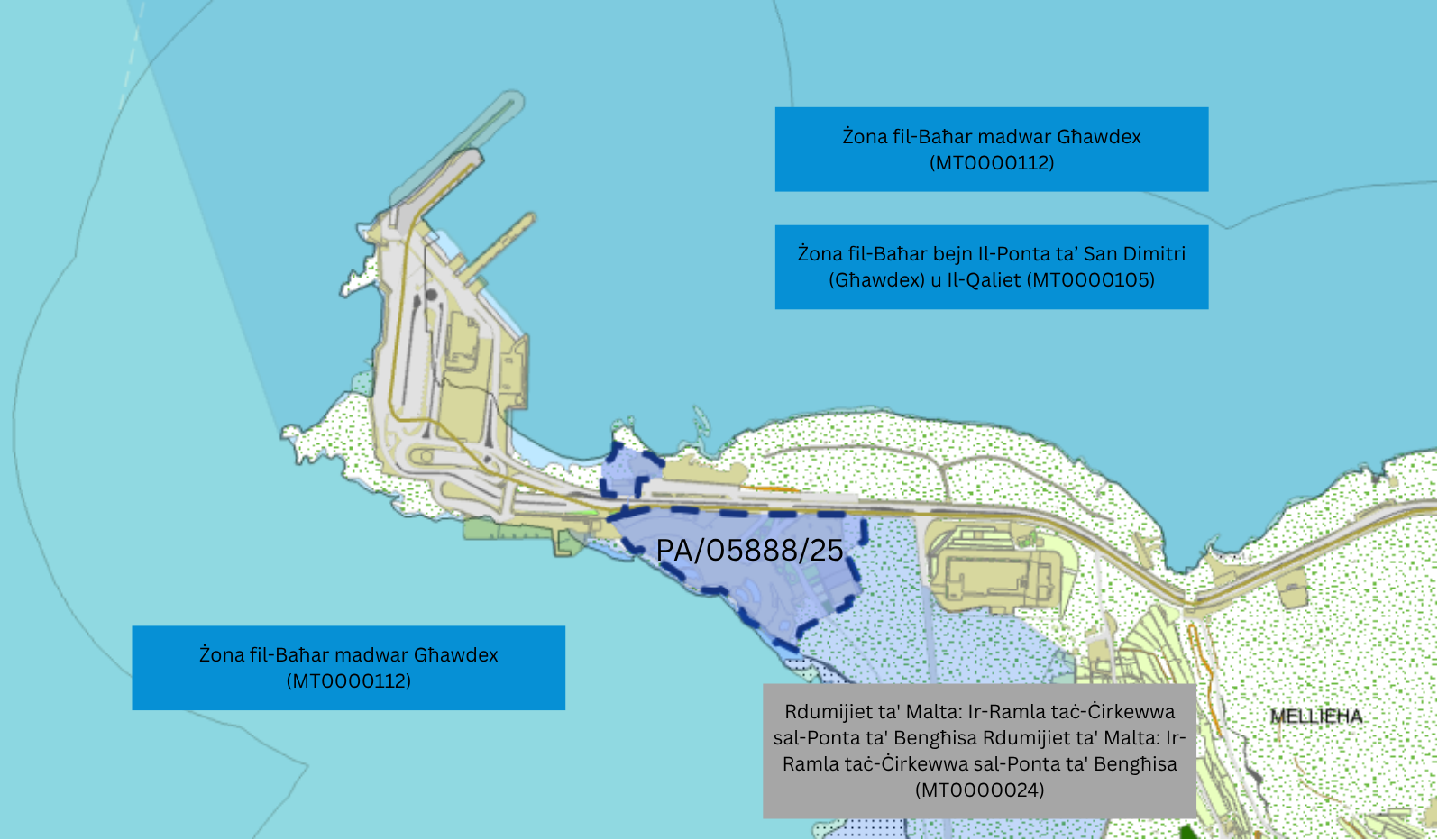
Source: Base map from Planning Authority Map Server
Salina Nature Reserve
Sightings
As the heat continued and the salt pans dried out, a continuous trickle of waders was enjoyed by visitors and wardens alike. Waders like Curlew Sandpipers, Dunlins, Common Greenshanks, Common Redshanks, Spotted Redshanks, Black-winged Stilts, an impressive number of Wood Sandpipers, Grey Plovers, Little Stints, Green Sandpipers and Common Sandpipers. We also had some rare visitors like Ruddy Turnstone, Sanderling and Grey Sandpiper and the ever-present Little Ringed Plovers, most of which were juveniles, not to mistake with the Common Ringed Plovers.
Our first Kingfishers have also arrived, while the migration of herons is well underway, with Squacco Herons, Night Herons, Grey Herons, Purple Herons, Egrets and Glossy Ibises passing through the reserve.
A large flock of around 80 Little Egrets settled in the salt pans to rest before continuing their migration, taking advantage of the large numbers of killifish to feed. Another unusual sight for August was a Great Cormorant, which settled alongside our resident flock of Yellow-legged Gulls, numbering in the hundreds. Even though it’s been unbearably hot, even for August, migrating species like Common Swifts, Yellow Wagtails and Barn Swallows have been observed.
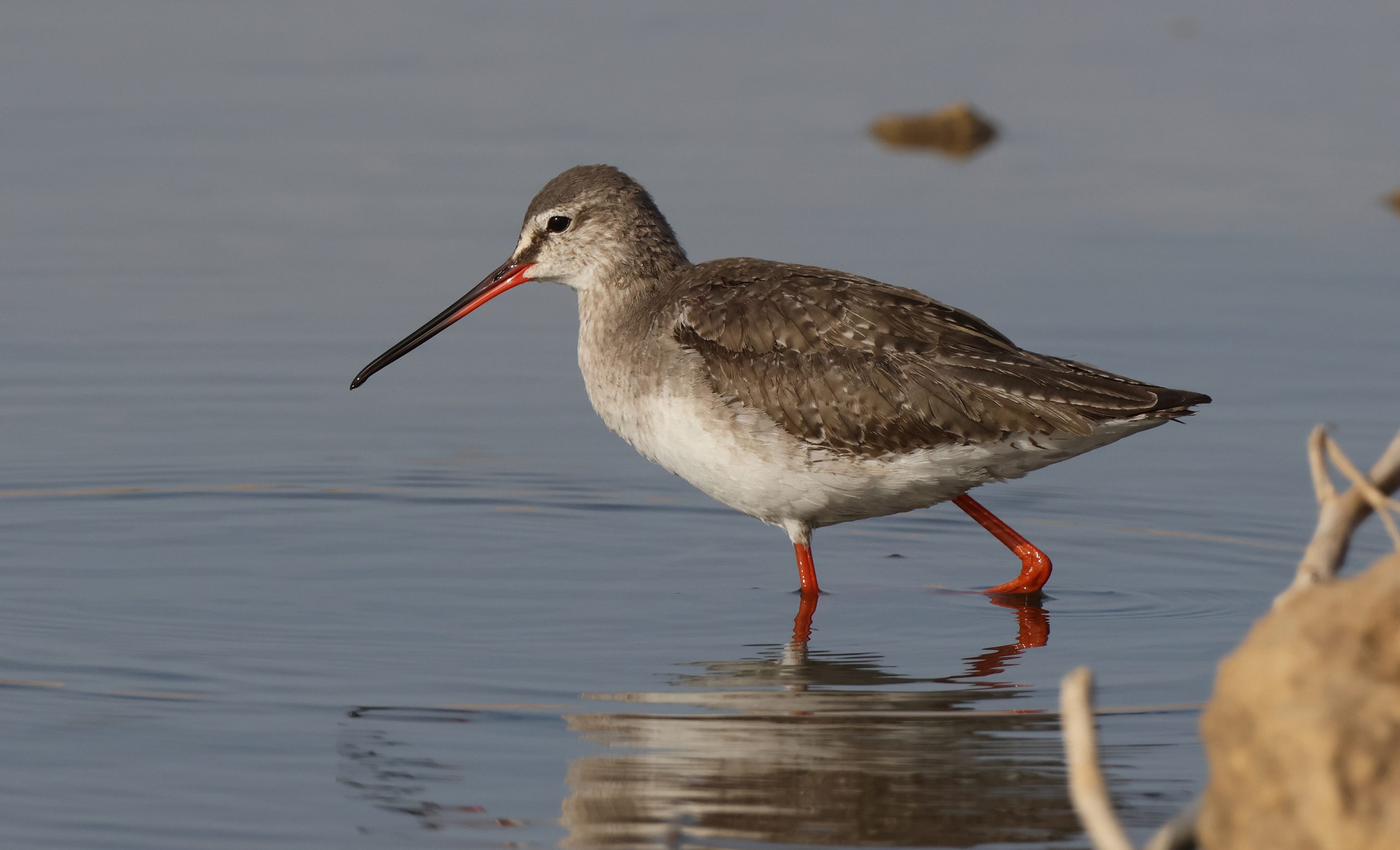
by Aron Tanti
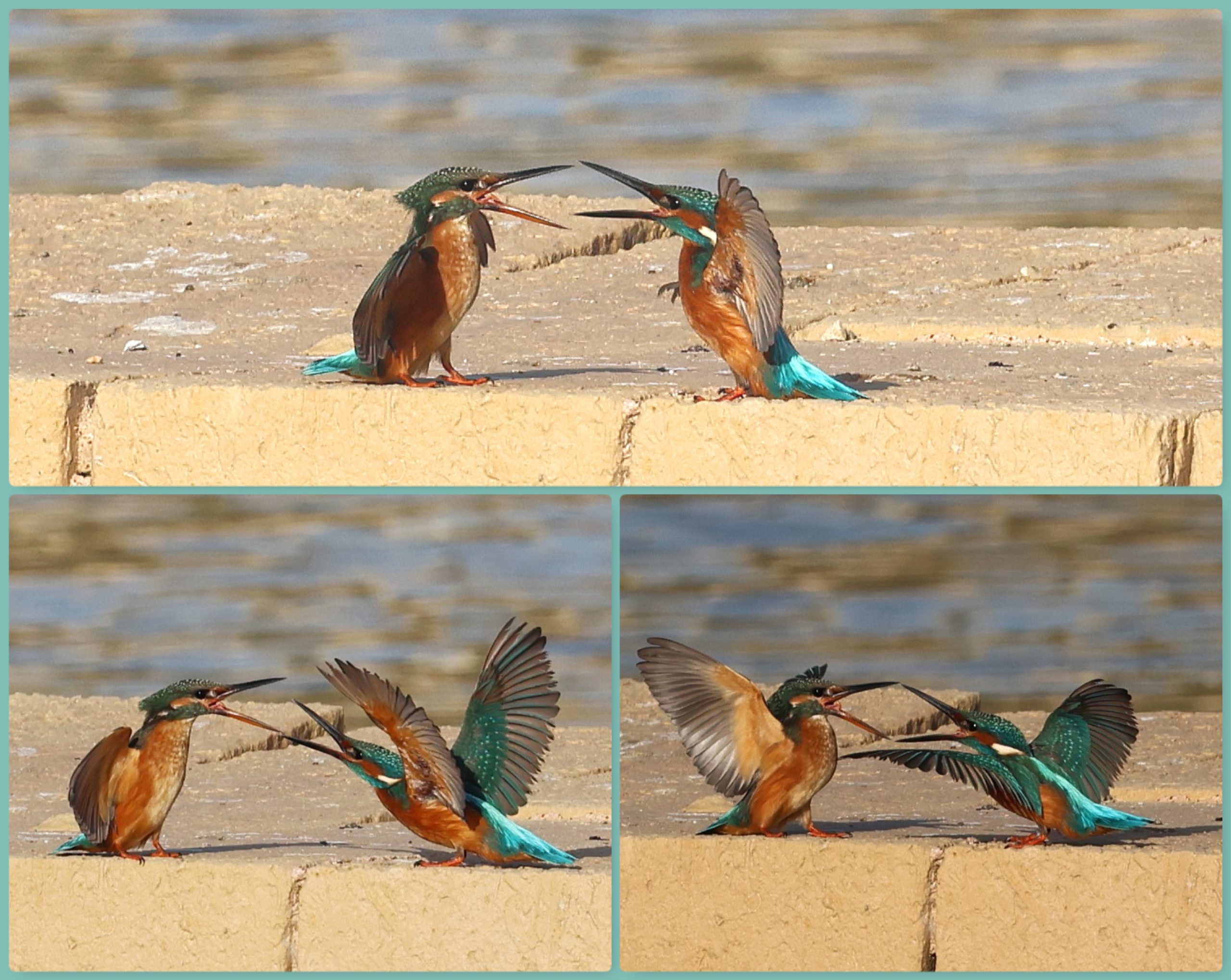
by Mario V Gauci
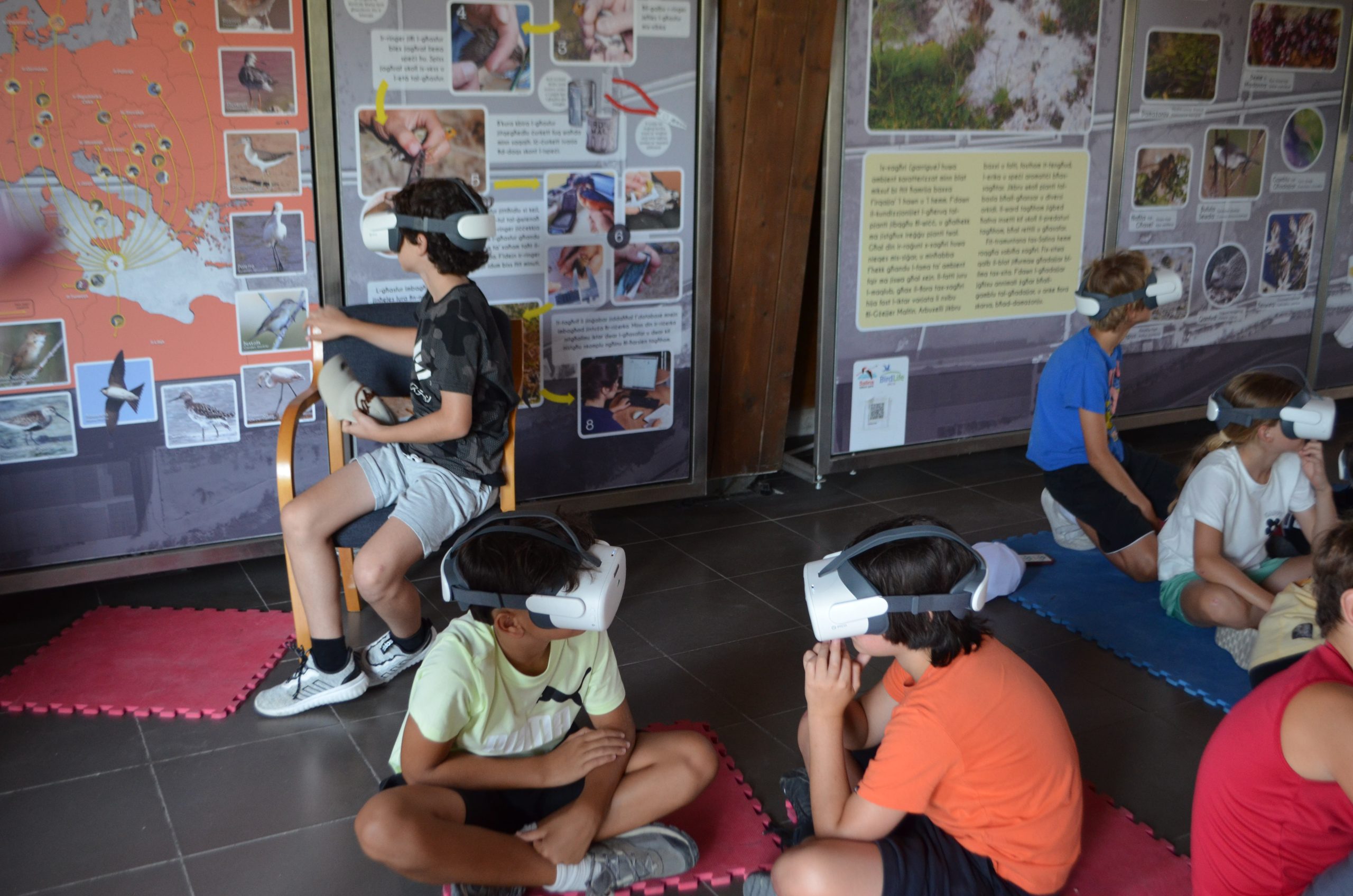
by Annalisa Merici
Works
Work continued throughout August to prepare the wetland for the autumn ringing sessions. Water flow through the salt pans was also constantly checked to ensure that the killifish population and overall biomass remained high. Regular watering of the shrubs and saplings continued throughout the hot, dry weeks of August to help them survive the summer. These plants form an important part of the ongoing restoration of the wetland. A few enthusiastic volunteers came to help our on-site botanist in removing non native species and, in doing so, providing rarer native species to establish.
Summer schools continued to visit the reserve, with children exploring the area and spotting chameleons, dragonflies and frogs around our active pond.
Għadira Nature Reserve
During August, several wader species were recorded in low numbers daily at Għadira. A number of Common Sandpipers and Little Ringed Plovers were colour-ringed as part of a new study to identify breeding pairs of Little Ringed Plovers which breed at the reserve, as well as movement of both species between nature reserves and beyond.
Southbound migrants included also various heron species as well as a few ducks including Common Teal and Northern Shoveler. Kingfishers were noted in small numbers, while passerine migrants included Garden, Subalpine, Reed and Willow Warblers and Yellow Wagtails.
Both Black-Winged Stilt family parties migrated at the end of August, as well as most of the adult and young Little Ringed Plovers. This summer was rather successful for both species, with five Black-winged Stilts fledged and 10 Little Ringed Plovers fledged.
Works on the visitors centre were concluded at the end of August, including paintwork, installation of a sliding door, repairs to the sliding windows, as well as changes in furniture and general layout of the centre.
Pruning of the main path was done as necessary, as Tamarix trees grow abundantly during this time of the year.
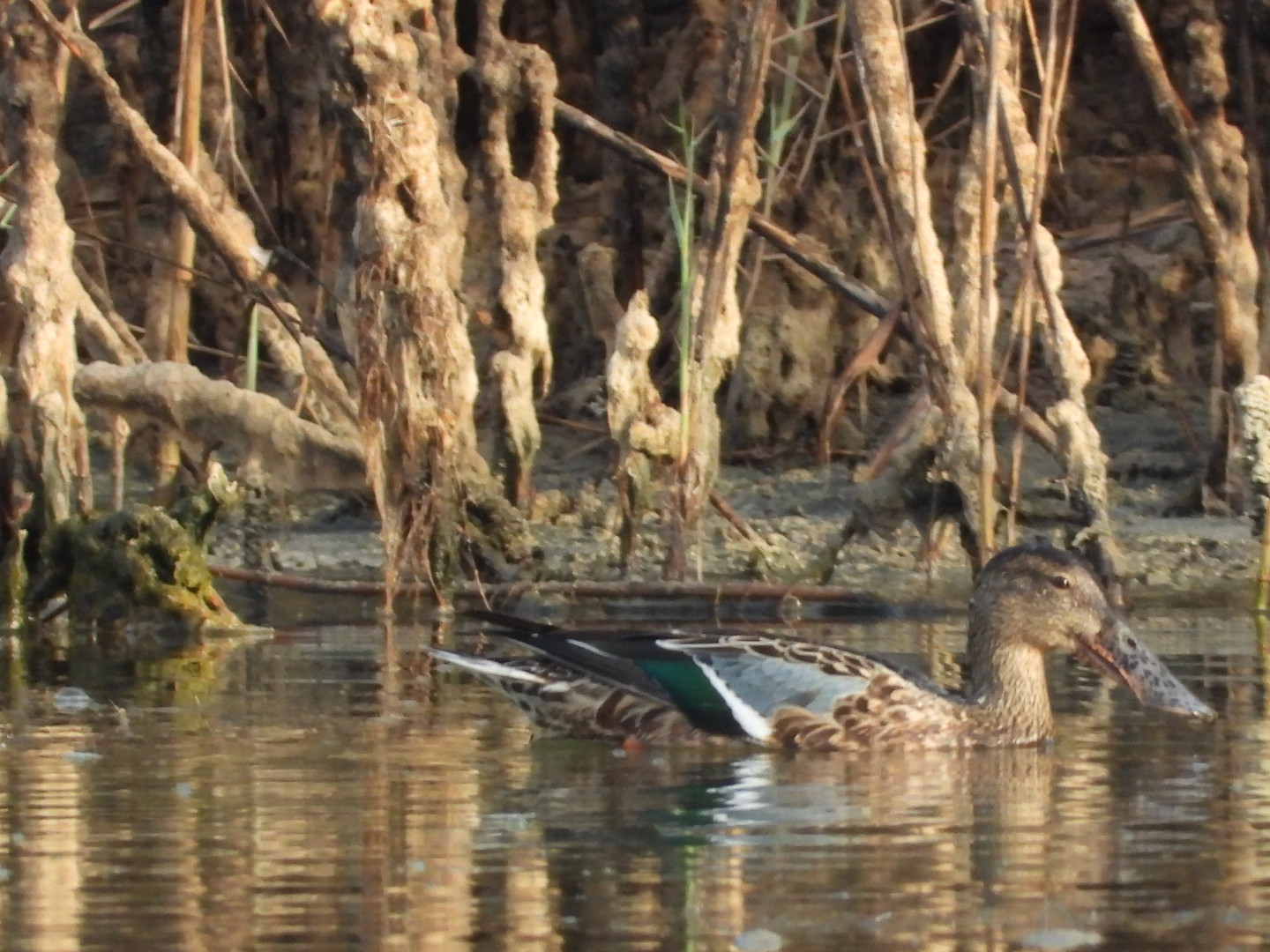
by David Attard
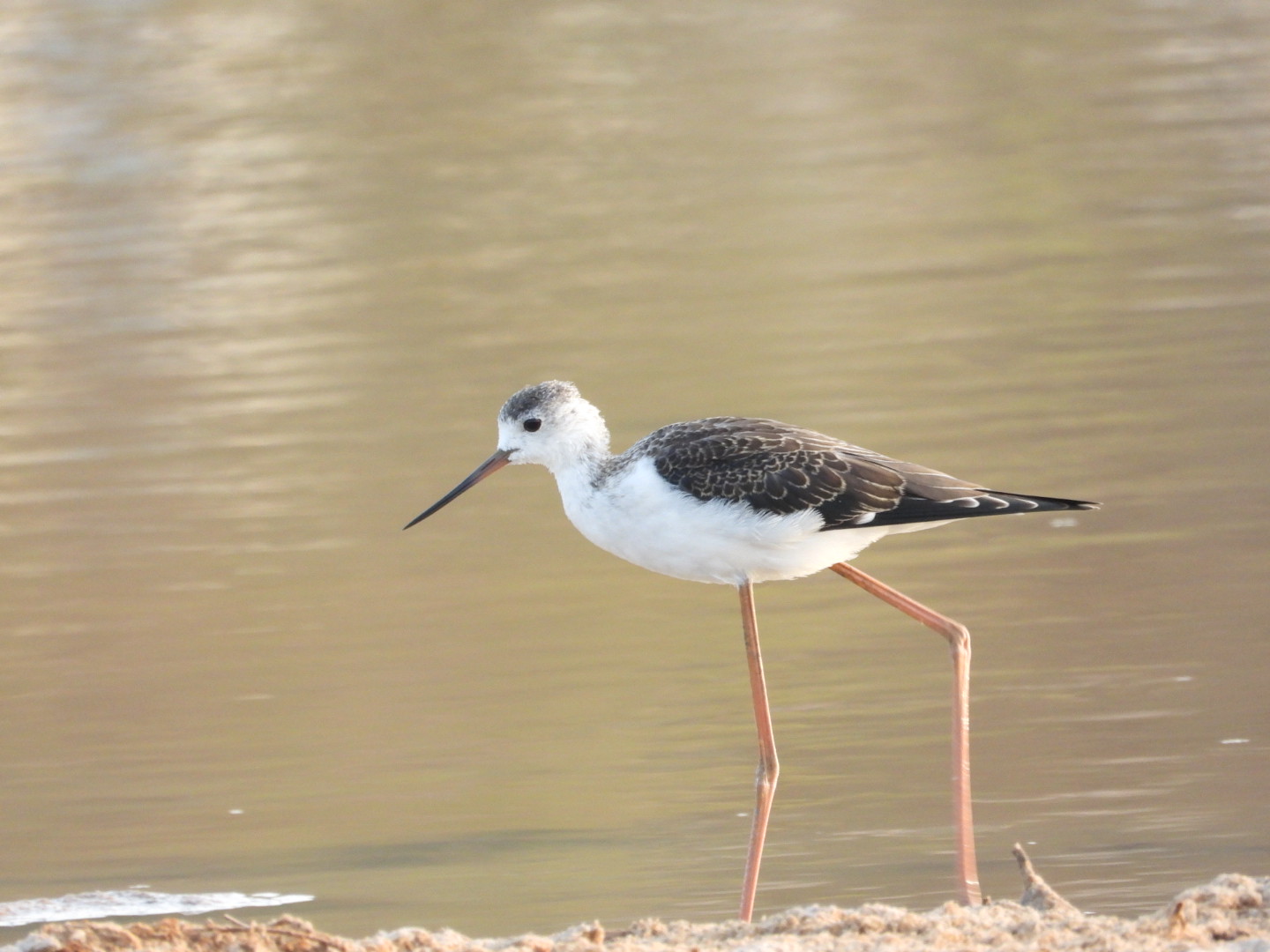
by David Attard
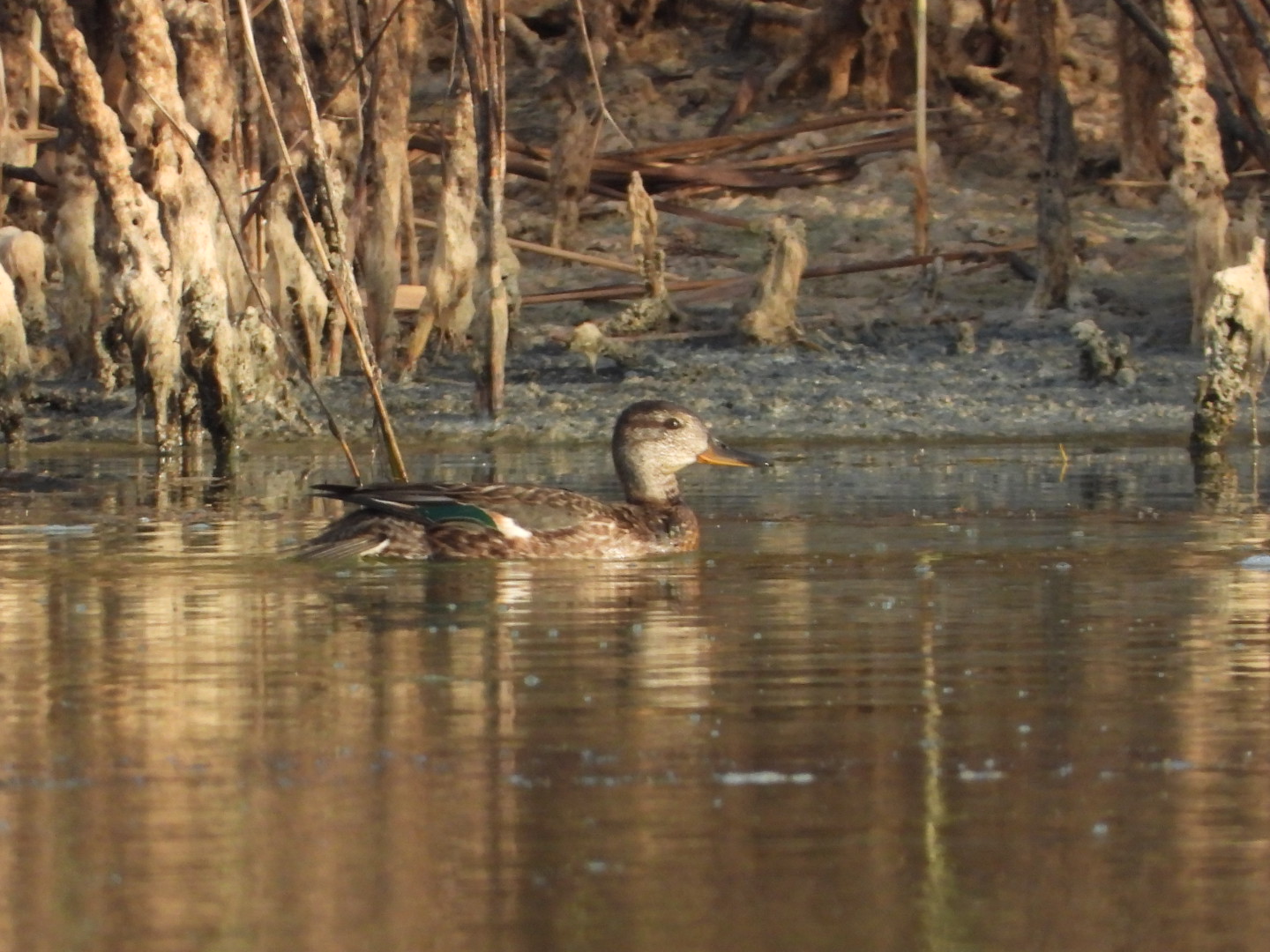
by David Attard
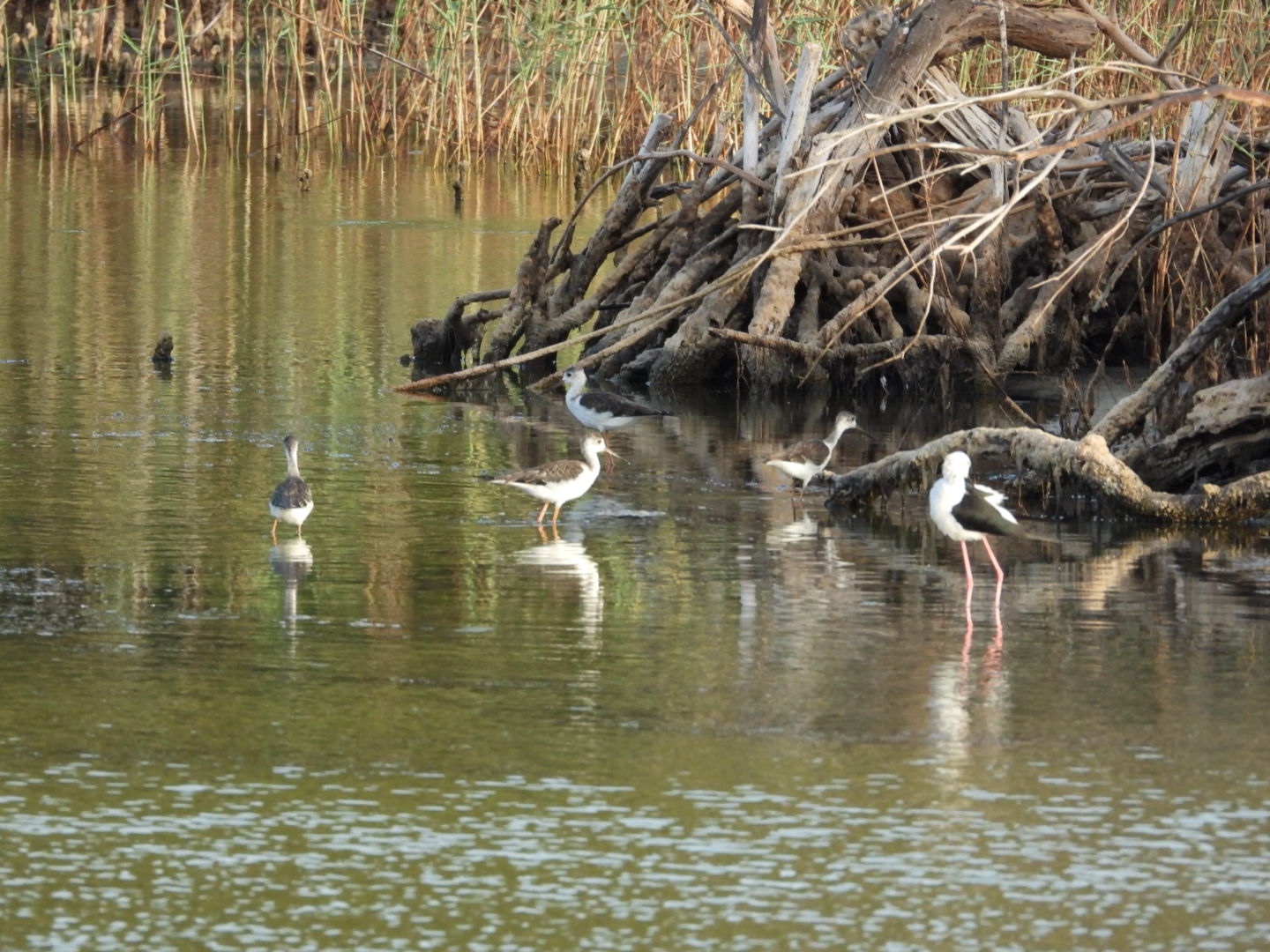
by David Attard
Simar Nature Reserve
Sightings
Bird migration from Europe to Africa continued to get stronger, with our nature reserves hosting a good number of birds, especially towards the end of the month. Most of these were waders, birds specialising in feeding in mudflats and shorelines. These included a good number of Common Sandpipers and Little Ringed Plovers, but also Dunlin and Wood Sandpiper. Little Stints and Green Sandpipers were also quite regular.
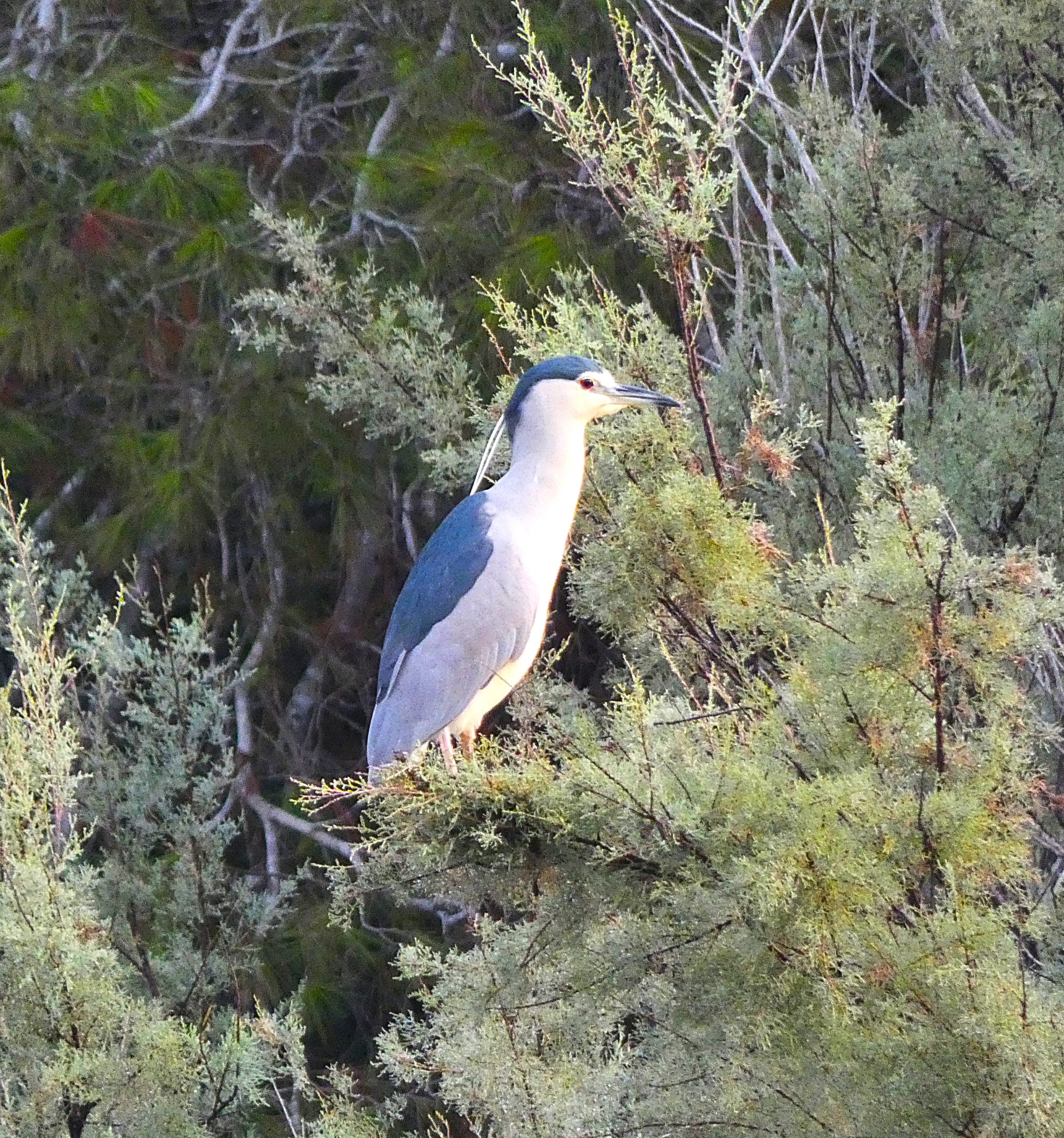
Herons also started arriving, with occasional flocks settling in the reserve, including a large flock of about 65 Purple Herons. A few flocks of Night Herons were also seen flying over, but a flock of about 30 settled in the reserve. Little Egrets and Cattle Egrets were regularly present, as well as a few Squacco Herons.
Other migrants included a Roller, several Common Kingfishers, a few Reed Warblers and Great Reed Warblers, as well as Sedge Warblers and Subalpine Warblers. Yellow Wagtails also started arriving whilst the first Common Coot was observed towards the end of the month.
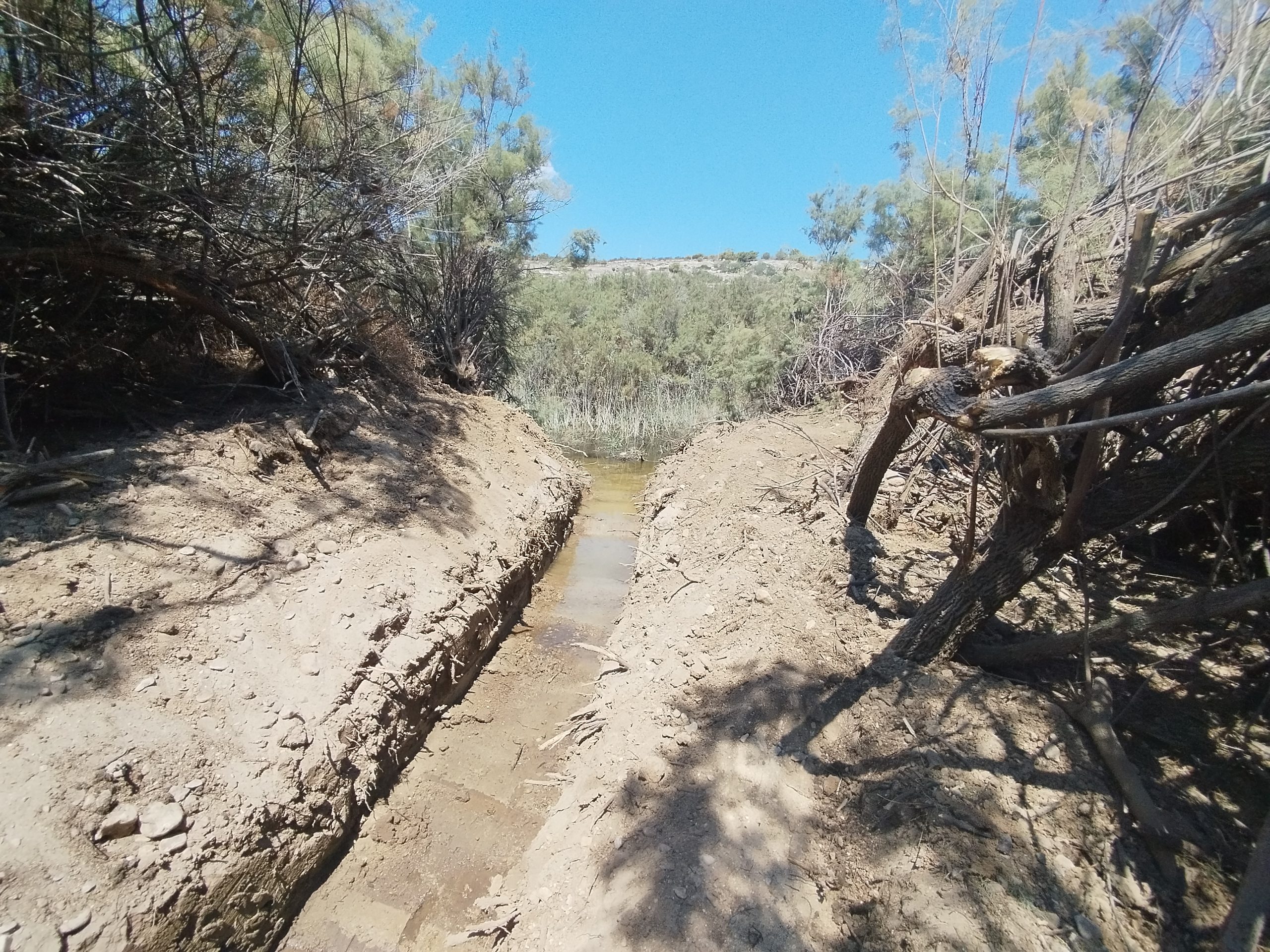
by Charles Coleiro
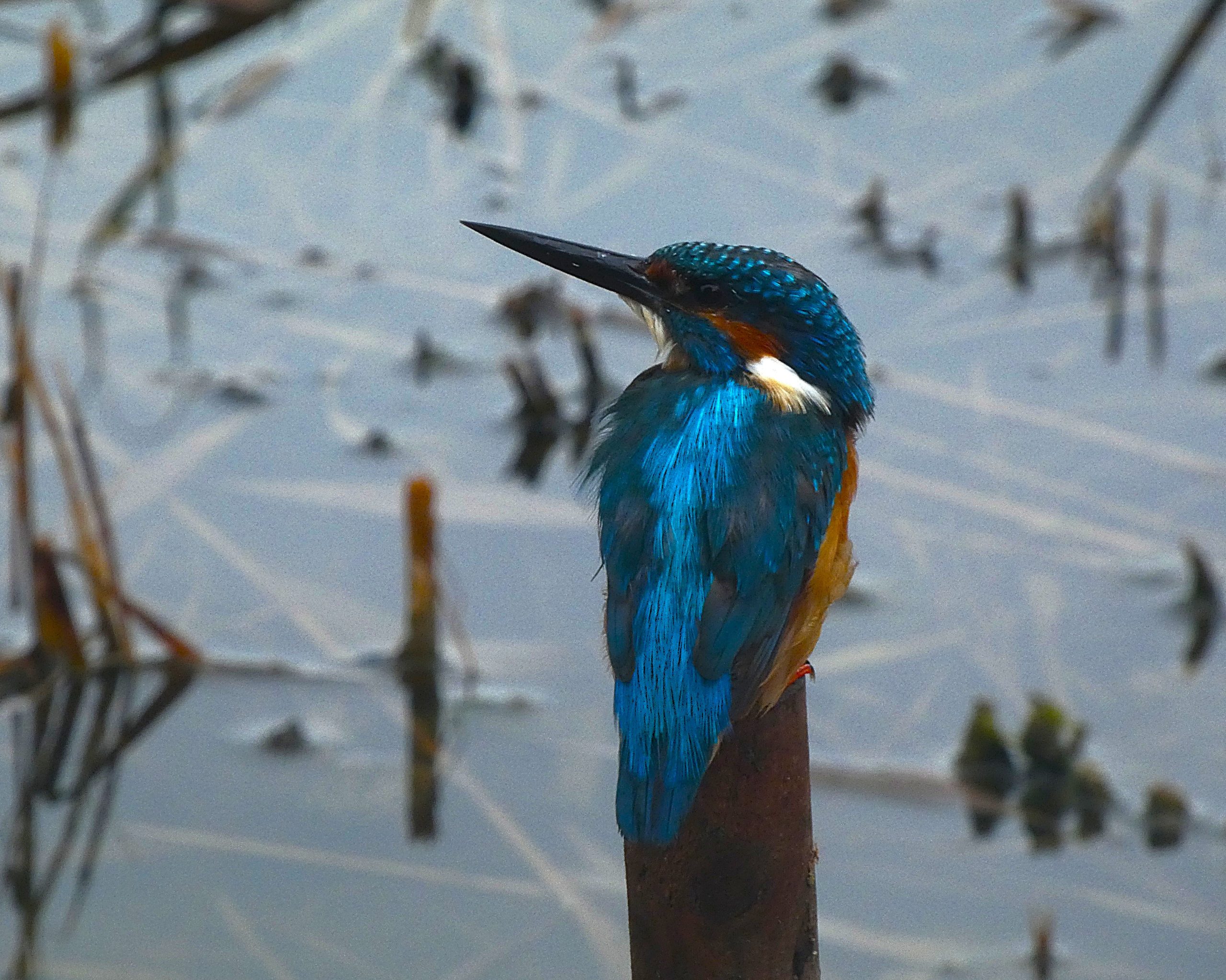
by Charles Coleiro
by Charles Coleiro
Habitat Management
The gradual decrease in water levels exposed more shorelines and extended the mudflats. Some of these zones were cleared from newly grown reeds. These zones are fundamental for feeding for shoreline birds. In some areas, the newly cut reeds are left on site as leaf litter, which provides added feeding habitats.
Works were carried out in an area within the tamarisk grove in the wetland. Canals were dug following clearing of dead tamarisk branches. Openings in the tamarisk canopy were also carefully carried out by cutting selected branches. These branch clearings will lower salt deposits in the soil and allow sunlight to penetrate the tamarisk grove. These works will help improve the biodiversity of the wetland.
Foresta 2000
Sightings
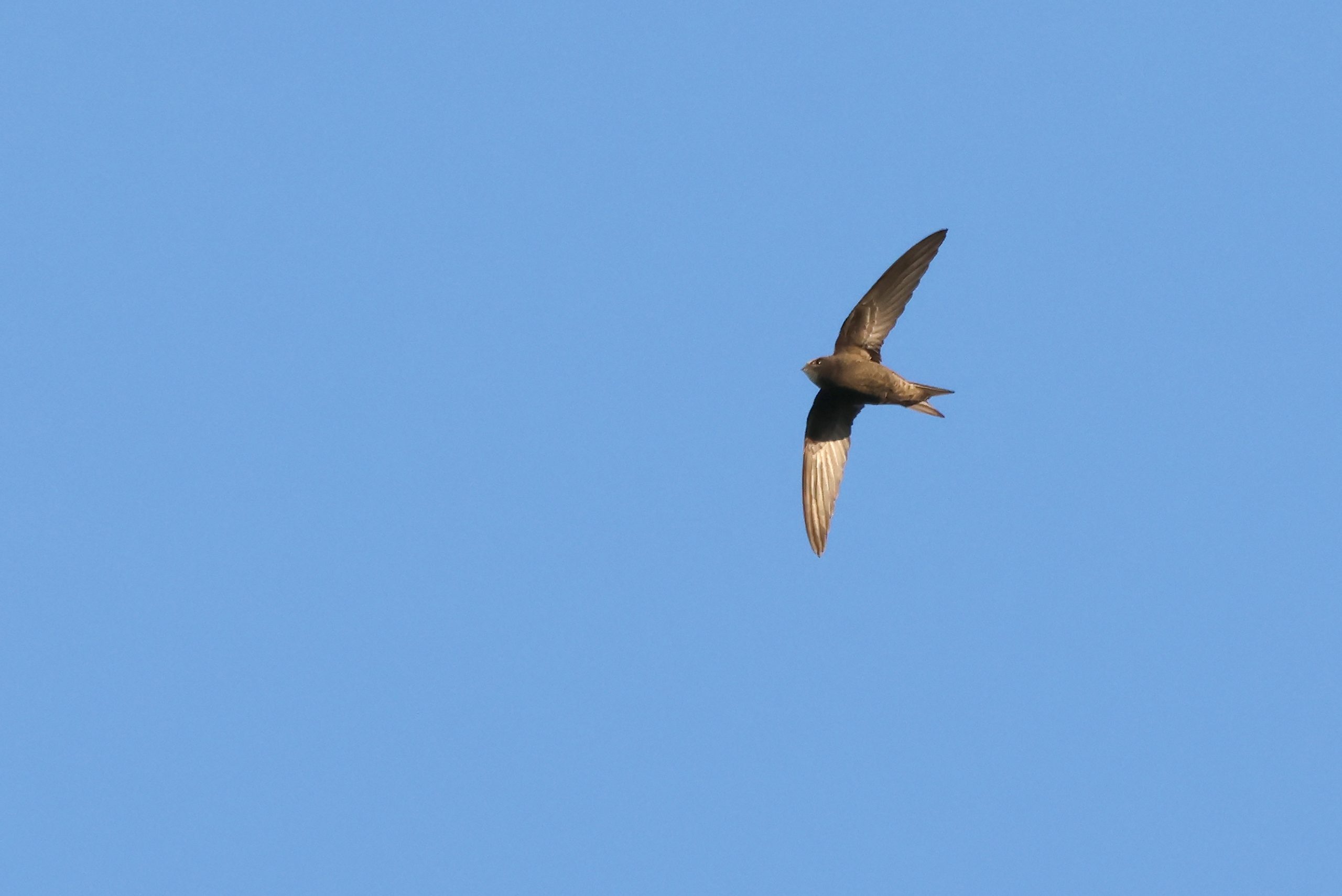
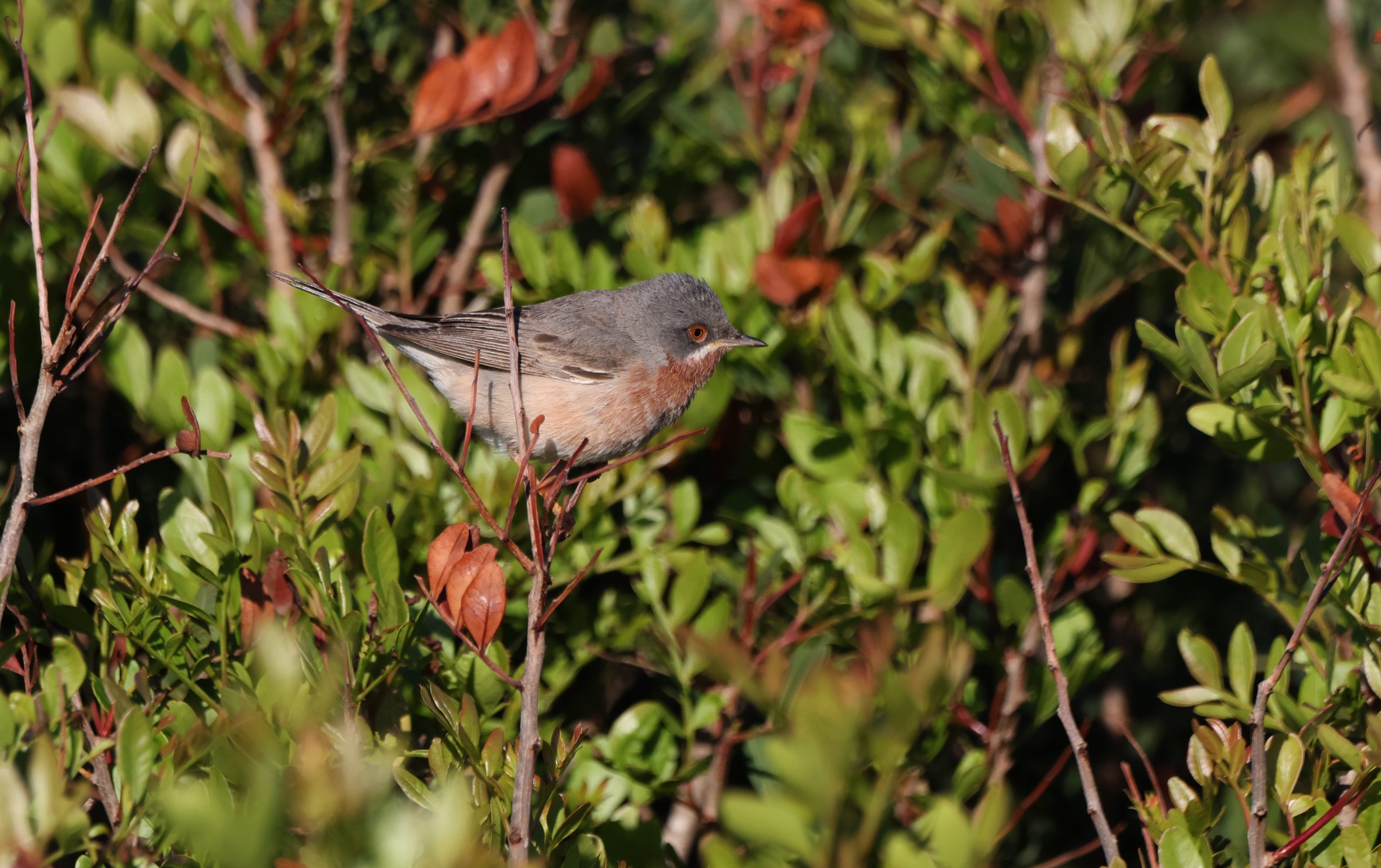
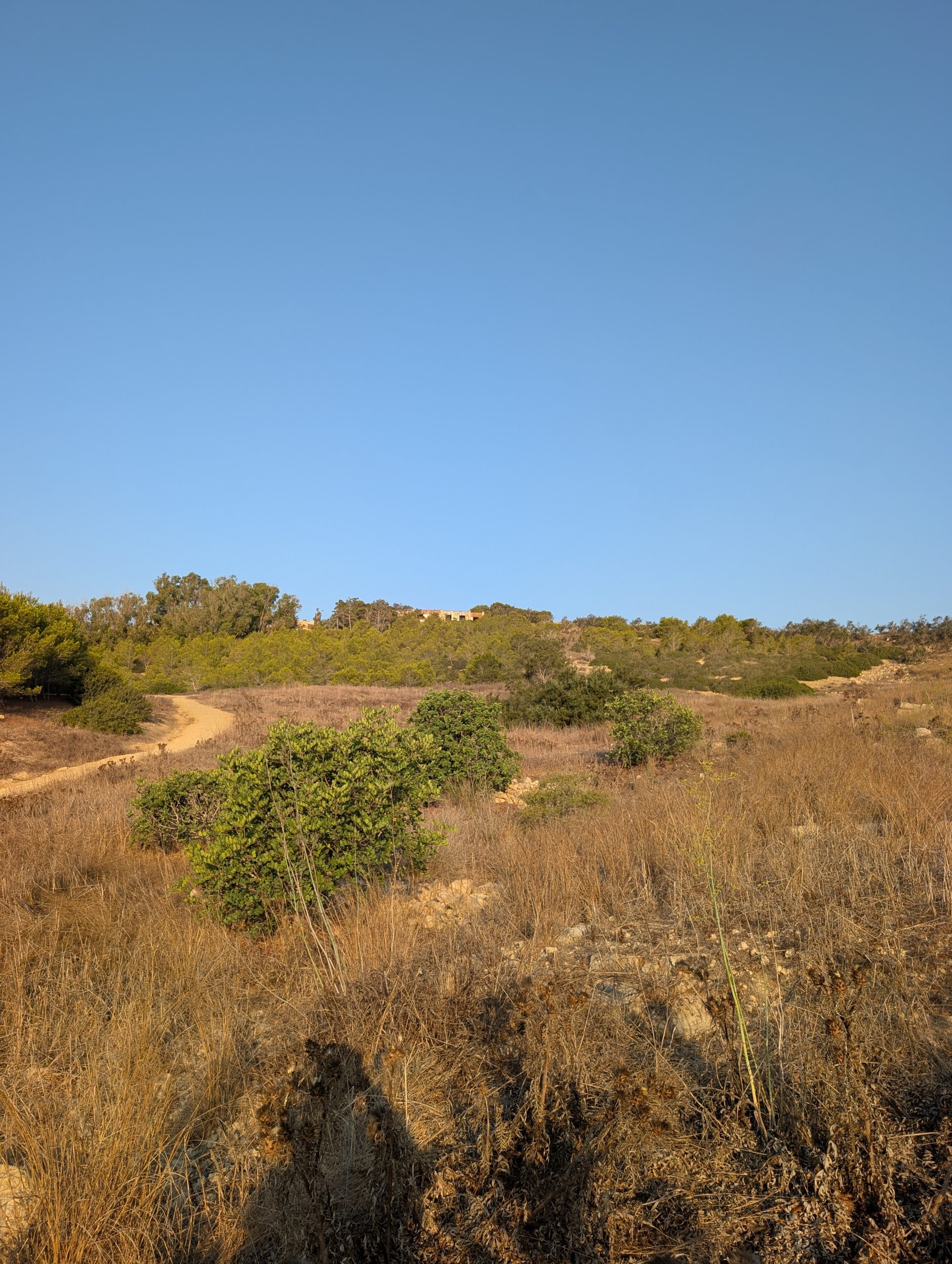
August was a particularly quiet month at Foresta 2000, with relatively few notable wildlife observations. The main sightings included Swifts and Mediterranean Chameleons. Resident species such as Zitting Cisticolas, Eurasian Collared-doves, Spanish Sparrows and Sardinian Warblers continued to be recorded regularly around the reserve.
A Subalpine Warbler has also been heard during the month, although it was not confirmed visually.
by Aron Tanti
by Aron Tanti
by Vera Tokmakova
Works
Routine management continued throughout August, including regular clean-ups, site inspections and general monitoring of the reserve.
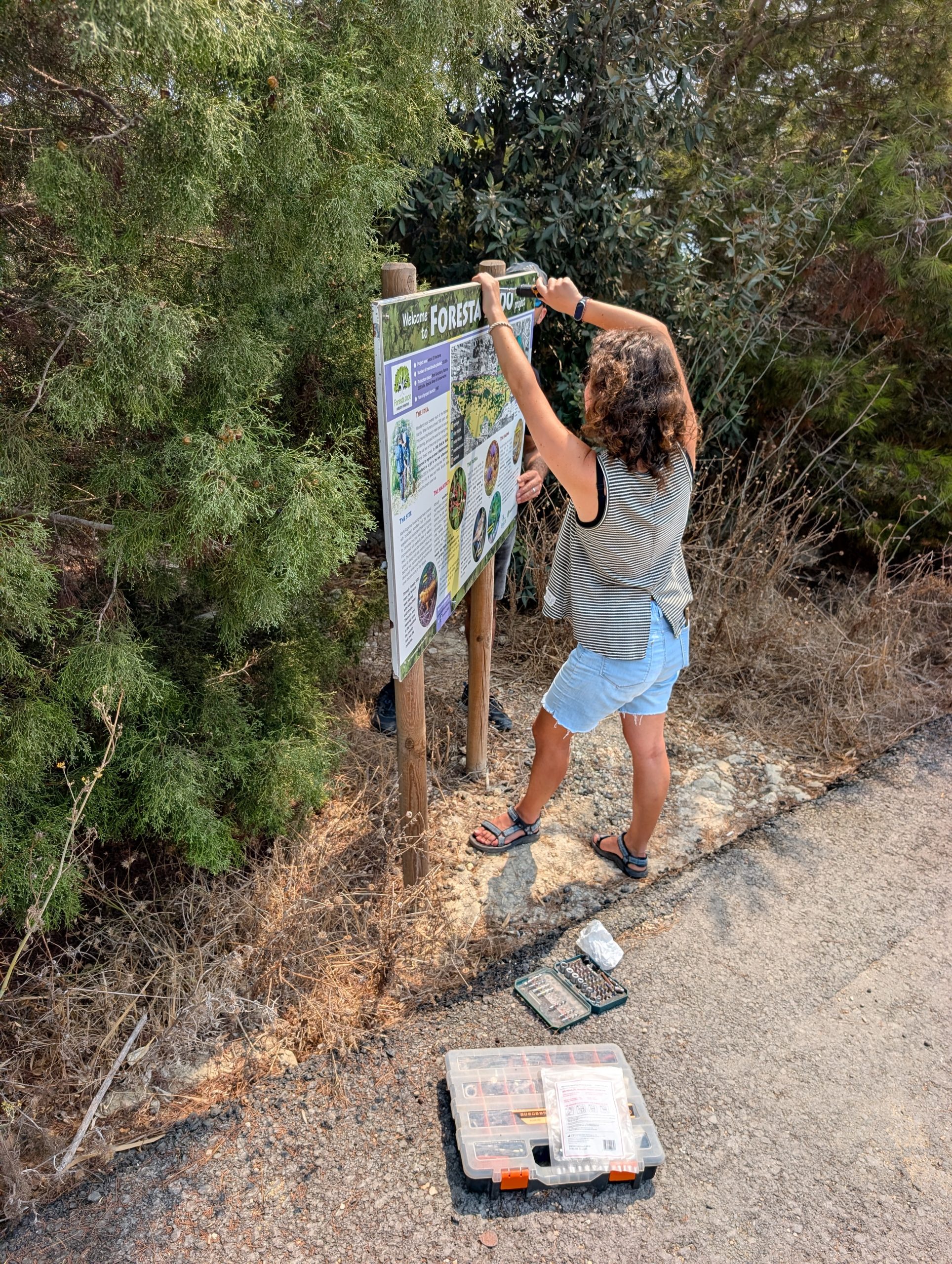
The information signs around the reserve were also cleaned. In addition, a sign at the entrance area was properly secured after it had repeatedly come loose and been blown away by the wind.
by Vera Tokmakova
by Vera Tokmakova
Birding Highlights
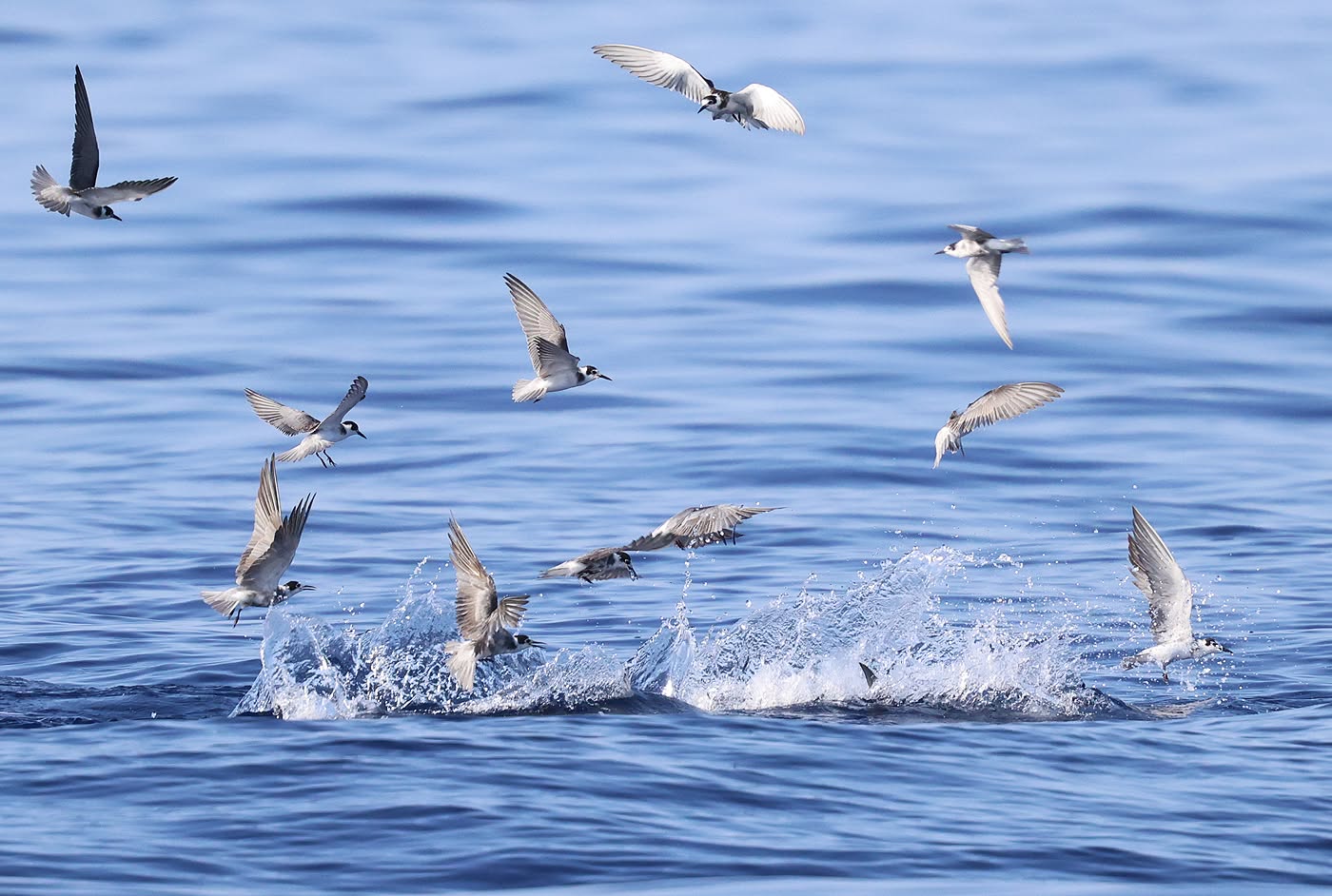
In Malta’s birding calendar, August marks a clear increase in autumn migration activity across several bird groups. Wader migration continued from July, with scarcer species recorded during the month, including Whimbrel, Ruddy Turnstone, Kentish Plover and Eurasian Oystercatcher. Herons were also prominent, particularly towards the end of August, when flocks of Black-crowned Night-heron, Grey Heron, Purple Heron, Little Egret and Squacco Heron were observed. A few scarce Glossy Ibises were also reported. Offshore, Black Terns were present in very strong numbers, with counts reaching up to 3,000 individuals.
The first birds of prey also began to arrive, including Western Marsh-harrier, Montagu’s Harrier, European Honey-buzzard and Black Kite, while an early Eurasian Buzzard was recorded on the 26th. Passerine migration also got underway, with Northern Wheatear, Garden Warbler and Subalpine Warbler among the most frequently recorded species in August. A very rare Olivaceous Warbler was ringed at Buskett on the final day of the month. Although this vagrant species is somewhat regular in spring, this was only the second autumn record for Malta. Common Kingfishers, always a popular sight, also arrived in August, along with good numbers of Common Hoopoes.
by Ray Galea
House Martins, Shearwaters, and Stars
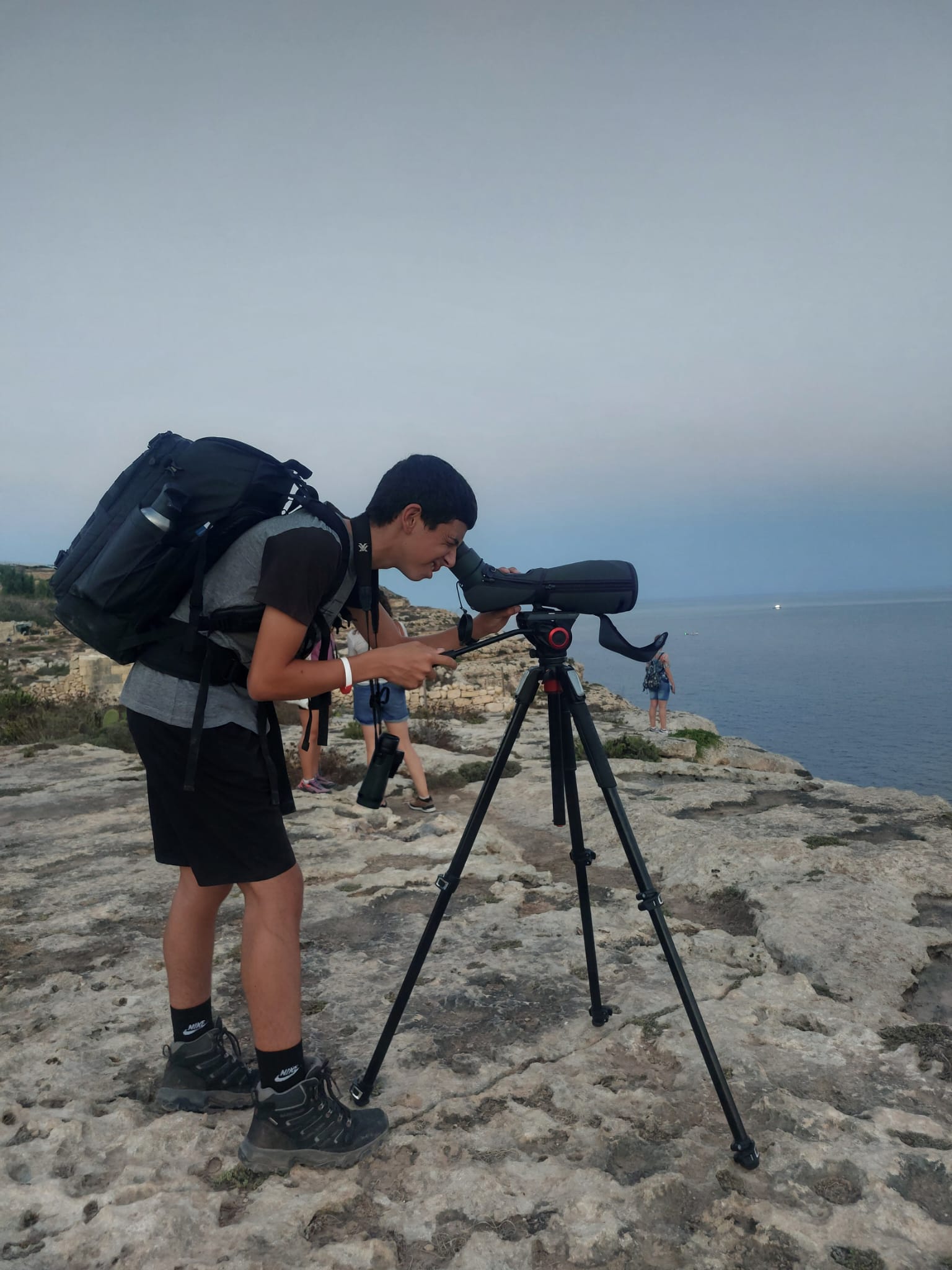
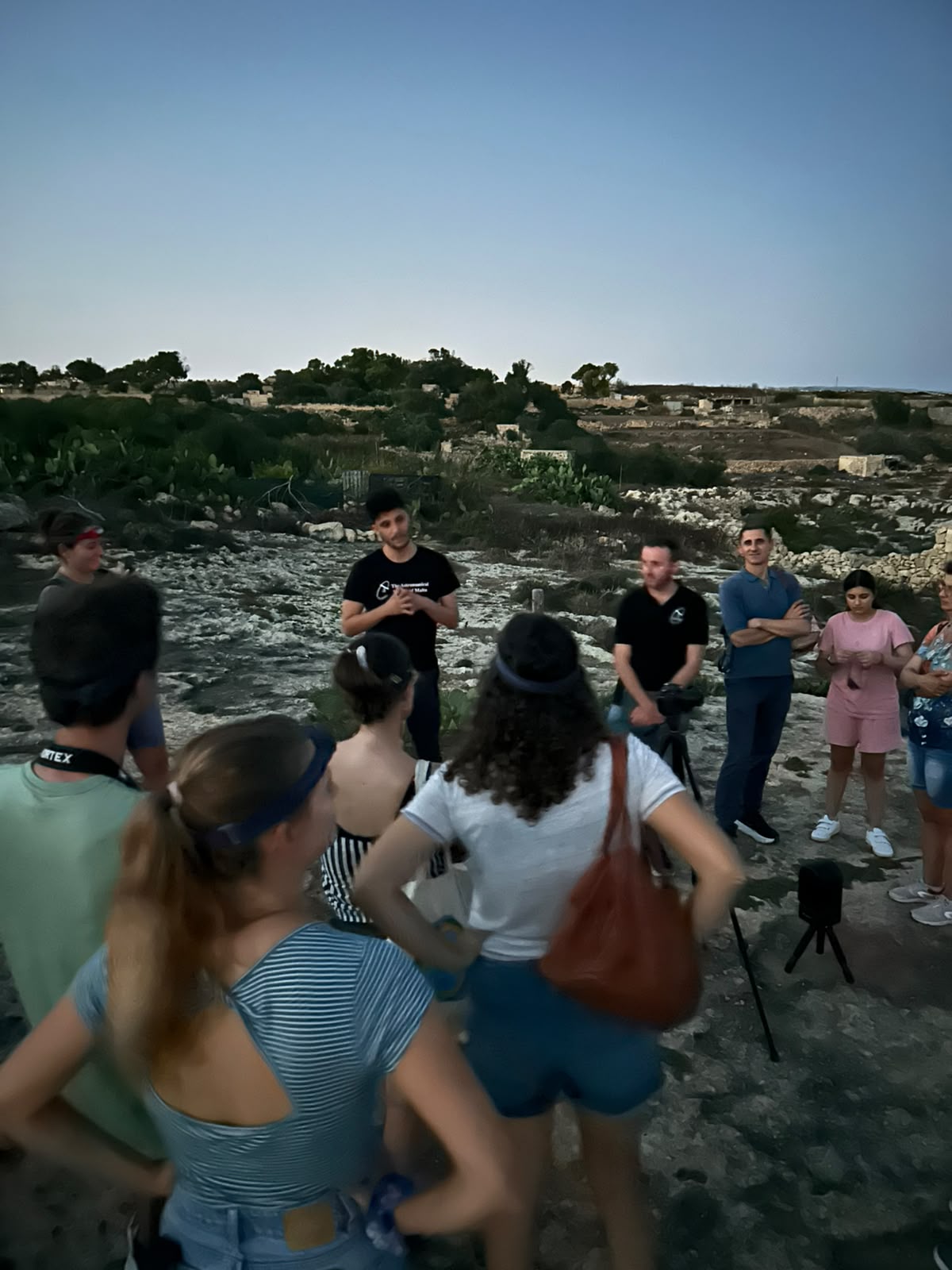
On 4 August, BirdLife Malta hosted an evening dedicated to House Martins and Scopoli’s Shearwaters, in partnership with APS Bank and the Astronomical Society of Malta. The chosen meeting point was an industrial area in the south of Malta, and at first it aroused some curiosity and confusion, but soon it made sense.
The evening opened with a search for House Martins nesting nearby, both natural and artificial. BirdLife Malta installed the artificial nests in this area specifically because natural mud, which the birds need to build their nests, is scarce on the island.
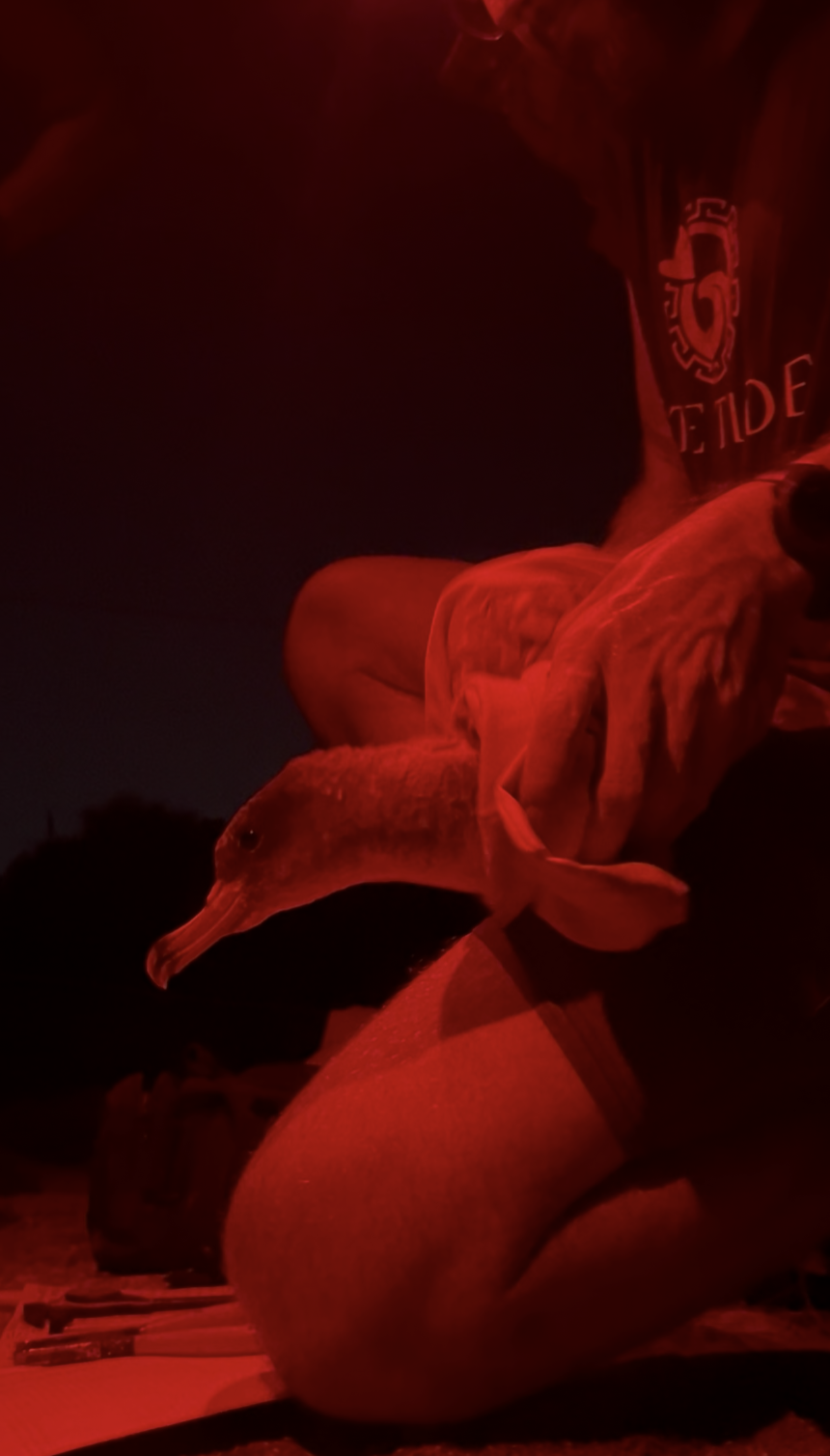
From there, the group moved to nearby cliffs to look and listen to Scopoli’s Shearwaters. The seabird team gave a close-up look at one bird as they fitted it with a leg ring, walking participants through the measurements taken for scientific research and sharing insights into these amazing seabirds.
As night fell, members of the Astronomical Society of Malta took over, guiding the group through the stars and galaxies overhead. It was the perfect conclusion to this event that managed to connect land, sea and sky.
by Silvia Viviani
by Annalisa Merici
by Annalisa Merici
Slay&Clay
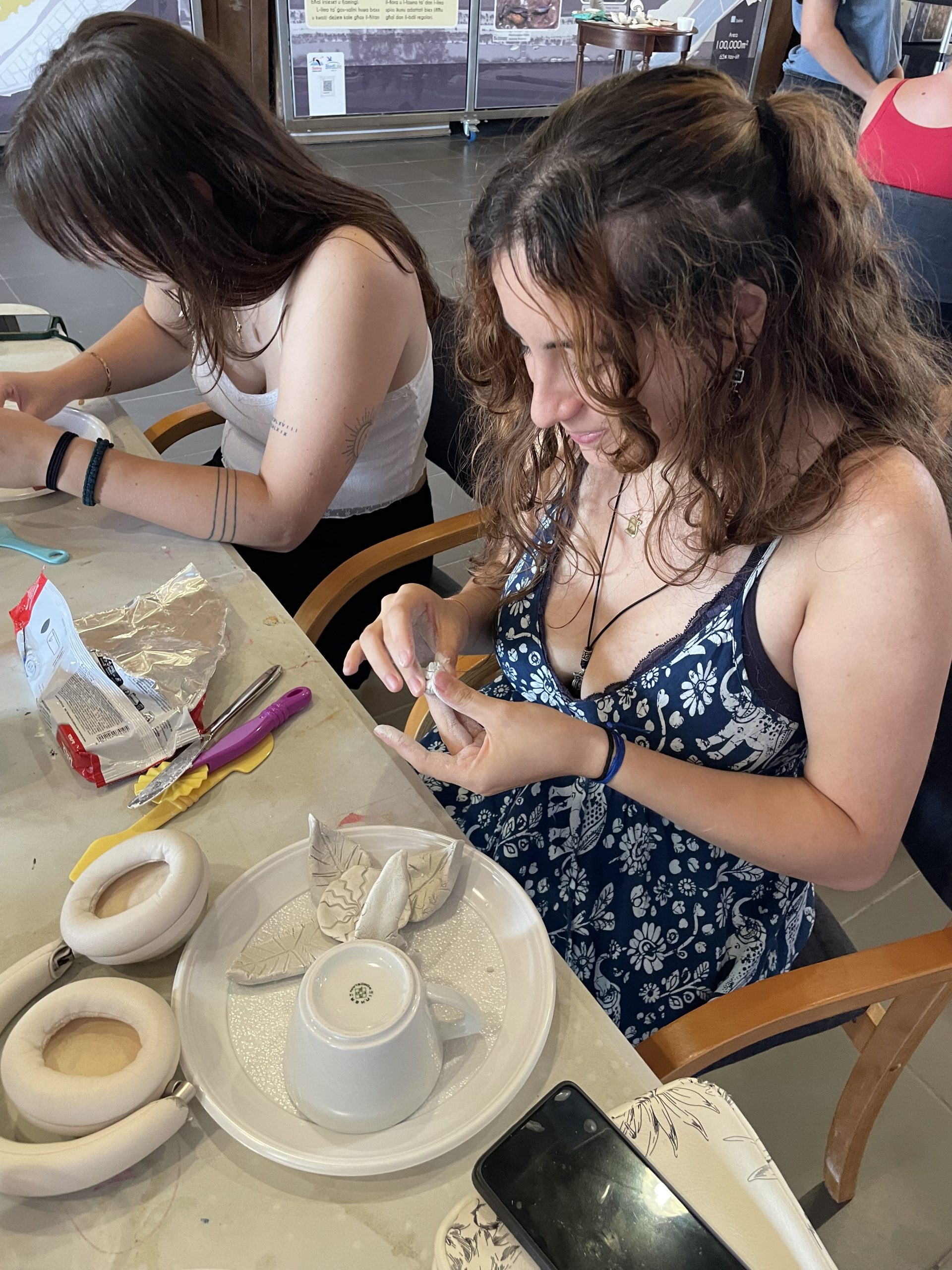
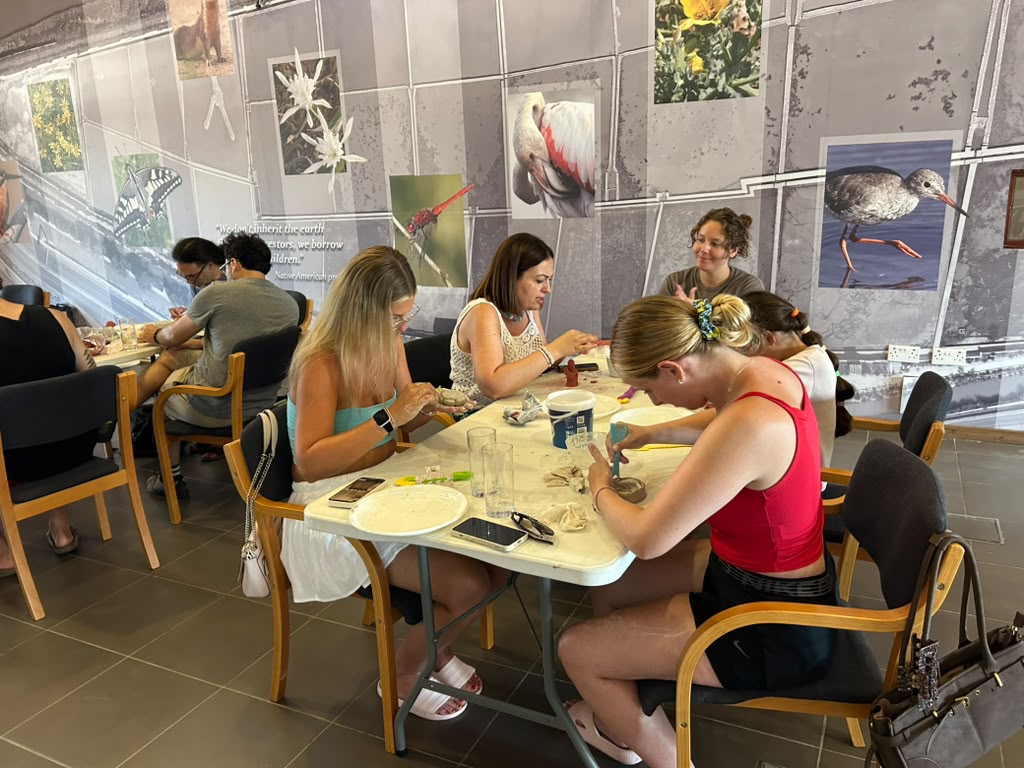
On 22 August, participants gathered at Salina Nature Reserve for a fun afternoon of crafting. Slay&Clay was organised by FALKO, BirdLife Malta’s youth group, as an engaging experience for art enthusiasts.
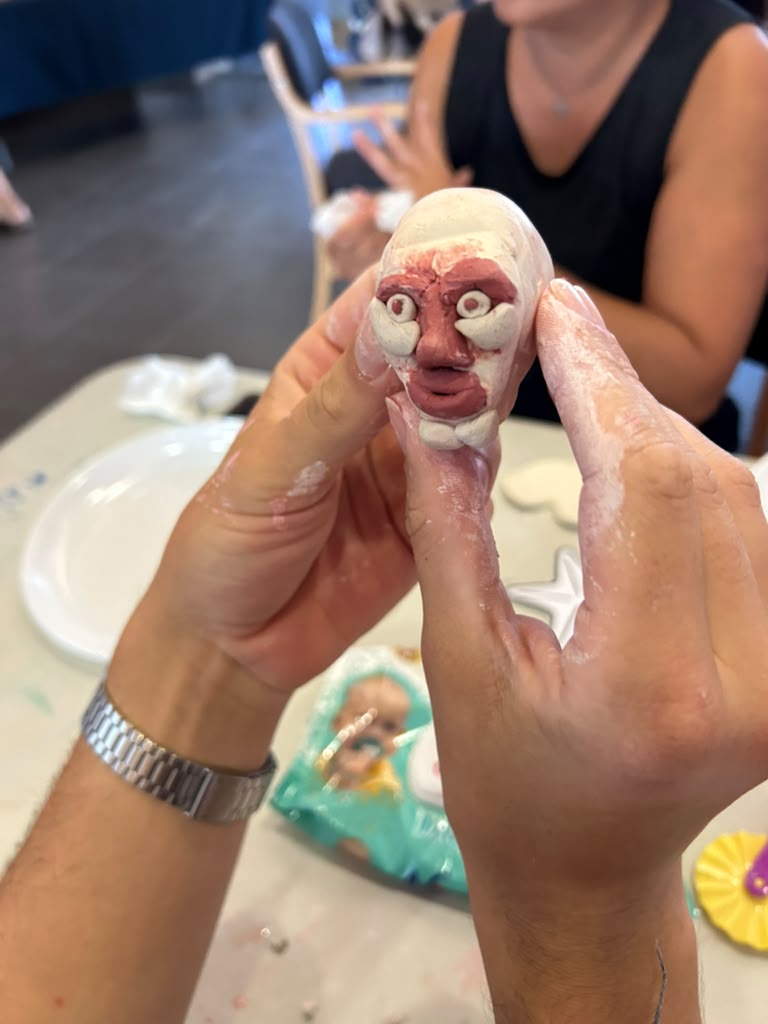
After a brief explanation about basic clay techniques, creativity was let loose, and people started experimenting with their hands and different sculpting tools.
The beginning was not as easy as expected: clay proved to be a challenging material. Nevertheless, the more people tried, the better the results they obtained.
In the end, everyone was able to create bowls, animals, and other interesting objects to take home. All their hard work was rewarded with snacks and drinks against the backdrop of sunlit saltpans.
by Giada Lampitelli
by Ola Zubrowicz
by Ola Zubrowicz
Credits
Text: David Attard, Justine Borg, Charles Coleiro, Anja Finke, Giulia Galvani, Manuel Mallia, Annalisa Merici, Stefano Miceli, Nimrod Mifsud, Vera Tokmakova, Lola Von Kietzell, Ola Zubrowicz
Editing: Angela Scorzoni