
On the Frontlines is our monthly newsletter section covering the activities of BirdLife Malta’s conservation, policy, nature reserve teams (Salina, Simar, Għadira and Foresta 2000), seabird and public engagement teams, together with an update about rare and scarce bird species observed.
Crowded July at the Rehabilitation Centre
July has been another busy month at BirdLife Malta’s Wildlife Rehabilitation Centre, with a particular focus on seabirds.
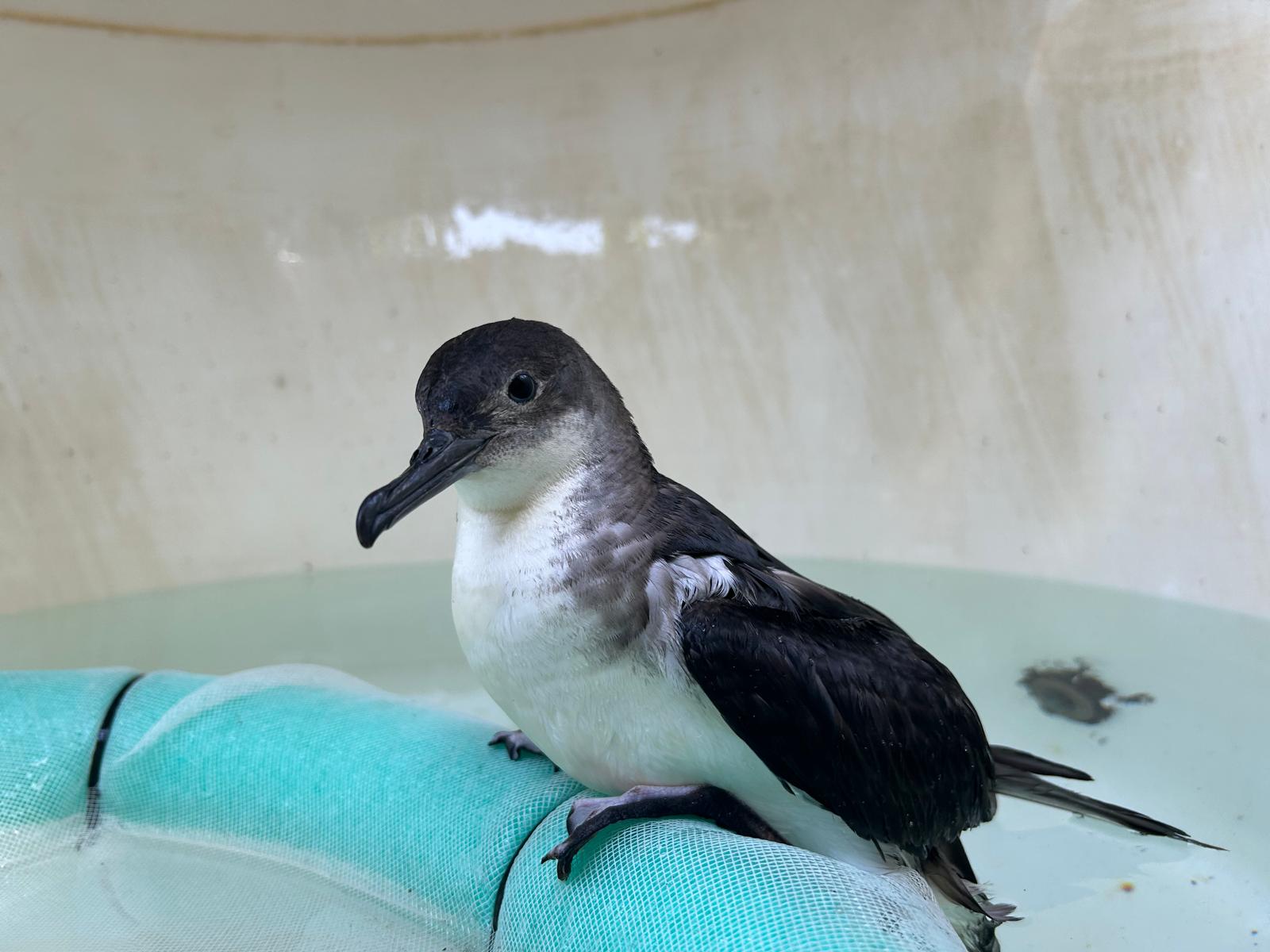
At the beginning of July, young Yelkouan Shearwaters leave their nests for the first time and make their way to sea. Unfortunately, many become disoriented by artificial lights at night and end up stranded on land instead of reaching the water. Throughout the month, we received numerous reports of stranded Yelkouan Shearwaters, as well as birds found weak at sea. After being rescued, each bird underwent a veterinary examination before starting rehabilitation. With proper nutrition and swimming training to rebuild their strength and restore the waterproofing of their feathers, these birds were successfully released back into the wild.
Another seabird admitted to our centre was an adult Scopoli’s Shearwater. The bird was found stranded and disoriented but, fortunately, had no significant injuries. After receiving rehydration, nutritional support, and a full health check, it recovered quickly and was released back into the wild.
During July, we also rescued and rehabilitated 10 Yellow-legged Gulls from locations across Malta, including Salina, Buġibba, Valletta, and Marsaskala. Most of these birds were found weak and stranded, suffering from enteritis. One gull, rescued in Buġibba, was examined by the Government Veterinarian and confirmed to have been illegally shot. All the gulls received supportive care, including rehydration, appropriate nutrition, and rehabilitation to regain their strength. Once they were fit and displaying normal behaviour, they were ringed and released in a suitable area.
Other birds admitted during the month included a Little Bittern and a Night Heron, both of which were found weak and underweight. Following rehabilitation, during which they regained weight and strength, they were released into one of BirdLife Malta’s nature reserves, providing them with a safe and suitable habitat.
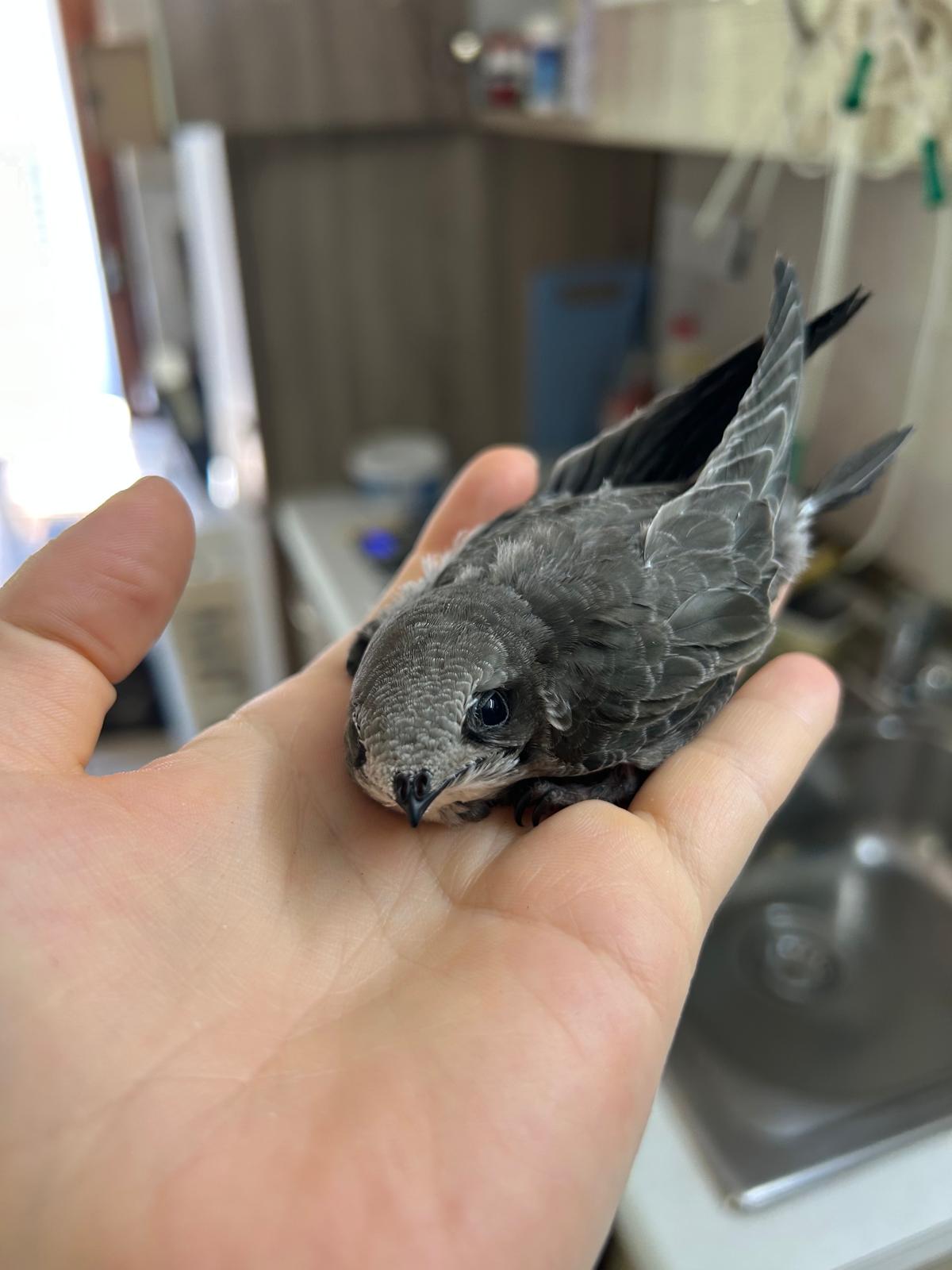
Several swifts also passed through the rehabilitation centre. Most of the juveniles were affected by the intense heat, while the adults had been found stranded. Their rehabilitation included proper feeding, hydration, and vitamin supplementation. Once they successfully passed flight assessments, they were released back into the wild.
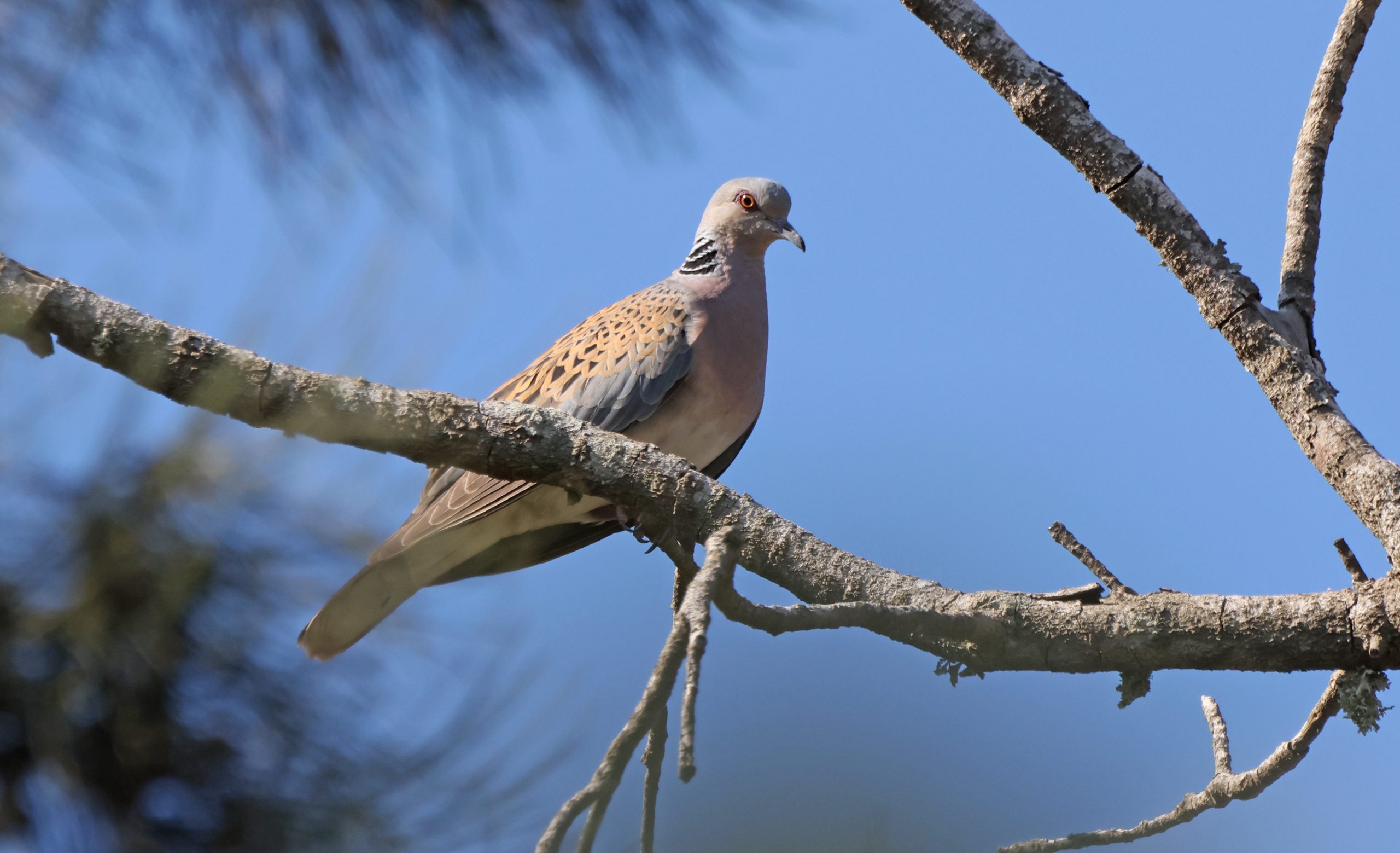
Two further patients completed their rehabilitation this month: a juvenile Turtle-dove that had been attacked by a cat, and a Spanish Sparrow rescued from a glue trap. Both birds received specialised treatment according to their injuries and were successfully released in a suitable area.
by Anja Finke
by Anja Finke
€3,000 fines and lifetime hunting and trapping bans for wildlife offences
Three successful prosecutions based on evidence gathered by BirdLife Malta’s Conservation team have resulted in significant penalties, including €3,000 fines and lifetime hunting and trapping bans.
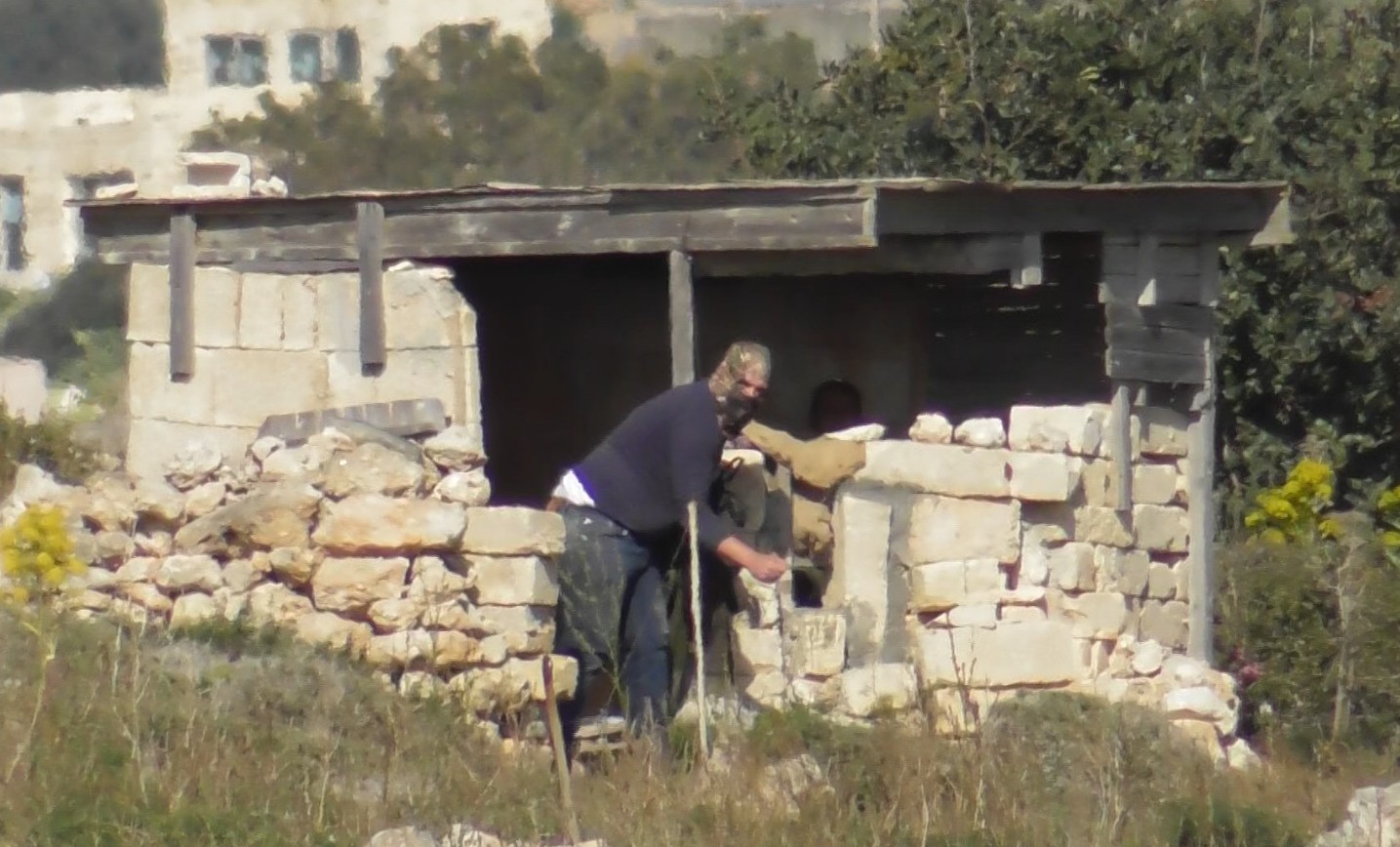
In the first case, two trappers on the same site were caught illegally trapping finches during the closed season in Fomm ir-Riħ in March 2025. Our Conservation team heard electronic finch callers and saw live decoy birds in cages placed on the ground beside active clap nets. Although the offenders managed to leave the area before the police arrived, one of whom fled the scene wearing a camouflaged balaclava, the evidence obtained by BirdLife Malta and subsequently passed on to the police enabled them to be identified, prosecuted, and convicted. One of the trappers was fined €3,000 and banned from trapping for life, whilst the other received a €1,800 fine and a three-year ban from holding a trapping licence.
In a separate case, a hunter was caught in Żejtun before the spring hunting season had officially opened in April 2025. Our team found him waiting in a hunting hide with a shotgun, using typical Turtle-dove hunting methods, including rattling cans suspended from trees to flush out any birds from the foliage. He was fined €3,000 and received a lifetime hunting ban.
These convictions demonstrate the impact of effective field monitoring and evidence gathering in bringing wildlife offenders to justice. While the vast majority of people respect the law, these cases serve as an important reminder that illegal hunting and trapping will not go unnoticed, helping to safeguard Malta’s wildlife and ensuring everyone can enjoy the countryside in peace during the closed seasons.
BirdLife Malta Archive
by Aron Tanti
Fundraising event for BirdLife Malta
During this year’s Spring Watch, we were joined by a group of international volunteers who came to Malta to support our Conservation team with their hunting monitoring fieldwork.
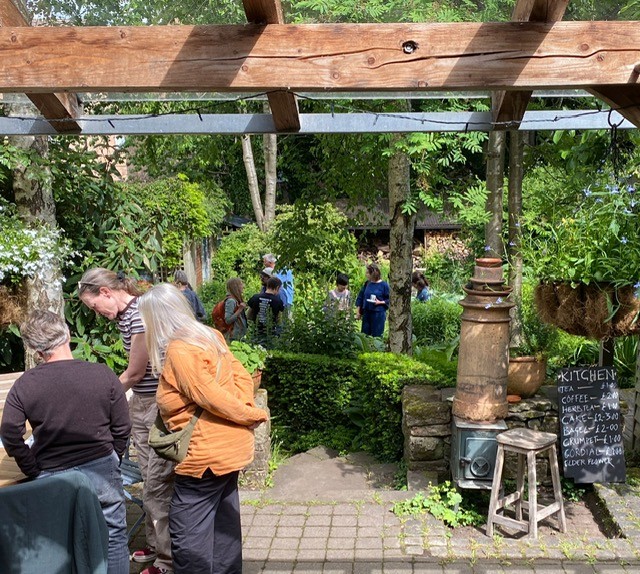
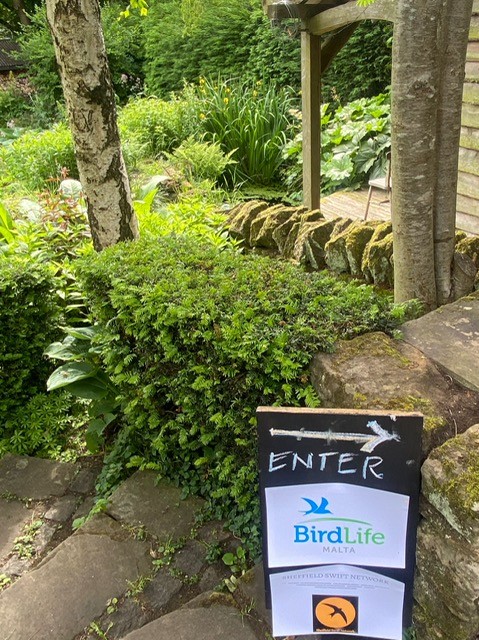
Among them was a married couple from the UK who left feeling so inspired by the dedication and impact of our team’s work that they recently organised a fundraising event in their own garden. The event raised funds for BirdLife Malta, as well as for another cause close to their hearts, the Sheffield Swift Network.
Thanks to the generosity of everyone who attended and donated, they raised an incredible £350 for each charity – a fantastic achievement!
BirdLife Malta would like to extend a heartfelt thank you to our volunteers for organising such a thoughtful event, and to everyone who supported their chosen charities through their generous donations.
BirdLife Malta Archive
BirdLife Malta Archive
Rabbit Hunting Season – have you seen anything suspicious?
The rabbit hunting season is currently open until 31st December, and with it comes an increased risk of illegal bird hunting, as some hunters will use the open season as an excuse to target birds.
If you see any suspicious activity, such as hunters by coastal areas, plastic bird decoys, the sounds of electronic callers, or hear gunshots in unexpected places, please report it. If it’s safe to do so, take photos or videos and note the location.
You can report (anonymously if preferred) to the Environmental Protection Unit (EPU) on 119, or contact BirdLife Malta on 2134 7645 (office hours) or 7925 5697 (outside office hours).
Your vigilance can help protect Malta’s wildlife.
30-year-old Scopoli’s shearwater returns to Malta
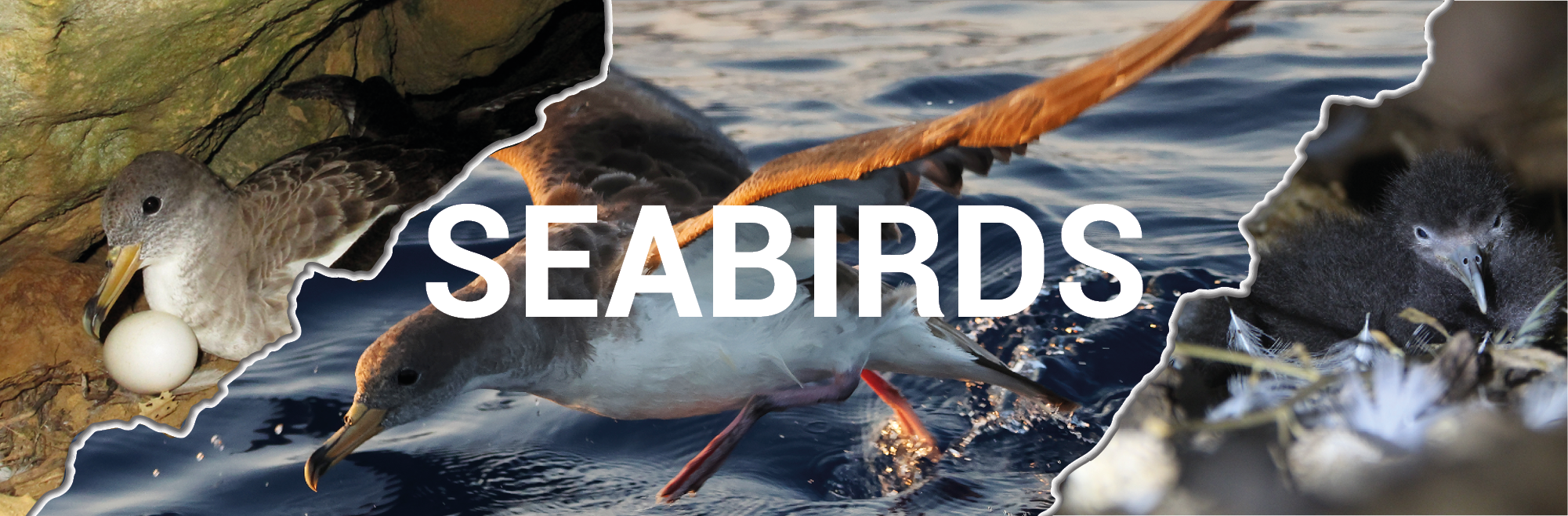
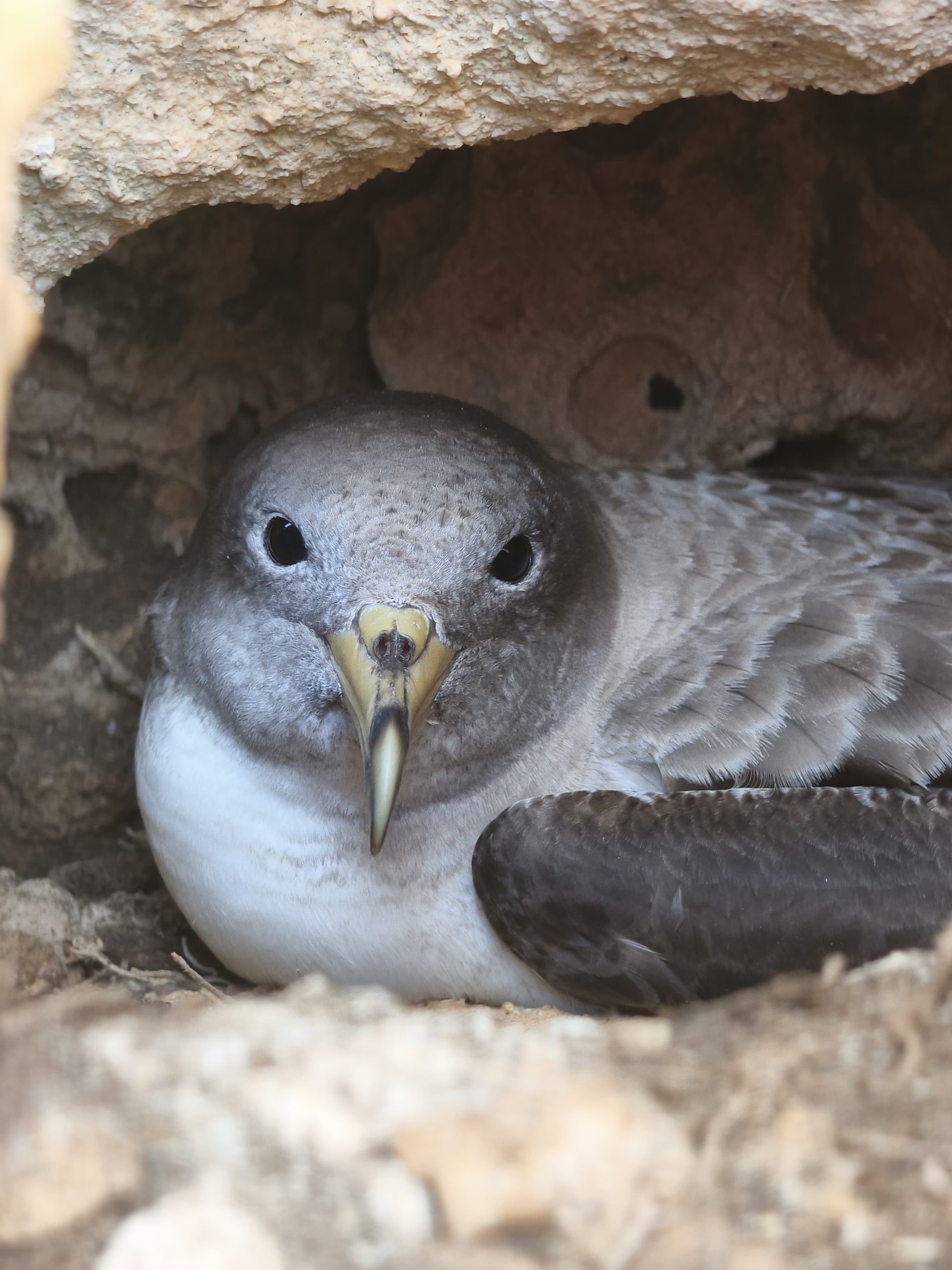
This month brought a special surprise for the seabird team when we recaptured a Scopoli’s Shearwater ringed in 1996 as a chick. At an impressive 30 years old, this individual is among the oldest recorded Scopoli’s shearwaters in Malta. The bird was captured at a colony on the islet of Filfla as part of our ongoing monitoring and biosecurity efforts for the LIFE Tetide project. In fact, this is the same site where it was first ringed, a common phenomenon for shearwaters as they exhibit natal philopatry – returning to their birthplace to breed. Moments like this are a great opportunity to reflect on the importance of bird ringing. Each ring carries a unique identification number, allowing us to recognise individual birds and track their movements and longevity. We wish this veteran shearwater many more safe trips to the open sea, and hope to see it again in years to come!
by Ricardo Fernandes
Seabird stall at SaltFest 2026
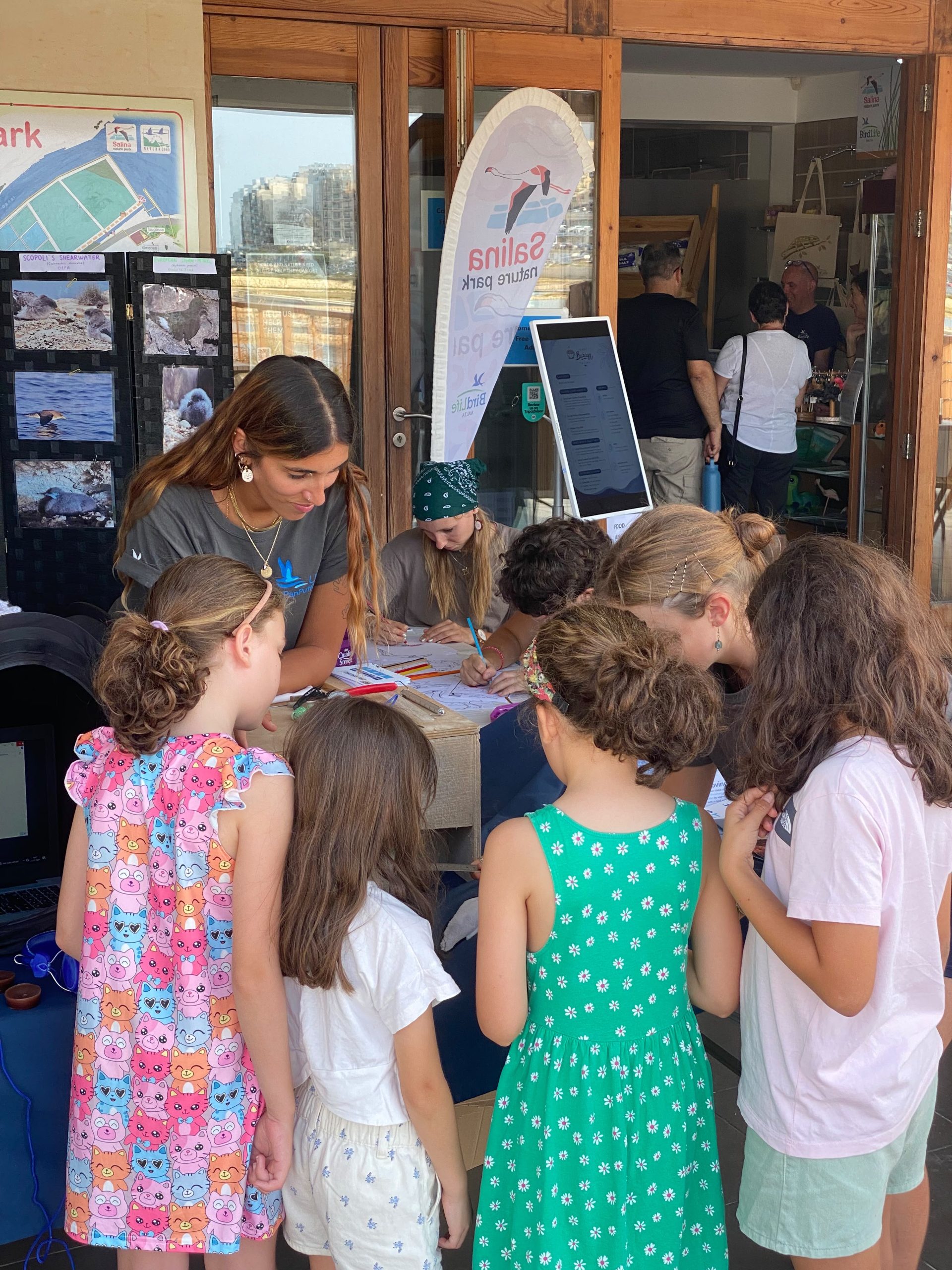
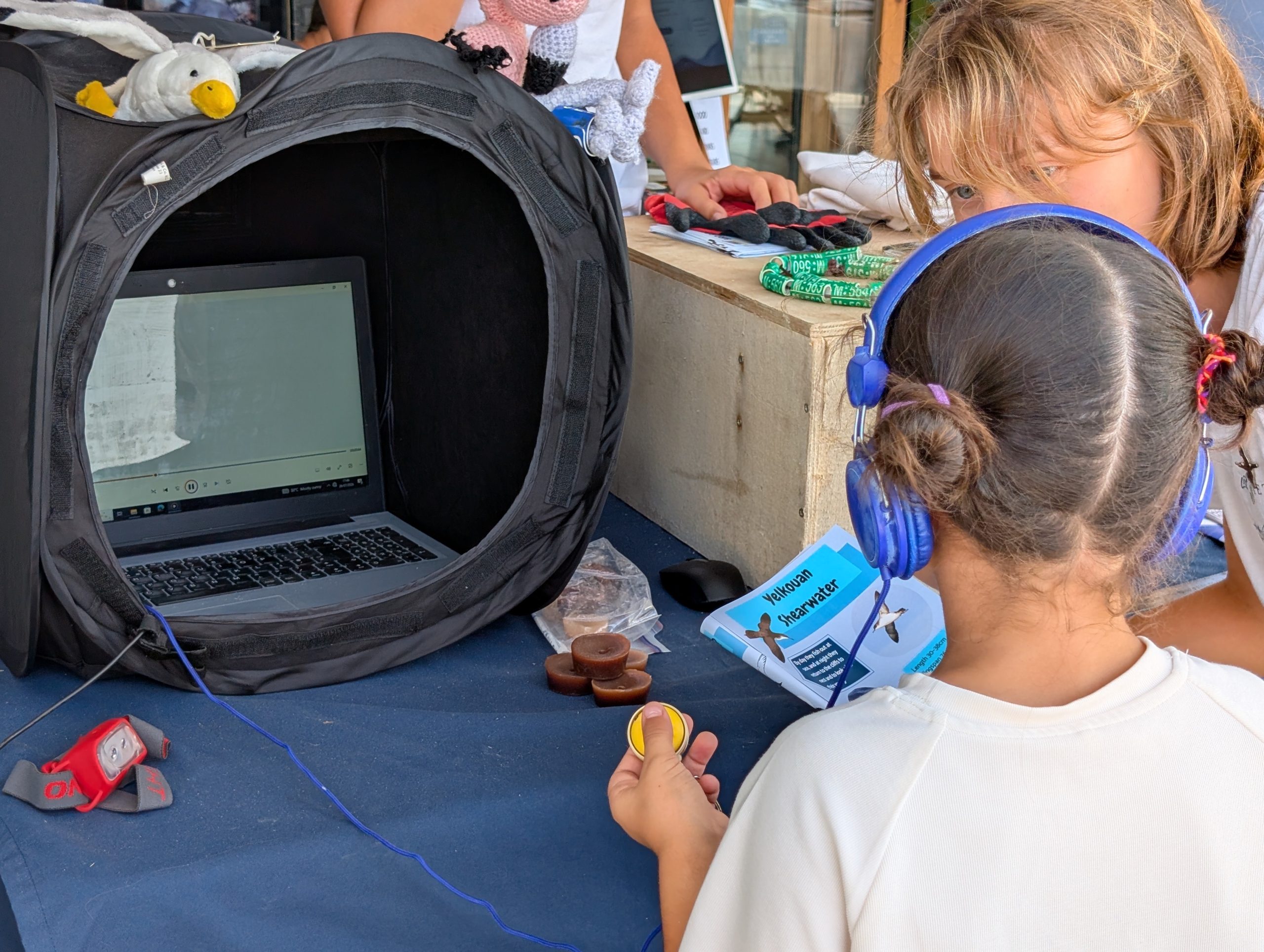
With seabird breeding season in full swing, we enjoyed stepping out of our fieldwork clothes and showcasing our work at the annual SaltFest in Salina Nature Reserve. Visitors of all ages had the opportunity to listen to shearwater vocalisations, participate in a bird ringing tutorial and learn about the threats faced by seabirds on Malta. Thanks to everyone who stopped by our stall despite the blazing July heat – we hope we opened your eyes, ears and hearts to the wonderful seabirds we share this island with!
by Cristina Alonso
by Vera Tomakova
Waving goodbye to the Yelkouan shearwaters of 2026
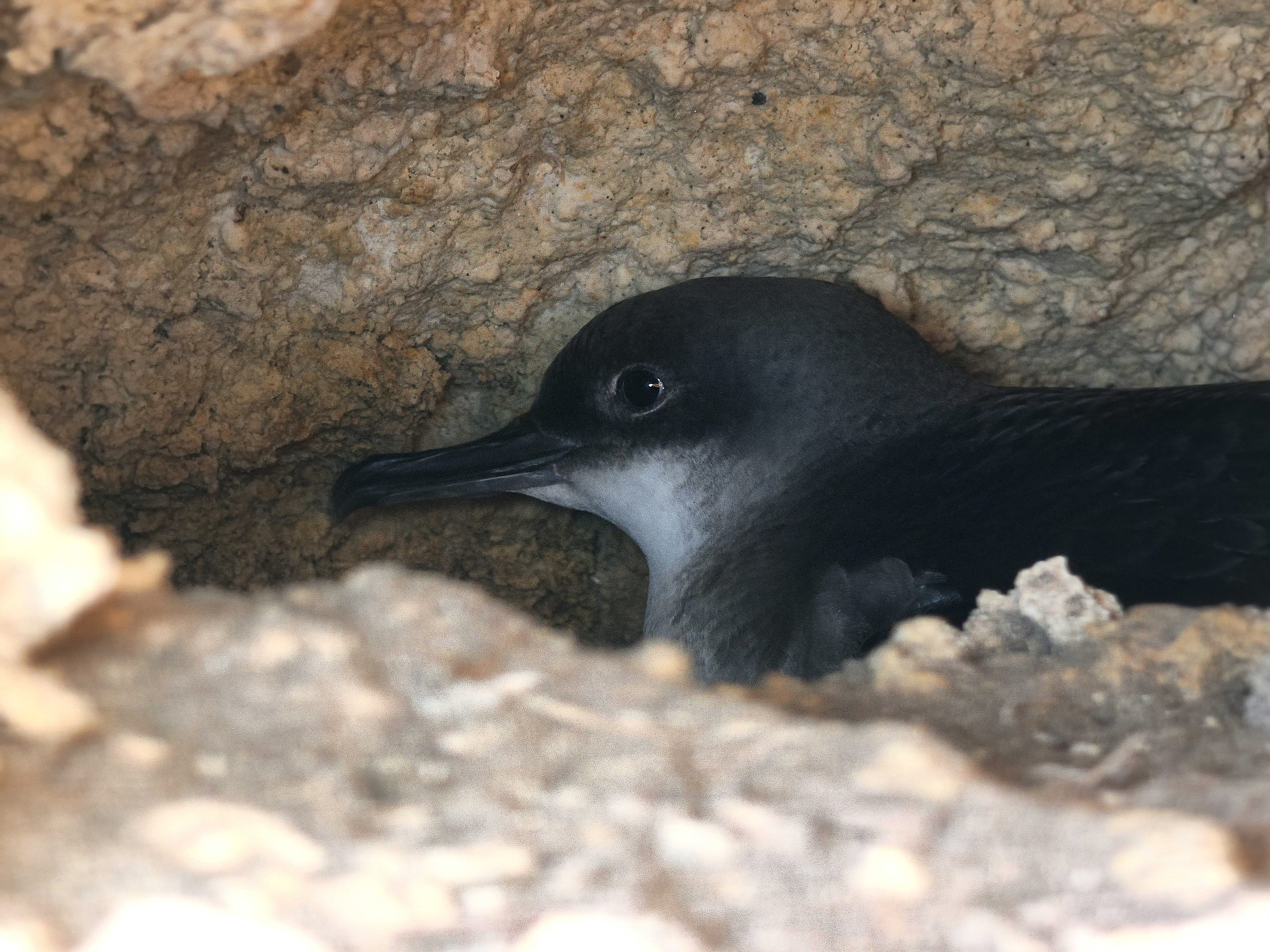
As July draws to a close, the last Yelkouan Shearwater fledglings are leaving the nest and departing for open waters. With that, the team could begin the annual assessment of their breeding success. Thanks to the successful control of invasive rodent predators, nestlings were given the best chance possible during their first months, with breeding success ranging between 59% and 72% for colonies where rodent control was completed. However, factors such as light pollution and parents struggling to find food likely contributed to the reduced breeding success observed in some colonies. Following damage caused by Storm Harry in January, we also recorded a lower number of occupied nests compared to previous years. Monitoring these data over time provides invaluable insight into the long-term population trends of these threatened seabirds.
For now, we wave goodbye to the Yelkouan shearwaters of this breeding season, and look forward to welcoming them back to their colonies in spring.
by Ricardo Fernandes
Follow our LIFE PanPuffinus! project on our website and social media!

BirdLife Malta objects to large-scale solar farm proposal in Ta’ Kuljat, Gozo
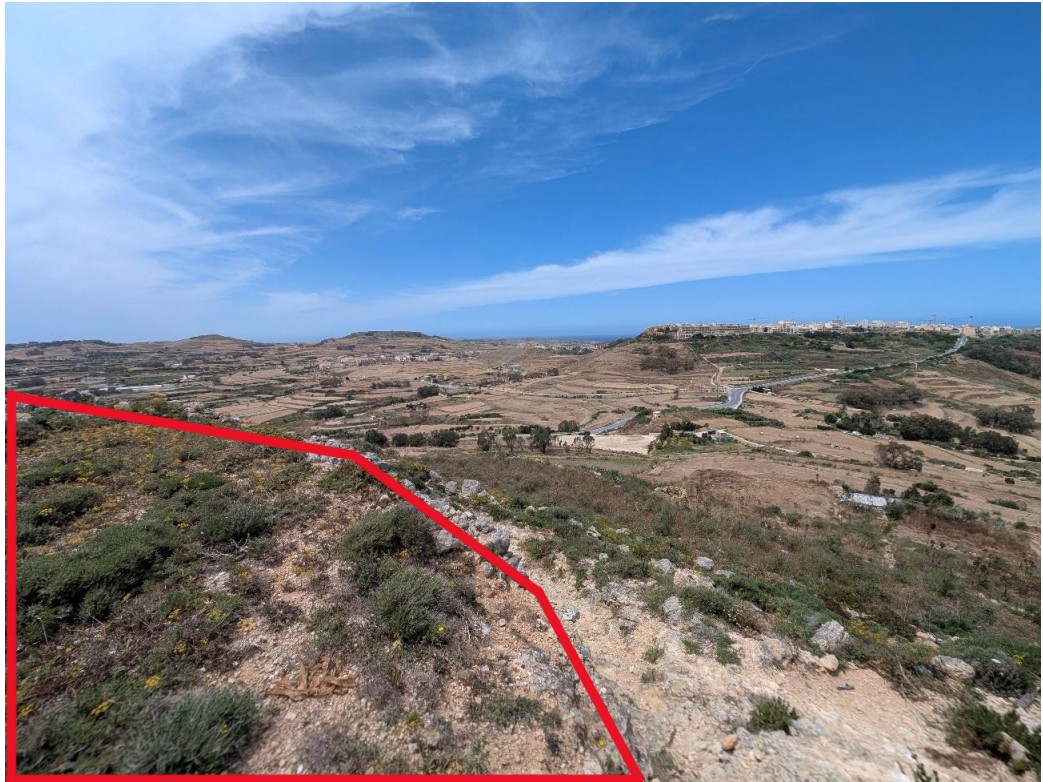
BirdLife Malta has submitted a formal objection to PA/03747/26, a proposal for a solar farm and associated infrastructure covering approximately 27,360m² of pristine garrigue at Ta’ Kuljat, Żebbuġ, Gozo.
While Malta urgently needs more renewable energy, this transition must be achieved responsibly, by prioritising rooftops, industrial areas, quarries, and other already developed sites, rather than sacrificing ecologically valuable countryside.
The proposed development conflicts with the Solar Farms Policy (2021), the Gozo and Comino Local Plan, and the Strategic Plan for the Environment and Development (SPED). The site is located within an ODZ area, consists of a garrigue ecosystem, and lies within a landscape recognised for its ecological value.
Renewable energy should not come at the expense of Malta and Gozo’s most precious natural spaces. In our objection, we called on the Planning Authority to reject this inappropriate development and ensure that solar energy expansion follows sustainable planning principles, including locations considered suitable for solar farm development within the Solar Farms Policy.
Read our full objection here.
Feedback to First Update of Malta’s National Air Pollution Control Programme
BirdLife Malta provided feedback on the first update of Malta’s National Air Pollution Control Programme (NAPCP), focusing on the shipping sector given our ongoing participation in a network of NGOs addressing air pollution from ships. Shipping remains a major source of harmful air pollutants, including sulphur oxides, nitrogen oxides and fine particulate matter, affecting public health and coastal communities. We therefore urged the authorities to adopt more ambitious measures to address emissions from this sector.
We urged the authorities to accelerate the electrification of ferry services, noting that stronger measures have not been proposed despite growing ferry connectivity. We also stressed the need to expand and enforce on-shore power supply (OPS), so ships can switch off engines while berthed. Although shore-side electricity infrastructure exists, its utilisation remains very limited: port residents have consistently reported that most cruise ships continue running their engines while berthed.
We further stressed the need to improve air quality monitoring in communities most affected by shipping emissions, such as Bormla and Isla, calling for a more comprehensive monitoring network beyond the five existing stations.
Finally, we called for a ban on scrubber wash water discharges, which transfer pollution from air to sea, and for Malta to support the IMO Net-Zero Framework and a Mediterranean Nitrogen Emission Control Area (NECA).
Online Workshop on Ecological Restoration
BirdLife Malta has successfully completed another phase of the project Restore Nature – Secure a Strong National Restoration Plan to Bring Back Nature in Malta, funded by BirdLife International and the Oak Foundation. One of the project’s primary objectives is to strengthen the capacity of NGOs and public entities to play an effective role in the implementation of Malta’s National Nature Restoration Plan. A draft of these plans must be submitted by 1 September 2026, as required under the EU Nature Restoration Regulation.
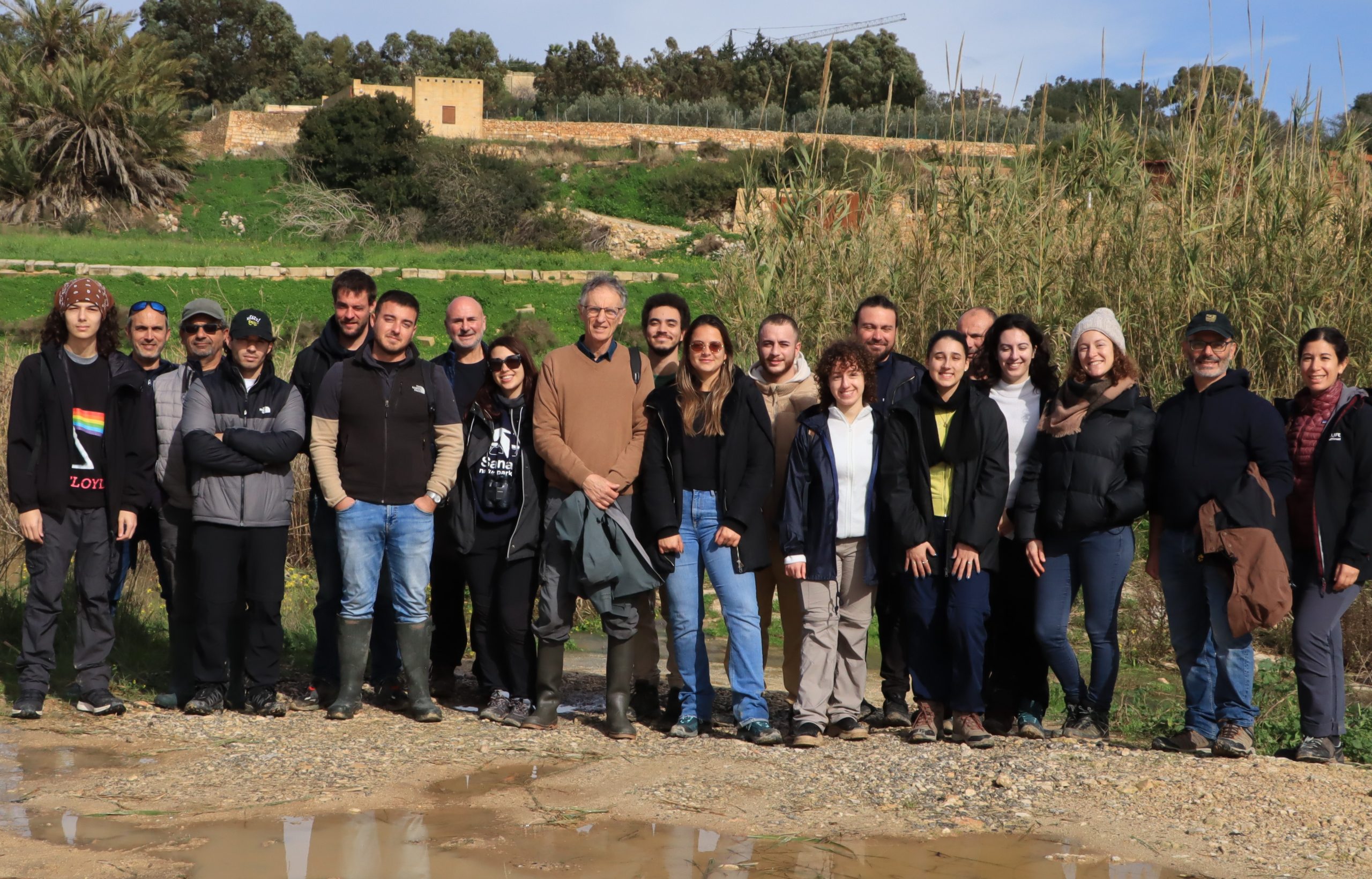
The online workshop was led by BirdLife Malta and Patrick Grillas, a wetland ecologist from Tour du Valat. It brought together 19 participants, including representatives from the Environment and Resources Authority (ERA), the Energy and Water Agency, PhD students from the University of Malta, and environmental NGOs such as Nature Trust Malta and Majjistral Nature and History Park.
Building on the success of the in-person training held between 19 and 22 January 2026, the workshop revisited the Standards of Practice for Planning and Implementing Ecological Restoration Projects, developed by the Society for Ecological Restoration, while exploring, in greater depth, the principles and best practices for stakeholder engagement in restoration initiatives.
The workshop also featured a guest presentation by Nikolaos Tsiopelas from the Hellenic Ornithological Society (BirdLife Greece), who shared insights from a large-scale seascape and wetland restoration project on the Greek island of Lemnos. Participants also received an update from ERA on the progress of Malta’s National Nature Restoration Plan, followed by an open discussion that allowed attendees to raise questions and exchange views with the authority.
The workshop concluded with collaborative discussions on the feasibility of developing restoration plans for priority sites across Malta, with a particular focus on wetlands and marine ecosystems. These discussions will continue as part of the project’s ongoing efforts to support the implementation of the National Nature Restoration Plan.
BirdLife Malta Archive
Salina Nature Reserve
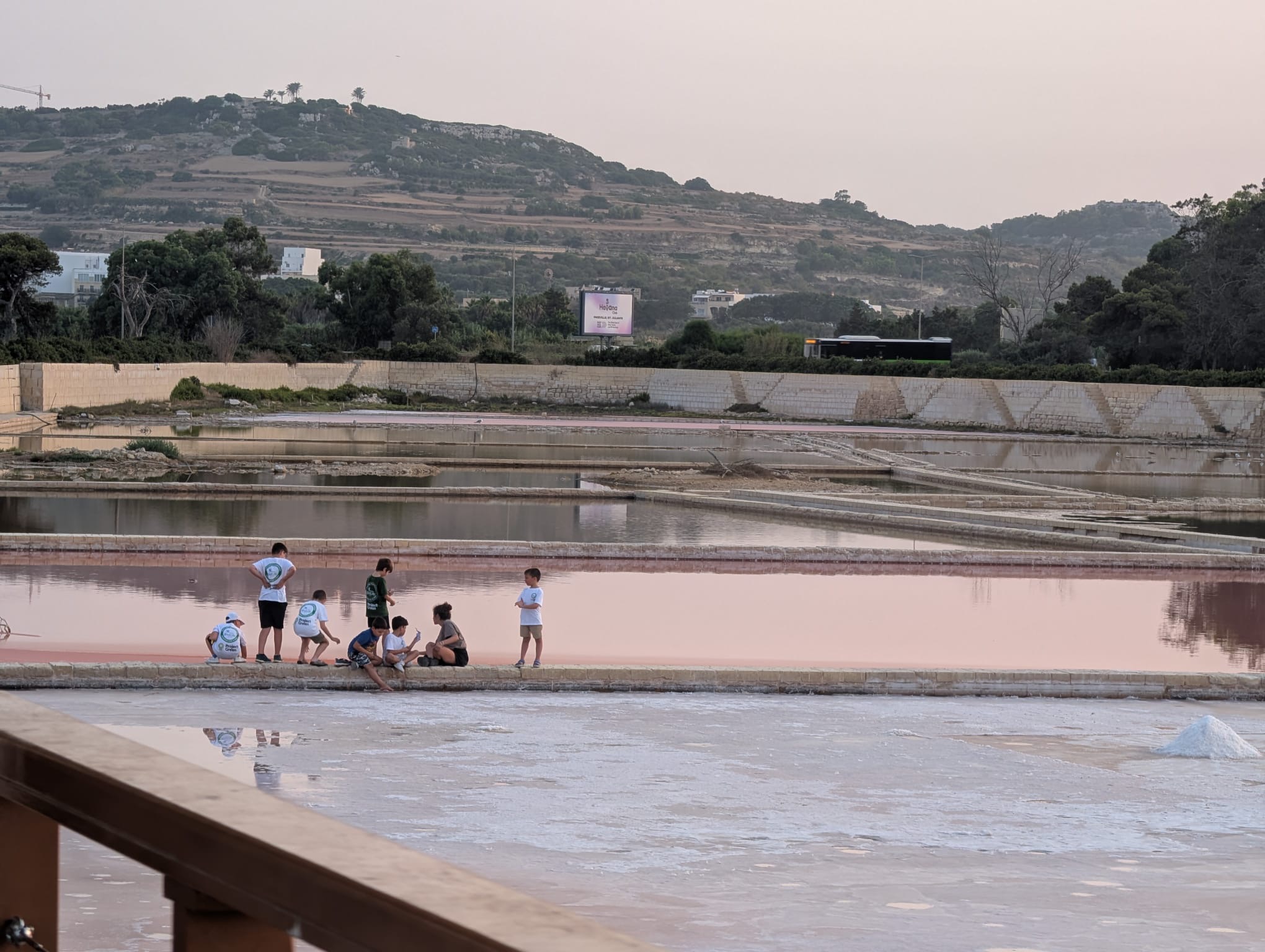
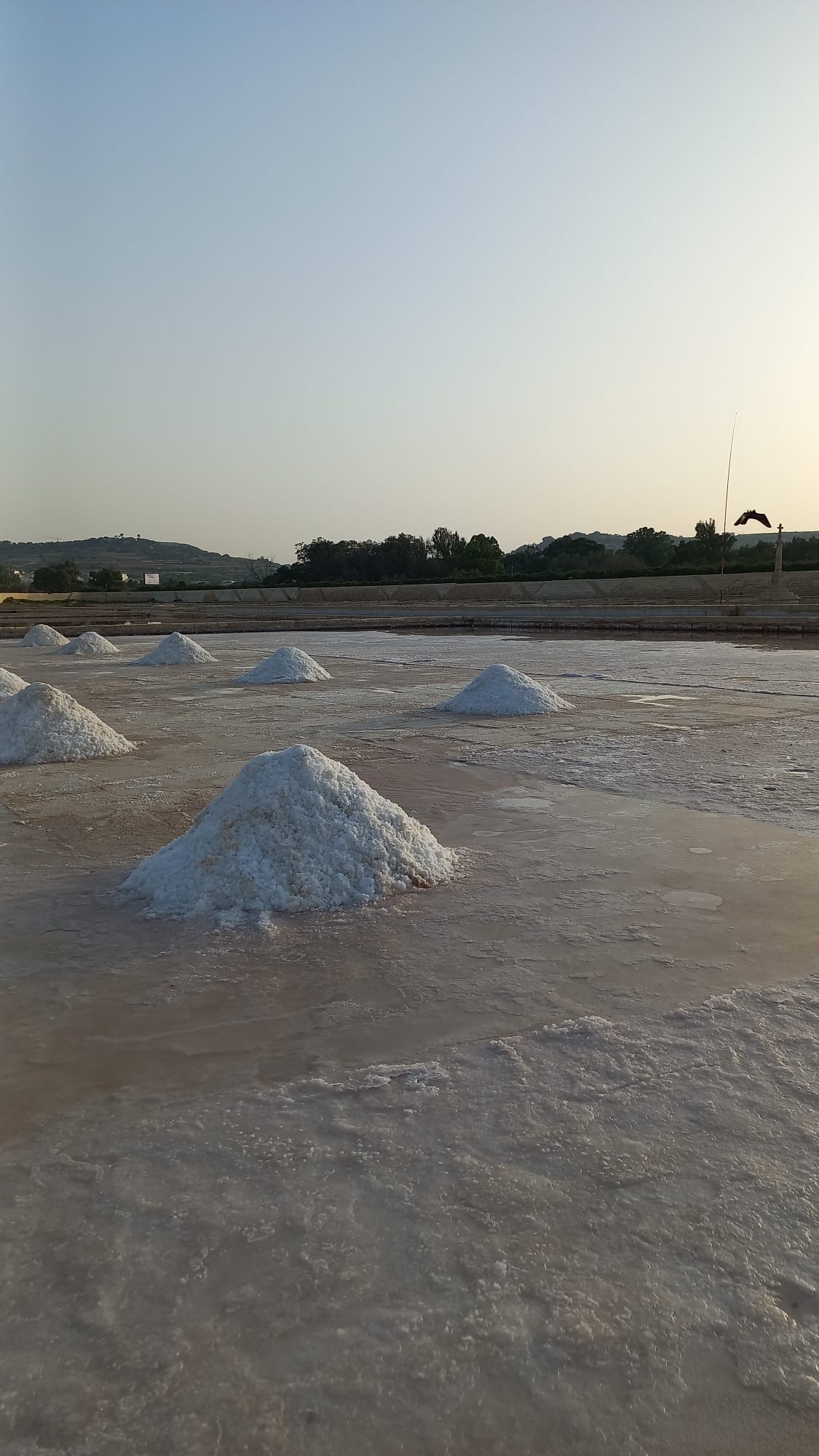
July has arrived, and the Salina Nature Park has transformed, turning beautifully white as we enter the traditional salt harvest season. After nearly four months of anticipation, the end of July finally brought the moment we were all waiting for. Thanks to the hard work of our dedicated staff and ESC volunteers, we successfully harvested a fantastic quantity of salt.
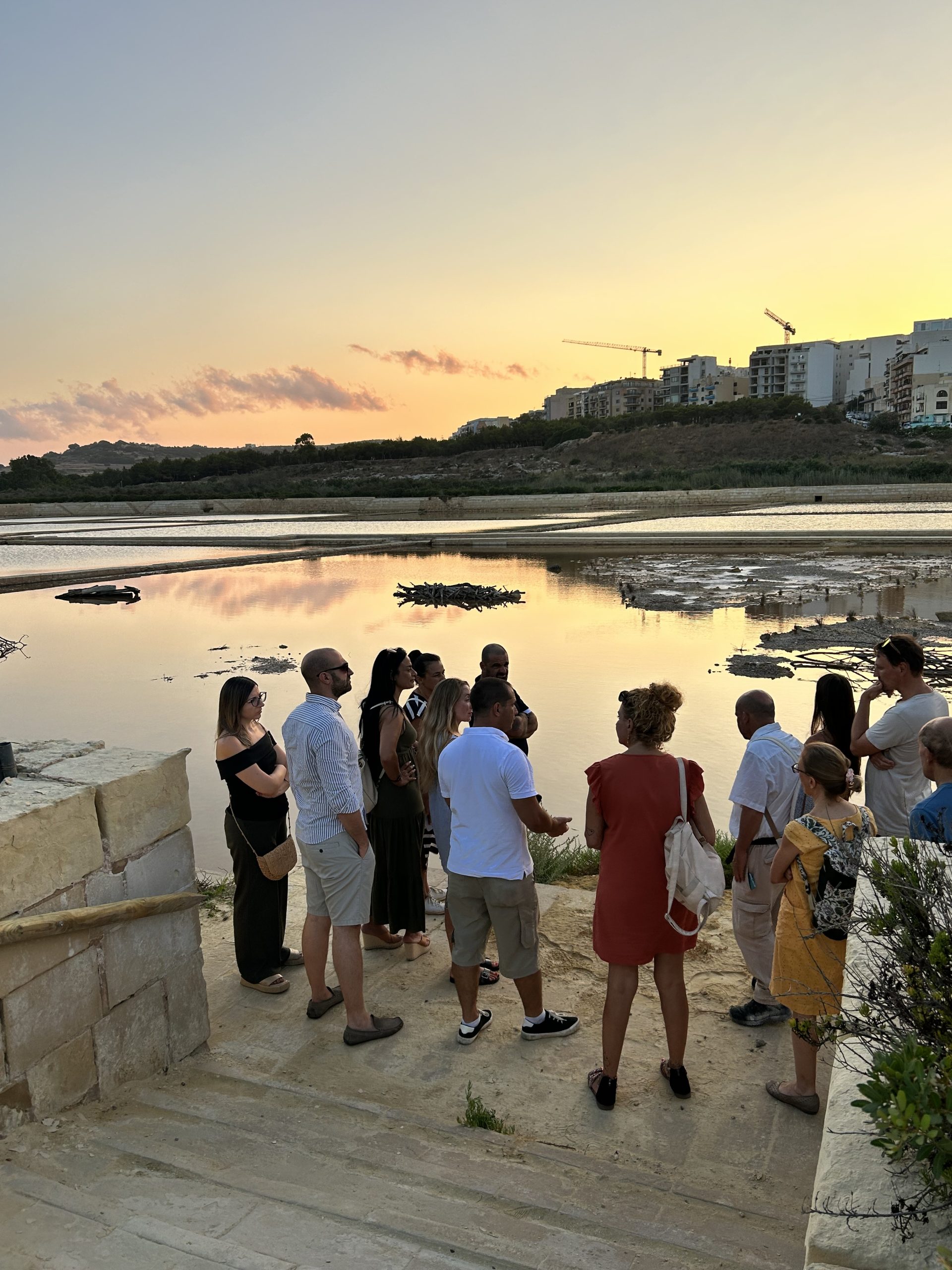
Salt holds a very special place in our hearts, which is why we celebrate it every year with our signature Salt Fest. This year’s event was a success, welcoming numerous visitors who thoroughly enjoyed the experience. Guests had the unique opportunity to tour our stunning salt pans guided by our fantastic staff, who turned into exceptional tour guides for the occasion, allowing everyone to witness and enjoy the breathtaking golden hours at Salina.
Alongside our human guests, the park welcomed some incredible migratory birds flying in from the far north. We spotted several waders, including Green Sandpipers and Wood Sandpipers. During the evenings, Squacco Herons and Night Herons made their appearance.
To make things even more exciting, on July 26th, our staff spotted the very first Common Kingfisher of the season!
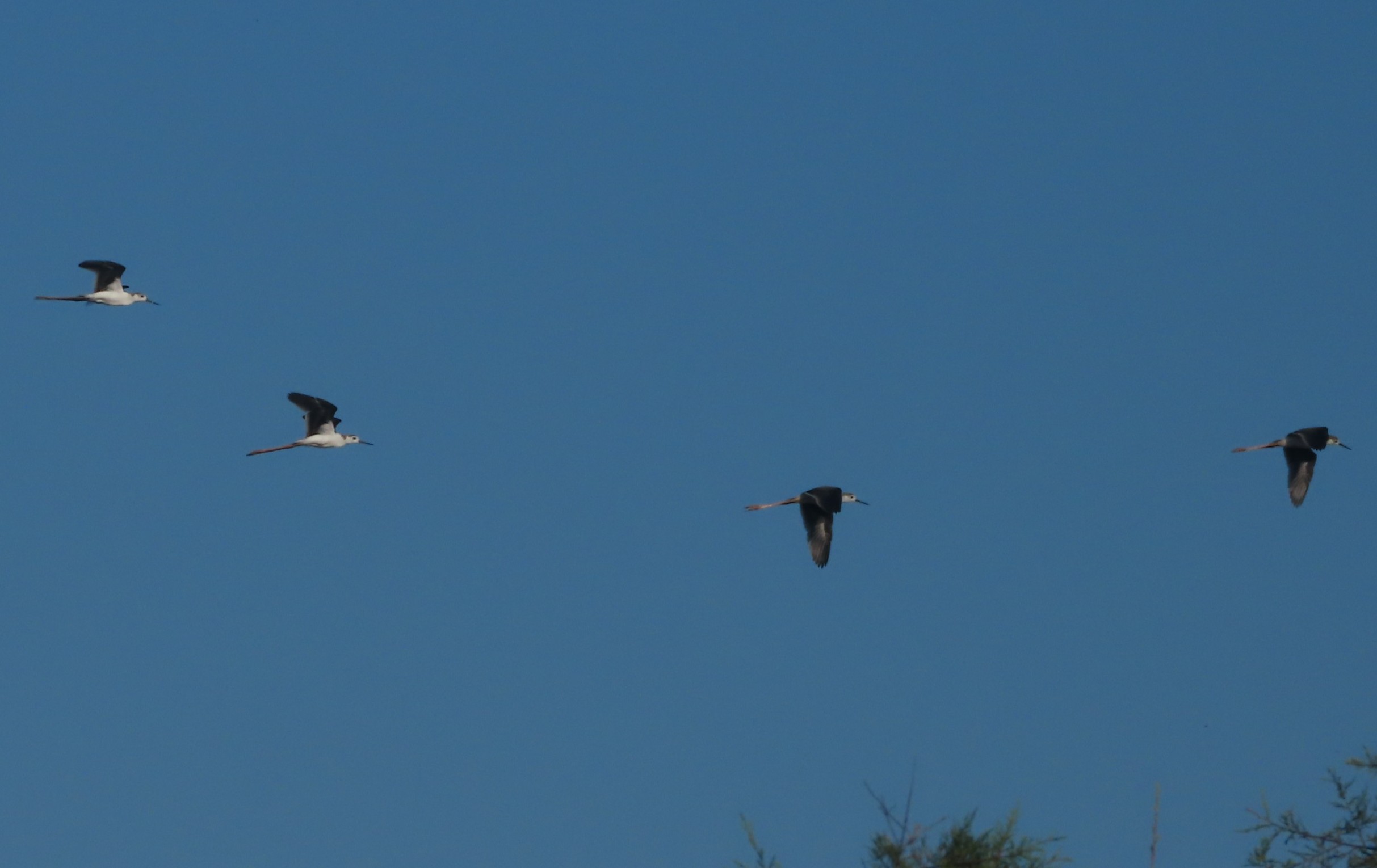
We were also visited by a lovely couple of Black-winged Stilts, some Little Ringed Plovers, and a flock of Garganey ducks flying over the pans. It seems no one wanted to miss Salina this month! We were thrilled to host visitors from all over Europe who came to enjoy the peace and beauty of our nature park.
Our staff remains fully committed to protecting, maintaining, and keeping this amazing place in the most beautiful way possible.
by Vera Tokmakova
by Iñaki Leunda
by Sara Melfi
Għadira Nature Reserve
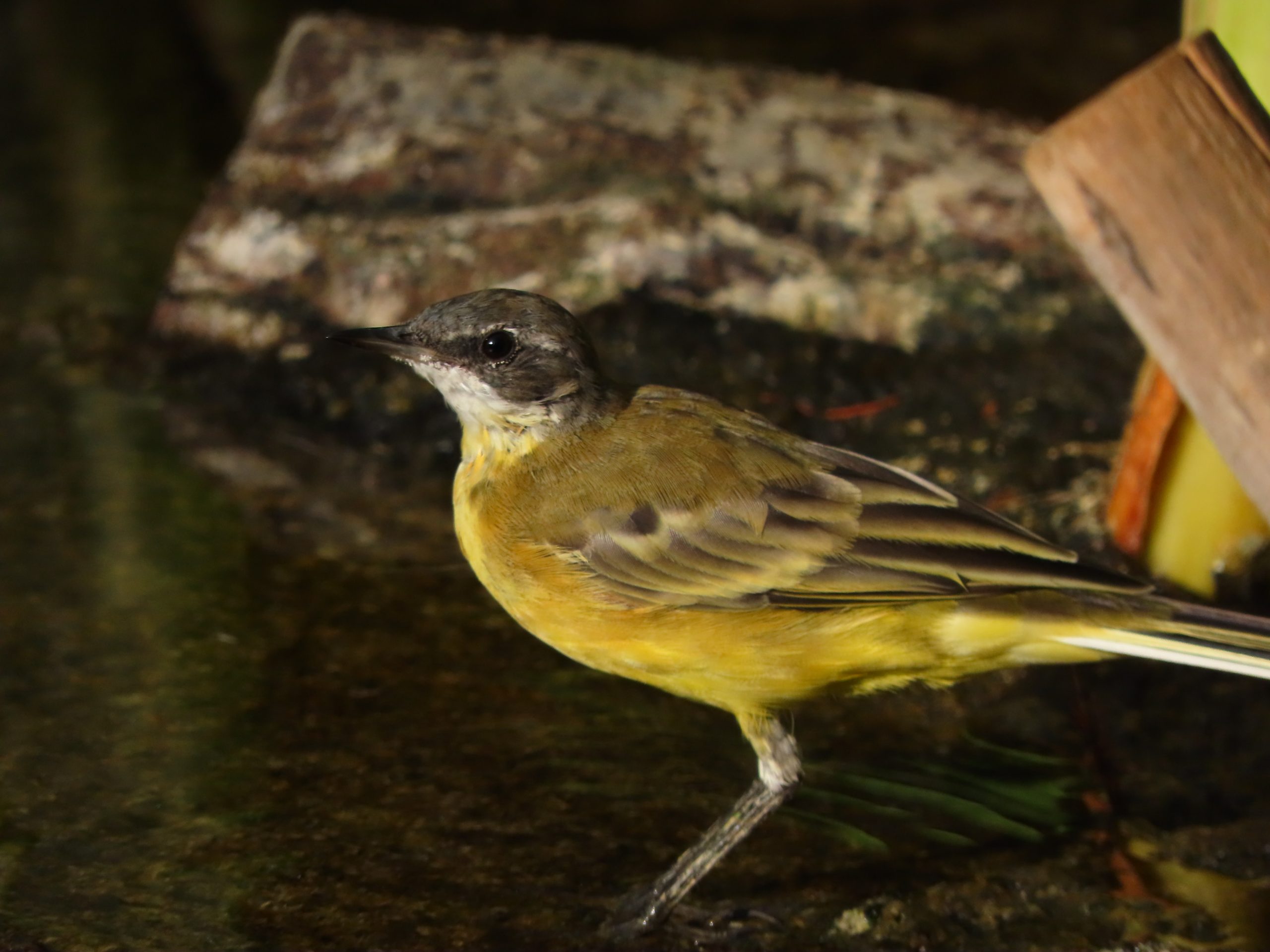
Southbound migration of wader species was very evident during July, with a variety of species present daily at Għadira. Little Stints, Green, Common and Wood Sandpipers, Common Greenshanks and Curlew Sandpipers were most recorded. Small numbers of Temminck’s Stint were also recorded, and an exceptional flock of 64 Wood Sandpipers was the largest flock recorded. The first Grey herons were seen at the end of the month, while the first passerines to show up were Subalpine Warblers, as is usual for this time of the year. A couple of Common Kingfishers were also recorded.
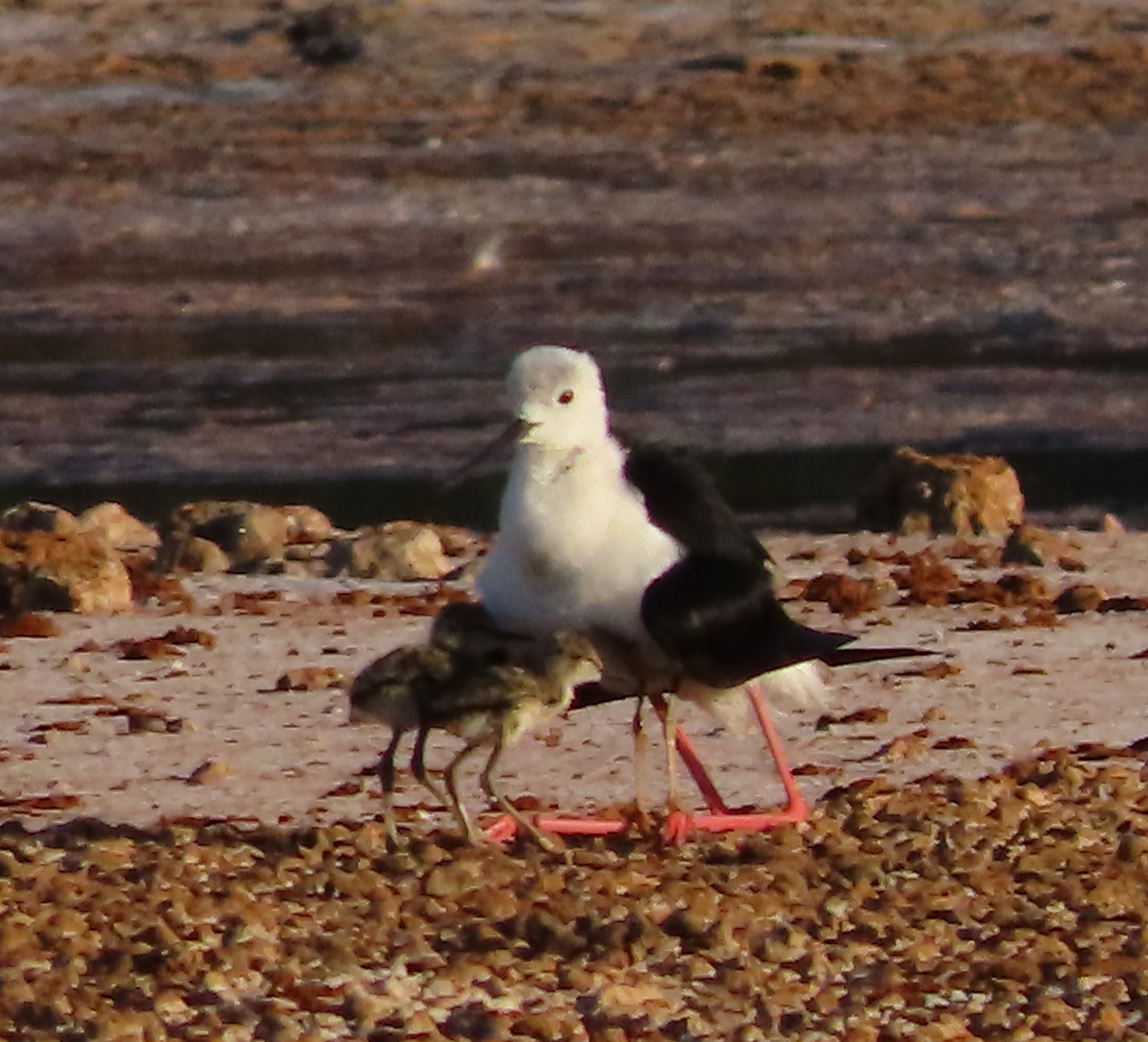
A total of five Black-winged Stilt juveniles fledged by the end of the month and were often seen flying between islands together with the adults. Another Little Ringed Plover chick fledged in July, bringing a total of eight fledged Little Ringed Plovers, while another grown chick was noted with an adult bird by the end of the month.
Maintenance works during July were focused on repairs to the ceiling of the Visitors Centre. Pruning of Tamarix trees was done along the main path as the trees grow profusely during July, with dropping branches often crossing pathways. Hedging of Golden samphire was also done in various paths as necessary.
by David Attard
by David Attard
by David Attard
Simar Nature Reserve
Sightings
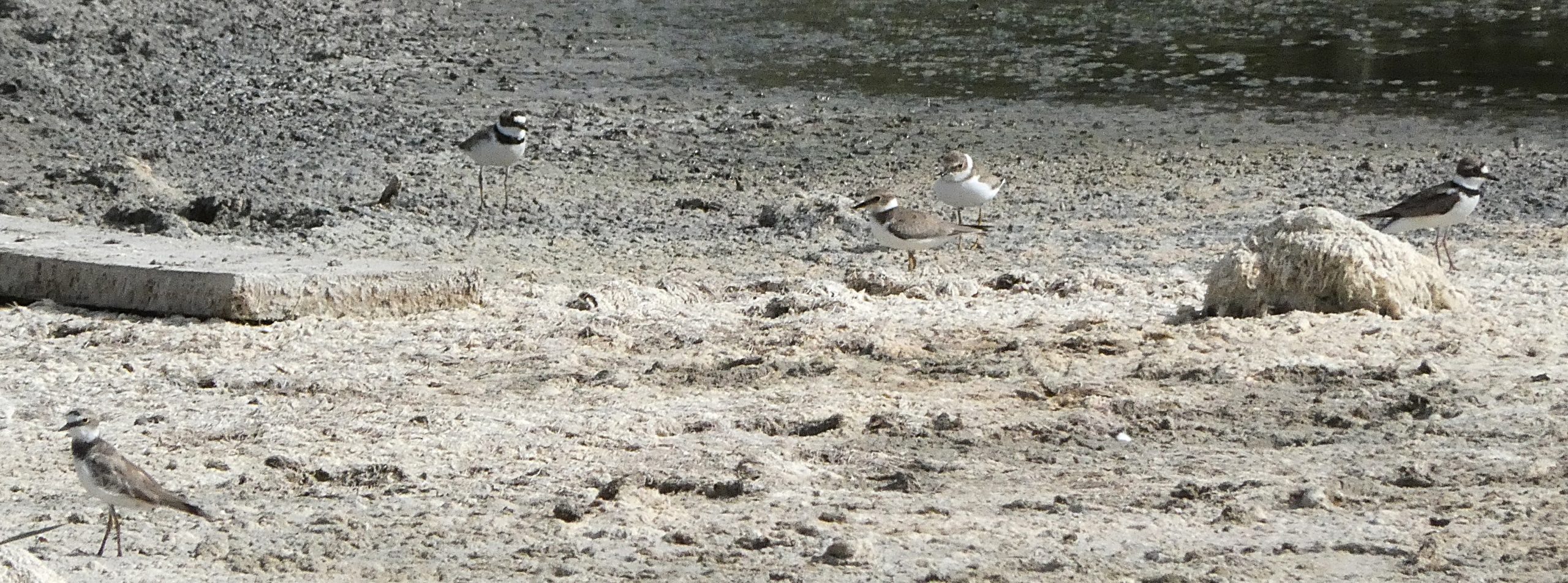
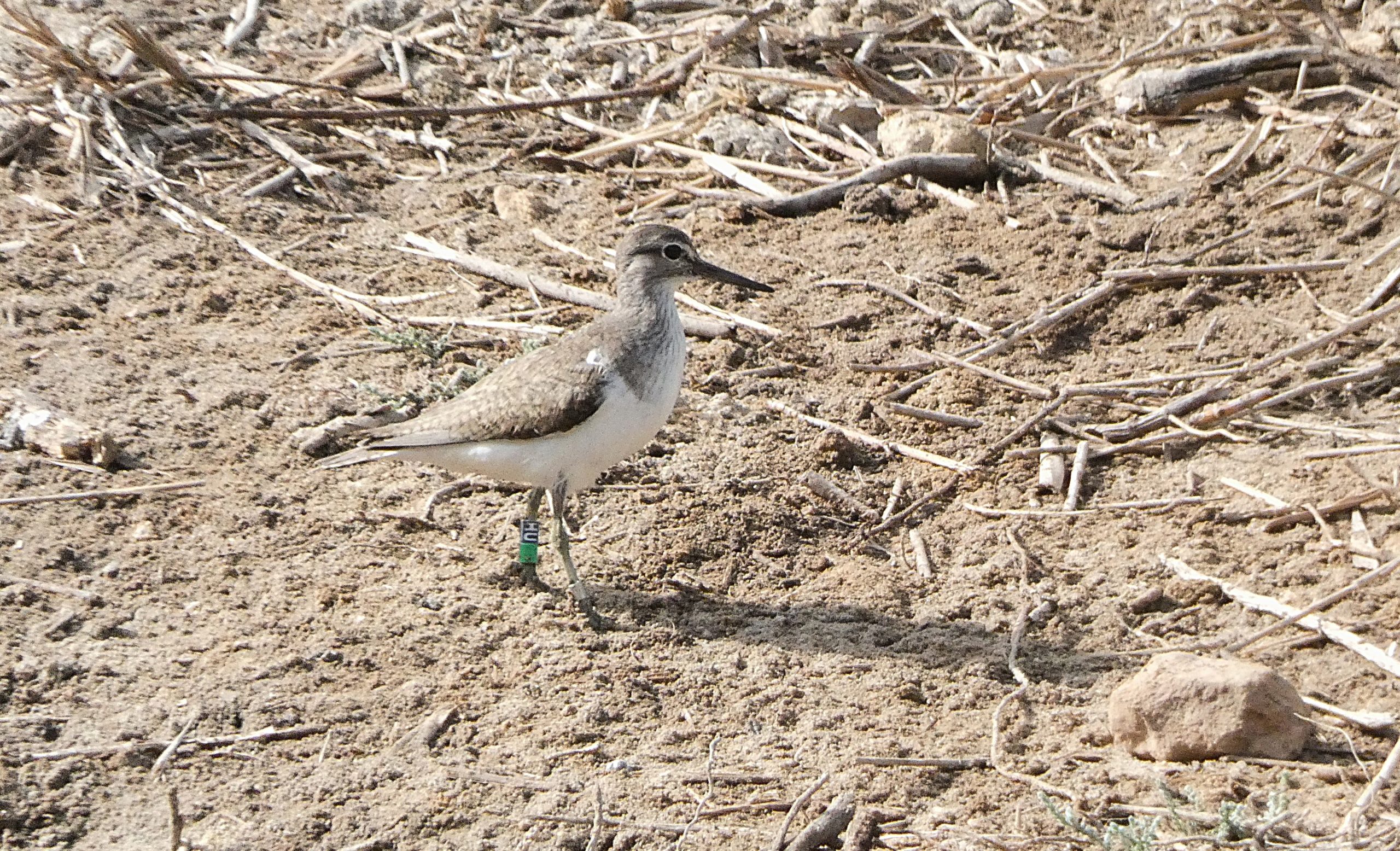
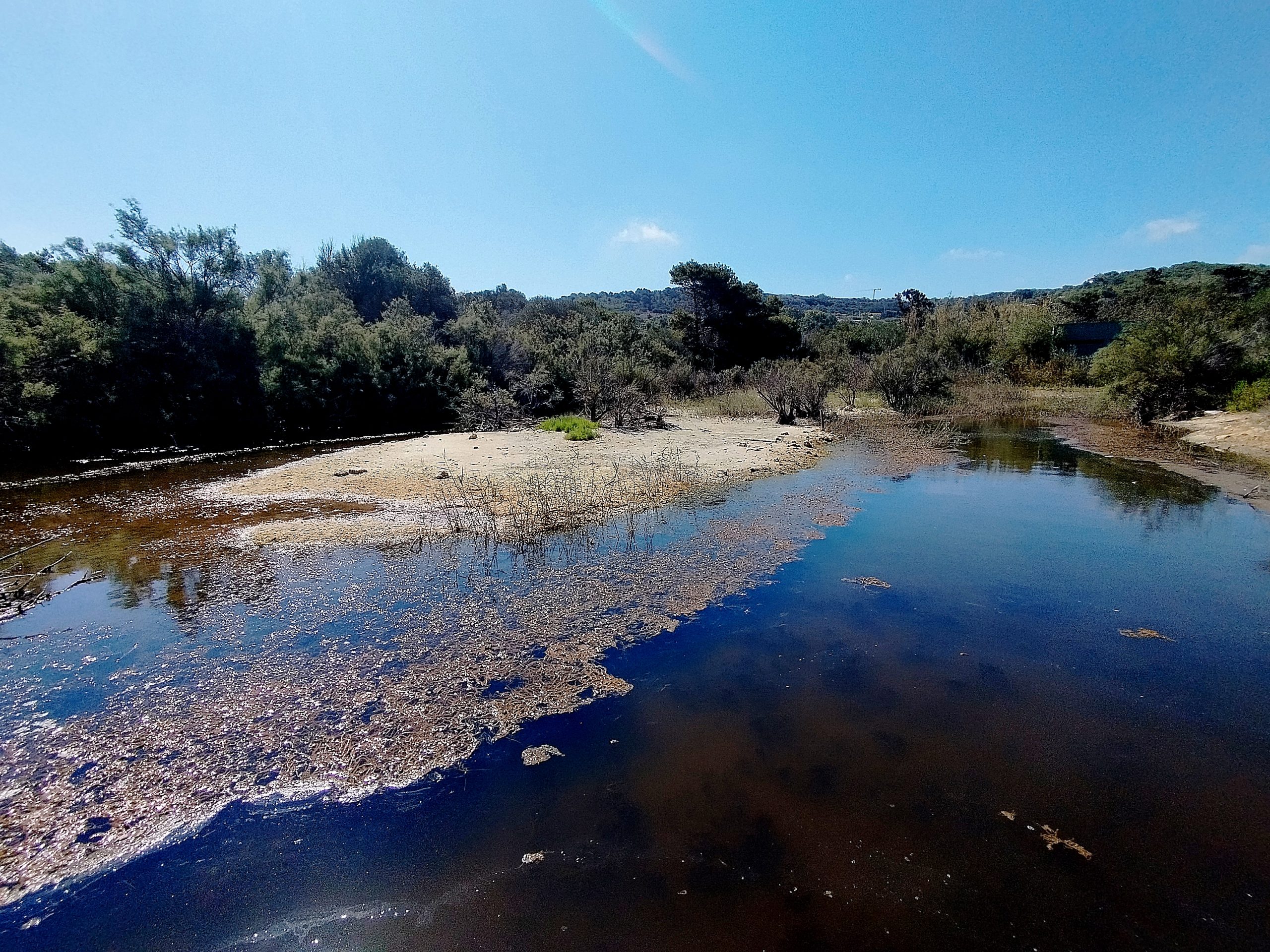
Throughout the month, various wader species continued arriving in good numbers. These are attracted to the shorelines and mudflats exposed by the low water levels. Most regular was the Common Sandpiper and gradually joined by a few Wood Sandpipers. Every year Little Ringed Plovers are getting more regular at Simar and this year up to six were counted on some days. Green Sandpipers and Dunlins were also occasionally present whilst the first Little Stints also started arriving. Towards the end of the month, the first Common Kingfisher also arrived.
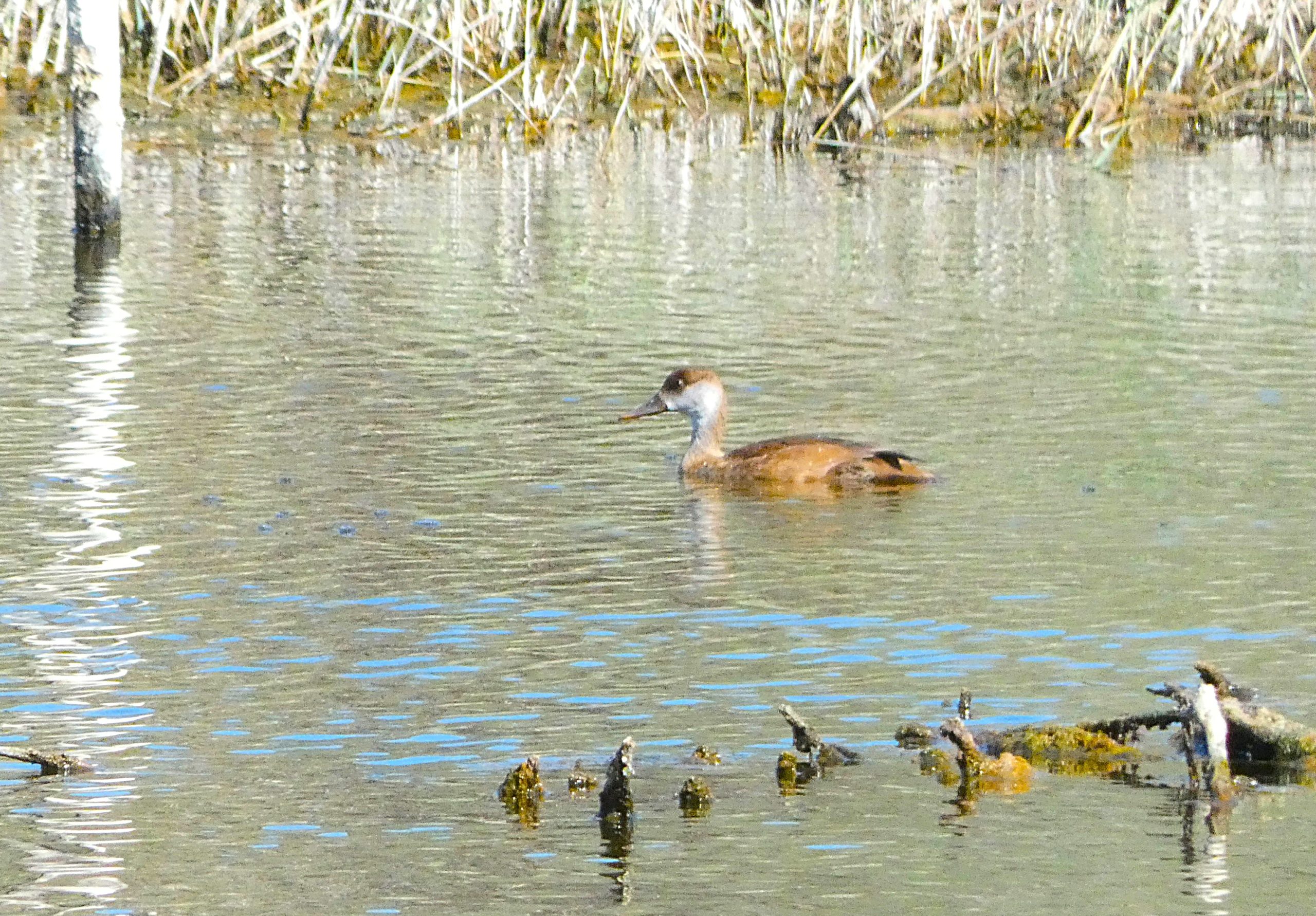
At the beginning of the month we had an unusual occurrence of an adult male Ruff still in its breeding plumage. At the same time, a female Red-crested Pochard spent a few days in the wetland. This is the first record for Simar, and it’s also a very rare visitor to the Maltese Islands. Meanwhile, one morning, an Eleonora’s Falcon was observed hunting along the ridges close to the reserve.
This summer was also a very good year for breeding Common Moorhens. At least seven pairs nested, with a total of about 25 young birds present throughout the wetland. By the end of the month they all became full-grown juveniles. At least one pair of Reed Warblers nested successfully, raising three birds. Also, a family party of Spotted Flycatchers appeared around mid-month, presumably nesting nearby.
by Charles Coleiro
by Charles Coleiro
by Charles Coleiro
Habitat Management
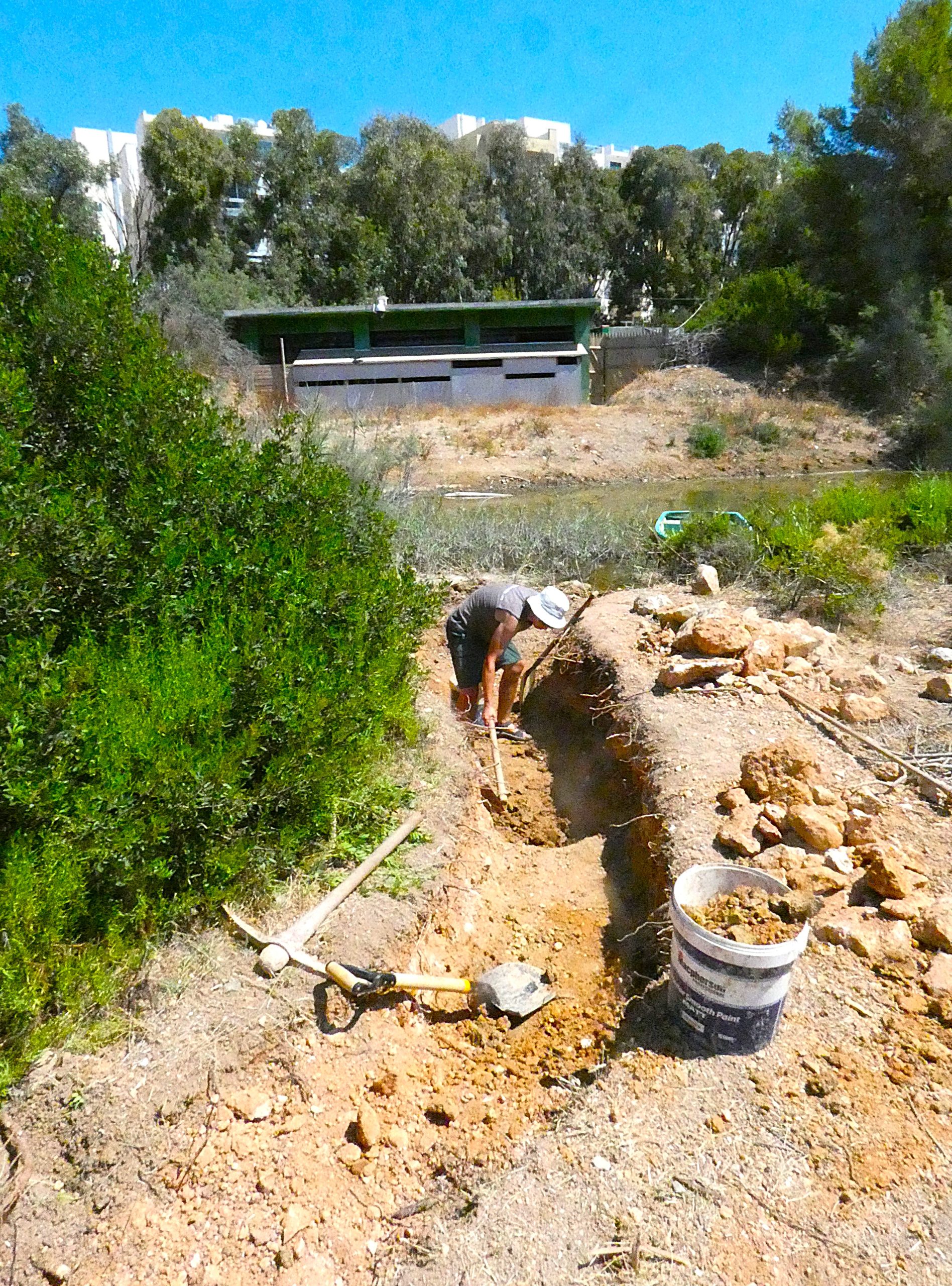
The arduous work on the creation of a canal on the main island facing the visitor centre is almost over. This canal will add to the habitat diversity of this island, whereby water will be present within the island.
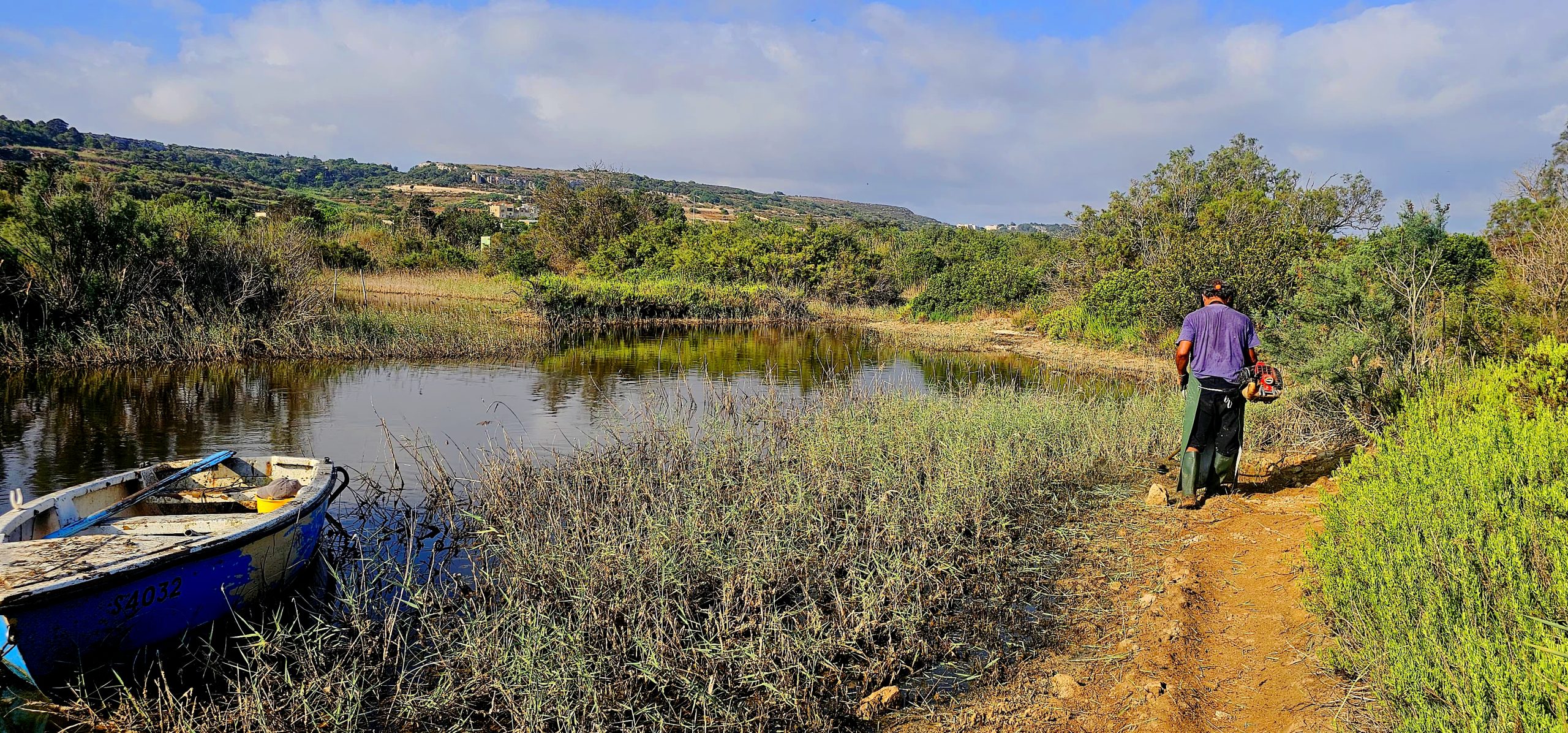
Various shorelines on all islands were cleared of the stems of newly grown reeds. Besides having accessible shorelines for feeding shorebirds, this will also encourage a variety of other saltmarsh plants to grow.
by Charles Coleiro
by Charles Coleiro
by Merilyne Vogel
Foresta 2000
Sightings
July brought the full intensity of the Mediterranean summer to Foresta 2000. The landscape has taken on its characteristic golden colours, with only the pine grove and a few sheltered areas remaining green. Despite the heat and dry conditions, the reserve continues to provide refuge for a surprising variety of wildlife. A brief spell of rain towards the end of July was too limited to replenish the dry soil or refill the seasonal rock pools, which remained largely empty.
The sound of cicadas dominated the reserve throughout the month, creating the unmistakable soundtrack of a Mediterranean summer. Males called continuously from trees and shrubs, filling the warm afternoons with their distinctive buzzing as they attracted mates.
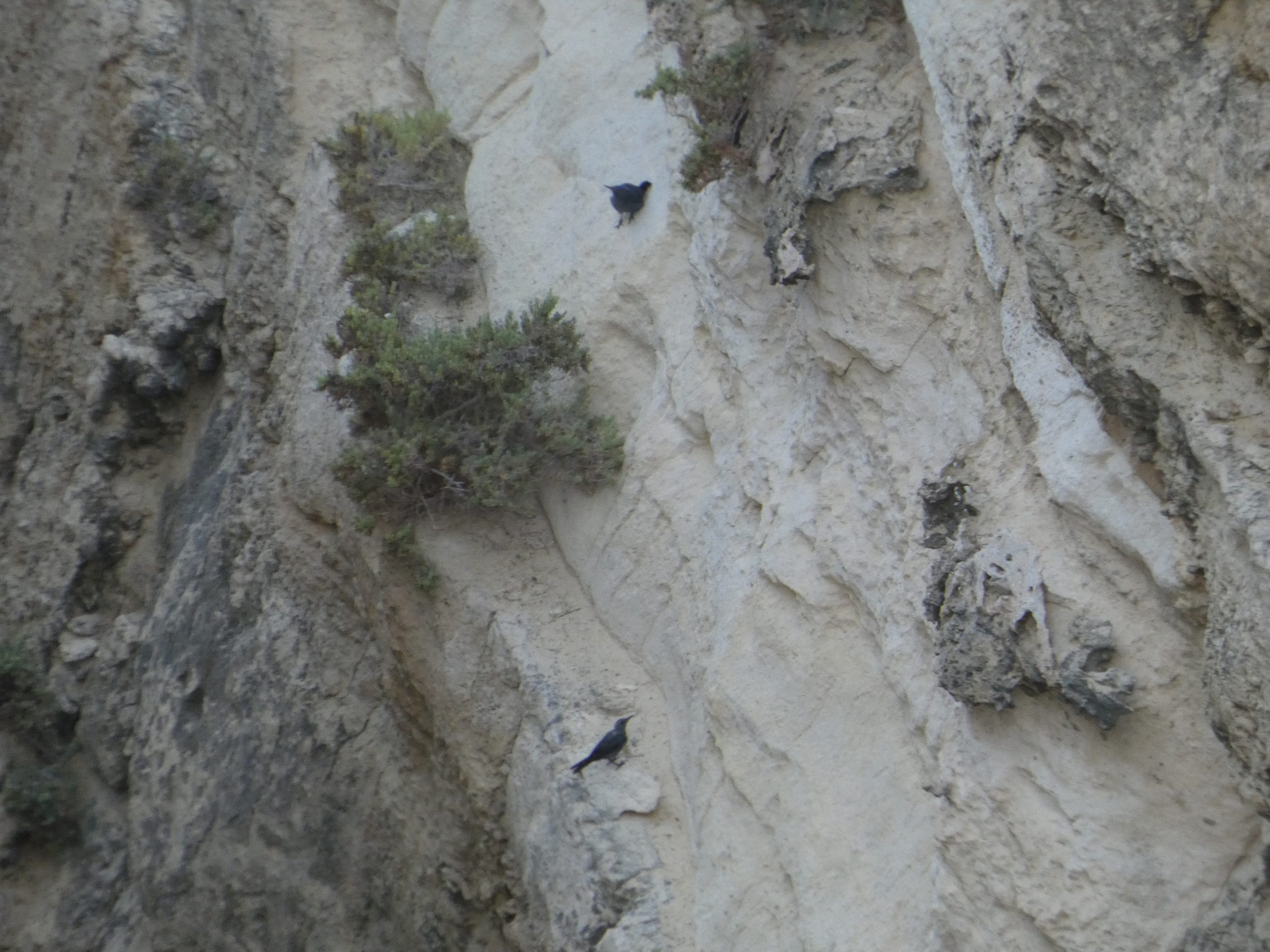
The cliffs echoed with the familiar song of the Blue Rock-thrush, while swifts remained a constant presence overhead, feeding high above the reserve. Sardinian Warblers, Zitting Cisticolas, and Eurasian Collared-doves continued their daily activities, although the dawn chorus had become noticeably quieter compared to spring.
Early mornings and evenings proved to be the best times for wildlife watching. Wild Rabbits were frequently observed feeding in open areas, while Western Whip Snakes, including many juveniles from this year’s breeding season, were seen basking along paths and stone walls. Mediterranean Chameleons remained active among shrubs and low trees, taking advantage of the abundance of insects.
As the sun set, bats became a regular sight, emerging from their daytime roosts to feed on insects above the woodland paths and open clearings. Their evening flights highlighted the importance of Foresta 2000 as a habitat for nocturnal wildlife.
by Vera Tokmakova
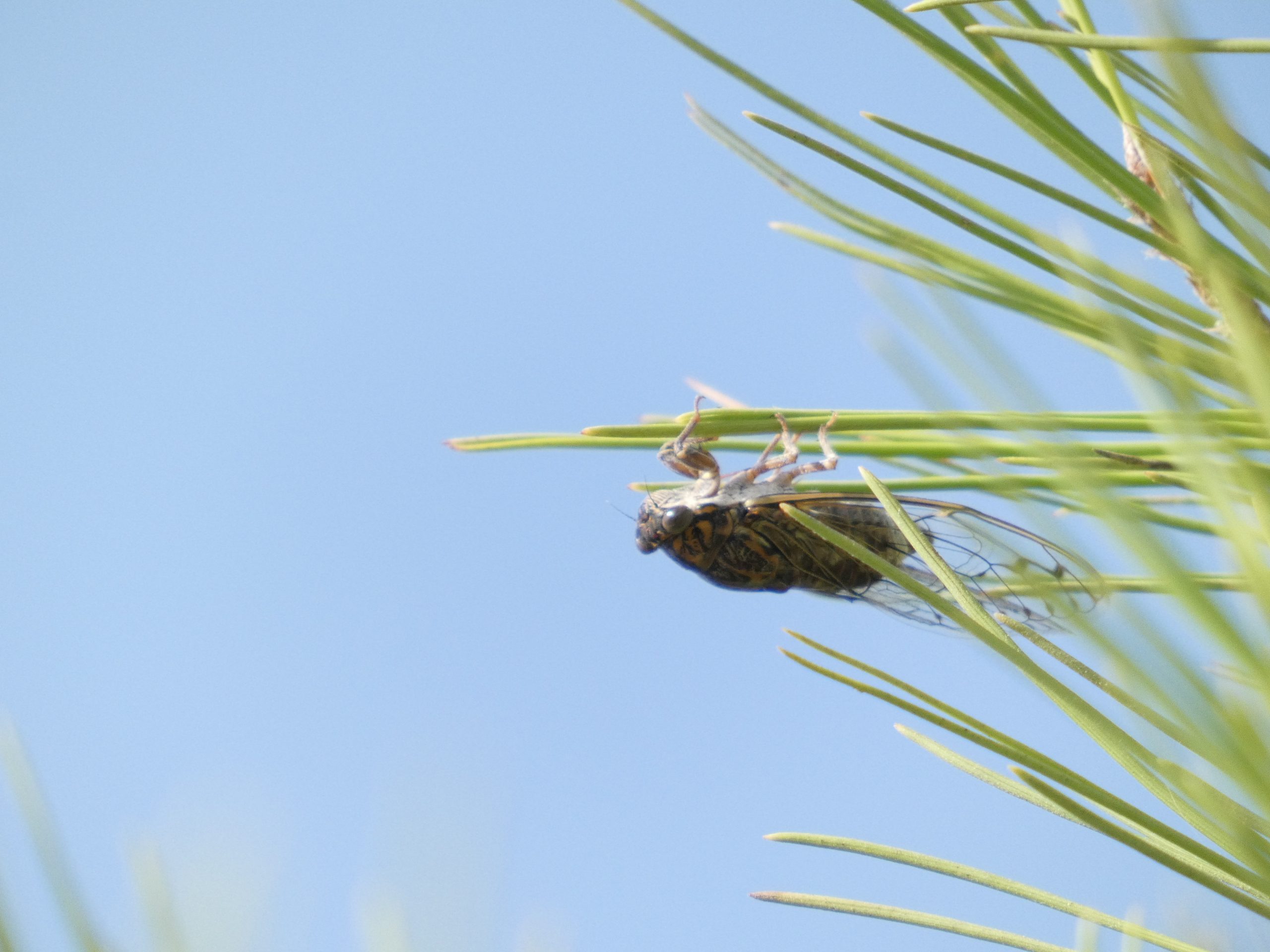
by Vera Tokmakova
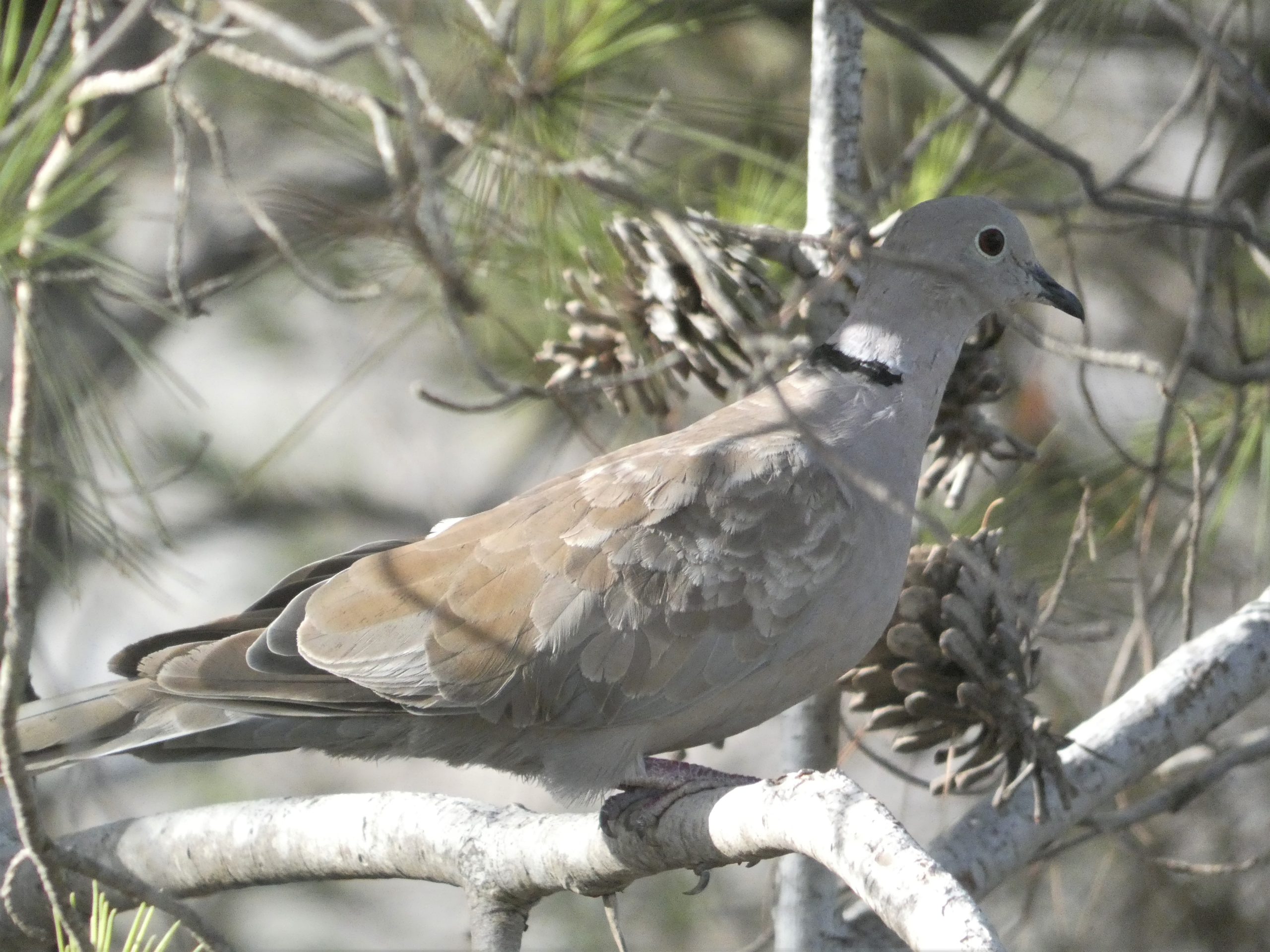
by Vera Tokmakova
Works
Regular clean-ups and monitoring continued throughout July to ensure the reserve remained safe and welcoming for visitors. Walking paths were inspected and maintained where necessary, while routine habitat monitoring continued despite the prolonged dry conditions.
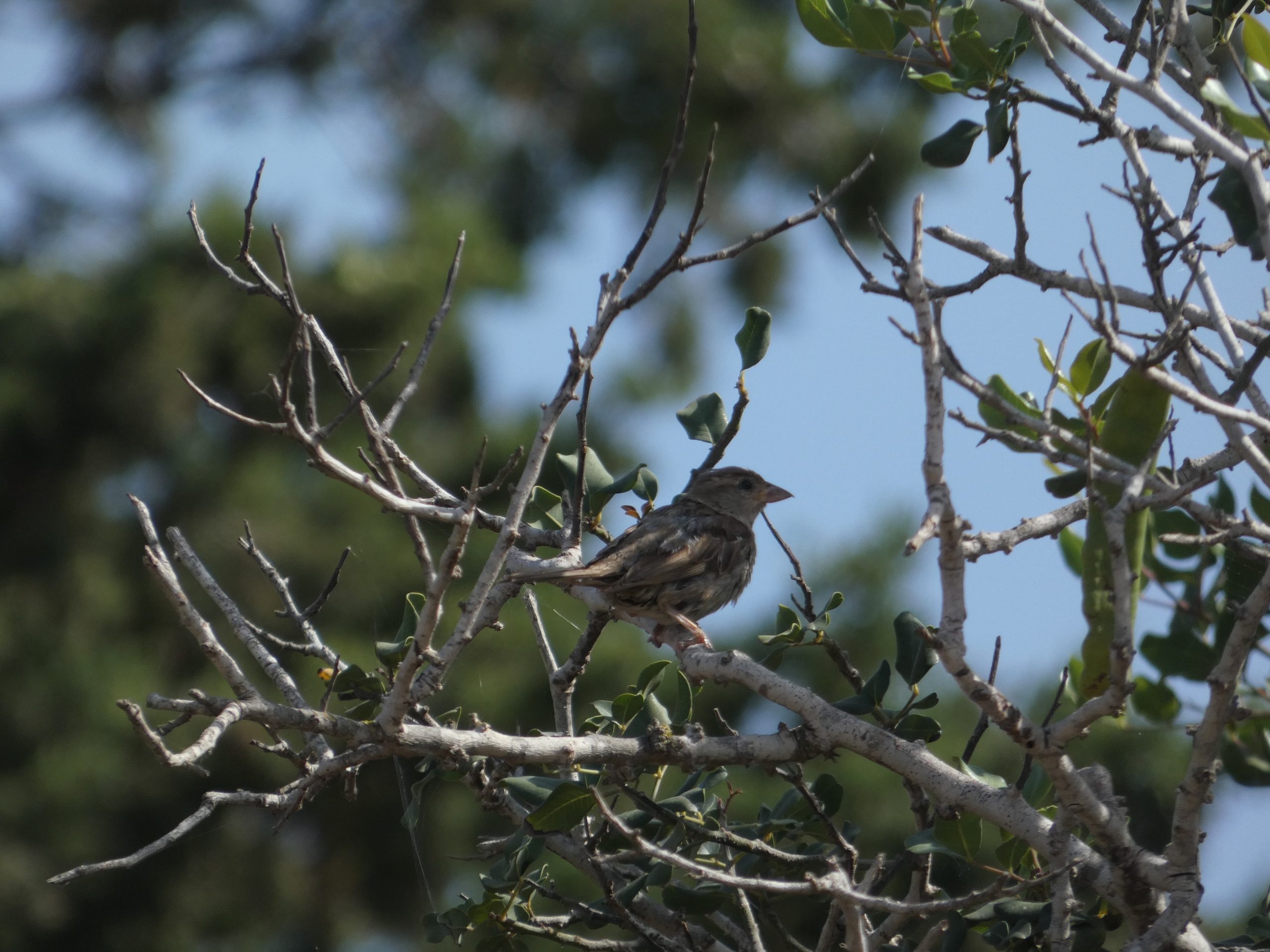
by Vera Tokmakova
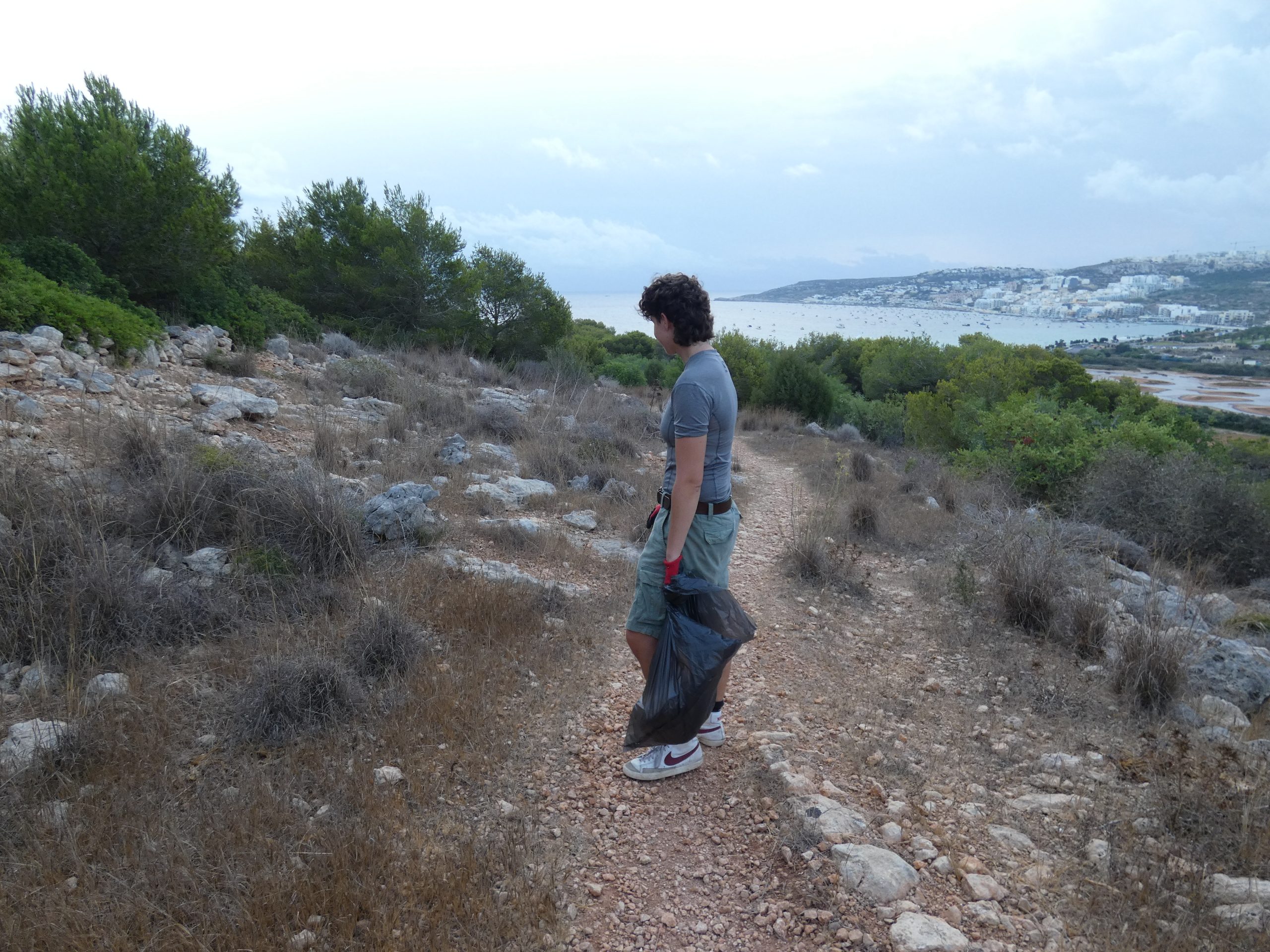
by Vera Tokmakova
by Vera Tokmakova
Birding Highlights
July is one of the quietest months in Malta’s birding calendar. However, it also marks the start of “autumn” migration for a few species, especially waders, but also a few other species. Migrants which started turning up included Curlew Sandpipers, Dunlins, Wood Sandpipers, Common Sandpipers, Temminck’s Stints, and Little Stints, amongst other waders, while the first Subalpine Warblers and Common Kingfishers also arrived. Unseasonal occurrences included a Squacco Heron at Marsaskala on the 7th and two European Honey-buzzards in Gozo on the 12th.
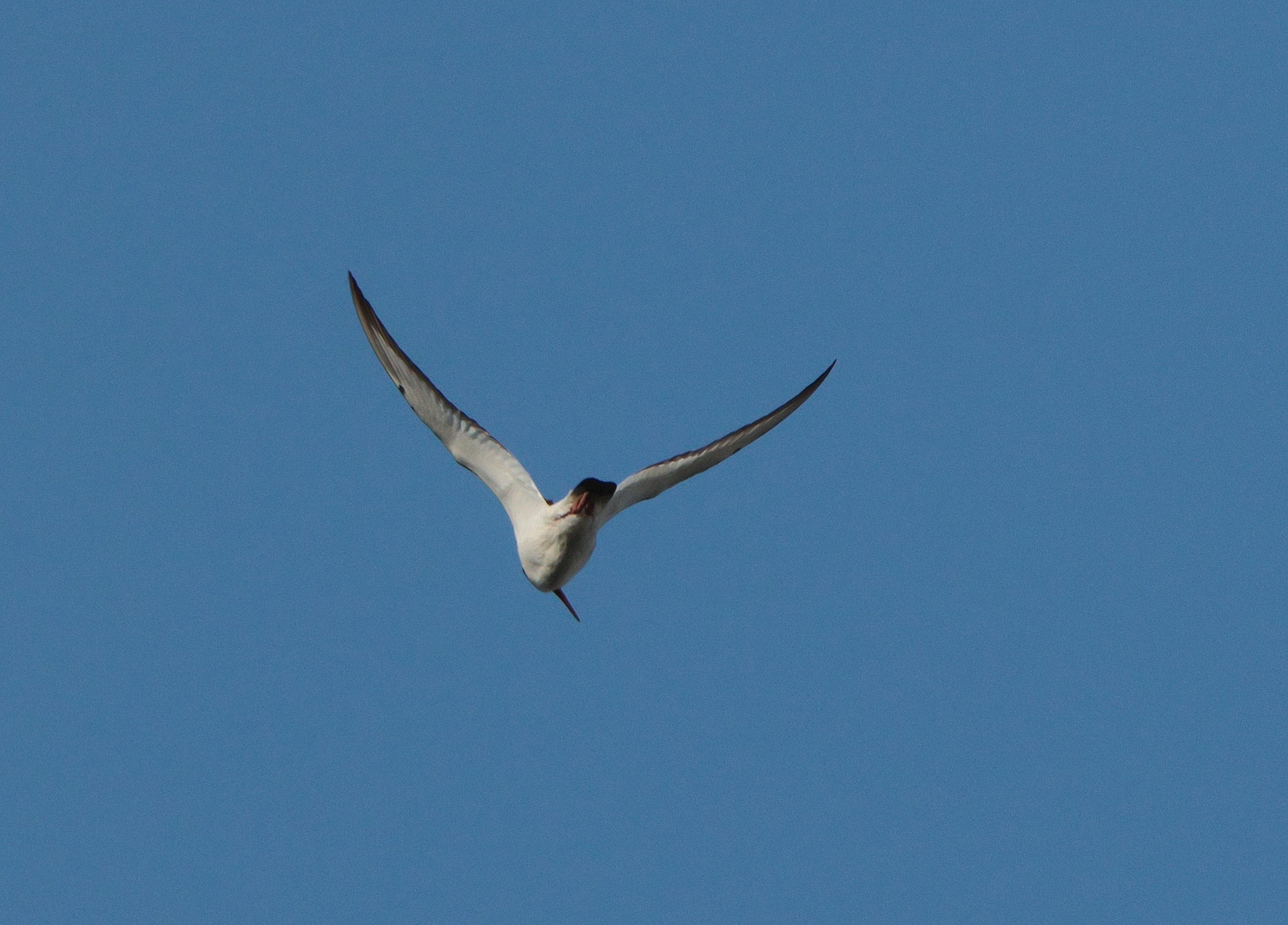
Another much-anticipated wader highlight in July is the passage of small flocks of Eurasian Oystercatchers along Malta’s coast. Although common across northern Europe, including the United Kingdom, the species is very scarce in Malta, with typically only a handful of records each year. It is recorded mainly between July and early September, and only rarely in March. Easily recognisable by its black-and-white plumage and long, bright orange bill, the bird is often nicknamed “carrot-bill” by birders. This month, small flocks were observed on the 20th, 21st and 24th. Unfortunately, the high level of disturbance along Malta’s coast during summer means that these birds rarely settle or remain for long.
from BirdLife Malta Archive, by Mark Gauci
Shearwater colony walk at Dwejra Tower in Gozo with Wave of Change
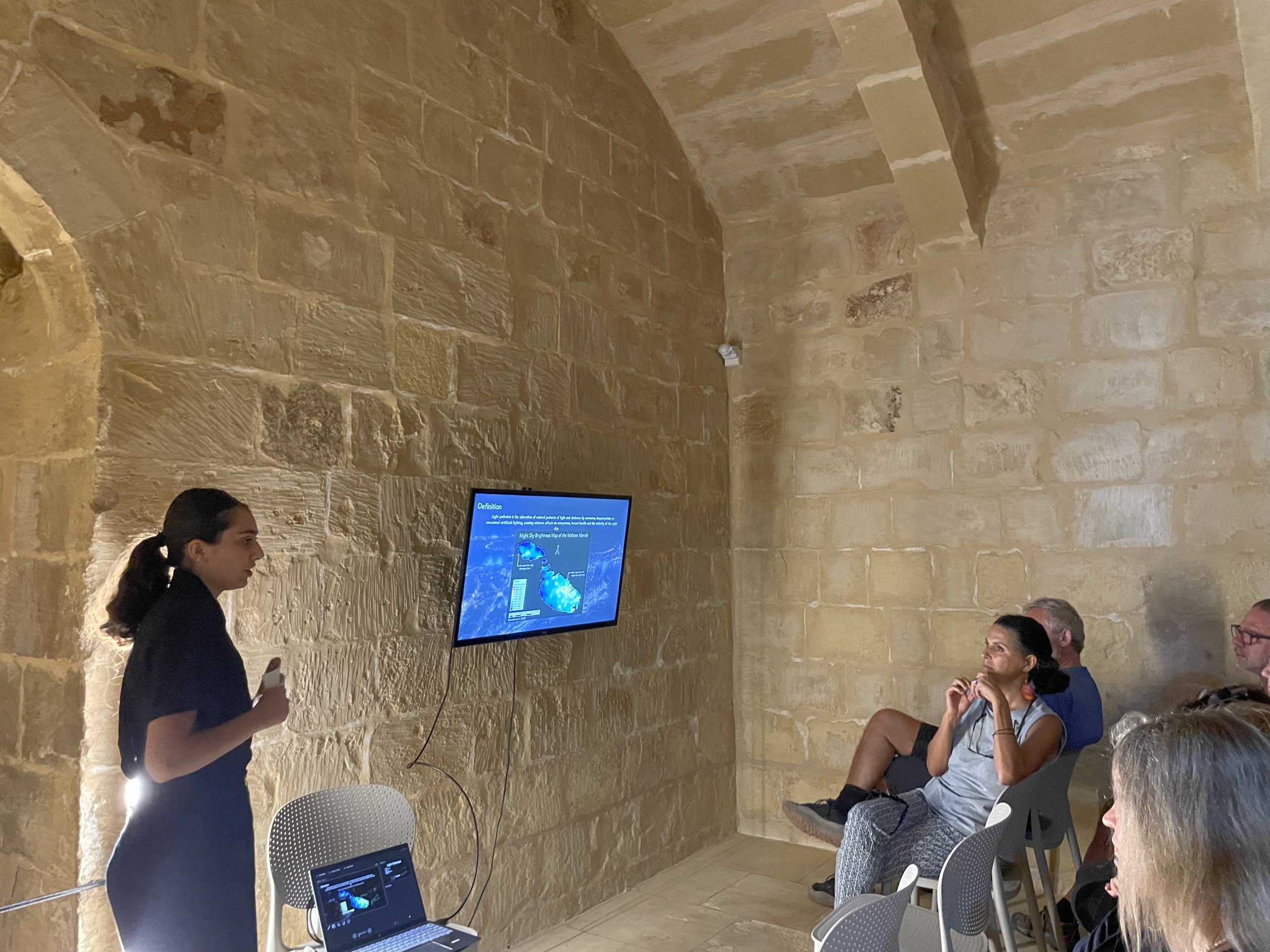
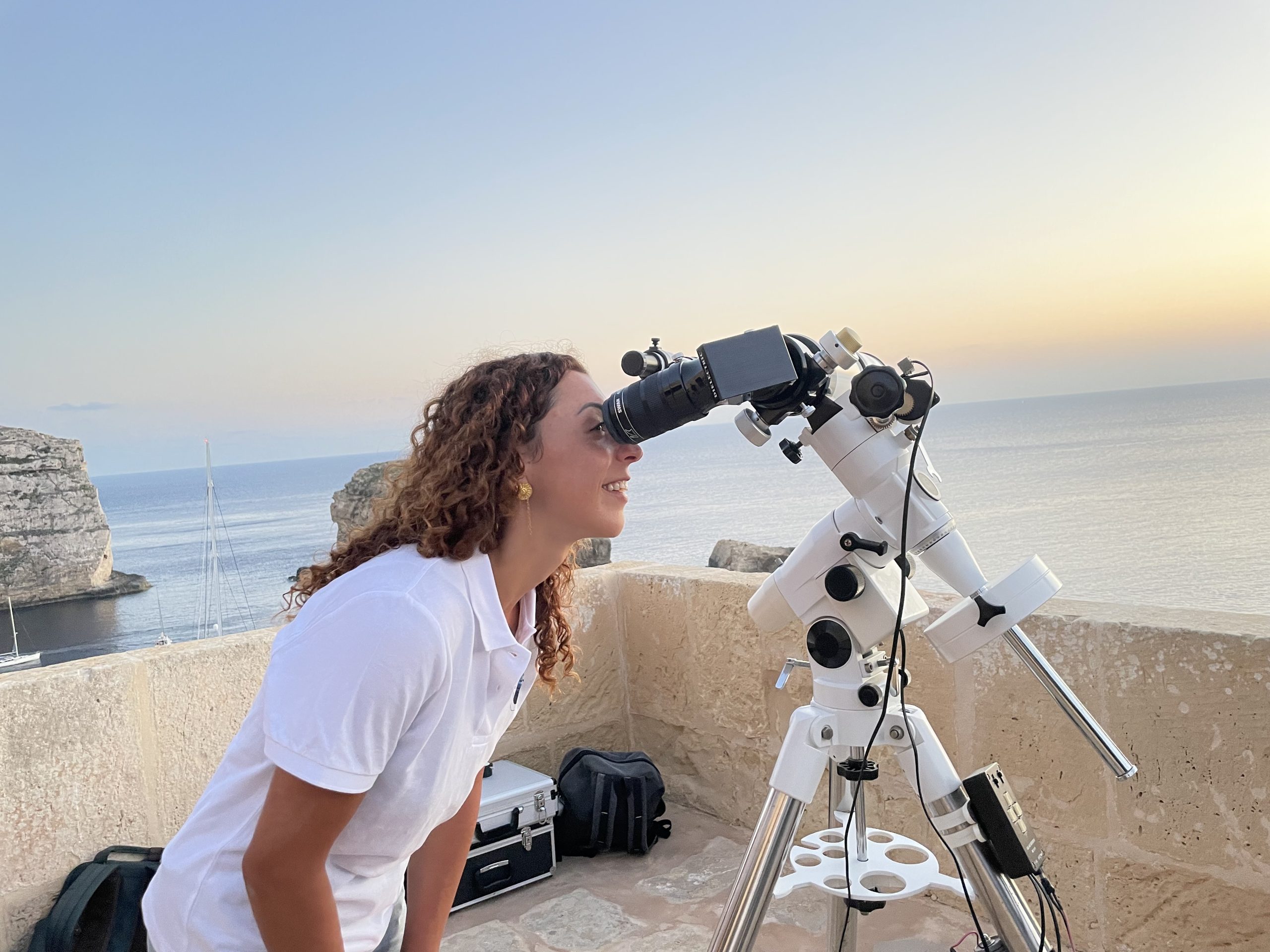
On the 11th of July we collaborated with Wave Of Change Malta, The Astronomical Society of Malta and Din l-Art Helwa to host a Shearwaters and Stars event.
At the restored Dwejra Tower in Gozo, our seabird team talked about the LIFE Tetide project and the importance of good waste management and awareness amongst site users to prevent rodent incursions to islets and shearwater colonies
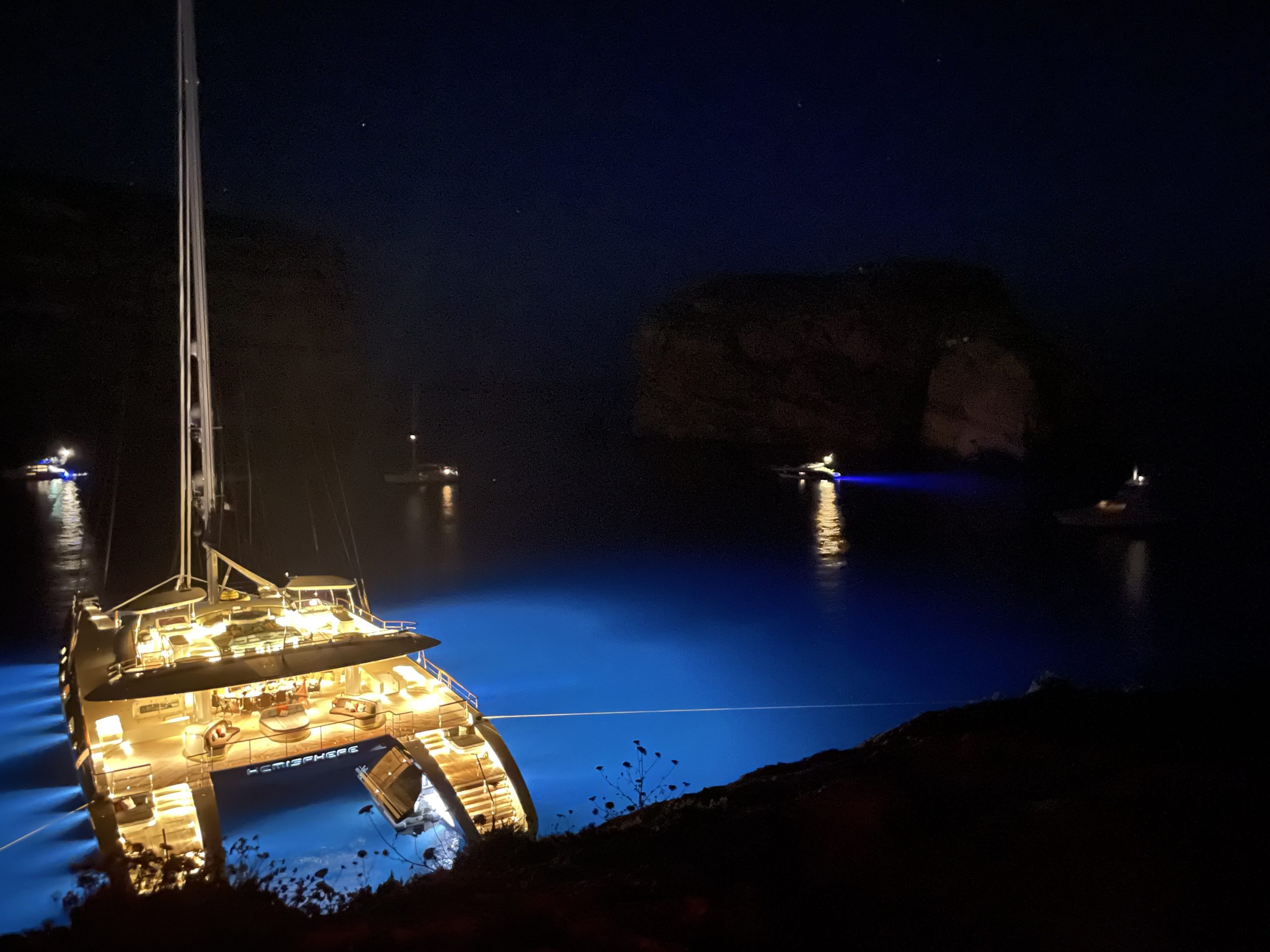
Guest lecturers from the Astronomical Society of Malta explained to participants the growing threat of light pollution and how simple actions can help reduce its impact on wildlife. They also treated us to a stargazing session afterwards.
We were lucky to hear some shearwaters and see them with the thermal camera, despite the light pollution from the vessels anchored in the bay against local regulations.
Overall, it was incredible to experience the magic of shearwater calls beneath a star-filled sky and to learn more about protecting our islands’ natural heritage.
by Martin Austad
by Martin Austad
by Martin Austad
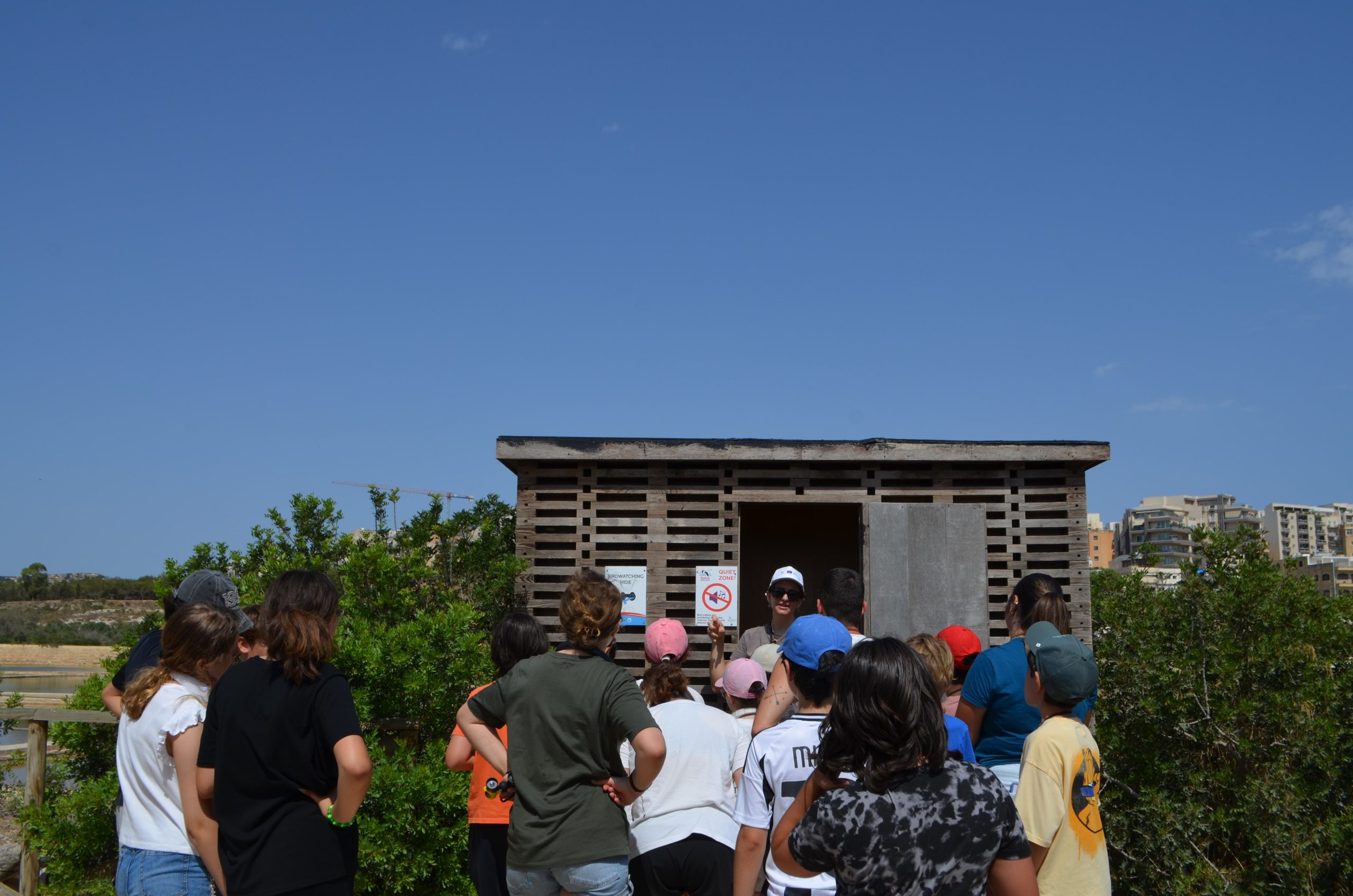
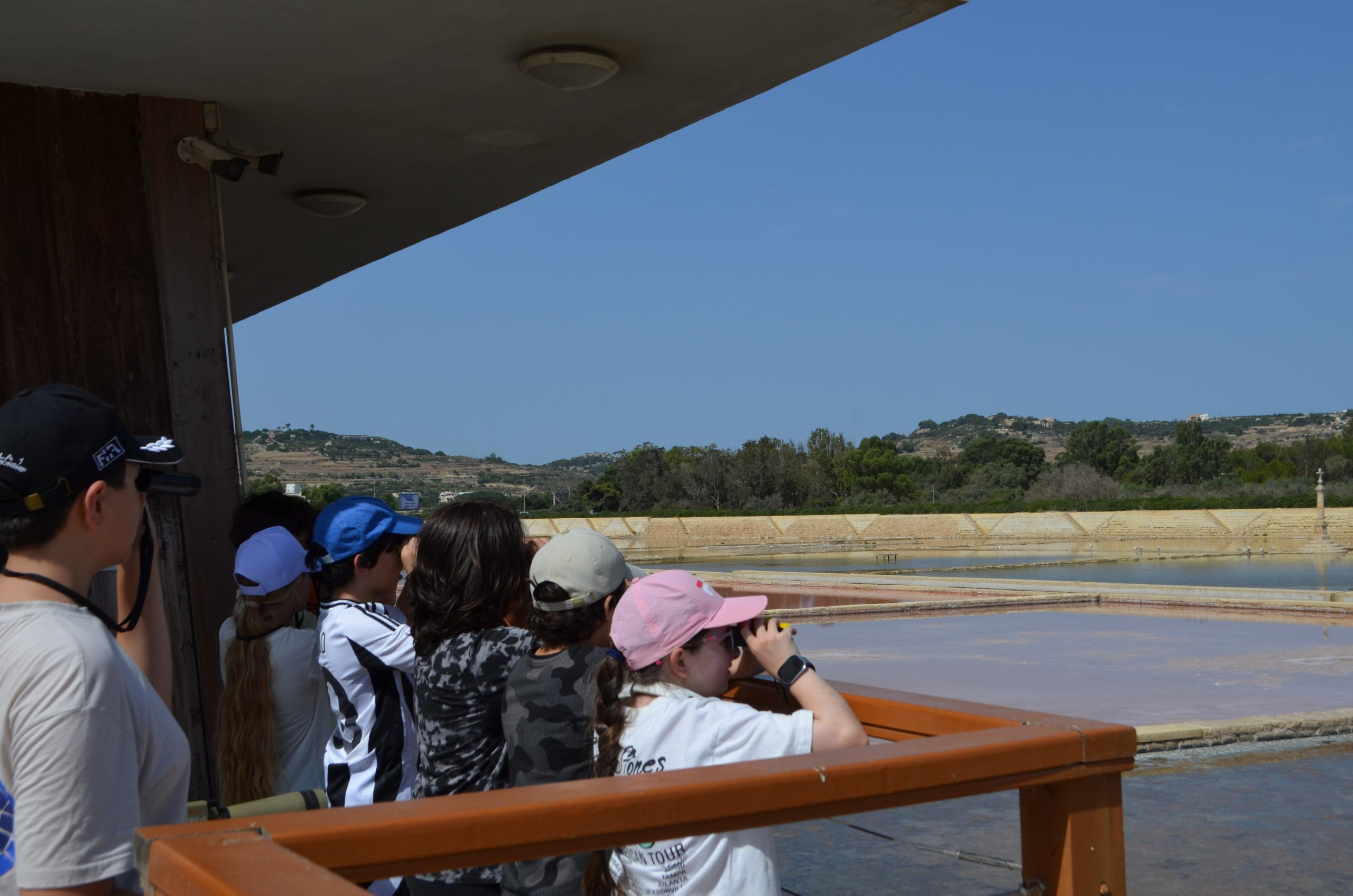
Beginning of Summer Schools
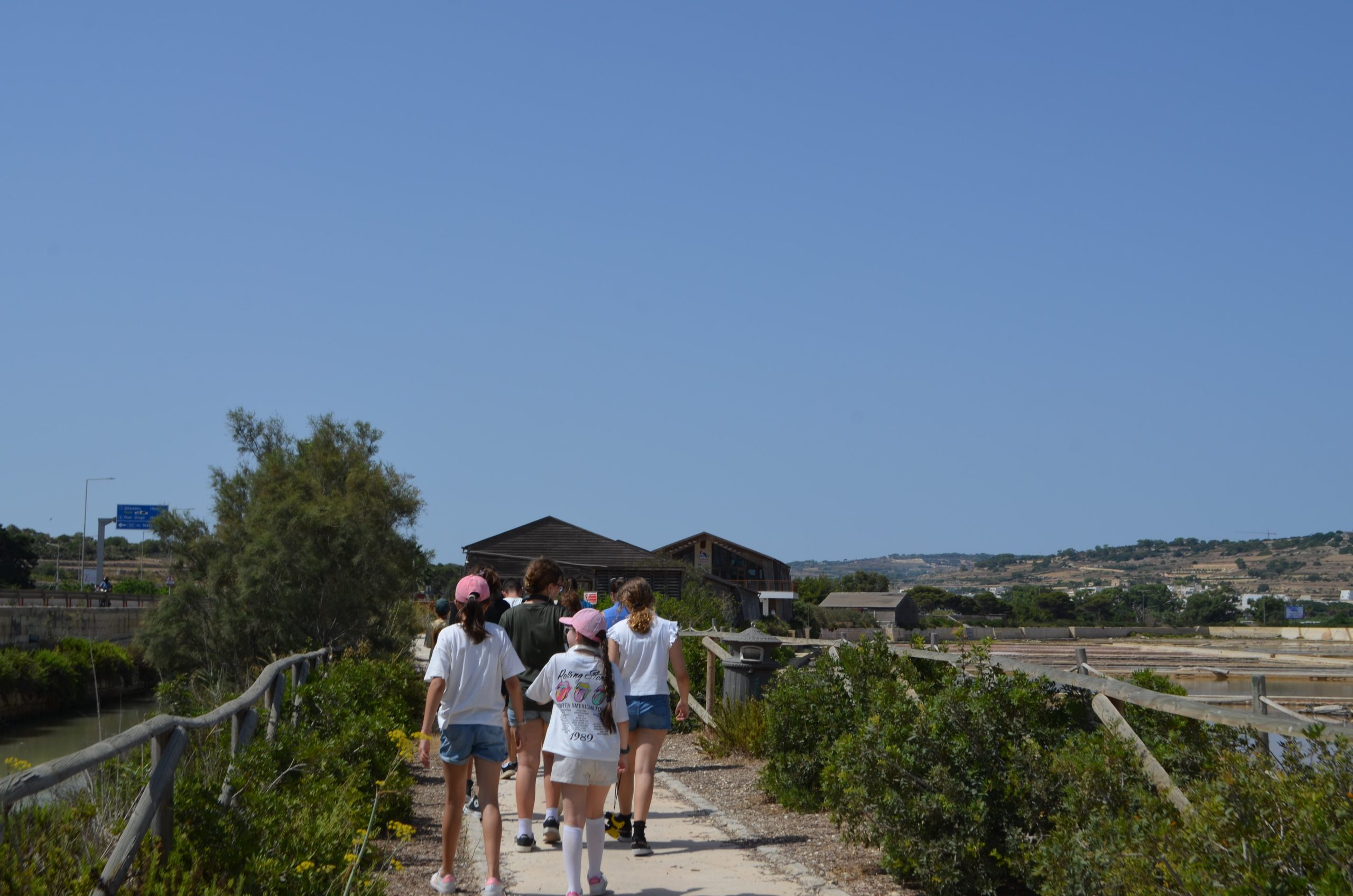
With the arrival of the warm weather, our Summer Schools have started again. Our programme offers a unique opportunity for children to spend time in nature and learn from it during the holidays. Each tour provides an overview of the importance of Malta – and Salina in particular – for birds, with a special focus on traditional salt production. A virtual reality experience is also available on request, offering an immersive way to explore the reserve from a bird’s-eye view. Children then learn whilst having fun through a series of environmentally themed games. The experience always finishes with a birdwatching session and a walk along the trail.
by Annalisa Merici
by Annalisa Merici
by Annalisa Merici
FALKO meeting
At BirdLife Malta’s headquarters, the young members of FALKO gathered to discuss their plans for the coming months. Following on from recent events – a pub quiz, a kayaking day combined with a beach clean-up, and a social evening – they decided to organise a craft day at the Salina Nature Reserve on 22 August. Each participant will be given some clay to let their imagination run wild. And, whilst their creations are drying, they’ll have the chance to get to know each other better and make new friends.
Credits
Text: David Attard, Justine Borg, Charles Coleiro, Anja Finke, Giulia Galvani, Sara Melfi, Stefano Miceli, Vera Tokmakova, Alice Tribe, Silvia Viviani, Lola Von Kietzell
Editing: Angela Scorzoni