
On the Frontlines is our monthly newsletter section covering the activities of BirdLife Malta’s conservation, policy, nature reserve teams (Salina, Simar, Għadira and Foresta 2000), seabird and public engagement teams, together with an update about rare and scarce bird species observed.
Gulls, Swifts and Egrets: a busy month at the Rehabilitation Centre
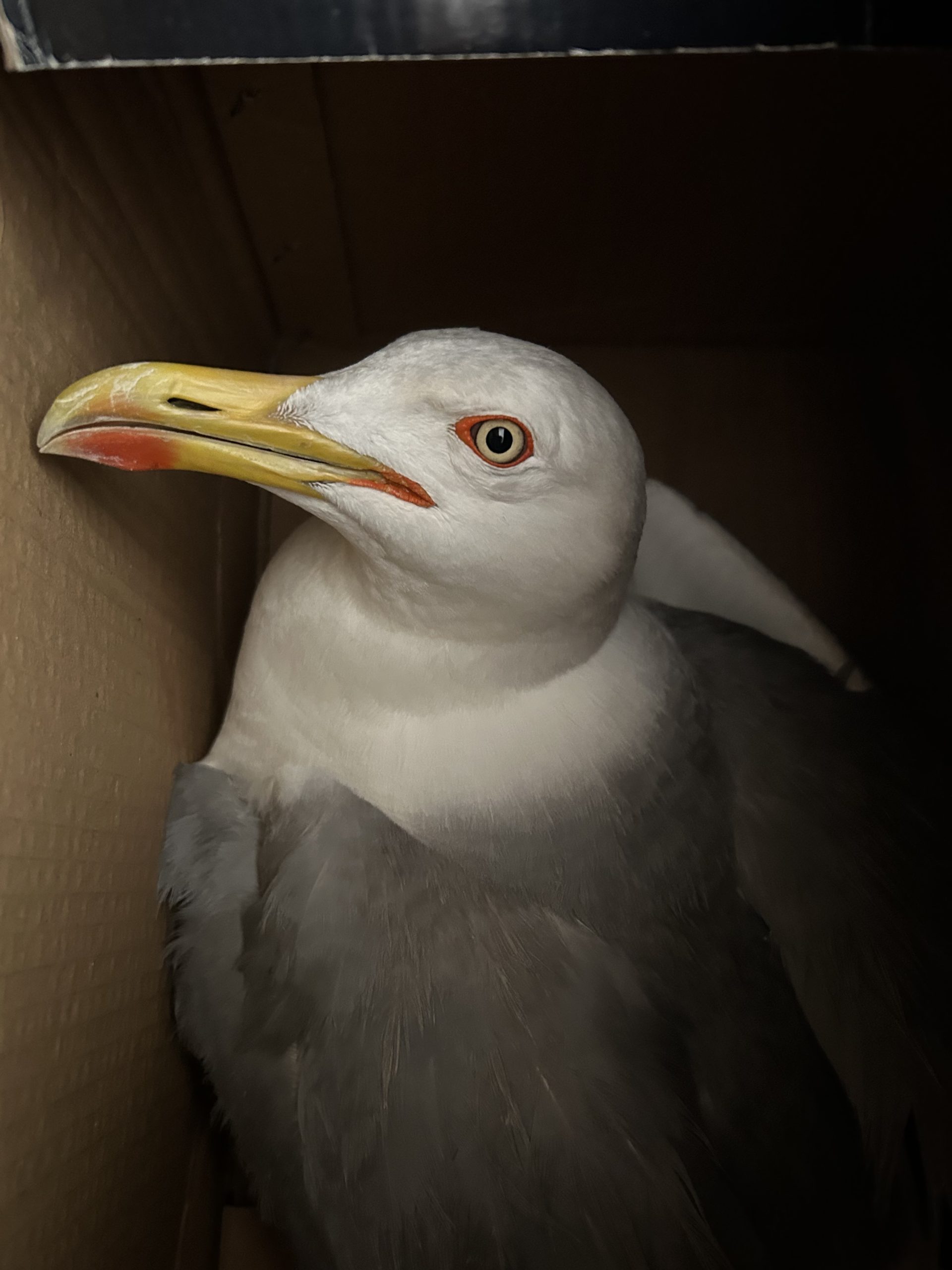
June has been a particularly busy month at the Wildlife Rehabilitation Centre, especially for gulls. We rescued several gulls from both the North and the South of the island. Most were found stranded, weak, and suffering from enteritis.
Among these rescues were two particularly notable cases. One gull was discovered trapped in a fence under the sun, leaving it severely dehydrated and exhausted. Another was found on the rocks with a head injury following a collision. After receiving veterinary treatment, both birds underwent a period of rehabilitation. They were initially housed in smaller enclosures to recover, before being moved to larger aviaries where they could rebuild their strength and regain their flying ability. Once fully recovered, they were ringed and released at Mistra Bay, together with the other rehabilitated gulls, bringing the total number of released gulls to eleven.
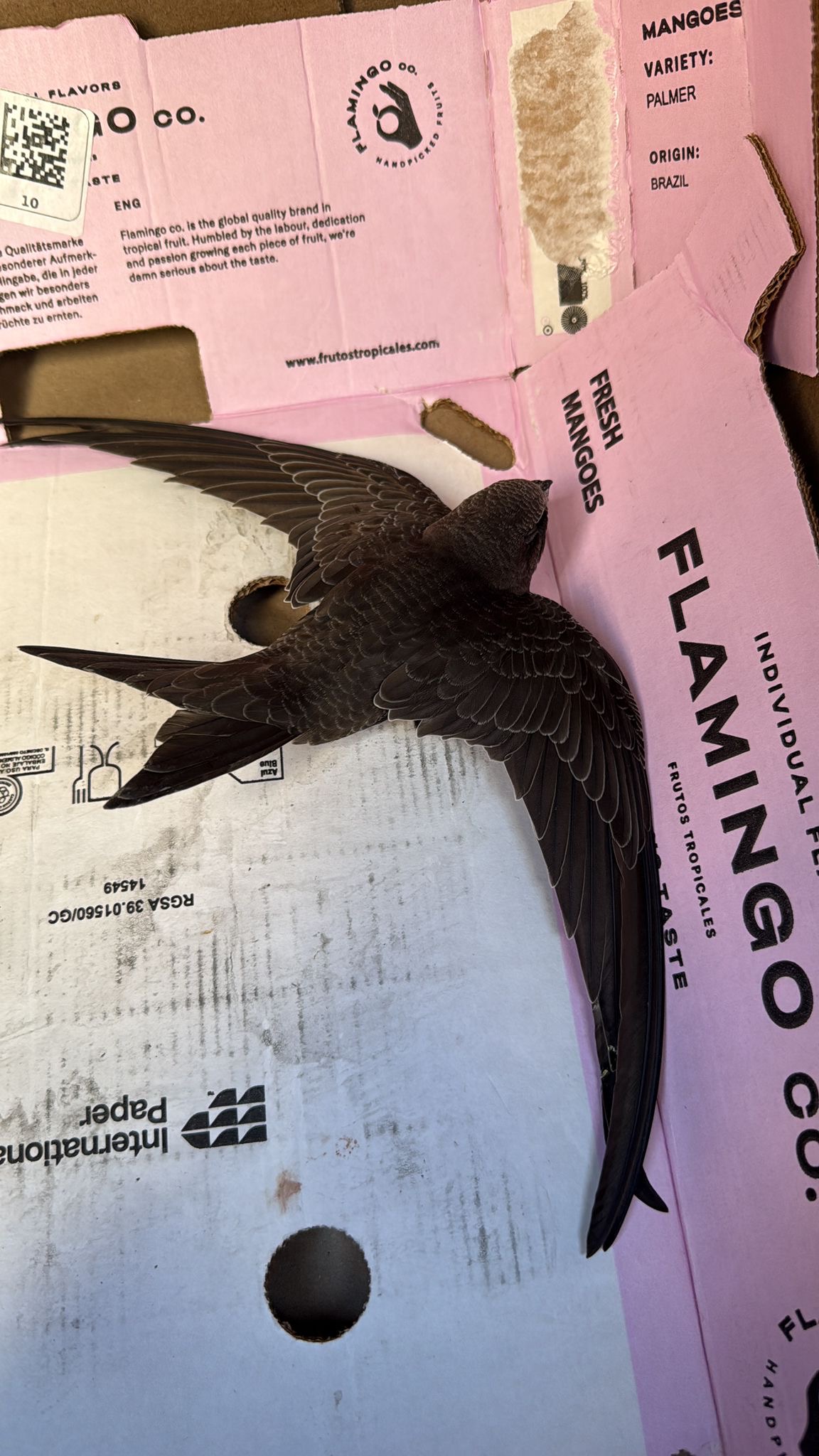
Another patient this month was a young Pallid Swift. The extreme heat had left the bird stranded and weak. Following rehydration and a short period of rehabilitation, it made a full recovery and was successfully released in an open area in Mellieħa.
We also rescued a Little Egret that was unable to fly. The bird arrived in a weak condition but responded well to rehabilitation. Once it was feeding independently and flying properly, it was ringed and released at Simar Nature Reserve, where it has access to suitable habitat and abundant food resources.
One particularly notable case involved a fledgling Blue Rock Thrush, which was rescued by the Malta Ranger Unit. As the young bird was healthy and had been collected shortly after being found, it was immediately returned to the exact location where it had been picked up. This gave its parents the opportunity to continue caring for it, giving the fledgling the best possible chance of survival in the wild.
by Anja Finke
by Shaun Isherwood
Shearwater boat trips in full swing
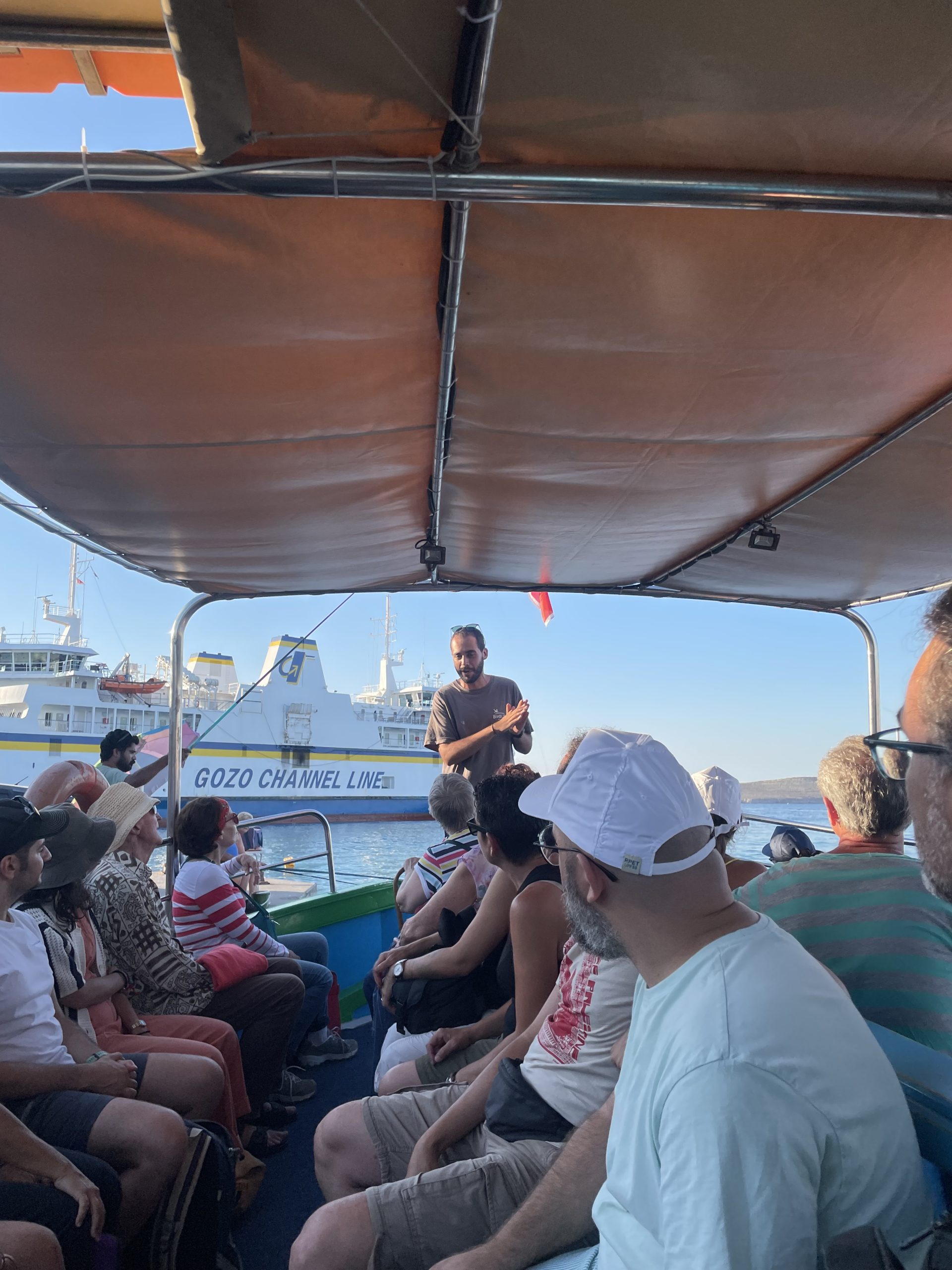
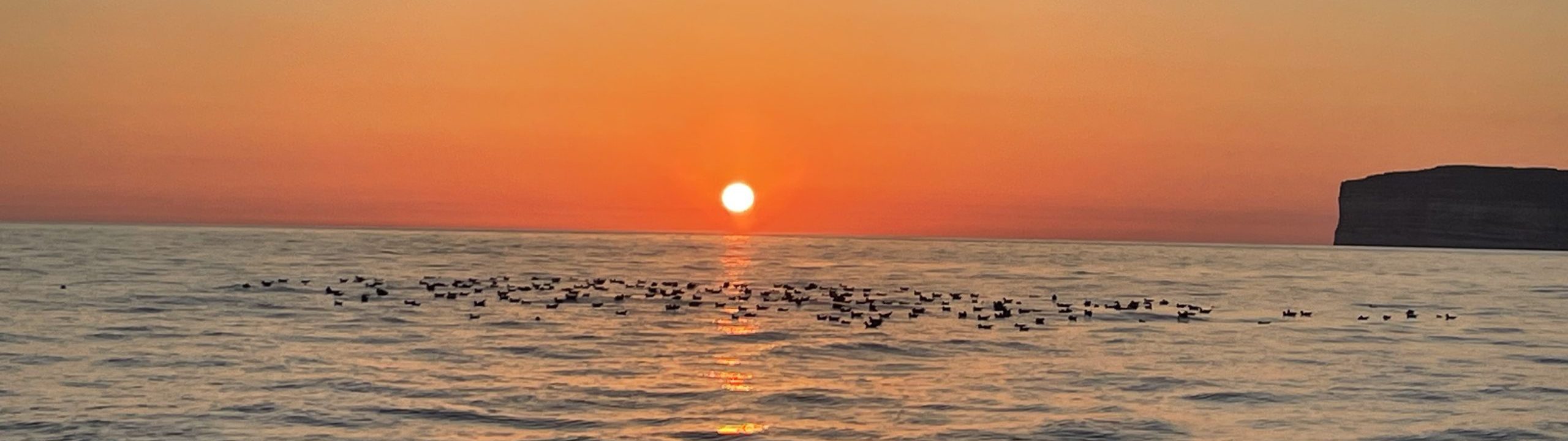
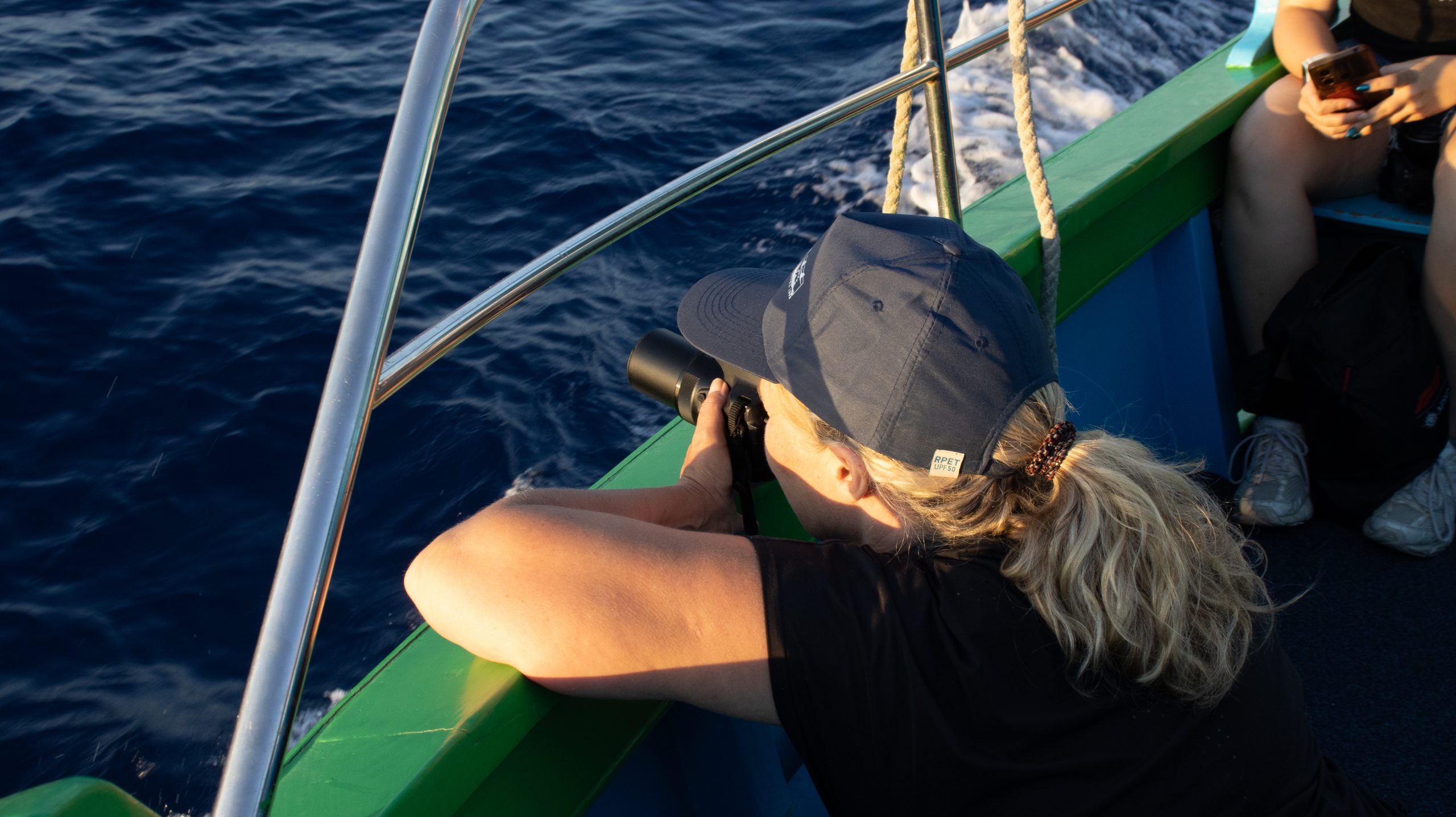
In June, we kicked off our Summer series of guided boat trips to see Shearwaters at sea. Participants set sail at sunset on a traditional Maltese fishing boat to watch Scopoli’s and Yelkouan Shearwaters gathering in ‘rafts’ before they return to their cliffside colonies. As Shearwaters spend their lives out on open waters and breed in steep, inaccessible cliffs, seeing them so close to the coast is a truly unique experience. It’s a marvellous sight, with birds skimming skilfully over the waves and occasionally giving their characteristic eerie vocalisations as the sunset illuminates the sea in rainbow colours.
The trips are fully booked and have been a fantastic success so far!
Eyes out for grounded Yelkouan Shearwater fledglings
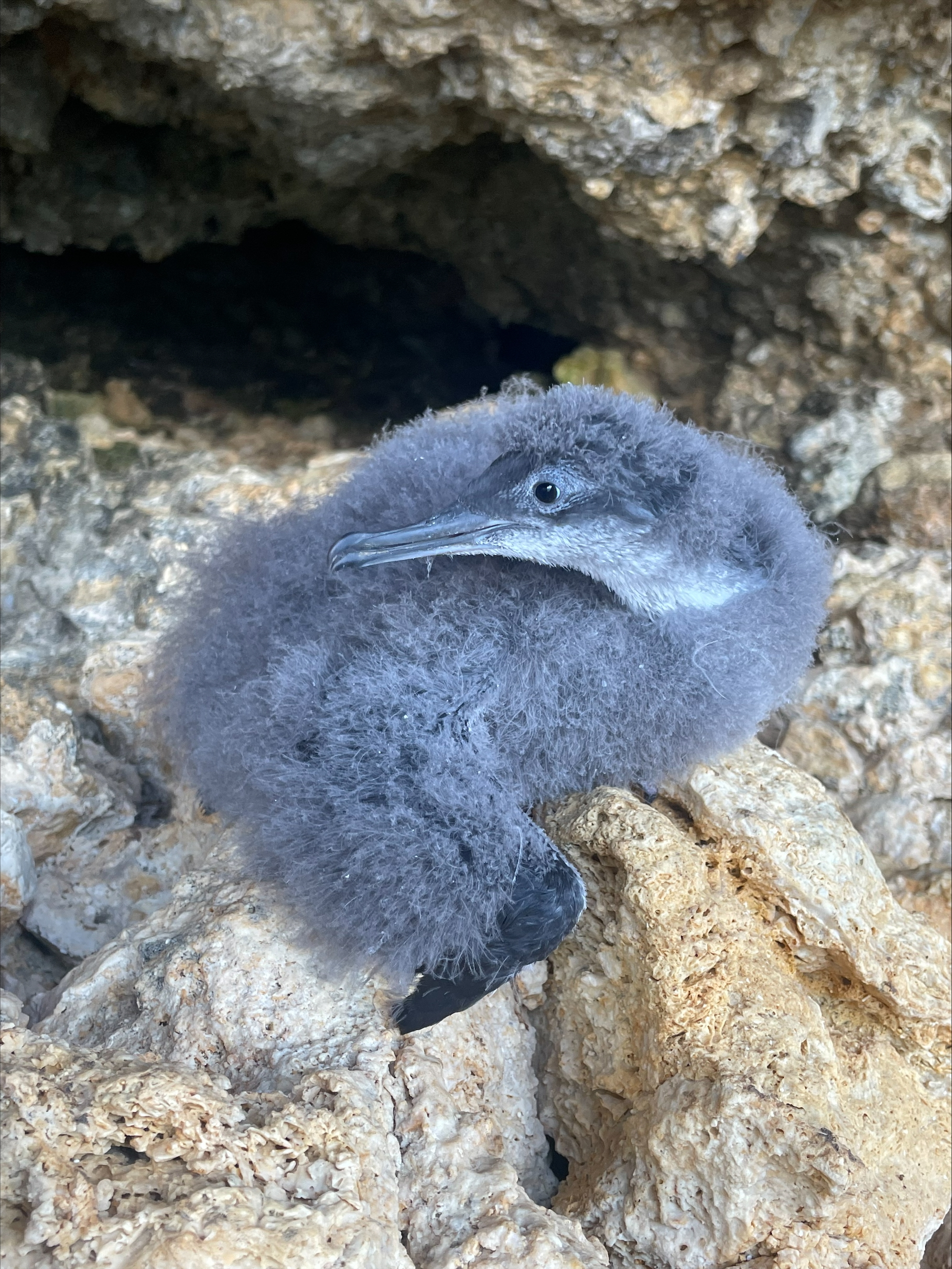
The Seabird team has been closely monitoring the breeding success of Yelkouan Shearwaters, and soon the chicks will be old enough to take their first flight. In search of food, they leave the safety of their burrows on their own and head out to sea. Sadly, every year many fledglings become disoriented, most likely by coastal light pollution, and end up grounded on land.
If you find a Shearwater in an urban area, please help it continue its journey by calling BirdLife Malta on (+356) 21347645 (working hours) or (+356) 79255697 (evenings and weekends).
Ideally, collect it using a clean cloth or towel and place it in a well-ventilated box in a dark, cool place.
We will come to collect the bird and look after it until it is ready to spread its wings once more!
by Lola von Kietzell
by Martin Austard
by Lola von Kietzell
LIFE Tetide: seabird monitoring continues
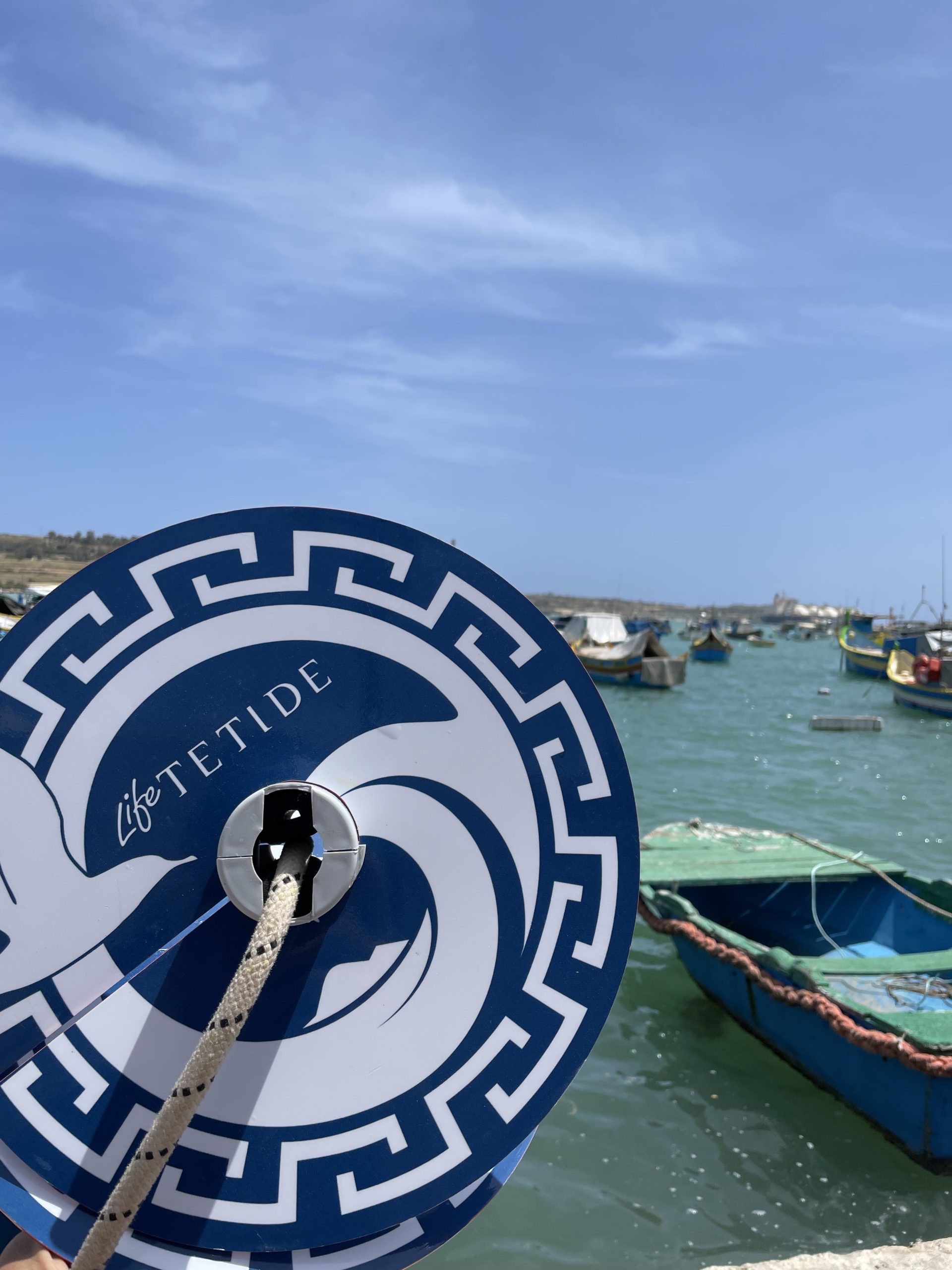
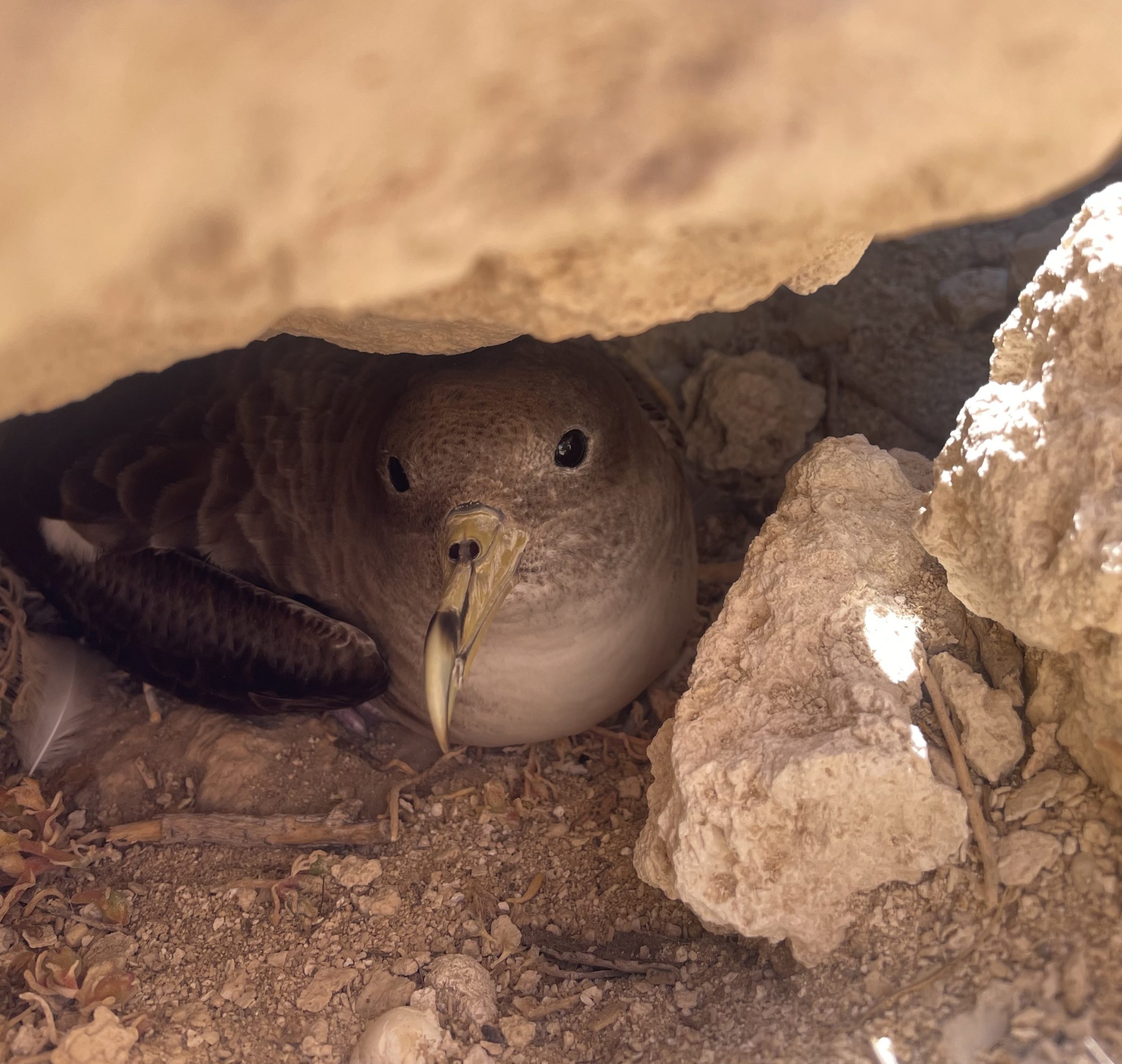
While the Yelkouan Shearwater breeding season is about to end, Scopoli’s Shearwaters and European Storm-petrel have just started theirs. The LIFE Tetide team is busy making the first round of nest visits, with regular visits conducted over the summer months to understand how many breeding attempts are successful in raising a nestling. Alongside this work, we continue to strengthen biosecurity surveillance on our most sensitive islets and seabird colonies. To help prevent the accidental spread of invasive rodents between sites, the team has developed practical rope guards for use by boat operators. These simple devices stop rodents from accessing vessels via mooring lines, helping to safeguard vulnerable seabird habitats.
New publication on Scopoli’s Shearwater pre-laying exodus
Using data collected during past LIFE Projects, a new research paper led by Marie Claire Gatt has recently been published. The study sheds light on the movements of Scopoli’s Shearwaters during their pre-laying exodus and how they prepare for the demanding breeding season ahead.
Males and females of a pair share incubation duties and close coordination between partners is crucial to ensure the egg is not left unattended, especially in colonies with invasive rodents, but this is not always achieved. Findings from the study may help explain why, as they show male Scopoli’s Shearwaters are struggling to build up adequate energy reserves for incubation. With so little known about the pre-laying period of these enigmatic seabirds, studies like this provide valuable new insight into the challenges they face, and reinforce the importance of ongoing conservation efforts.
by Martin Austad
by Lola von Kietzell
Follow our LIFE PanPuffinus! project on our website and social media!

Feedback to Malta’s National Agricultural Policy
BirdLife Malta submitted feedback on Malta’s National Agricultural Policy, welcoming its focus on safeguarding farmland, rural livelihoods and food security, while stressing the need to halt further loss of agricultural land, which has declined by 6.2% over the past decade. We expressed our position against converting ecologically valuable habitats, including garrigue and long-abandoned fields, into agriculture without proper ecological assessment. We also raised concerns about illegal excavation of agricultural land for artificial ponds used to attract wading birds, calling for stronger monitoring and enforcement, together with the establishment of a clear framework to respond to infringements promptly and address this enforcement gap.
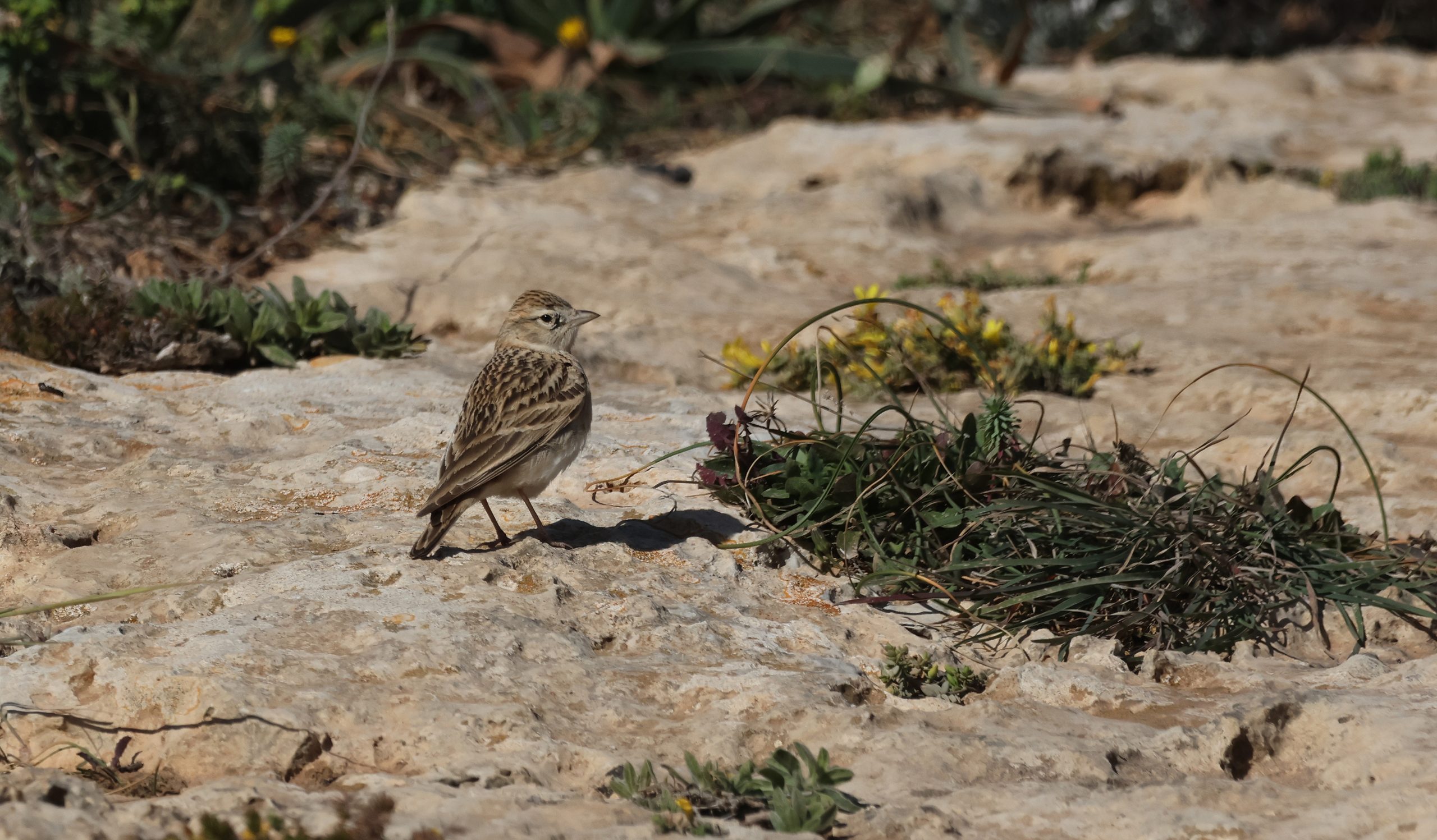
We advocated for stronger incentives supporting farmers in implementing nature-based solutions, organic farming, habitat restoration, creation of pollinator-friendly areas, invasive species control and bird-friendly practices. The recovery potential of several farmland bird species could be significantly enhanced through the adoption of appropriate farming practices. In this regard, subsidies could be directed towards farmers implementing projects targeting specific species (e.g. Short-eared Owl, Common Kestrel, Turtle Dove, Corn Bunting, and Greater Short-toed Lark).
In addition, while the policy actions are broadly holistic, the document lacks clear and measurable success indicators. For example, the policy places considerable emphasis on advisory and knowledge-transfer services as the primary mechanisms for achieving environmental resilience. However, without the use of measurable indicators, it will be difficult to determine whether these measures are delivering tangible improvements. We therefore highlighted the importance of integrating biodiversity indicators within the policy, especially the Farmland Bird Index, in line with the EU Nature Restoration Regulation, and to achieve measurable outcomes from the policy implementation.
Read our full feedback here.
by Aron Tanti
Salina Nature Reserve
Sightings
During June, even though the main migration period has come to an end, Salina Nature Reserve continues to welcome interesting visitors and exciting wildlife discoveries.
We were delighted to observe species such as the Black-winged Stilt and a Redshank, which stopped at the salt pans to feed and enjoy the peaceful surroundings. The salt pans also became even more spectacular as their waters turned a deeper pink, with a short visit from a beautiful Greater Flamingo adding to the magic of the reserve.
Flying over Salina, we spotted Audouin’s Gulls, together with our regular visitors such as Little Egrets, an amazing Grey Heron and Yellow-legged Gulls, including some individuals carrying bird rings as part of ongoing monitoring projects. Another special visitor was a Sandwich Tern, adding even more excitement to our birdwatching moments.
But Salina is not only about fascinating bird species — it is also a place full of activities, education, and community involvement.
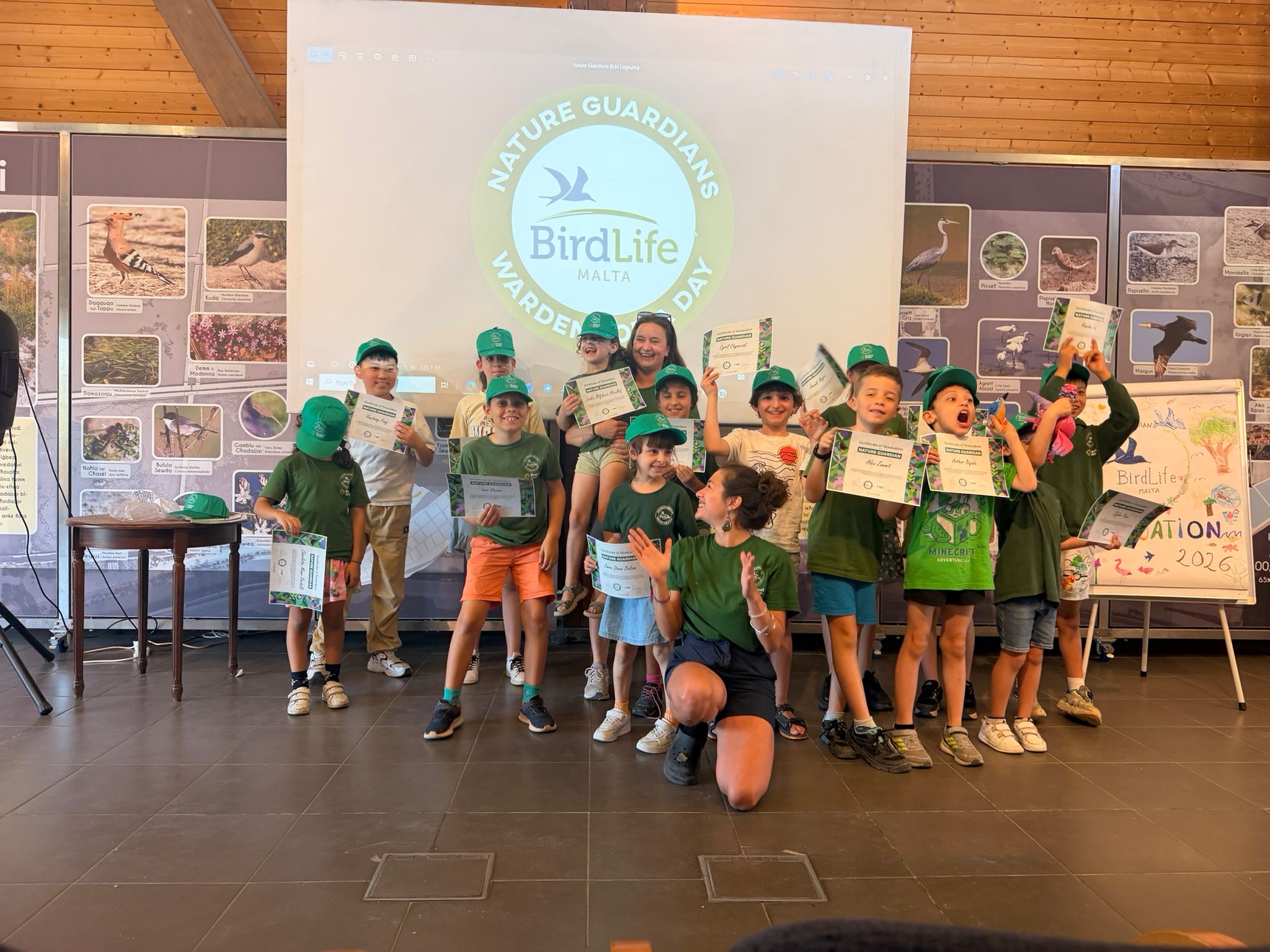
On 6 June, Salina celebrated the graduation of the Nature Guardians Spring Course 2026. We also welcomed guests taking part in our Corporate Social Responsibility (CSR) events, who helped us build nest boxes that will soon be installed around the reserve to provide new opportunities for wildlife.
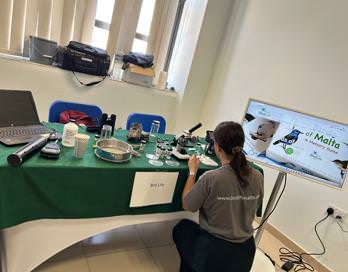
Our team was also invited to the MCAST Open Day, where we had the chance to introduce the younger generation to our conservation work and share the research carried out at Salina Nature Reserve and the Salina Wetland.
Despite the high temperatures, the vegetation of the Salina Wetland continues to thrive thanks to the dedication of the Salina staff, who carefully maintain the habitat through activities such as regular watering. This allows many creatures, including chameleons and small insects, to find shelter and a suitable environment within the reserve.
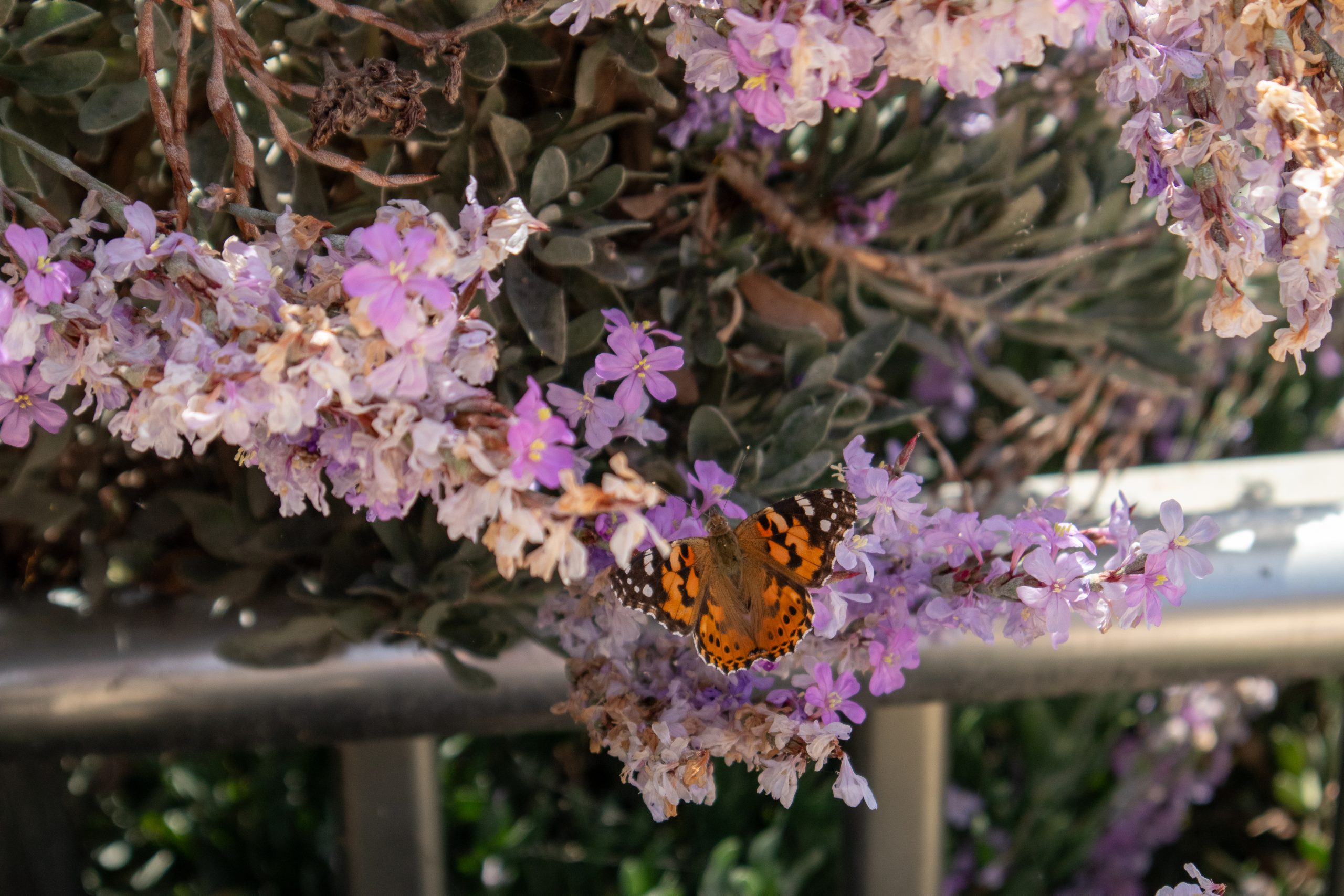
Did you know that this month Malta experienced a remarkable migration of Painted Lady Butterflies? Salina became a colourful stopover, with hundreds of butterflies decorating the plants around the reserve and bringing even more life to our natural surroundings.
Another interesting observation was a Eurasian Golden Oriole, which was heard calling from the woodland in mid-June. This is quite an unusual record, as most Golden Orioles have already completed their spring migration by this time.
by Sara Melfi
by Angela Scorzoni
by Vera Tokmakova
Għadira Nature Reserve
Sightings
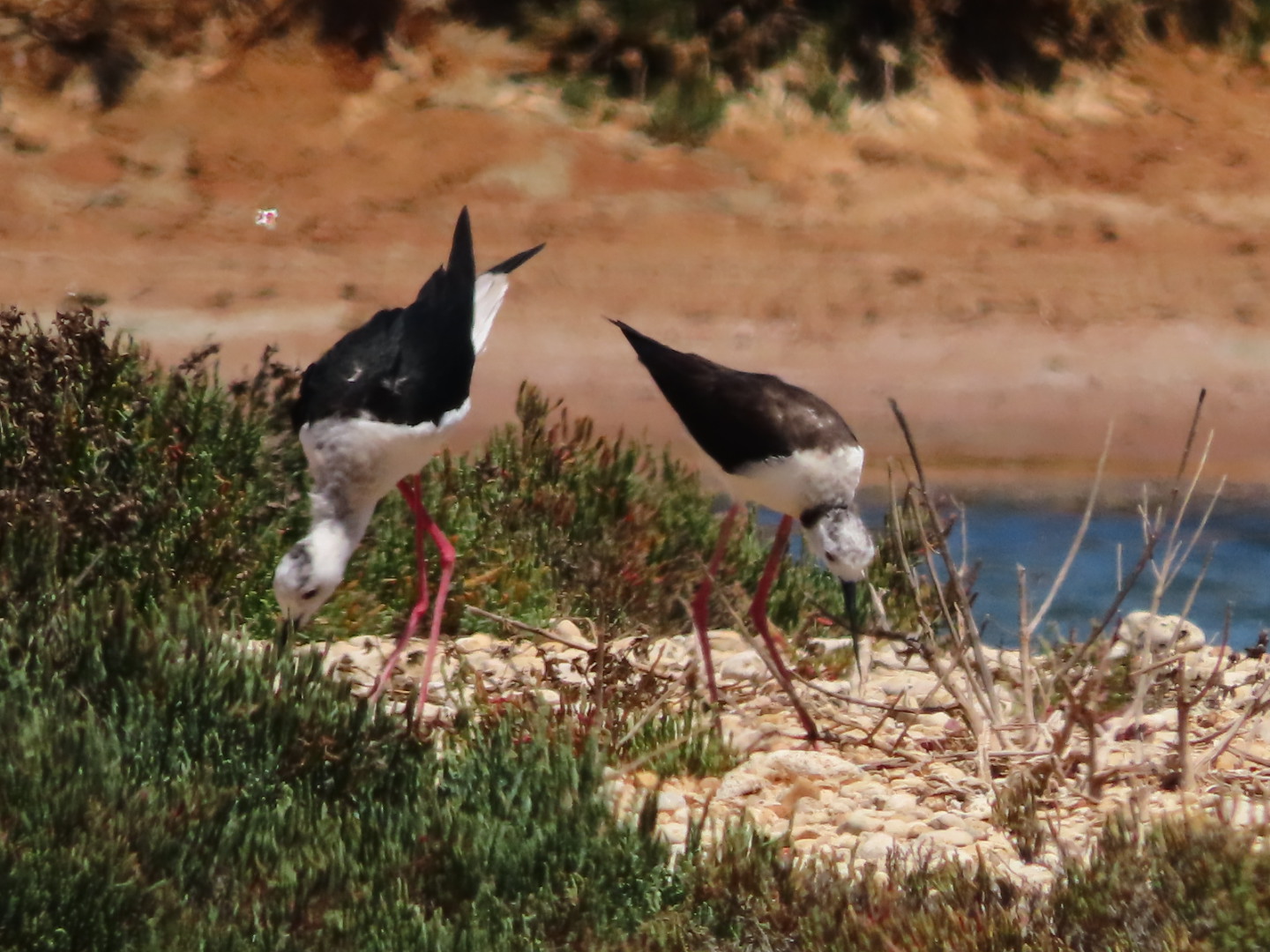
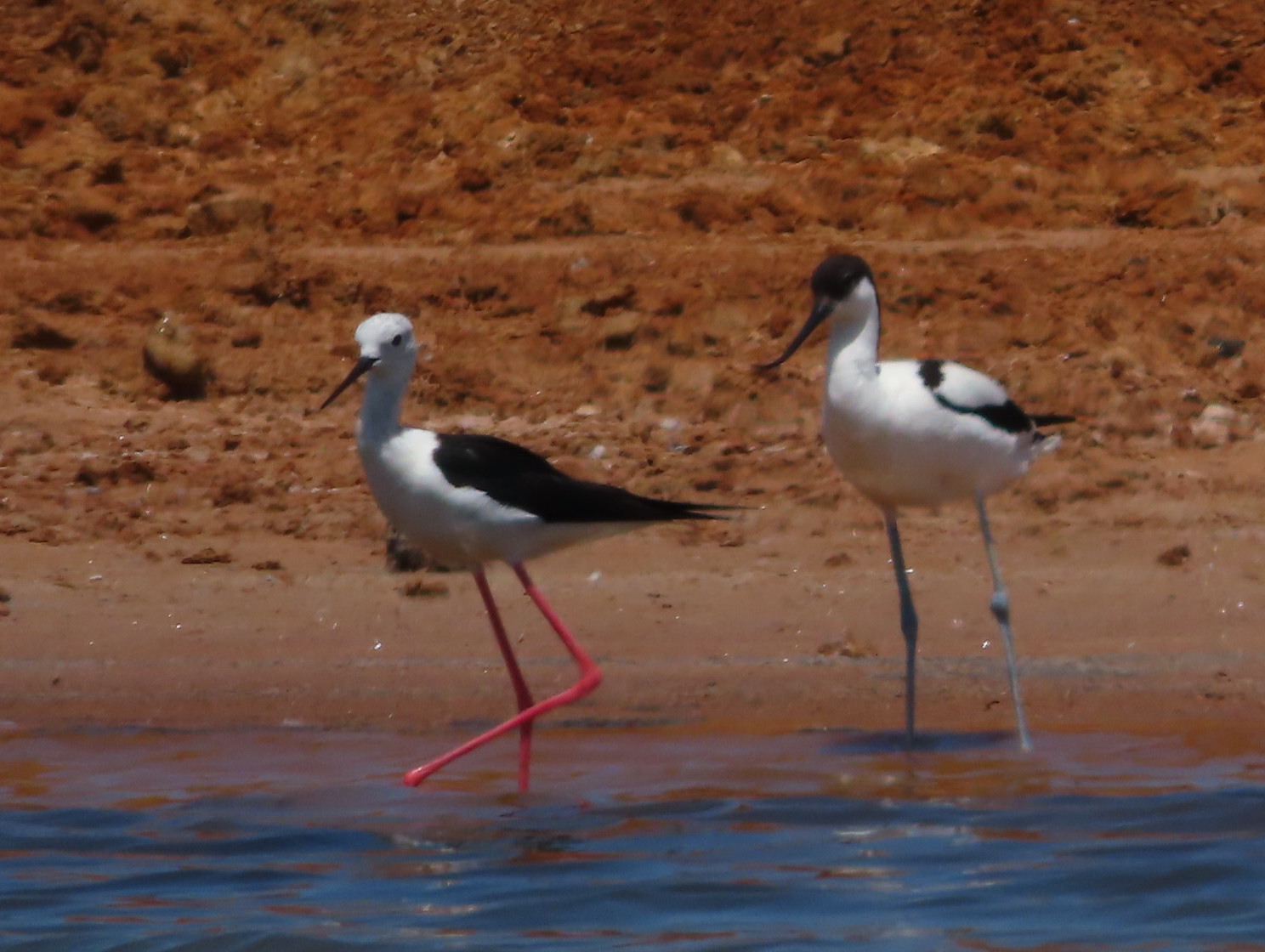
June highlights at Għadira Nature Reserve were the 3 pairs of Black-winged Stilts which nested. Two pairs arrived during the first week of June and immediately started scraping on two islands. Both pairs eventually nested, while the third pair, which arrived later, also settled to nest on another island. All 3 pairs were incubating for the rest of the month. Other Black-winged Stilts showed up in mid-month, which brought some disputes to the nesting pairs. On 28 June, two chicks hatched from the first nest; however, following several disputes with a nearby pair, both chicks were lost. Hopefully the two remaining pairs will be successful in raising their chicks.
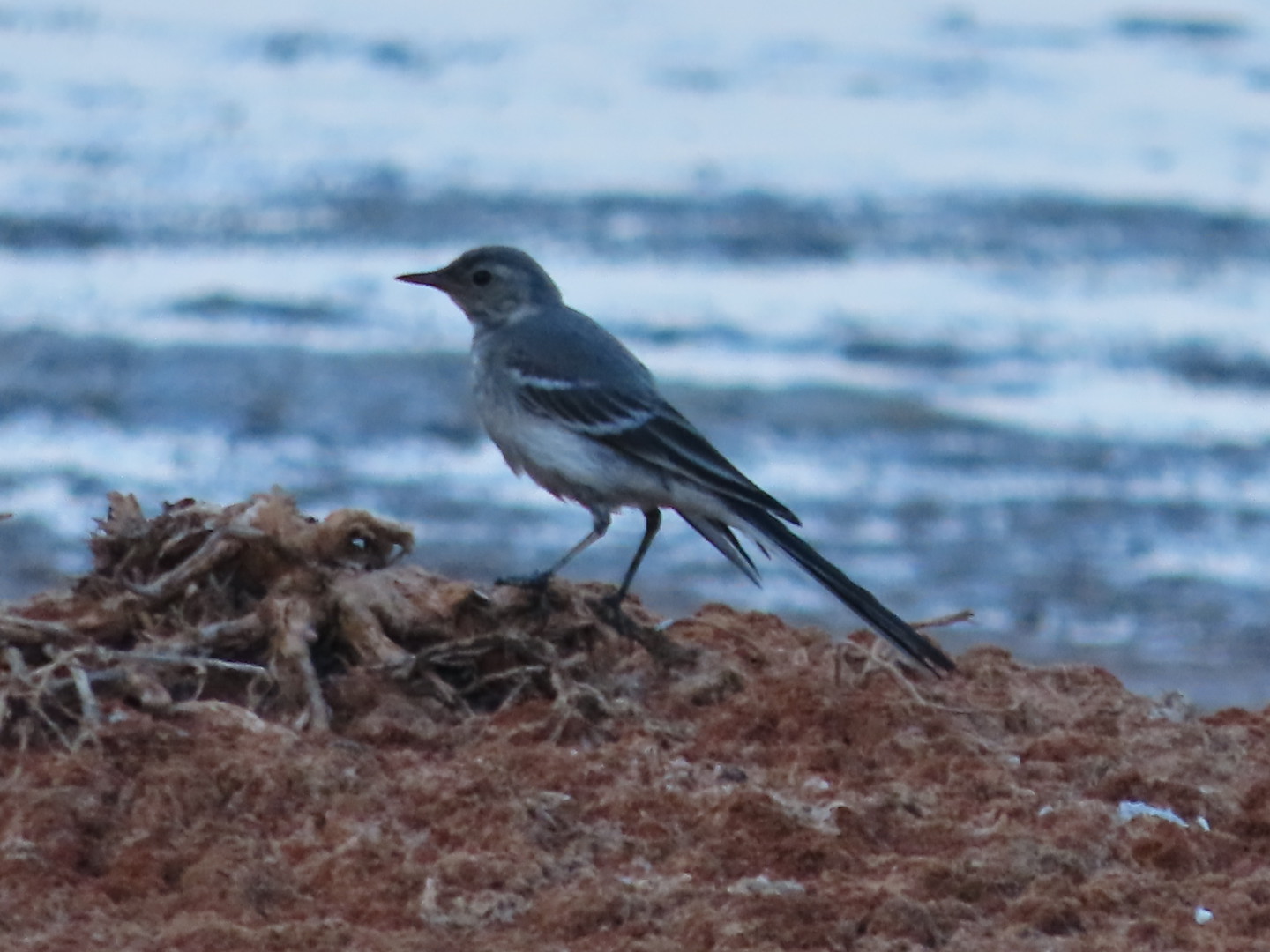
Three pairs of Little Ringed plovers were noted incubating the second brood of eggs, and another pair hatched while 3 more juvenile plovers took flight. Green Sandpipers were frequently seen in small flocks as is normal for this time of the year. Of particular note was a juvenile White Wagtail on 15 June, which indicates that this species nested somewhere close by.
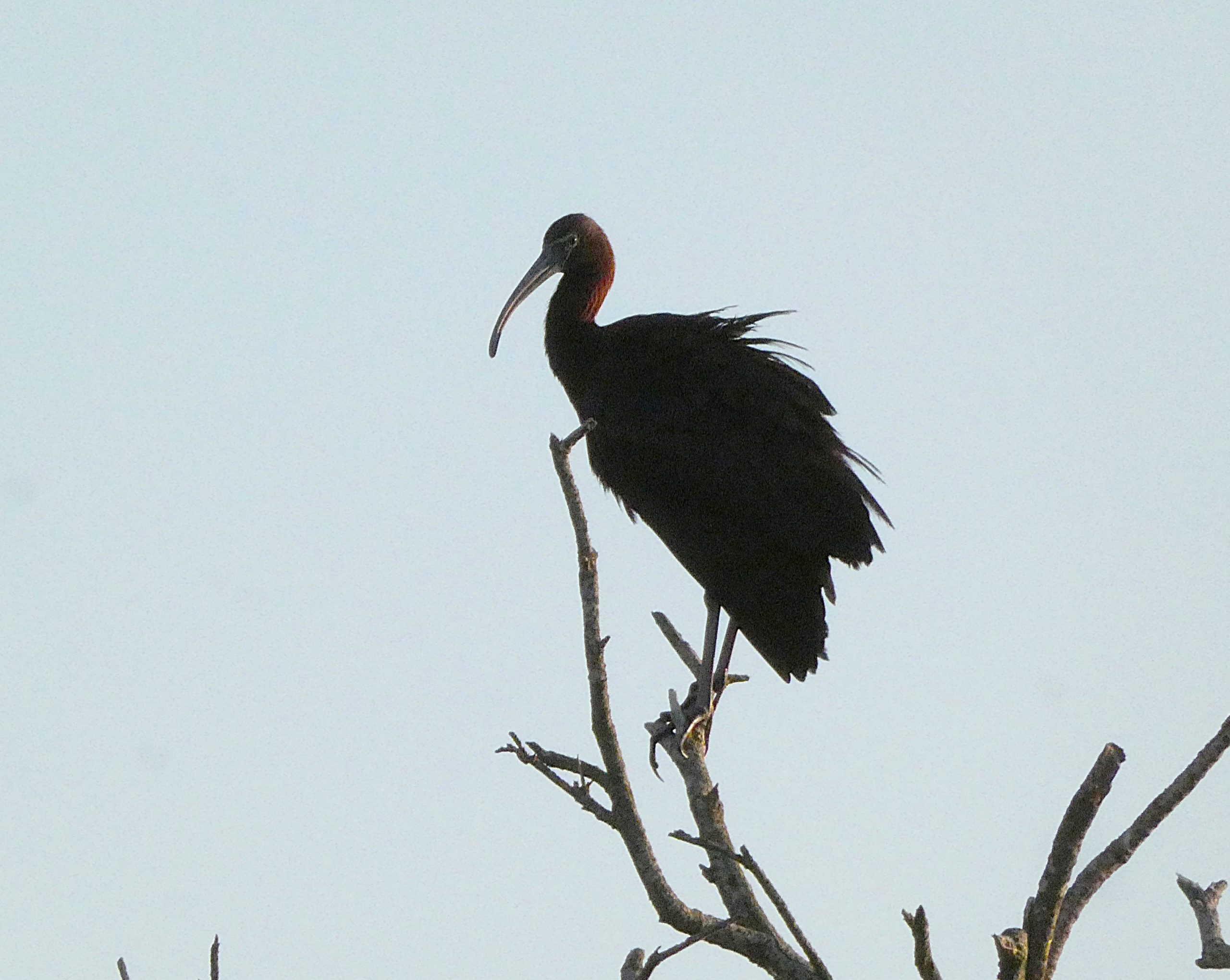
Other particular sightings included a rare Avocet which showed up for a couple of days and a Western Yellow Wagtail which was seen daily. Small numbers of Wood Sandpipers and Little Stints; a Honey Buzzard and a Glossy Ibis were also sighted.
by David Attard
by David Attard
Works
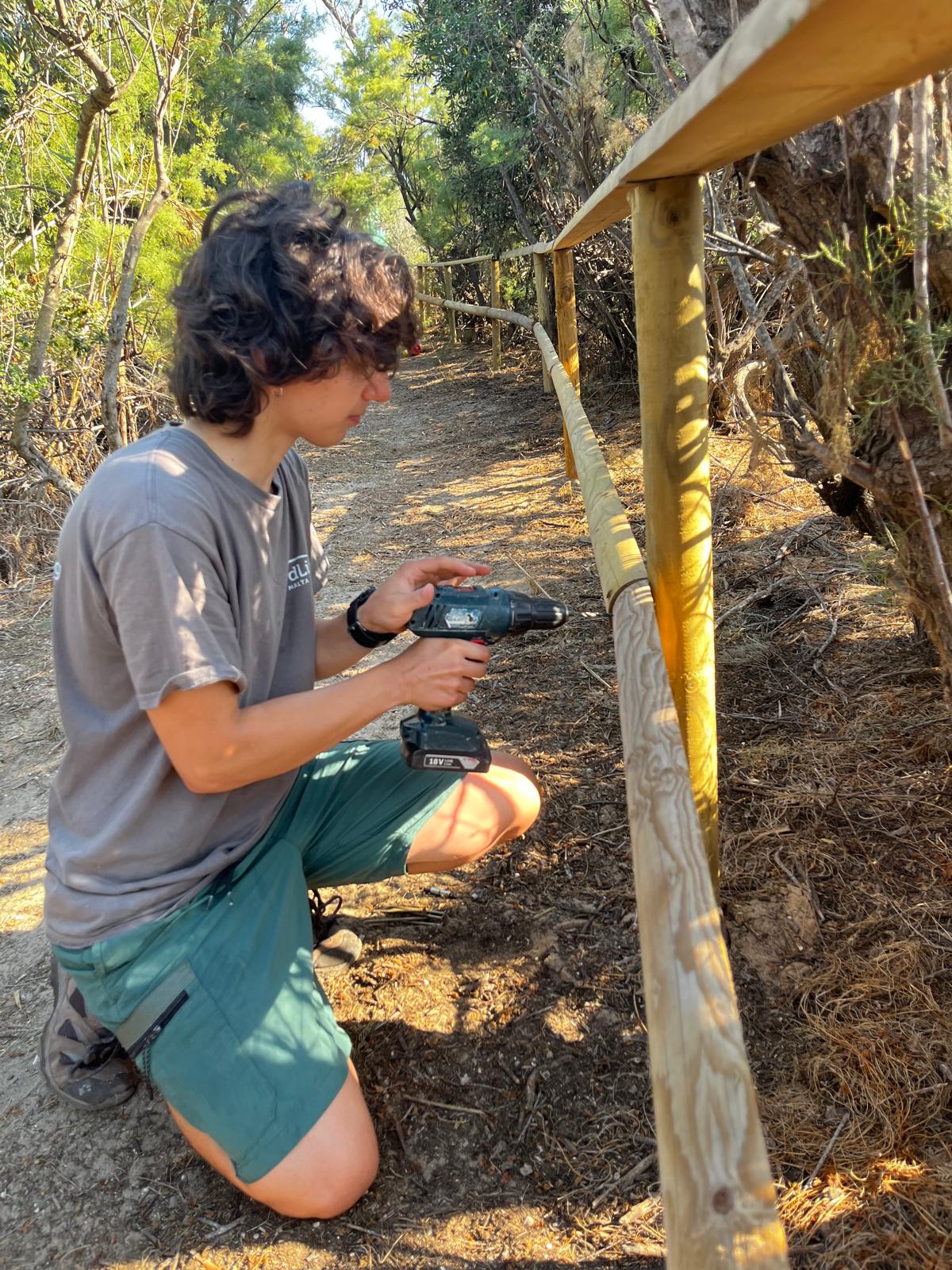
Refurbishment works in the Visitors’ Centre are currently underway, while the installation of handrails also continued, with works being focused on the initial part of the public trail from the Visitors’ Centre so as not to disturb nesting birds further in the reserve.
Almost 30 metres of handrail was installed during a CSR activity with BOV employees who also worked on repairing part of the perimeter fence on the NE side of the reserve as well as collecting plastics and fly-tipping from the sand dune areas and shredding of prunes material.
Cutting and uprooting of reeds and acacia trees was continued in the sand dune areas, both species being rather difficult to control without the use of herbicides as they continue to produce new offshoots in a short time span.
Transplanting of plants and seedlings was also done in the tree nursery, and irrigation and filling of ponds was done as necessary due to the high water demand during this time of the year.
by David Attard
by David Attard
Simar Nature Reserve
Sightings
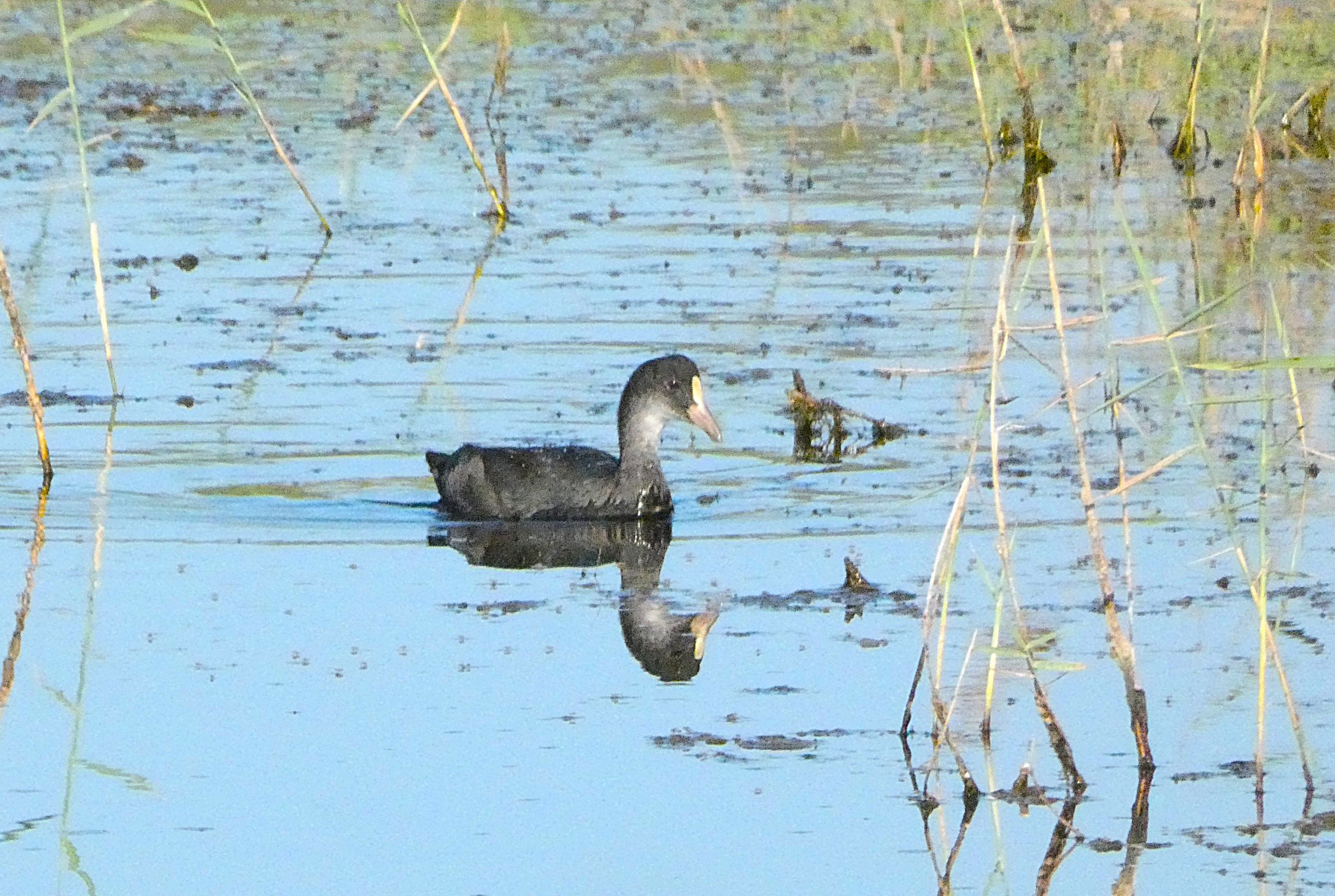
With bird migration almost over, breeding bird activity was still ongoing in the wetland. Several pairs of Common Moorhens were still feeding together with their young in family parties. Various juvenile age groups were present, varying from full-grown juveniles to a ‘few days’ old chicks. A pair of Common Reed-warblers also nested successfully, with the young birds fledging towards the end of the month. The juvenile Common Coot, fledged in the previous weeks, is fully grown and boasting the ‘adult’ white bill.
A few late migrants appeared throughout the month. An adult Glossy Ibis was obviously the main highlight. It’s an extremely rare bird for this time of year, and even more amazingly, it spent several days in the reserve. An adult Squacco Heron was also present for a few days towards the end of the month. At the same time, the first waders started arriving, signalling the start of the return migration from Europe. These included Green Sandpipers and Wood Sandpipers.
by Charles Coleiro
by Charles Coleiro
by Charles Coleiro
Works
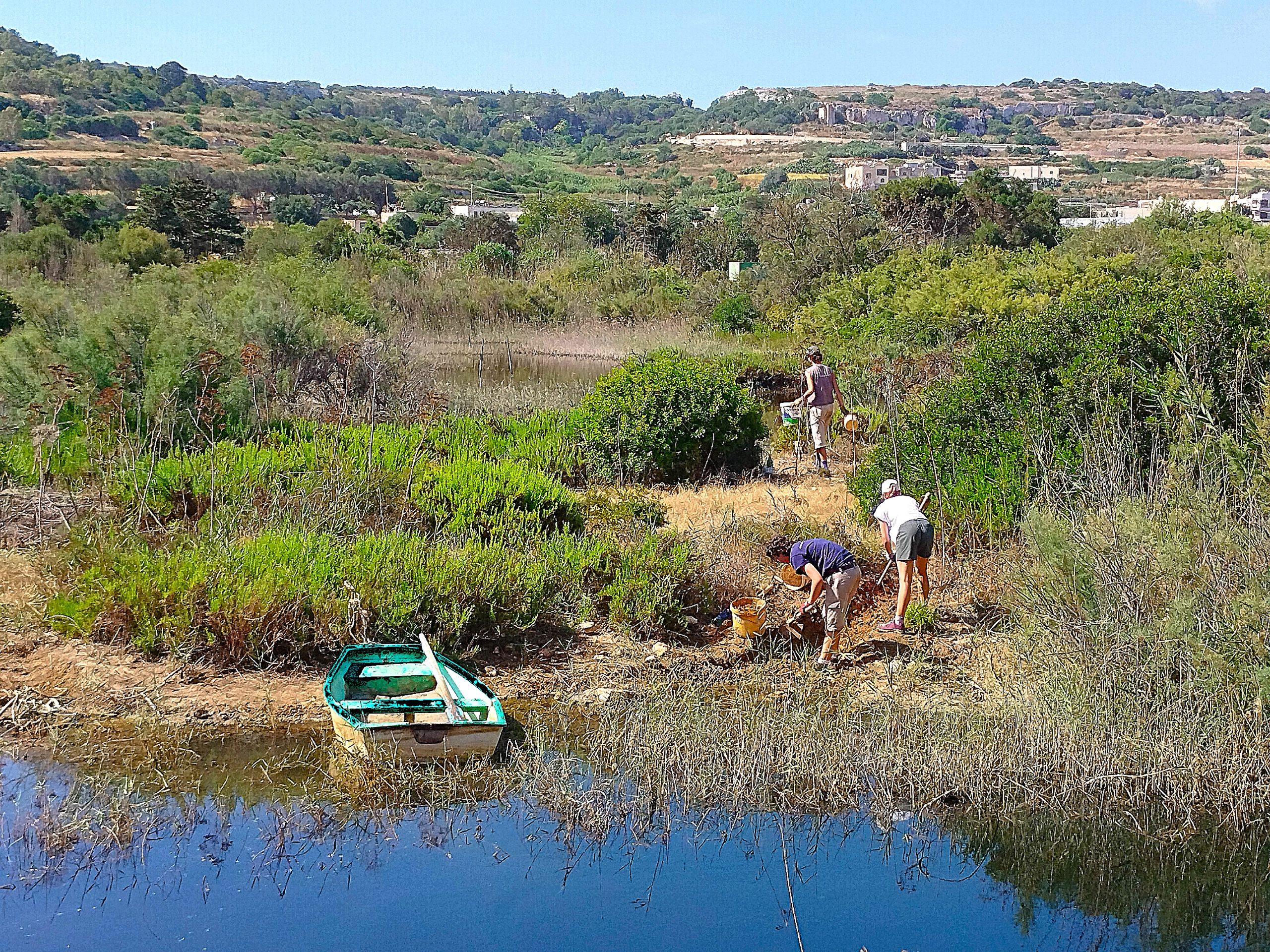
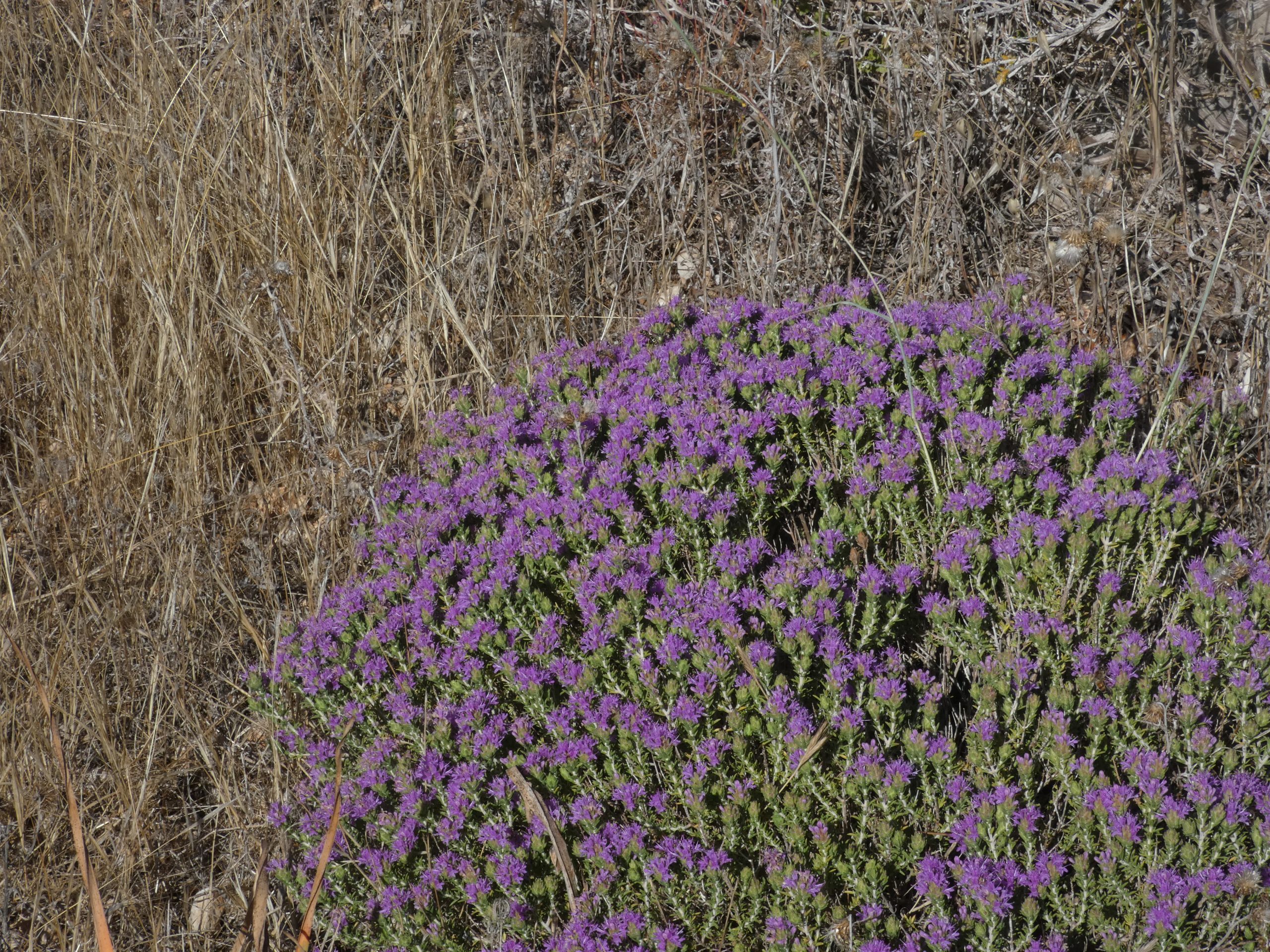
The island just across the visitor centre continued undergoing habitat restoration. This follows last Summer’s works where part of the island was lowered by removing the upper layer formed by soil. This enabled the ground to become more saturated and even waterlogged for most of the year. This triggered the growth of specialised plants including Mediterranean Bindweed and Spiked Centaury.
The second phase carried out this summer involves creating a canal within the island which is 1-1.5m wide and 25m long. This will enable water to access the canal and run through the island. These works are enthusiastically being done manually by the nature reserve’s ESC volunteers using just basic tools. A mound is being created by the soil spoils whilst unearthed clay is deposited alongside the island, creating a protruding shore.
Another demanding piece of work being carried out involves the rehabilitation of the area adjacent to the multipurpose building next to the visitor centre. The aim is to create a resting/seating area which will blend in with the natural surroundings. Dry hedges were created as well as paths made with organic material. Further works are in progress to improve the area aesthetically.
Foresta 2000
Sightings
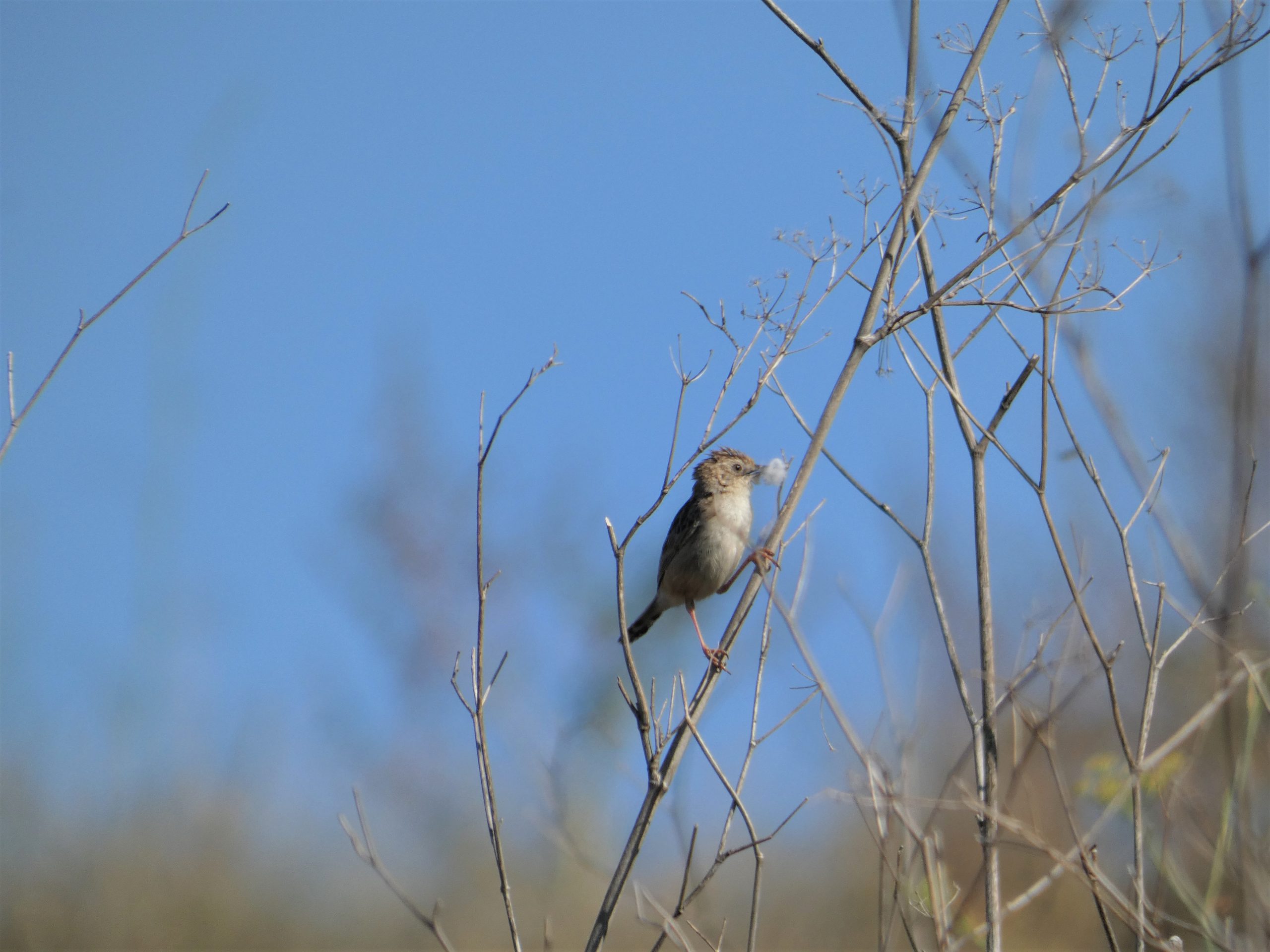
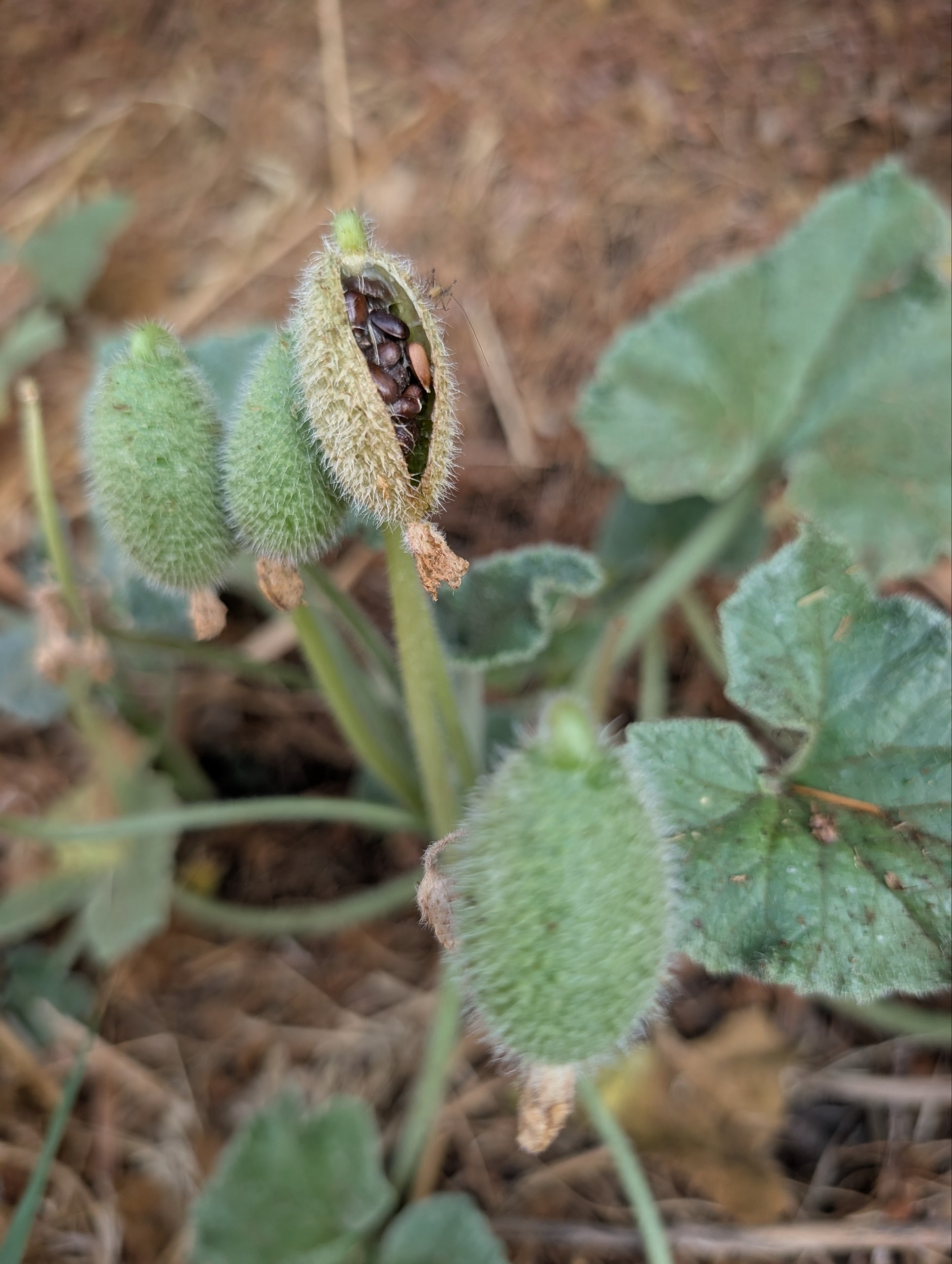
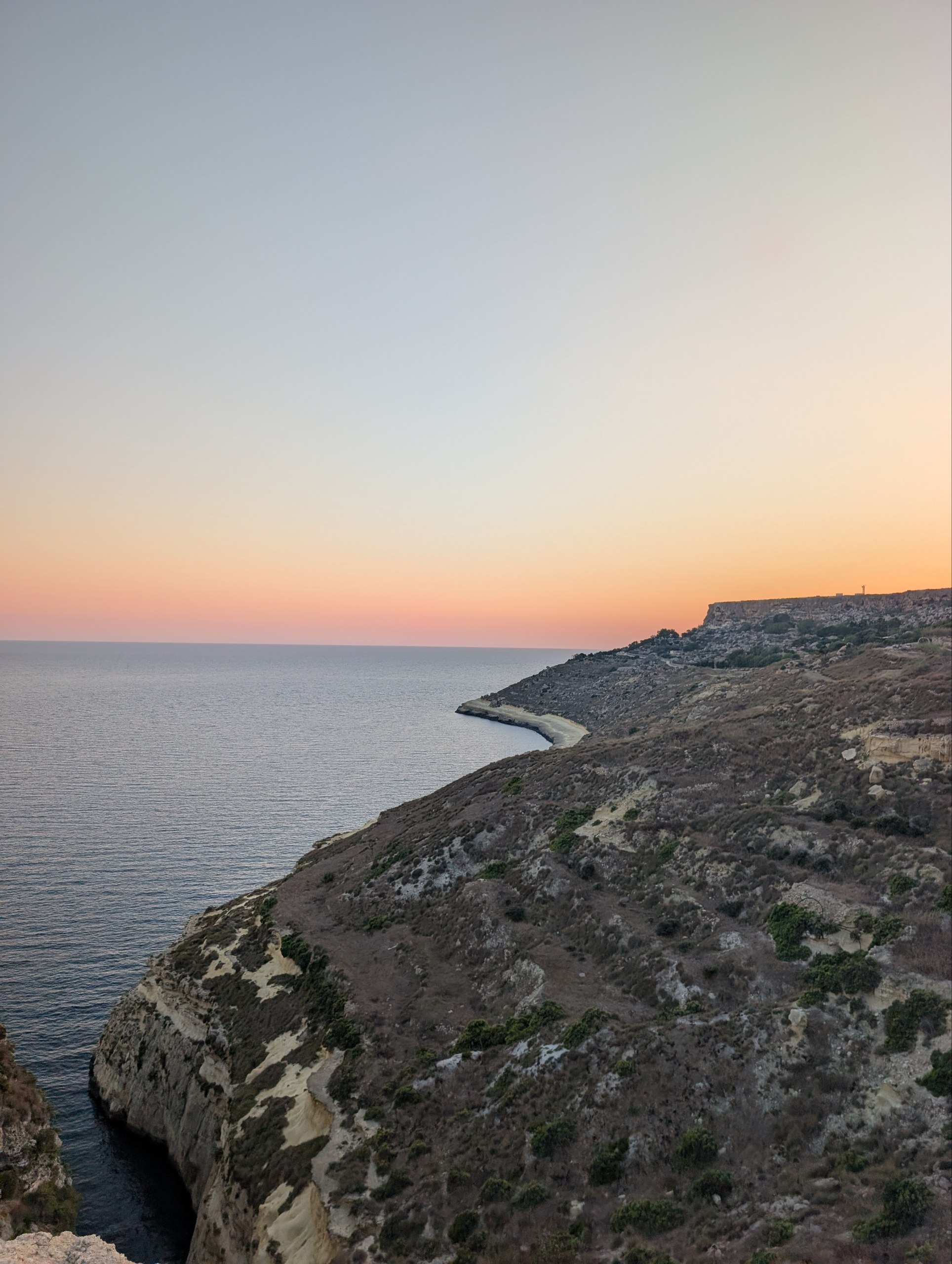
June marked the arrival of the Mediterranean Summer at Foresta 2000. The grasses have largely turned golden, while drought-resistant shrubs and aromatic plants now dominate the landscape. Despite the rising temperatures, the reserve remains full of wildlife, particularly during the cooler morning and evening hours.
During monitoring on 3 June, two rabbits were spotted moving through the vegetation, while a Maltese Skink was observed basking near the paths. The familiar song of the Blue Rock Thrush continued to echo from the cliffs, and Swifts filled the skies overhead, taking advantage of the warm air currents.
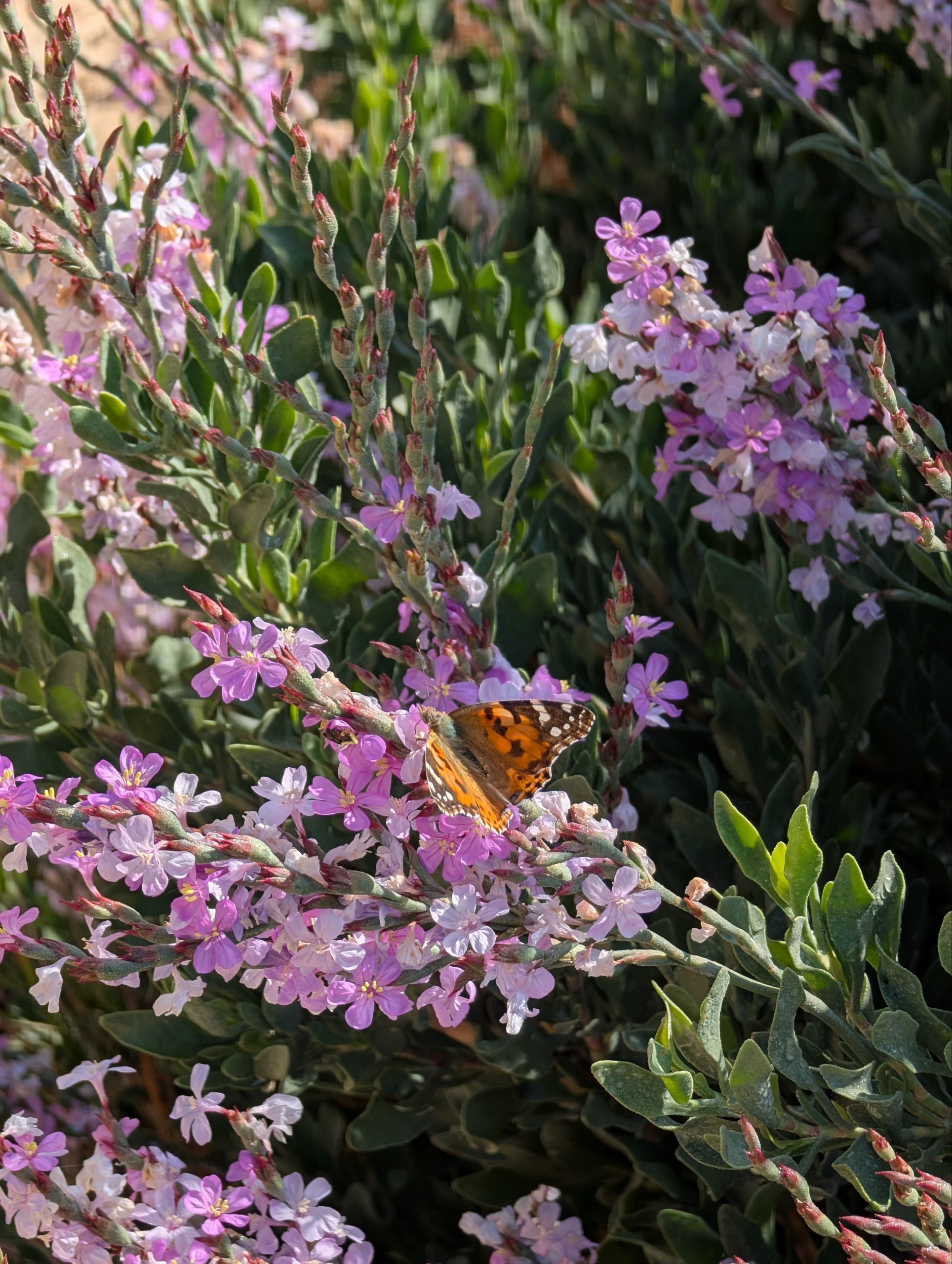
This month also brought one of nature’s most remarkable spectacles—the migration of the Painted Lady Butterfly. Numerous individuals were observed passing through the reserve as part of their long-distance journey across Europe and Africa, making Foresta 2000 an important stopover during this incredible migration.
Reptiles were particularly active. Numerous juvenile Western Whip Snakes were recorded across the reserve, indicating another successful breeding season. Several Mediterranean Chameleons were also observed among shrubs and low branches.
As dusk fell, bats emerged to feed on insects above the paths and clearings, adding another dimension to Foresta’s rich evening wildlife.
by BirdLife Malta
by Vera Tokmakova
by Vera Tokmakova
Works
Regular clean-ups and path monitoring continued throughout June to ensure safe access for visitors. Trail maintenance and vegetation management were carried out where necessary, helping to keep the reserve welcoming while protecting its natural habitats.
Following the explosion of the firework factory in Naxxar that occurred in the surrounding area, Foresta 2000 was carefully inspected. Fortunately, no damage to the reserve or its wildlife habitats was recorded.
by Vera Tokmakova
by Vera Tokmakova
by Vera Tokmakova
Birding Highlights
June is a quiet month for birding, as spring migration slows to a trickle and most birds are busy raising their young. The lull in birding activity is reflected in the lack of notable highlights during the month. Late migrants included a few Common Little Bitterns, European Bee-eaters, European Honey-buzzards and Eleonora’s Falcons. The latter species is interesting for its unique late breeding strategy. Its breeding season in July and August is later than most other species. This strategy allows it to take advantage of the autumn migration of small birds, which constitutes an abundance of food. Outside the breeding season, the Eleonora’s Falcon is mostly insectivorous. Another interesting fact about the Eleonora’s Falcon is that most of the global population winters on the island of Madagascar.
One of the highlights of the month was a Kentish Plover which turned up at Marsascala on Friday 19 June. This species is very scarce in Malta, with usually less than a handful of sightings each year. It tends to occur mostly on rocky coasts in Malta, although this is probably a consequence of a lack of its favoured habitat locally, which is sandy beaches and mudflats. Despite its English name, this species does not occur regularly in Britain anymore. Nevertheless, this species has a very wide range, and is widespread in large areas of Europe, Asia and Africa.
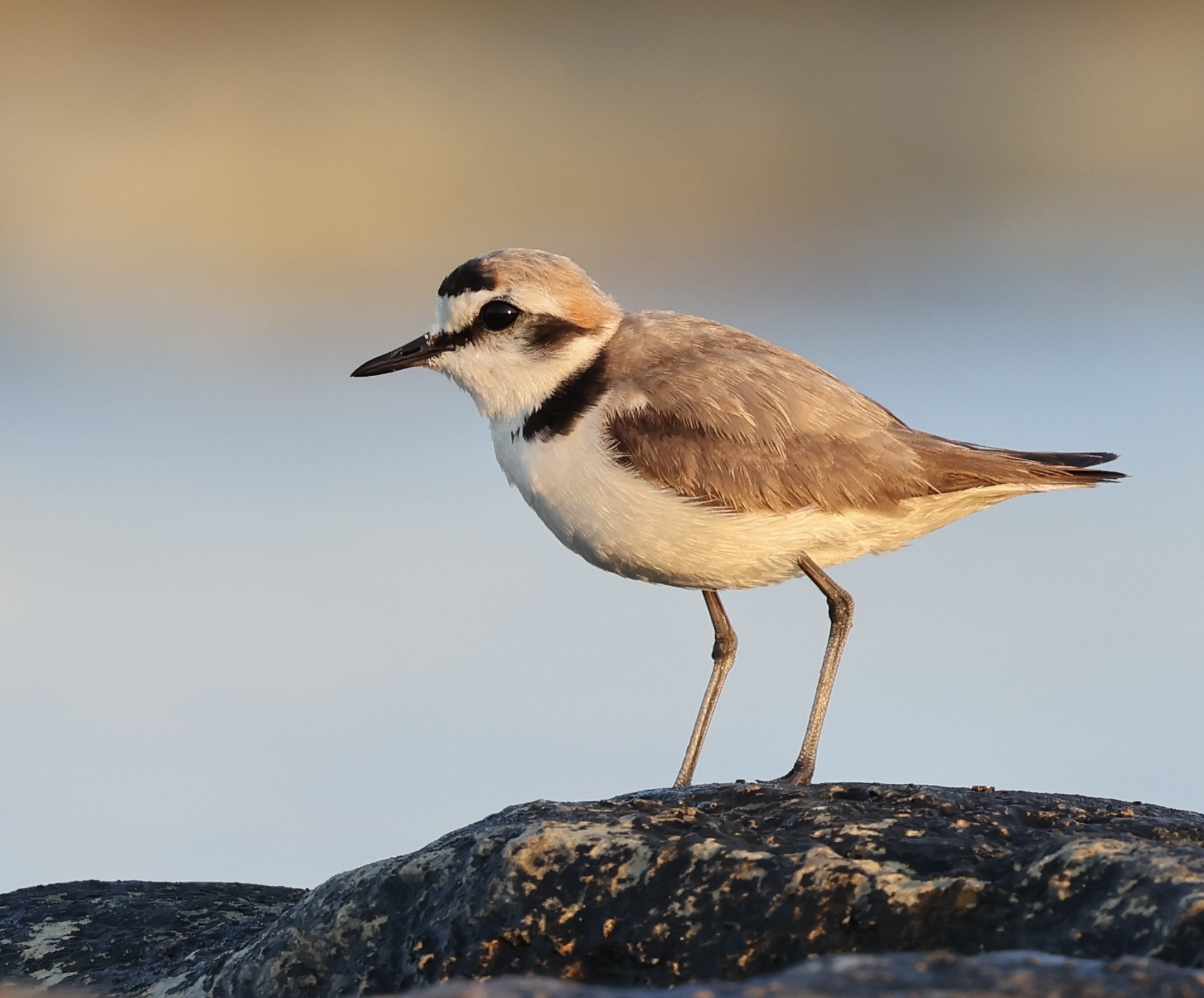
by Nicholas Galea
Hot Bird Summer – a FALKO event
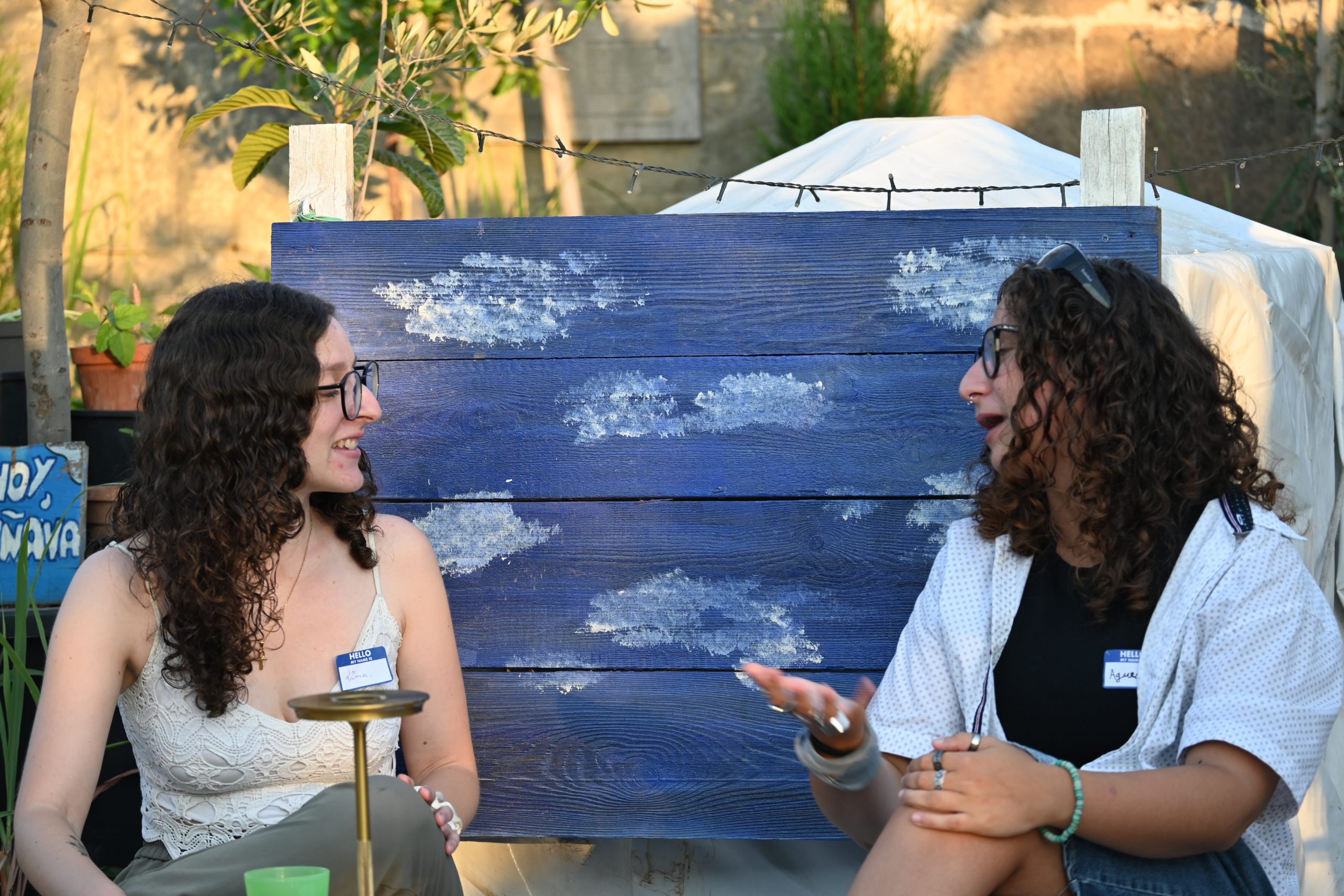
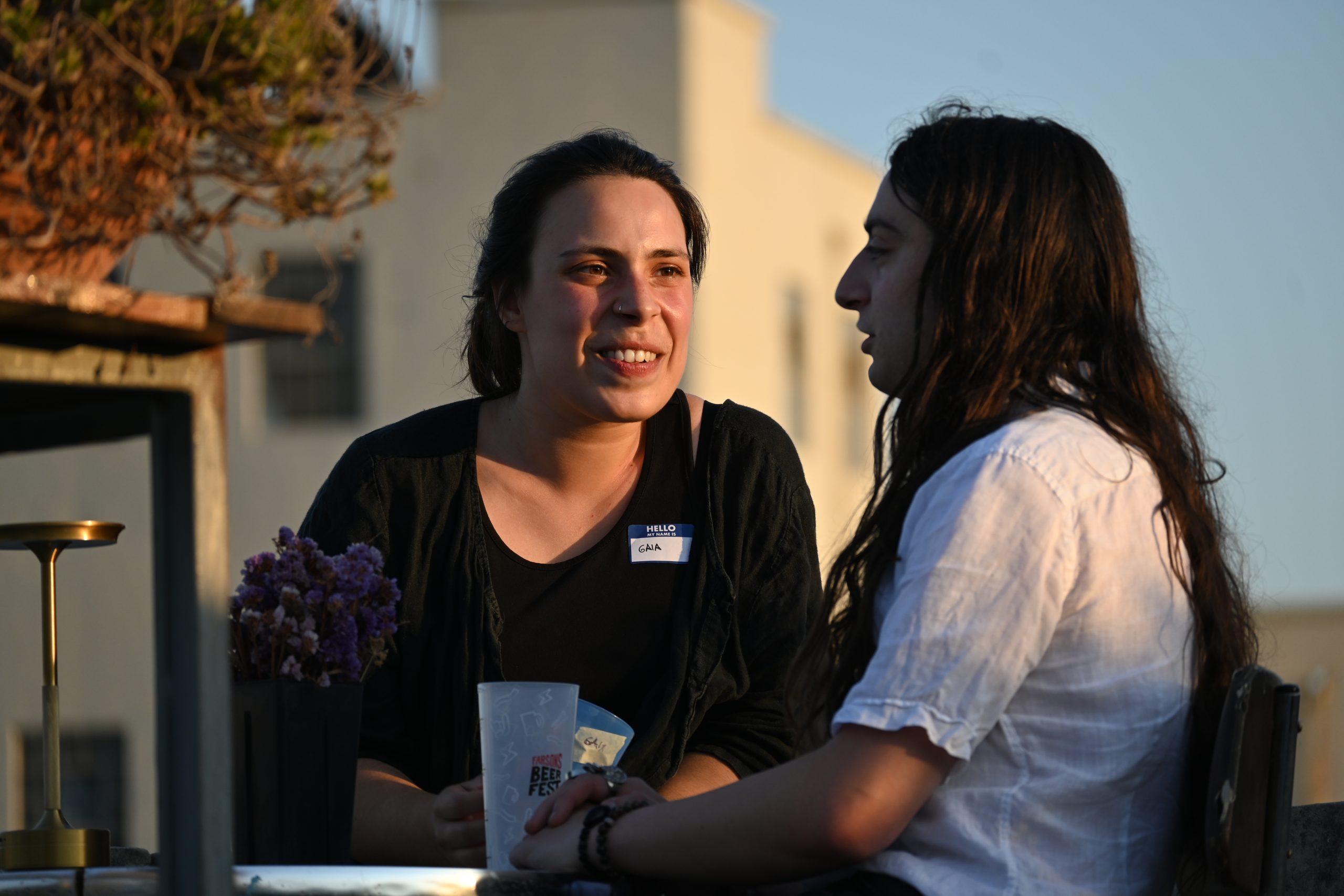
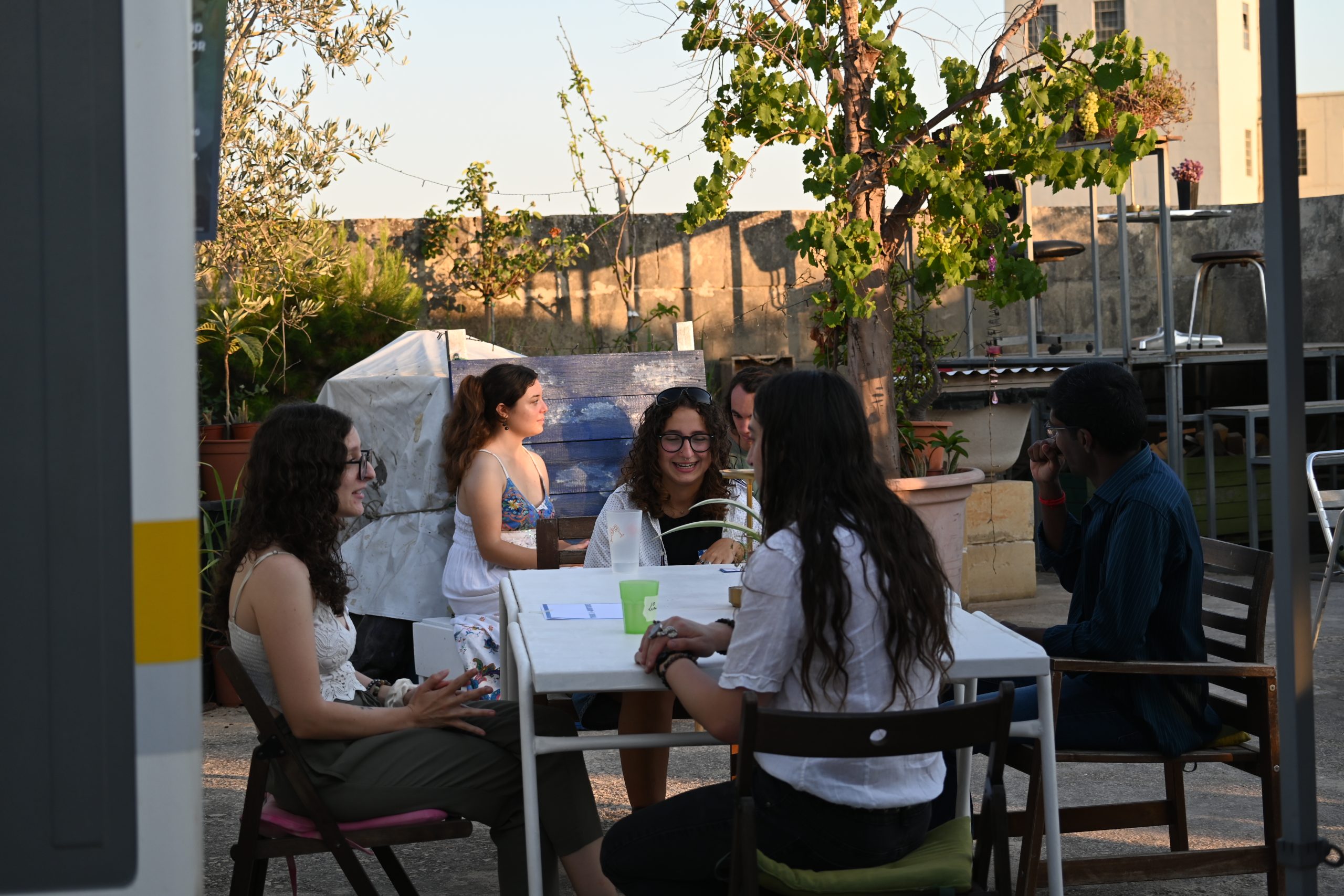
In June, FALKO, BirdLife Malta’s youth group, organised its first social event “HOT BIRD SUMMER” in collaboration with Young Friends of the Earth. The participants, all in their twenties, gathered in the picturesque setting of the FOE garden in Floriana to connect with like-minded people, proving that a stranger is simply a friend we haven’t met yet. Guided by prompts on various topics (e.g. nature, relationships, personality, travels…), they managed to overcome their initial shyness and forge meaningful connections. Highlights of the evening? Heated conversations about conspiracy theories, discussions on the most pointless thing they’d learnt at school and, of course, not a single question about the other person’s favourite colour. Clearly a success!
by Samuel Bezzina
by Samuel Bezzina
by Samuel Bezzina
Shearwater Boat Trips
Over the course of June, we hosted three amazing Shearwater Boat Trips along the Ta’ Ċenċ coastline at sunset. Seeing rafts of Scopoli’s Shearwaters was a thrilling experience – one that was observed with quiet excitement. The feeling of seeing hundreds of seabirds resting on the water is like no other, and we hope that our participants enjoyed it as well!
Thanks to our Seabirds team, we also learned many fun new facts about both the Yelkouan and Scopoli’s Shearwaters. It is vital to remember that these seabirds are important for our ecosystem, and we must mitigate damaging human behaviour to protect the Shearwaters.
by Joao Candeias
Midsummer Night’s Wildlife Dream
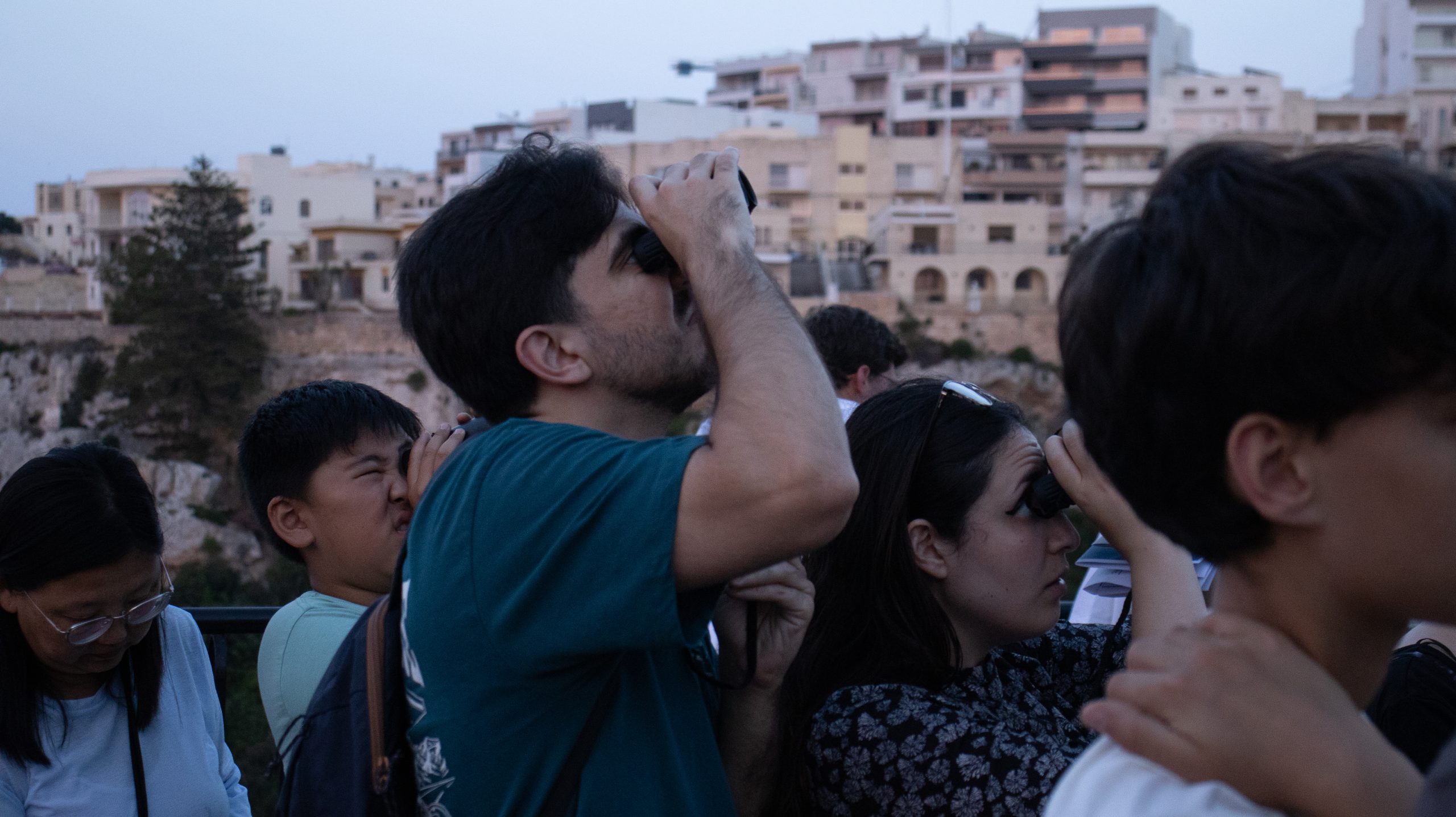
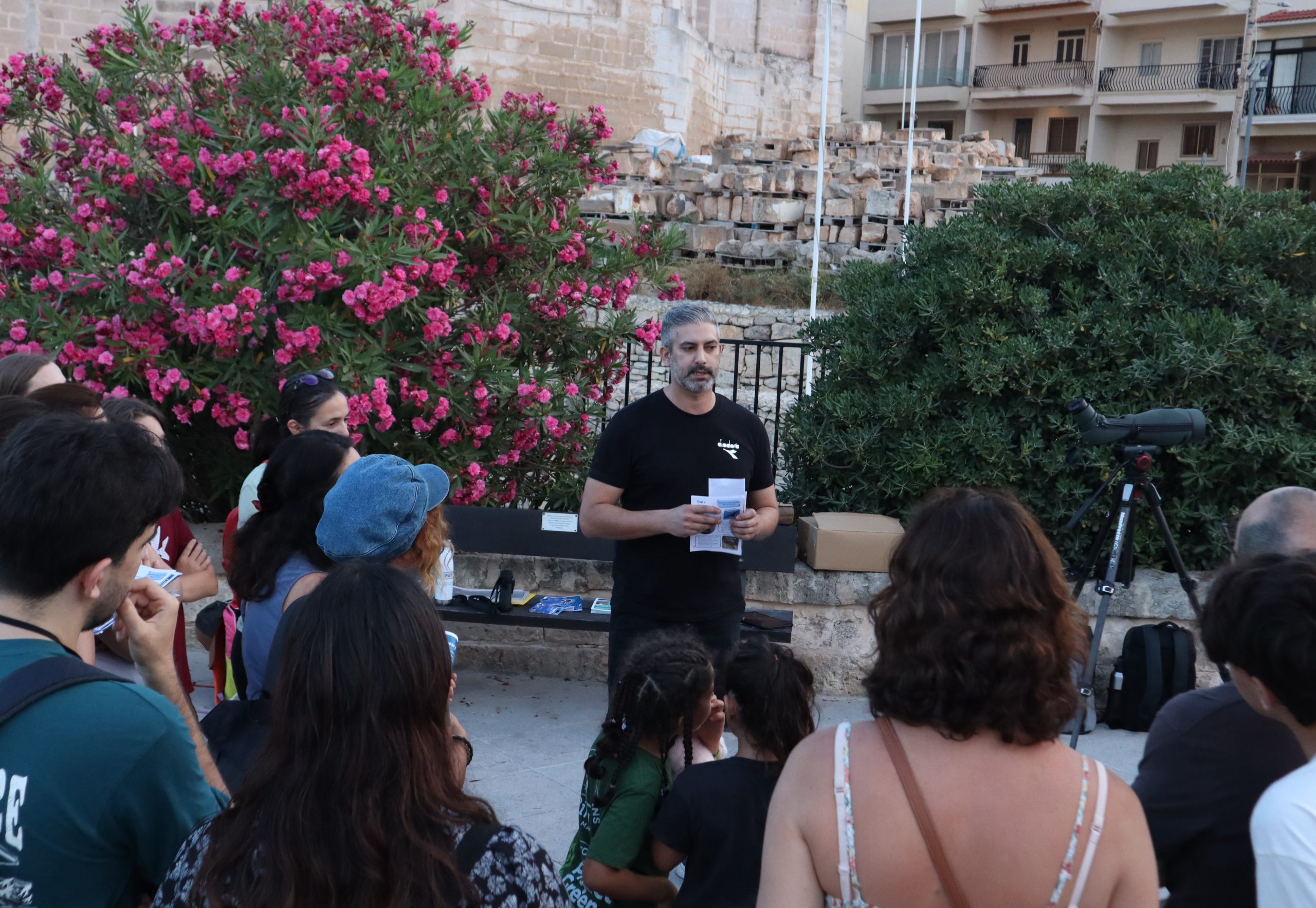
On 26 June, friends gathered behind Mellieħa Church to observe Swifts and Bats. Mellieħa is home to one of the largest Swift colonies in Malta. Most of the birds observed were Common Swifts, as they are most common during the summertime. With hundreds flying around during sunset hour, it was a breathtaking view, and we were also lucky enough to witness a Swift release by the Conservation team!
Additionally, we were joined by a local bat expert, Mark Zammit, to tell us about the bats that we can find in the region. Three species, including the elusive European free-tailed Bat, graced us with their presence. We were informed that the process of tracking certain types of bat species is difficult as they are still relatively unknown in Malta and there is limited information on them. Nonetheless, it was engaging for everyone to try out the bat detectors and look for these flying mammals!
Midsummer Night’s Wildlife Dream was a unique event, tying in various animals that we can find in Malta, and right in the middle of town! It showed us that nature is everywhere, if we look hard enough.
by Joao Candeias
by Angela Scorzoni
Green Neighbours, in collaboration with Project Green
On 27 June, families gathered at the Peace Lab Garden in Żurrieq for a fun-filled nature adventure designed for Primary and Secondary students, in collaboration with Project Green.
The two-hour outdoor experience immersed children in the world of plants, helping them understand how they live, grow, and interact with their environment. Each child received an activity booklet to complete as they engaged in different activities.
The morning started with a creative craft, where children created their own tree models to learn about their basic structure. They then delved deeper into the topic through themed activities that highlighted the importance of each plant part. They experimented with paper towels to understand how roots collect water, saw the intricate pattern of leaves through a microscope, and learnt about the differences between tree trunks by examining their bark. They also explored the park’s flora thanks to simple mobile apps.
Green Neighbours was a celebration of discovery, creativity, and outdoor learning, an opportunity for families to connect with nature and marvel at the wonders of the plant world.
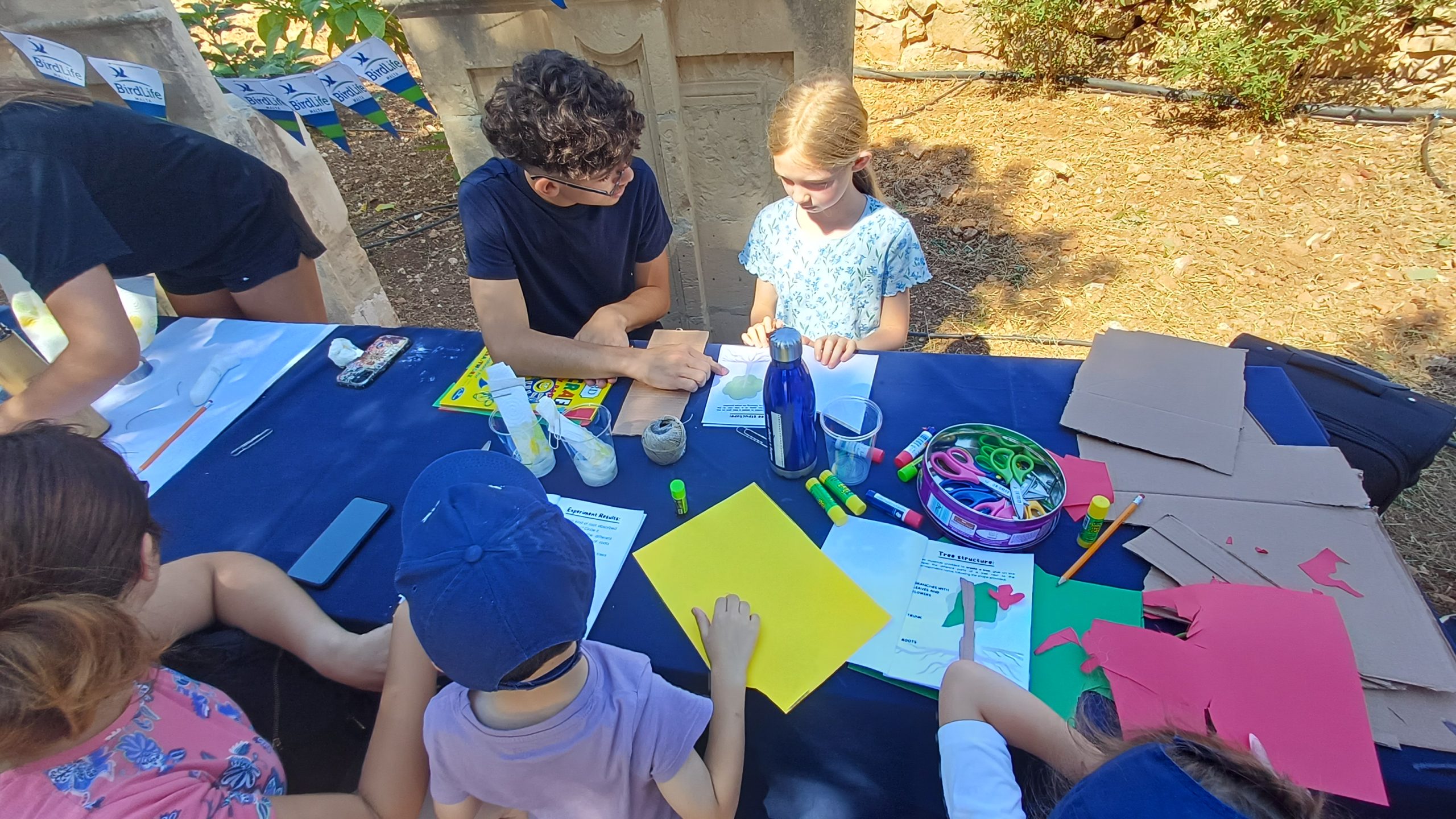
by Giulia Galvani
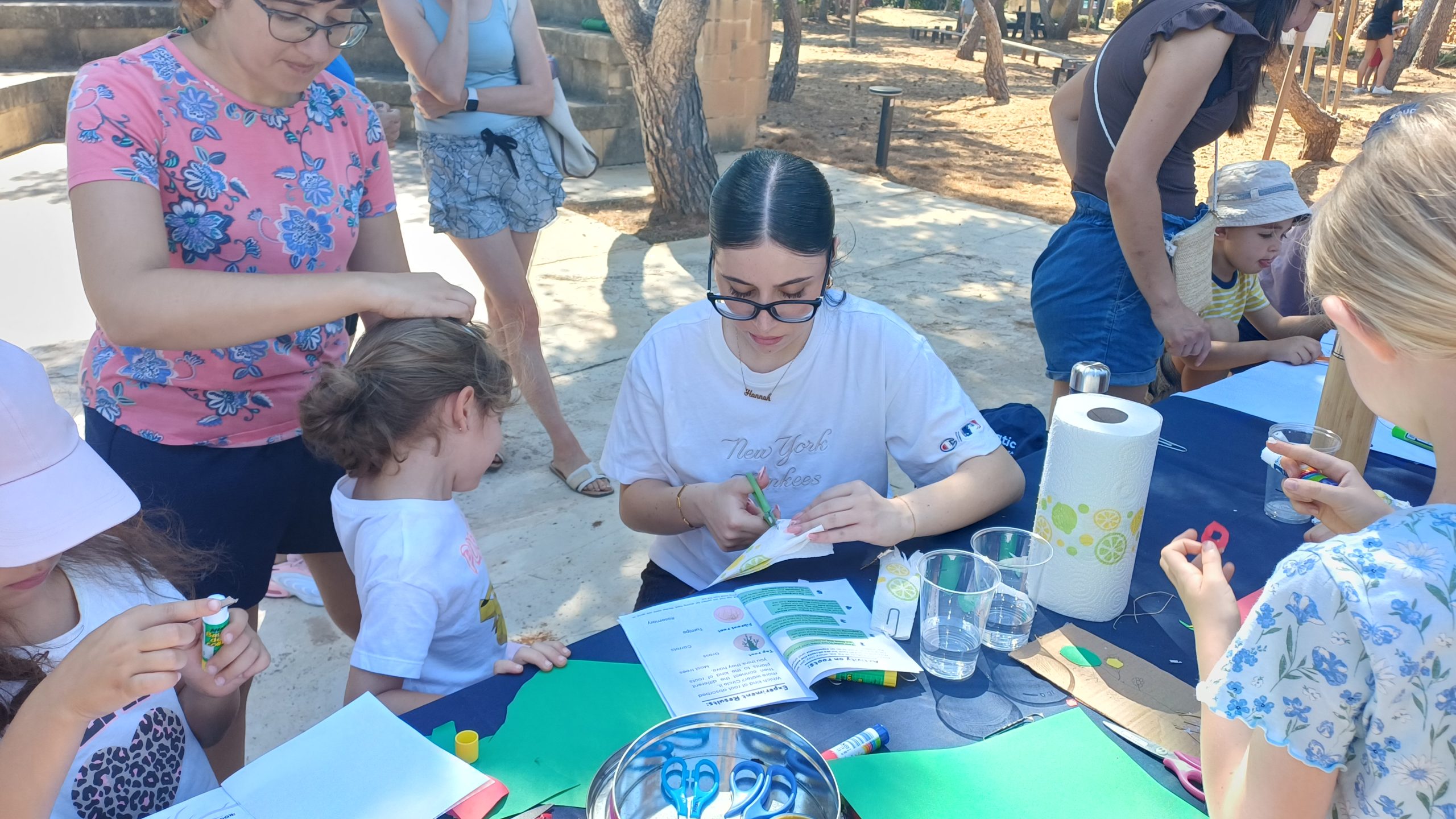
by Giulia Galvani
EcoMarine Collaboration
During the last month we collaborated with EcoMarine in their new project, BlueTide, a website about sustainable tourism.
The platform highlights alternative coastal paths, hidden observation points and lesser-known natural environments, guiding visitors toward a more meaningful and responsible experience of the island.
We shared our knowledge of birds to create a section about seabirds, with general information about the species you can find in the Maltese Islands.
At the heart of BlueTide is a satellite-based interactive map that reveals a curated network of points of interest across Malta and its surrounding waters. Each pin on the map represents a place of observation and discovery. Visitors can click on any location to access more information, for example about our reserves and the connected activities.
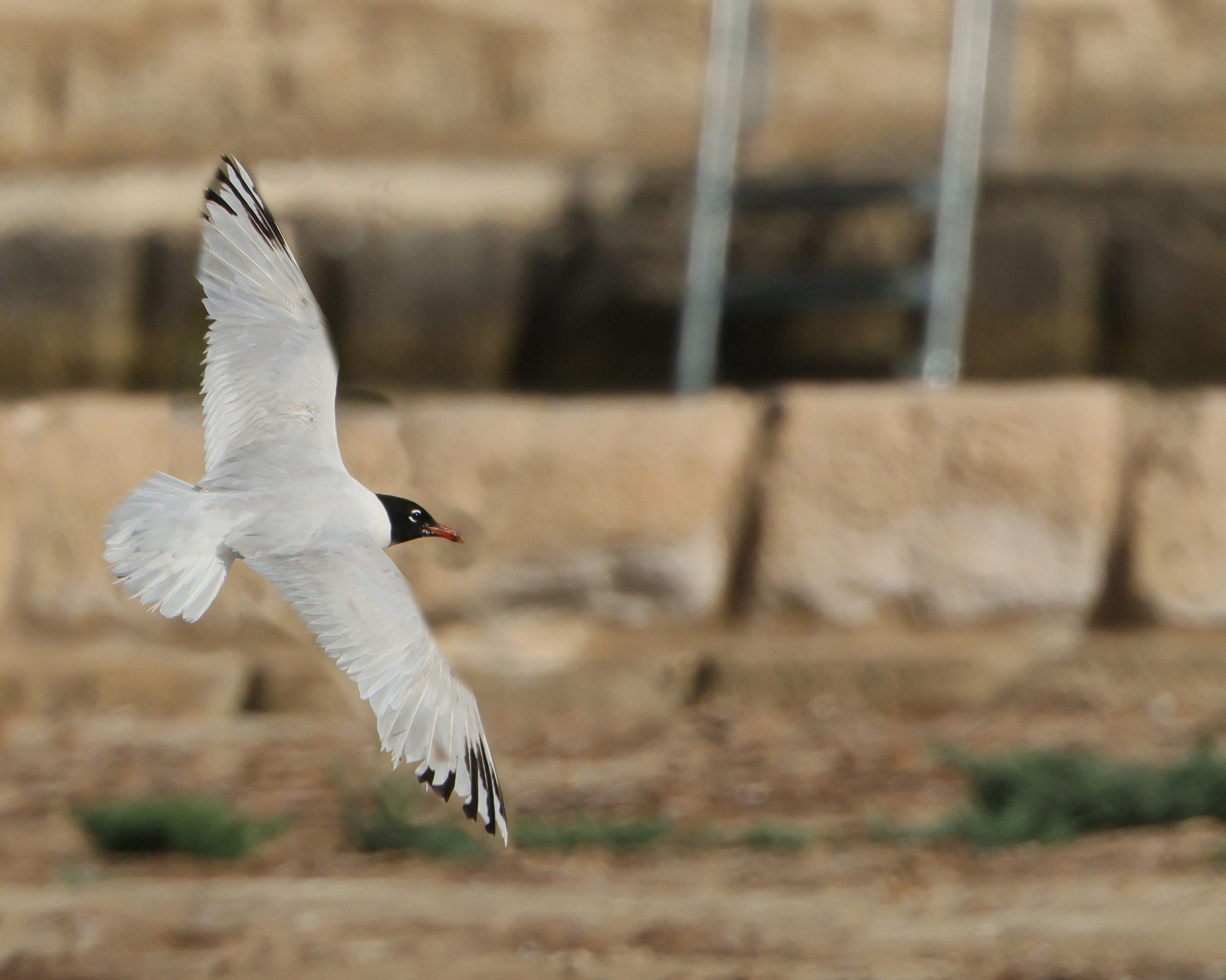
by Mario V Gauci
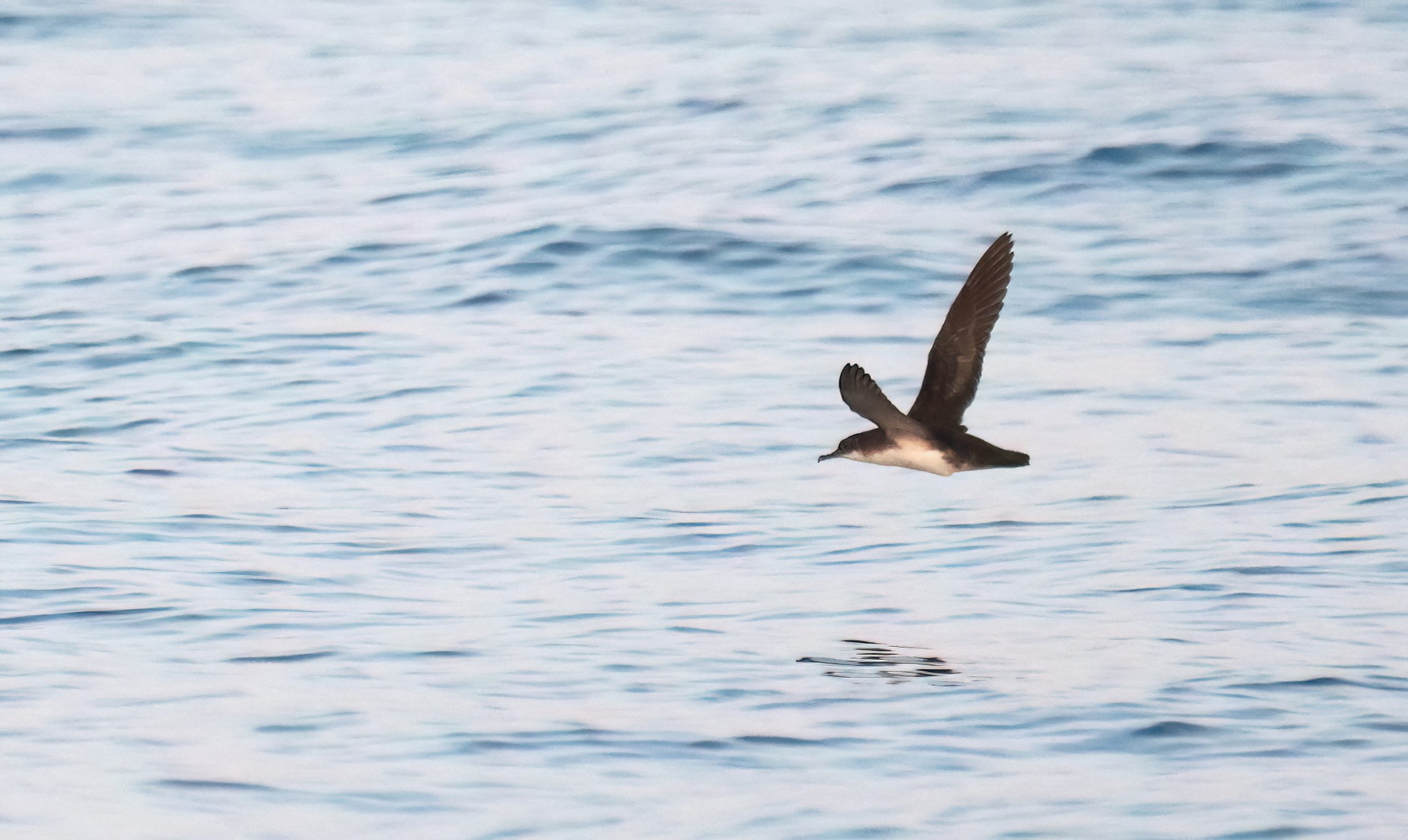
by Aron Tanti
Credits
Text: David Attard, Sara Bezvodova, Justine Borg, Charles Coleiro, Anja Finke, Giulia Galvani, Manuel Mallia, Stefano Miceli, Vera Tokmakova, Silvia Viviani, Lola von Kietzell, Ola Zubrowicz
Editing: Angela Scorzoni