
On the frontlines is our monthly newsletter section covering the activities of BirdLife Malta’s conservation, policy, nature reserve (Salina, Simar, Għadira and Foresta 2000), seabird and public engagement teams, together with an update about rare and scarce bird species observed.

Many rescues at the rehabilitation centre
May was a busy month at the rehabilitation centre, especially during the second half of the month, with a wide variety of birds admitted and many successfully released back into the wild.
Among the cases treated were two Yellow-legged Gulls: one suffering from enteritis and another injured after getting entangled in fishing line. Following rehabilitation, both birds were released at Mistra Bay.
We also cared for an injured Lesser Kestrel found in Fiddien, which successfully recovered after treatment and flight training before being released at one of our nature reserves.
Another notable case involved an oiled European Nightjar that arrived weak and dehydrated. After rehabilitation and supportive care, the bird regained strength and was released at Għadira Nature Reserve.
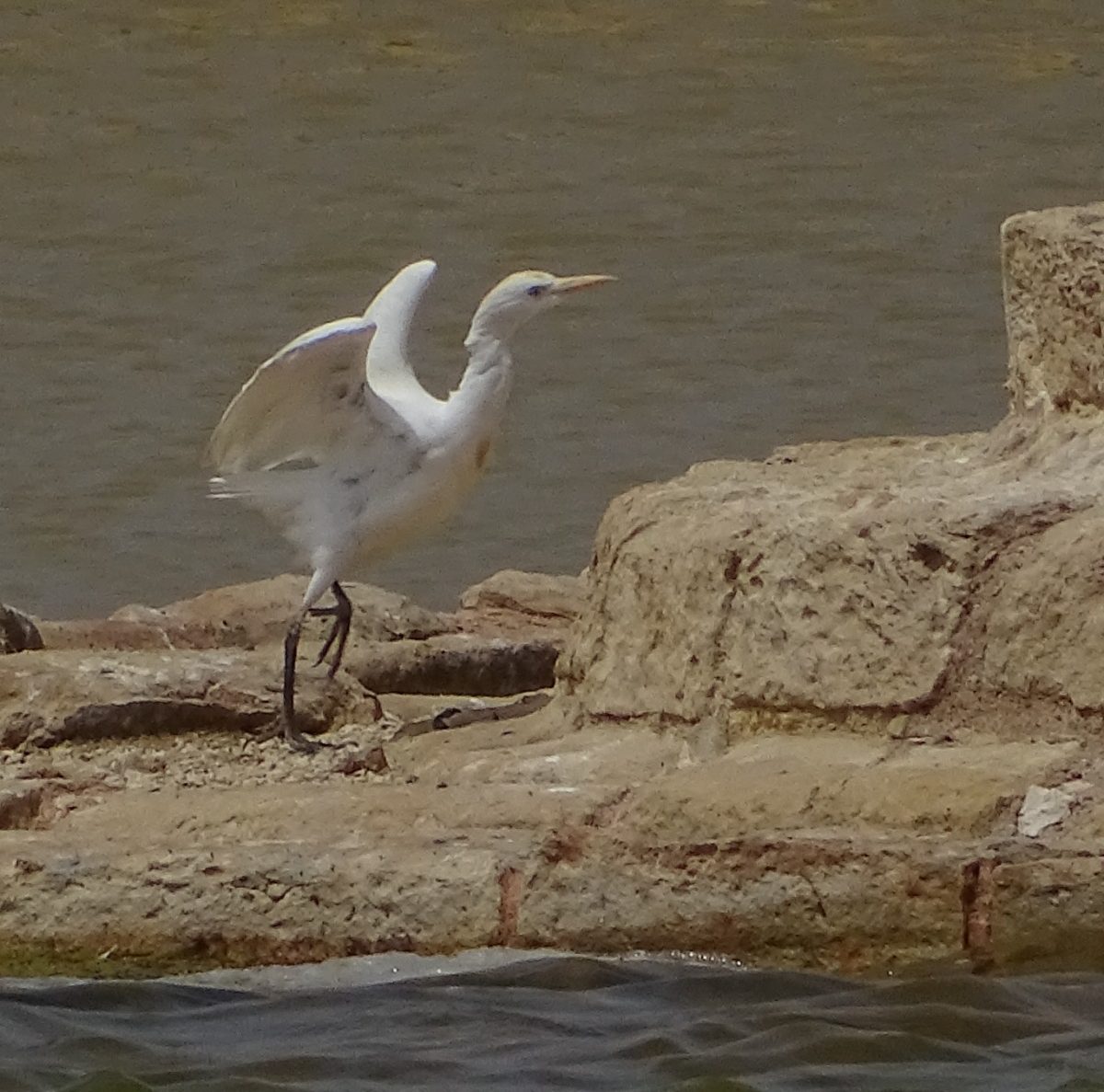
Other successful rehabilitation cases included a stranded Swift, a Wood Warbler trapped in an insect trap, a juvenile Cattle Egret unable to fly, and a Collared Dove suffering from a likely concussion. Following recovery and flight assessments, all birds were safely released.
We also rehabilitated two female Common Cuckoos. One had been shot and suffered a neck abrasion, while the other was admitted unable to fly and with an injured eye. After rehabilitation, both birds were successfully released in Comino.
During the hunting season, we rescued a Turtle-dove that had been shot in Żebbuġ. Another Turtle-dove already undergoing rehabilitation for injuries caused by unsuitable captive conditions was later released together with it after both birds recovered successfully.
A Common Quail admitted after a window collision also recovered successfully and was released following the end of the hunting season.
Finally, an oiled Common Kestrel rescued in Birżebbuġa recovered after treatment, rehabilitation, and flight assessments. The bird was tagged prior to release to allow continued monitoring of its movements.
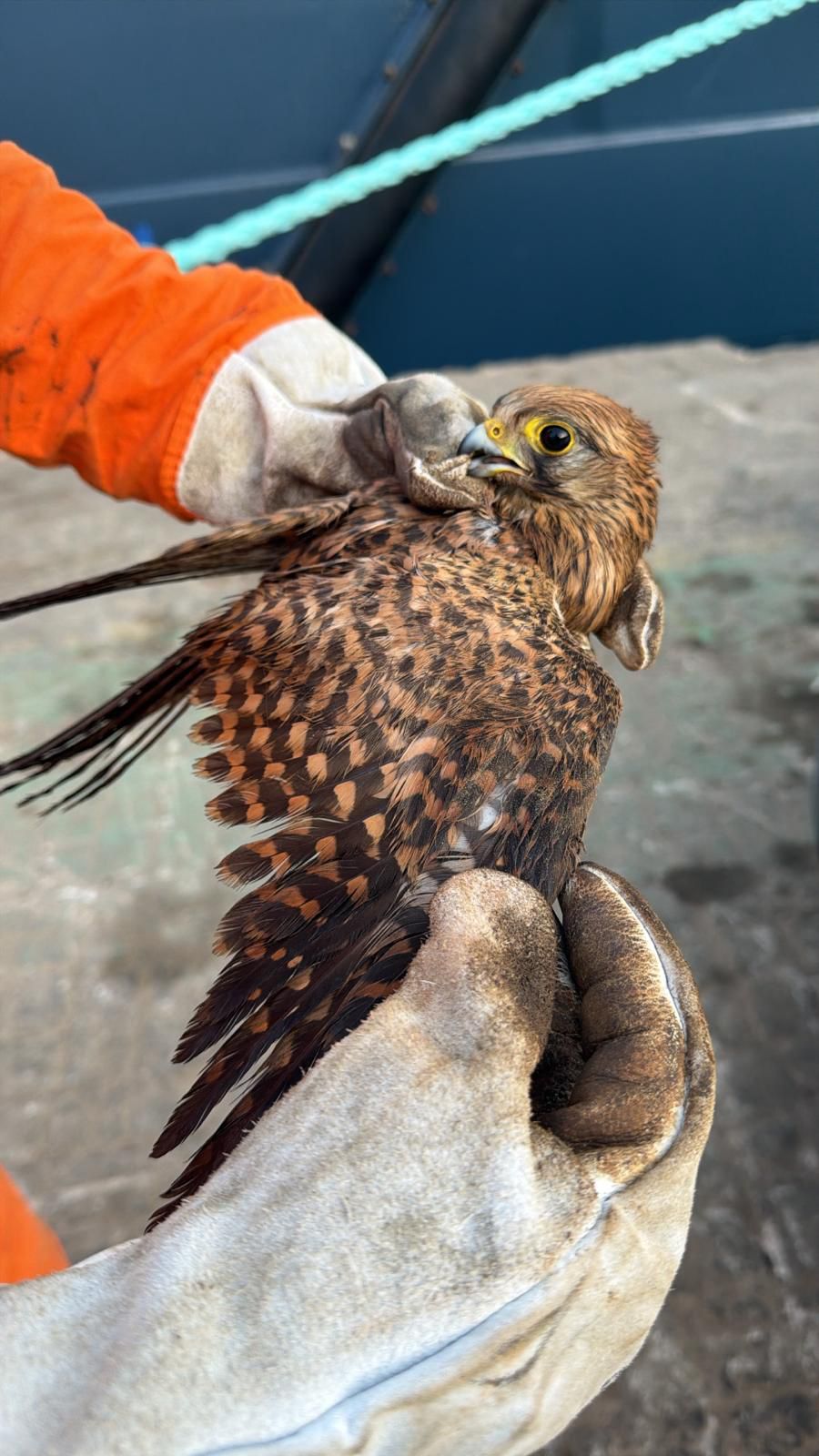
by BirdLife Malta
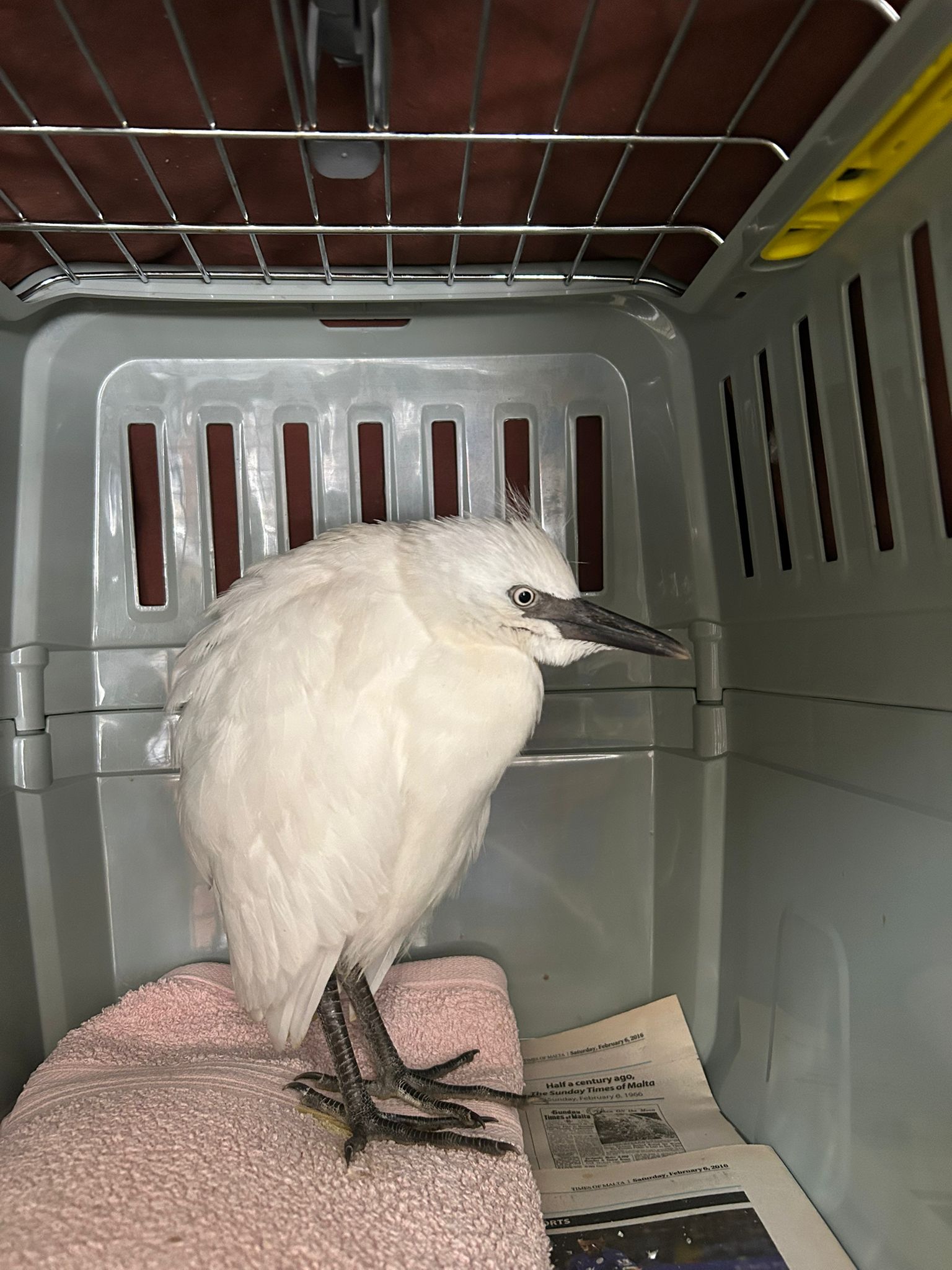
by Anja Finke
Rabbit hunting season is open
On 1st June, the rabbit hunting season opened in Malta and Gozo. The season will close on December 31st and therefore overlaps with the bird hunting season from September onwards. Rabbit hunting is permitted on public land, including coastal areas and other habitats not typically associated with rabbits.
Some hunters use the rabbit hunting season as a cover for illegal bird hunting, and birds migrating through Malta during the summer months, particularly waders, are especially vulnerable at this times. Resident breeding species, such as the Common Kestrel, are also at risk of illegal persecution.
Furthermore, as Waders pass through Malta, some trappers set up clap nets on trapping sites, often near artificial ponds and use electronic callers and/or decoys. In the last week of May, three trapping sites with nets in Gozo were reported by the Conservation team. The Gozo Police dismantled the nets and found a trapper at one of these sites. Charges have been filed against this individual.
If you see suspicious activity, such as hunters in unusual areas for rabbits (e.g. by the coast), plastic bird decoys, nets, hear electronic callers, or gunshots in unexpected areas, please act! Take photos or videos if it is safe to do so, note the location, and report the incident.
You can contact the Environmental Protection Unit (EPU) on 119.
Reports can also be made to BirdLife Malta via Facebook, by calling 2134 7645 during office hours, or 7925 5697 outside office hours.
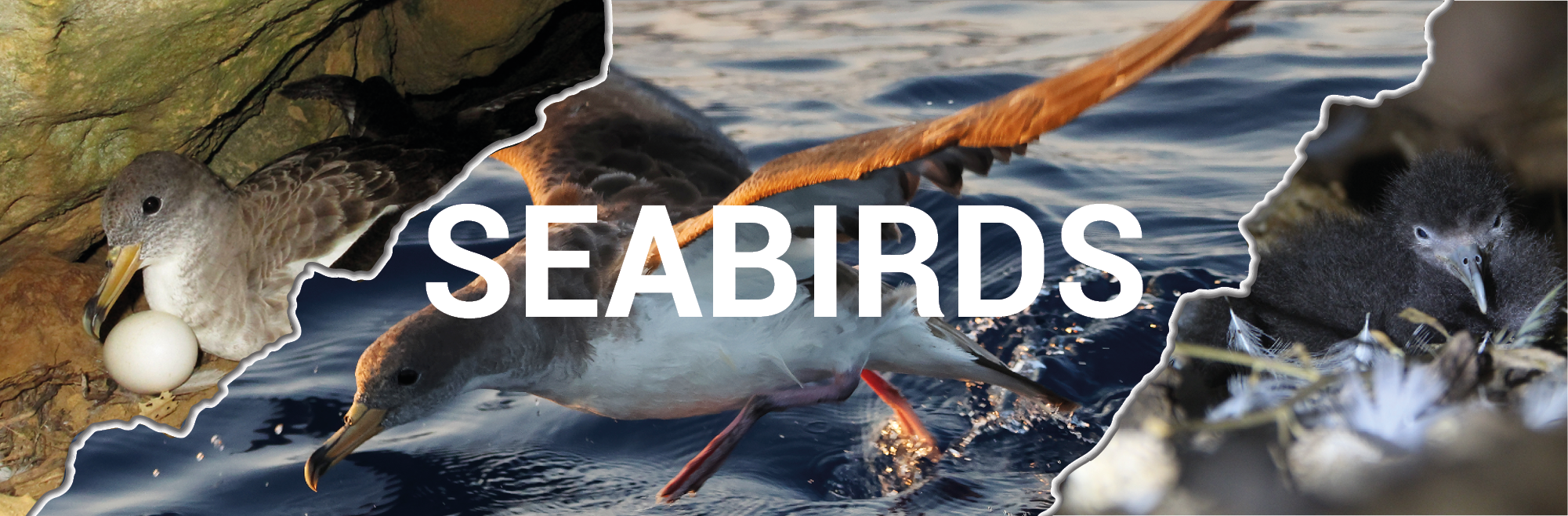
First Yelkouan Shearwater chick recorded as intensive fieldwork continues
As summer approaches, the Seabird Team has now entered the second intensive phase of fieldwork across Malta’s colonies. Alongside ongoing Capture-Mark-Recapture (CMR) sessions for Yelkouan Shearwaters, the team continues rat control efforts near seabird colonies, helping to reduce predation pressure on nesting birds. At the same time, nest-check activities are now underway. These surveys involve carefully inspecting accessible nests to monitor breeding success and assess how colonies are progressing throughout the season. During one of these nest checks, the team recorded the first Yelkouan Shearwater chick of the year, an important milestone confirming successful breeding activity within the monitored colonies. Hidden deep within the rocky nesting sites, the newly hatched chick represents an encouraging sign for the ongoing breeding season and for the reproductive success of this vulnerable Mediterranean seabird.
New generation of Yellow-legged Gull chicks ringed in Malta
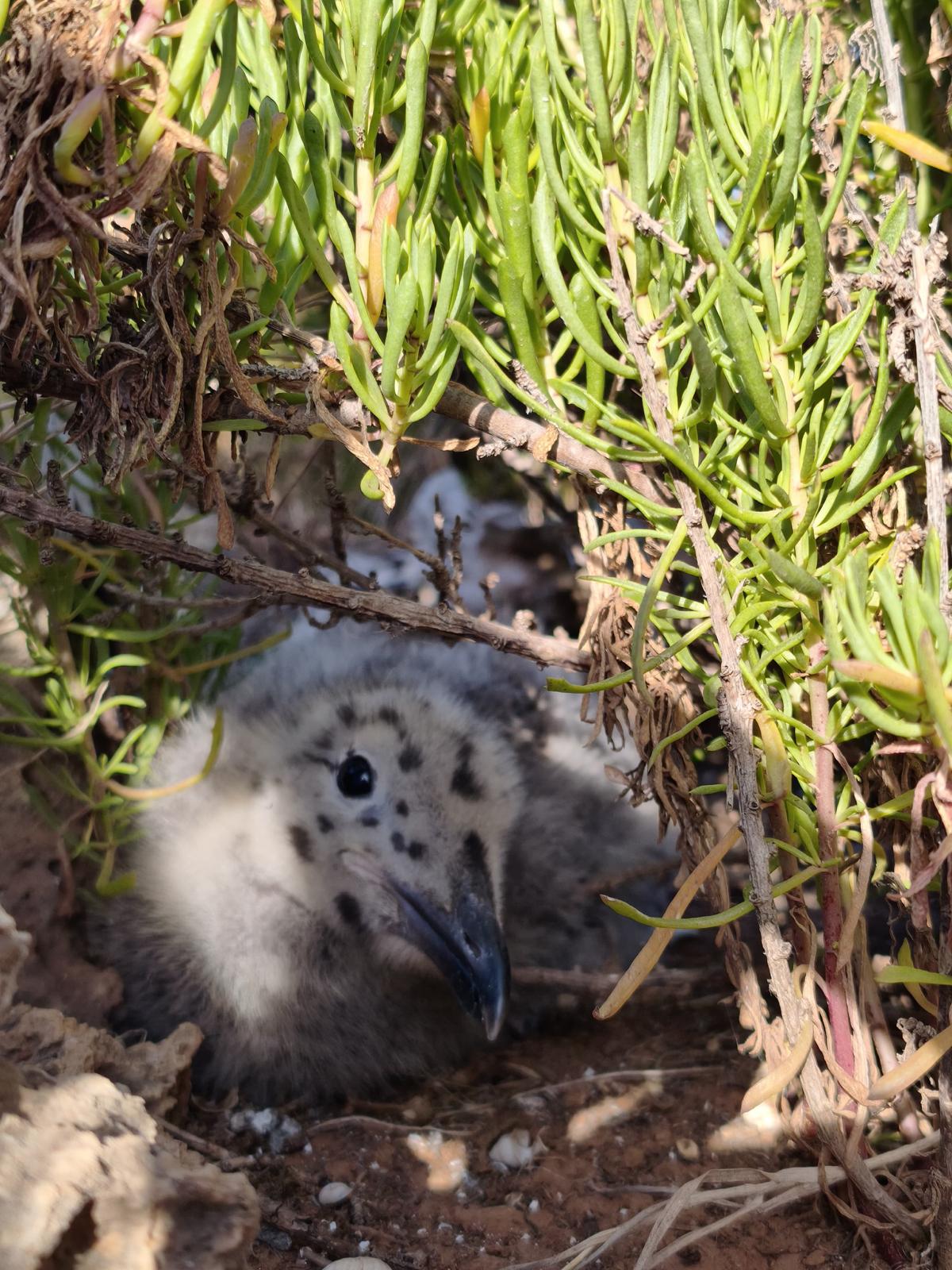
May also marked the start of Yellow-legged Gull (Larus michahellis) chick ringing activities, an important component of ongoing seabird monitoring and research efforts. During these sessions, chicks are carefully fitted with two rings: a uniquely numbered metal ring on the right tarsus and a dark-green colour ring bearing a white four-character alphanumeric code on the left tarsus. The white code begins with “M:” followed by three numbers, allowing each gull to be individually identified from a distance without the need for recapture. Colour ringing is a valuable tool for studying gull movements, dispersal, survival, and colony fidelity over time.
By reporting sightings of ringed gulls, researchers can gather important information on how birds move across the Mediterranean, how they use different habitats, and whether they return to the same breeding areas in subsequent years. Ringing chicks is particularly important, as it allows researchers to follow individuals from the earliest stages of life and better understand population dynamics and connectivity between colonies.
Building a rapid response team to keep Filfla rat-free!
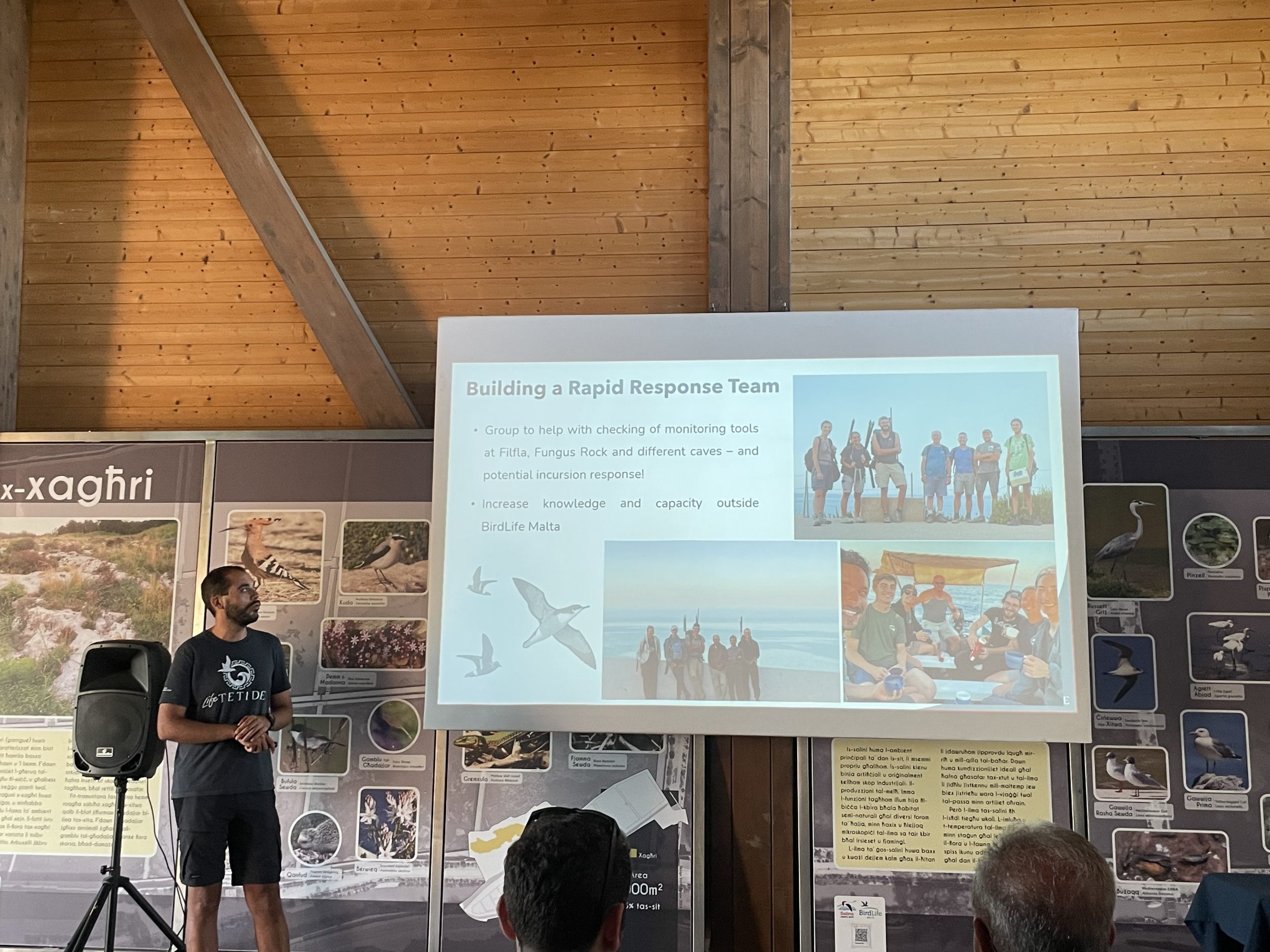
On Wednesday 27 May, as part of LIFE Tetide Project, the Seabird team held a meeting for all BirdLife Malta ringers ahead of the start of the 2026 monitoring season on Filfla. Filfla is of exceptional conservation importance, hosting an estimated 5,000–8,000 pairs of Mediterranean Storm-petrels (Hydrobates pelagicus melitensis), around half of the global population of this subspecies. The workshop focused on prevention and early detection, with participants learning about the impacts invasive rats can have on seabirds, how to recognise signs of rodent presence, and the first response steps required in the event of an incursion. The initiative aims to strengthen rapid response capacity and help ensure that Filfla remains rat-free in the years to come.
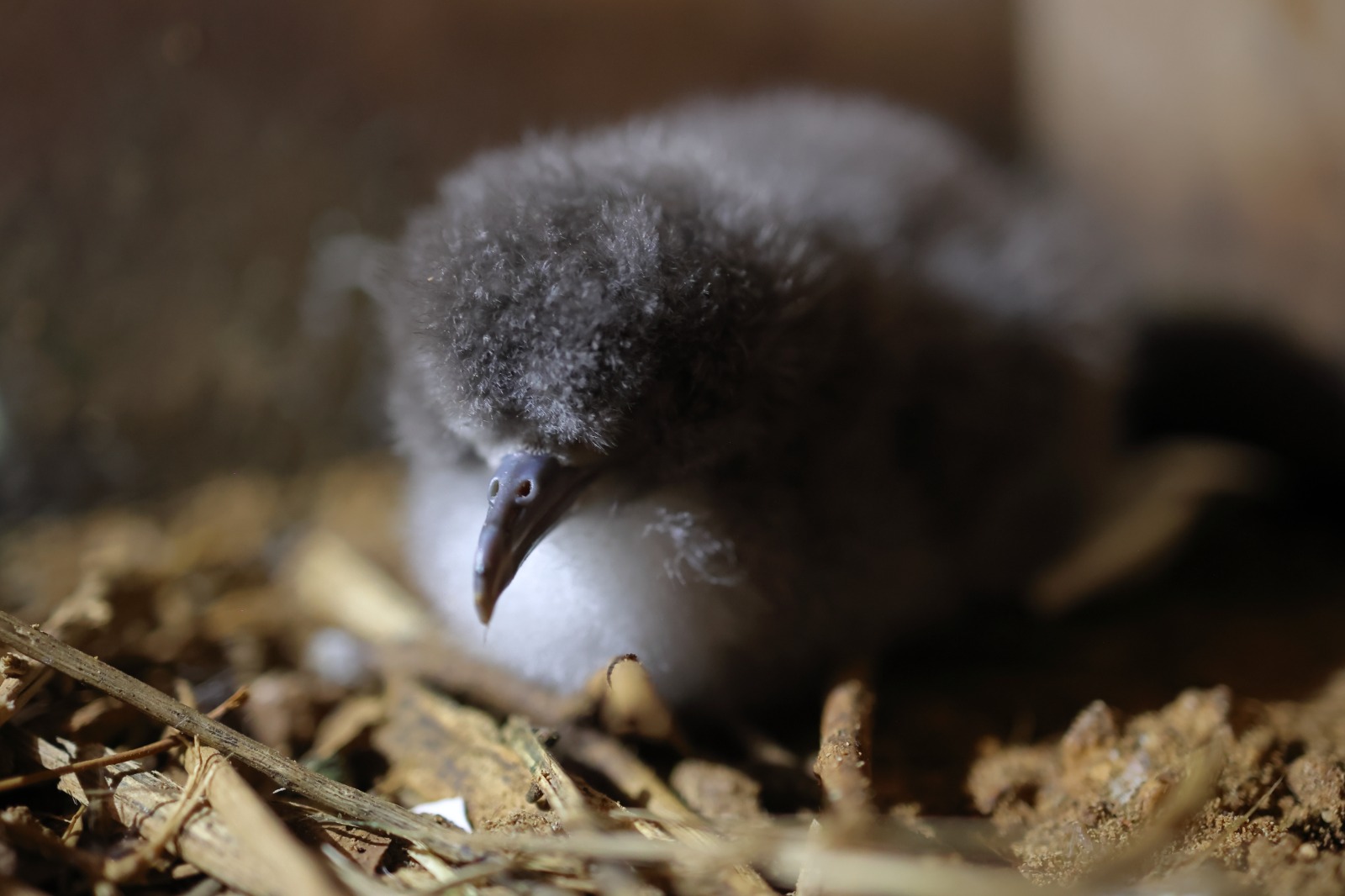
by Ben Metzger
by Ricardo Fernandes
by Martin Austad
Follow our LIFE PanPuffinus! project on our website and social media!

BirdLife Malta Objects to Coastal Kiosk in Delimara and Illegal Rural Development in Binġemma
Last month, BirdLife Malta formally objected to two planning applications affecting sensitive rural and coastal areas.
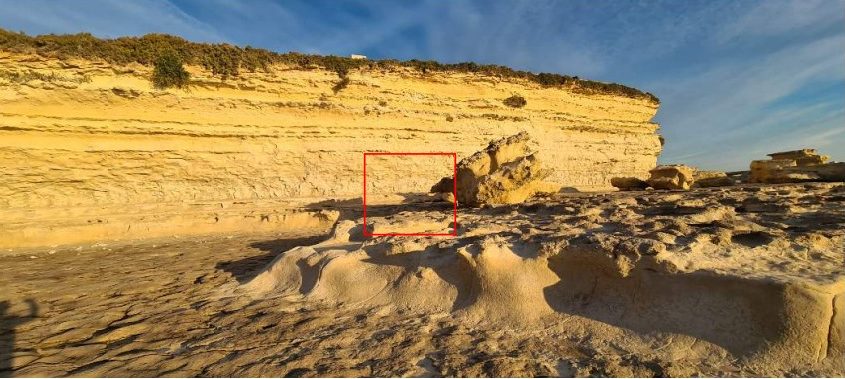
We objected to PA/02557/26, which proposed a demountable, temporary refreshments kiosk with WC facilities in Delimara. The kiosk would introduce commercial activity into a pristine, undeveloped rocky coastline, increasing visitor pressure, waste generation, noise, and light pollution in a sensitive coastal and marine environment. We highlighted that the site lies outside the development zone and is designated as a Level 2 Area of Ecological Importance and High Landscape Value under the Marsaxlokk Bay Local Plan. We also noted conflicts with the Strategic Plan for the Environment and Development (SPED), particularly its environmental, coastal, and rural objectives. Any development in such a sensitive site is considered inappropriate, and we urged the Planning Authority to refuse the application.
Such refusal would be fully consistent with the Rural Policy and Design Guidance (2014), which clearly states that proposed developments resulting in unacceptable adverse environmental and landscape impacts will not be permitted.
Read our full objection here.
(Source: Planning Authority website)
We also objected to PA/02643/26, which proposes an underground reservoir and the sanctioning of an existing pump room in Binġemma. While we hold no objection to the development of such infrastructure when genuinely intended for agricultural purposes, in this case the context surrounding the application raises serious concerns regarding its legitimacy and intended use. BirdLife Malta has previously reported an illegality on site, where a water pond and structure were built without permits between 2023 and 2024. Such artificial ponds have in the past been associated with hunting activity, and the structure appears to function as a bird hide. The applicant is now seeking to sanction this structure as a “pump room”, raising serious doubts about this claimed purpose. We therefore urged the Planning Authority to reject the application, restore the site, and ensure no permission is granted until all illegalities are removed and full compliance is ensured.
Read our full objection here.
BirdLife Malta Calls for Stronger Maritime Decarbonisation in Energy Transition Consultation
BirdLife Malta welcomed the consultation document “Malta’s Energy Shift: A Sustainable Power Transition” and provided feedback focused mainly on the shipping sector, given our work on air pollution from ships. Shipping emissions remain a major source of air pollution, releasing harmful pollutants such as sulphur oxides, nitrogen oxides and fine particulate matter, which affect human health, climate and coastal communities.
We took the opportunity to call for stronger action on transport electrification beyond road vehicles, particularly through the electrification of ferry services or the use of low-carbon marine fuels such as green ammonia or methanol. We stressed that greener ferry operations would reduce emissions, noise and air pollution in harbour areas – benefiting coastal communities and visitors.
We questioned claims that shore-side electricity at the Grand Harbour has reduced emissions from berthed cruise liners by 90% and requested transparency on the data. Port residents have in the past remarked that usage of the system remains limited, with many ships still running engines while docked, impacting local air quality.
In conclusion, while the ‘Malta’s Energy Shift’ vision represents an important step towards a more sustainable future, a more ambitious and transparent approach to maritime decarbonisation is essential to ensure that Malta’s energy transition delivers meaningful environmental and public health benefits for present and future generations.
Read our full feedback here.
Salina Nature Reserve
Sightings
While most waders have now started their migration towards their breeding grounds, Salina still hosted some interesting sightings throughout May. Species such as the Ruff continued to make appearances around the reserve, while several gull species -including Audouin’s Gull, Slender-billed Gull, Mediterranean Gull, and Black-headed Gull – were still observed in the saltpans, which is quite late for Malta.
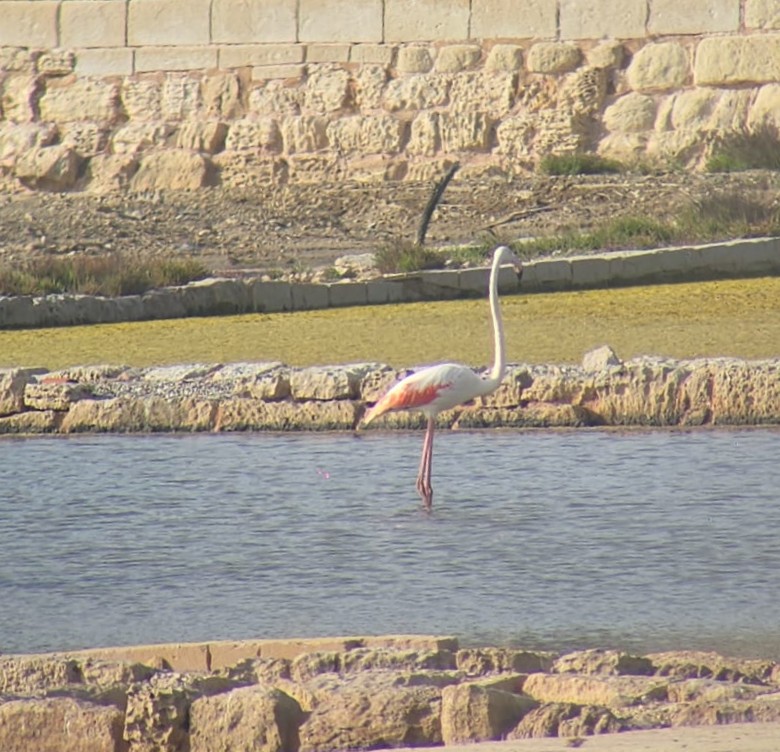
Squacco Herons and Night Herons were regularly seen roosting around the saltpans, and occasional raptors such as the European Honey Buzzard were also recorded flying over the reserve. As expected for this time of year, flocks of colourfull Bee-eaters could be observed passing on the opposite side of the saltpans. A pair of Flamingos also stopped briefly at Salina before continuing their migration journey.
The garigue area surrounding Salina remained full of life during May. A healthy number of Western Whip Snakes, Mediterranean Chameleons, Ocellated Skinks, and Maltese Wall Lizards were recorded throughout the area.
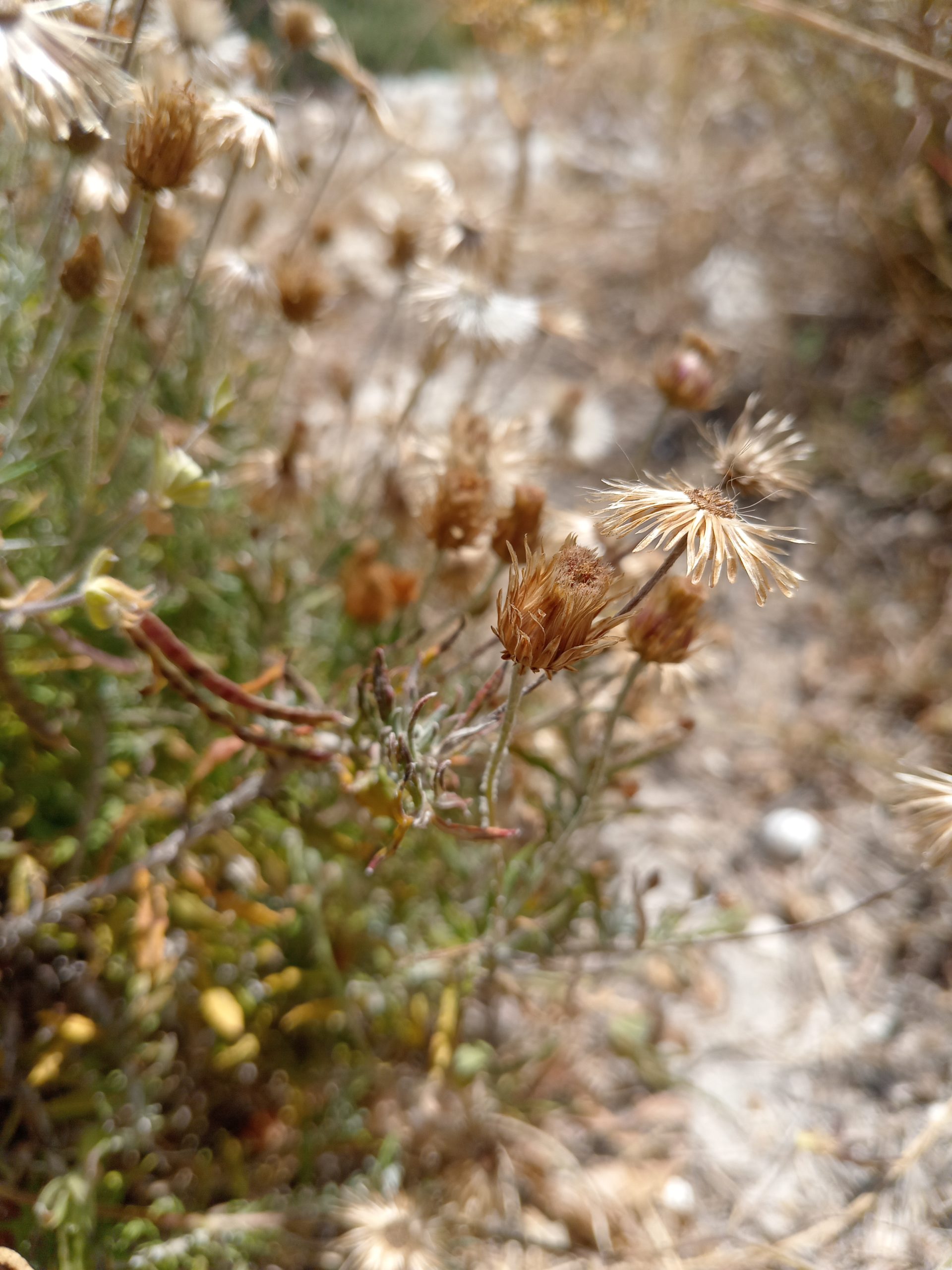
The recent rains filled the rock pools, encouraging the growth of Mediterranean Star-Plantain and Grass Poly.
Unfortunately, part of the garigue became heavily infested with invasive alien plants such as Chinese Balloon Vine and Blue Morning Glory. These species were controlled through careful manual removal, ensuring that no plant material was left on-site.
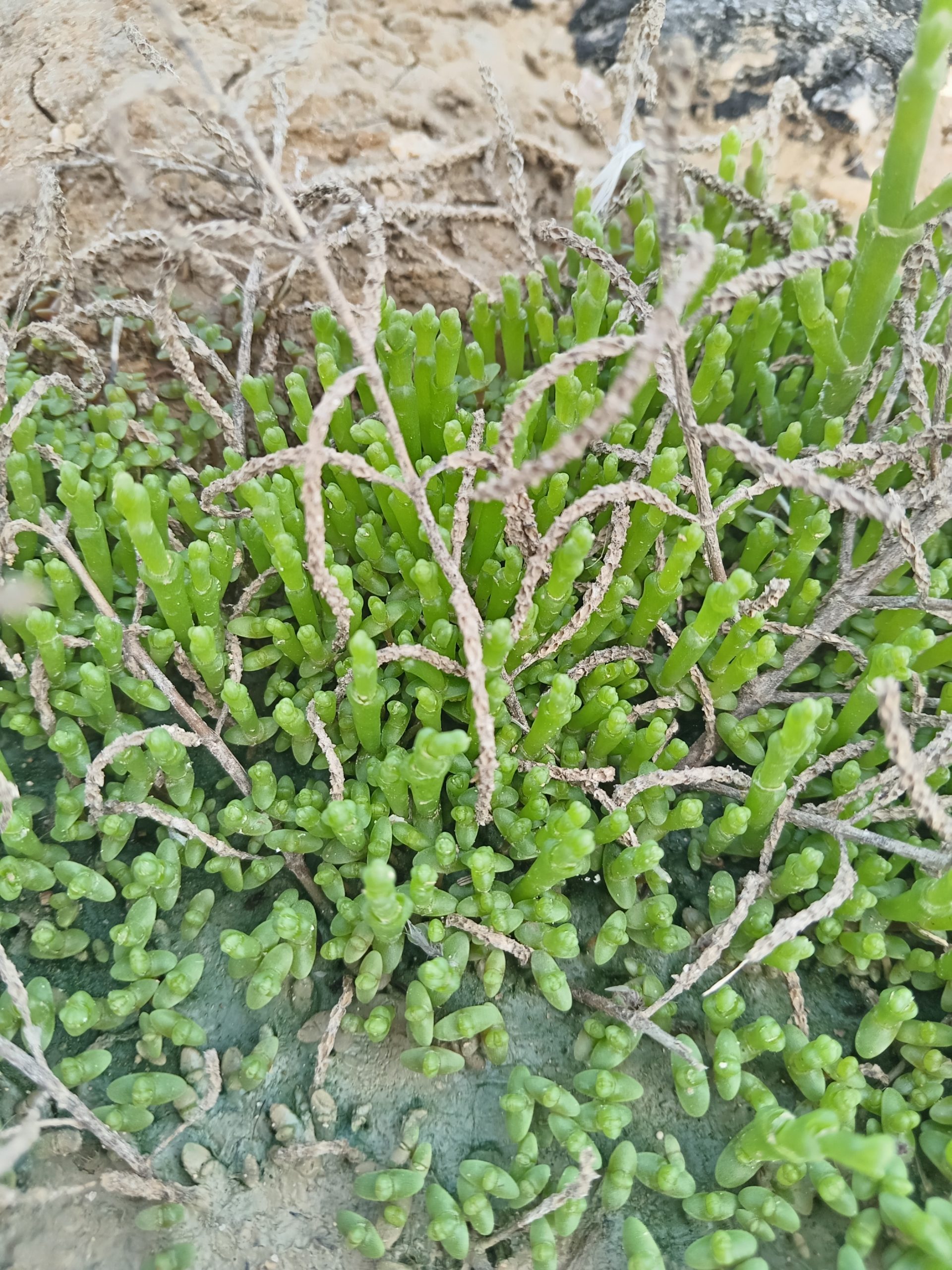
The wetland and saltpans were also thriving with vegetation, particularly Twiggy Glasswort and other annual halophytes, while Beaked Tassel Pondweed was abundant in the wetland ponds. However, another invasive species — South American Fleabane — continues to threaten the habitat. Volunteers were therefore called in to help tackle the spread of this plant.
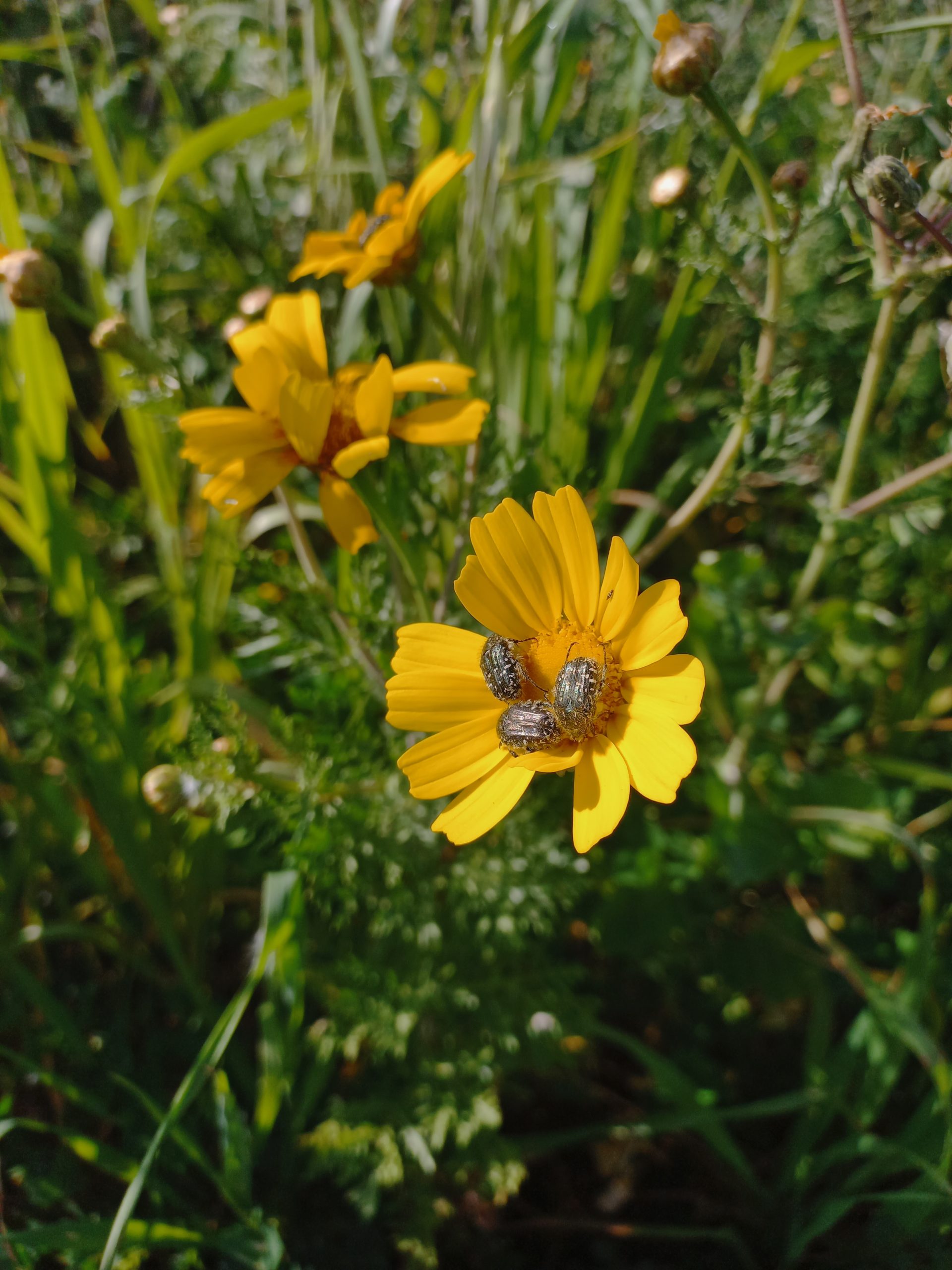
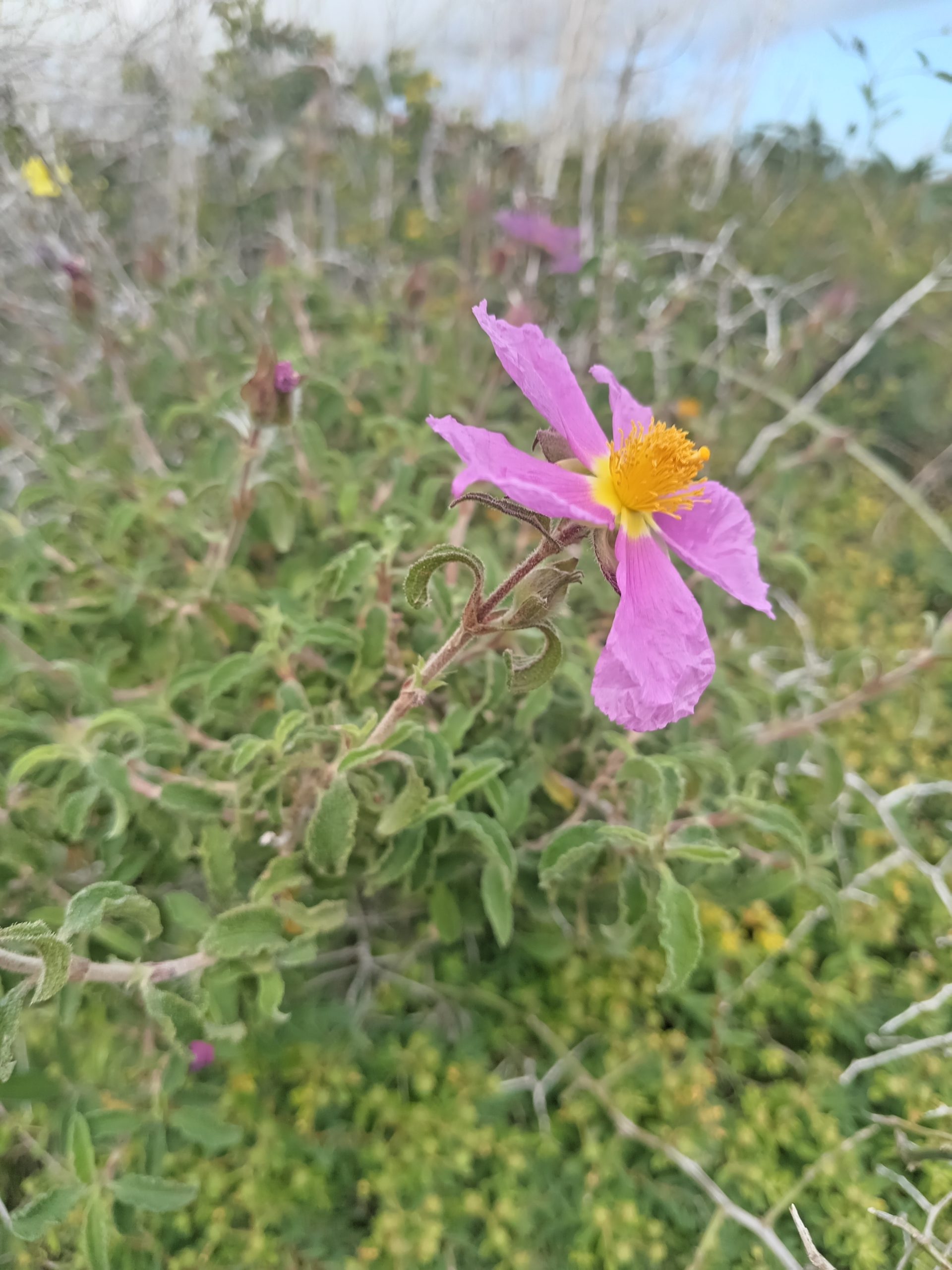
The softer ground conditions created by the rain also provided ideal conditions for planting native species, including Yellow Horned Poppy, Hoary Rockrose, Jerusalem Sage, Rock Phagnalon, and Egyptian St John’s Wort. These were planted following the removal of ruderal species such as Rice Grass and Crown Daisy.
by Iñaki Leunda
by Iñaki Leunda
by Iñaki Leunda
As the dry season approaches, the reserve’s irrigation drip system was repaired and extended to support newly planted vegetation.
Several maintenance and conservation works were carried out throughout the reserve during May.
In the wetland area, sections of fencing were repaired, and CCTV cameras were installed to help reduce intrusions and disturbance. Salina’s team also continued its educational outreach by guiding local schools and international students around the reserve, raising awareness about the importance of wetland conservation and biodiversity.
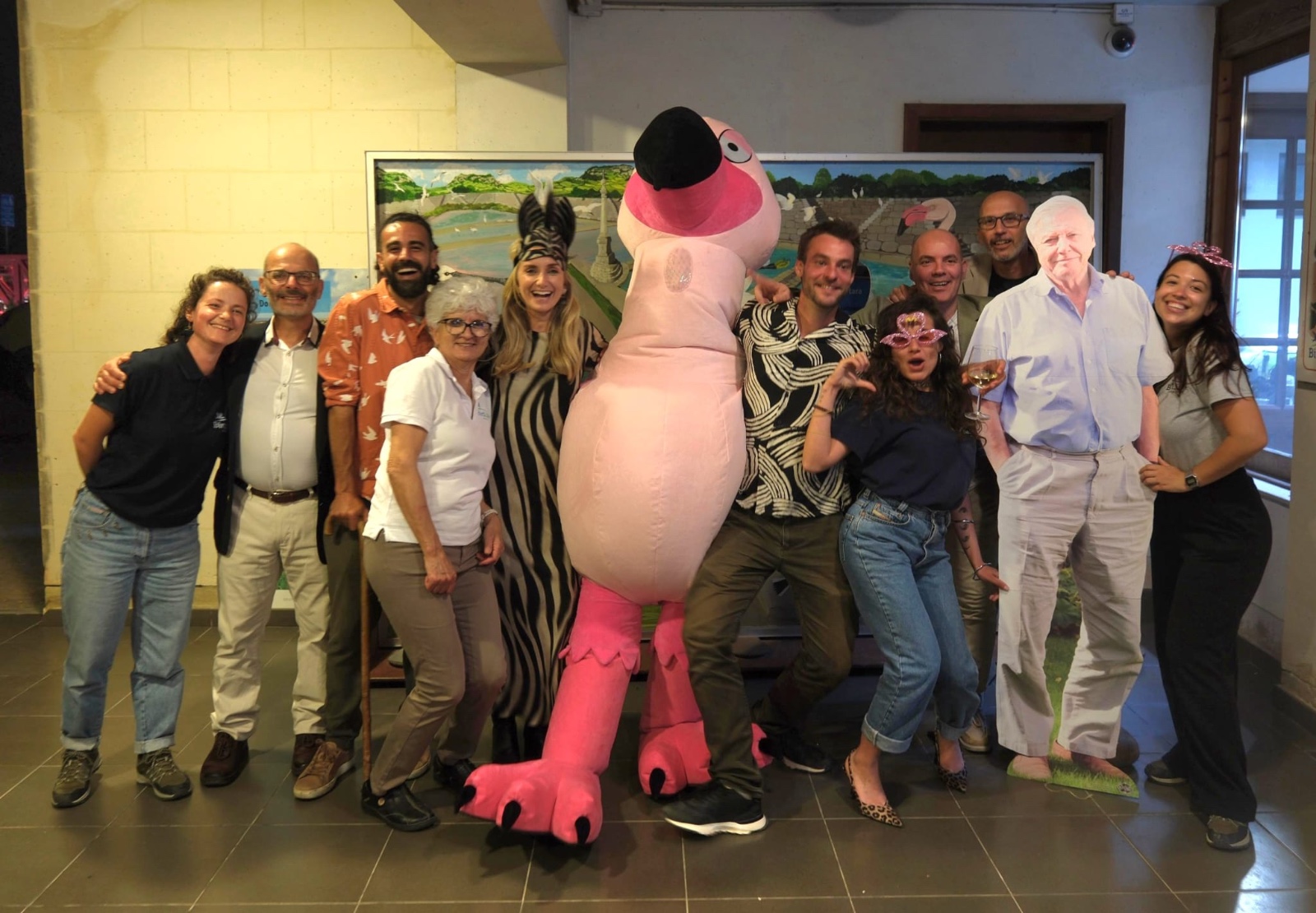
The Visitor Centre hosted two events during the month: Saving Our Blue and Celebrating 100 Years of David Attenborough. The first event aimed to encourage people to reduce littering and protect marine environments, while the second was a fundraising event organised in collaboration with the Malta Environment Foundation.
Beyond the reserve itself, the Salina team also participated in activities around Malta, including the Agricultural Fair and the Vegan Fest both held at Ta’ Qali.
In collaboration with the Malta National Aquarium, the team also assisted in sampling the invasive Upside-down Jellyfish.
by Pamela Jorgo
by Iñaki Leunda
by Nimrod Mifsud
by Sara Melfi
Għadira Nature Reserve
Sightings
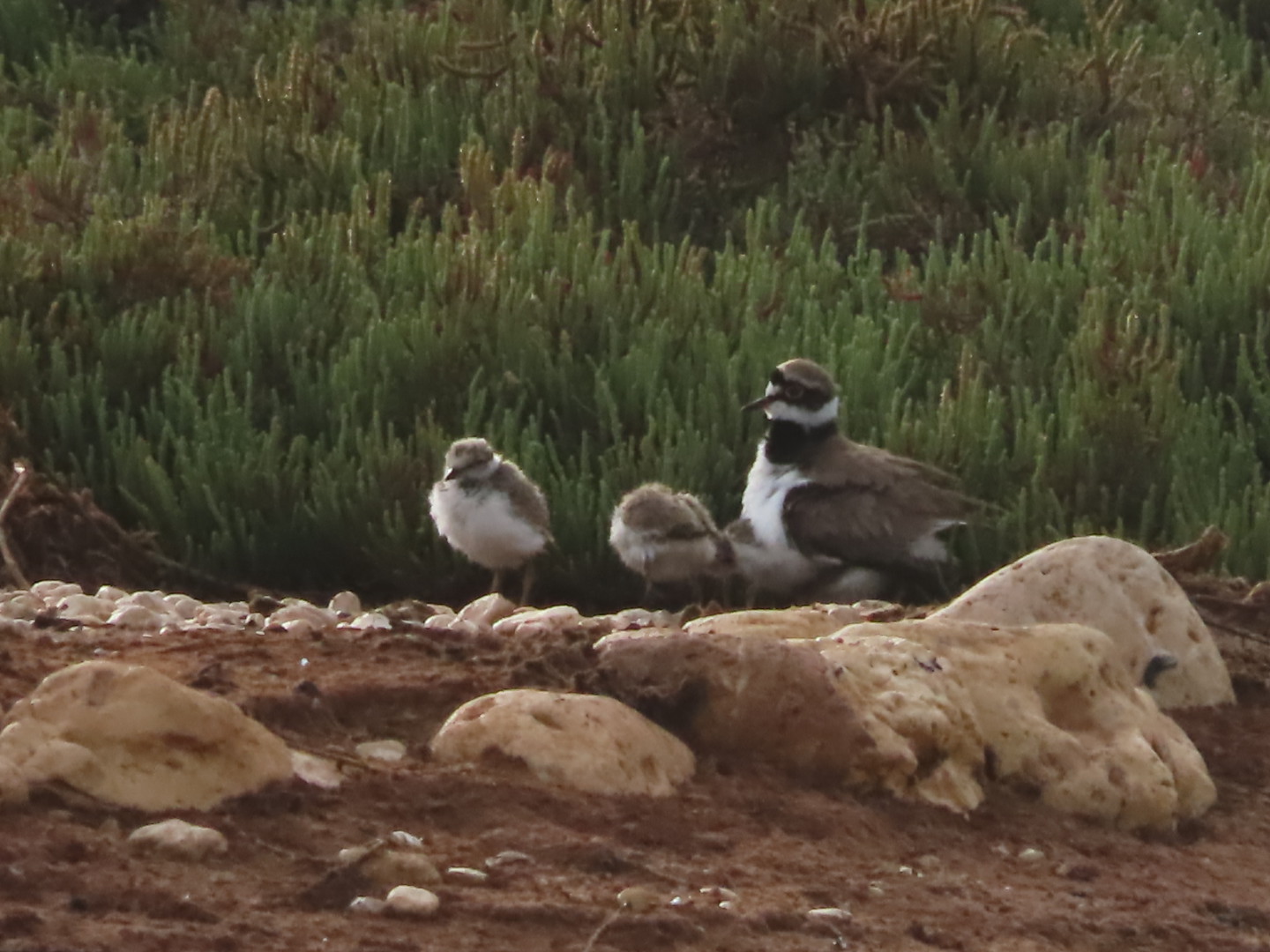
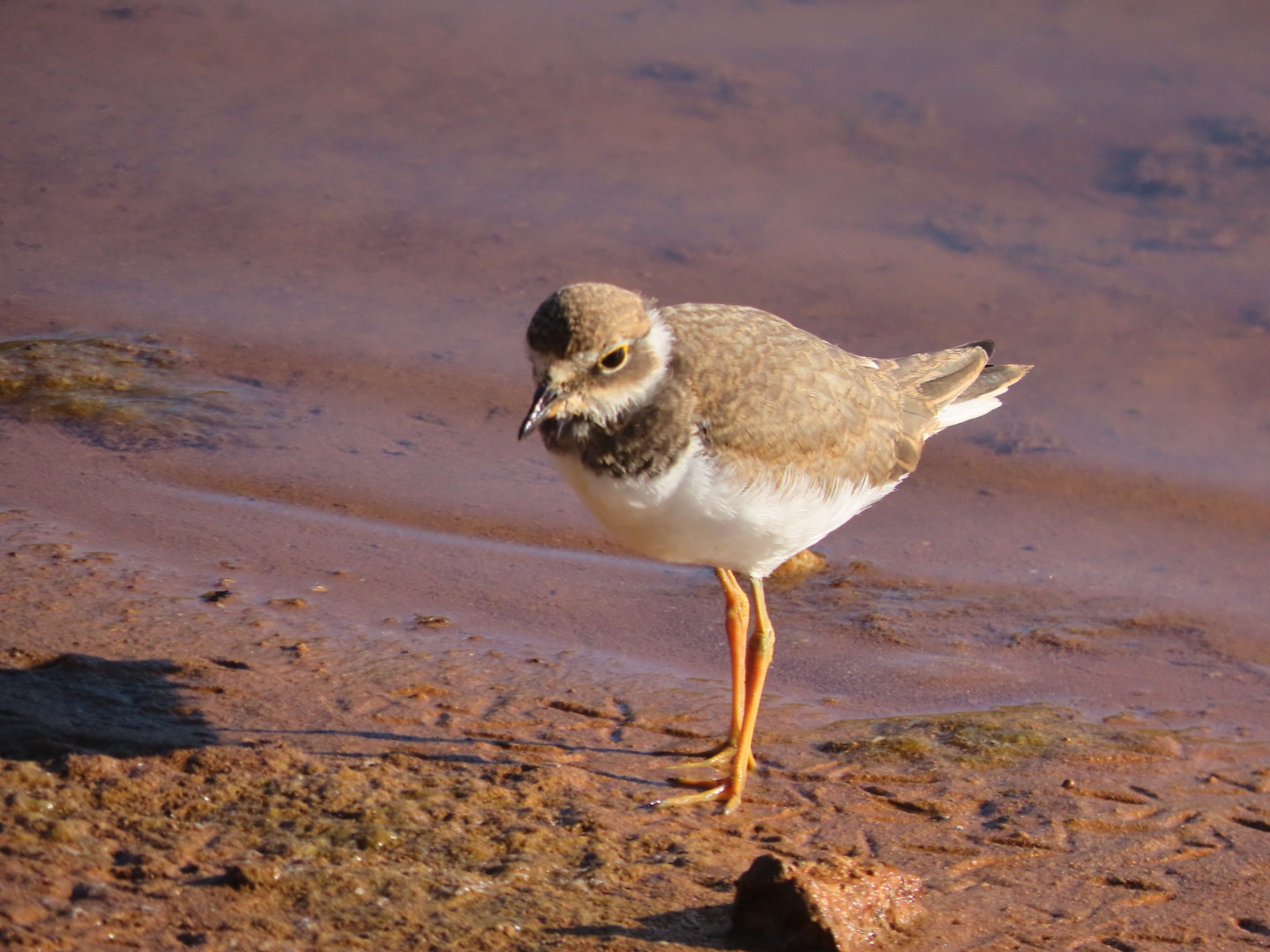
During May, Little Ringed Plovers stole the limelight as 3 pairs were raising broods of chicks and a fourth pair was incubating till the end of the month. The first pair fledged all four chicks successfully, which had hatched in the end of April. All chicks took flight by 20 May. The second pair hatched four chicks the second week while the third pair also hatched four chicks on another island in the third week of May.
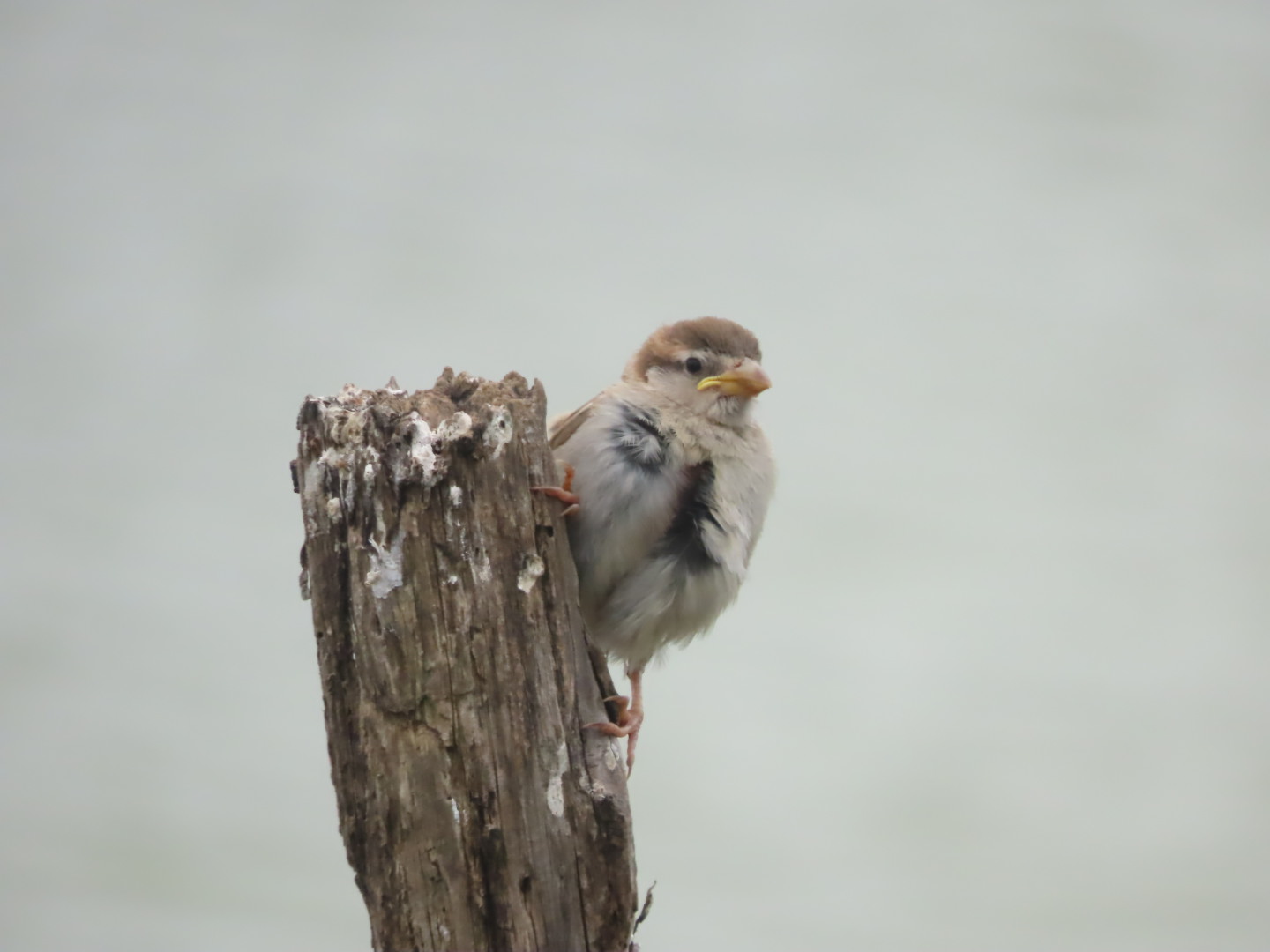
Other breeding birds noted with fledged young included Cetti’s Warblers, Sardinian Warblers and Spanish Sparrows.
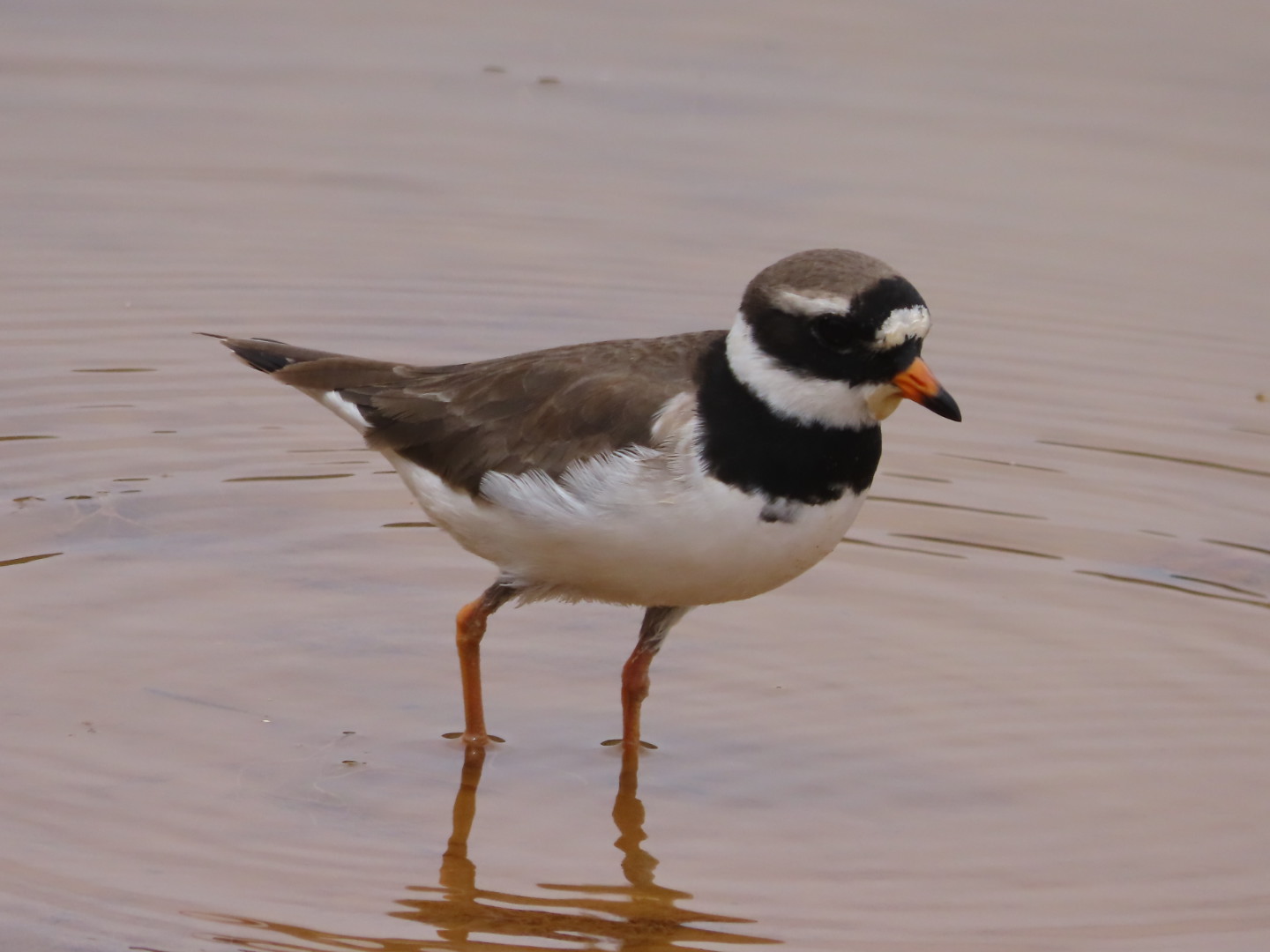
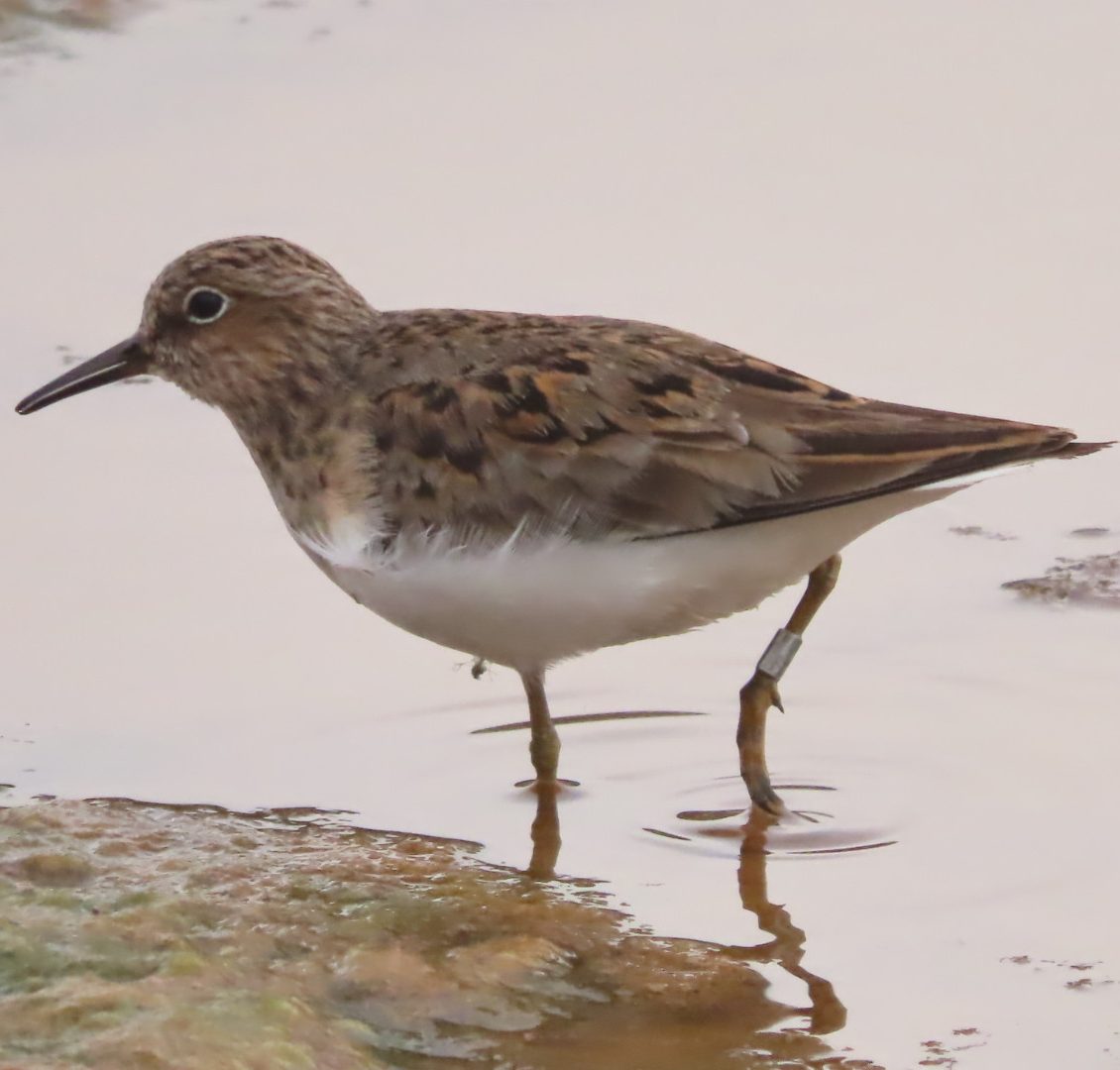
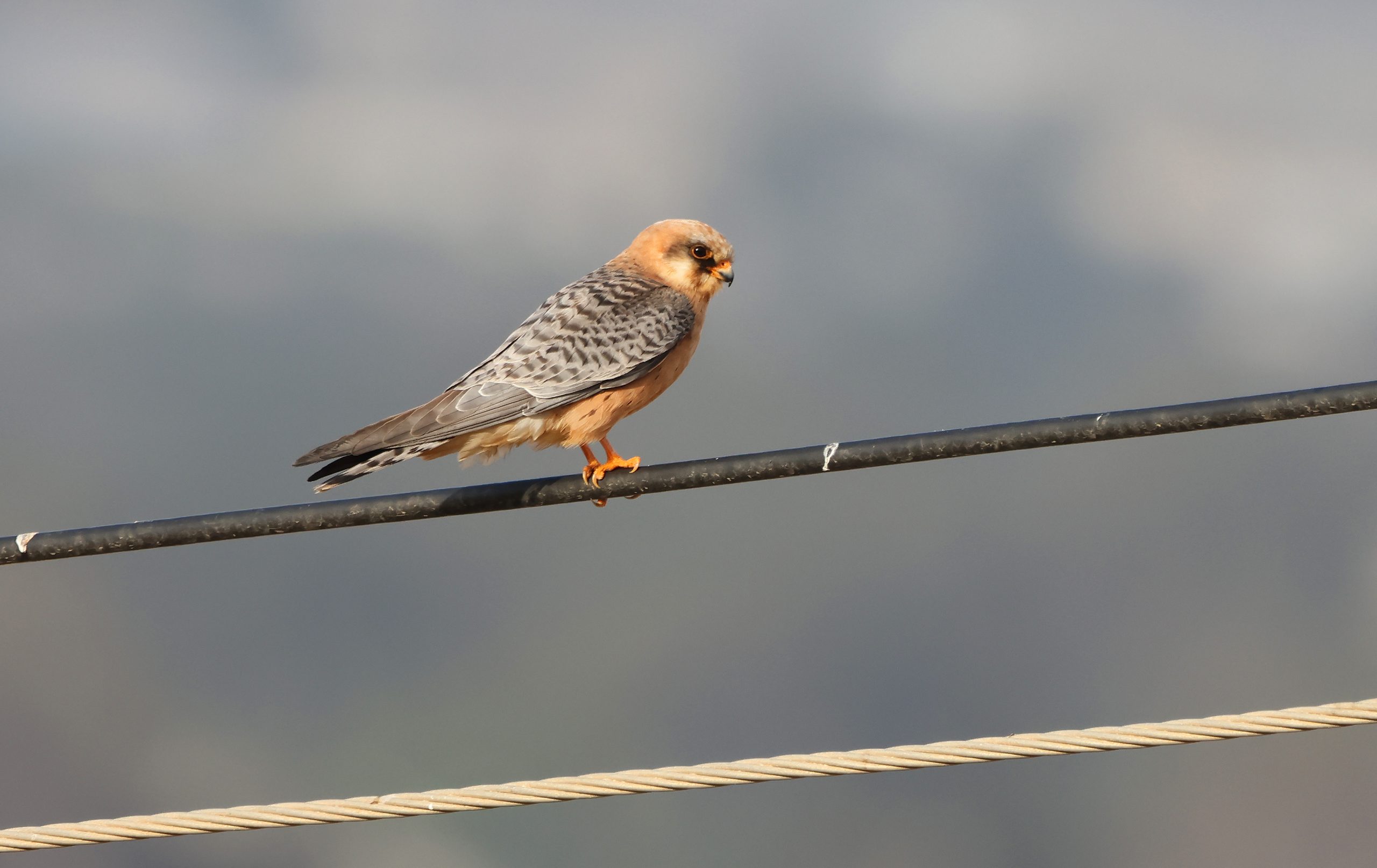
Various migratory bird species were noted daily throughout May, with waders peaking at the start of the month. Small numbers of Little Stints, Ruffs, Curlew Sandpipers and Wood Sandpipers were seen almost daily till mid month. Of particular note were Temminck’s Stints, which were quite evident. A rare sighting of two Eleonora’s Falcons was seen on migration, and a Red-Footed Falcon and a European Roller were noted hunting insects in the fields adjacent to the reserve. Swifts, Barn Swallow, House and Sand Martins were seen occasionally. Passerines recorded this month included Wood Warblers, Sedge Garden and Icterine Warblers and Pied and Spotted Flycatchers, amongst others. Tree Pipits and Yellow Wagtails were seen in small numbers.
by David Attard
by David Attard
by David Attard
by David Attard
Works
Given that this is the nesting season, pruning works were minimal and were done using only hand secateurs, not to disturb nesting warblers in the hedges adjacent to the main path. However, the works were focused on the stretch of sand dune currently under restoration on the seaward side of the reserve. New growth of Giant Reed and African box-thorn is being tackled using hand tools to uproot the invasive plants. These will be shredded at a later stage when there’s no risk of disturbance. Sand dune plants were in full bloom during this month, with Sea Rocket, Spanish Oyster Thistle, Sea Holly, and Yellow-horned Poppy all showing off their flowers, coinciding with the migration of Painted Lady butterflies, which were seen feasting on the bonanza of flowers.
by David Attard
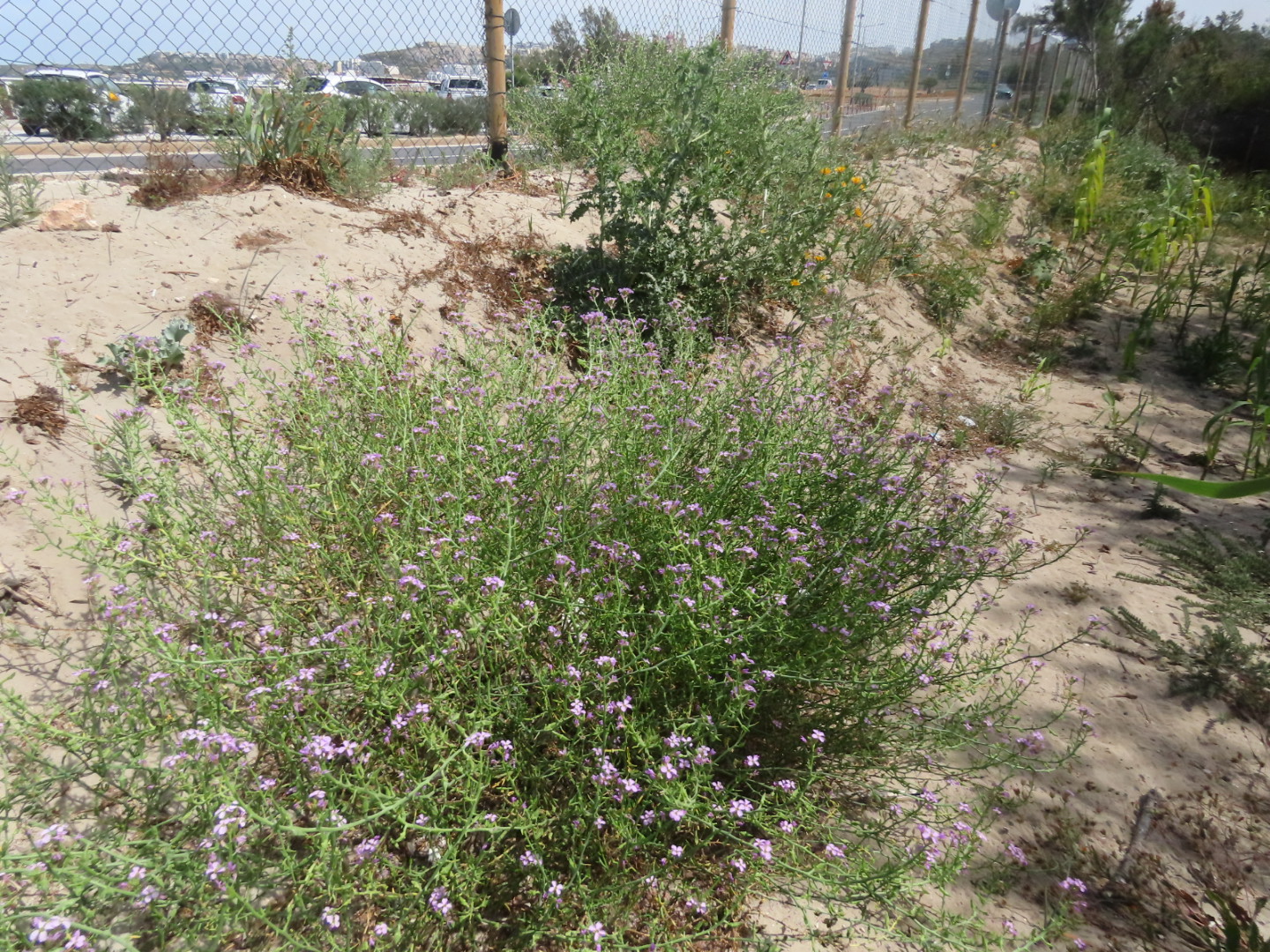
by David Attard
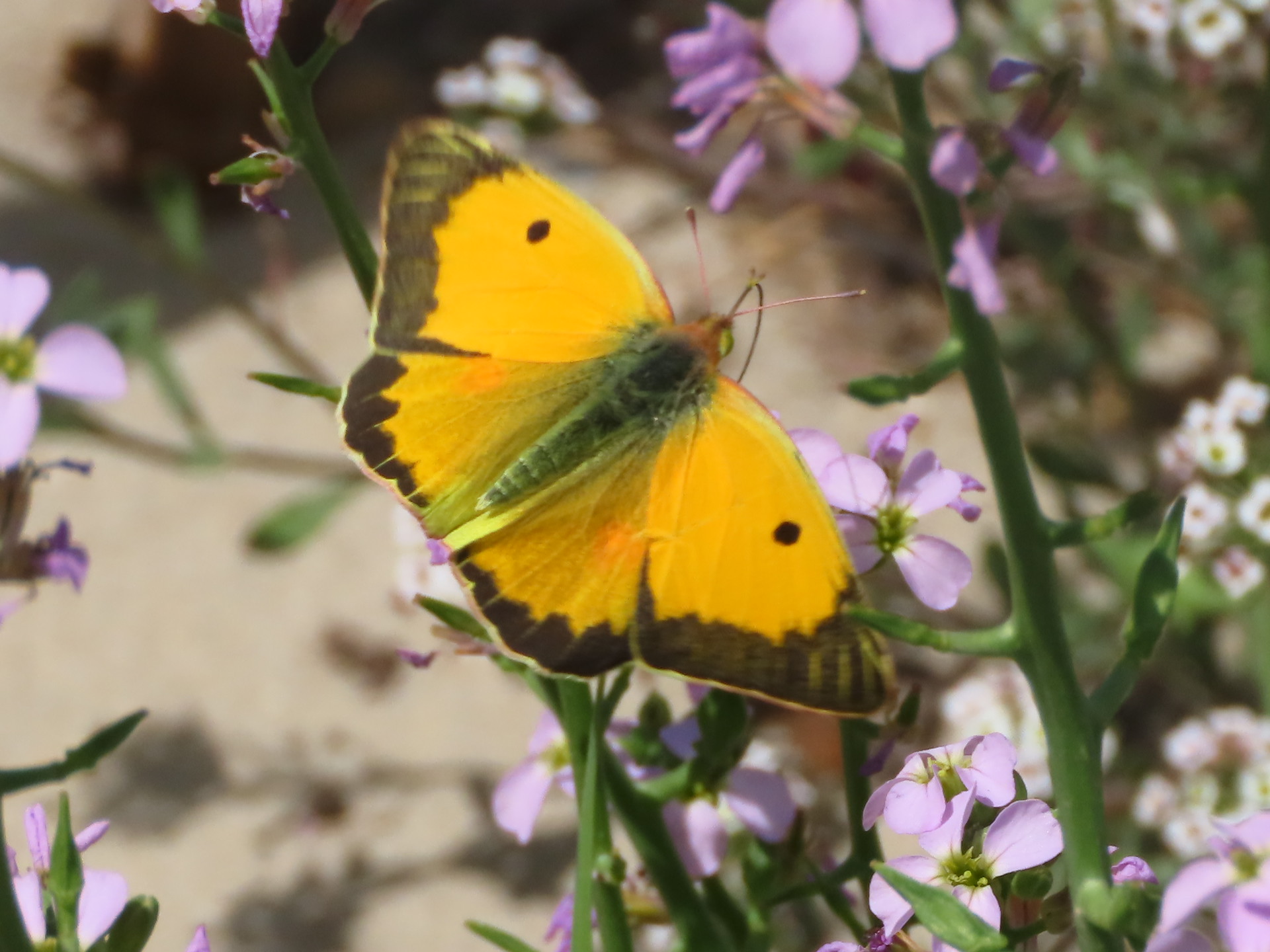
by David Attard
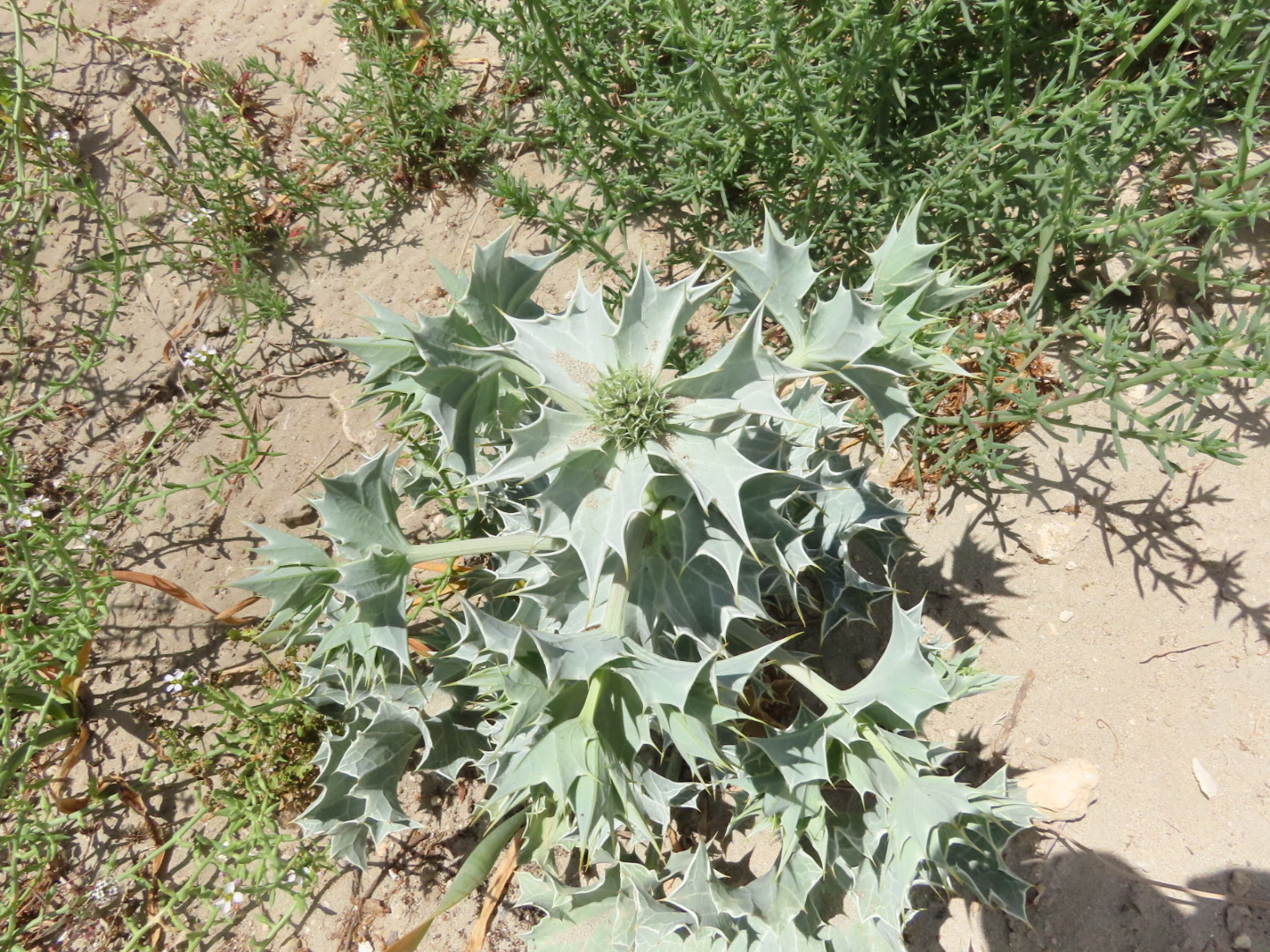
by David Attard
Simar Nature Reserve
Sightings
With the approach of summer Simar becomes increasingly greener due to the vibrant vegetation. Most halophytic plants start to blossom whilst the Reedbed is at its peak growth, displaying lush green foliage. Bird migration slowed down by mid-month, but breeding birds were still very active.
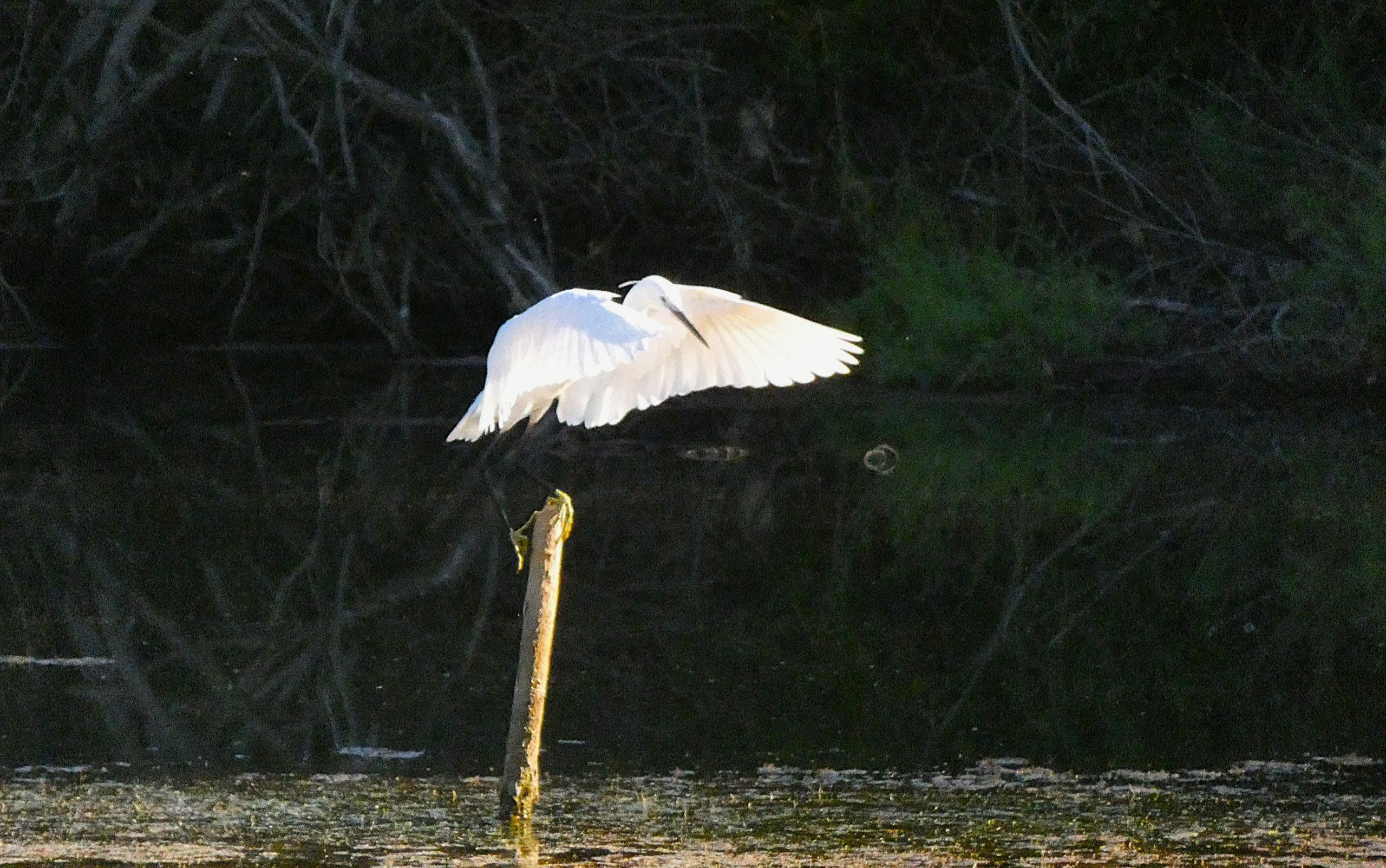
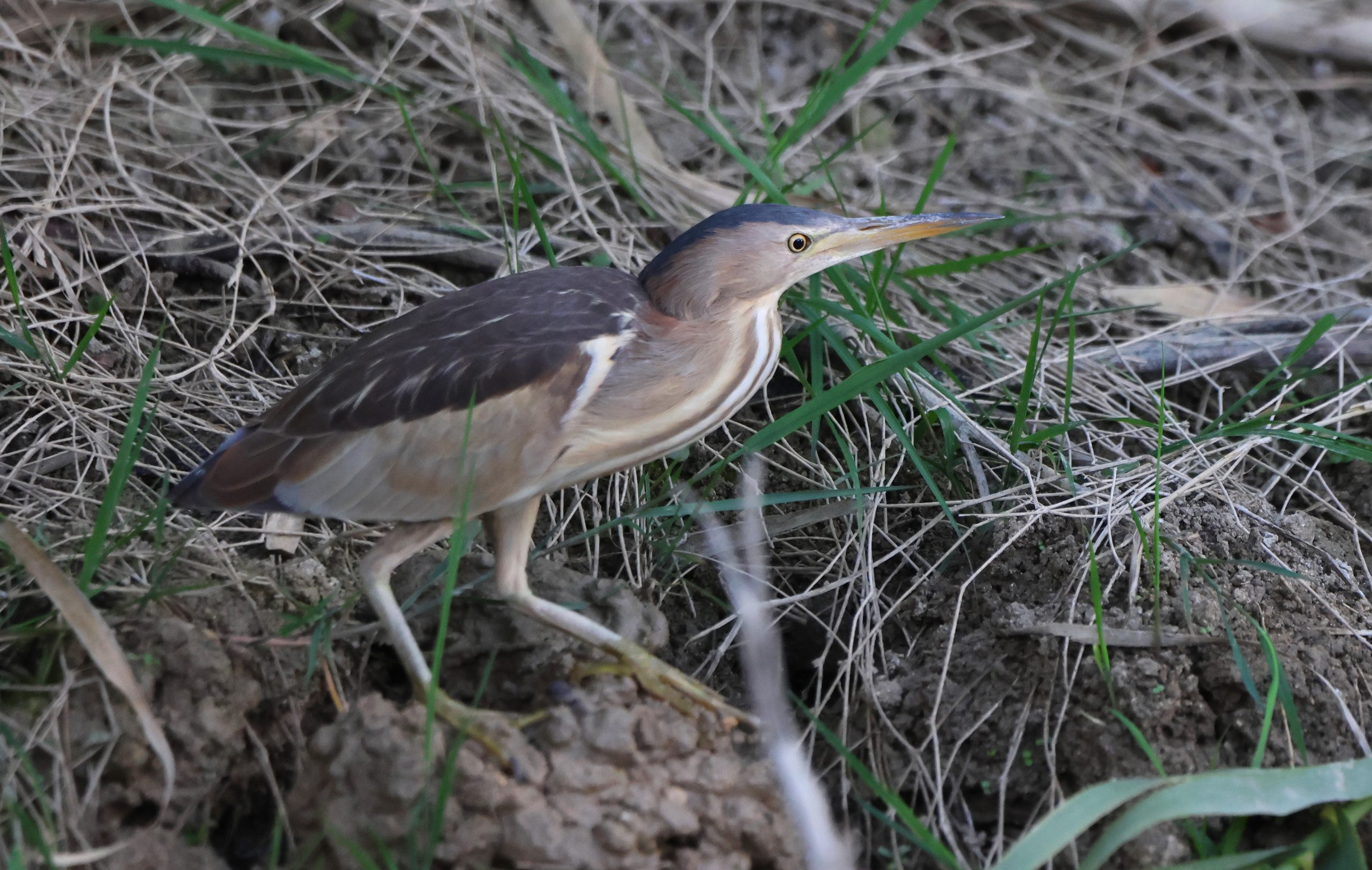
Several species of birds were present during the first two weeks. A good number of Sedge Warblers and Great Reed Warblers were present amongst the reeds in the wetland. Also quite frequent were Garden Warblers and Wood Warblers, and a few Icterine Warblers and Reed Warblers. Other birds of notable presence were a female Red-Footed Falcon, which stayed for several days close to the reserve, as well as two Rollers. A female Little Bittern was regularly seen, and also a few Black-crowned Night Herons. A Squacco Heron spent a few weeks in the wetland, and also several Little Egrets.
Also, an adult male Lesser Grey Shrike was present feeding around the reserve. This rare bird has only been sighted in the Maltese Islands a few times in the last 50 years.
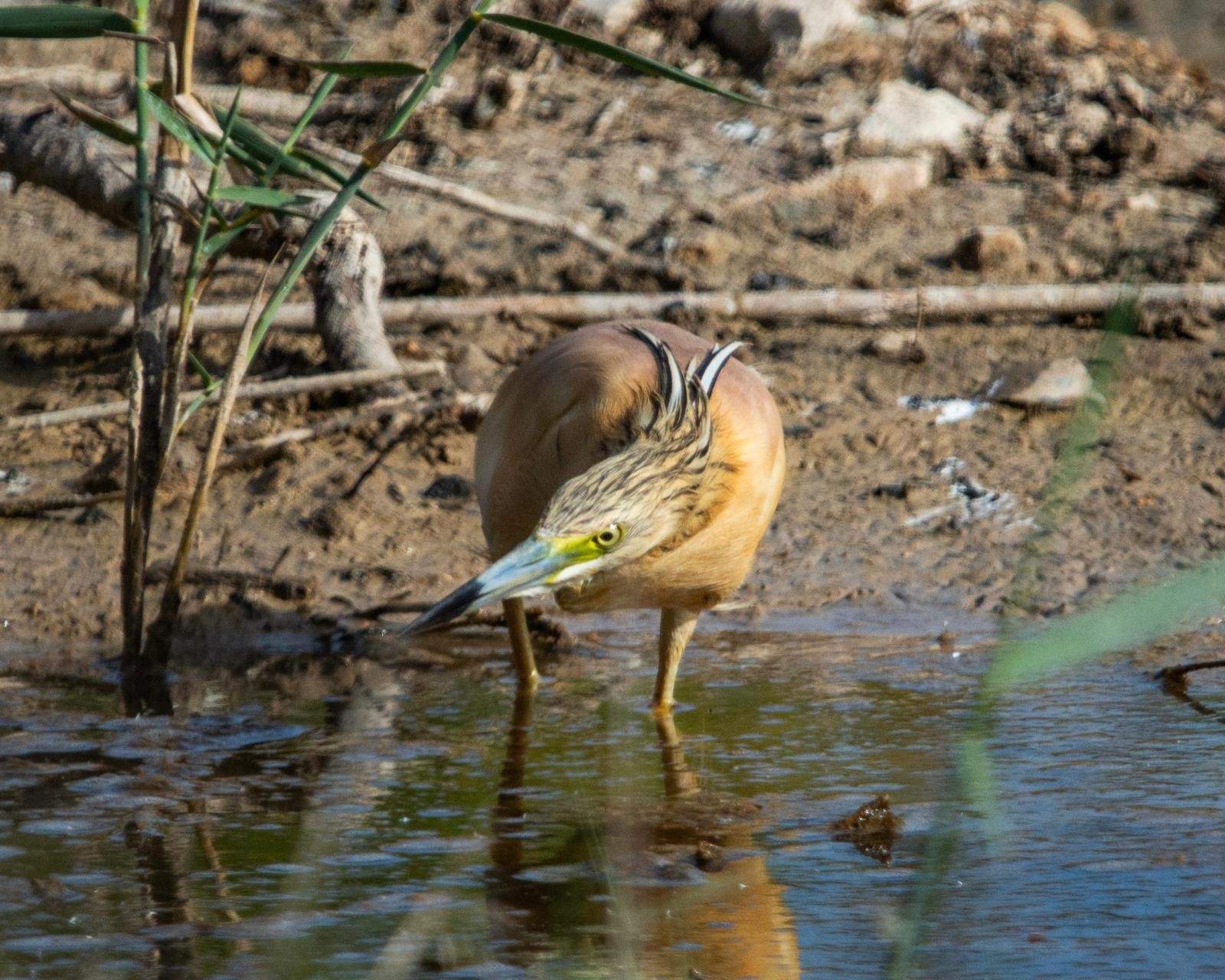
by Leo Akhmeteli
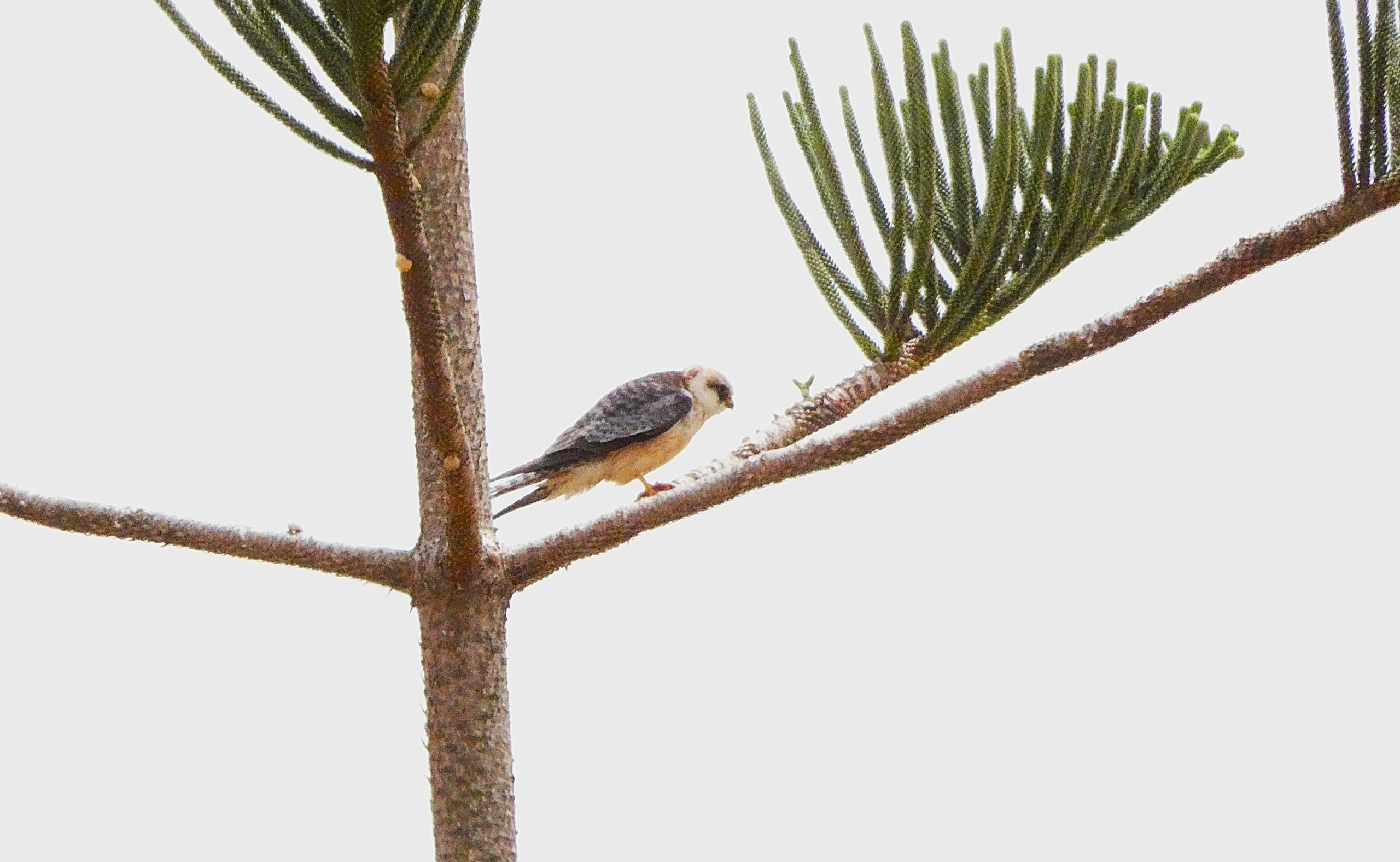
by Charles Coleiro
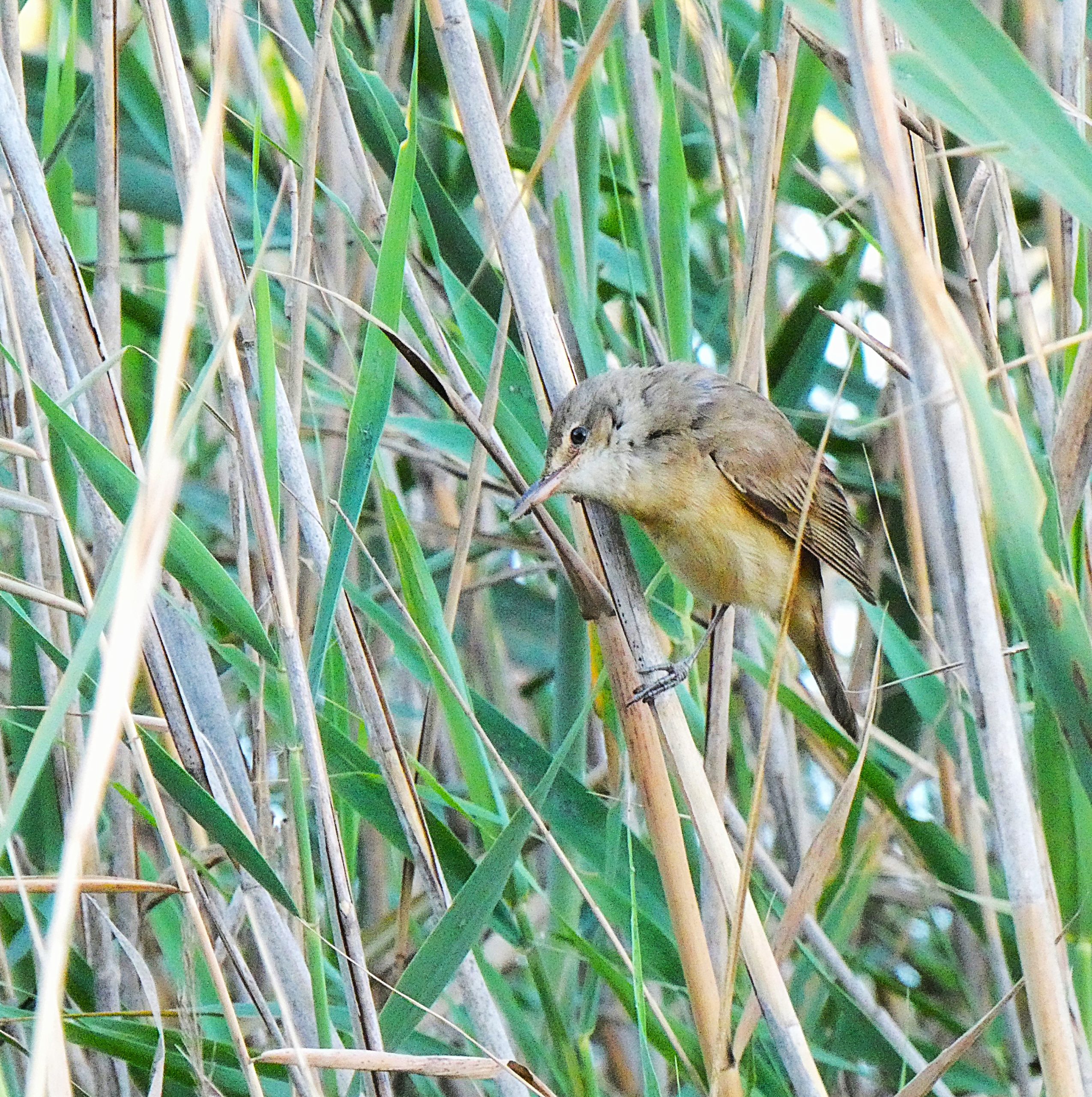
by Charles Coleiro
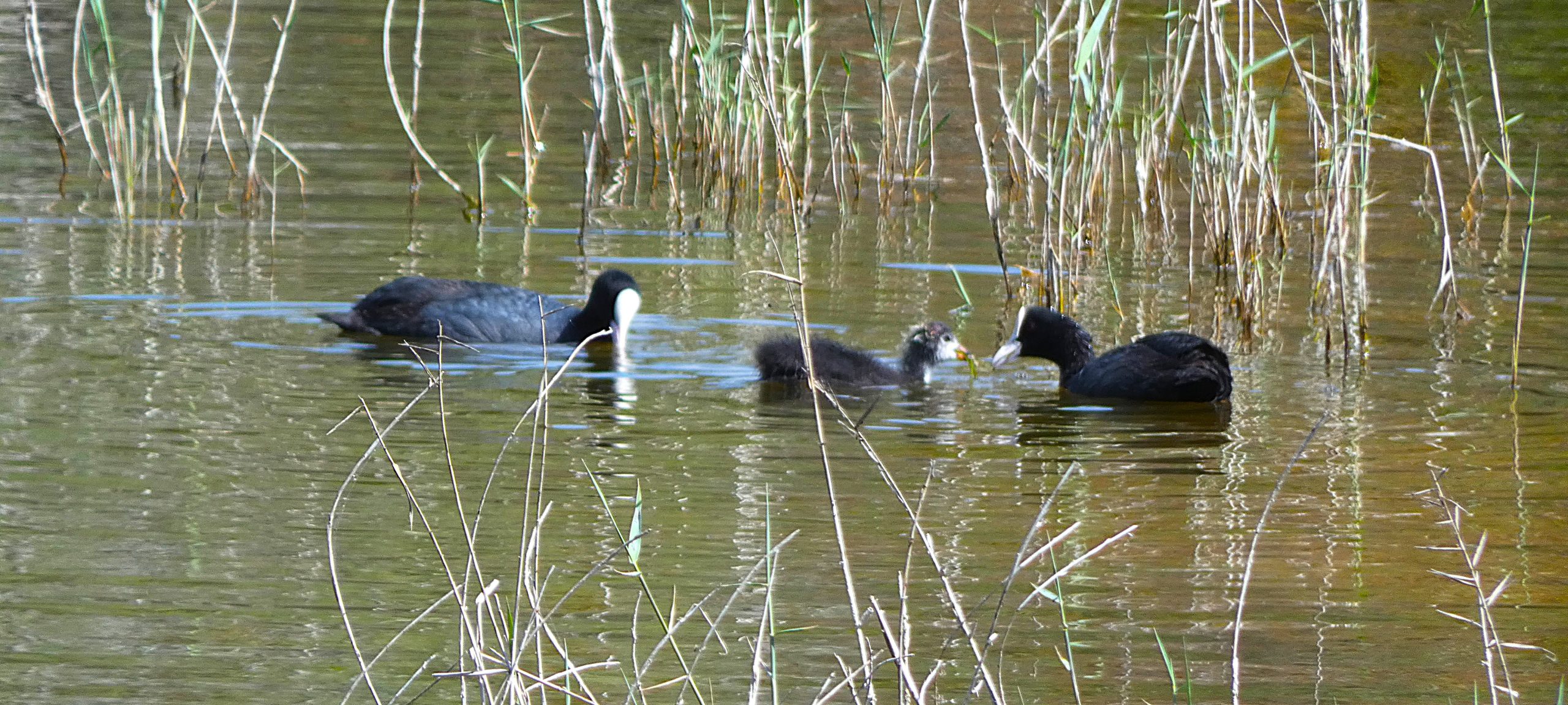
by Charles Coleiro
The pair of Eurasian Coots continued feeding and taking care of their chick, which by the end of the month had become fully grown and was feeding independently. At the same time, the adults were seen carrying nest material to build a second nest. Eventually, the pair were observed incubating. Several Moorhen family parties were also observed. They were frequently seen feeding the chicks, keeping well hidden amongst the reeds.
Habitat Maintenance
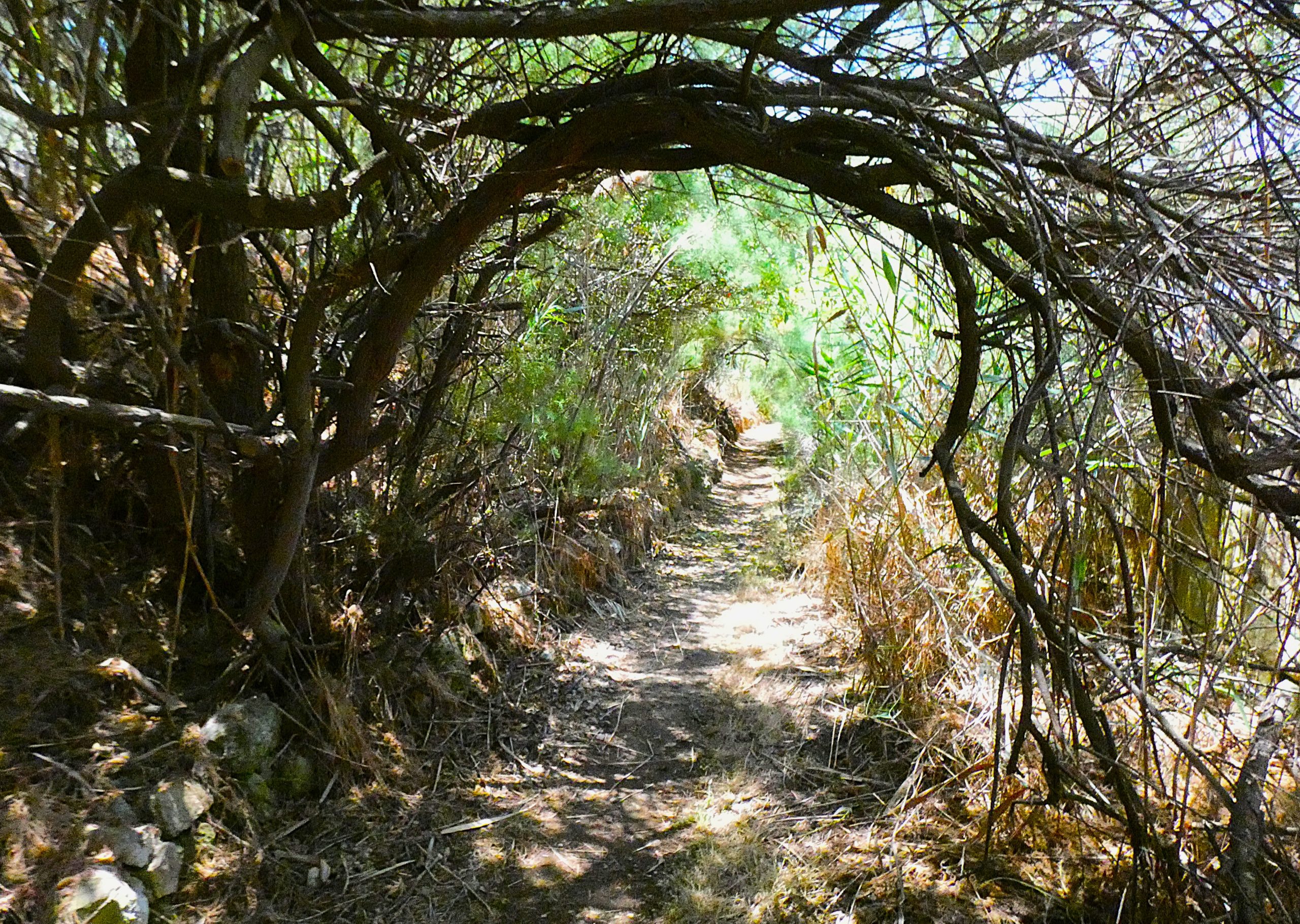
Grass cutting and pruning of protruding branches were carried out along the whole nature trail. Work was also started on the habitat renovation of the area next to the main entrance. This will entail removing the eucalyptus leaf litter accumulated over the years and also help improve the biodiversity of this area by encouraging the growth of more native species. This area will also include small areas of seating for use by the reserves staff.
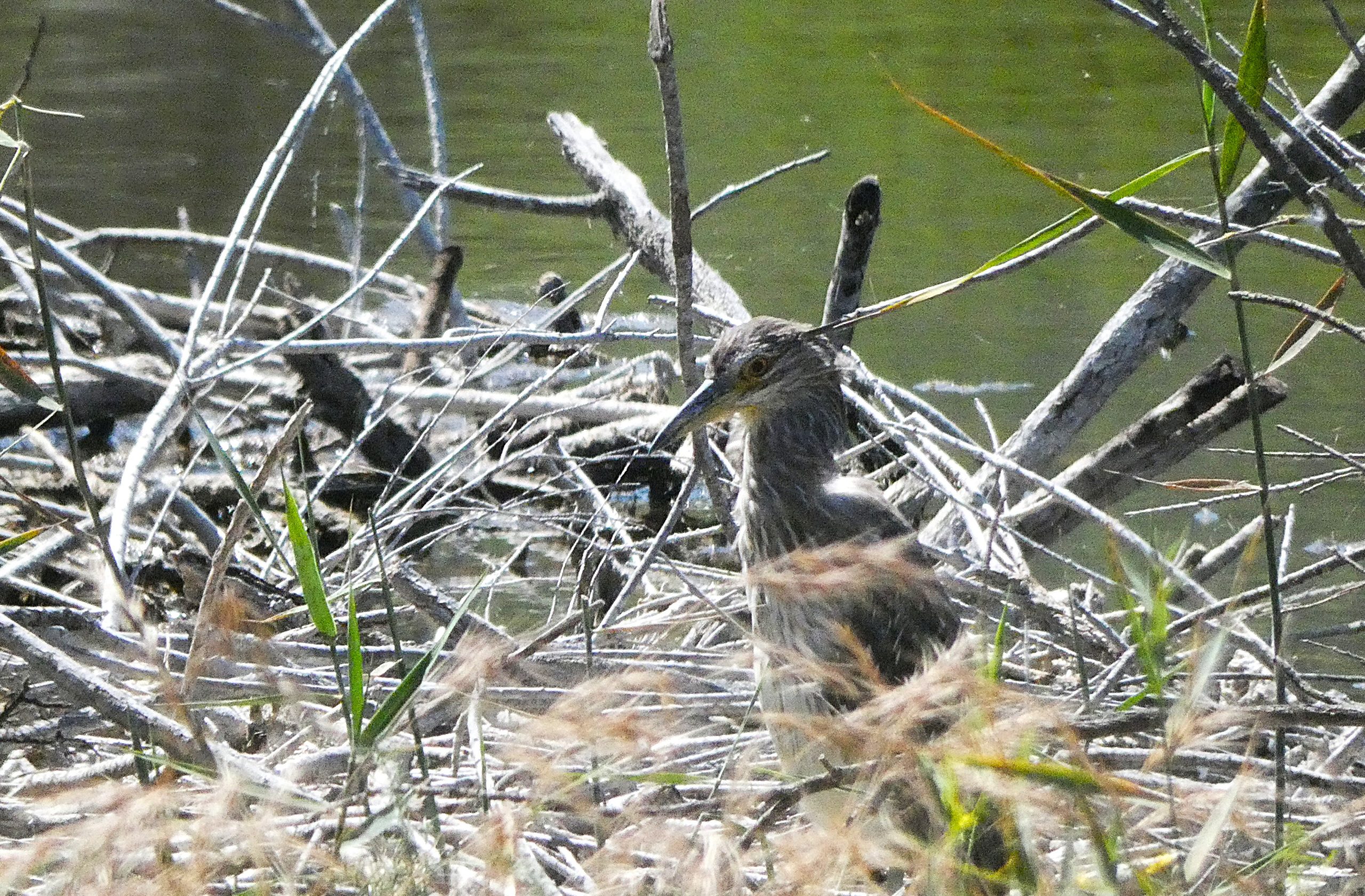
by Charles Coleiro
by Charles Coleiro
by Charles Coleiro
Foresta 2000
Sightings
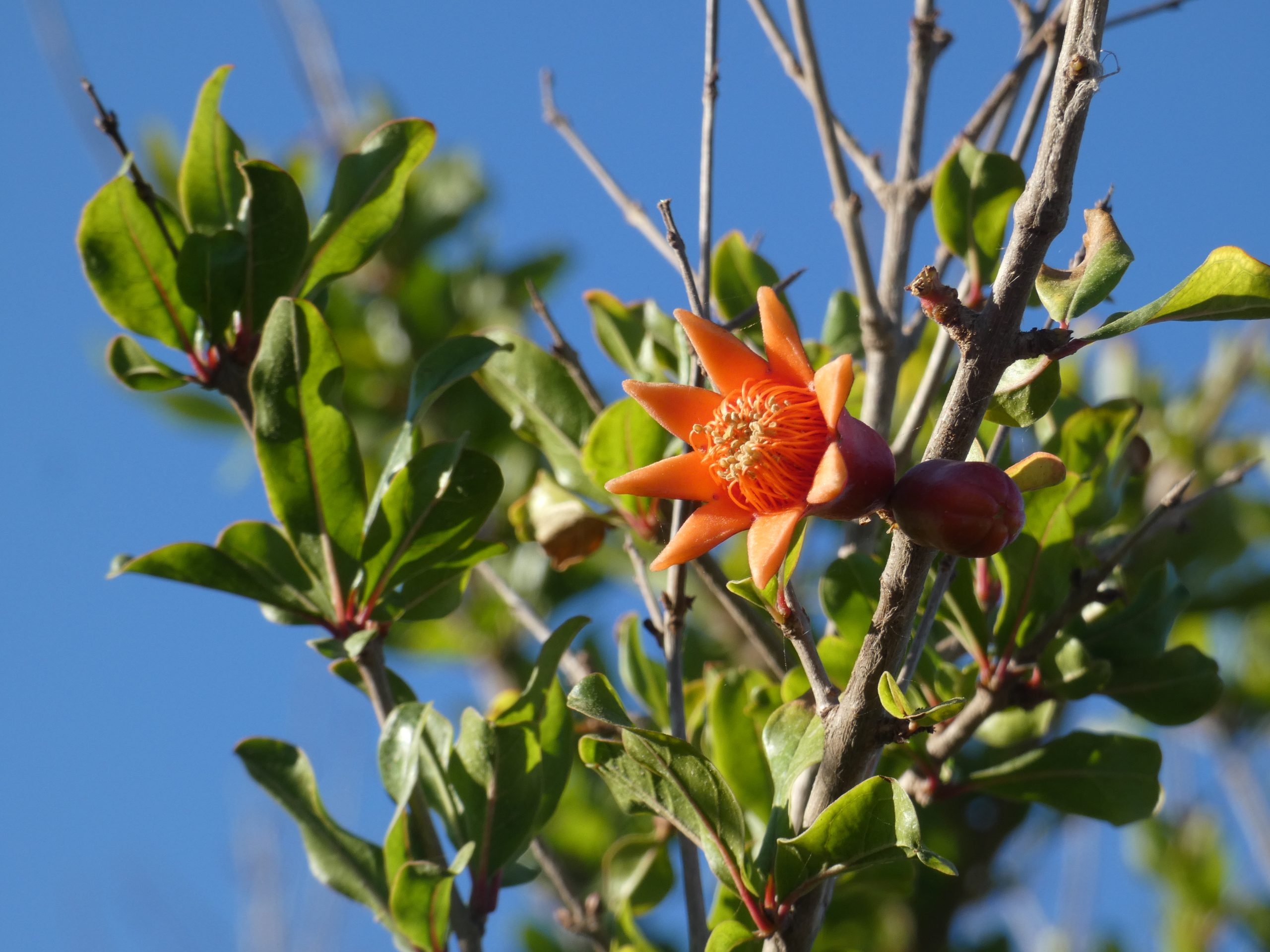
May, at Foresta 2000, brought the transition from lush spring growth into the beginning of the dry Mediterranean season. The meadows slowly started turning yellow, yet the reserve remained vibrant with wildlife activity, flowering plants, and migrating birds.
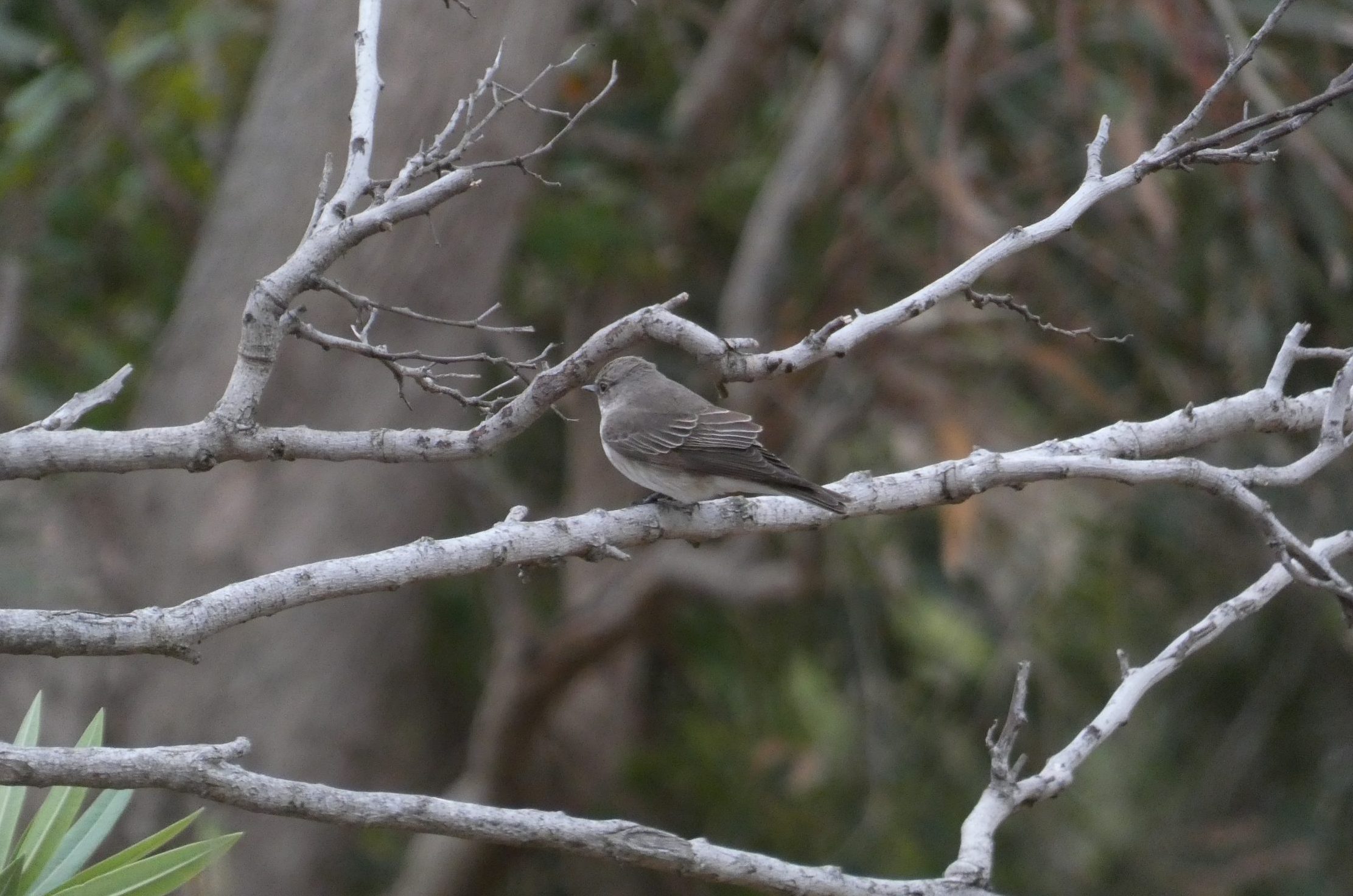
The skies above Foresta were constantly active with Swallows, House Martins, and Swifts feeding over the cliffs and woodland edges. European Bee-eaters continued passing through during the first weeks of the month, while Spotted Flycatchers became more regular, performing agile hunting flights from exposed branches. Common Kestrels were frequently seen hovering above the open areas.
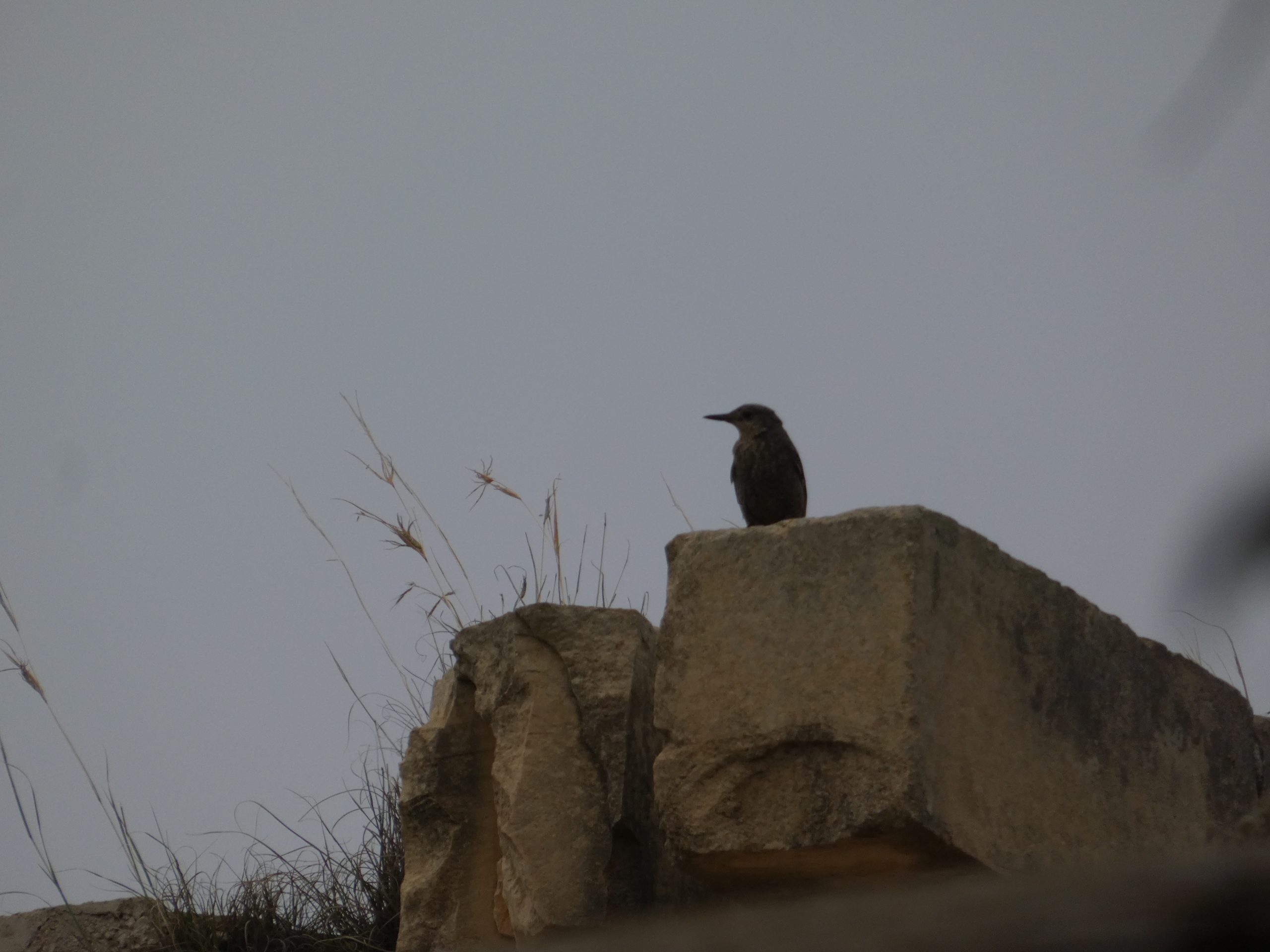
Among the resident birds, Sardinian Warblers, Blackcaps, and Zitting Cisticolas remained highly vocal, especially during the early morning hours. The song of the Blue Rock Thrush continued to echo from the cliffs, where recently fledged juveniles could also be observed.
by Vera Tokmakova
by Vera Tokmakova
by Vera Tokmakova
Butterfly activity reached one of its seasonal peaks. Swallowtails, Painted Ladies, Clouded Yellows, and Common Blues were widespread across the flowering areas. The delicate Lang’s Short-tailed Blue was also present around leguminous plants. Dragonflies remained active despite the increasing heat, particularly the striking Blue Emperor and Long Skimmer.
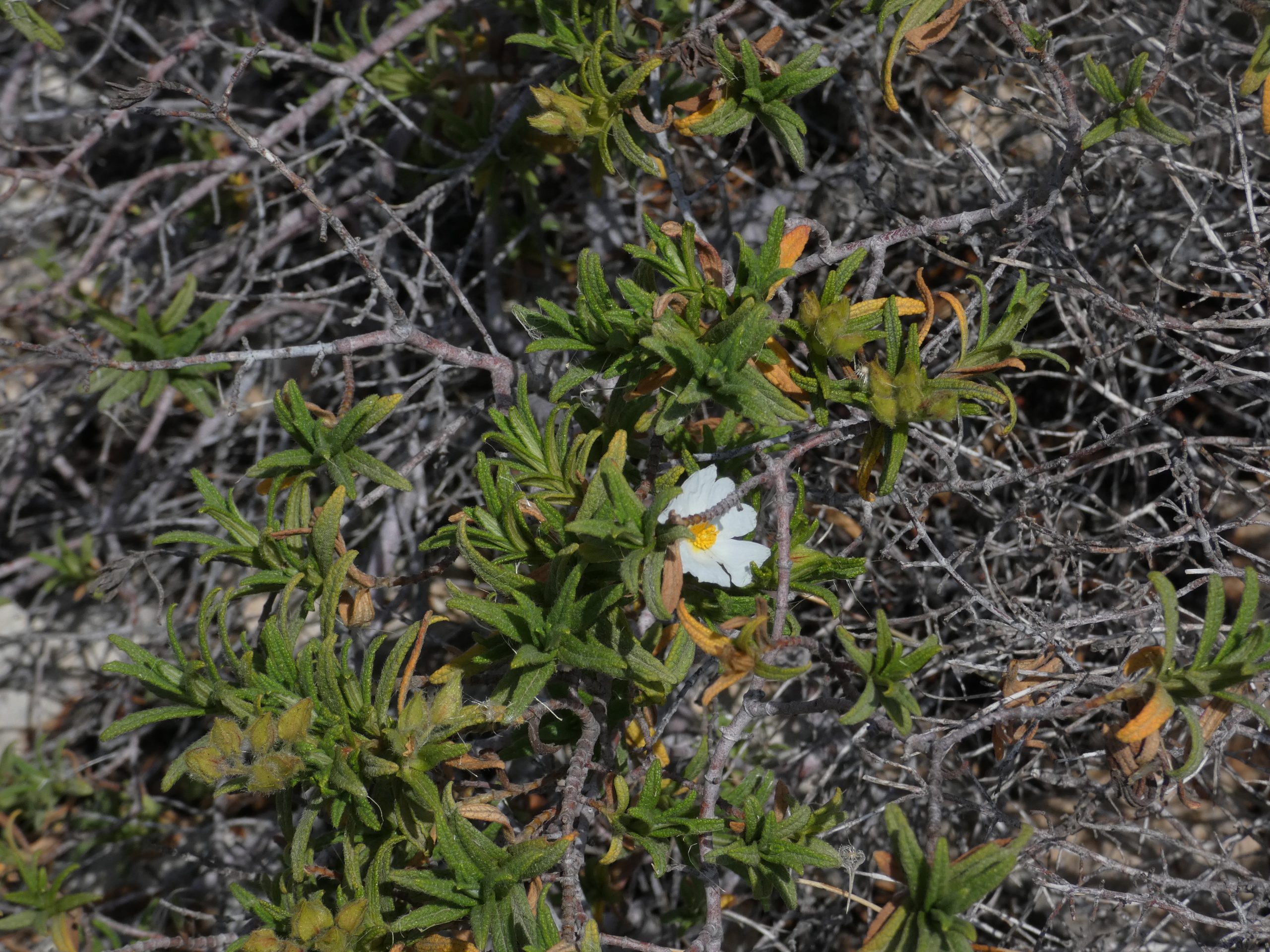
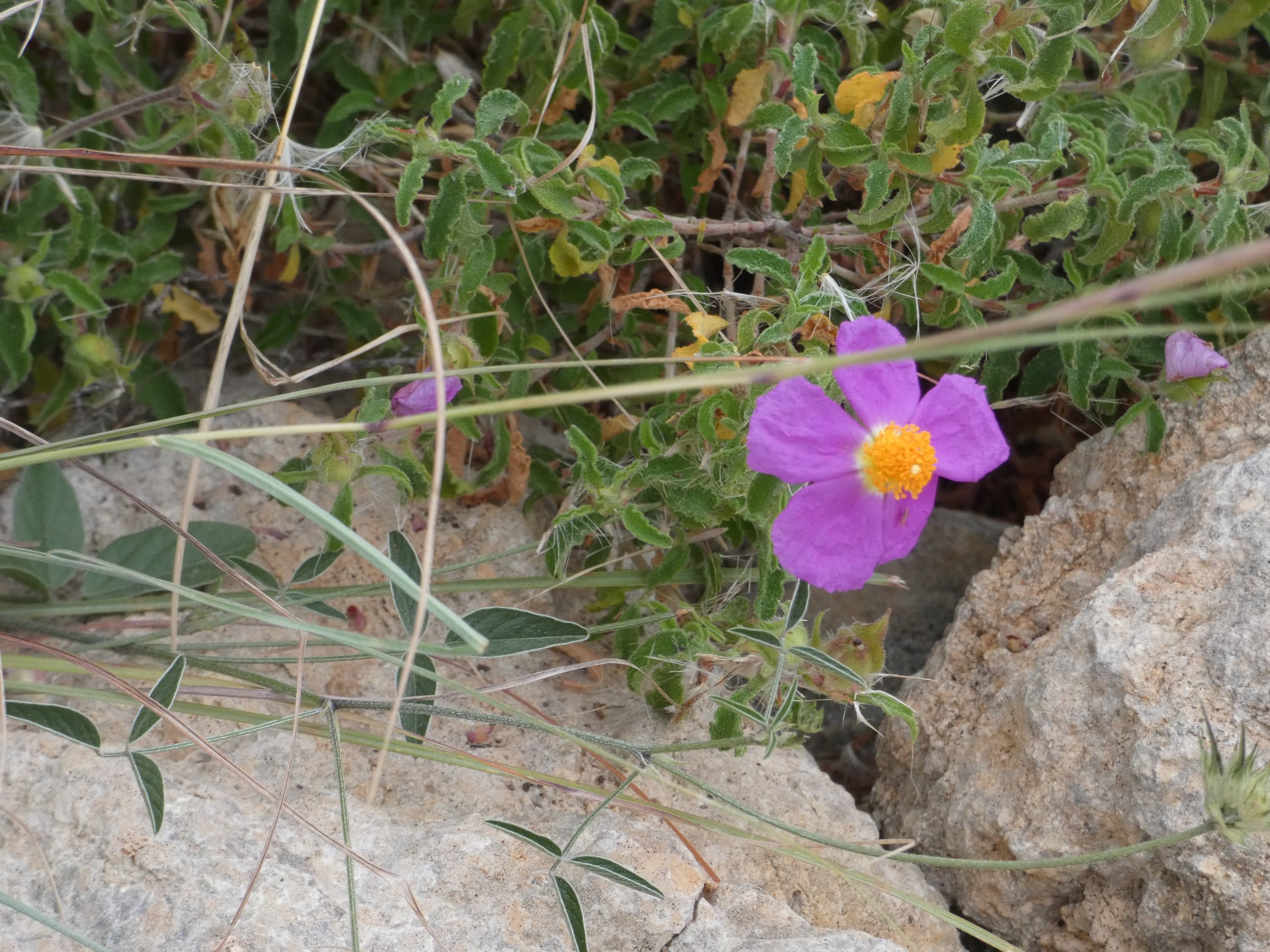
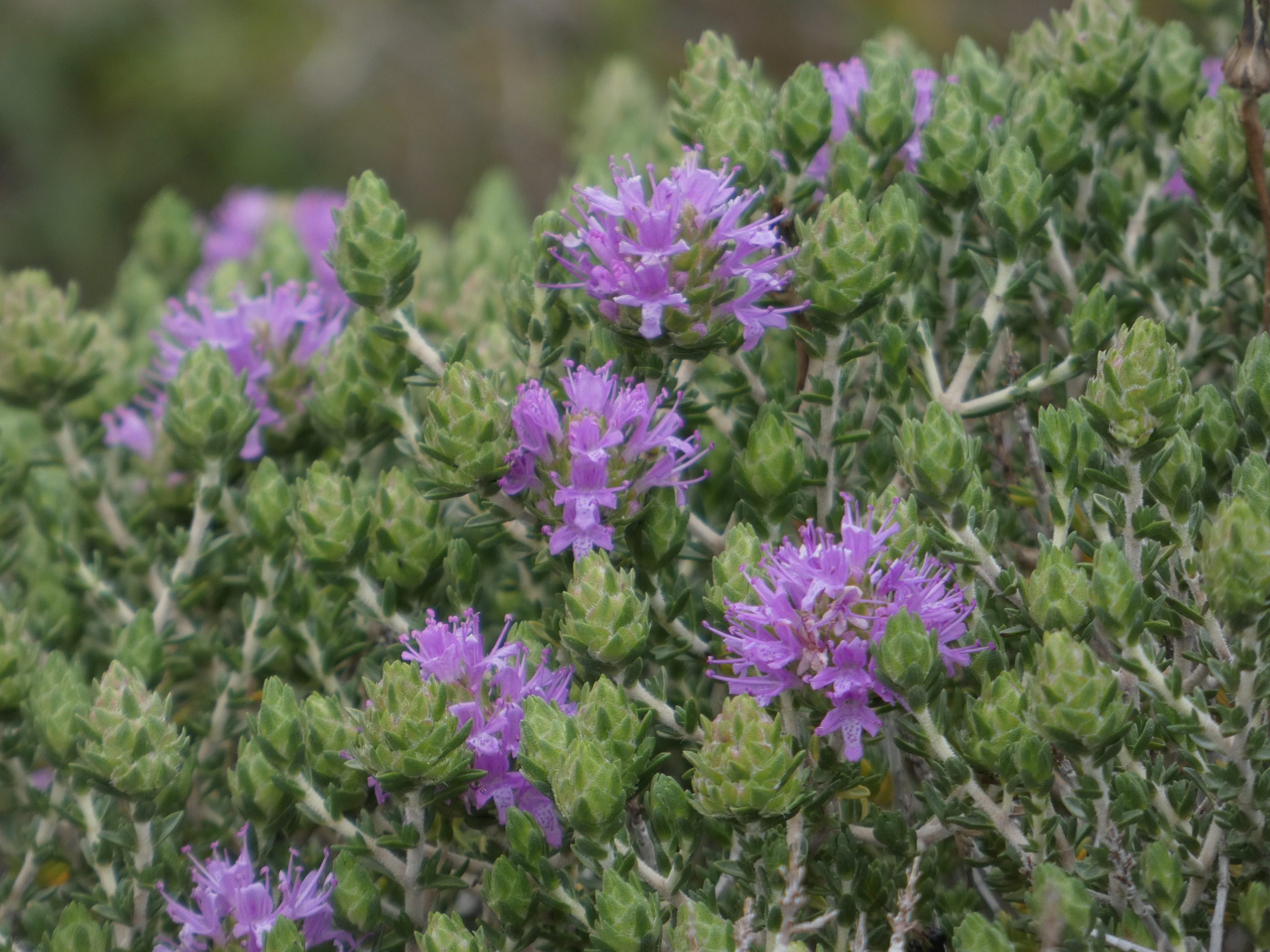
The flora of Foresta 2000 continued to dominate the landscape with colour and scent. Mediterranean Thyme and Rock roses was in full bloom, attracting pollinators across the garigue, although many plants are now beginning to dry as summer approaches.
Works
Regular clean-ups and path maintenance continued throughout May. Monitoring of trails and visitor infrastructure was carried out in preparation for the busy summer season and upcoming educational activities.
by Vera Tokmakova
Vera Tokmakova
by Vera Tokmakova
by Vera Tokmakova
Birding Highlights
Spring migration started winding down in May as usual. The first few days of the month saw some decent numbers of Common Whitethroats, Icterine Warblers, and Garden Warblers. As the month progressed, some migrants continued to trickle through, including Golden Orioles, Common and Pallid Swifts, Northern House Martins, Spotted Flycatchers, and Sedge Warblers.
The only Semi-collared Flycatcher reported this year was ringed at Comino on Saturday, 2 May, while a Grey Plover was seen there on the same day. In addition, a Common Woodpigeon was also spotted at Comino on Sunday, 3 May.
A Whimbrel was spotted on Friday, 8 May, and a Pied Avocet was spotted on Friday, 15 May, both at Marsascala, while a Common Gull-billed Tern was also seen there on Monday, 25 May.
by Aron Tanti
by Aron Tanti
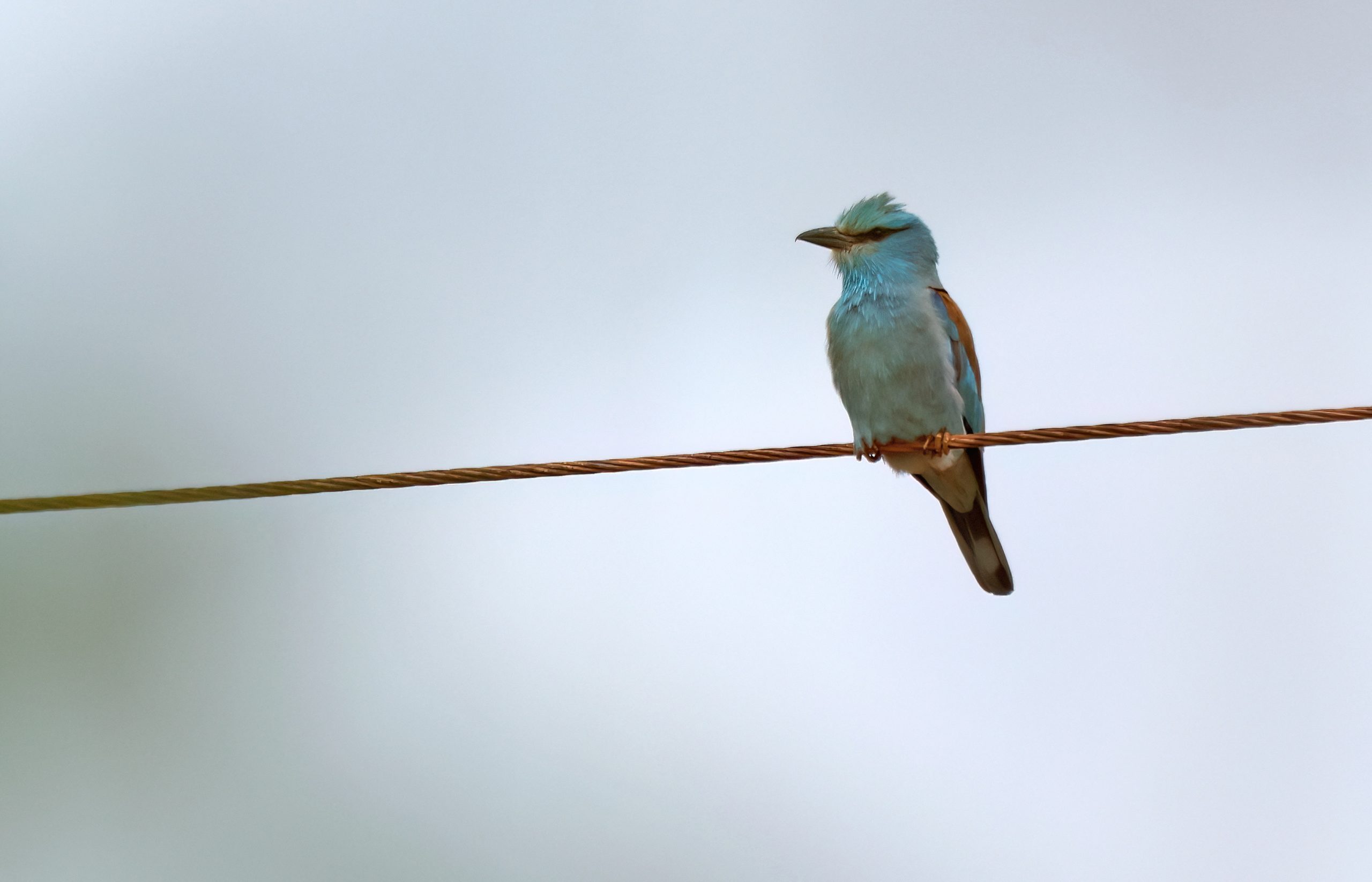
A Glossy Ibis, which was atypically scarce this year, was seen at Rabat on Saturday, 9 May. A good number of Common Little Bitterns were recorded throughout the month, as well as multiple European Rollers and Red-footed Falcons.
A few Eleonora’s Falcons were also spotted, while a late Osprey turned up on Sunday, 24 May.
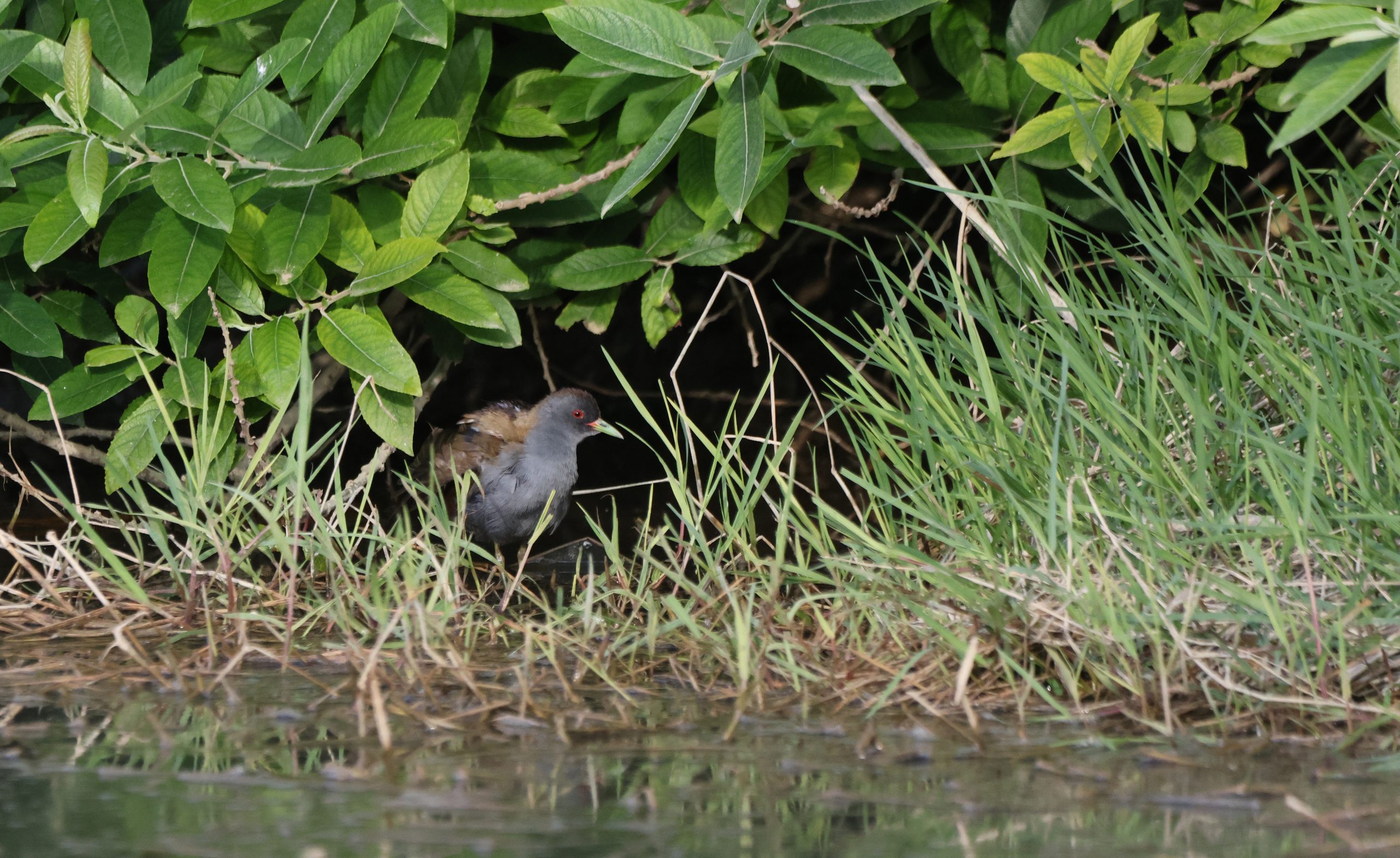
A relatively late male Little Crake spent a few days in one of Malta’s valleys. A handful of late Common Chiffchaffs were reported throughout the month.
by Aron Tanti
by Aron Tanti
Festa Fjuri
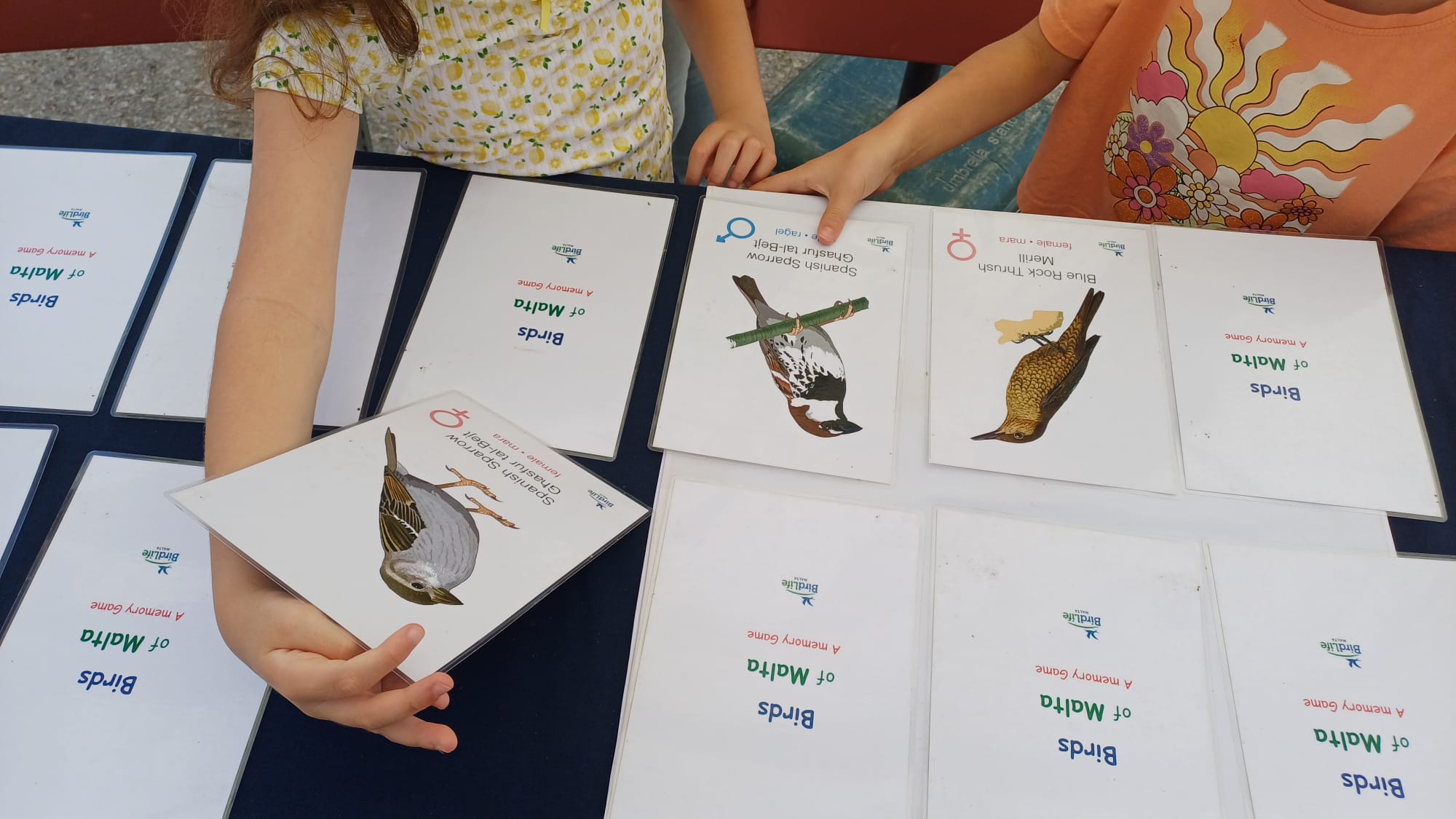
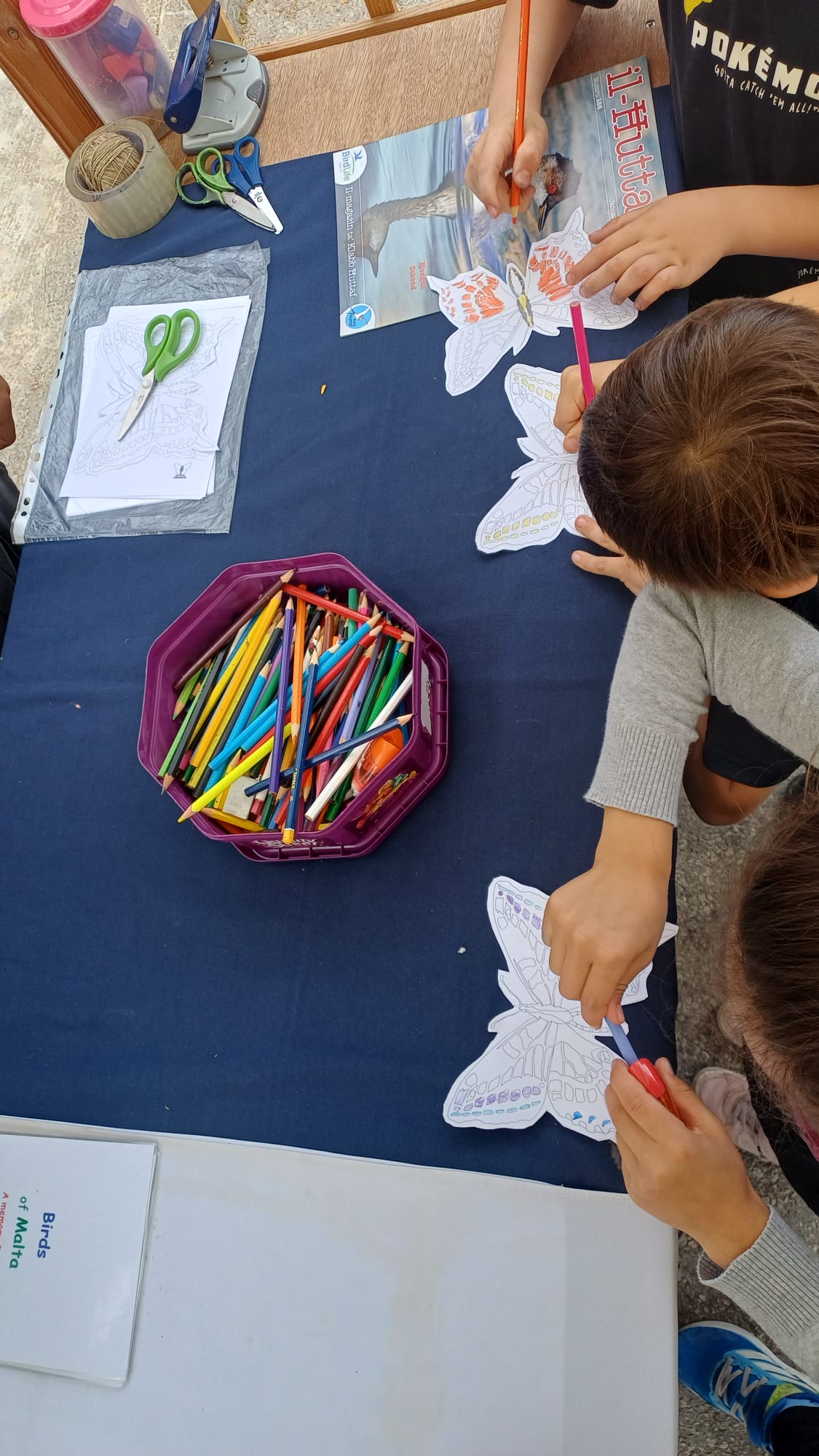
Festa Fjuri, the vibrant celebration of plants and flowers organised by the Iklin local council in Pjazza Ninu Cremona on 16 May, was a wonderful success! At our stand, children enjoyed interactive activities like Guess Who? about invertebrates, a memory game about Malta’s bird species, and a butterfly craft. We also shared insights about our reserves and the daily work we do to protect nature.
The morning was made even more special by the many talented musicians present, whose fantastic music accompanied the event splendidly. It was a fantastic way to connect with the community and celebrate the beauty of our natural world together!
by Giulia Galvani
by Giulia Galvani
Dinja Wahda Coordinator’s Day
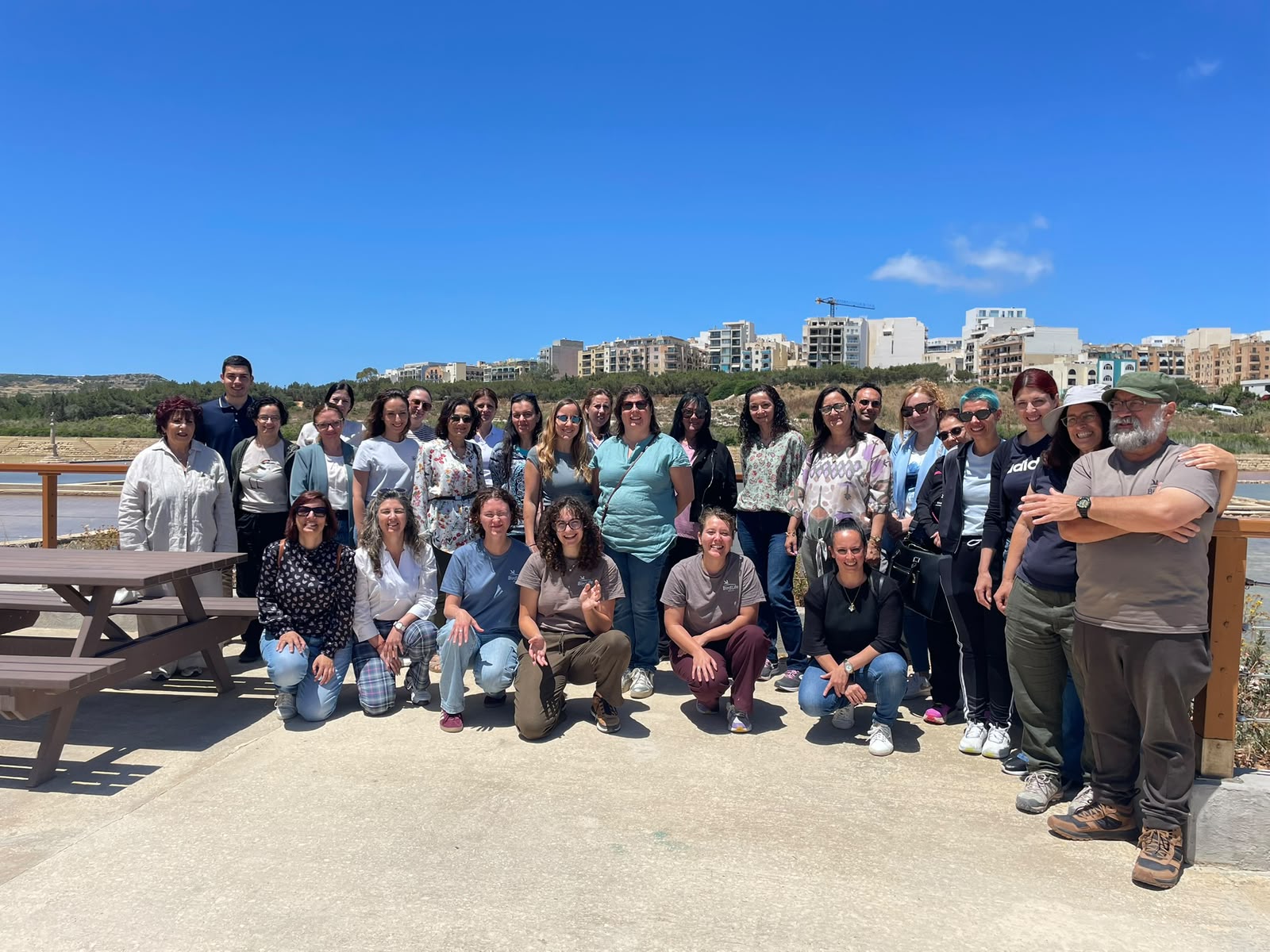
On 20 May, Dinja Waħda coordinators experienced a full day of learning, discussing, and understanding what nature-based learning truly is like.
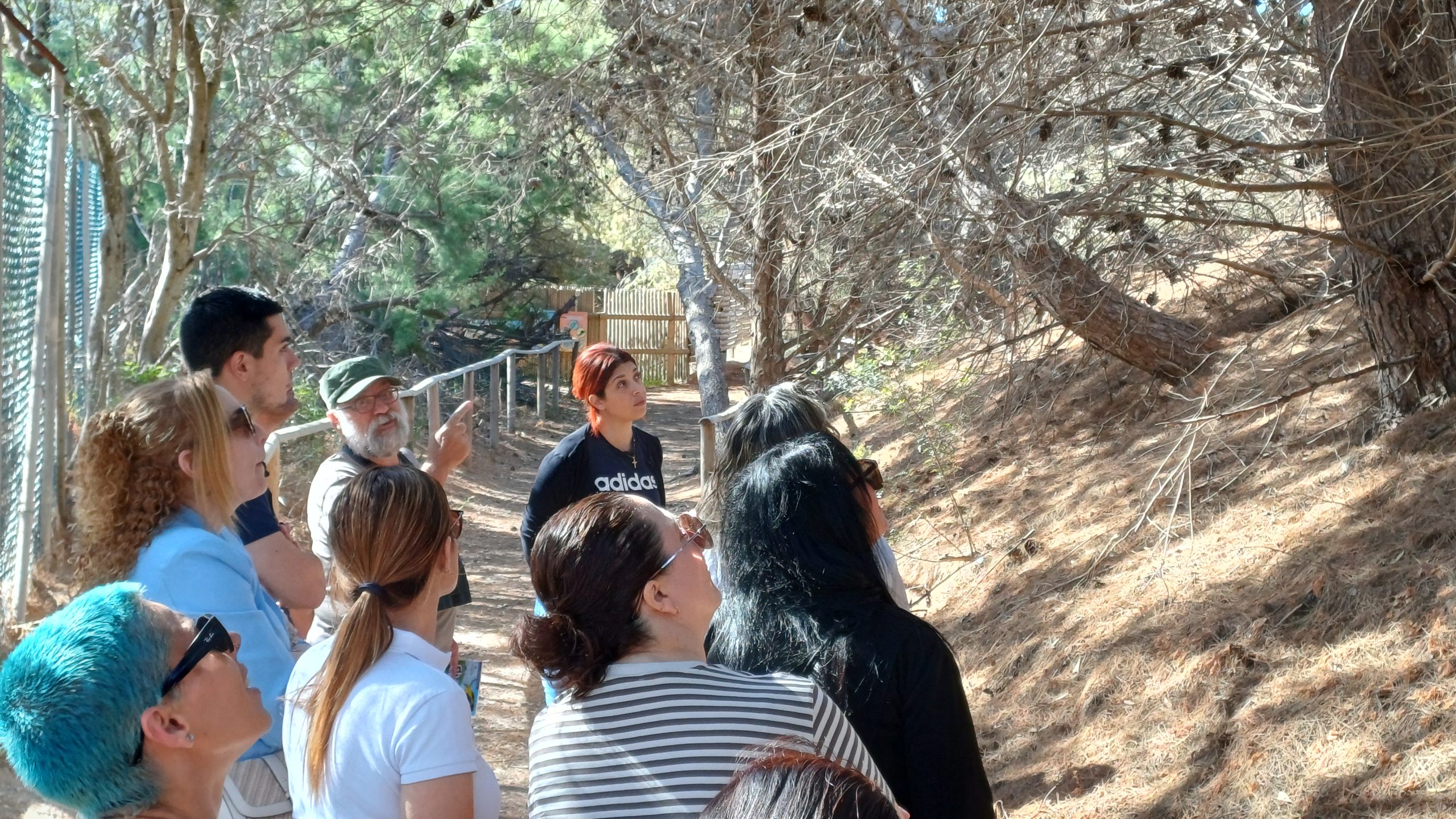
To start, they had the chance to experience nature guided by our field teachers, Victor and Desiree. They were shown various ideas and activities to gain inspiration and see what they could do in their schools to motivate students to be outside. They looked out for seeds and were told to describe them, forcing their minds to find new ways to look at the smallest details to honour biodiversity and nature. They also attended a bird ringing session, where they witnessed one of our experts describing the scientific method behind it all as well as having the chance to appreciate birds that they might not see or pay attention to on a daily basis.
Later on, we held a presentation at Salina and discussed what we learned during the day and how to further garner interest in nature-based learning in our students, as well as the teachers.
In all, the main goal of this day was to focus on what drives us to teach about nature, as if we cannot find the motivation to be outside and feel close to it ourselves, how are our students supposed to feel like they can as well?
by Giada Lampitelli
by Giulia Galvani
Dinja Waħda Teachers’ Day
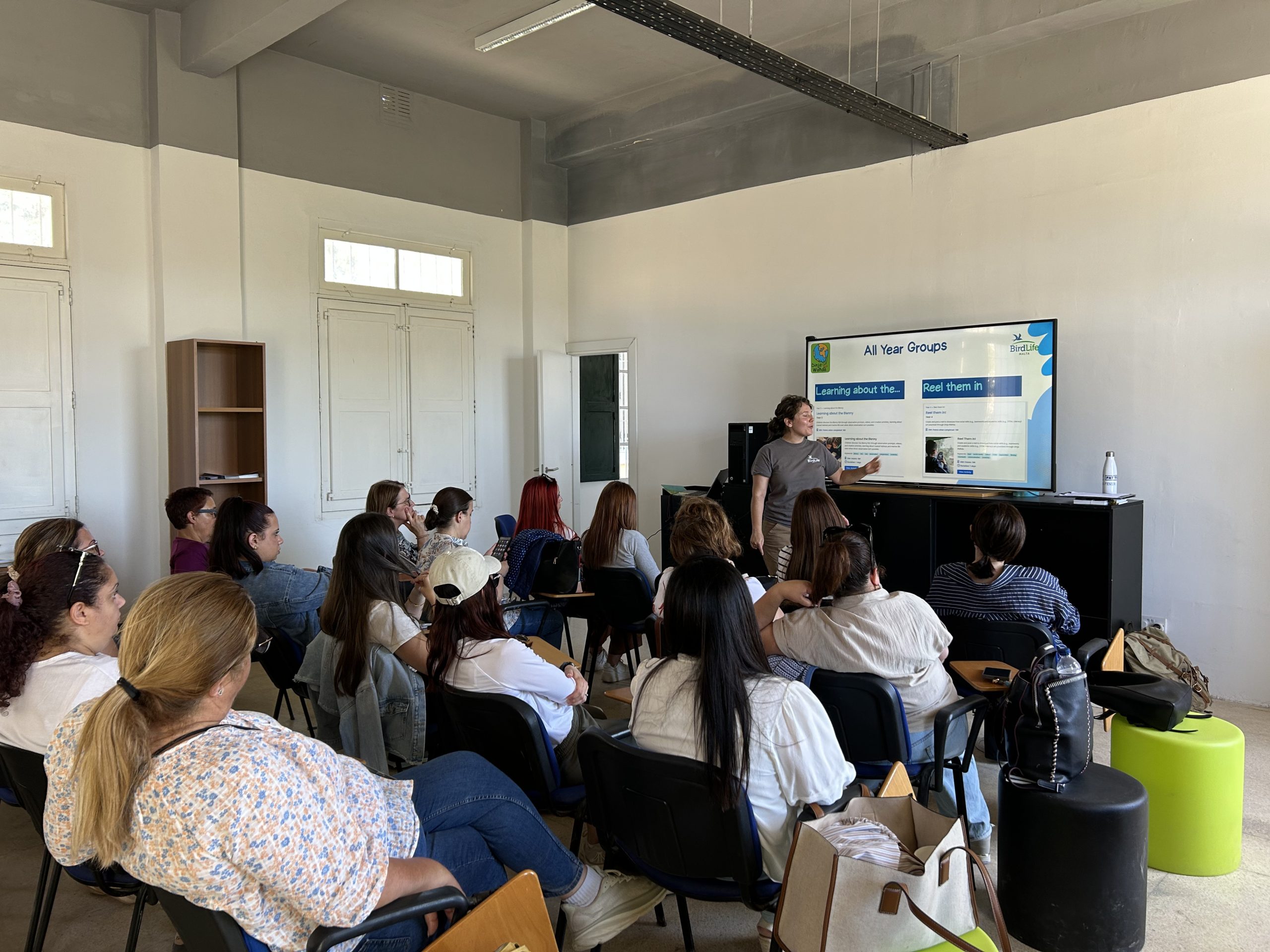
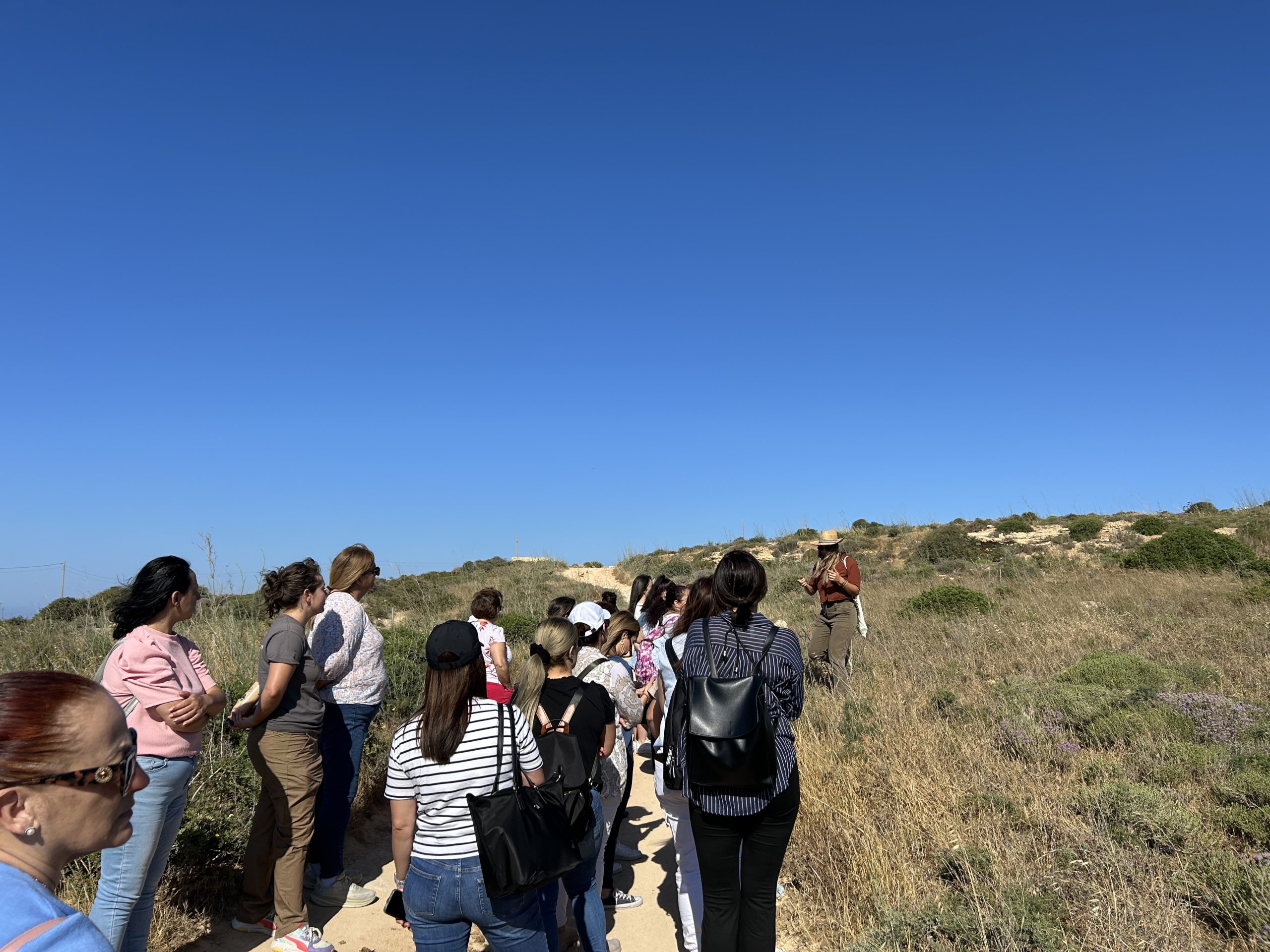
On Friday, 22 May, teachers set out on a hike through the Majjistral National Park to gain awareness and appreciation of the flora and fauna that Malta has to offer, and to better understand what it is that children might like when being outside.
What did we learn? Not only do students need to be out in nature. People of all ages, backgrounds, and interests find value in the outside world. We heard the beautiful song of the Short-toed Lark, saw the beautiful cliffs of Gozo, and blooming flowers signalling spring. Afterwards, we had a thoughtful discussion on the motivations behind teaching in nature, and how it positively affects the psyche in kids- eager to learn, becoming more familiar and confident with the elements, and all-around more adaptive to change. We appreciate the teachers for their drive to educate and for using Dinja Waħda as a useful tool to motivate the next generation to be more outdoors and potentially become advocates for environmental change.
by Ola Zubrowicz
by Ola Zubrowicz
Biodiversity and Endangered Species Awareness
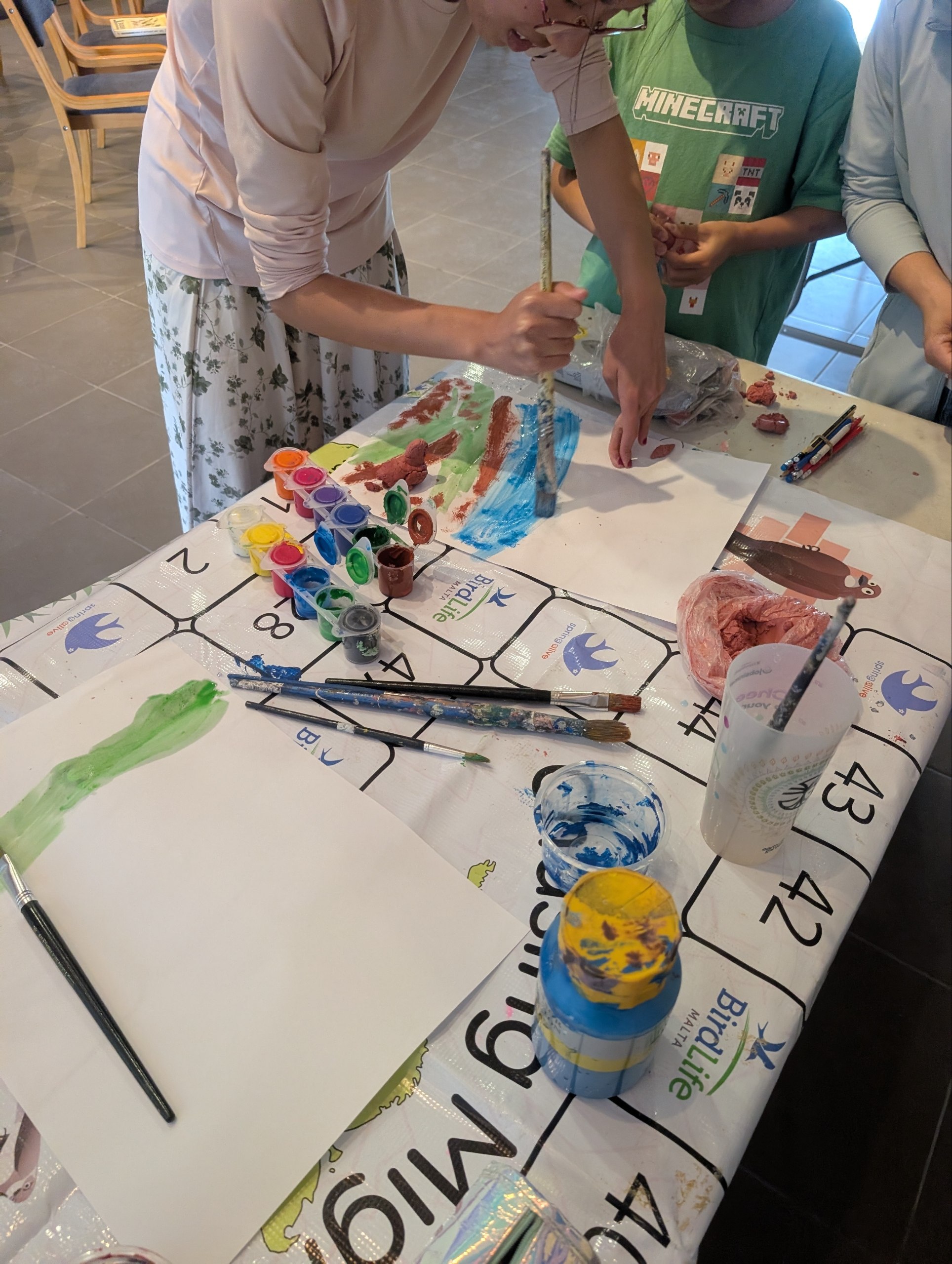
On 23 and 24 May, our Għadira and Simar Nature Reserves came alive for a special, drop-in Biodiversity & Endangered Species Weekend! Families and young nature enthusiasts turned into real-life explorers as they navigated our custom “Red List Discovery Trail” with their own Nature Passports, learning to identify which of Malta’s unique species are safe and which urgently need our protection.
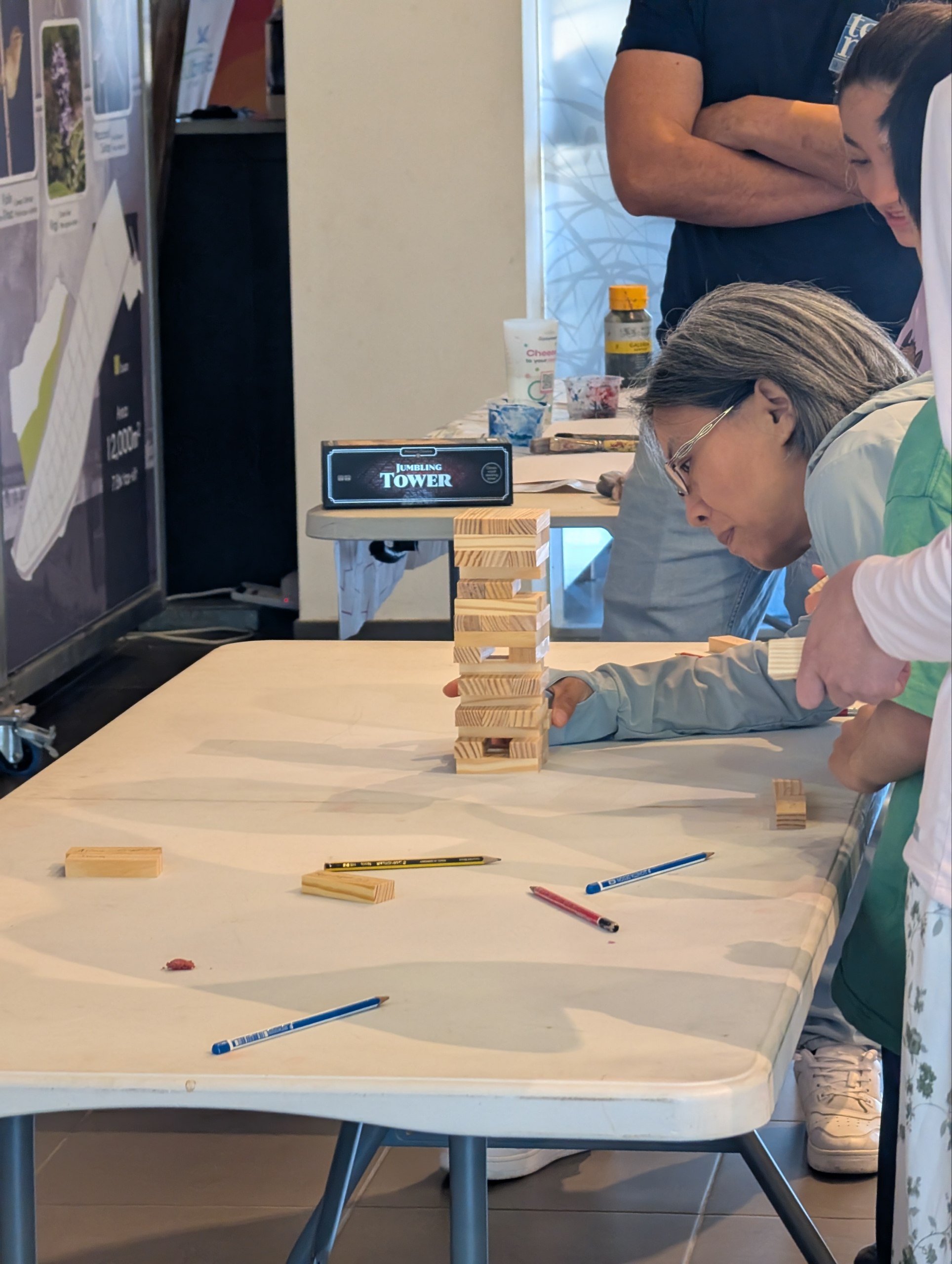
The reserves were packed with interactive, hands-on learning. Kids loved playing “Ecosystem Jenga“—a giant tower game where pulling out blocks visually demonstrated how easily an entire ecosystem can collapse. At our creative “Design a Survivor” craft tables, children put on their evolutionary biologist hats to design fantasy birds with specialised beaks and feathers adapted to extreme environments.
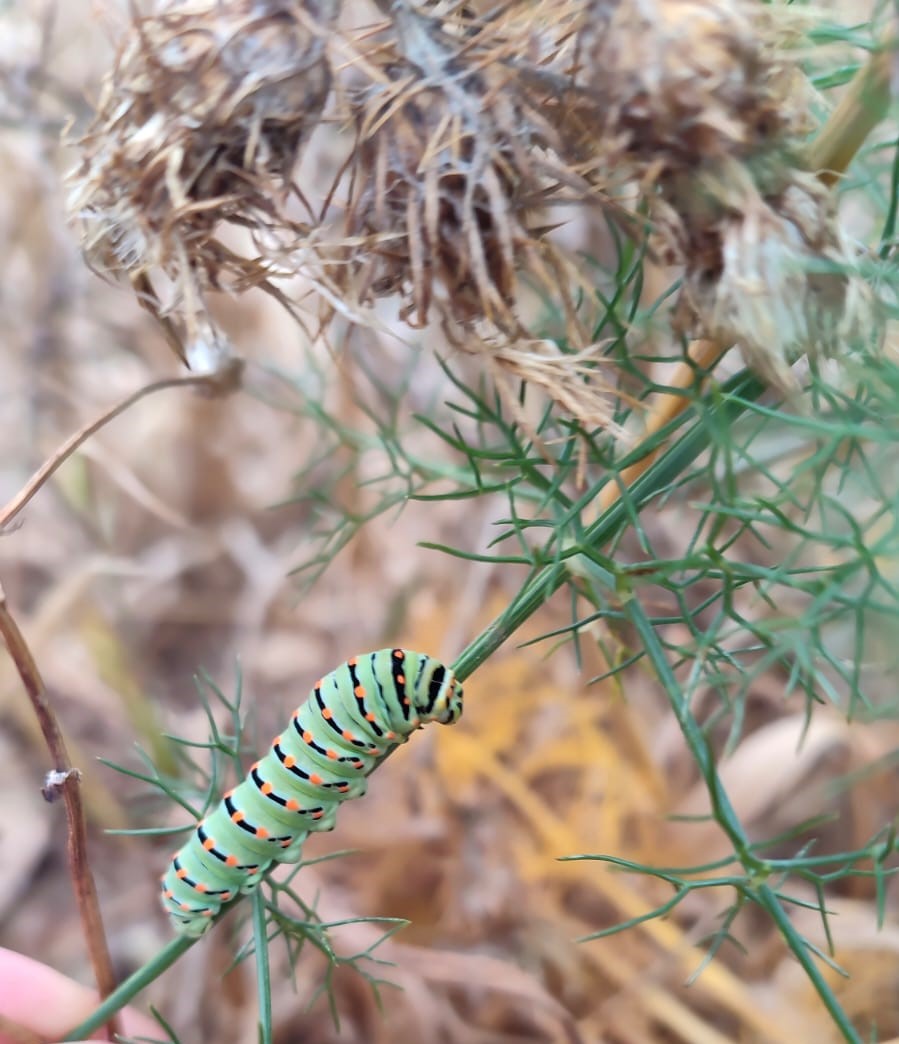
But the real highlight was our “Citizen Science Count“! On the trails, our young spotters got to work: Għadira visitors kept their eyes high in the branches to help us count local Chameleons, while Simar explorers searched the fennel plants to log beautiful, bright green-and-black Swallowtail caterpillars.
A massive thank you to our incredible team of volunteers and all the families who joined us to celebrate, study, and protect Malta’s wonderful biodiversity. See you on the trails next month!
by Vera Tokmakova
by Vera Tokmakova
Credits
Text: David Attard, Justine Borg, Charles Coleiro, Anja Finke, Iacopo Gallizioli, Giulia Galvani, Inaki Leunda, Stefano Miceli, Vera Tokmakova, Vittoria Turone, Ola Zubrowicz
Editing: Angela Scorzoni