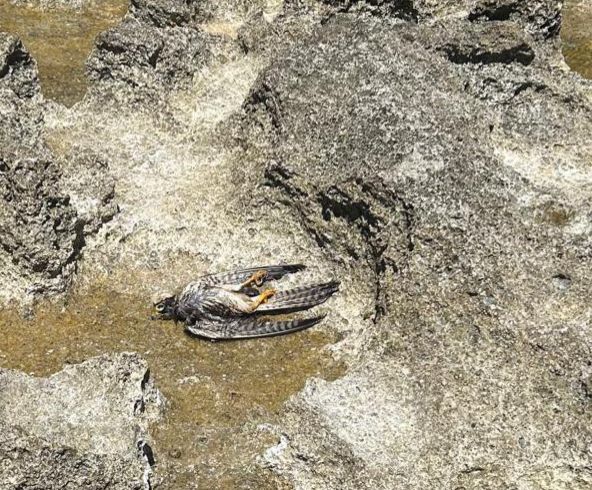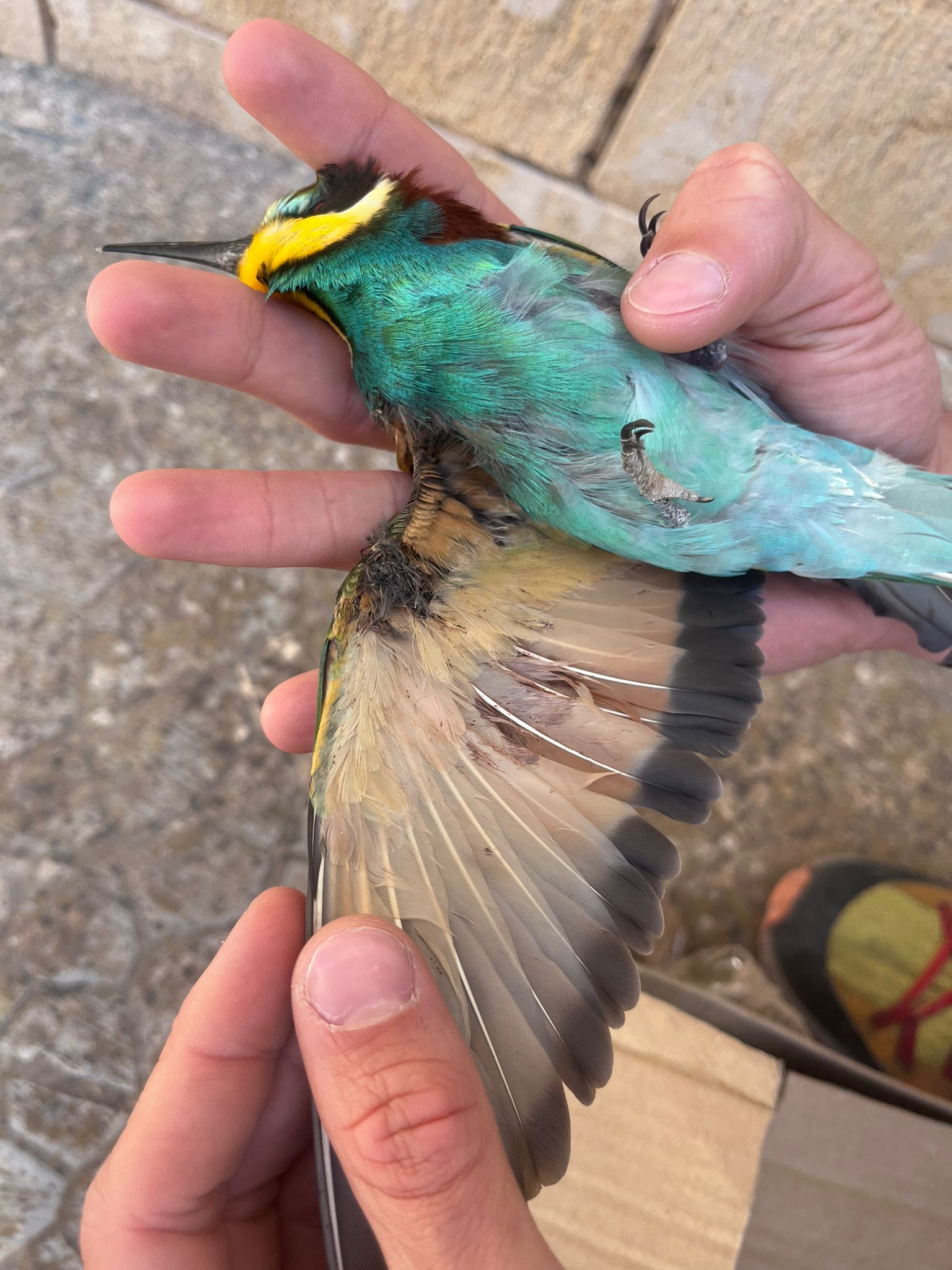
This year’s spring hunting season has once again resulted in the illegal targeting of multiple protected species, as hunters took advantage of migratory birds passing through Malta en route to continental Europe during the open spring hunting season for Turtle-dove and Quail.
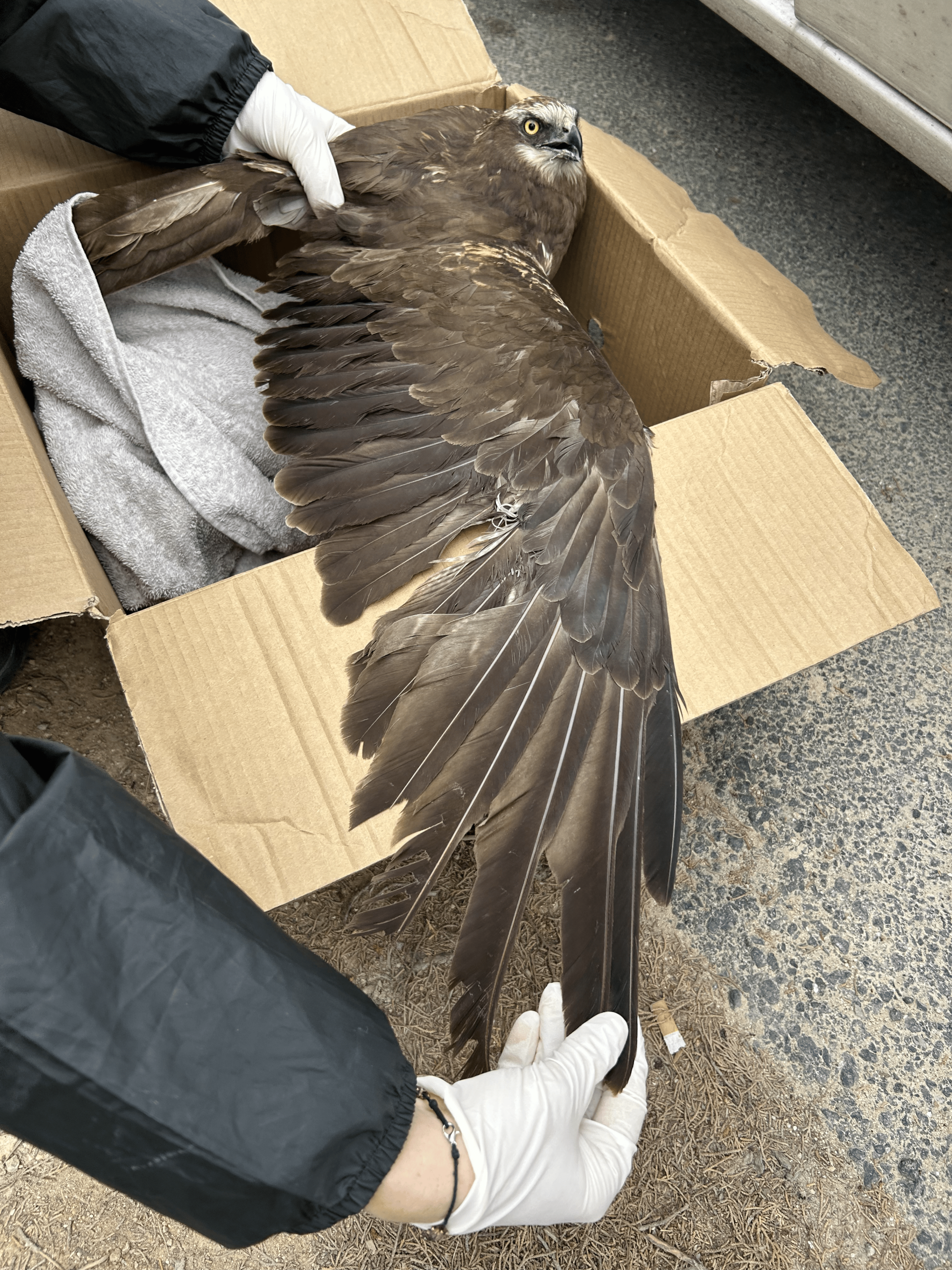
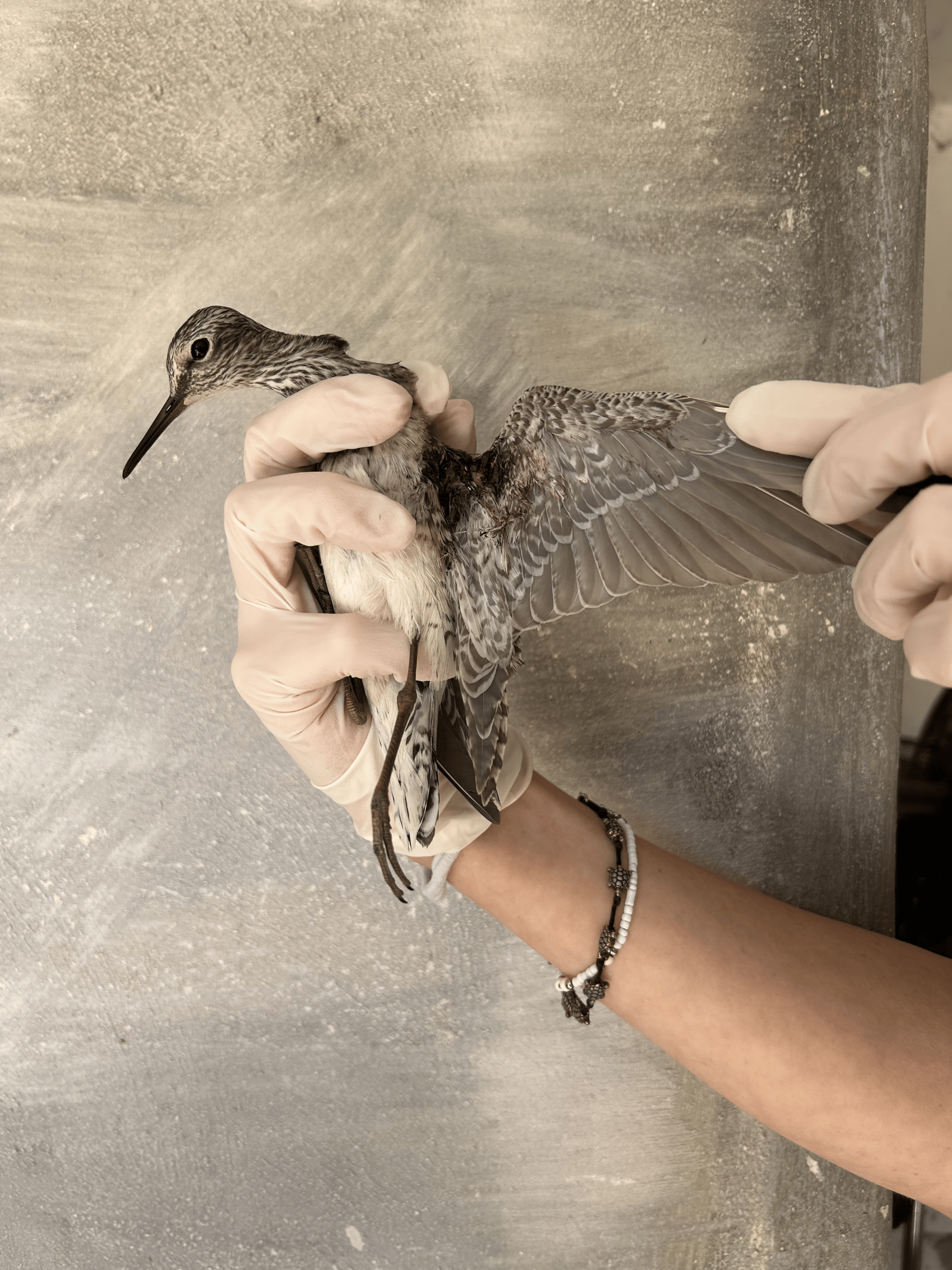
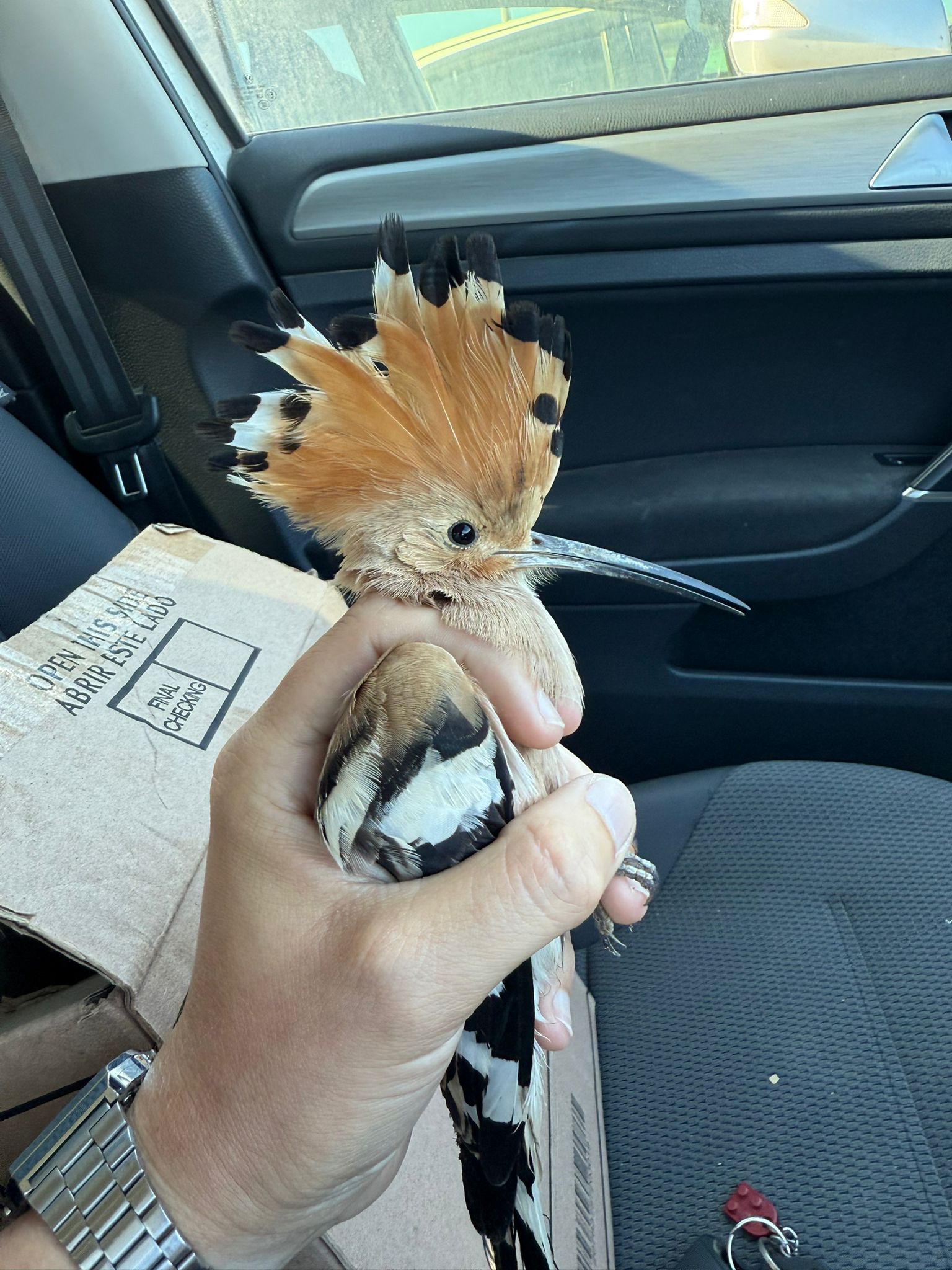
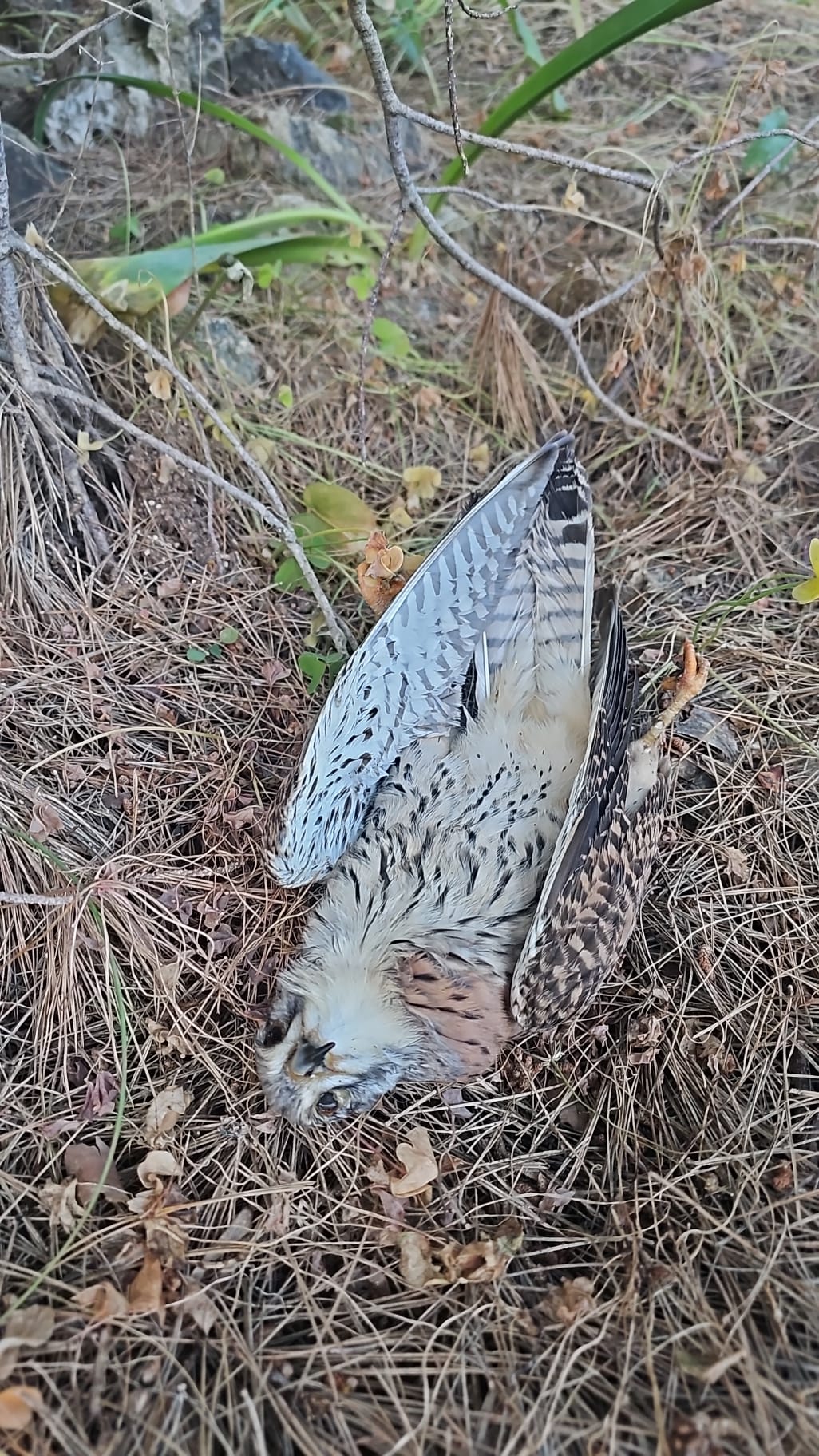
While the spring migration started slow with a lower number and diversity of species, incidents of illegal hunting increased, particularly during the final week and a half of the season, which closed on 3 May. At least 14 birds were recovered with confirmed shotgun injuries, including protected species such as the Common Kestrel, Marsh Harrier, European Turtle-dove (killed illegally before the season), European Bee-eater, Common Cuckoo, Eurasian Hoopoe, Wood Sandpiper, Little Egret, Spotted Crake, and Corncrake.
The season’s casualties also include a rehabilitated Common Kestrel that had been recovered after being shot in October and released following the end of the previous autumn hunting season on 10 February 2026 during a public event. The bird had since been wintering in Mizieb, raising hopes it might remain to breed. Its tracking device went silent over Mizieb on the morning of 22 April 2026, despite authorities and hunting federation officials being alerted to the presence of a tracked bird in the area. Other birds recovered from Mizieb in recent weeks include a shot Common Kestrel and a shot Common Cuckoo, both discovered by walkers within the afforested area associated with hunting activity.
As is often the case during spring hunting seasons, enforcement presence is considered insufficient, with protected species being killed without detection. These documented cases are only indicative of the scale and intensity of illegal killing, which is aided through various legal and regulatory loopholes that permit the collection of protected migratory birds for private taxidermy purposes.
All of this continues occurring with the blessing of an application of a derogation to the EU Birds Directive, which despite an ongoing infringement procedure, has failed to see further action from the Directorate-General for Environment (DG ENV) of the European Commission.
Read our press release in Maltese.