
On the frontlines is our monthly newsletter section covering the activities of BirdLife Malta’s conservation, policy, nature reserve (Salina, Simar, Għadira and Foresta 2000), seabird and public engagement teams, together with an update about rare and scarce bird species observed.
Spring Hunting & Spring Watch
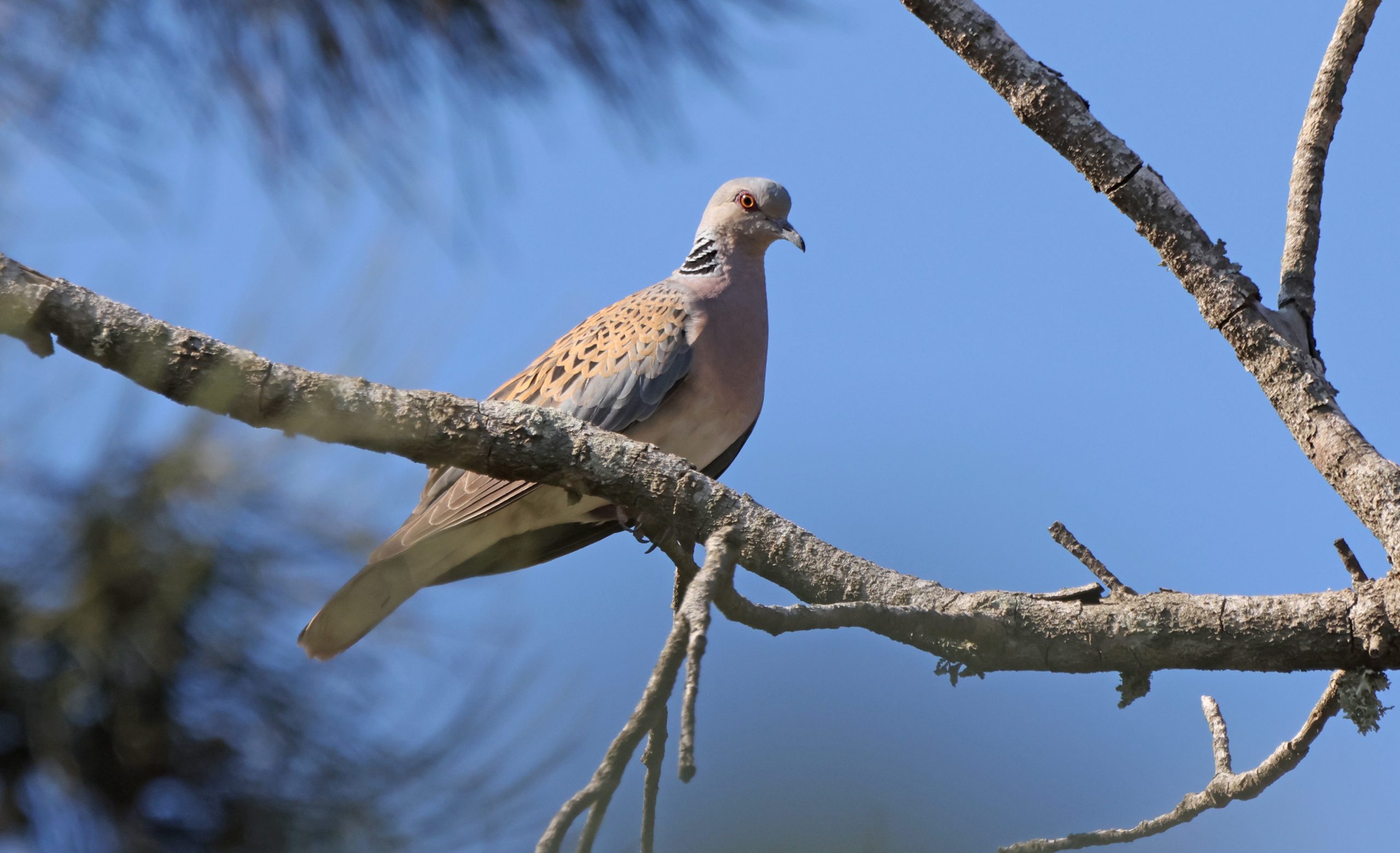
Despite studies highlighting the decline of these species along the Central Mediterranean flyway, Malta has authorized the return of spring hunting this April. The season kicks off on 13 April for the Common Quail (Summiena), followed by the European Turtle-Dove (Gamiema) on 20 April. Both seasons are set to run until 3 May, unless national bag limits are reached sooner. To monitor the situation, a dedicated group of volunteers will join the BirdLife Malta team. This expanded presence aims to ensure better coverage across the islands and provide better responses when reporting illegalities.
If you’re out exploring the countryside this spring and witness a wildlife crime, please take action. You can report incidents directly to the Environmental Protection Unit (EPU) by calling 119.
Alternatively, you can reach the BirdLife Malta team at the following numbers:
- Working Hours: 2134 7645 (EXT 507)
- Evenings & Weekends: 7925 5697
by Aron Tanti
Spring Trapping
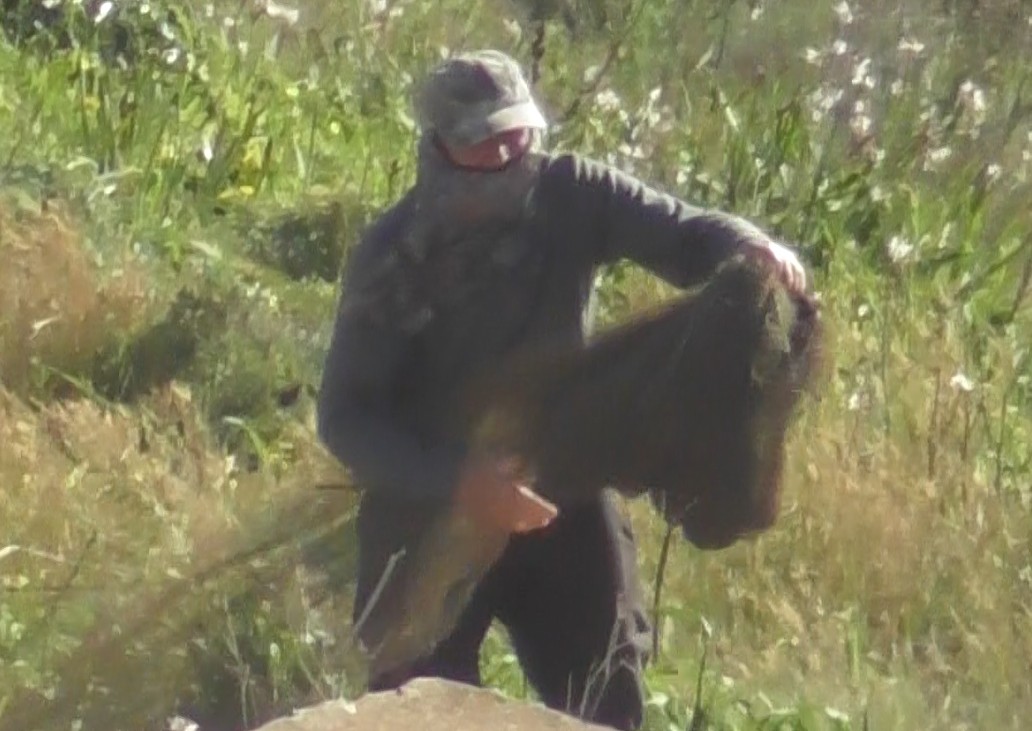
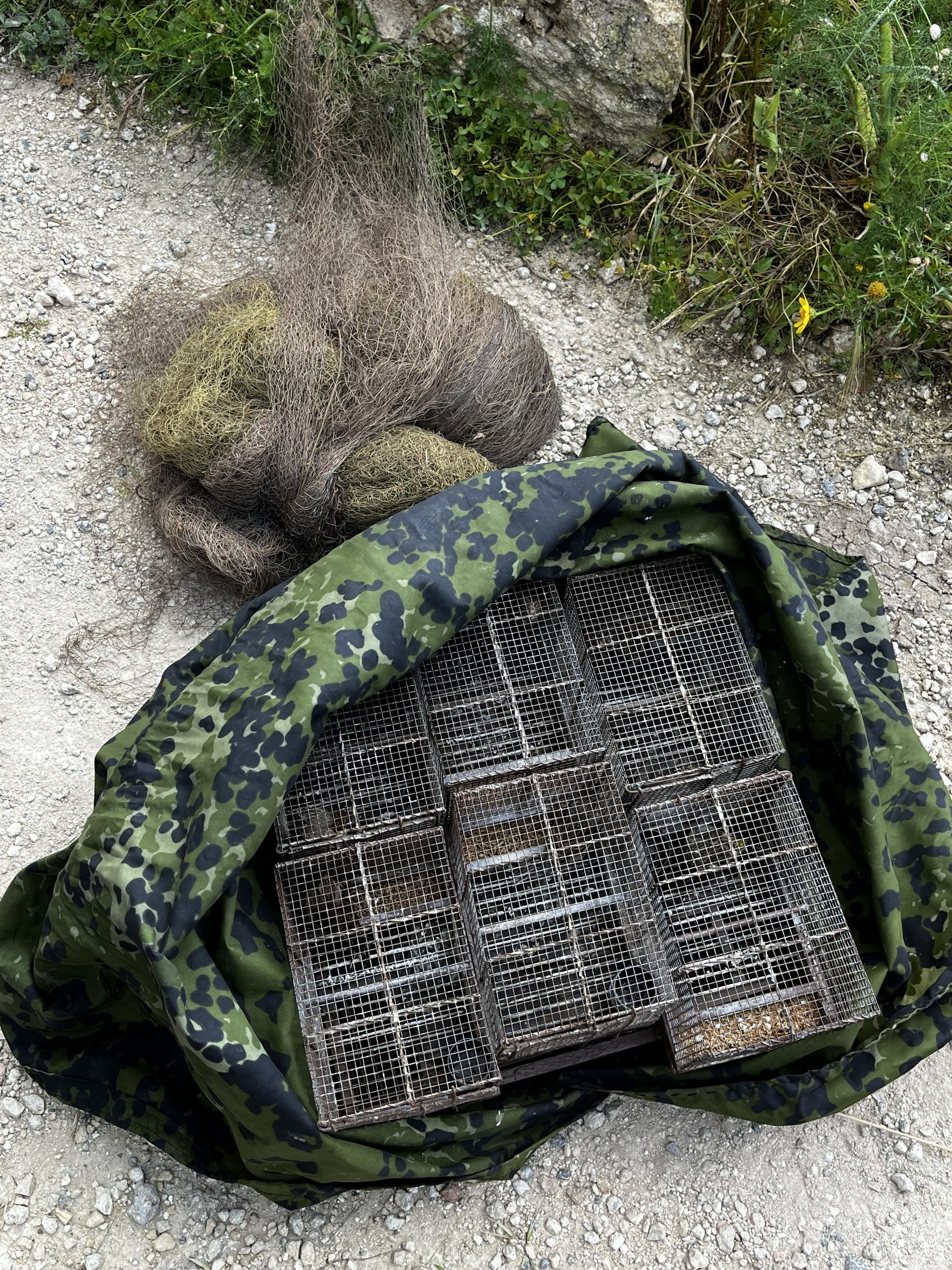
Although illegal many trappers risk it and head out to their patch to trap migrating finches. In March, our team reported 14 trapping sites, four of which are expected to lead to court cases. From the sites reported, 12 clap nets and 29 finches were confiscated.
During this time of the year, illegal finch trapping happens more secretively, with sites being found in more inconspicuous areas and live finch decoys being kept to a minimum, opting for the use of electronic callers which can be switched off easily. Most of the sites were located on the southwest coast, taking advantage of the cliffs and boulder screes to hide the gear. The location also allows the trappers to attract the finches as soon as they reach land during their northward migration.
Rehabilitation and Releases
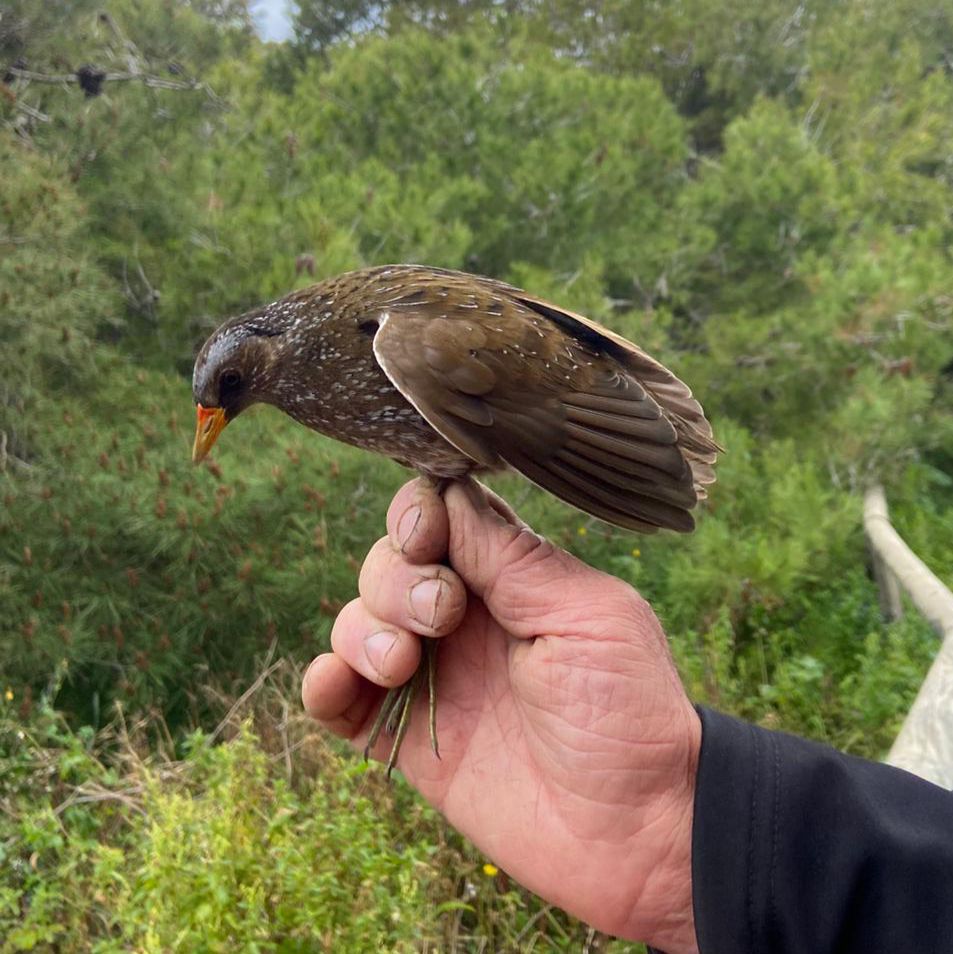
Throughout March, the Rehabilitation Centre continued caring for injured birds, with several individuals successfully returning to the wild. Early in the month, two Spotted Crake, found in Attard and Balzan, were admitted weak and disoriented. After a short period of stabilisation and feeding, both recovered quickly. Once fit, they were ringed and released in one of our reserves, where they could access suitable habitat and food resources.
Two Black-headed Gulls also came under our care, a juvenile from Magħtab and an adult in summer plumage from Salina Nature Reserve. Both were found stranded and lethargic. Rehabilitation began in a small enclosure for monitoring, followed by transfer to a larger aviary to rebuild strength and flight. Once they showed sustained flight, they were ringed and released in Għadira Nature Reserve.
A Mediterranean Gull, also found weak in Salina, underwent a full rehabilitation process. This included supportive treatment and proper nutrition. After regaining full strength and normal behaviour, it was ringed also with a colour ring, and tagged prior to release, allowing its movements to be monitored.
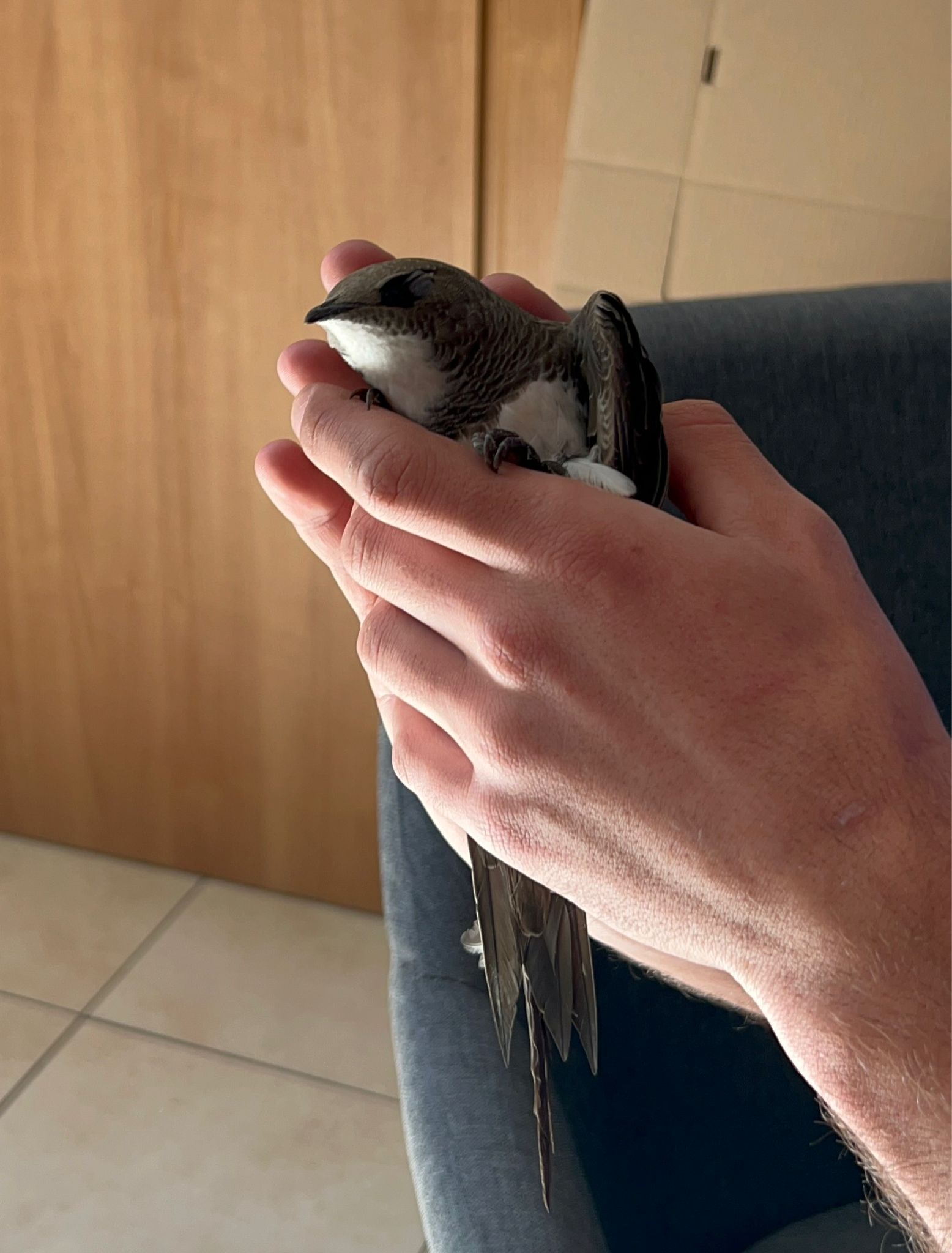
Towards the end of the month, an Alpine Swift was rescued due to a collision with a glass balcony. After clinical assessment and a short period of rest and observation, it recovered quickly and was successfully released in Msida.
Finally, two Common Kestrels rescued in Gozo and Siġġiewi were released after a longer rehabilitation. Both had been found grounded with wing injuries and were later confirmed to have been shot. Care began with stabilisation and restricted movement to allow healing, followed by flight tunnel exercise to rebuild strength. Once they demonstrated strong flight, both birds were ringed and tagged before release.
by Anja Finke
by Anja Finke
LIFE PanPuffinus! Project Outputs Now Available
With the conclusion of the LIFE PanPuffinus! project, several key deliverables and milestones have been finalised, reflecting years of dedicated work to address seabird bycatch and the impact of invasive non-native species at breeding colonies. These outputs are now publicly available on the project website, offering a wide range of resources, reports, and materials designed for different stakeholders. Among these is the Mitigation Measures Toolkit, a practical resource developed to support fishers in reducing seabird bycatch. The toolkit is available in multiple languages (English, Maltese, Spanish, Portuguese, French, and Greek) and consists of a series of standalone factsheets. Each factsheet focuses on specific mitigation options tailored to different fishing gears and practices, including longlines, set nets, and purse seines. They provide clear, step-by-step guidance to help fishers effectively implement these measures in their day-to-day operations.
Interested in learning more? Explore the full set of resources here.
Encouraging Signs From Rat Control Efforts
As the breeding season begins to unfold, our team has continued its work to reduce the impact of invasive rats around Malta’s seabird colonies. Building on the efforts introduced in February, the team has been carrying out weekly monitoring visits to assess rat activity in key areas, including sensitive nesting sites. Over the past month, these regular checks have begun to show encouraging results. A noticeable decrease in bait consumption has been recorded across several locations, suggesting a reduction in rat presence in time for Yelkouan Shearwater egg-laying. The team will continue to closely monitor the situation in the weeks ahead, working to ensure that these positive trends are sustained throughout the season.
Night-time Surveys Reveal Life at the Colonies
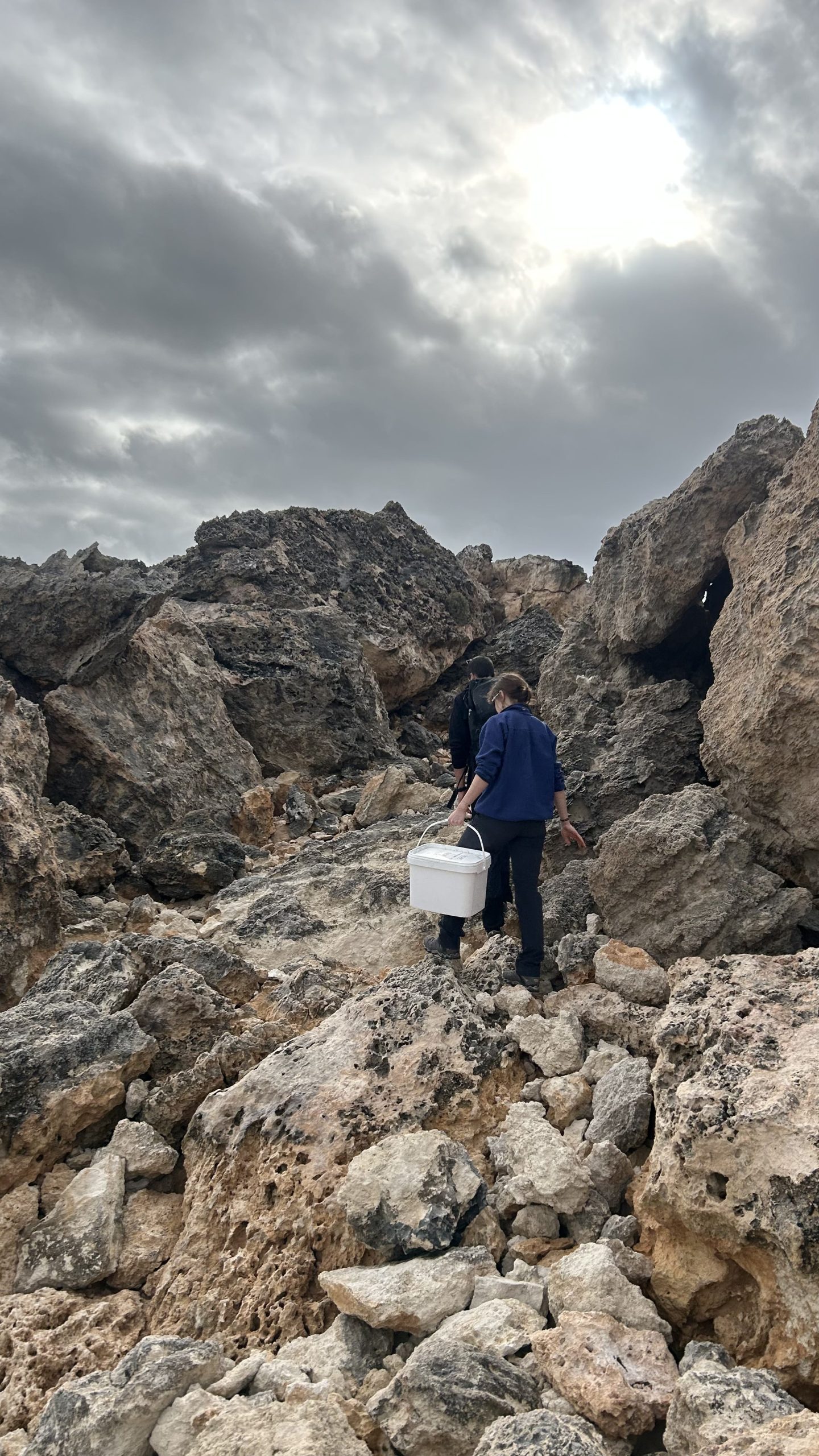
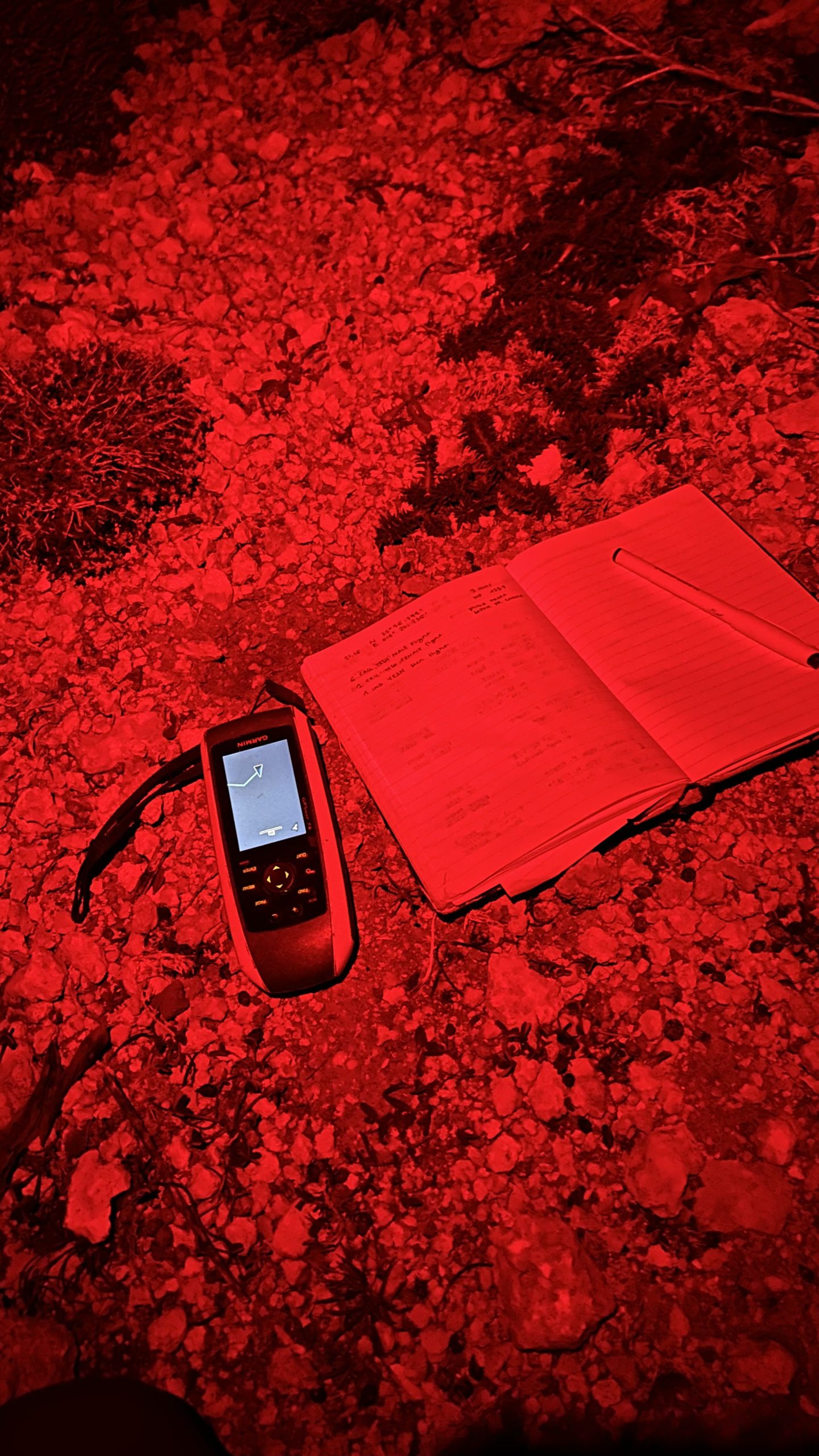
In March, we managed to start nocturnal monitoring surveys for breeding seabirds. Our team has started conducting both boat-based and land-based surveys to monitor colonies of Procellariiformes. Unlike many other bird species, Shearwaters and Storm-petrels return to their colonies mainly under the cover of darkness, making these late-hour surveys essential. Using a combination of thermal imaging and acoustic monitoring, the team is able to detect and identify seabirds both visually and through their vocalisations. Interestingly, male and female shearwaters produce distinct calls, allowing for more accurate identification during surveys. These monitoring efforts are essential to document the distribution and activity of breeding seabirds, providing valuable data that helps guide conservation actions.
by Vittoria Turone
by Vittoria Turone
Follow our LIFE PanPuffinus! project on our website and social media!

Feedback to Dwejra Protection and Management Regulations
BirdLife Malta has participated in the public consultation on the proposed Dwejra Protection and Management Regulations. While we recognise the positive intent behind these regulations, we have also highlighted that certain provisions require further scrutiny.
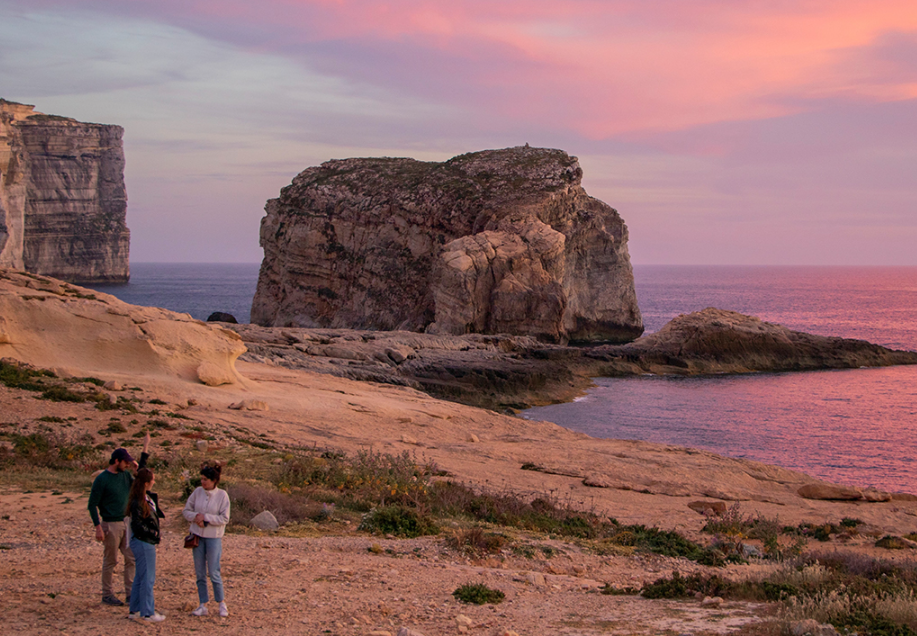
The most critical measure for protecting the avifauna supported by the area is the removal of the provision allowing lighting between sunset and midnight. Instead, there should be no lights on land from sunset to sunrise to ensure strict control of artificial lighting. Seabird colonies rely on darkness for predator avoidance and successful breeding, and any lighting after sunset disrupts natural behaviours, directly threatening breeding success.
We therefore strongly recommend a clear prohibition of all lights on land and at sea from sunset to sunrise. This measure is essential to safeguard the ecological integrity of Dwejra and ensure the long-term protection of its internationally important seabird colonies. Other measures, including effective waste management, regulation of noise-producing activities and anchoring near Fugus Rock, are also crucial for the protection of these colonies.
Read our full feedback here.
by Justine Borg
Feedback to the Grand Harbour Revival Plan
As part of the Grand Harbour Revival Plan, which aims to enhance heritage value, improve public access, and promote environmental sustainability, we provided feedback and recommendations for consideration. These included measures such as glass protection to reduce bird strikes, ecologically sensitive lighting, identifying areas with potential for ecological restoration, and mitigating air pollution at the proposed ferry hub, including the expansion of shore-to-ship facilities.
We also discouraged the proposed intensification of cruise activity and passenger volumes. The cruise industry has well-documented climate and environmental impacts, and further local expansion would undermine the sustainability objectives of the regeneration effort. It would be counterproductive to regenerate the area into a destination featuring public squares, gardens, cafés, and cultural amenities while exposing it to elevated levels of pollution.
Read our full feedback here.
Feedback to Malta’s National Fisheries Strategy
The Department of Fisheries and Aquaculture has launched a public consultation on a comprehensive document, the National Fisheries Strategy for Malta. This document aims to provide a long-term vision for Malta’s fisheries sector between 2026 and 2036. BirdLife Malta has reviewed the document and provided feedback where appropriate.
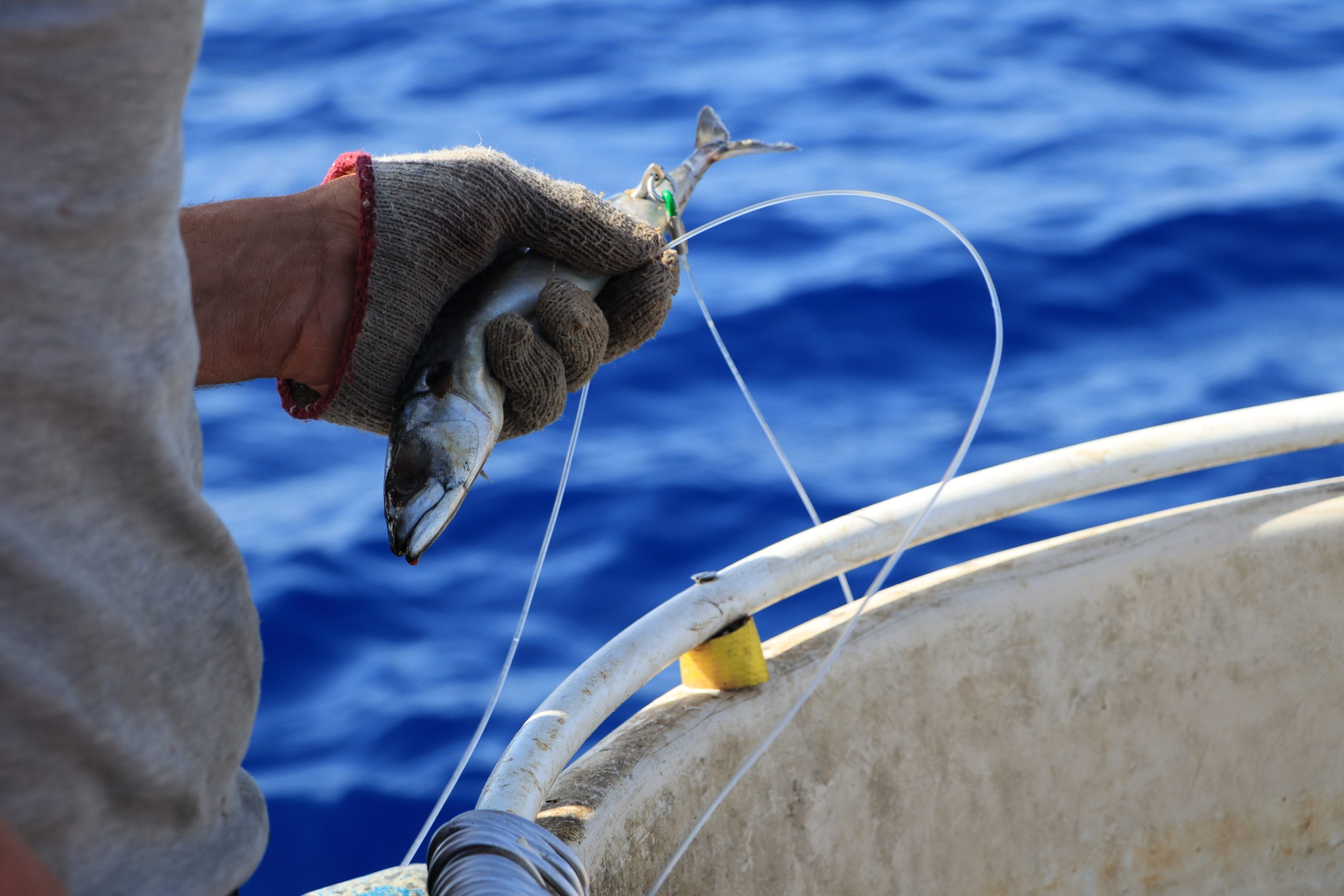
We emphasised that such a strategy should serve as an opportunity to transition to low-impact fisheries and support the recovery of fish stocks. Measures to achieve this should include establishing scientifically informed spatial and seasonal closures – including strictly protected marine areas – to safeguard critical habitats and aid stock recovery, as well as prioritising the reduction of seabird bycatch in surface and bottom longlines.
This should be complemented by strengthened monitoring and enforcement, including electronic data collection, to ensure accurate reporting of catches and bycatch of sensitive species. Moreover, targeted support should be provided for sustainable fishing practices and equitable quota systems that minimise ecological impact. Finally, efforts should be made to raise public awareness and create market incentives that increase demand for sustainably caught, low-impact fish.
Read our full feedback here.
by Justine Borg
Salina Nature Reserve
Sightings
As temperatures began to rise across the Maltese Islands, the reserves came to life with a noticeable increase in wildlife activity and seasonal change.
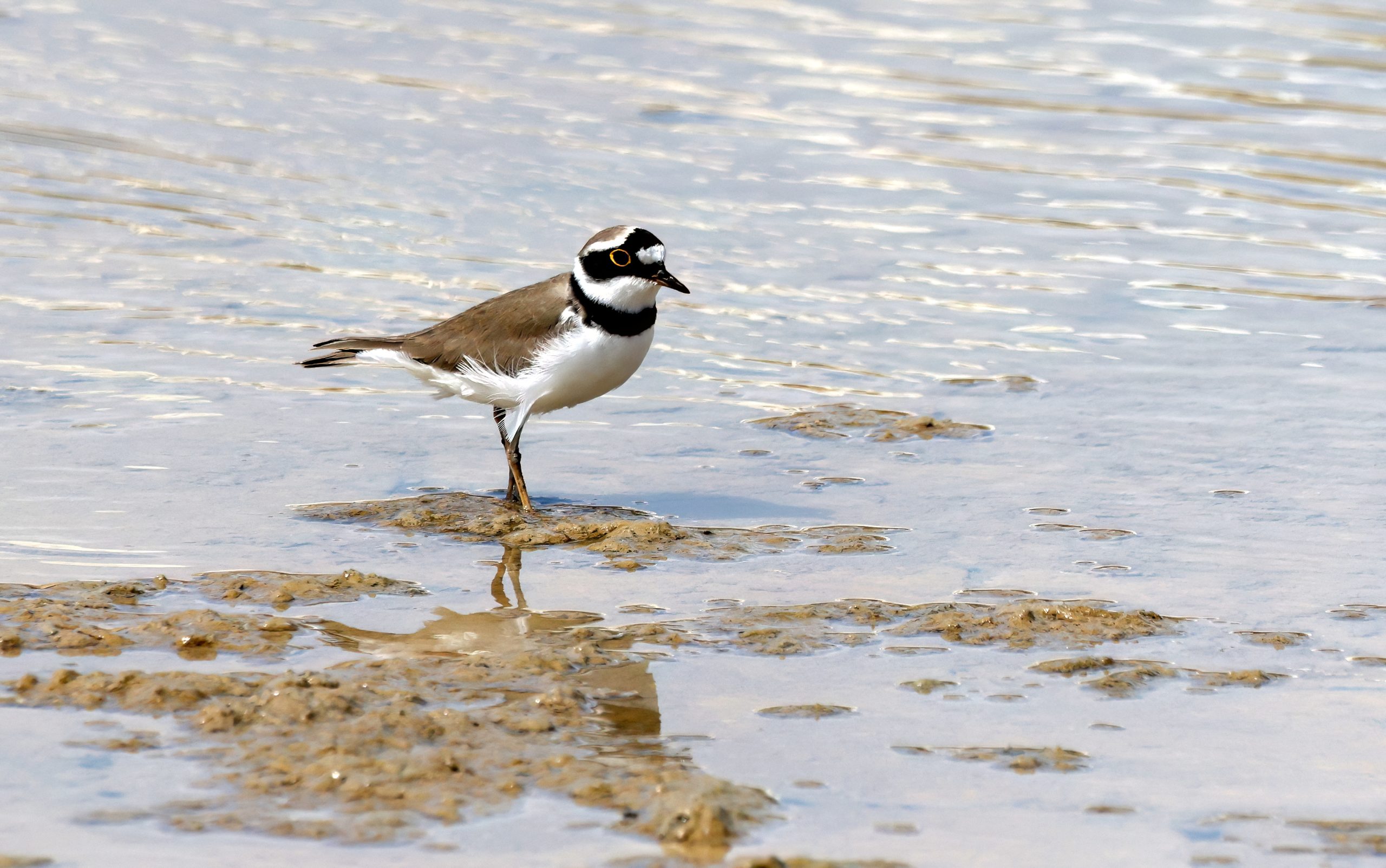
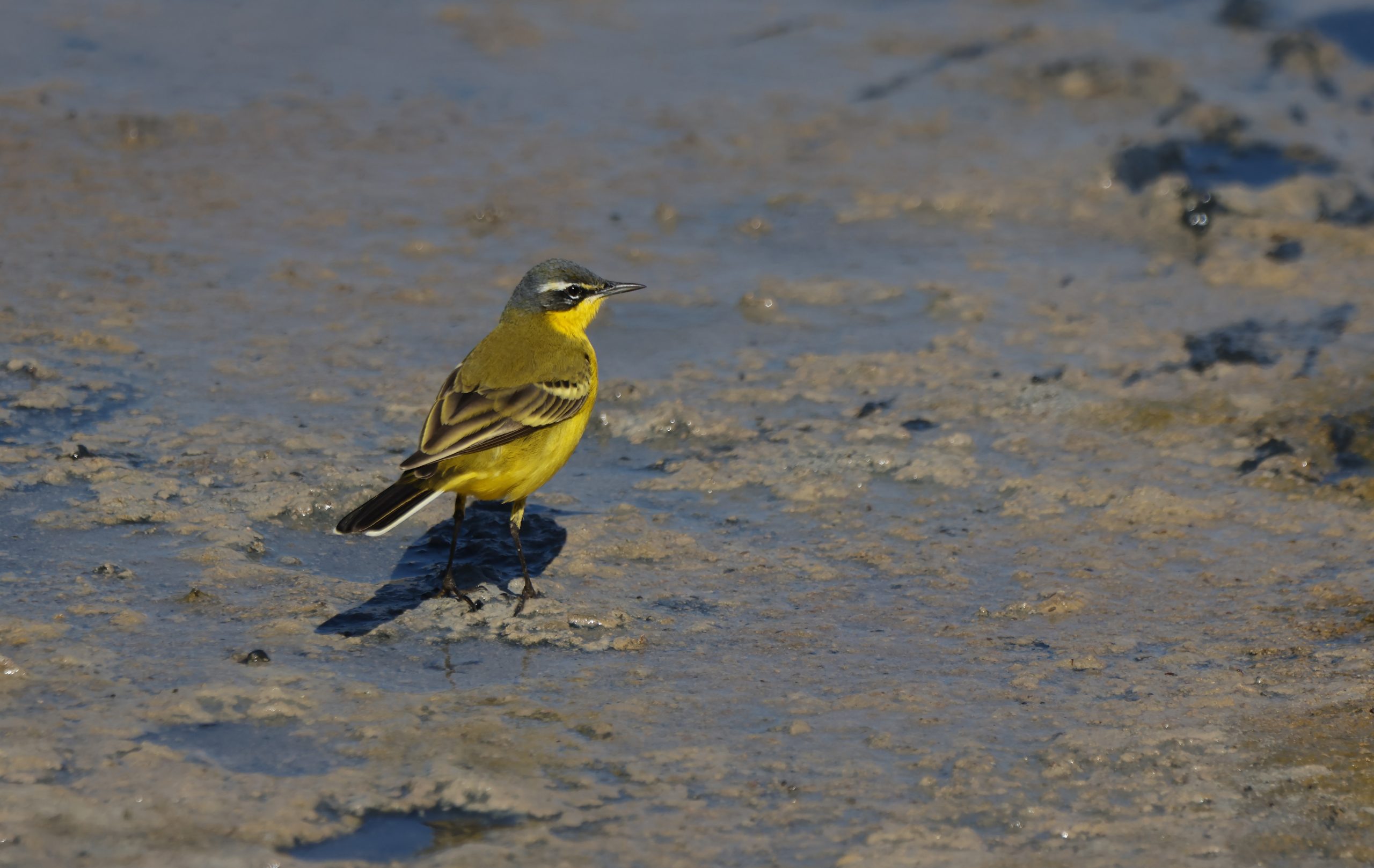
At Salina Nature Reserve, most wintering gulls have now departed, making way for a variety of migratory waders and waterbirds. Notable sightings this month included Little Ringed Plovers, Little Stints, Dunlins, Green Sandpipers but also a rare Black-tailed Godwit. Migrating herons included Purple and Grey Herons as well as Little Egrets. Early mornings and dawn have been particularly active, with increased numbers of Yellow Wagtails, Northern House Martins, Barn Swallows, and Red-rumped Swallows observed across the site.
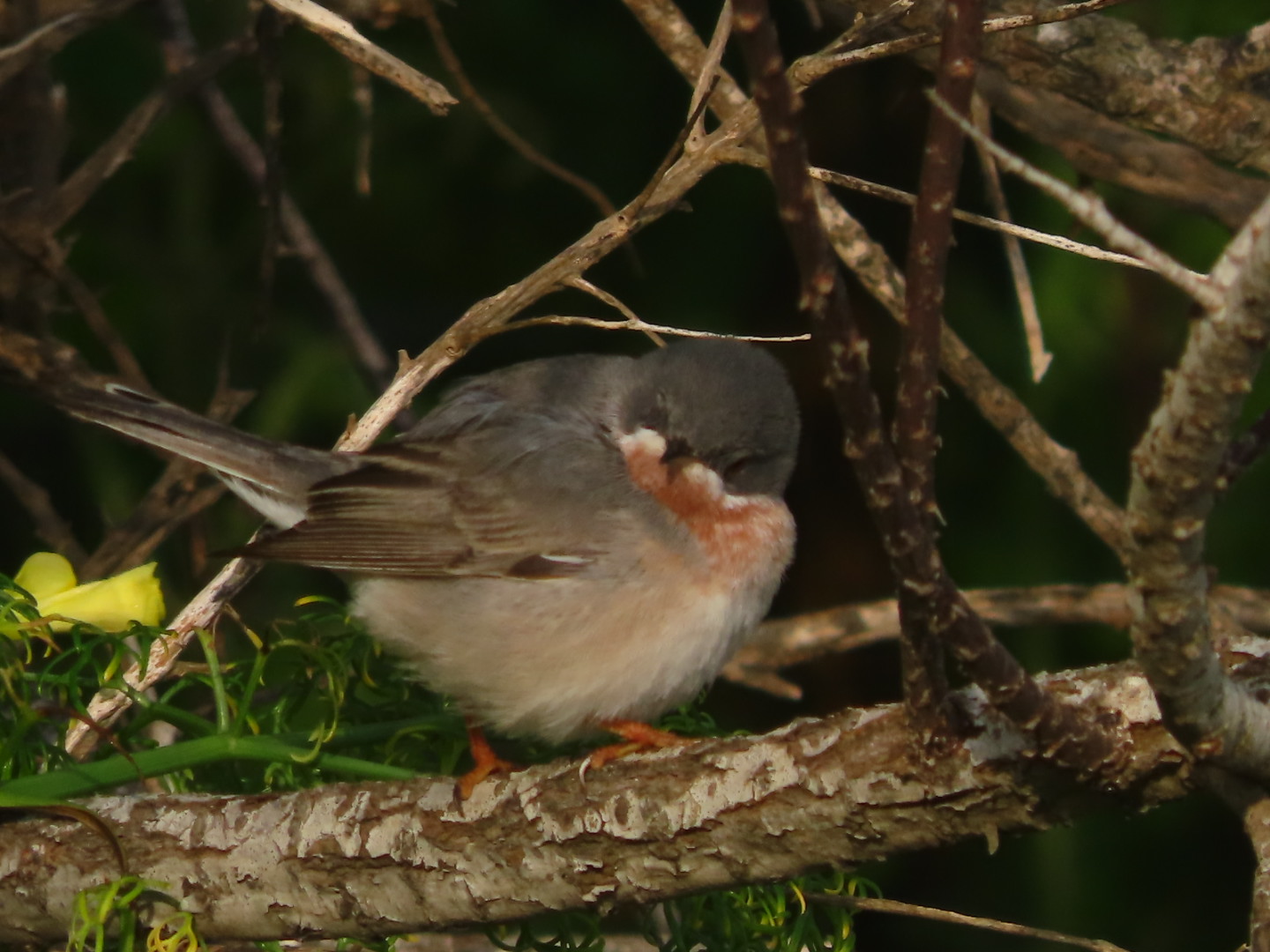
Meanwhile, other noteworthy species recorded include Nightingales, Subalpine Warblers, Hoopoes, Eurasian Wrynecks and Willow Warbler.
by Aron Tanti
by Aron Tanti
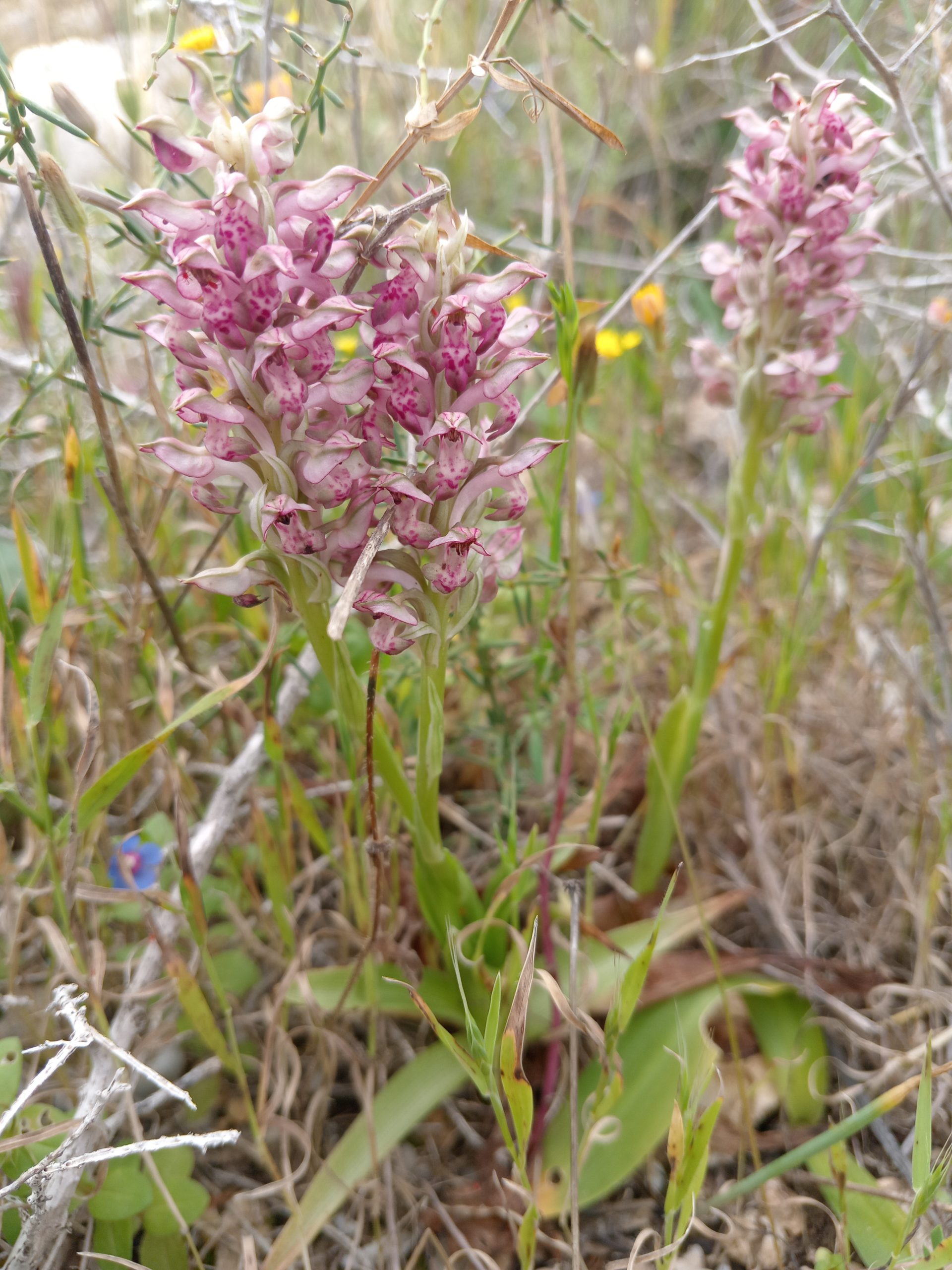
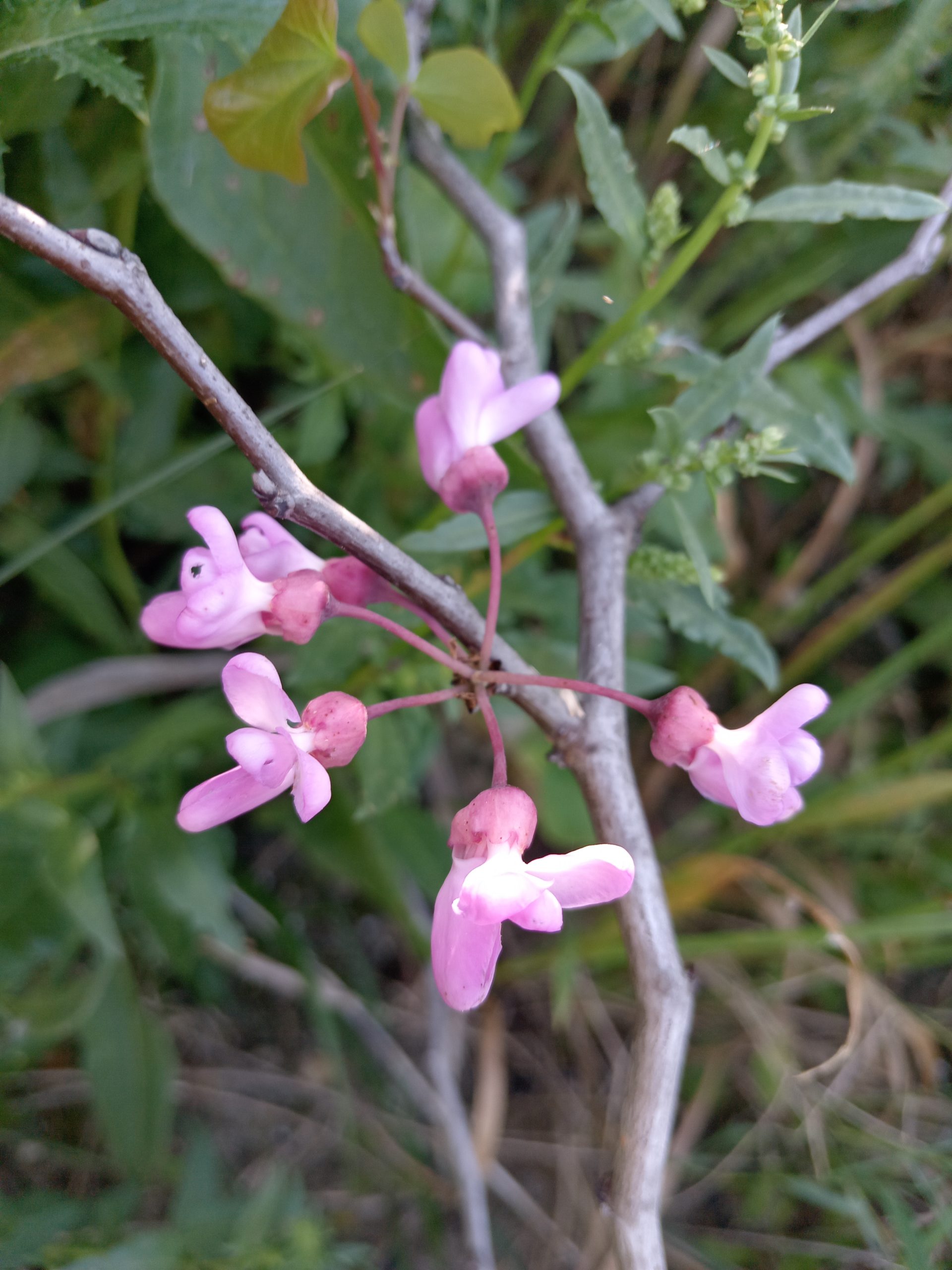
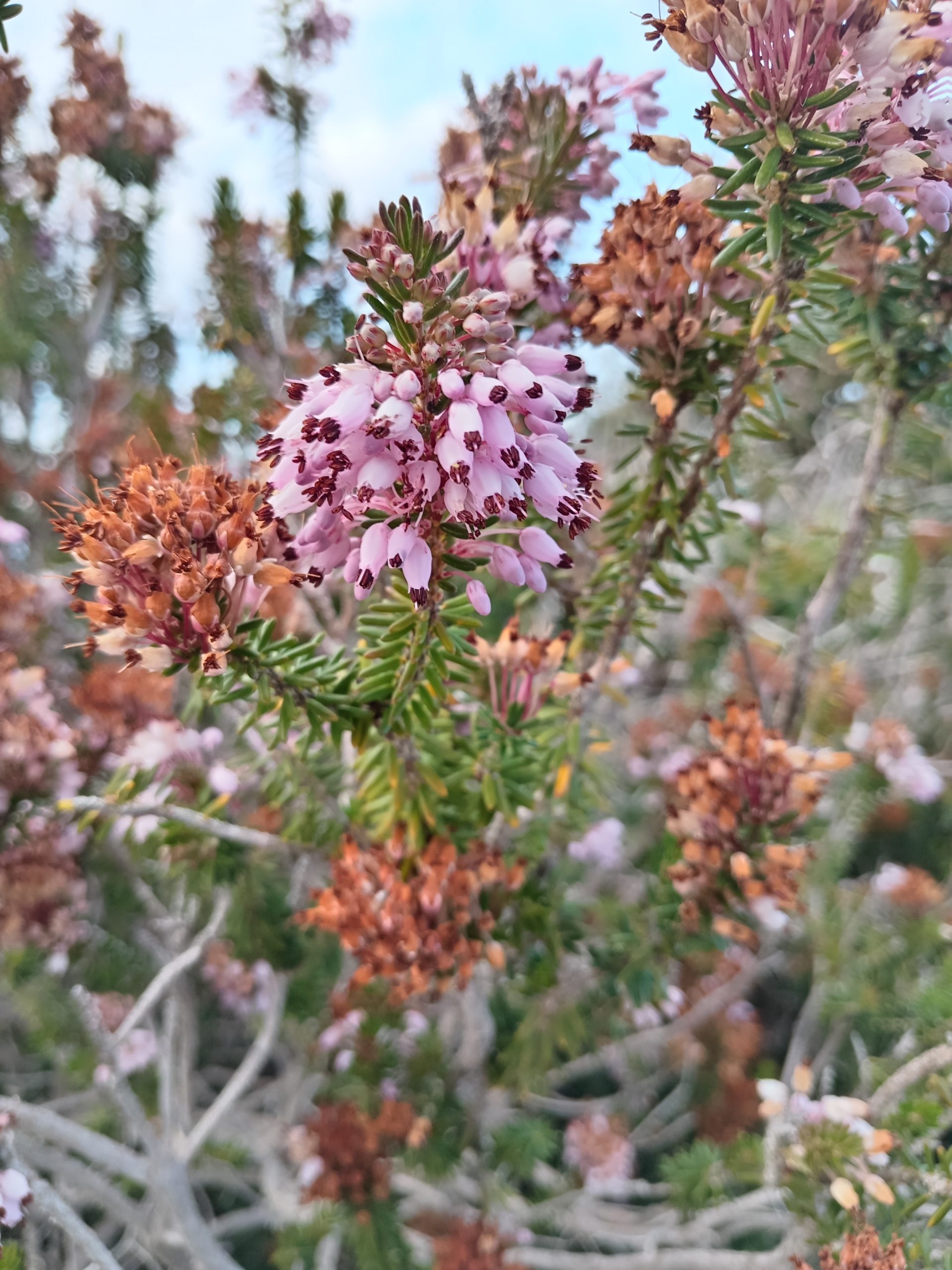
Spring has also brought a vibrant transformation to the reserve’ plant life. The Scented Bug Orchid (Anacamptis fragrans) was recently recorded in the garigue habitat at Salina. In wetland areas, Tamarisk trees are covered in delicate white flowers, while Judas Trees stand out with their striking pink blossoms, appearing even before their leaves. Across the garigue, Mediterranean Heath, Maltese Spurge, and Olive-leaved Germander create a rich display of colour and fragrance.
This seasonal bloom has also brought increased activity among bees and other insects, along with reptiles such as chameleons, lizards, and snakes. Small mammals have also been recorded, with shrews and hedgehogs observed near the visitor centre while bat activity continues to increase.
by Iñaki Leunda
by Iñaki Leunda
by Iñaki Leunda
Works
During March, we also welcomed two students from Malta College of Arts, Science and Technology – Ocean and Isaac – who supported ongoing conservation work across the reserves. Their contributions included planting seeds, repairing irrigation systems at Salina’s wetland, removing alien species at Għadira, and restoring paths at Simar. In addition, volunteers assisted with cleaning the crystallising pan at the Salina saltpans, helping prepare for the upcoming salt harvest.
Għadira Nature Reserve
Sightings
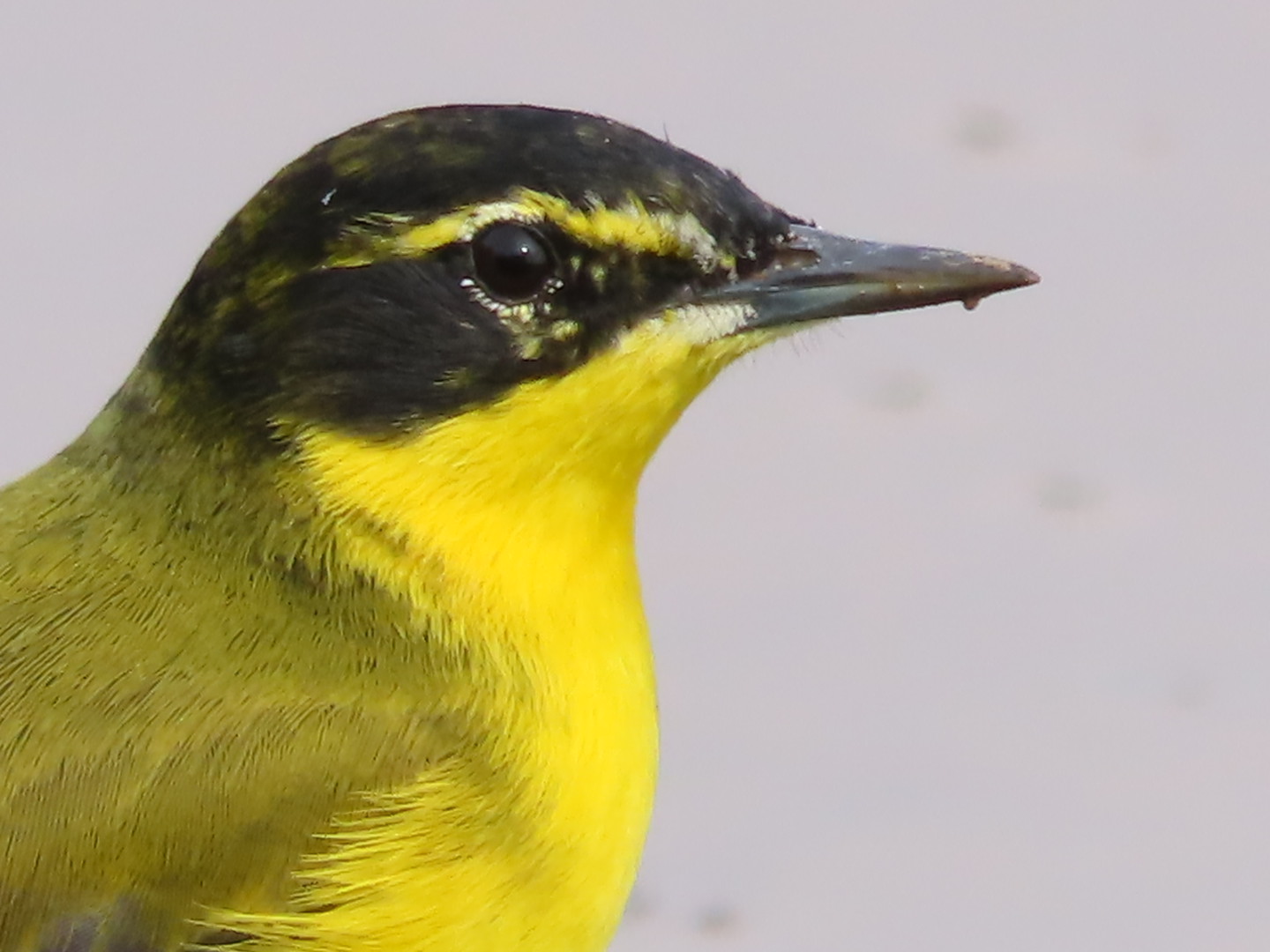
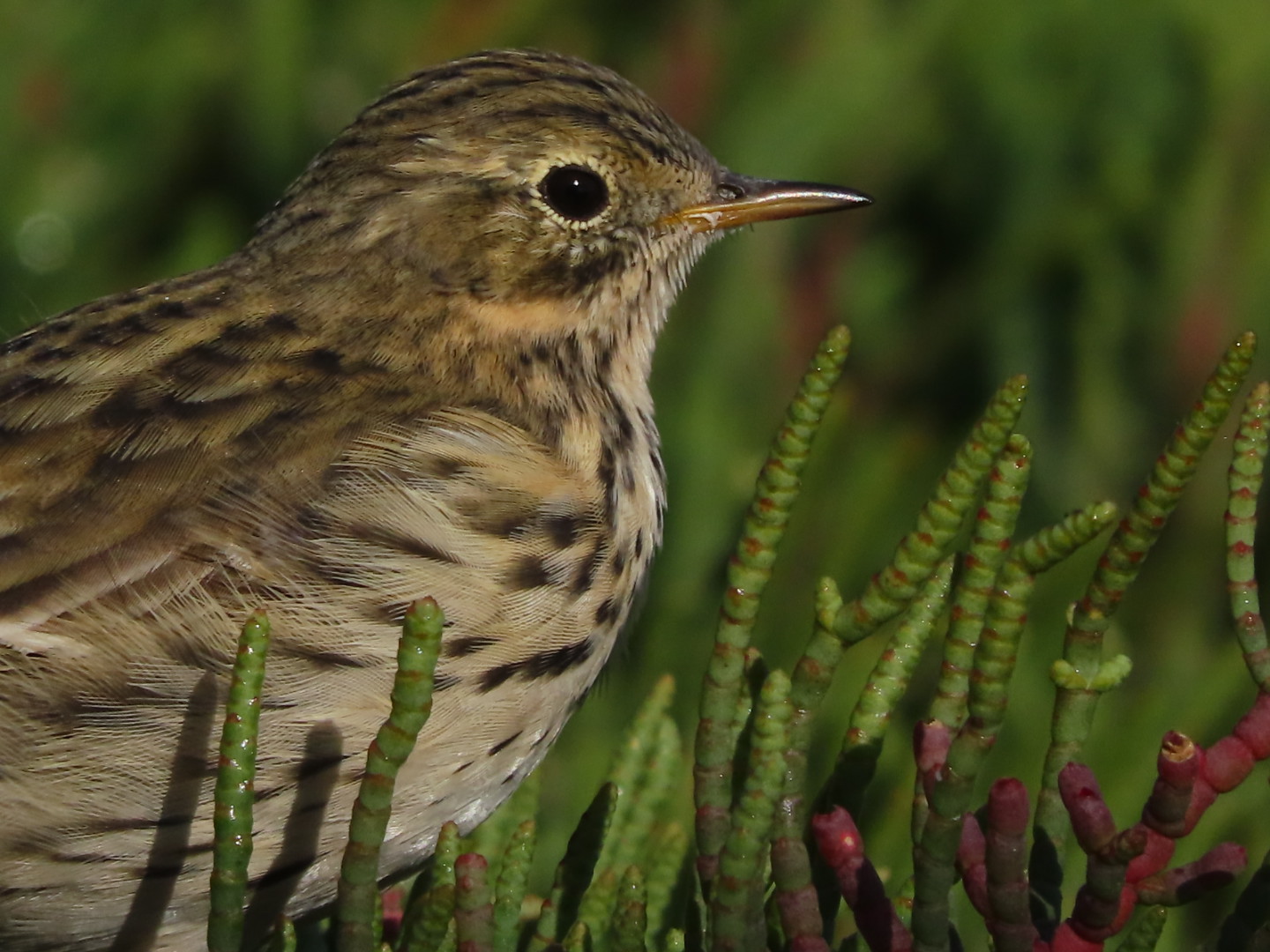
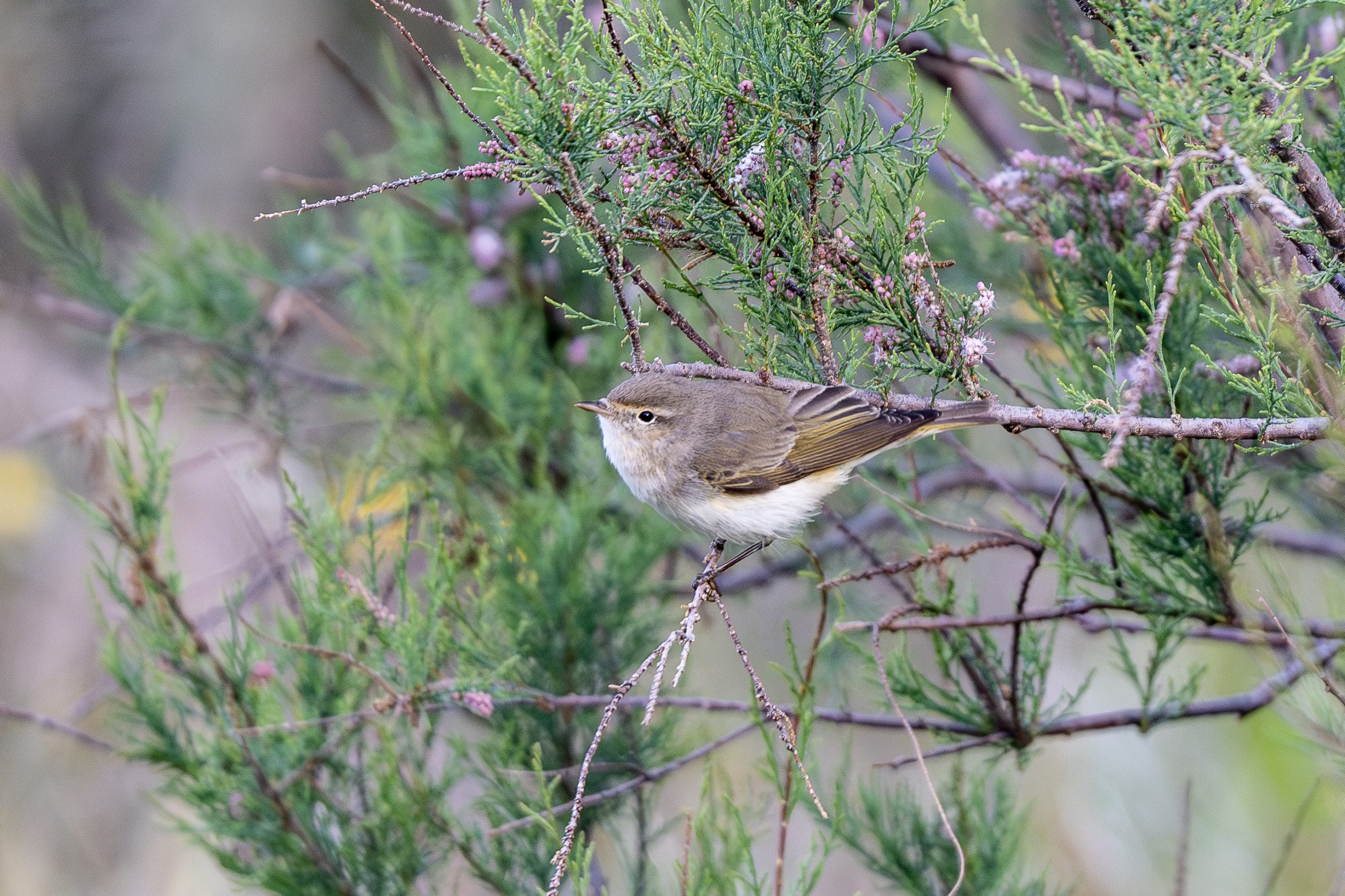
Spring migration brought increasing numbers of most wintering species, especially Common Chiffchaffs, Meadow Pipits, White Wagtails, Black Redstarts, European Robins and Eurasian Blackcaps. Wintering Great Cormorants were often noted in large flocks flying over the reserve, while Yellow Wagtails started showing up in good numbers from the first week of March.
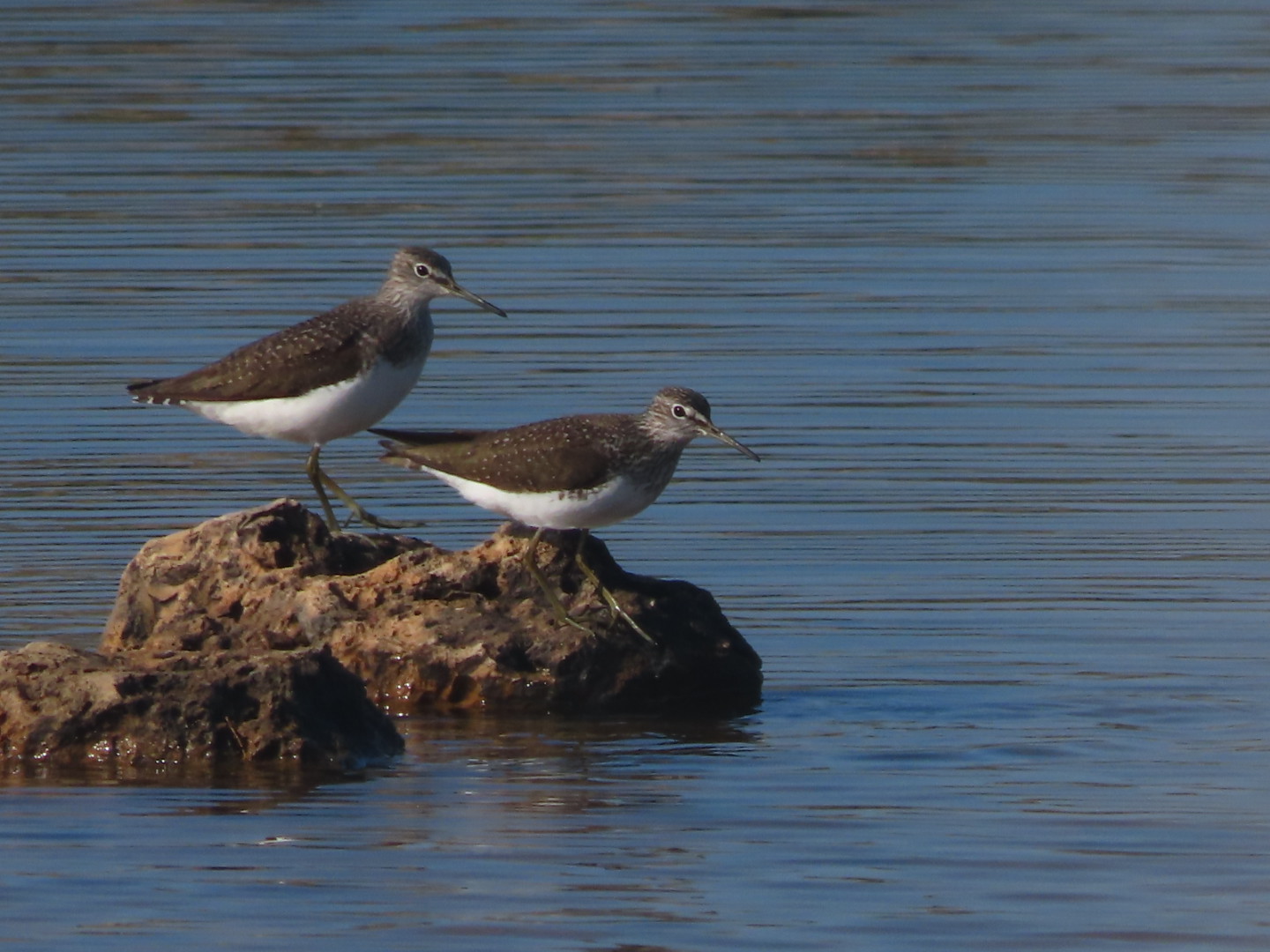
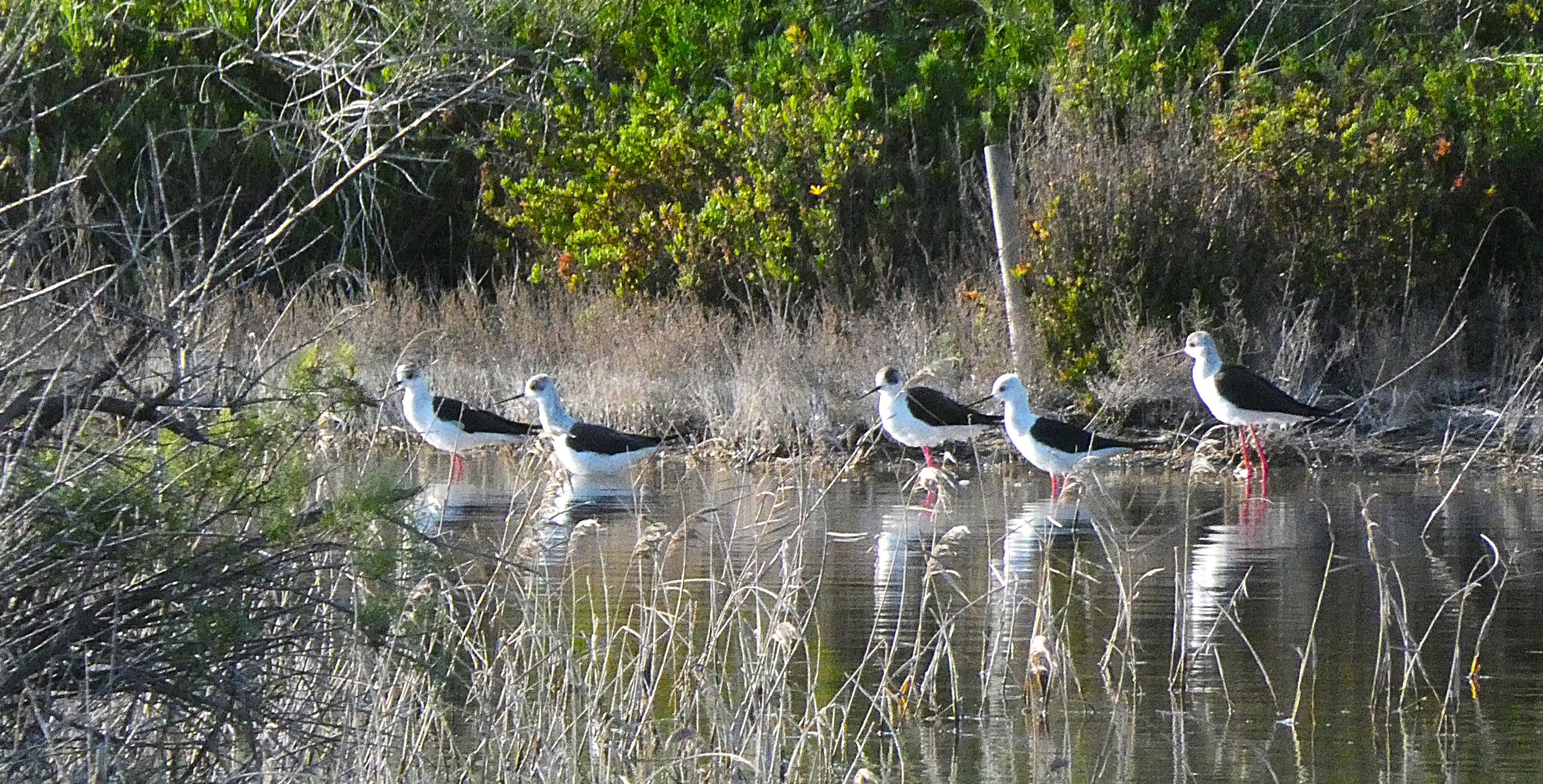
A pair of Black-winged Stilts showed up early in the month, copulating on a number of occasions. After a three-week stay, the birds departed together with other migratory Black-winged Stilts. Green Sandpipers were also common and stayed a number of days at the reserve during stormy weather. Little Ringed Plovers also increased in numbers, and at least one pair was nesting by the end of the month.
by David Attard
by David Attard
by David Attard
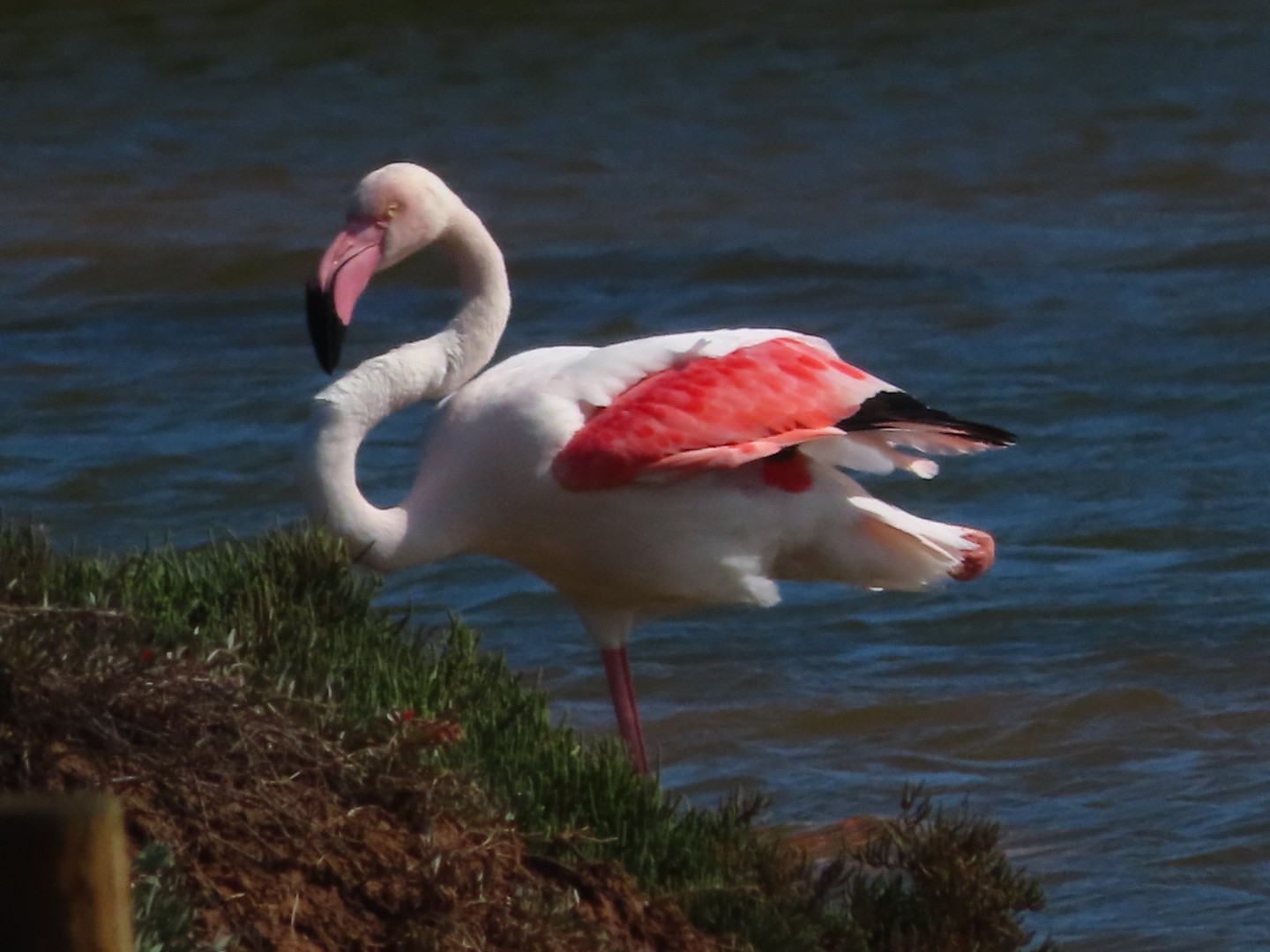
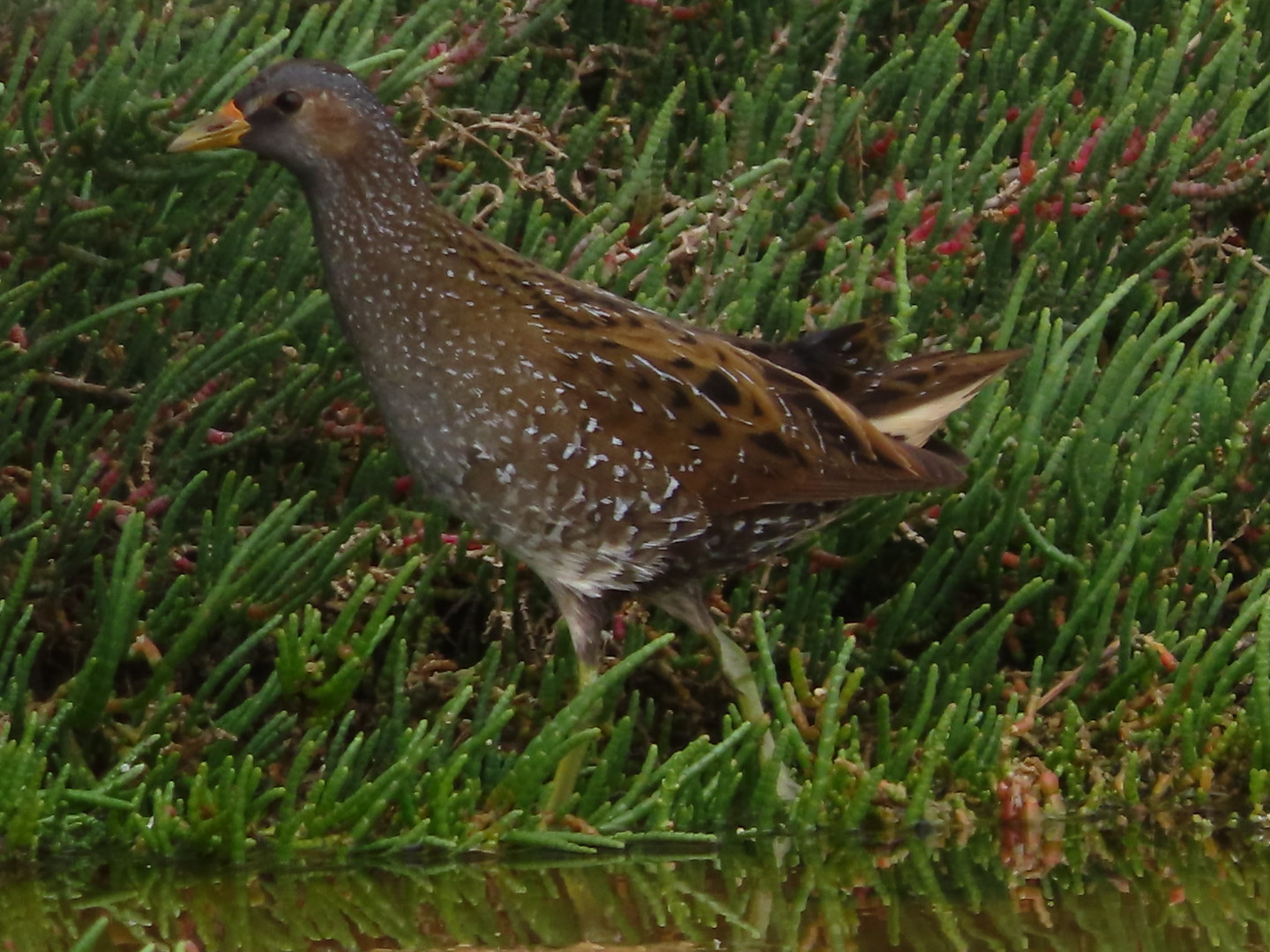
Other interesting sightings this month included Common Redshanks, Hen Harrier, Pallid Harrier, Osprey, Black Kites, an Eastern Bonelli’s Warbler, and a Spotted Crake, which stayed for a number of weeks. Finally, a Greater Flamingo was seen on a couple of dates towards the end of the month.
by David Attard
by David Attard
by David Attard
Works
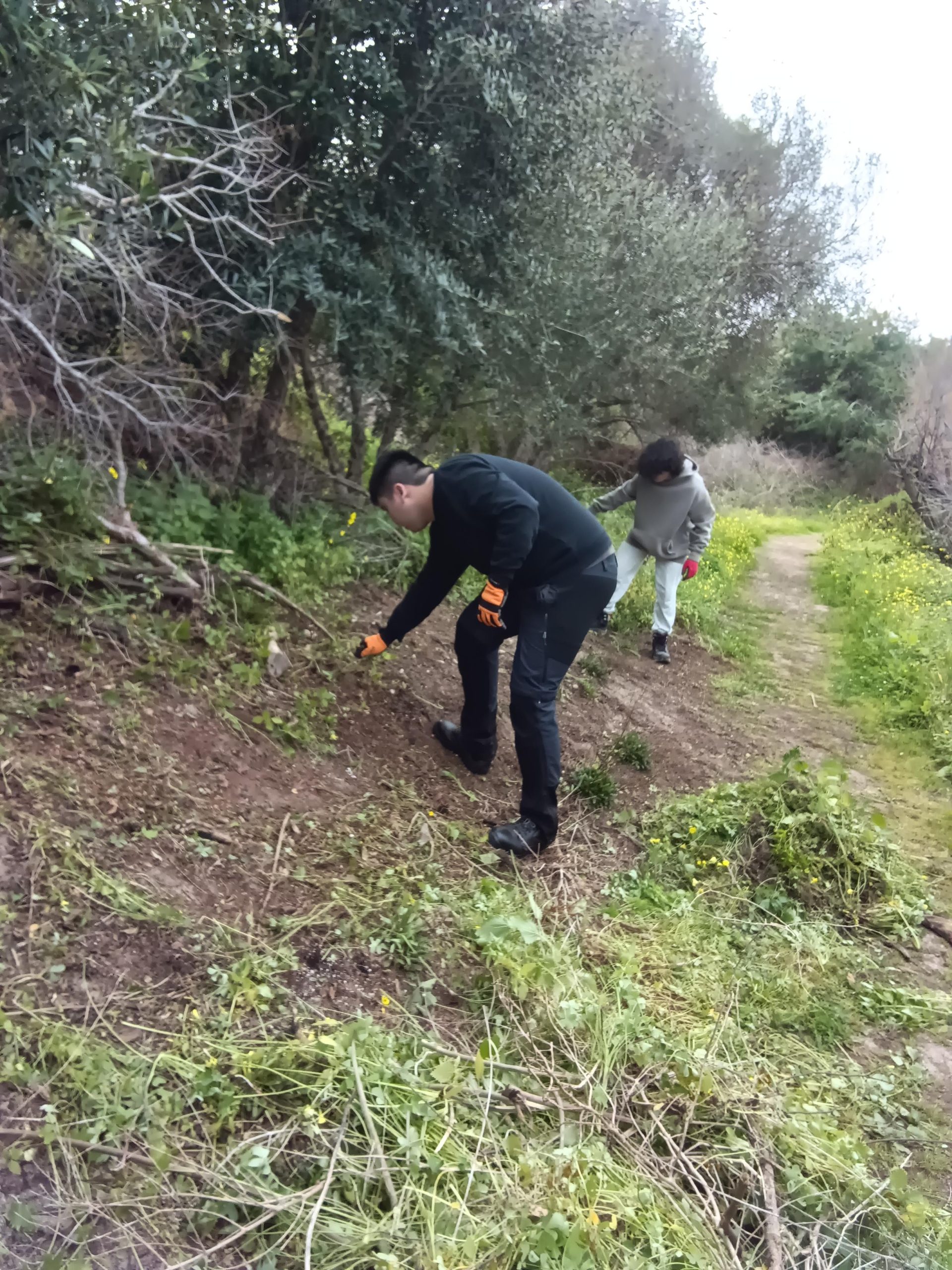
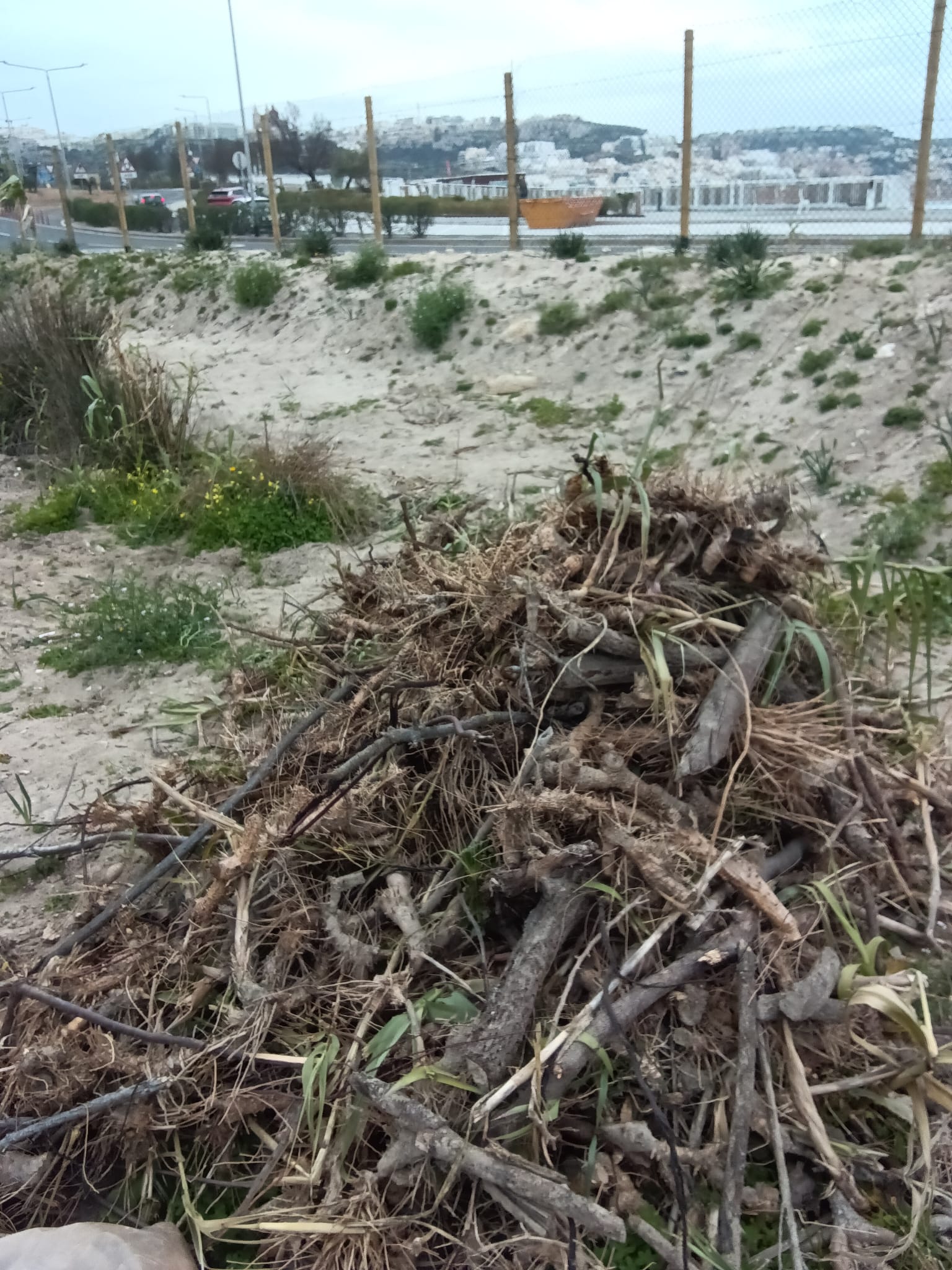
Works on control of Giant reeds and African box thorn – both invasive plants on the sand dune area – continued until mid-March but were disrupted by severe weather conditions. During CSR activities, all the cut reeds were transferred to a suitable area within the reserve to dry and be shredded at a later date. This material will be used as mulch along the main paths. Another CSR activity focused on the installation of a section of handrail along the public path, as well as a clean-up of the sand dune area from fly tipping.
by David Attard
by David Attard
Simar Nature Reserve
Sightings
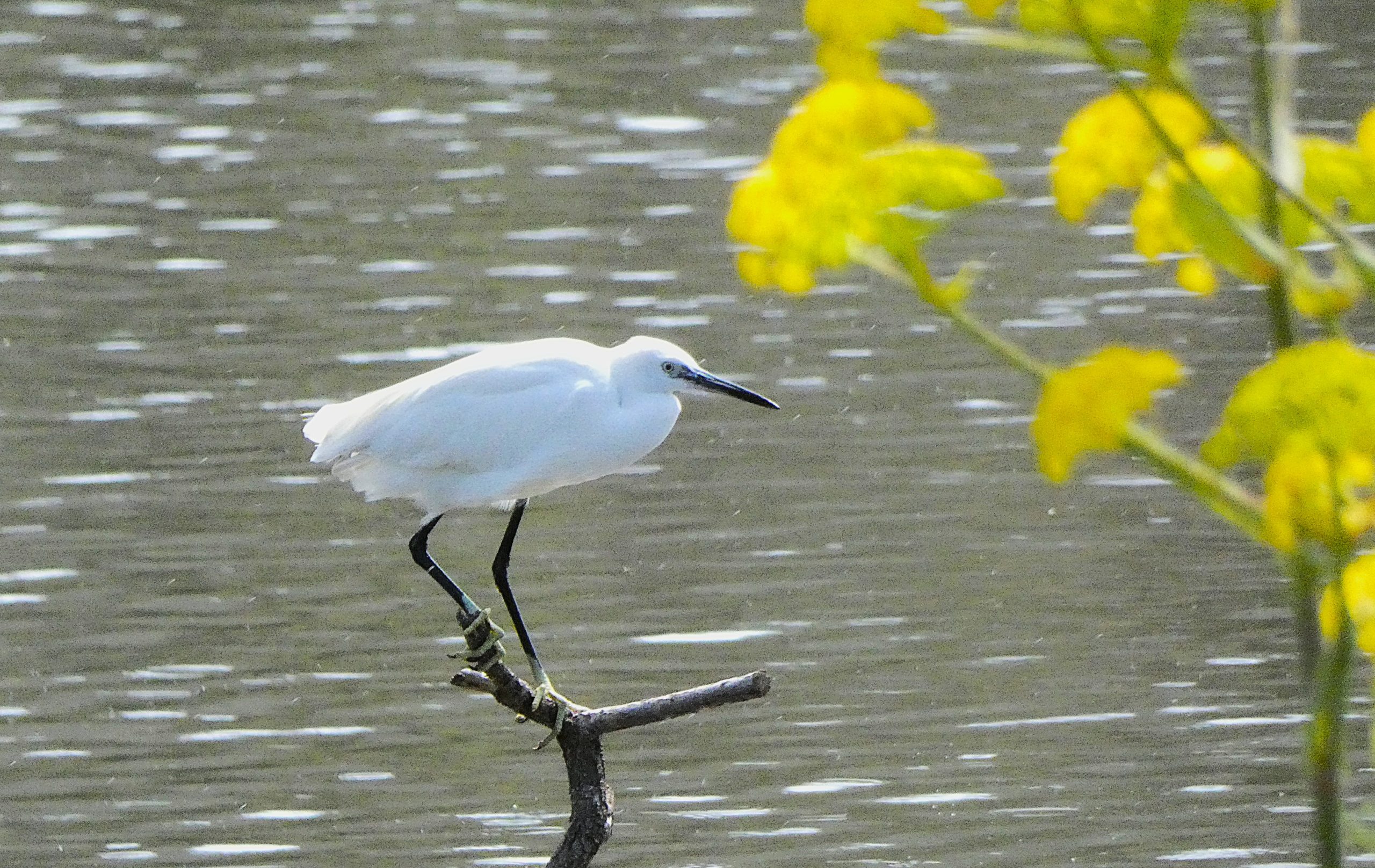
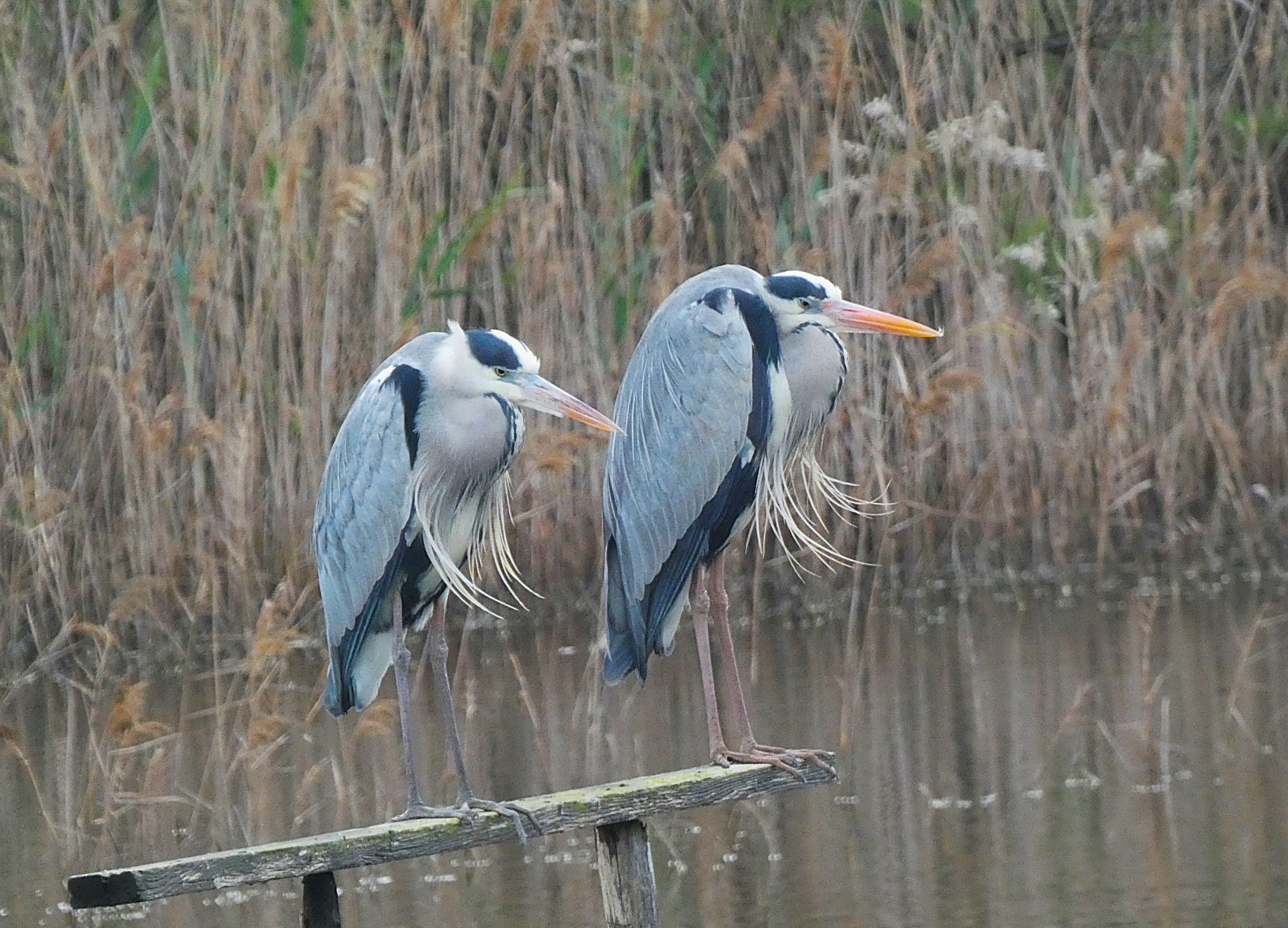
This year, spring began with unstable weather conditions, but this did not hinder bird activity! As bird migration intensified, several species gradually started to appear. These included several Sedge Warblers, Subalpine Warblers, Willow Warblers and Yellow Wagtails. Roaming around the muddy shorelines were several shorebirds including Black-winged Stilts and Green Sandpipers. Few Grey Herons were also present, as well as the elusive and cherished Ferruginous Duck.
Marsh Harriers often visited, hunting low over the wetland, while good numbers of Barn Swallows were often accompanied by the scarcer Red-rumped Swallow. A female Northern Shoveler and a couple of Common Kingfishers continued their stay for the whole month. Black-crowned Night Herons and Little Egrets also regularly visited the reserve.
Nevertheless, the main attraction of the month was undoubtedly the nesting of a pair of Common Coots. This bird exclusively breeds in Simar, taking advantage of the ideal conditions created by meticulous habitat management.
by Charles Coleiro
by Charles Coleiro
by Charles Coleiro
Works
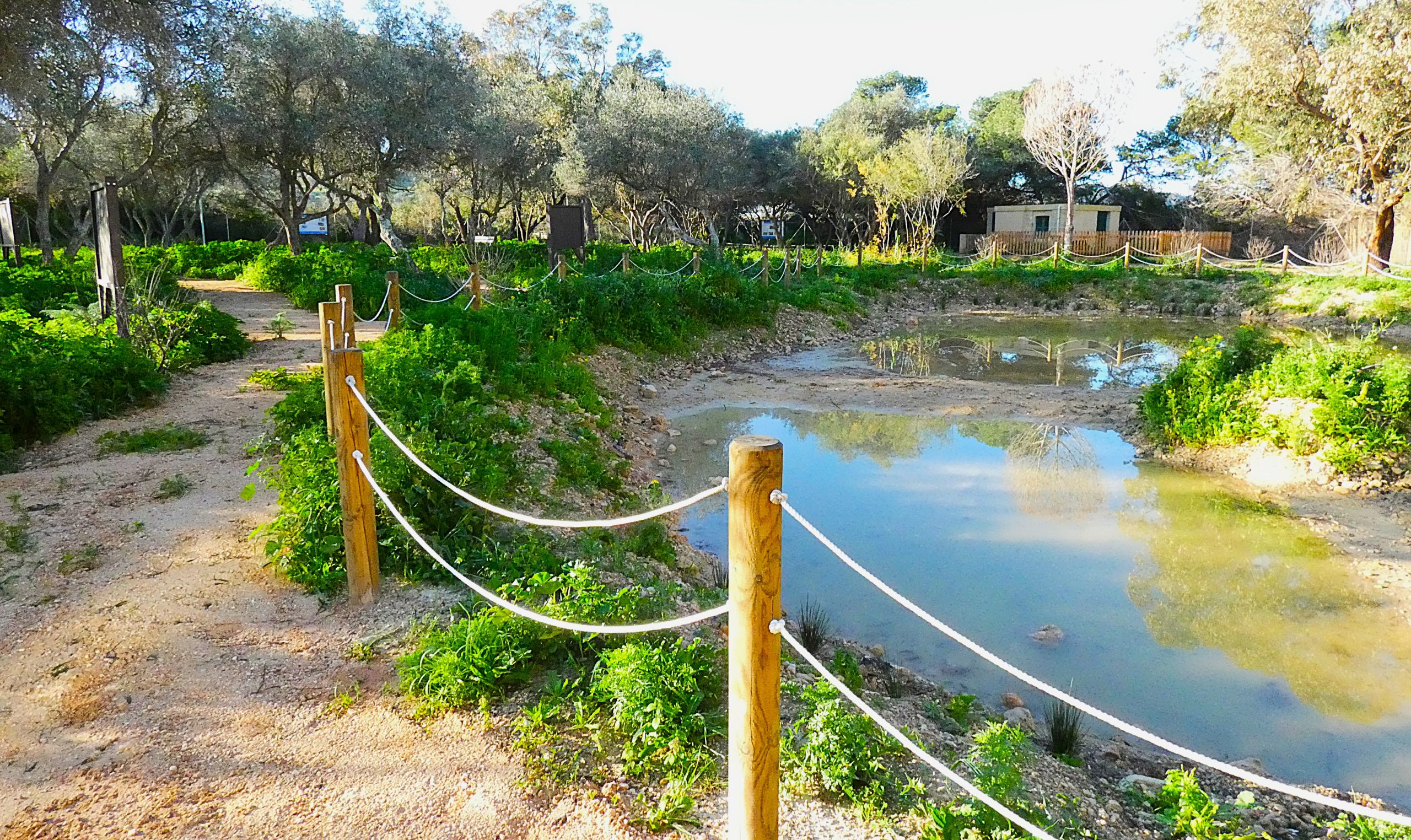
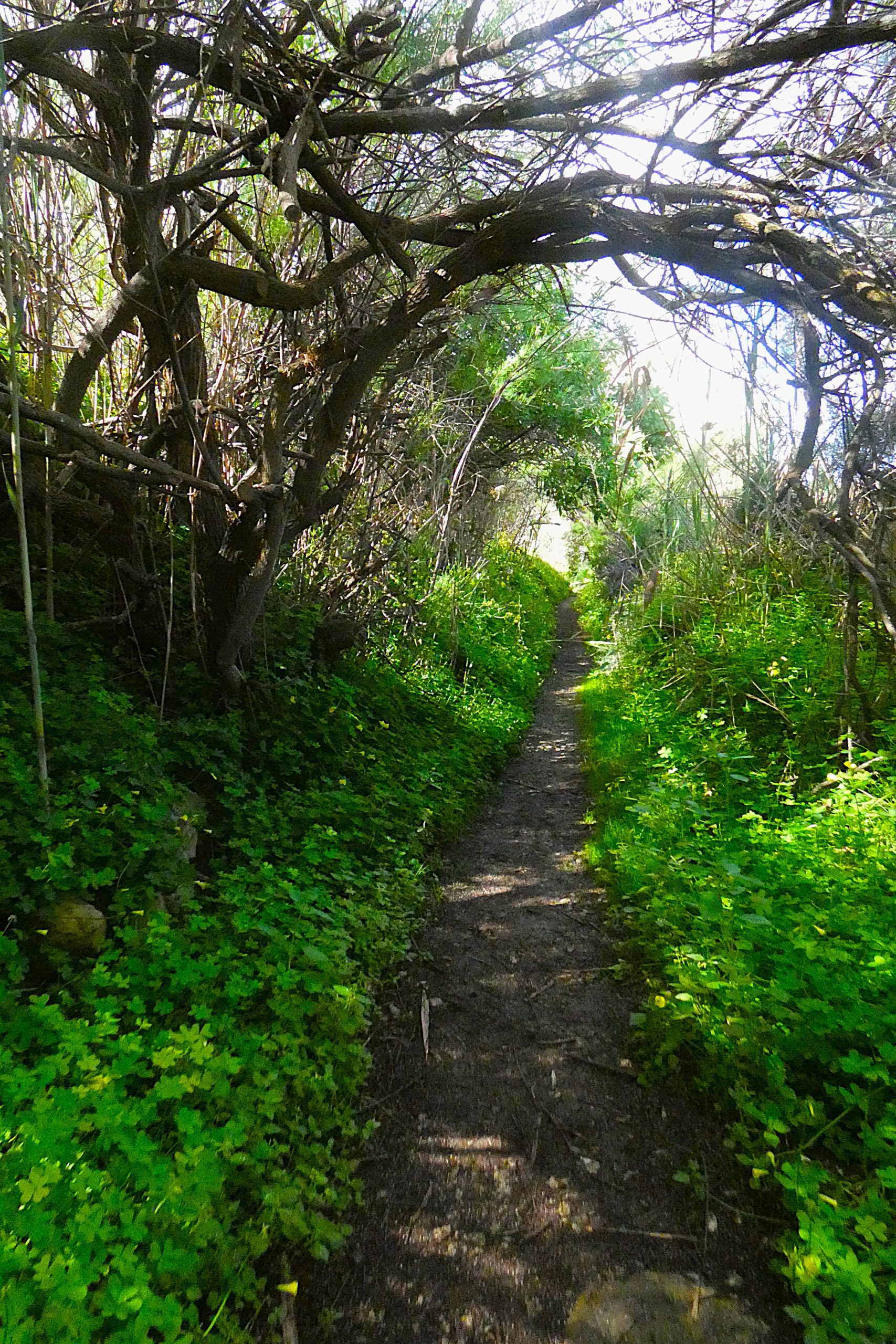
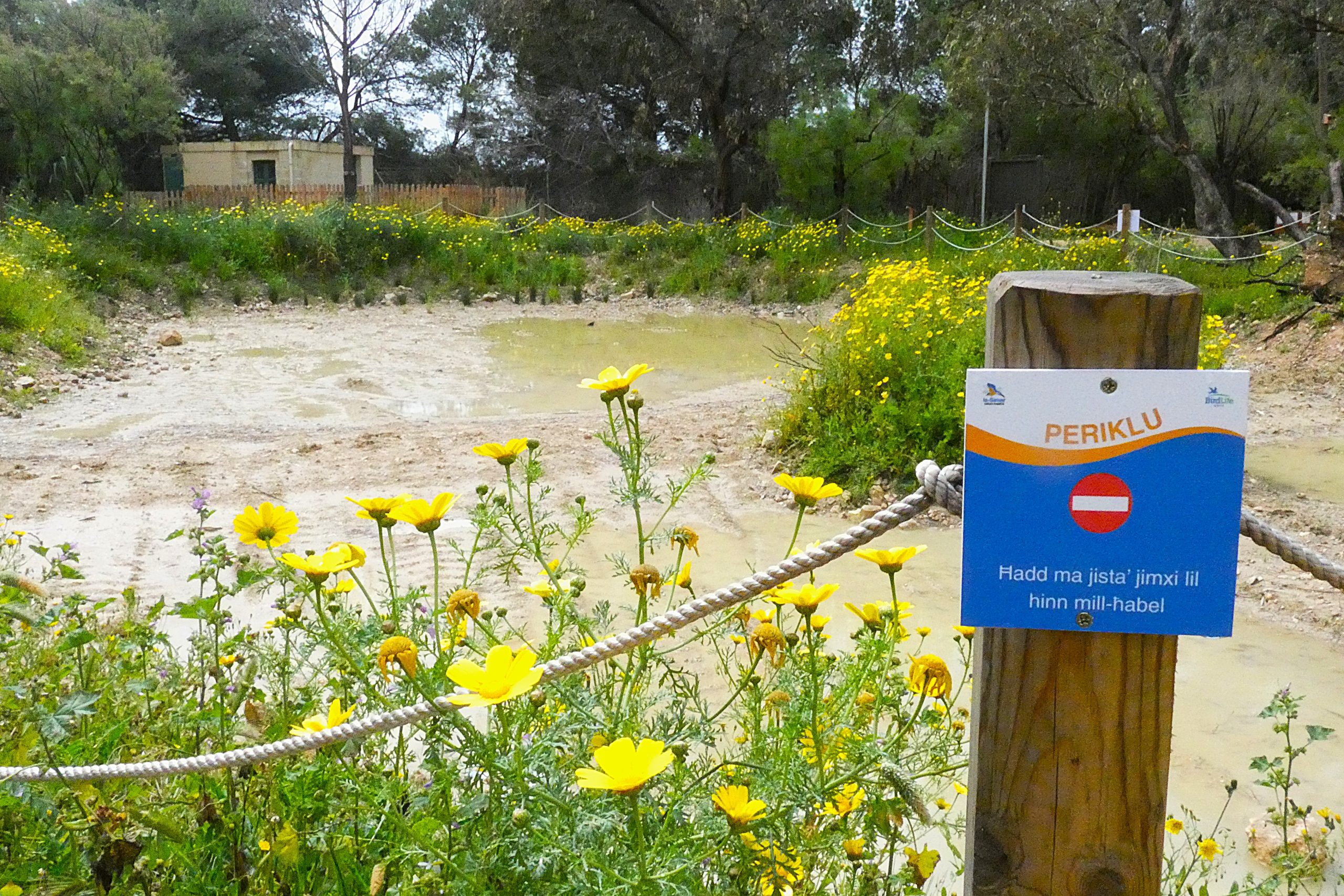
Maintenance of the nature trail was carefully carried out, cutting back protruding branches and grass. In most parts of the path, flowering plants were encouraged to grow, thus helping increase the biodiversity of the reserve. The same type of habitat maintenance was also carried out in the area adjacent to the reserve. Nature is gradually taking over with various flowering plants growing and various birds visiting, including Common Hoopoes and Green Sandpipers. Towards the end of the month, this area was opened to the public.
by Charles Coleiro
by Charles Coleiro
by Charles Coleiro
Foresta 2000
Sightings
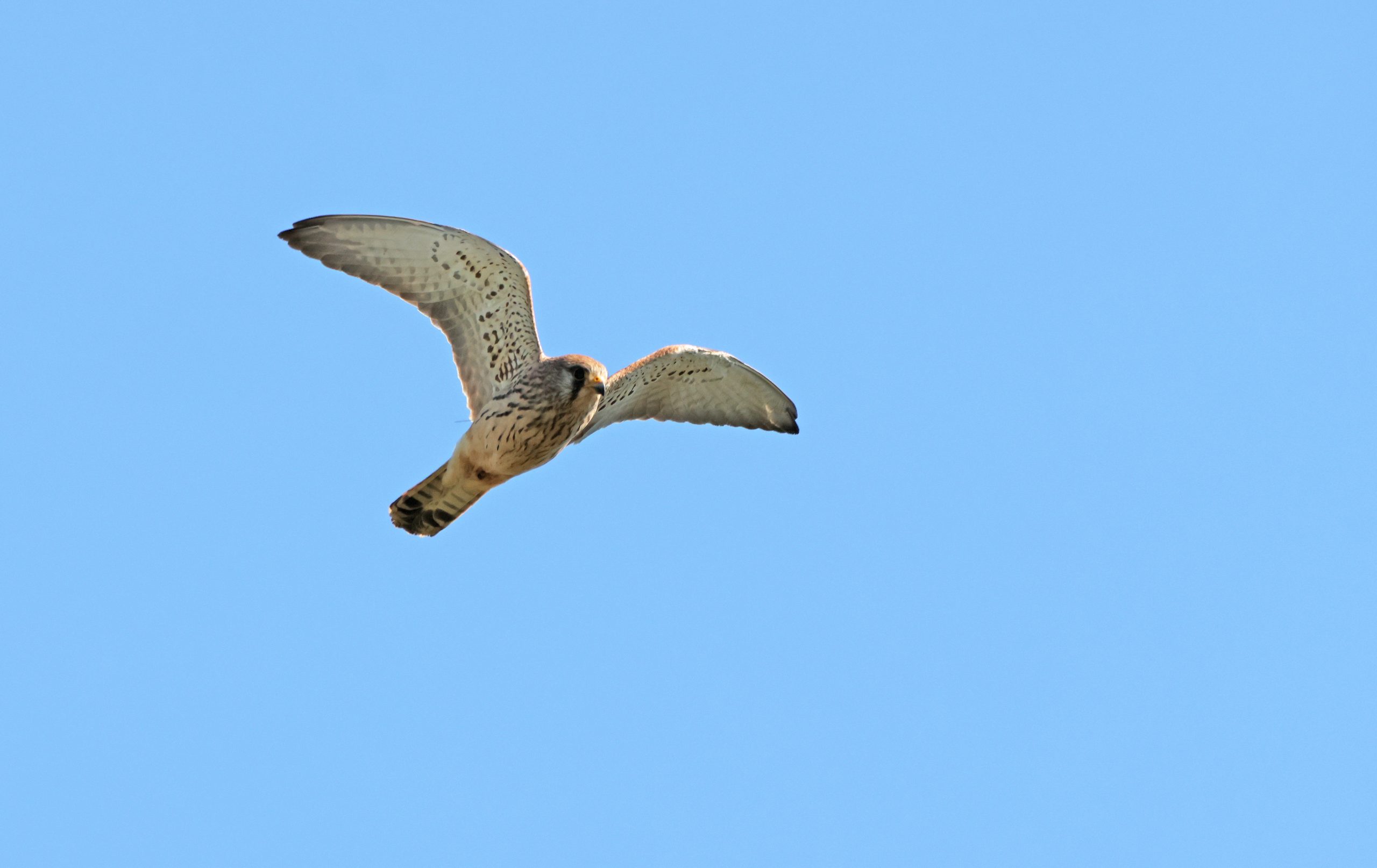
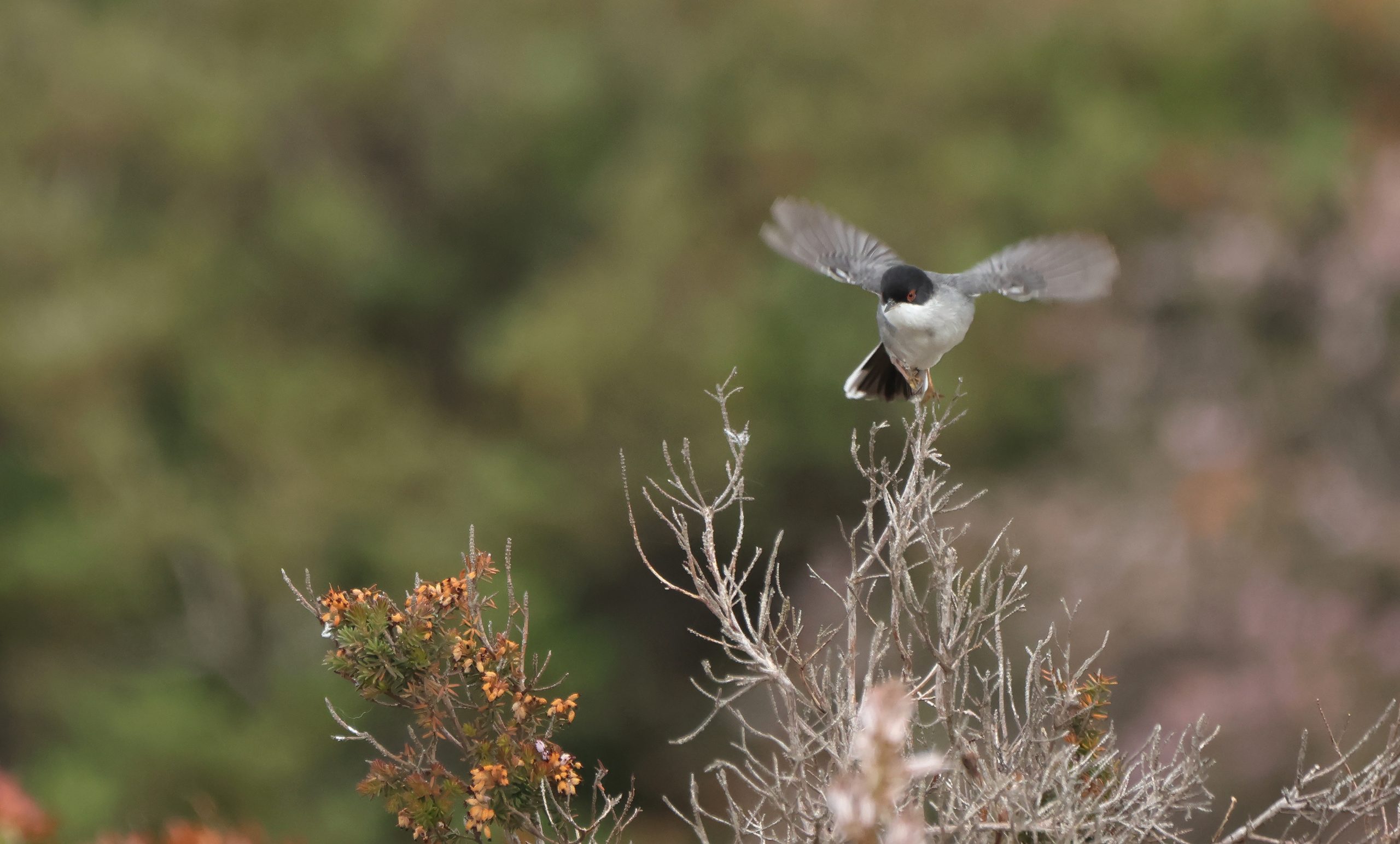
This month has brought a lively mix of resident and migratory species to Foresta 2000. Common Kestrels were spotted every week since December, confirming their wintering status in the reserve. Among the songbirds, Song Thrushes, Meadow Pipit, Sardinian Warblers, and Eurasian Blackcaps remain active, while the arrival of the first Barn Swallows and Northern House Martins marks the beginning of the spring migration.
by Aron Tanti
by Aron Tanti
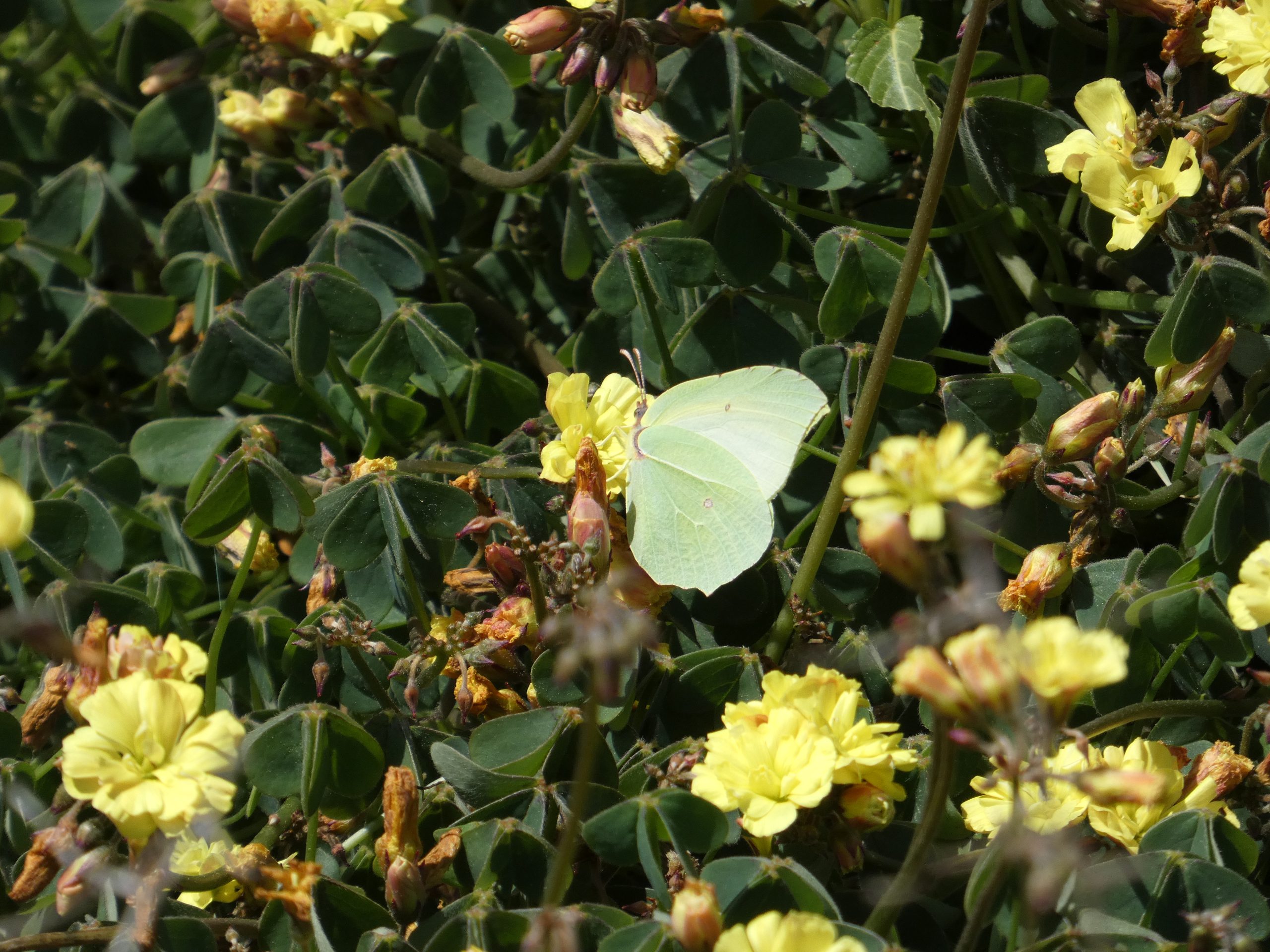
Butterfly activity has also increased with the warming temperatures. The first Swallowtail Butterfly has been recorded, along with a rare sighting of a white Cleopatra Butterfly, most likely a female. Males of this species are easily recognizable by their vivid yellow wings and striking orange forewings, but butterflies rarely open their wings when settled, making observation a challenge.
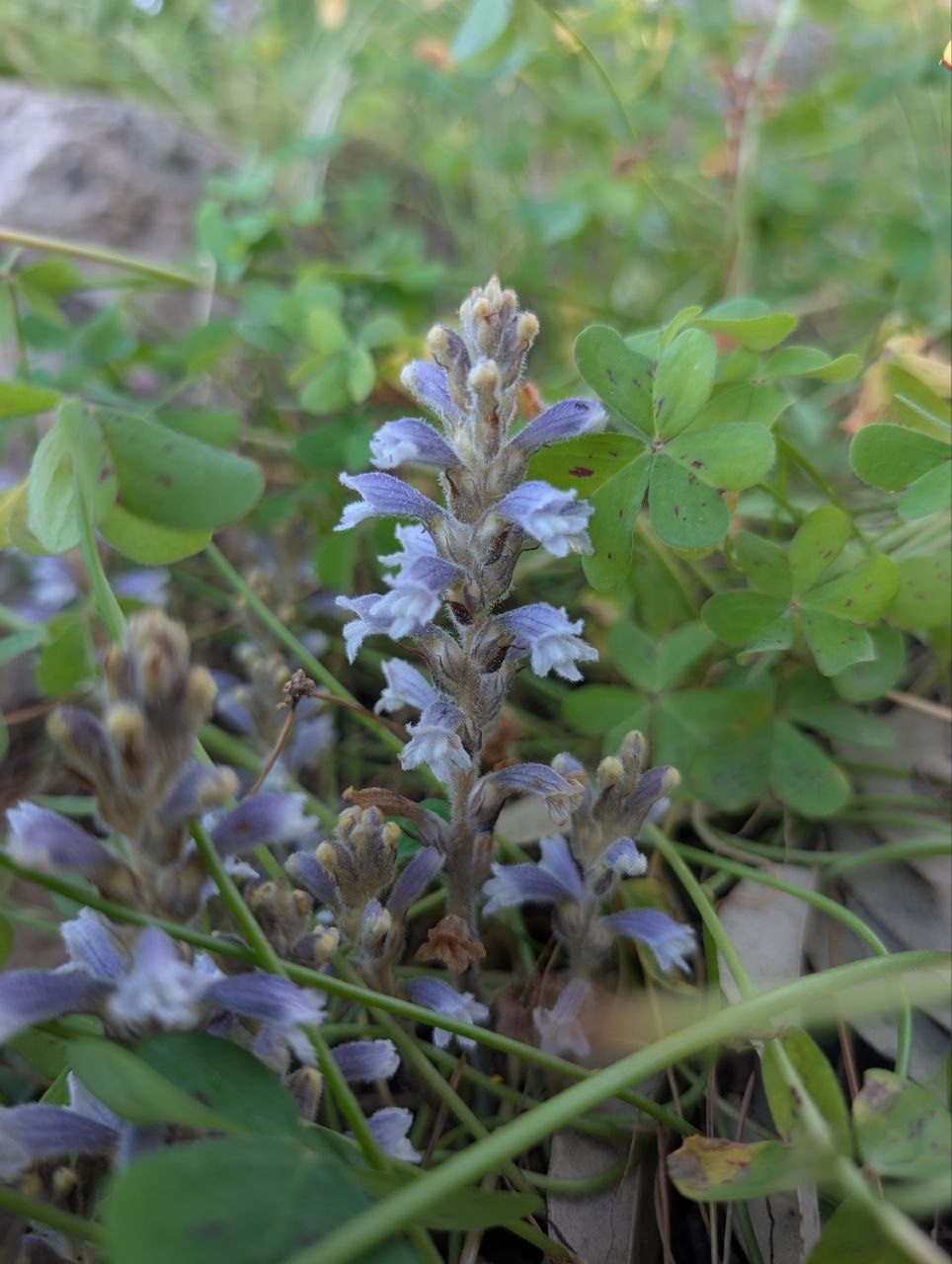
The reserve’s flora is now in full bloom, covering the meadows in vibrant colours. Sulla and Mediterranean Thistle – white in Malta, while pink in Sicily – dominate the landscape. The delicate Italian Gladiolus is also flowering, adding splashes of pink to the steppe. A notable abundance of Cape Sorrel – an invasive and alien species that spreads rapidly across open areas – has also been noted. Closely alongside it, one can often find the fascinating Dwarf Broomrape, an unusual parasitic plant that lacks chlorophyll, meaning it is not green and does not produce its own food. Instead, it lives underground for most of its life, attaching to the roots of a host plant and drawing nutrients and water directly from it, and it only emerges to flower. In Malta, the Dwarf Broomrape has adapted in a unique way – it now commonly parasitises Cape Sorrel and is locally known as Budebbus ta’ l-Ingliża. This relationship highlights a complex interaction between native and invasive species within the ecosystem.
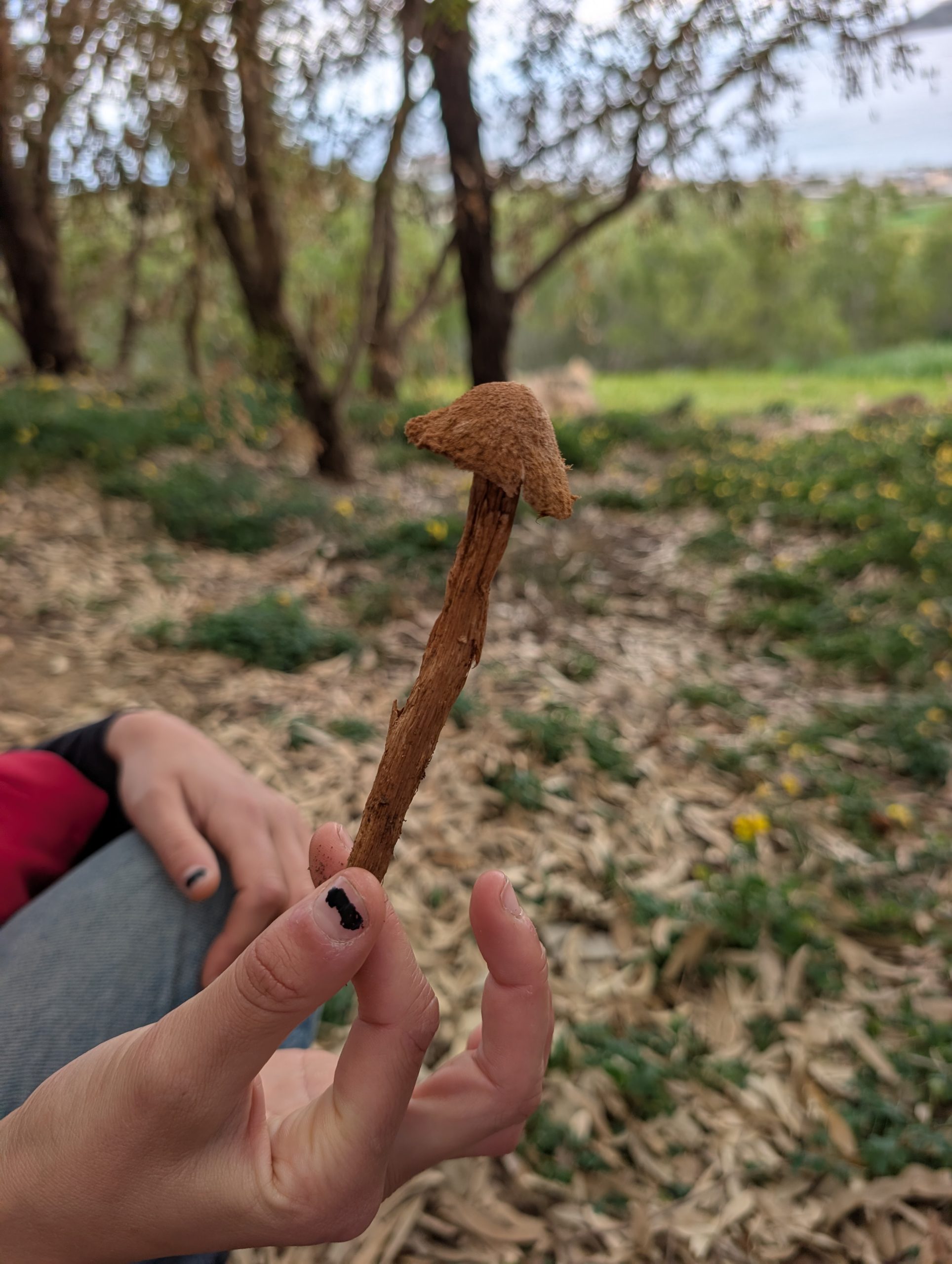
Finally, a rare fungus was found under the eucalyptus trees in the east slopes of Foresta 2000: the Sandy Stiltball (Battarrea phalloides) – also known as the Scaly-stalked puffball or Desert stalked puffball. Though uncommon, it has been recorded in specific locations in Malta and Gozo, often appearing in dry, sandy, or disturbed soil.
by Vera Tokmakova
by Vera Tokmakova
by Vera Tokmakova
Works
Efforts continued to maintain the reserve’s natural beauty and accessibility. Routine clean-ups and monitoring ensured the area remained in good condition for both wildlife and visitors.
Spring Migration Bringing New Birds to Malta!
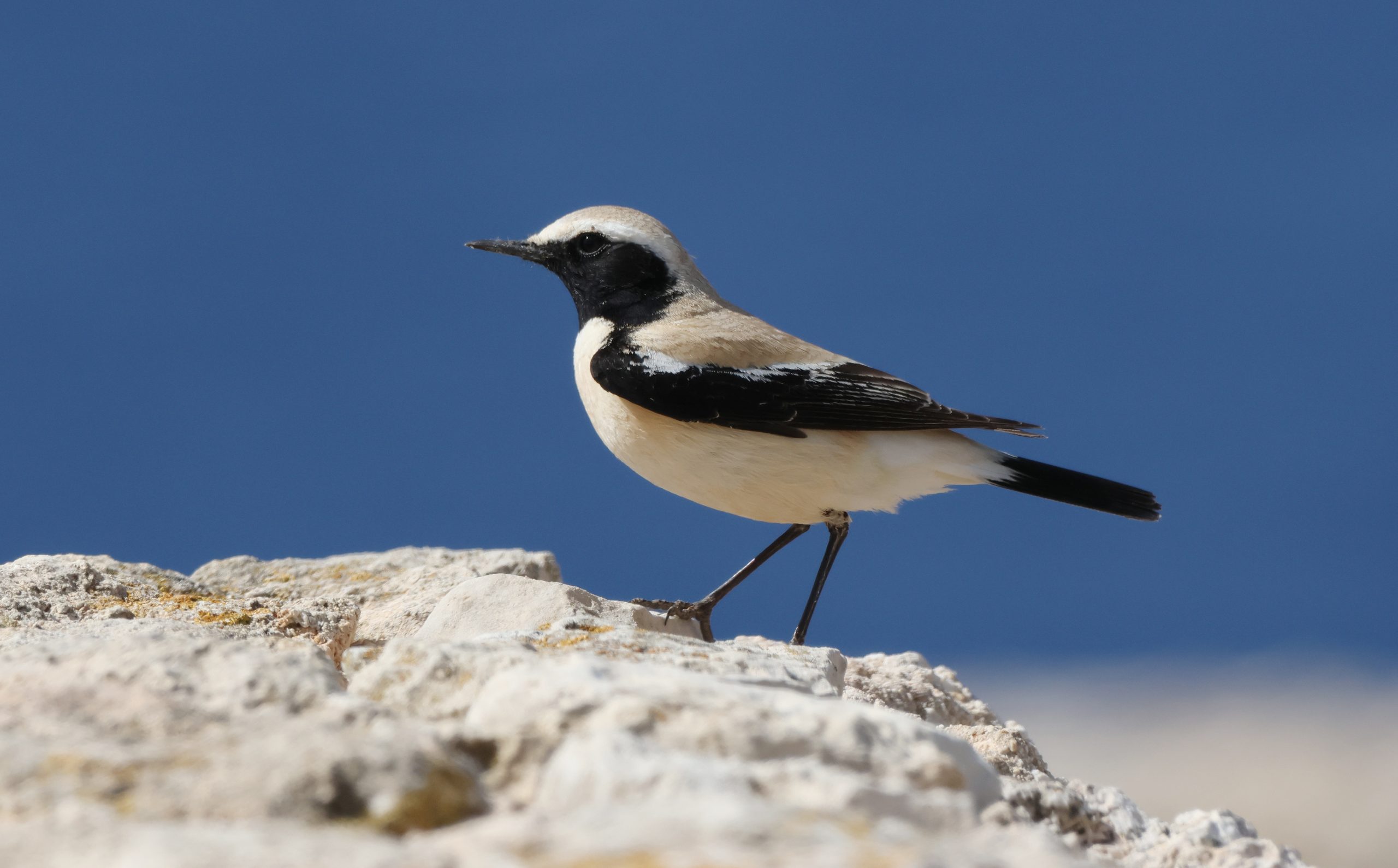
As usual for this time of the year, the spring migration floodgates opened, and a fair share of highlights were reported. The month began with a male Moussier’s Redstart – found again after having last seen it in December. Shortly after, we spotted a stunning male Desert Wheatear at Miġra l-Ferħa. Although this species is rare, it is also a regular accidental visitor from North Africa. Its arrival coincided with the first arrivals of Northern and Isabelline Wheatears as well. Another accidental visitor from North Africa was a male Trumpeter Finch, which turned up at Majjistral Park. Later on, we caught sight of two Eurasian Crag Martin: one at Dingli Cliffs and another in Gozo.
by Aron Tanti
by Aron Tanti
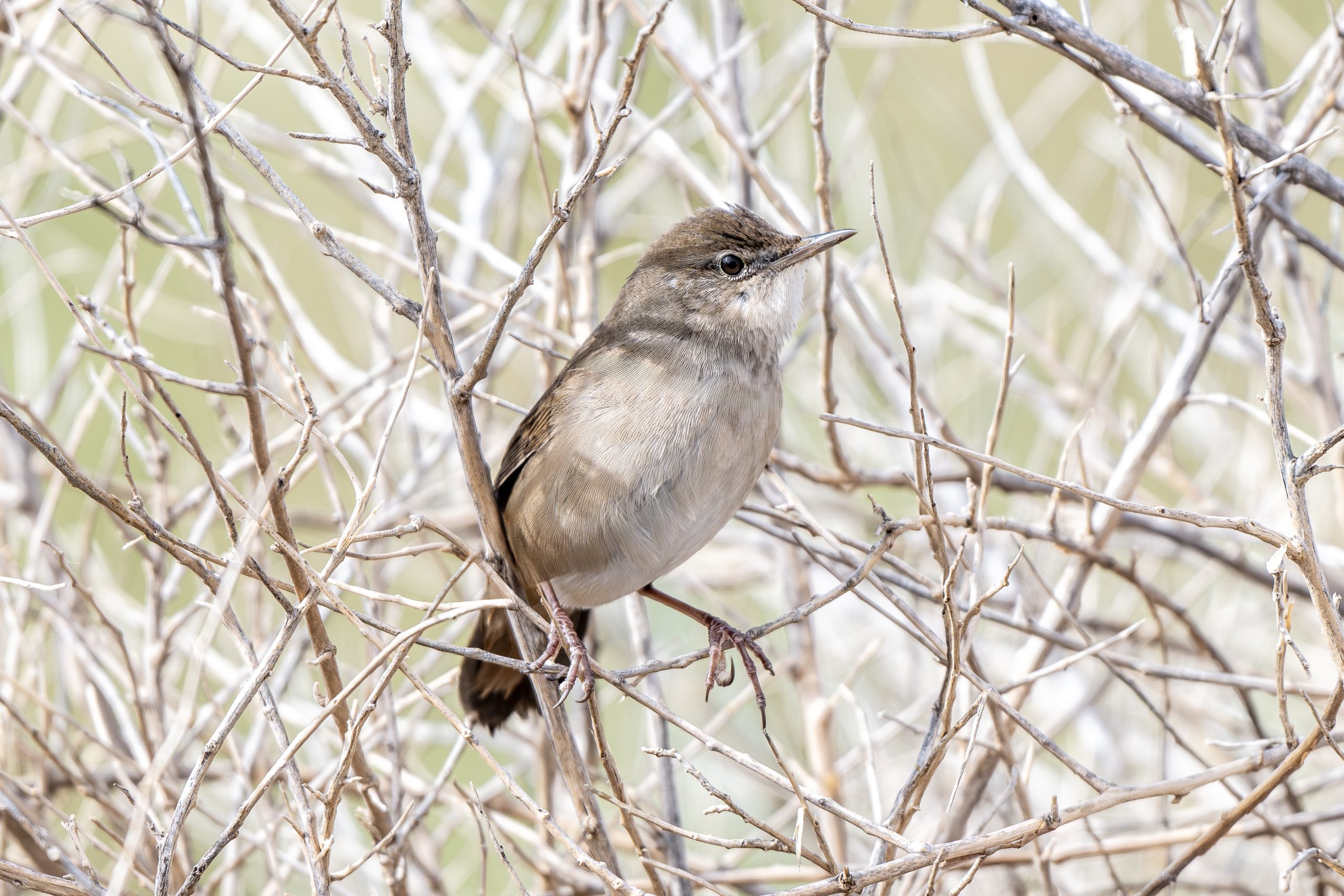
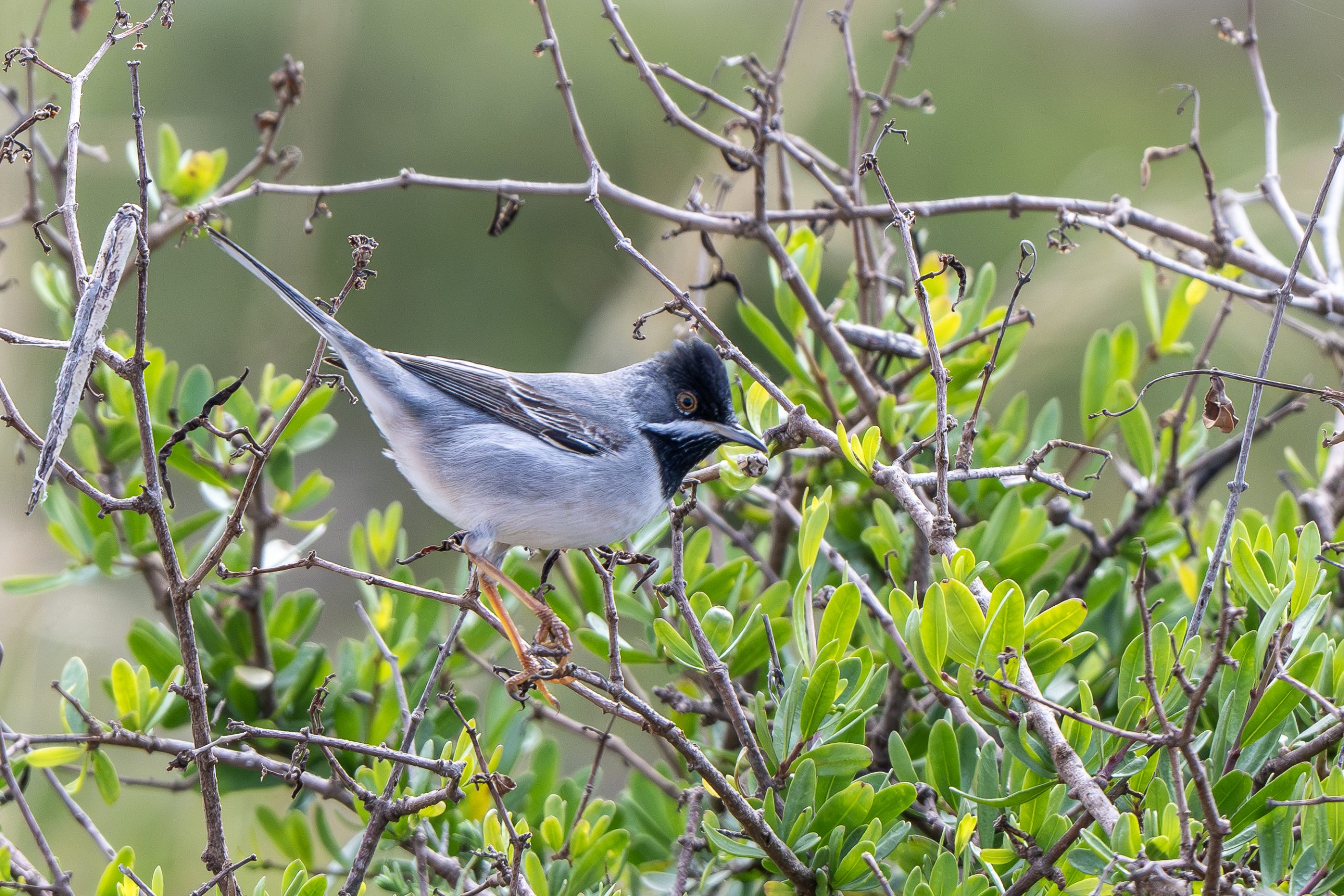
Around the middle of the month, multiple Savi’s Warblers were found in different locations. This species is very skulking and mostly associated with wetlands, thus mostly recorded through bird ringing. Therefore, having multiple field observations was a rare occurrence. Several Common Woodpigeons were also recorded. Although this species is very common in Europe, it is only a scarce migrant here in Malta. Another highlight was the occurrence of at least six Ruppell’s Warblers in different locations. Males of this species are spectacular birds, while females have a more subtle plumage. This species is a rare but relatively regular migrant to Malta, with its breeding distribution largely confined to Greece and Turkey.
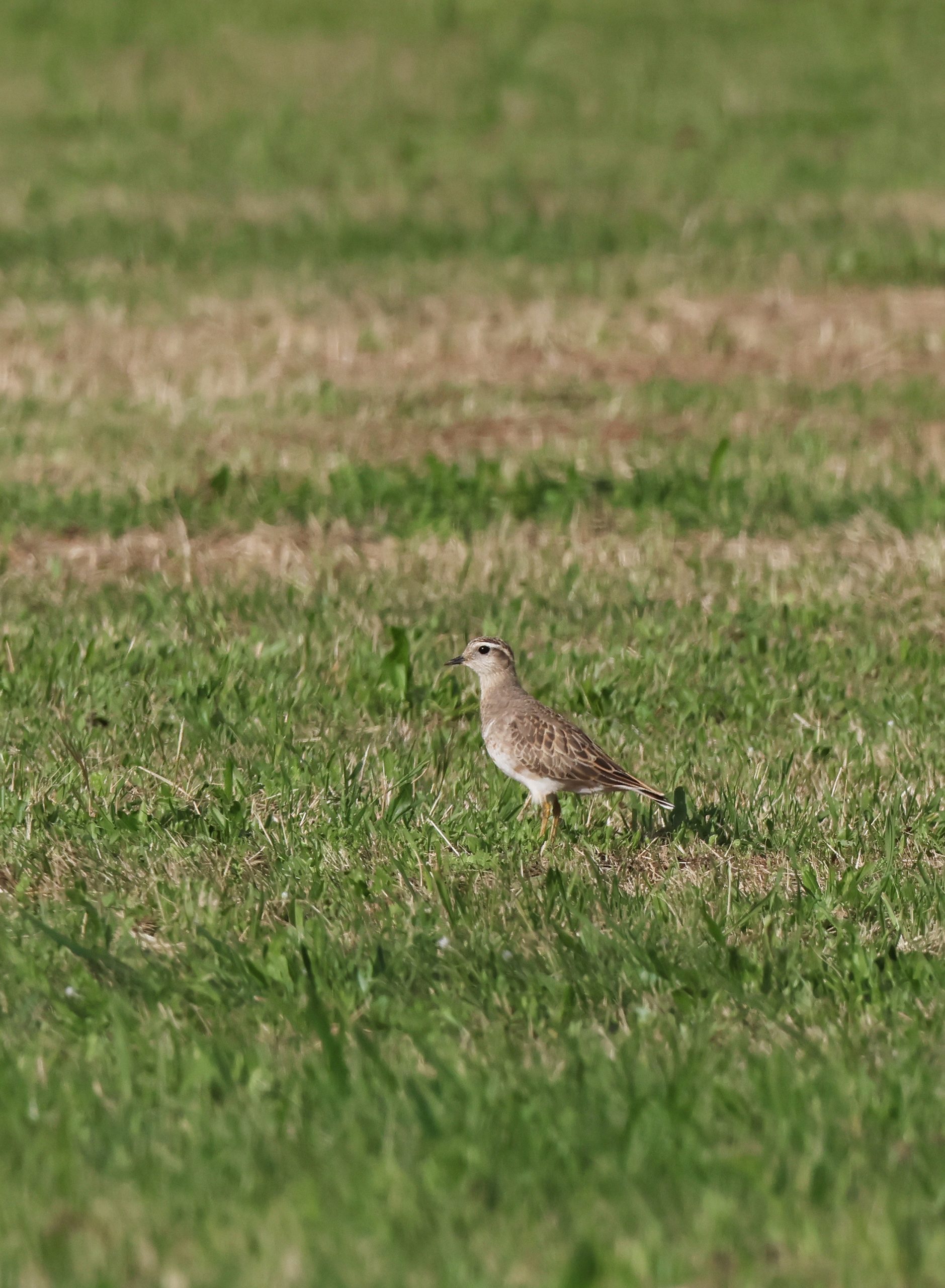
Migration at the Kemmuna channel was relatively quiet, but it brought some interesting birds nevertheless. Among them were multiple Pomarine Jaegers observed on different dates, a large number of Eurasian Oystercatchers, and a good number of Short-eared Owls. Other highlights included a Eurasian Dotterel near the airport, a Eurasian Buzzard at Dwejra, an Eastern Bonelli’s Warbler at Zurrieq, and a Bluethroat at Għar Lapsi. Regular migrants which were seen in good numbers included the aforementioned Short-eared Owls, Common Hoopoes, and Western Marsh-harriers.
by Kevin Gambin
by Kevin Gambin
by Kevin Gambin
Learning How to Stay Curious
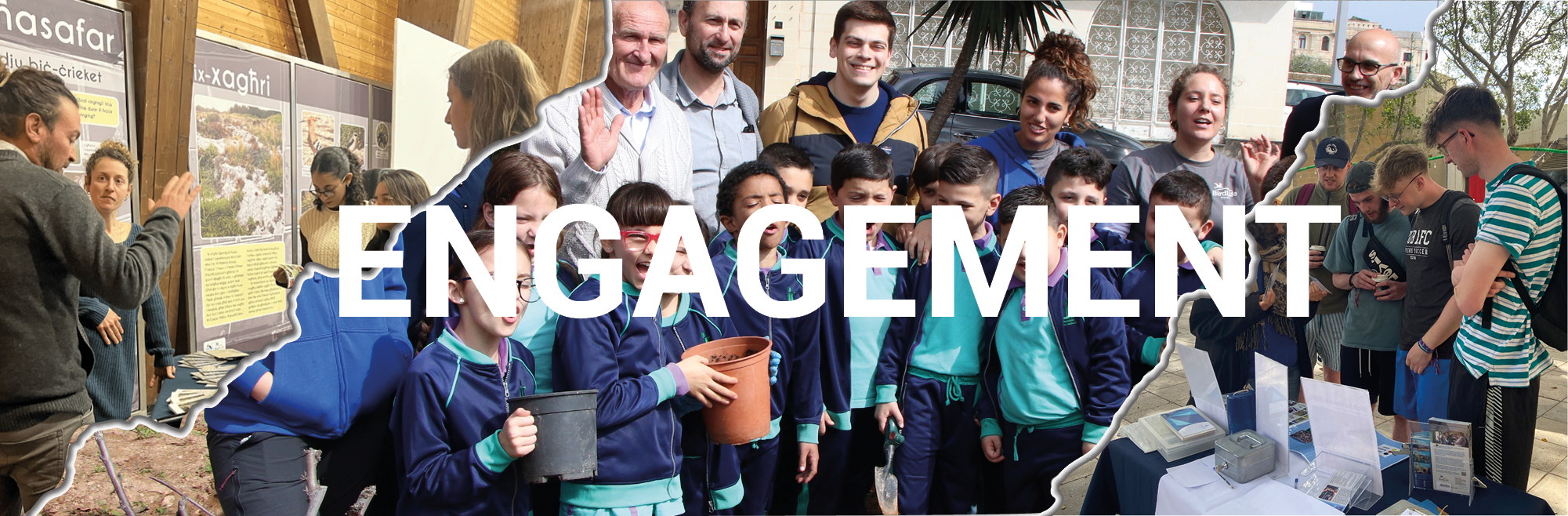
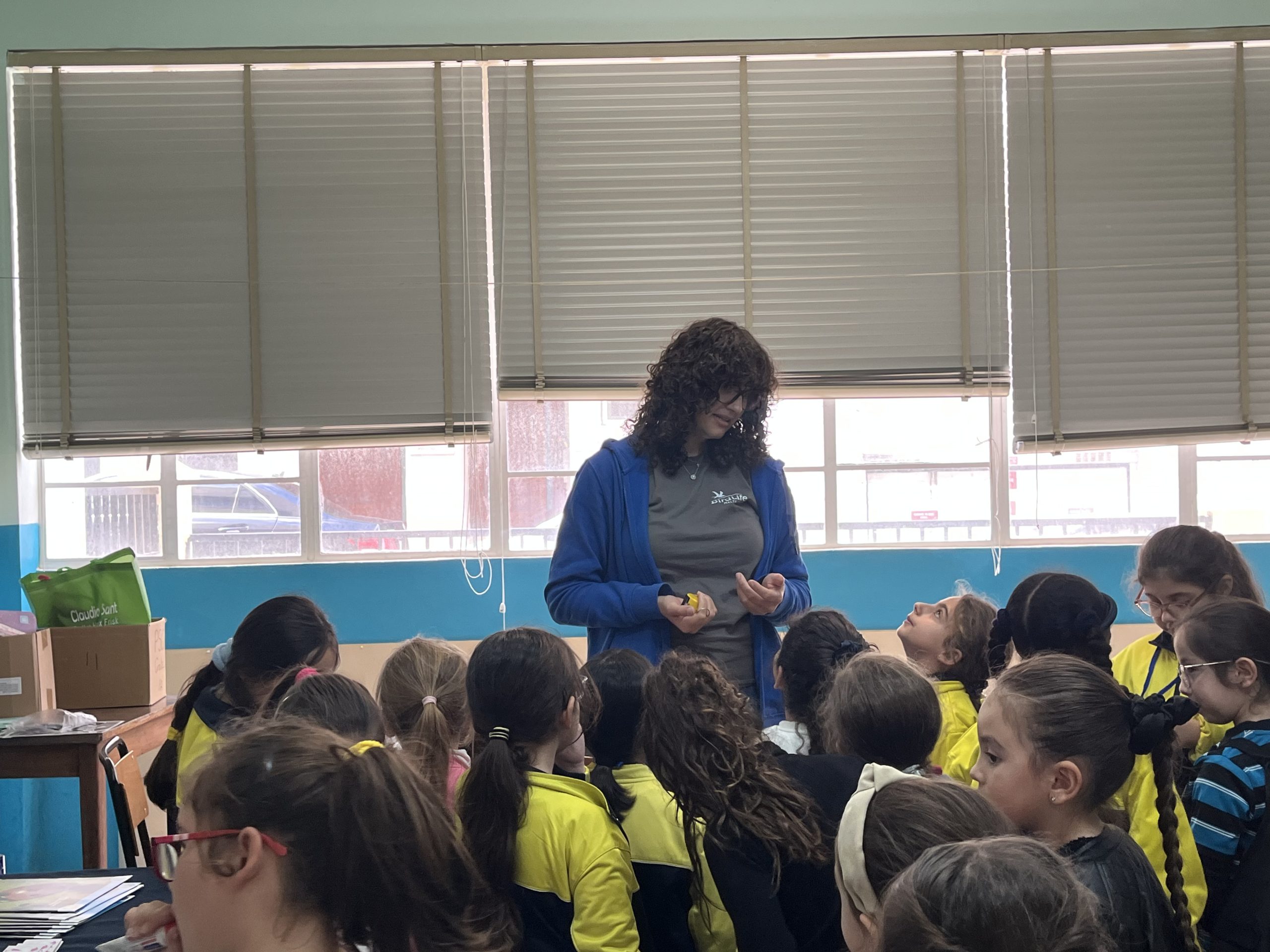
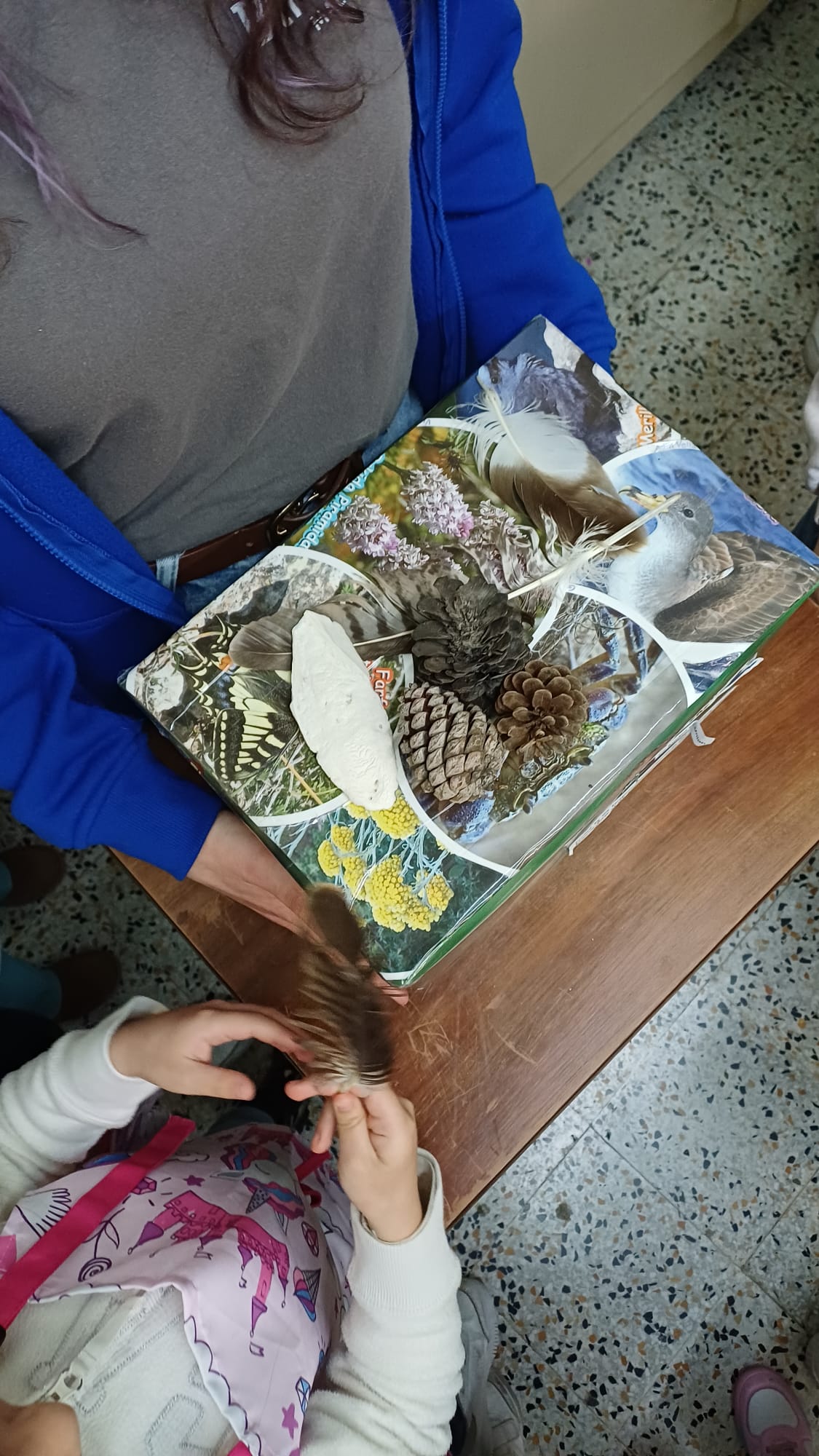
We started the month of March with a very exciting opportunity: a career day organised by St. Dorothy Girl School in Sliema. Our team spent the morning with students from various grades, sharing their journeys in STEM and conservation. They talked about their work, the challenges faced, and the rewarding nature of these fields. The students also participated in interactive activities designed to sharpen essential skills such as memory, observation, and sensory awareness: key abilities in science and conservation careers!
Students seemed to enjoy the experience and were very eager to share their own love for science. Through this initiative, we connected with over 150 students and their teachers, spreading knowledge through fun, hands-on experiences, and nurturing a lasting curiosity for the natural world.
by Nadia Sodano
by Giulia Galvani
On the Lookout for Orchids and Birds
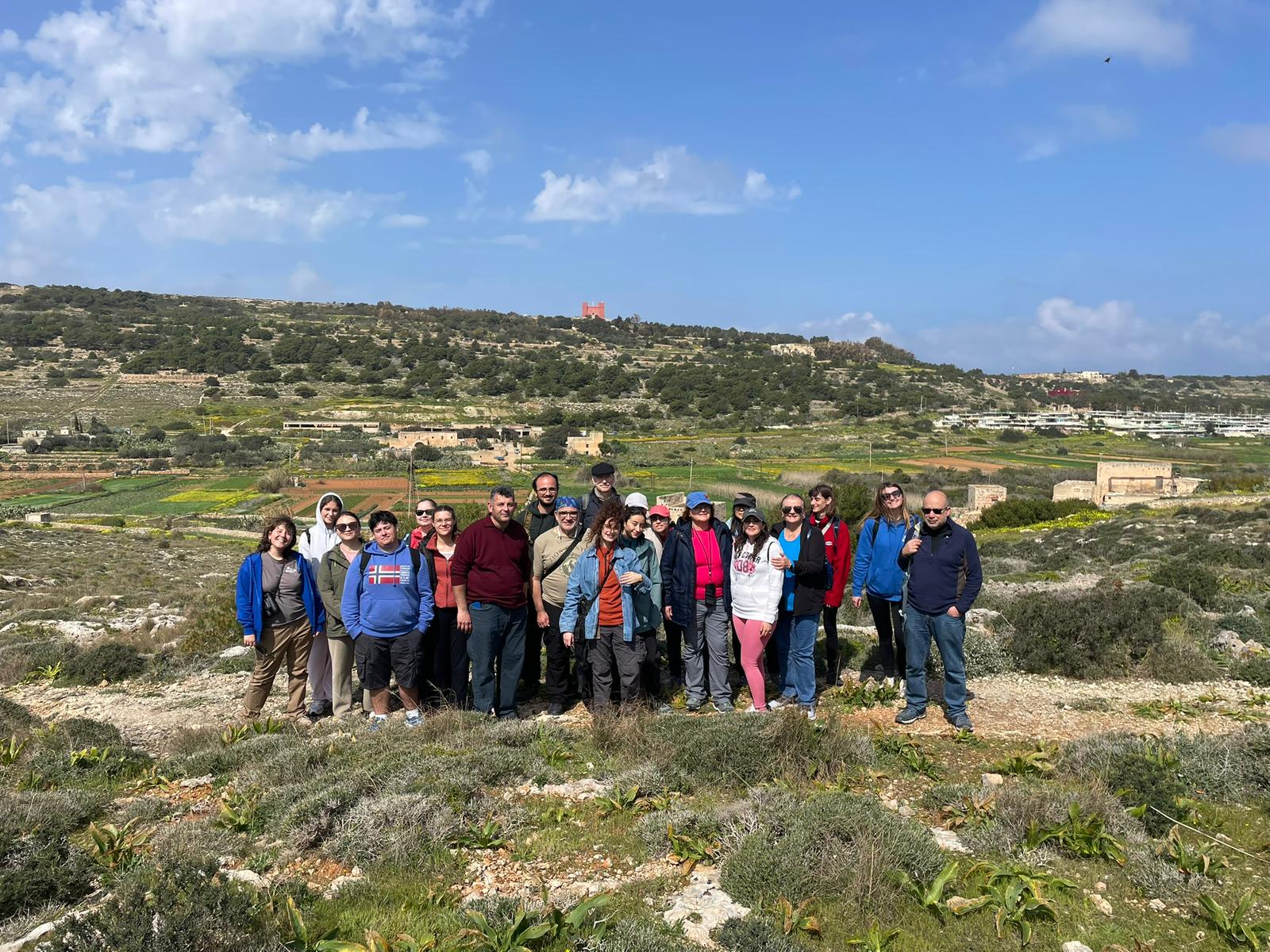
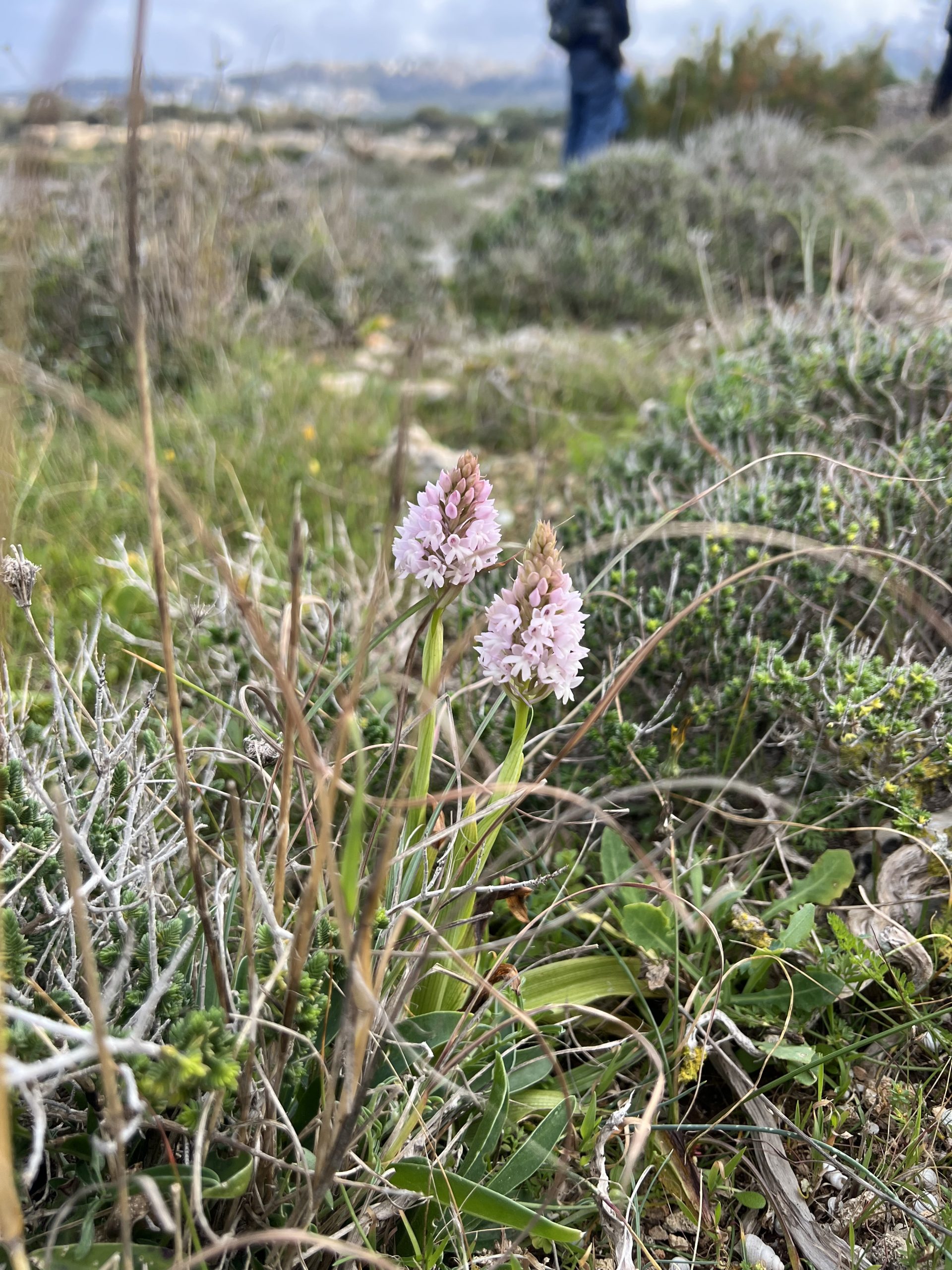
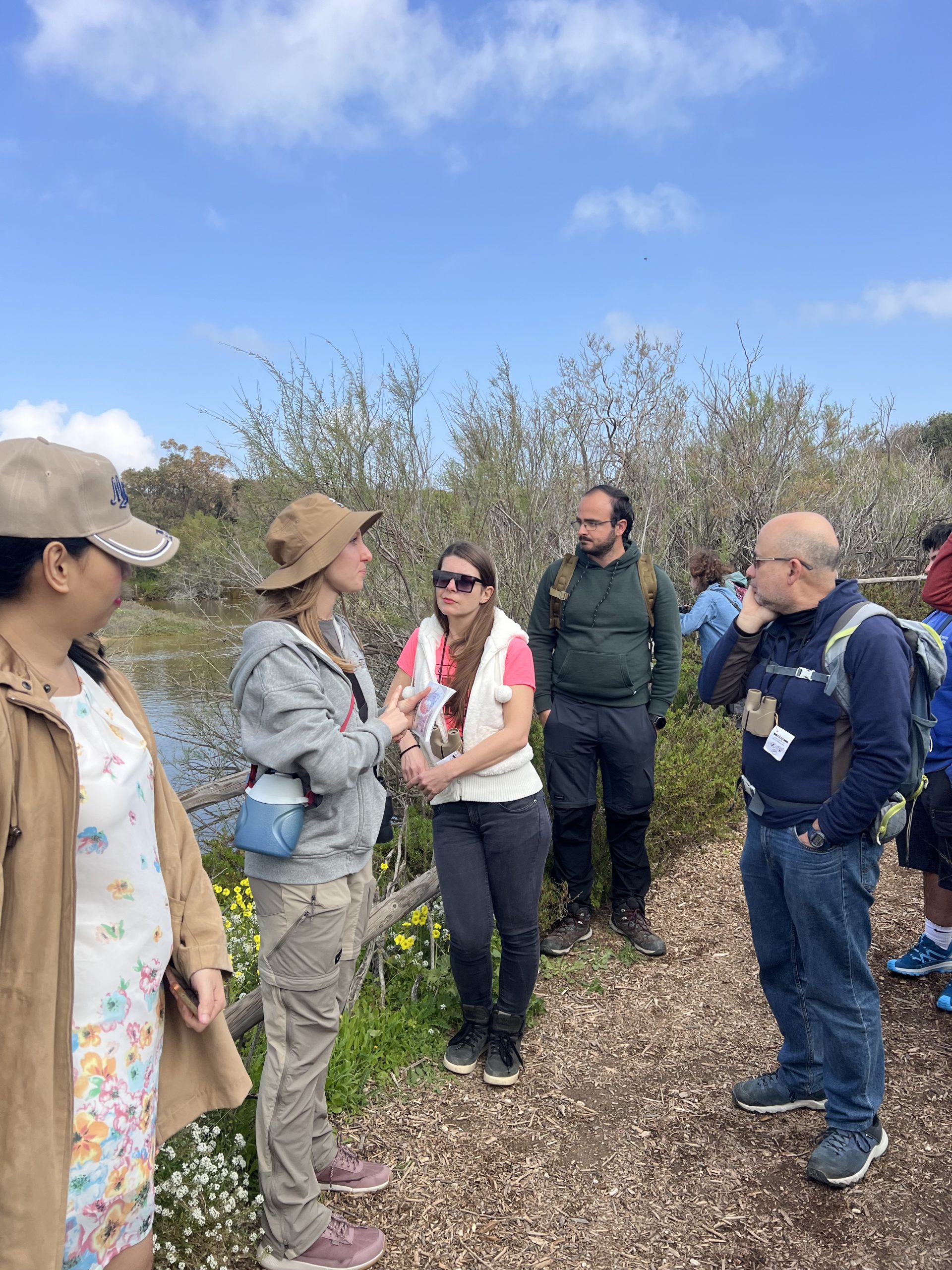
Last month, we also organised Blooming Birds, a special event celebrating Malta’s biodiversity during peak orchid season. We started the day with a guided walk around Għadira Nature Reserve, enjoying nature in bloom and spotting some birds along the way. After the walk, we joined Wild for Orchids Community Malta for a hands-on session focusing on Malta’s native orchids. Participants got the chance to see different species up close and learn more about why they’re so important for our local environment. March is the perfect time to find orchids in Malta, and it was great to see so many people interested in discovering them. A big thank you to everyone who joined us and helped make the event such a lovely experience!
by Giada Lampitelli
by Sára Bezvodová
by Sophia Sammut
Together for the Environment
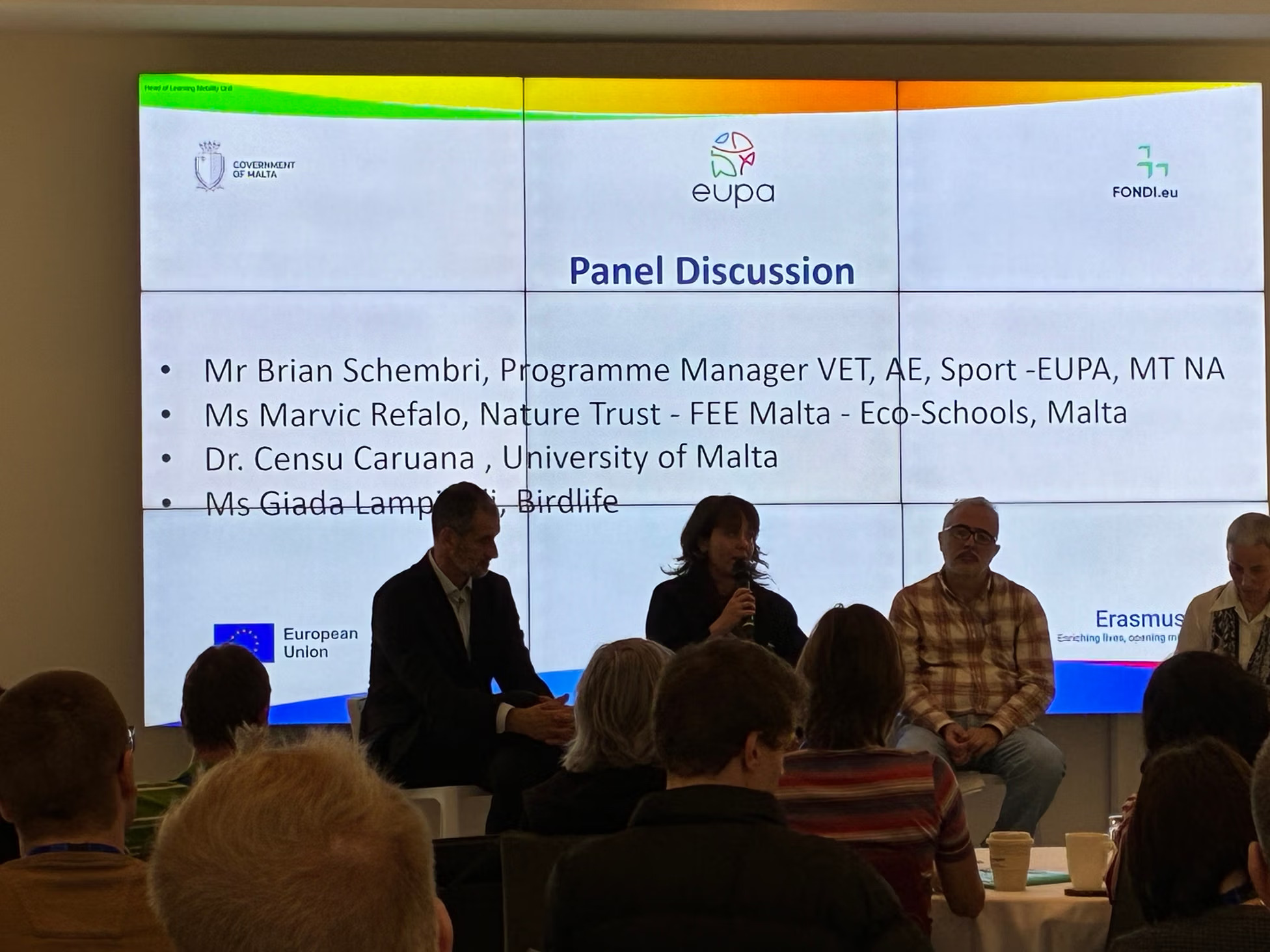
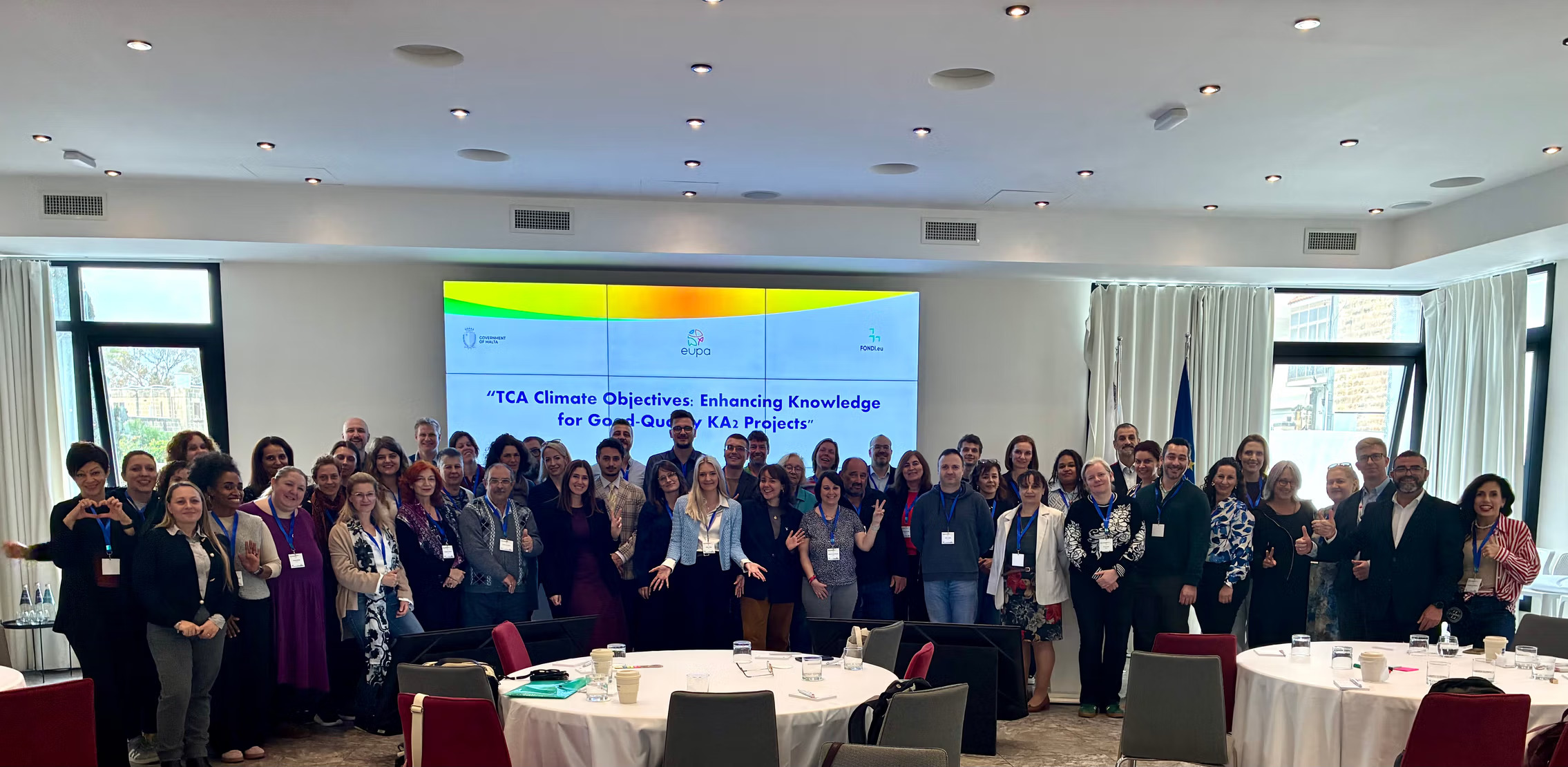
In March, a member of our team joined the “TCA – Climate Objectives: Enhancing Knowledge for Good-Quality KA2 Projects” – organised by EUPA – as one of the event’s panellists. The seminar brought together stakeholders from across multiple sectors – School Education, Youth, Higher Education, and Adult Education – to explore how Erasmus+ Key Action 2 (KA2) projects can more effectively integrate climate objectives, sustainability, and green competencies.
During the panel discussion, we highlighted the importance of collaboration between education and civil society in strengthening the environmental impact of European projects. The exchange of practical tools, resources, and examples of good practice – coming both from Malta and abroad – demonstrated how knowledge sharing and strong partnerships are essential for building more sustainable initiatives.
It was a space for fostering dialogue, innovation, and cross-sector collaboration on climate priorities. Opportunities like this reinforce that embedding sustainability into projects is not only a requirement but a valuable pathway towards meaningful and lasting impact.
by Sabrina Varriale
by Sabrina Varriale
Re-discovering Manoel Island with New Eyes
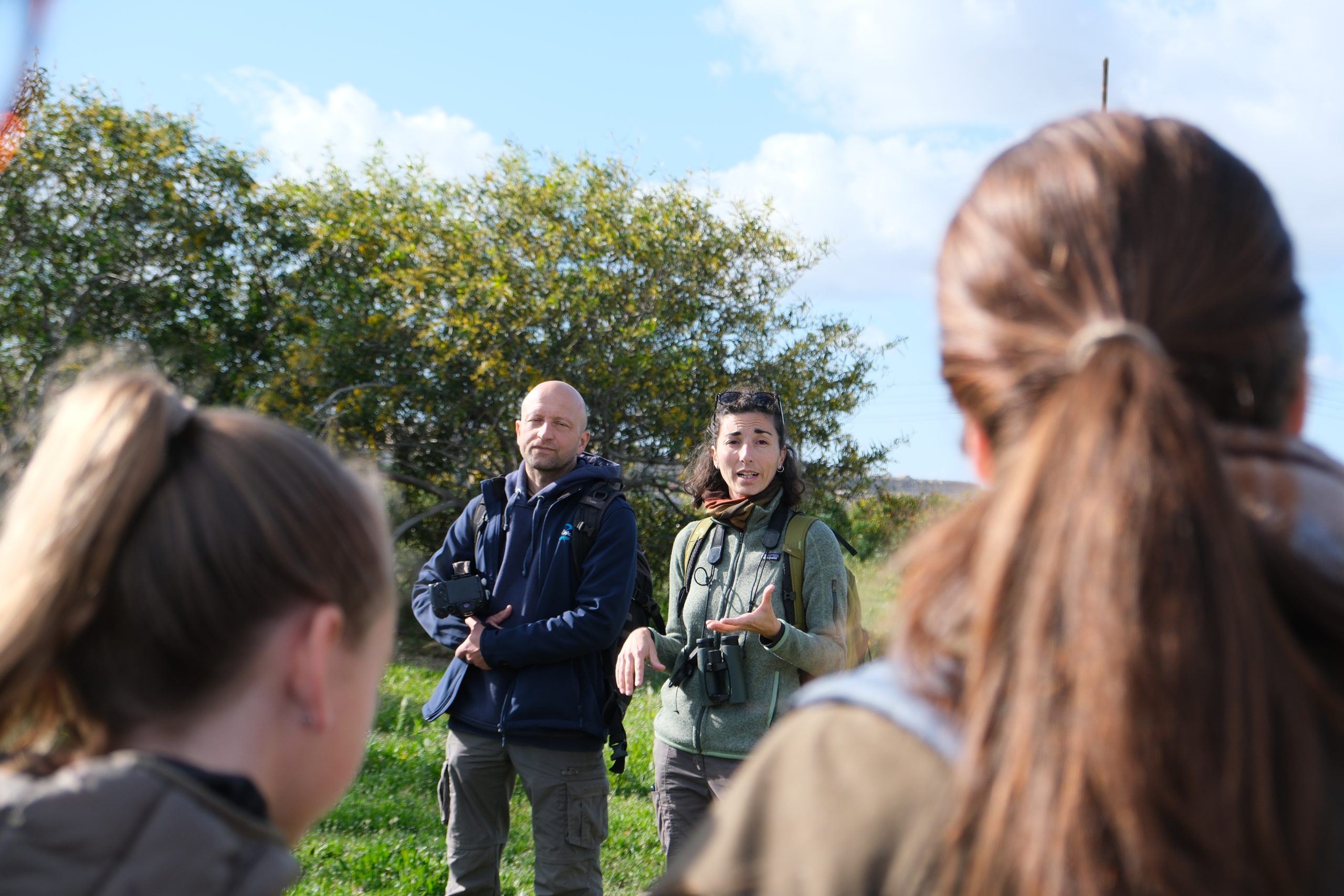
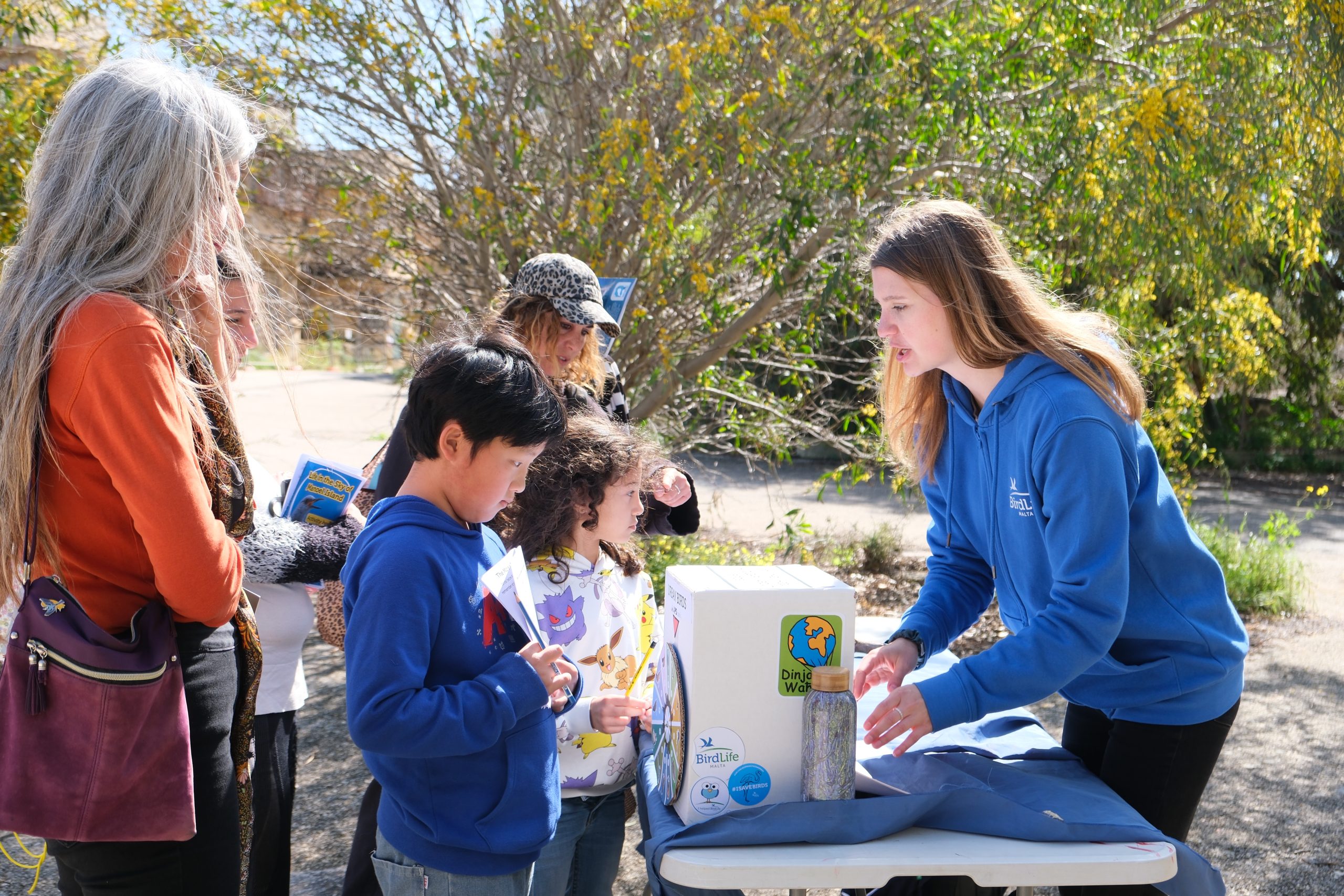
Where were you on St. Joseph Day? If you weren’t on Manoel Island, you missed an amazing day in nature celebrating the Blue Rock-thrush, Malta’s national bird!
BirdLife Malta teamed up with Merilli Malta Project, the Manoel Island: Post Għalina campaign, and APS Bank to create a fun, educational morning. Expert ornithologists from Merilli led a birdwatching walk around the island, sharing fascinating insights about the Blue Rock-thrush and other urban wildlife. They also highlighted the challenges these species face due to human activity. This tied in perfectly with the Post Għalina campaign’s work to keep Manoel Island a green, public space for both wildlife and people to enjoy.
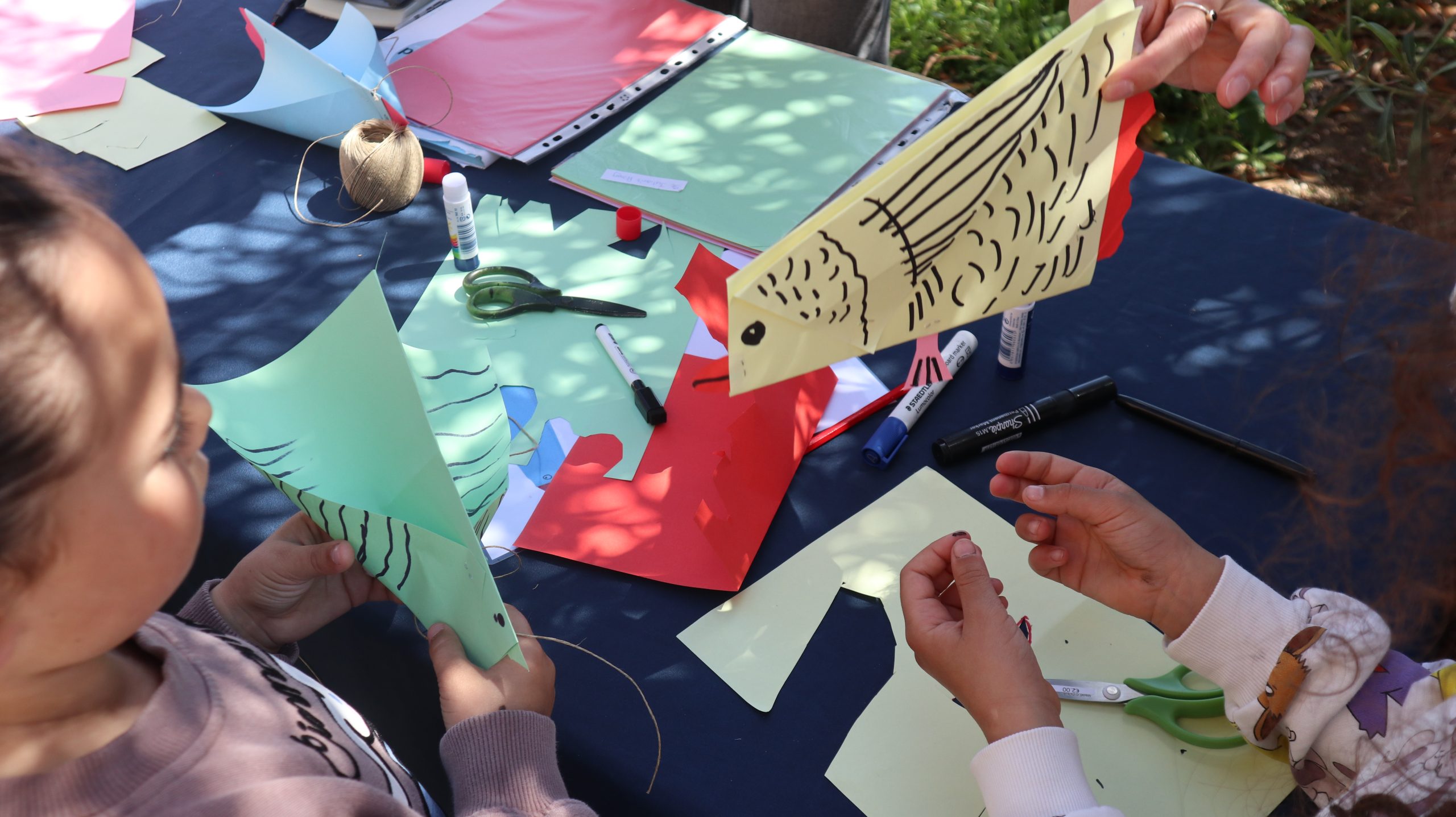
After the walk, families had the chance to explore the island a bit more, looking for the interactive stands and activities scattered around, completing challenges and earning a small reward at the end of their journey. From creating bird crafts to testing memory and senses, participants had plenty to enjoy!
by Antonia Micallef
by Andrea Crudo
by Antonia Micallef
Waiting for Easter with a Wild Quest
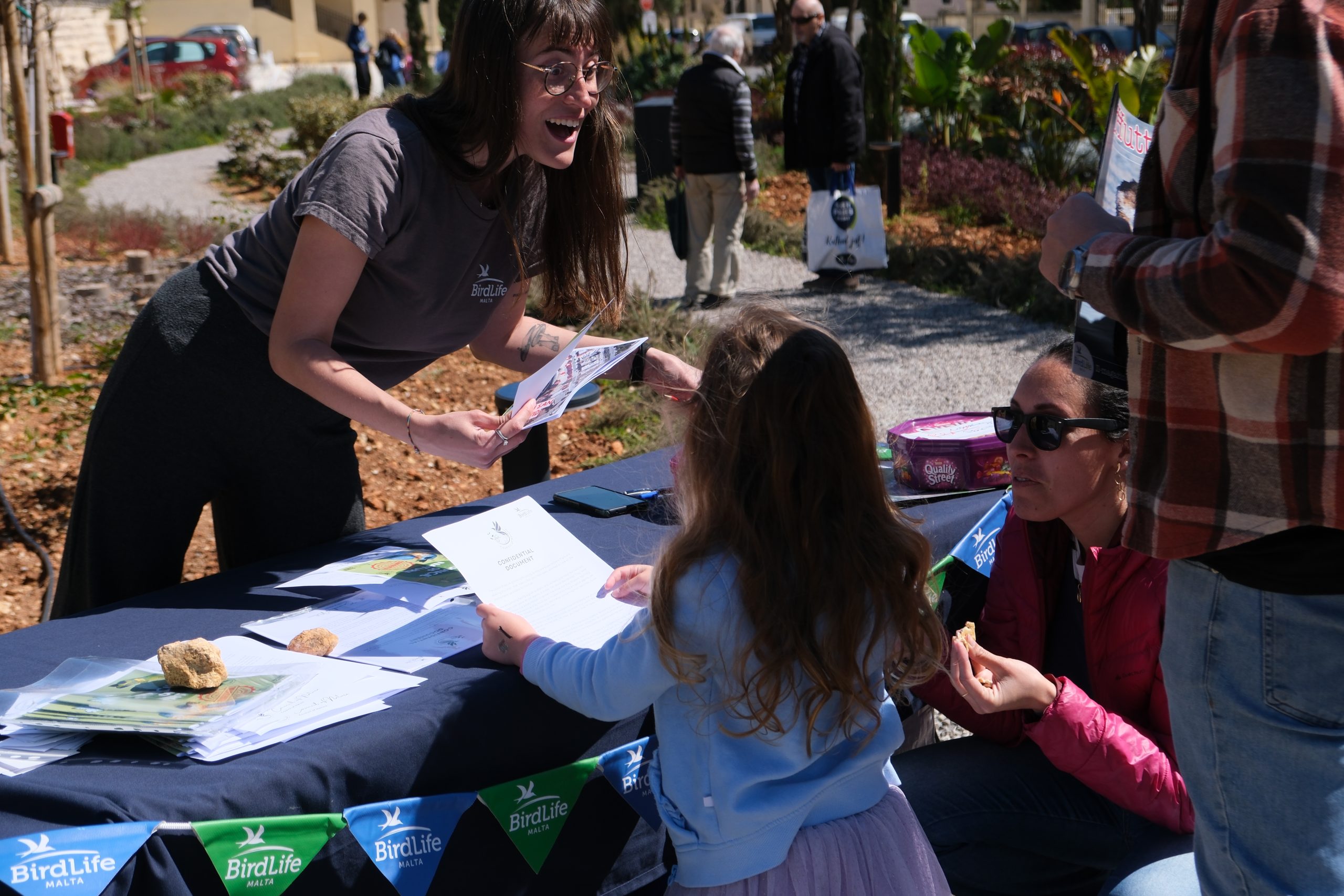
What’s better than a sunny day in a lovely park? A sunny day, in a lovely park, on a quest!
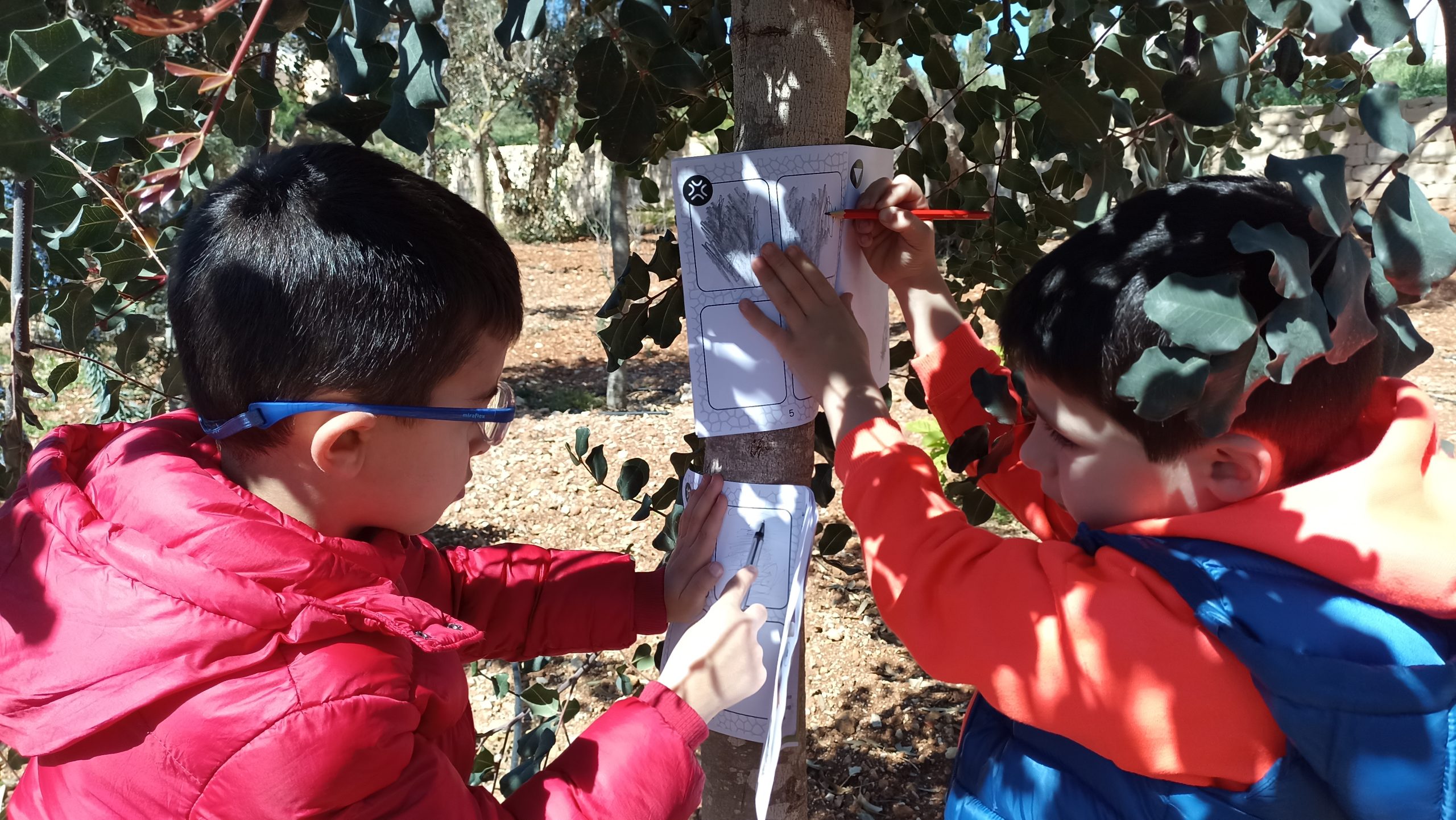
Thanks to the support of Project Green, kids and families joined us in Ġnien San David, Pembroke, for an exciting adventure. Each one of the participants received a super-secret letter from the Council of Nature and a mission: to find all the missing agents hidden in the park!
During their quest, kids had the opportunity to learn something new about wildlife, while also training their observational and manual skills. After completing all their tasks, everyone was rewarded with some prizes and chocolate eggs to celebrate their success and the upcoming Easter. Thanks to the kind and warm weather, families could stay in the park to enjoy their day even more, playing and chatting together: a true heartwarming sight!
by Nadia Sodano
by Lisa Ciantar
Sun, Nature and Walk
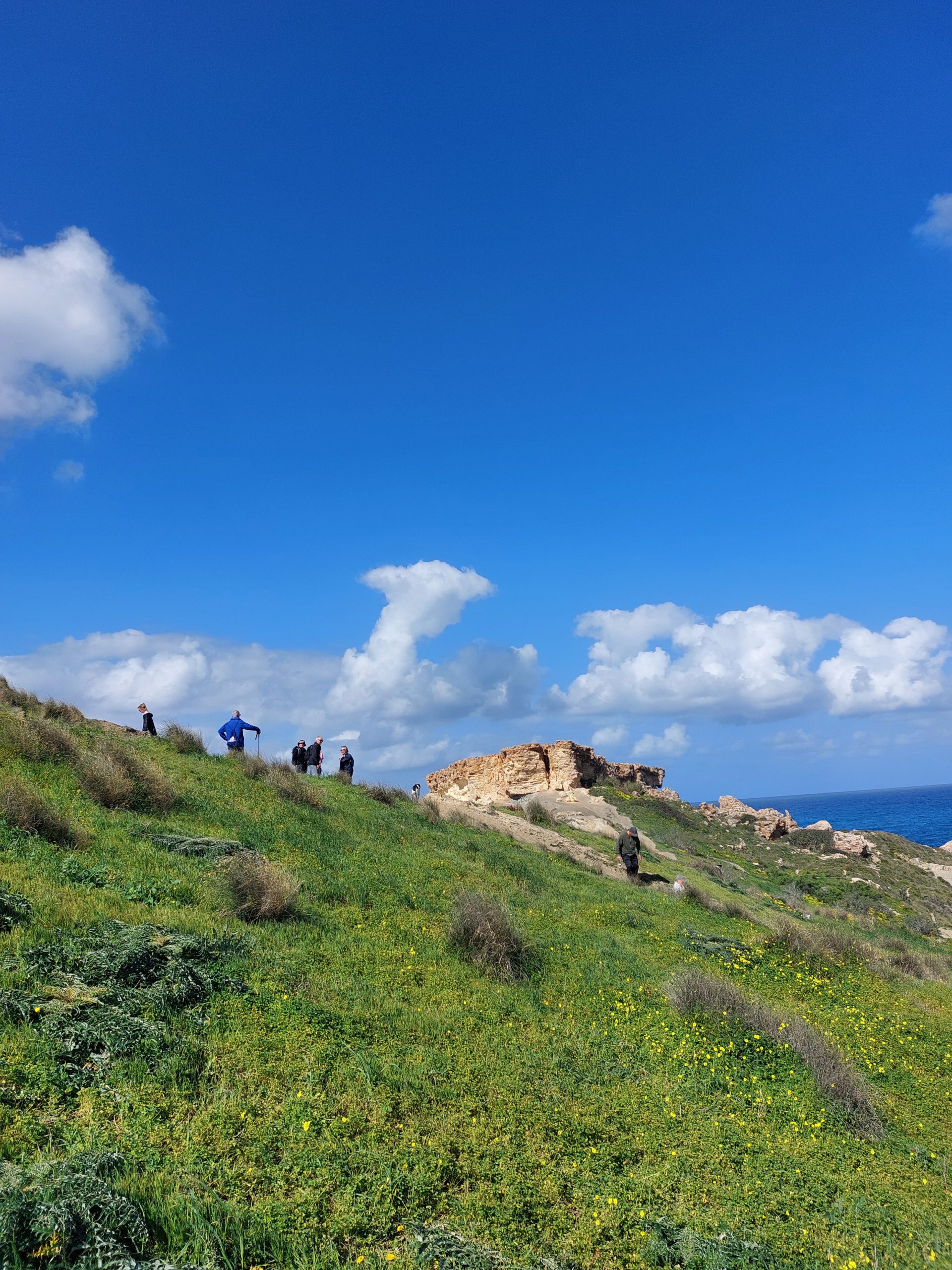
With a small group of nature enthusiasts, we embarked on a hike around Malta’s northwestern bays. Our journey began in Mġarr towards the Lippija tower overlooking Ġnejna Bay and following the coastline towards the Għajn Tuffieħa Bay. The weather was bright and breezy, and we spent three beautiful hours enjoying nature. Although the trail presented some steep descents, the dry, firm ground made it much easier to traverse than it would be in wet conditions. On the way back, we passed through a scenic countryside, where we had the chance to grasp the arrival of spring migration with our own eyes, with sightings of Barn Swallows and even a raptor soaring overhead. All in all, it was a memorable walk, connecting us more with Maltese nature.
by Sofia Meskhidze
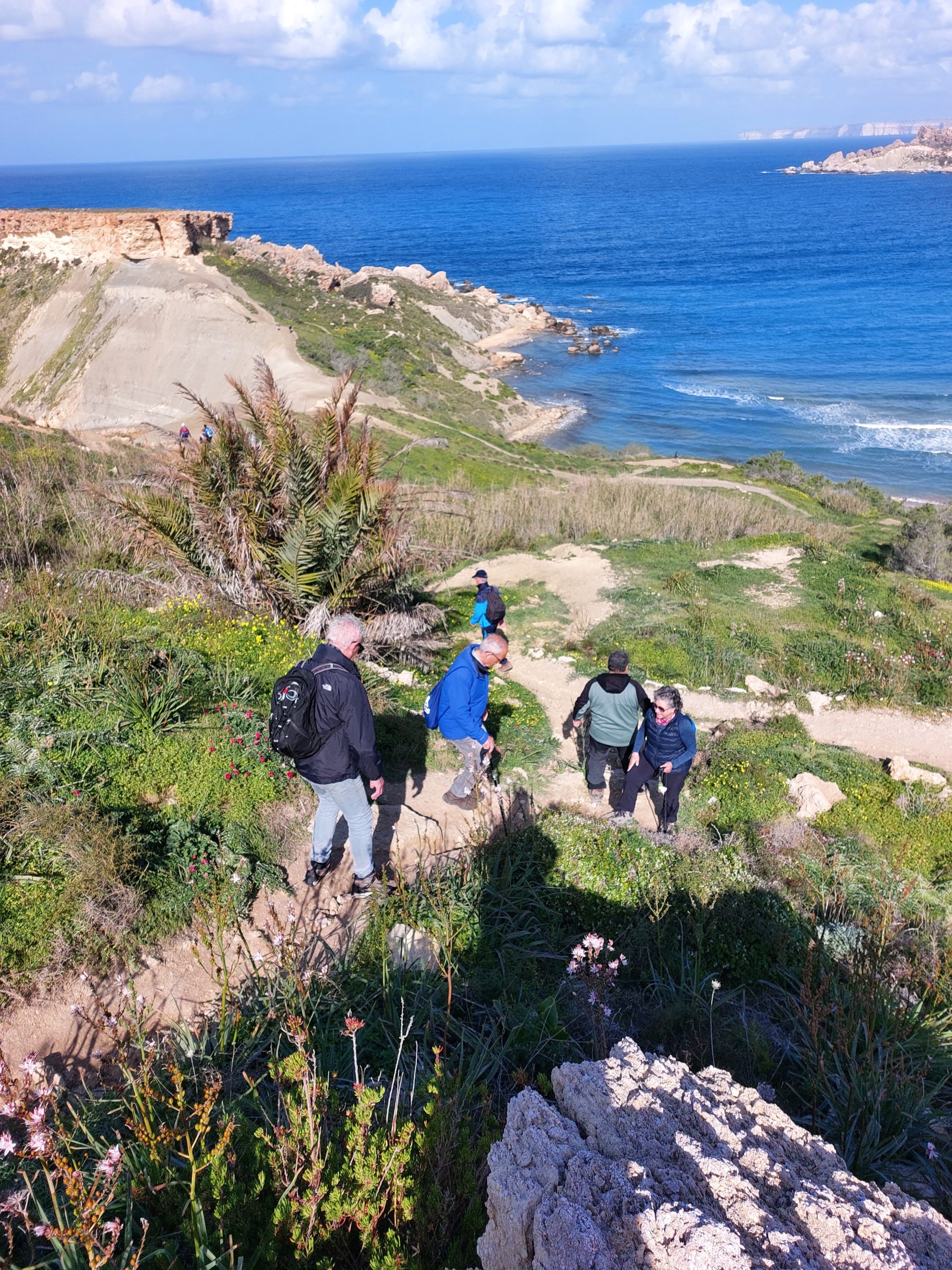
by Sofia Meskhidze
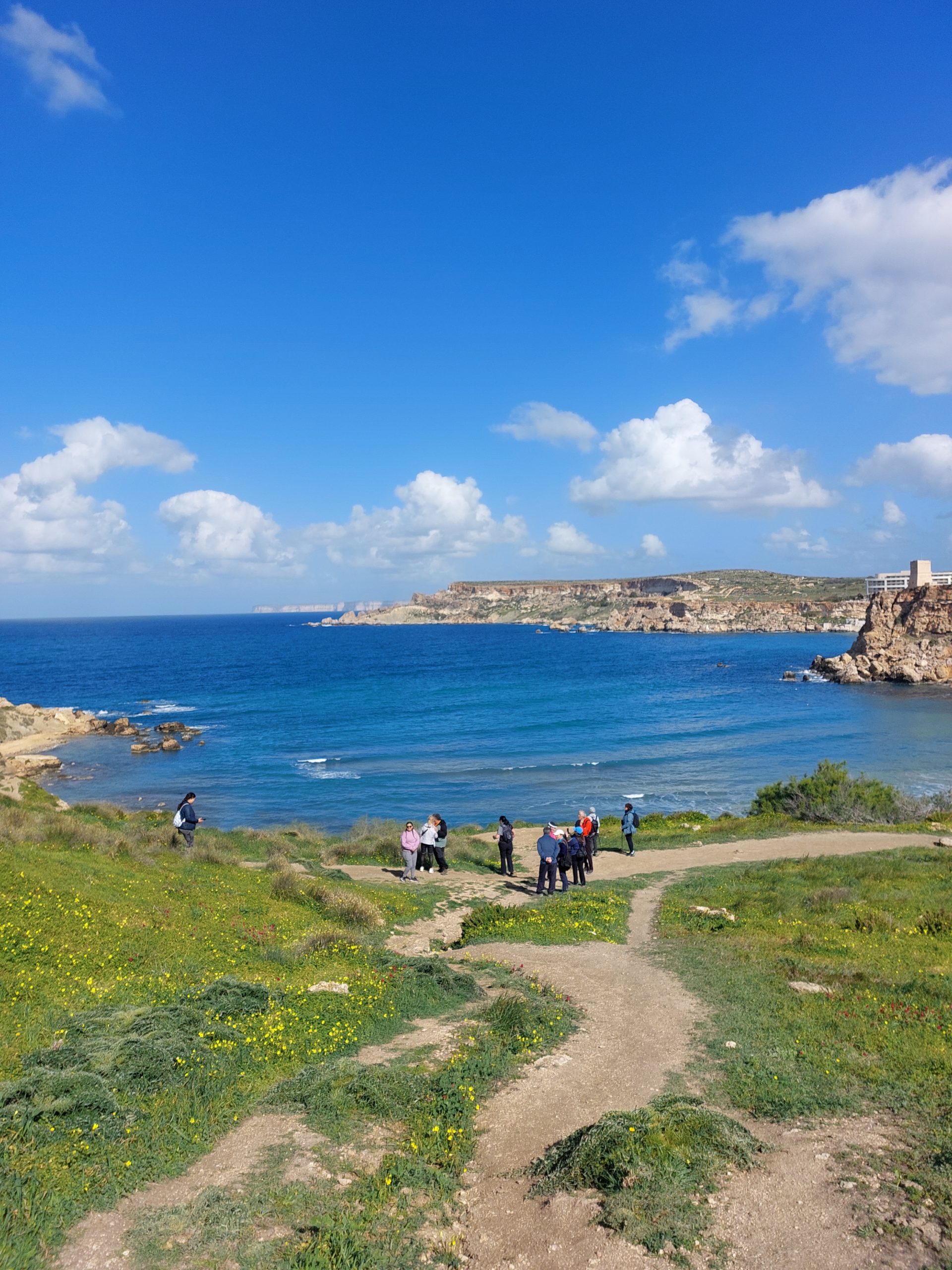
by Sofia Meskhidze
Celebrating Maltese Bird Photography with Aron Tanti
A wonderful evening at Sip, Soak & Savour on 1 April at Salina, celebrating Aron Tanti’s “A hundred experiences of a bird photographer in Malta“. Those who pre-ordered the book had the opportunity to meet Aron, hear about the experiences behind his photography, and get their copies signed – a great way to bring this publication to life!
A reminder to those who pre-ordered: your books are ready for collection from your selected location. For anyone who missed the pre-order, copies are still available for purchase at our Nature Reserves at €20 each. Thank you to everyone who joined us and supported this publication.
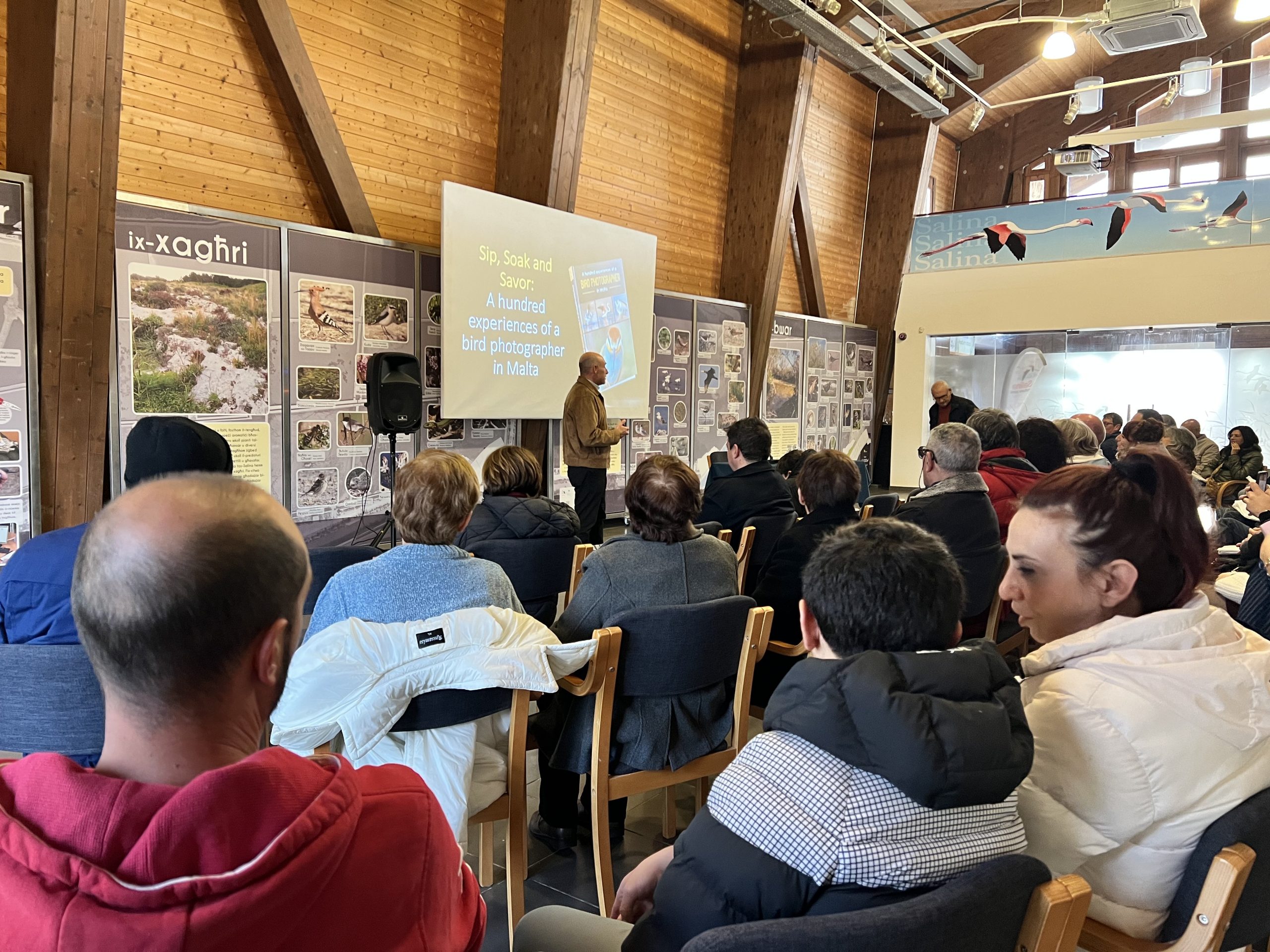
by Antonia Micallef
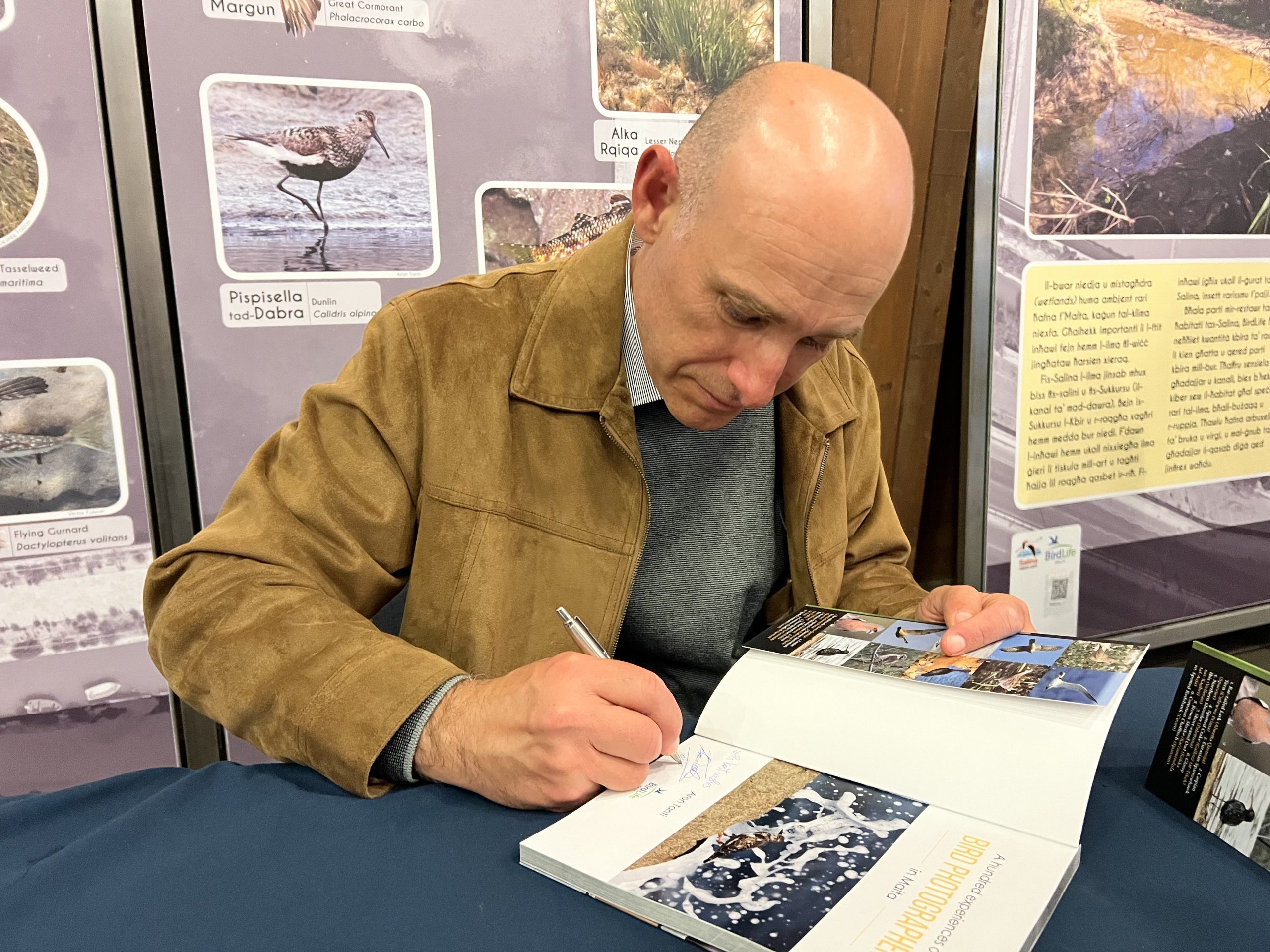
by Antonia Micallef
New Wildlife Photography Grant for Emerging Talent
BirdLife Malta member Johan Siggesson has launched an annual Wildlife Photography Grant to support aspiring photographers and students interested in documenting the natural world. The initiative offers a $500 award and is open to applicants at no cost. Based in Malta, Siggesson is known for his fine art wildlife photography, particularly of African species. This opportunity may benefit young creatives within the BirdLife Malta community seeking to develop their skills in nature photography. More details are available on his official website.
Credits
Text: David Attard, Sára Bezvodová, Justine Borg, Charles Coleiro, Anja Finke, Giulia Galvani, Shaun Isherwood, Giada Lampitelli, Iñaki Leunda, Sofia Meskhidze, Antonia Micallef, Stefano Miceli, Nadia Sodano, Vera Tokmakova, Vittoria Turone
Editing: Nadia Sodano