
On the frontlines is our monthly newsletter section covering the activities of BirdLife Malta’s conservation, policy, nature reserve (Salina, Simar, Għadira and Foresta 2000), seabird and public engagement teams, together with an update about rare and scarce bird species observed.
Finch Trapper Loses Licence for Three Years
Back in November 2023, members of the Conservation team reported an active finch-trapping site to the police because it was unregistered. EPU officers and WBRU officials responded to the report and confiscated the trapper’s equipment, including several live finches. The case was finally concluded in February 2026, with the trapper receiving a €1,200 fine and a three-year suspension of his trapping licence.
Wader Trapper Fined and Disqualified
In December 2024, BirdLife Malta and Malta Ranger Unit joined forces and carried out trapping surveillance operations during the night. They heard electronic Golden Plover and Northern Lapwing callers coming from an area in St Thomas Bay, Marsaskala and reported it to the EPU. Officers found a man actively trapping at 04:00 and confiscated two electronic callers and dismantled two trapping sites. The trapper was fined €1000 and disqualified from bird trapping activities for two years.
Hunters Receive Lifetime Bans
In February 2026, two hunters received hunting licence suspensions for life after BirdLife members reported them to the police.
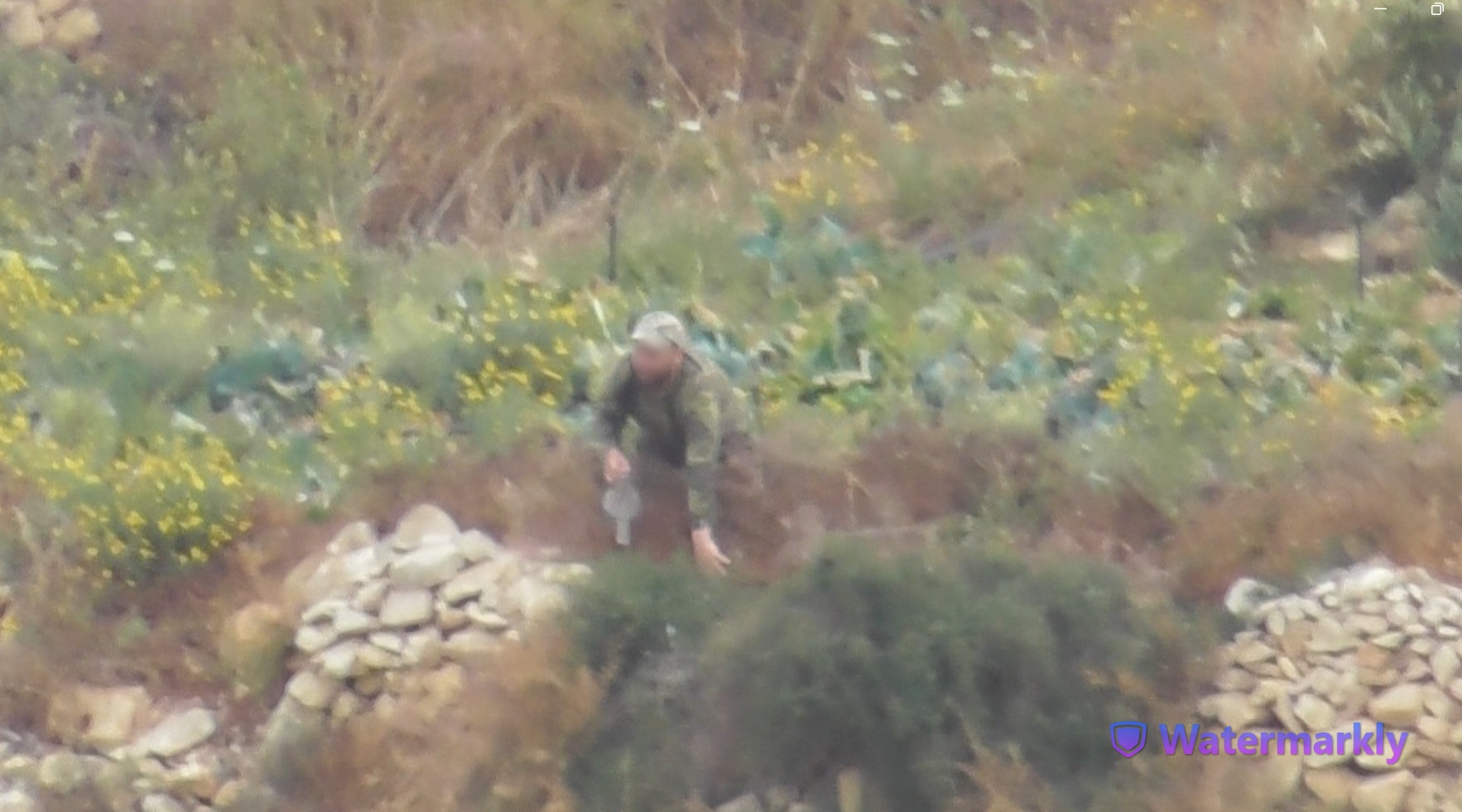
The first incident refers to a hunter who was seen actively hunting within the protected boundary of Għadira Nature Reserve in April 2024. While a BirdLife team was watching the hunter, he was seen shooting and picking up a European Turtle-dove within the protected zone. He was given a one-year prison sentence suspended for two years and was disqualified from bird hunting for life.
The second incident refers to a hunter who was found in possession of several freshly killed bird species, namely Eurasian Golden Oriole, Common Hoopoe, Tree Pipit and Wood Sandpiper (which is classified as an Annex 1 species, and therefore has a higher level of protection). EPU officers also found an active cage trap on the man’s land, which had 21 European Turtle-doves and one Eurasian Collared-dove inside. This hunter was fined €6000 and received a lifetime hunting ban.
Hunter Fined For Shooting a Eurasian Collared-dove
In April 2024, a BirdLife team saw a hunter shooting and killing a Eurasian Collared-dove within 200 metres of the nearest residential area in Marsaskala. In February 2026, the hunter was fined €1400 and received a bird hunting licence suspension for two years.
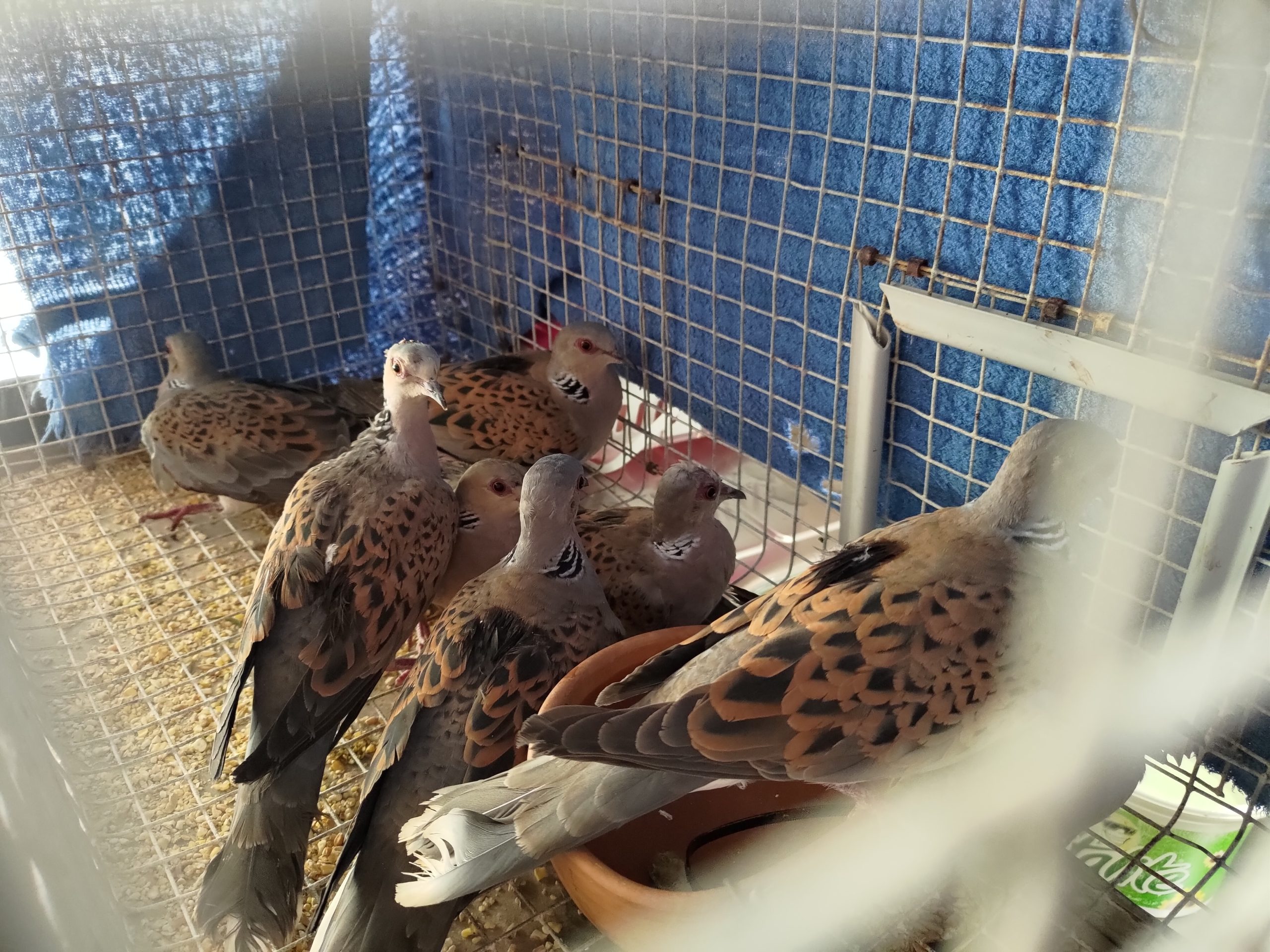
Photo taken after the birds were given to BLM for rehab on 21/04/2024
Rehabilitation and Releases
This past month was very important for BirdLife Malta’s Rehabilitation team, as the end of the hunting season allowed several rehabilitated birds to return safely to the wild. Many of them had been admitted after being shot or illegally trapped, making their release the successful conclusion of months of care.
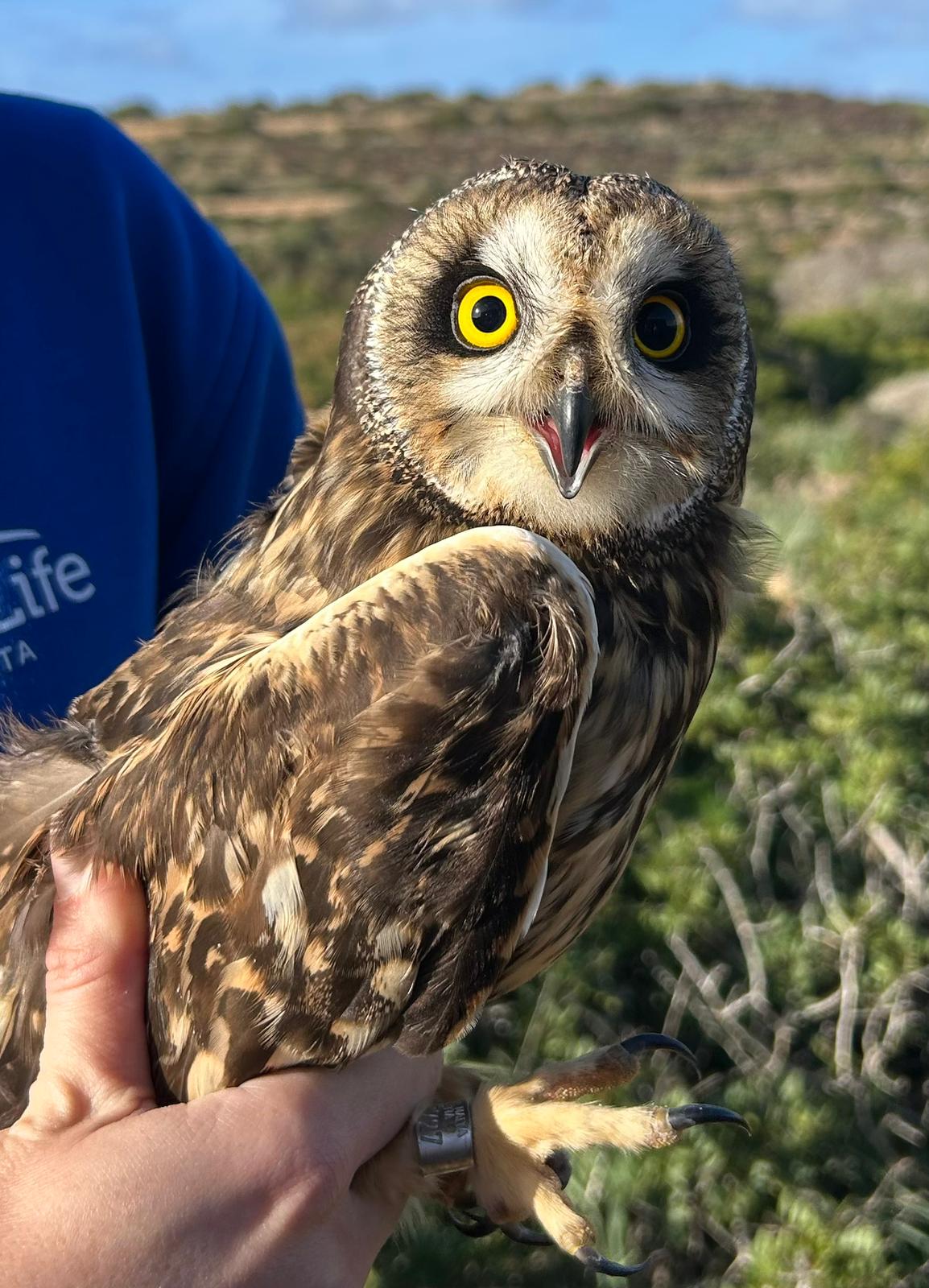
Early in the month, a Short-eared Owl was released in Comino. Found on the ground in Żurrieq with a fractured wing caused by gunshot, it underwent careful rehabilitation – first in a small cage to stabilise the injury, then in a larger aviary to rebuild muscle strength and flight. The owl was ringed and tagged before release, enabling post-release monitoring of its movements.
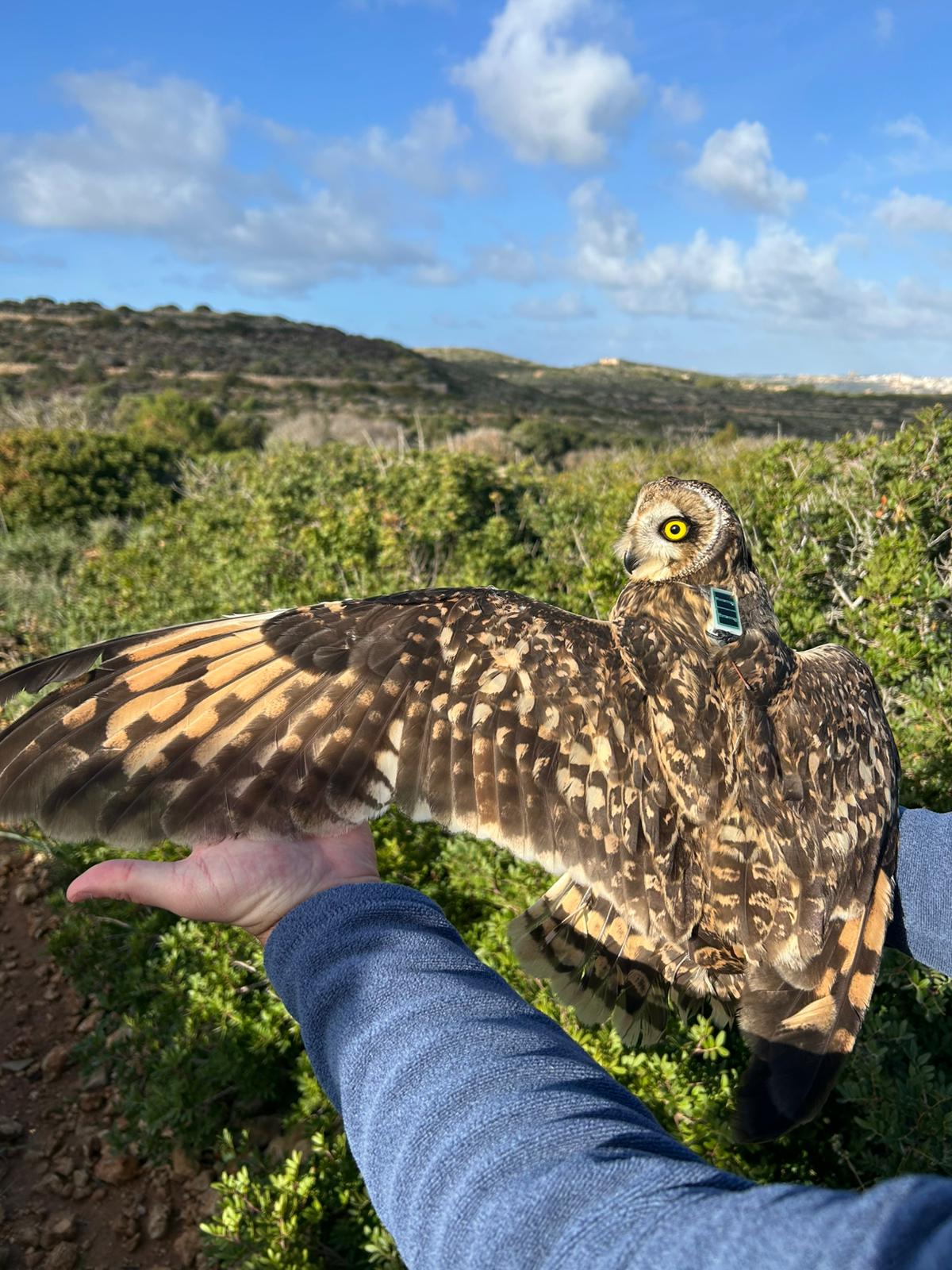
by Anja Finke
by Anja Finke
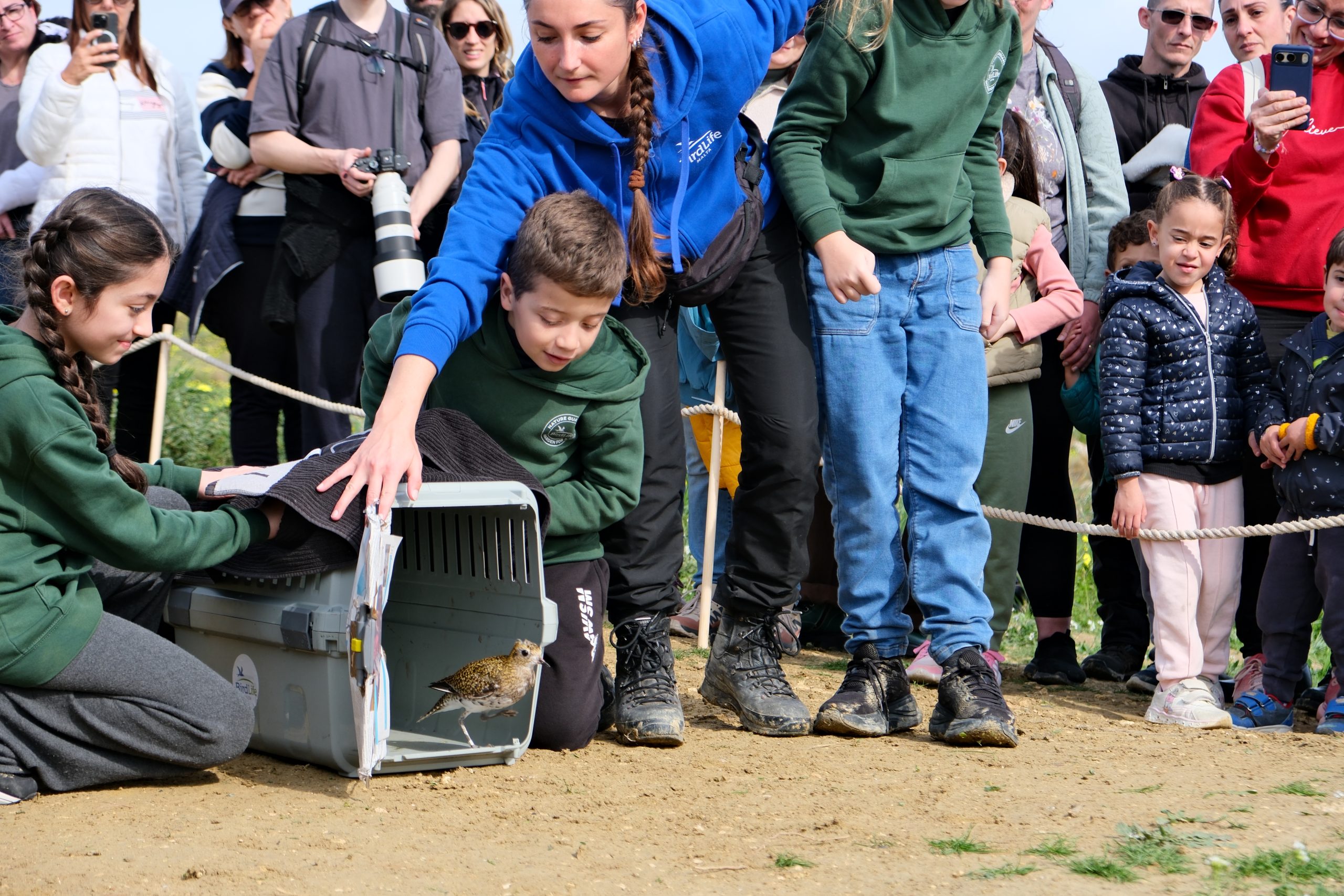
On 10 February, a total of 14 birds were released at Foresta 2000 Nature Reserve. This included five Song Thrushes, a Eurasian Dotterel, and six Eurasian Golden Plovers rescued from illegal trapping sites. All the birds were underweight and showed injuries or signs of poor housing and management, including cut feathers. Rehabilitation focused on restoring body condition, promoting feather regrowth, and rebuilding flight capability through controlled diets, vitamin supplementation, and gradual transfer to larger aviaries.
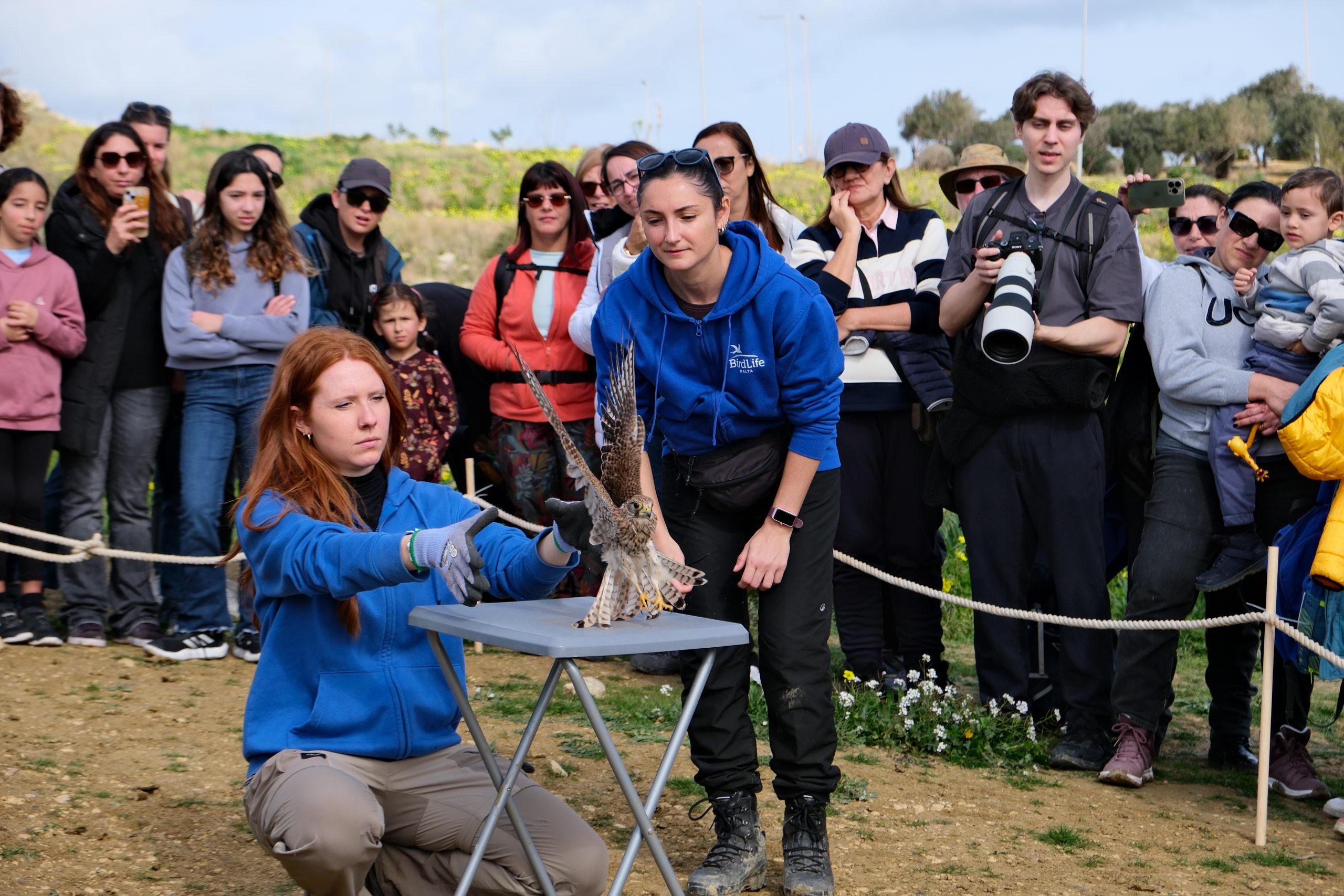
Finally, two Common Kestrels were successfully released after being found injured in Gozo and Baħrija. Both had been shot and underwent careful rehabilitation, starting in a small cage to allow healing, followed by time in a flight tunnel to rebuild muscle strength and coordination. Before release, they were ringed and tagged for post-release monitoring.
by Nadia Sodano
by Nadia Sodano
New Volunteers Join the Seabird Team!
We’re excited to welcome two new team members who have joined our Seabirds team for the year ahead! They are currently undergoing training to develop the skills needed to become effective Conservation Assistants, supporting our ongoing monitoring and conservation work. As part of their preparation, they also completed an abseiling course. This essential training will allow them to safely access some of Malta’s more remote seabird colonies alongside the rest of the team, ensuring we can continue monitoring these important sites.
Fieldwork Season Begins with Biosecurity Measures and Monitoring Equipment Deployment
Our fieldwork season is now underway, starting with key biosecurity actions to protect vulnerable colonies. The team has placed rodent bait stations in sensitive and strategic areas near seabird breeding sites. These stations will be monitored regularly over the coming months to help reduce the risk posed by invasive rodents.
At the same time, sound recorders have been deployed in key locations to capture seabird vocalisations. These recordings will provide valuable insights into colony activity and will support our ongoing conservation work.
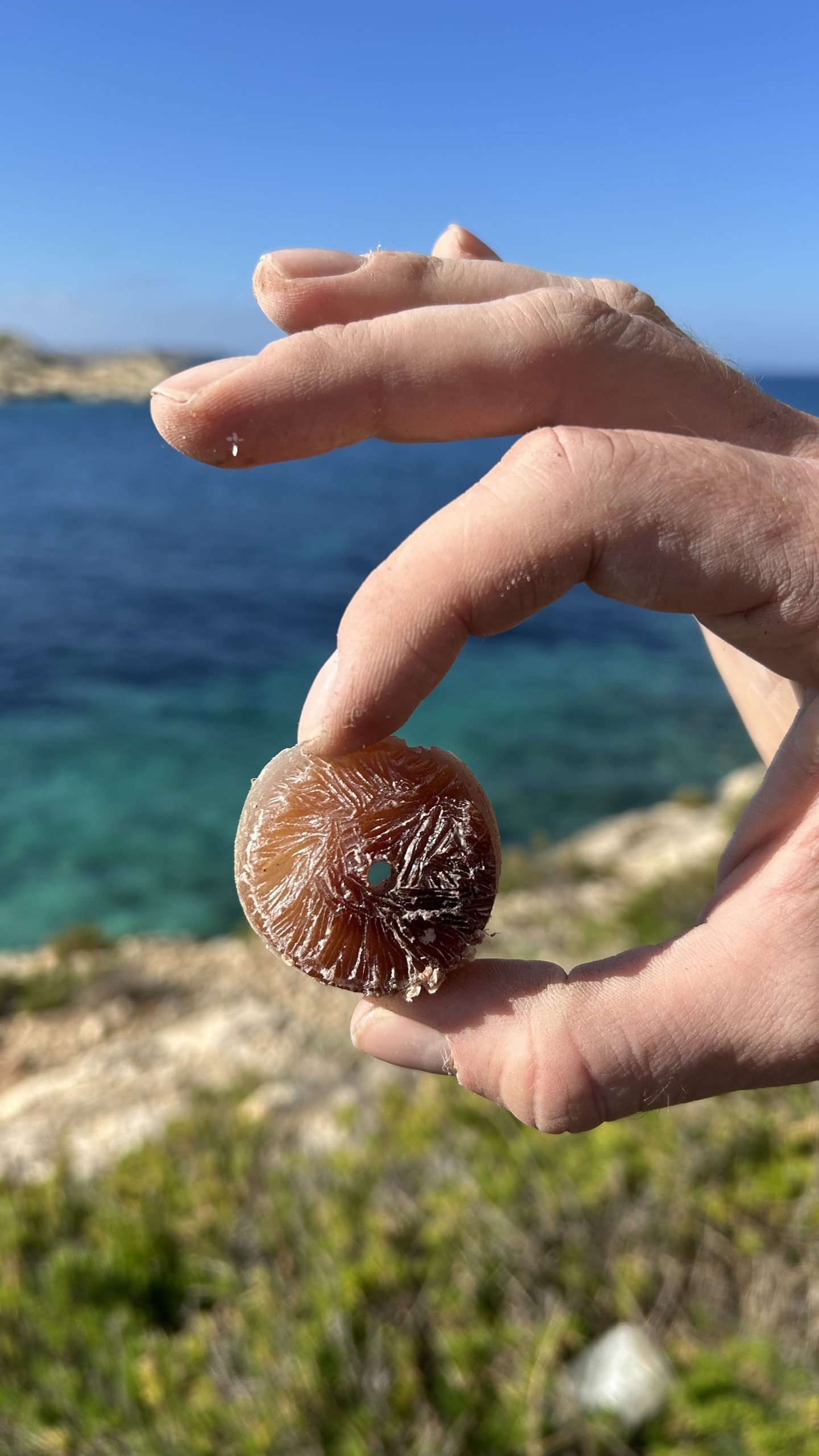
by Vittoria Turone
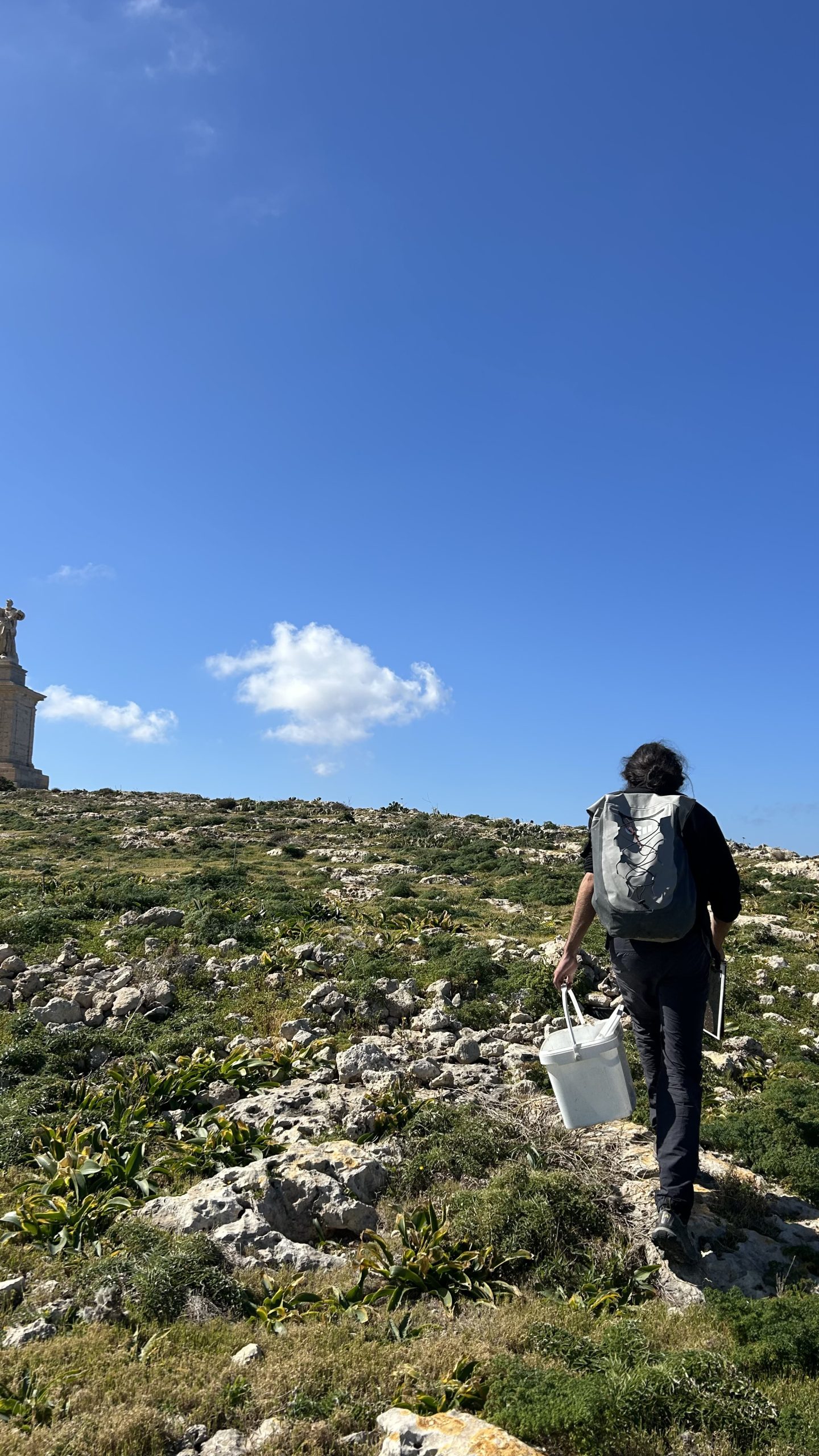
by Vittoria Turone
Follow our LIFE PanPuffinus! project on our website and social media!

Feedback to Public Consultation on the Regeneration of Għar Lapsi
Following the destruction caused by Storm Harry, a public consultation was launched on the regeneration of Għar Lapsi in February. BirdLife Malta participated in this process and, while recognising the importance and urgency of regenerating the area, reminded the Ministry for Transport, Infrastructure and Public Works (MTIP) of its significant ecological value. Għar Lapsi supports colonies of Yelkouan and Scopoli’s Shearwaters, as well as the largest Mediterranean colony of European Storm-Petrel located on the islet of Filfla, directly opposite Għar Lapsi. The site forms part of the Natura 2000 network due to the presence of these internationally important species.
In light of this, we recommended that impacts on these colonies should be avoided and minimised, with comprehensive light and noise abatement measures fully integrated into the regeneration plan. A robust waste management system should also be included to reduce the attraction of rodents, which significantly affect seabird colonies by preying on eggs and chicks. Finally, we called for the management and relocation of feral cat colonies – among the most environmentally harmful invasive predators – to appropriate facilities where they can be properly cared for.
The regeneration of Għar Lapsi presents a valuable opportunity to integrate environmental considerations that benefit both local communities and the coastal ecosystem. We sincerely hope this project will serve as a model for environmentally responsible coastal regeneration.
Read our full feedback here.
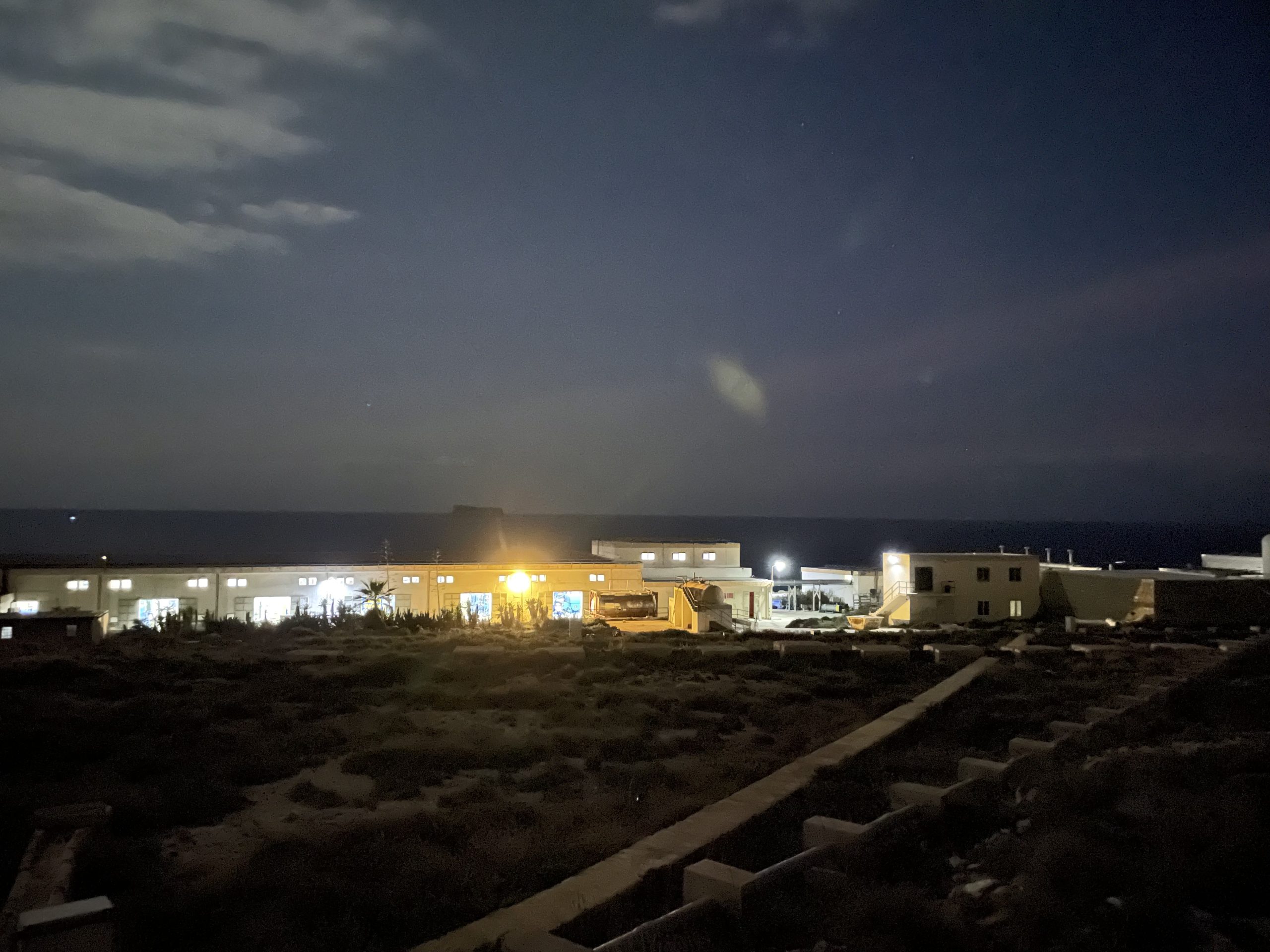
by Martin Austad
Objections to Major Development Proposals Threatening Natura 2000 Sites in Mellieħa and Xlendi
BirdLife Malta has formally objected to three separate development proposals that pose significant risks to protected Natura 2000 sites in Mellieħa and Xlendi.
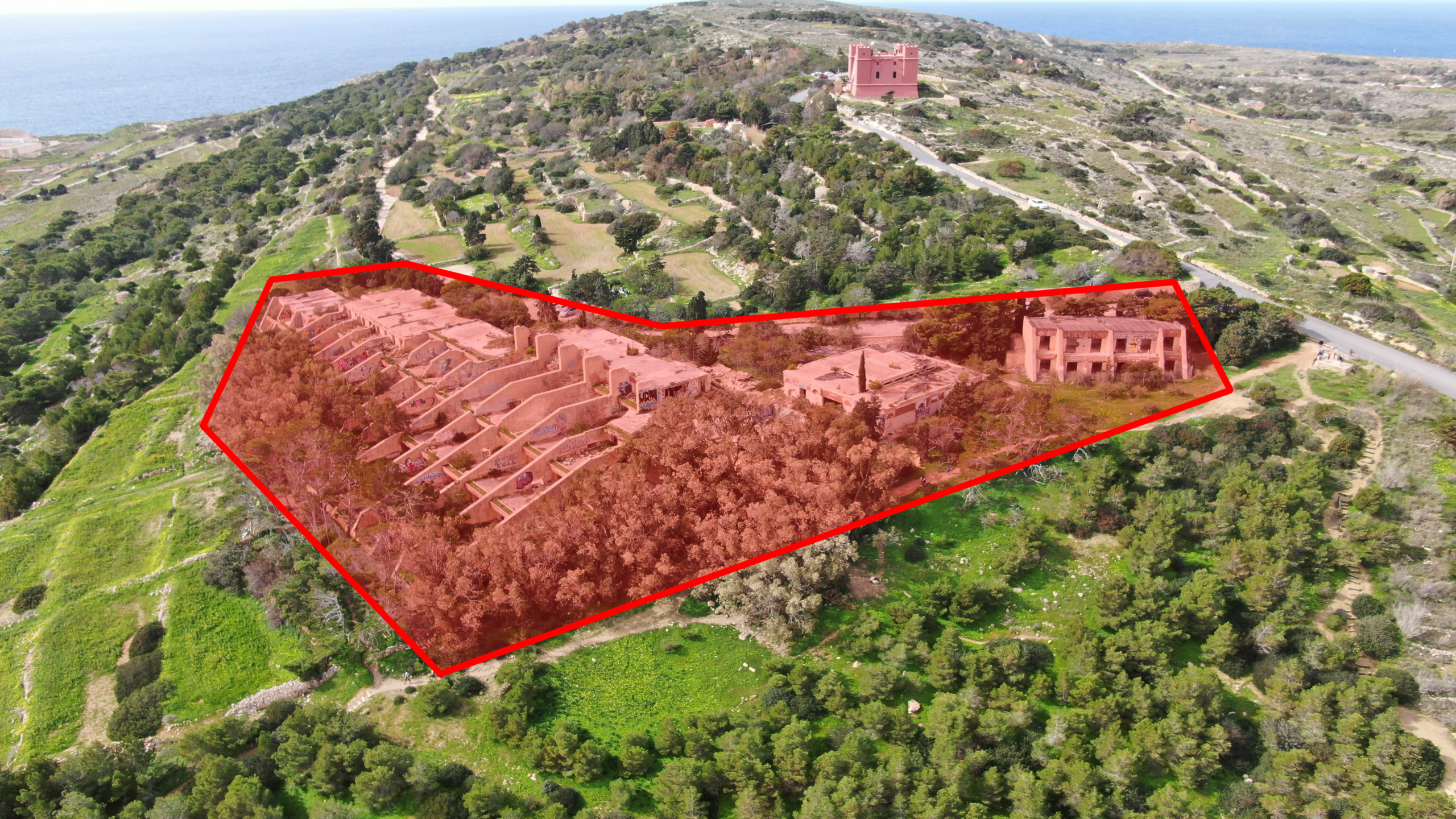
In Mellieħa, we opposed the reconstruction of the former Festeval Hotel (PA/00154/26). The application proposes the redevelopment of the hotel, a structure built in the 1980s that never operated successfully due to structural instability. Developers are now seeking to reconstruct this long-abandoned building into a fully operational hotel in the heart of a Natura 2000 area. BirdLife Malta has strongly objected to and condemned this proposal. Beyond contradicting several planning policies and international legal obligations, such development would undermine the ecological integrity of the site and threaten the biodiversity it supports. Rather than intensifying development, the dilapidated structure should be removed and the area restored to its natural state for the benefit of biodiversity and the public.
In Xlendi, we objected to a proposed water reservoir within the Natura 2000 site ‘L-Inħawi tax-Xlendi u tal-Wied tal-Kantra’ (PA/00176/26), as well as to an apartment development bordering both this site and ‘Rdumijiet ta’ Għawdex: Il-Ponta ta’ Ħarrux sal-Bajja tax-Xlendi’ (PA/00199/26). The reservoir would disrupt the natural hydrological processes of Wied tax-Xlendi, undermining both site integrity and restoration opportunities. Meanwhile, the residential development threatens sensitive cliff habitats and a breeding colony of Scopoli’s Shearwater, which is highly vulnerable to disturbance from noise, artificial lighting and increased human activity.
In all three cases, BirdLife Malta has urged the Planning Authority to refuse these applications and to prioritise the long-term protection and restoration of these ecologically sensitive habitats.
Read our full objections here:
· Objection to reconstruction of Festeval hotel in Foresta 2000 (PA/00154/26)
· Objection to water reservoir in a Natura 2000 site, Fontana Gozo (PA/00176/26)
· Objection to construction of apartment block in Xlendi (PA/00199/26)
Salina Nature Reserve
Sightings
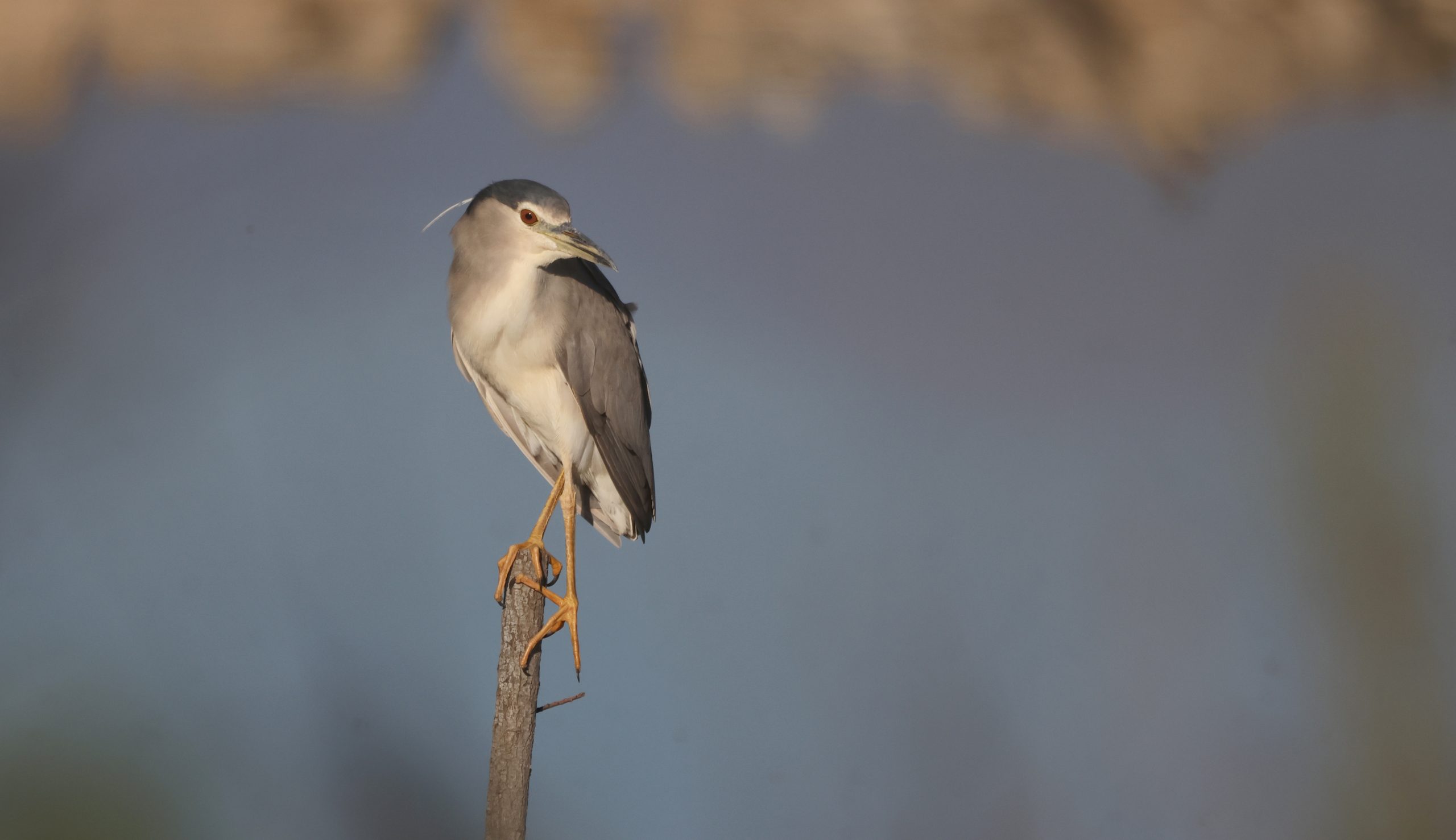
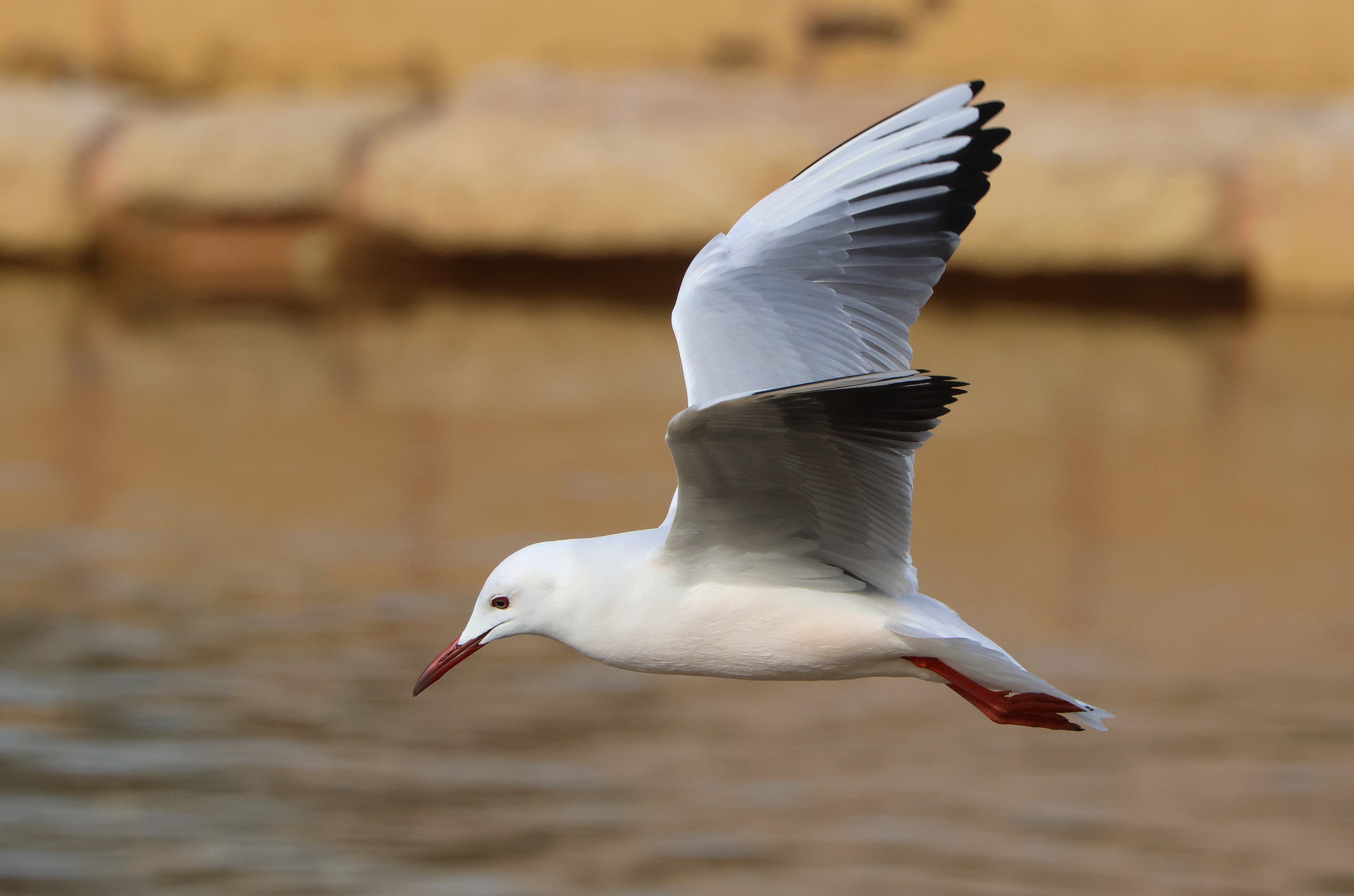
Nature has been particularly generous with us this month. Among numerous bird sightings, we were excited to observe 14 Slender-billed Gulls and three Black-crowned Night-herons visiting the reserve – an encouraging sign of the richness of our ecosystem.
Works
This month we were proud to host the second event of our ROOTED project focused on inclusion and aiming to connect older generations with nature through shared experiences. The event was a great success, creating a space where stories, knowledge, and the natural environment came together in a truly inspiring way.
Our team was also fortunate to welcome two wonderful volunteers from Ireland. Their energy, dedication, and support have been invaluable, and we are grateful for the international spirit they brought to Salina.
As always, Salina continues to attract visitors from all across Europe. Guests have been enjoying not only the beauty of the salt pans but also our growing range of products, including new salt blends such as our popular bath salt mixes. It’s always a pleasure to share our work and passion with people from different cultures and backgrounds.
Behind the scenes, our team continues its important research activities, focusing on plants, insects, and water systems. This ongoing work is essential to preserving the delicate balance of Salina’s environment and ensuring its future for generations to come.
by Aron Tanti
by Mario V. Gauci
Għadira Nature Reserve
Sightings
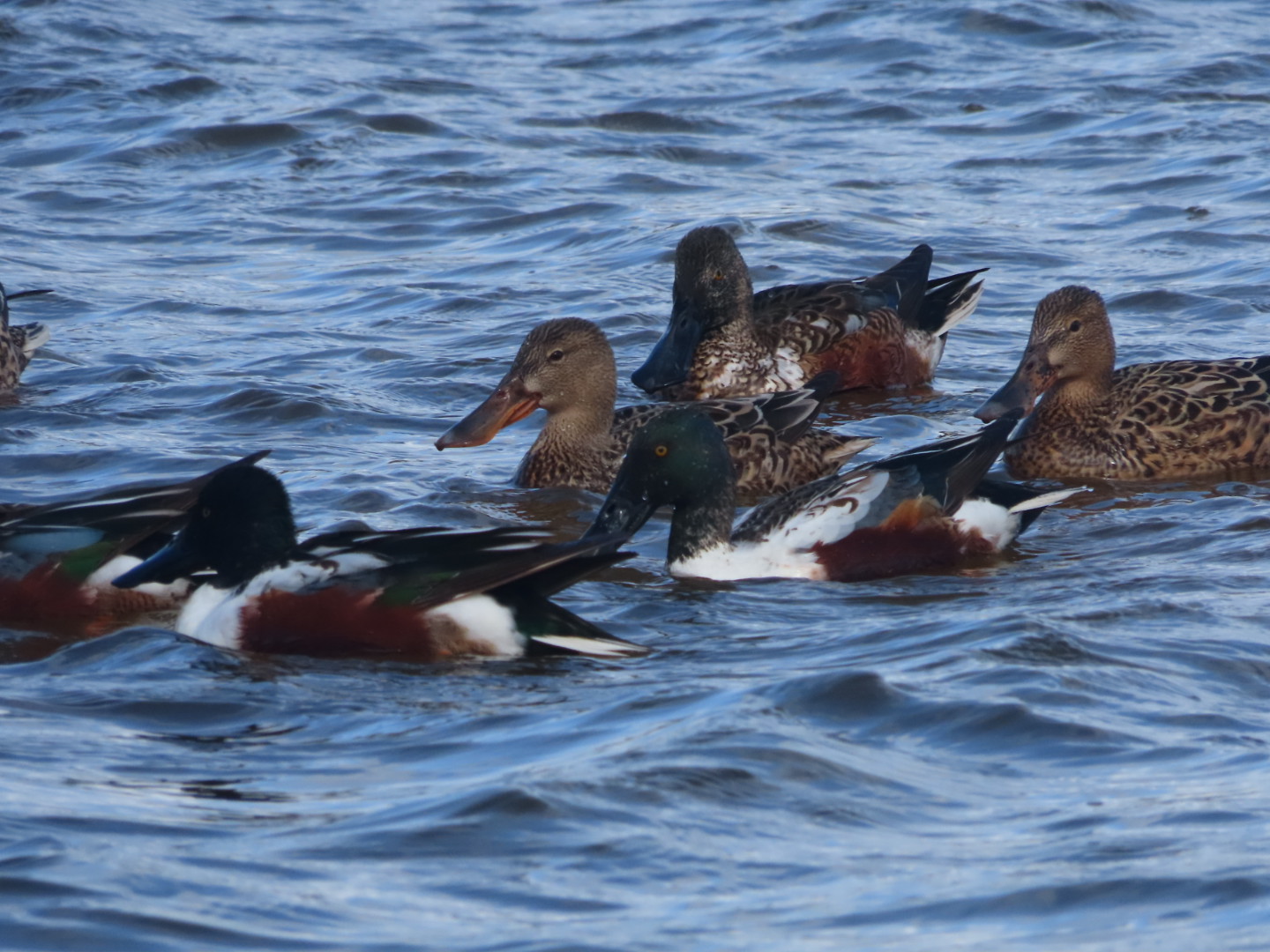
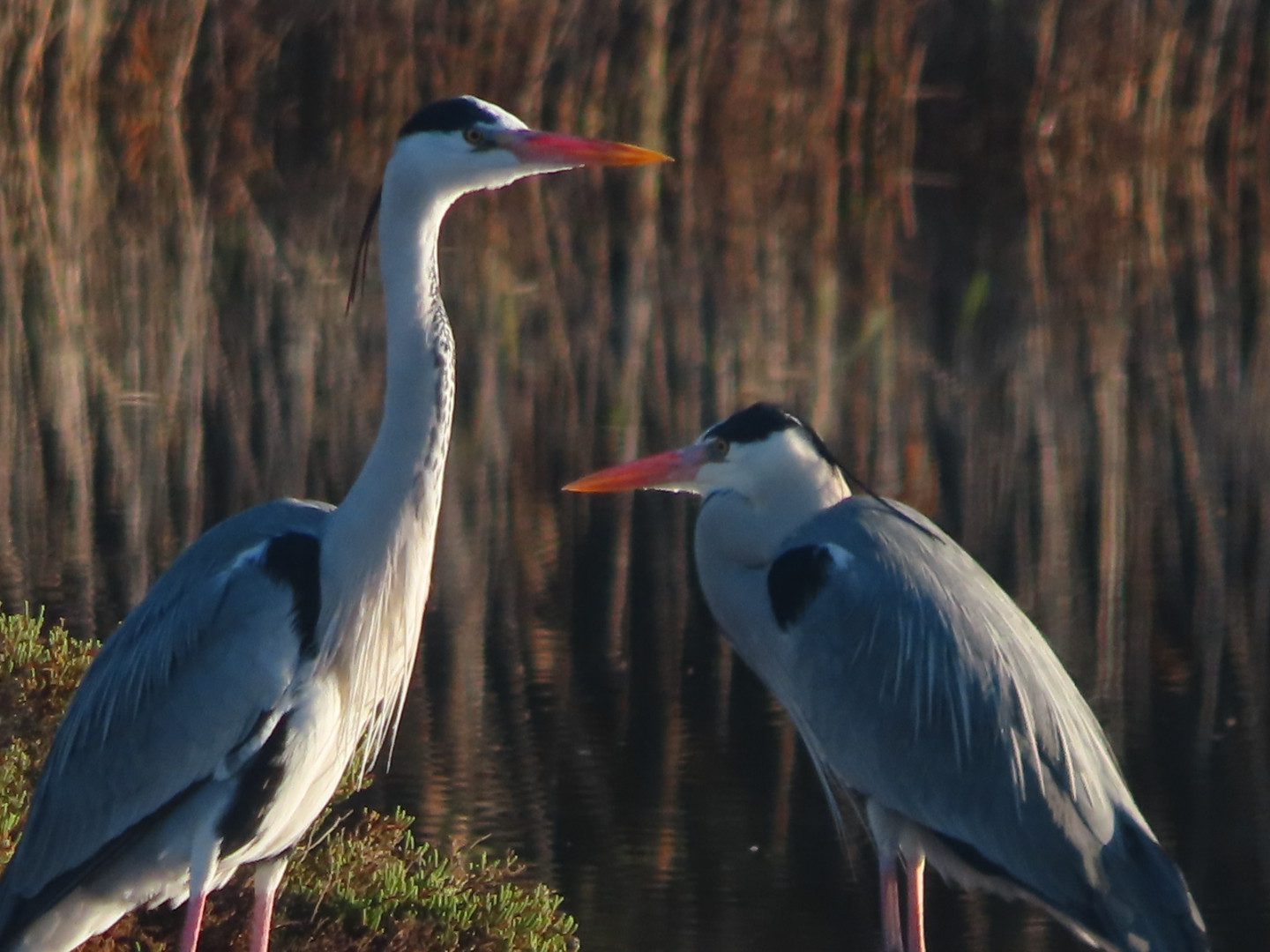
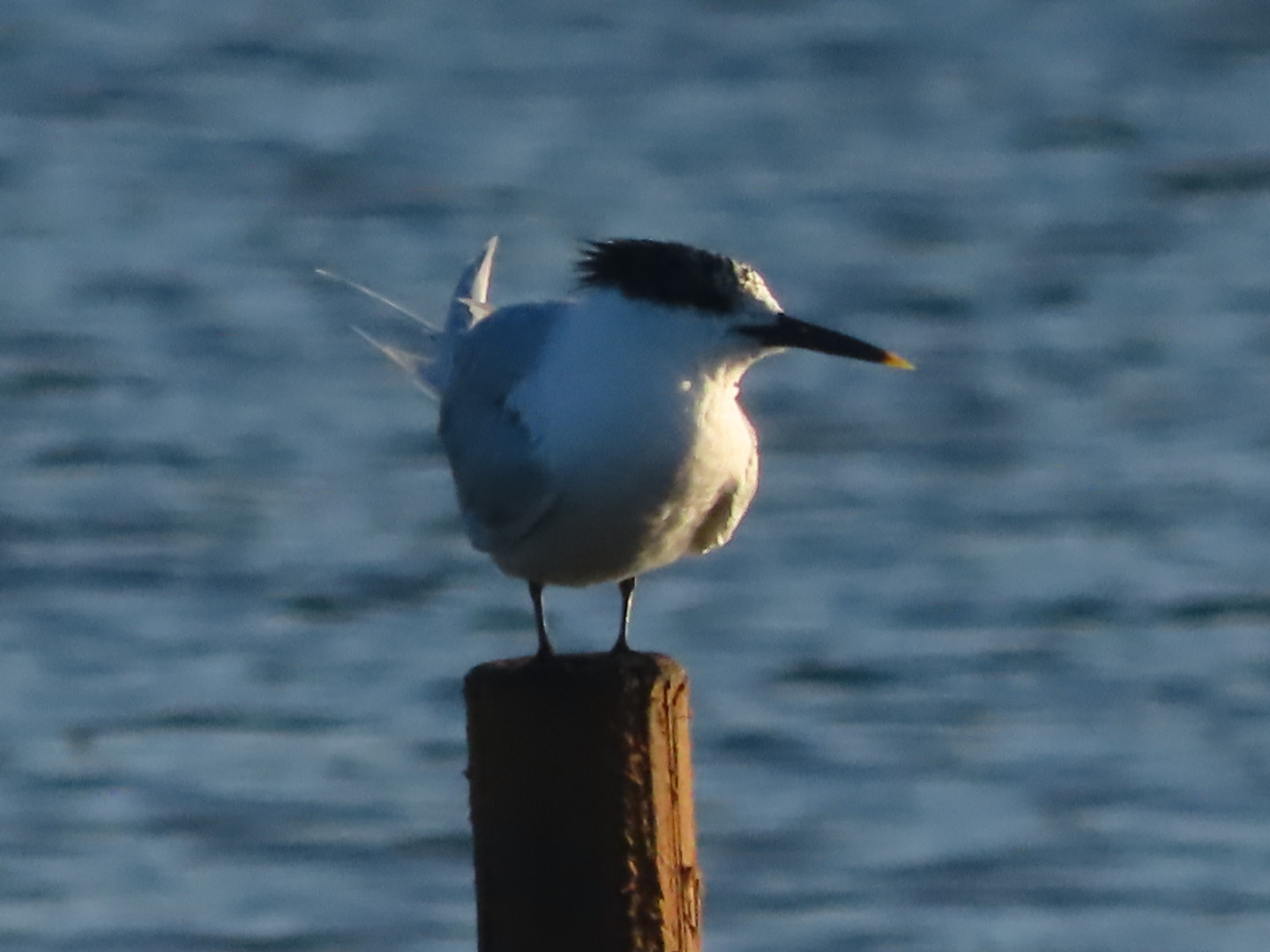
We started noticing the first signs of spring migration, with Green Sandpipers and House Martins showing up in small numbers. Three Grey Herons in breeding plumage visited the reserve towards the end of the month. On a more consistent level, flocks of Black-headed Gulls and Mediterranean Gulls often visited us during the evenings. Up to three Sandwich Terns were frequently seen resting on the wooden poles within the lagoon. An exceptional flock of 13 Northern Shovelers stayed briefly for a day, while large flocks of wintering Great Cormorants were often seen early morning heading east. Finally, Black-necked Grebes, Little Grebes and Common Kingfishers were seen throughout the month.
by David Attard
by David Attard
by David Attard
Works
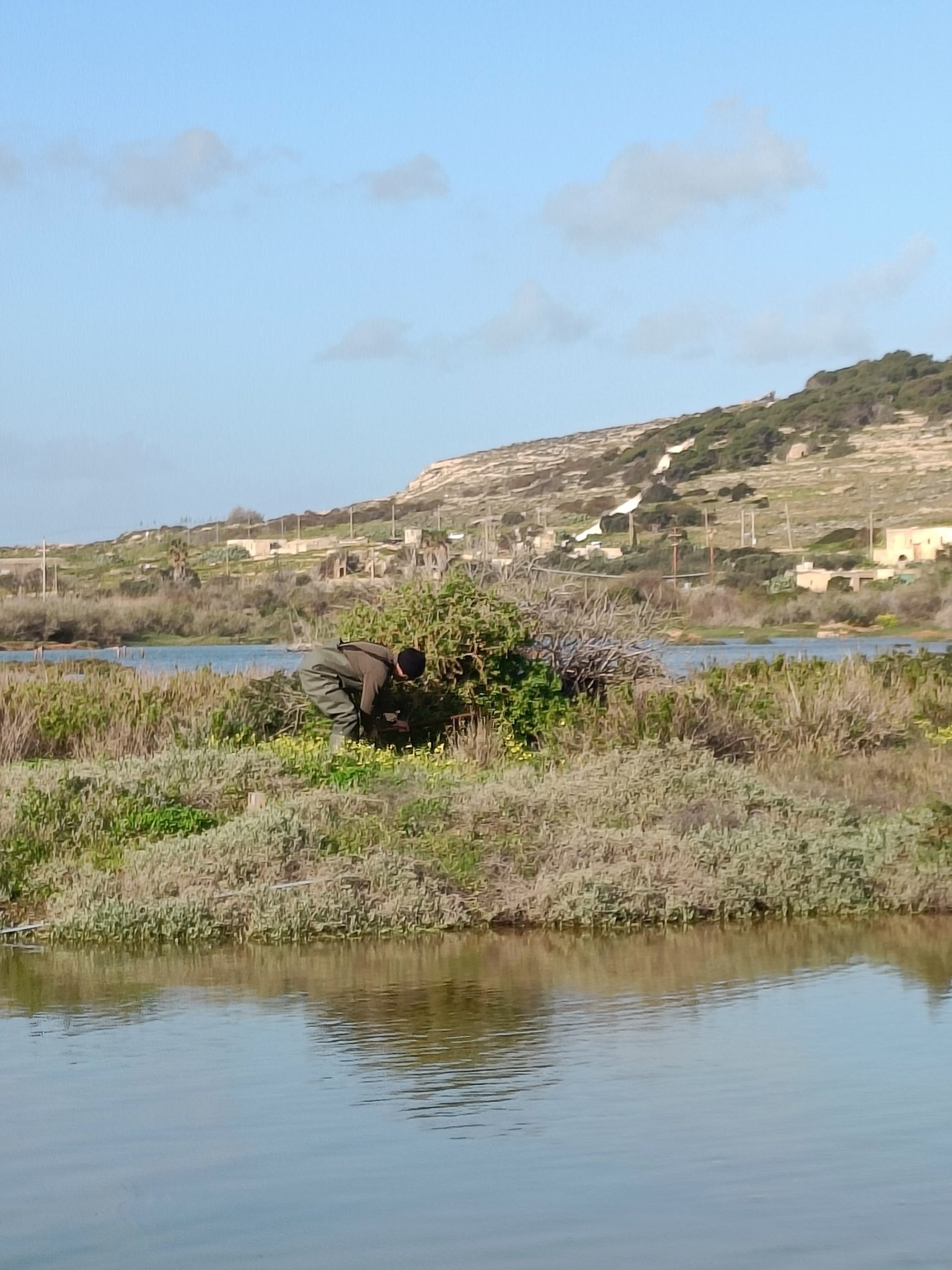
Planting of Chaste tree cuttings was done in the nursery, to be later planted in the reserve, aiming to increase the presence of this native species in the reserve. Control of invasive Giant Reeds and African Box Thorn in the sand dune restoration area was carried on with the help of various students from Junior College, MCast and St Aloysius sixth form.
African Box thorns growing on a large island on the east side were removed to control the spread of this invasive alien species. Pruning of Tamarix trees along the public path, together with shredding of pruned material and laying of mulch along the path, was continued with the help of students.
by Petra Galac
Simar Nature Reserve
Sightings
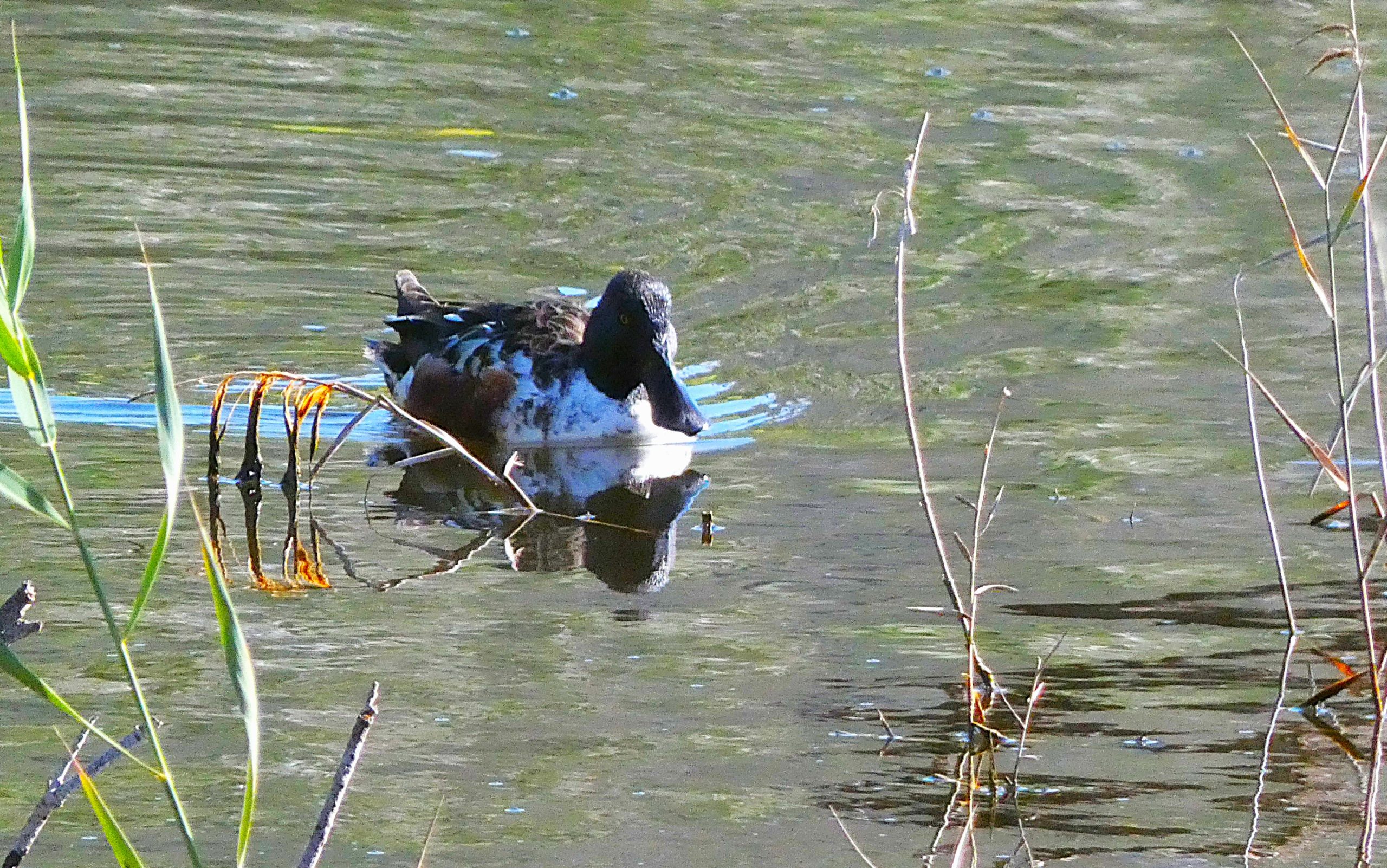
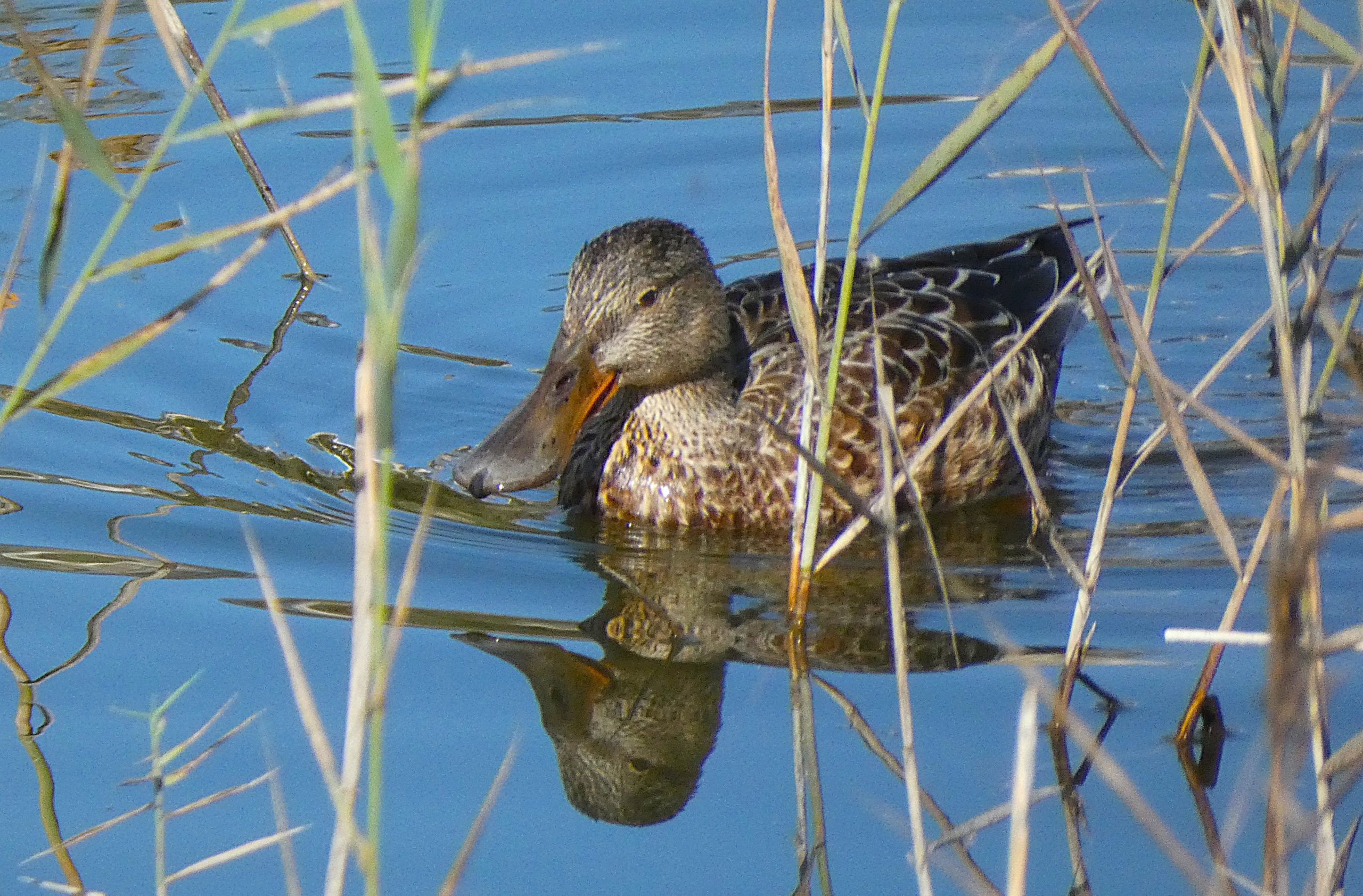
This month always brings the first changes in nature after winter, driven by longer sunlight and warmer temperatures. These changes are also felt in the reserve with the blooming of new flowers, increased insect activity and the return of migratory birds. Northern House Martins continued arriving in good numbers after mid-month as well as the first Barn Swallows. A male Northern Shoveler arrived during the first week, whilst a female arrived later on but stayed for much longer.
by Charles Coleiro
by Charles Coleiro
At the same time some of the wintering birds also started leaving to head north to their breeding grounds. All Little Grebes gradually left, as well as some of the Common Kingfishers. Almost all Common Stonechats, European Robins and Common Chiffchaffs also eventually left, whilst Eurasian Blackcaps numbers slightly increased due to new migratory birds.
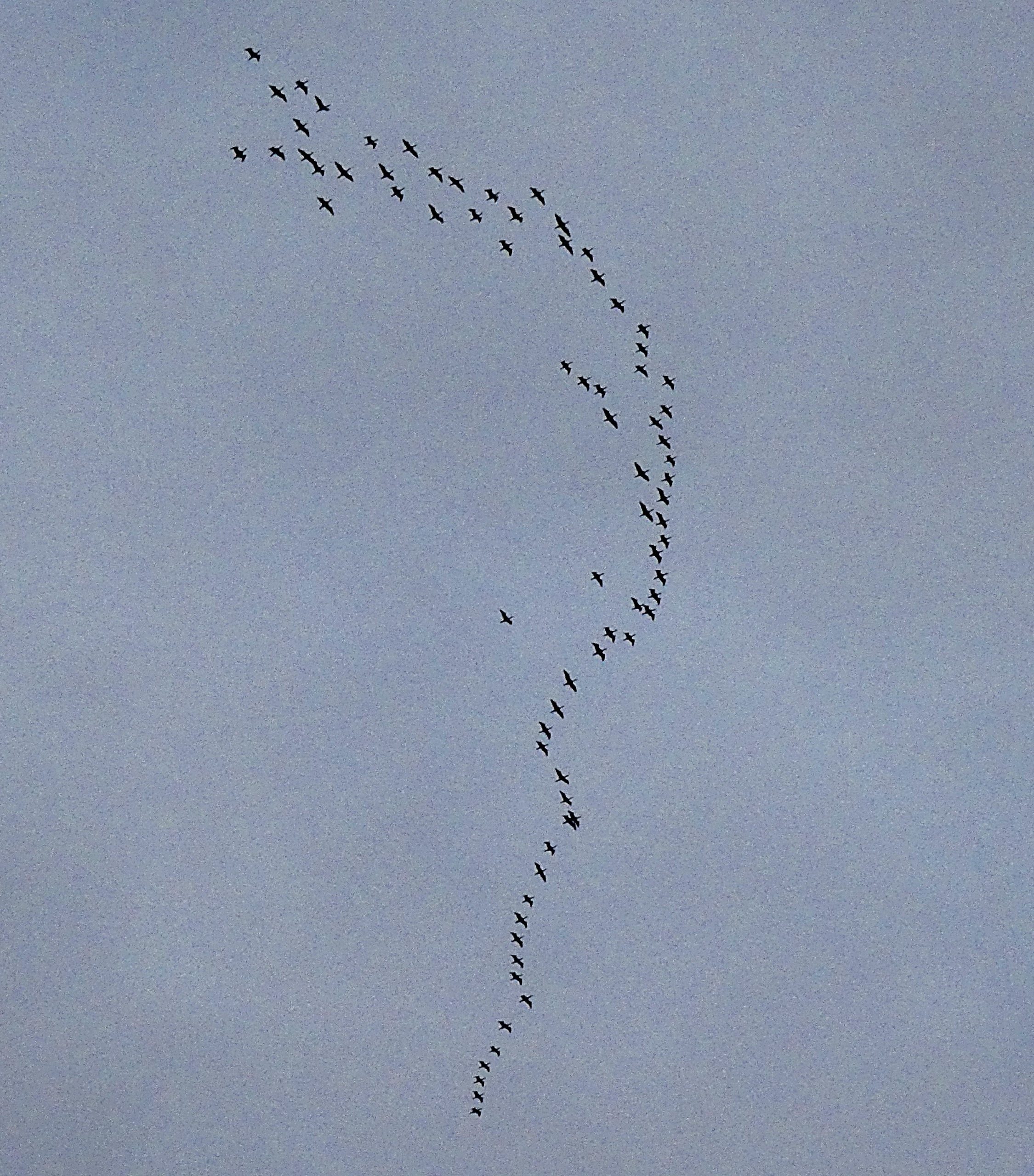
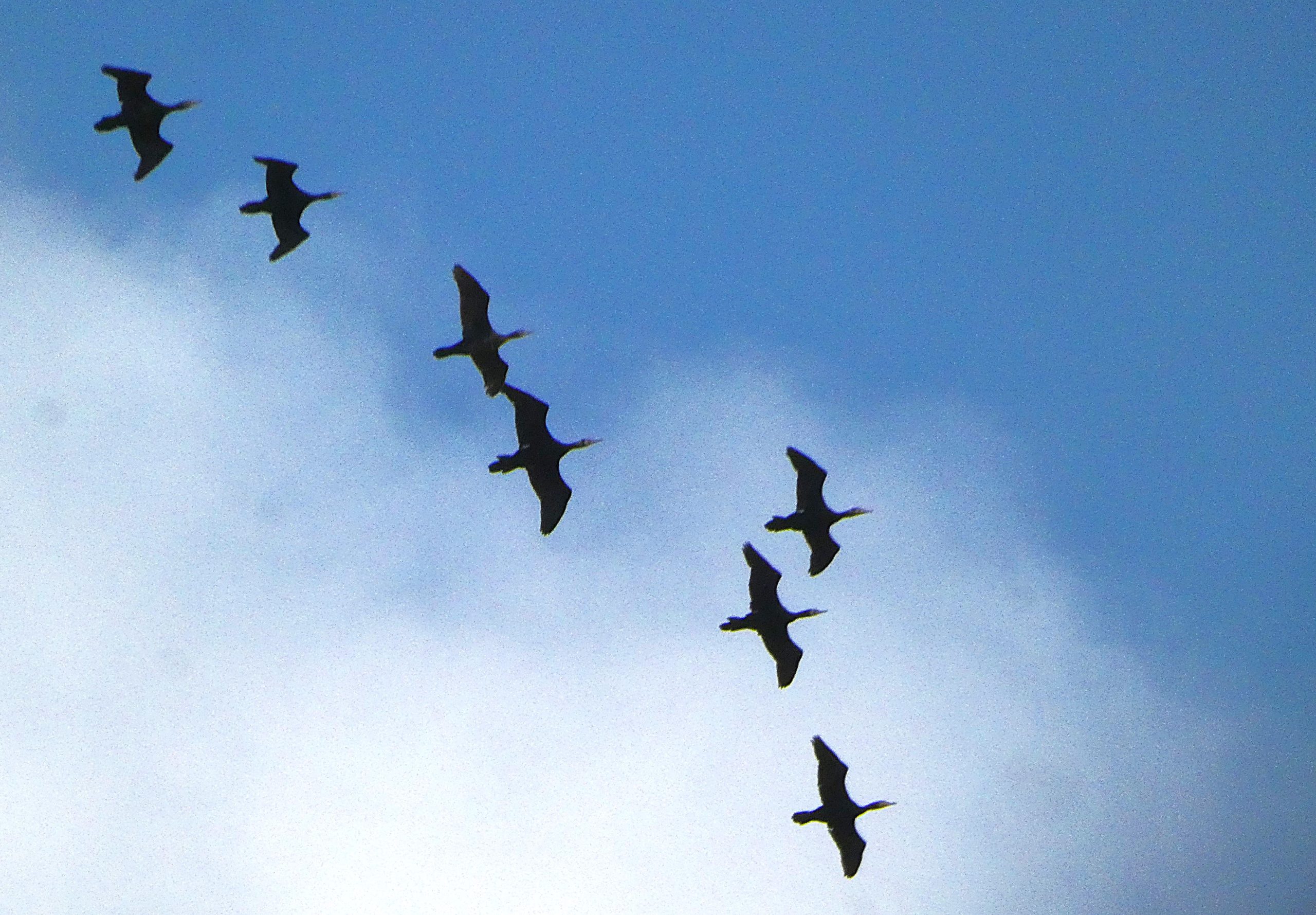
An highlight of the month surely was the presence of a large flocks of Great Cormorants that regularly flew over the reserve on their way to their feeding areas in the morning. They were also seen in the afternoon, on their way to their roosting site on Filfla.
The first signs of the breeding season were also evident as most birds – including Common Moorhens and Common Coots – were engaging in territorial and courtship behaviours. Moreover, Zitting Cisticolas were in full song, whilst Sardinian Warblers were observed carrying nest materials.
by Charles Coleiro
by Charles Coleiro
Works
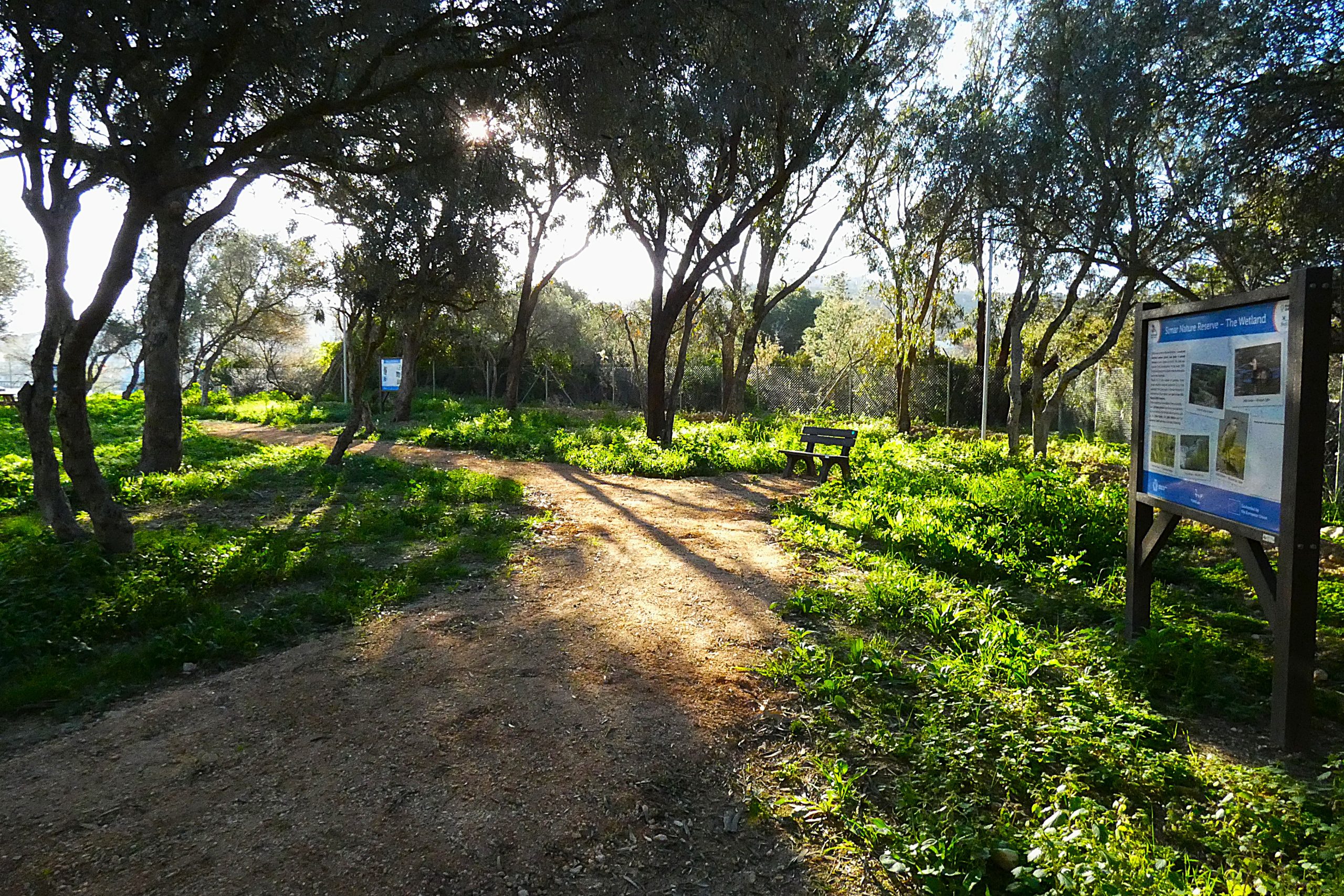
The upkeep of the nature trail and the removal of alien vegetation were the main works carried out this month. The levelling and compacting of the new path in the new Simar area also took up considerable time.
Besides regular bird ringing studies, moth and water invertebrate surveying, and surface water parameter readings, this month we undertook a new survey to monitor wetland levels as well as mapping the salinity, temperature, pH, and dissolved oxygen of the wetland water at different depths.
by Charles Coleiro
Foresta 2000
Foresta 2000 is green and beautiful! Following the winter storms, many trees are showing signs of salt wind burn. Strong winds carried sea spray inland, leaving salt deposits on leaves and needles. As the water evaporated, concentrated salt crystals caused moisture loss in plant tissues, resulting in a scorched or “burnt” appearance. Brown and crispy leaf edges are most noticeable on the wind-facing sides of trees. Despite this, most vegetation is expected to recover naturally with time and the arrival of spring growth.
Sightings
Bird activity has increased noticeably as spring approaches. Zitting Cisticolas are already performing courtship displays, flying energetically and calling loudly across the steppe. Eurasian Blackcaps are singing beautifully throughout the reserve, filling the morning with songs. Early signs of spring migration have also started to appear, with the recording of the first Northern House Martins of the year. Common Kestrels, White Wagtails, and Common Chiffchaffs were also observed regularly.
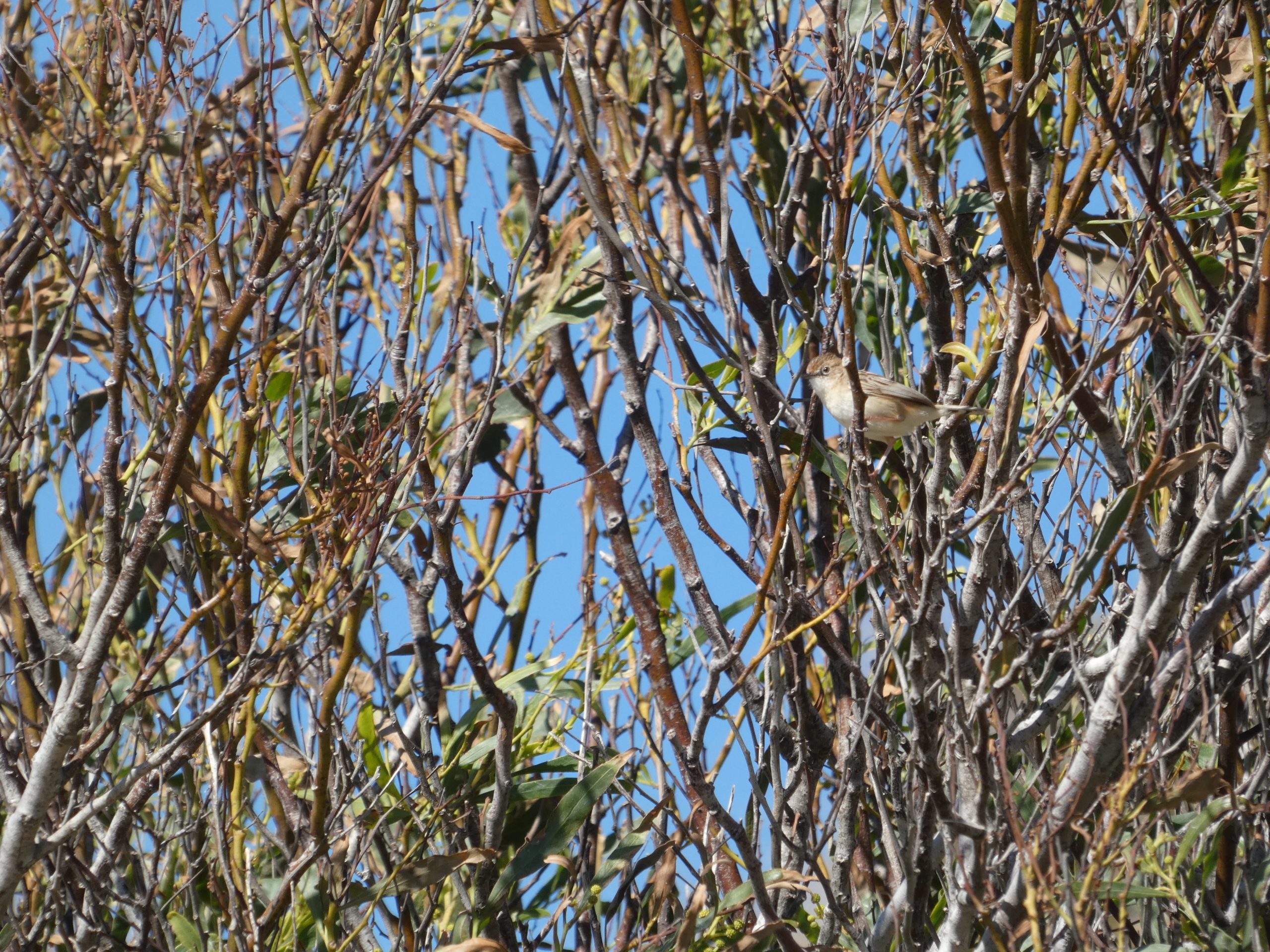
by Vera Tokmakova
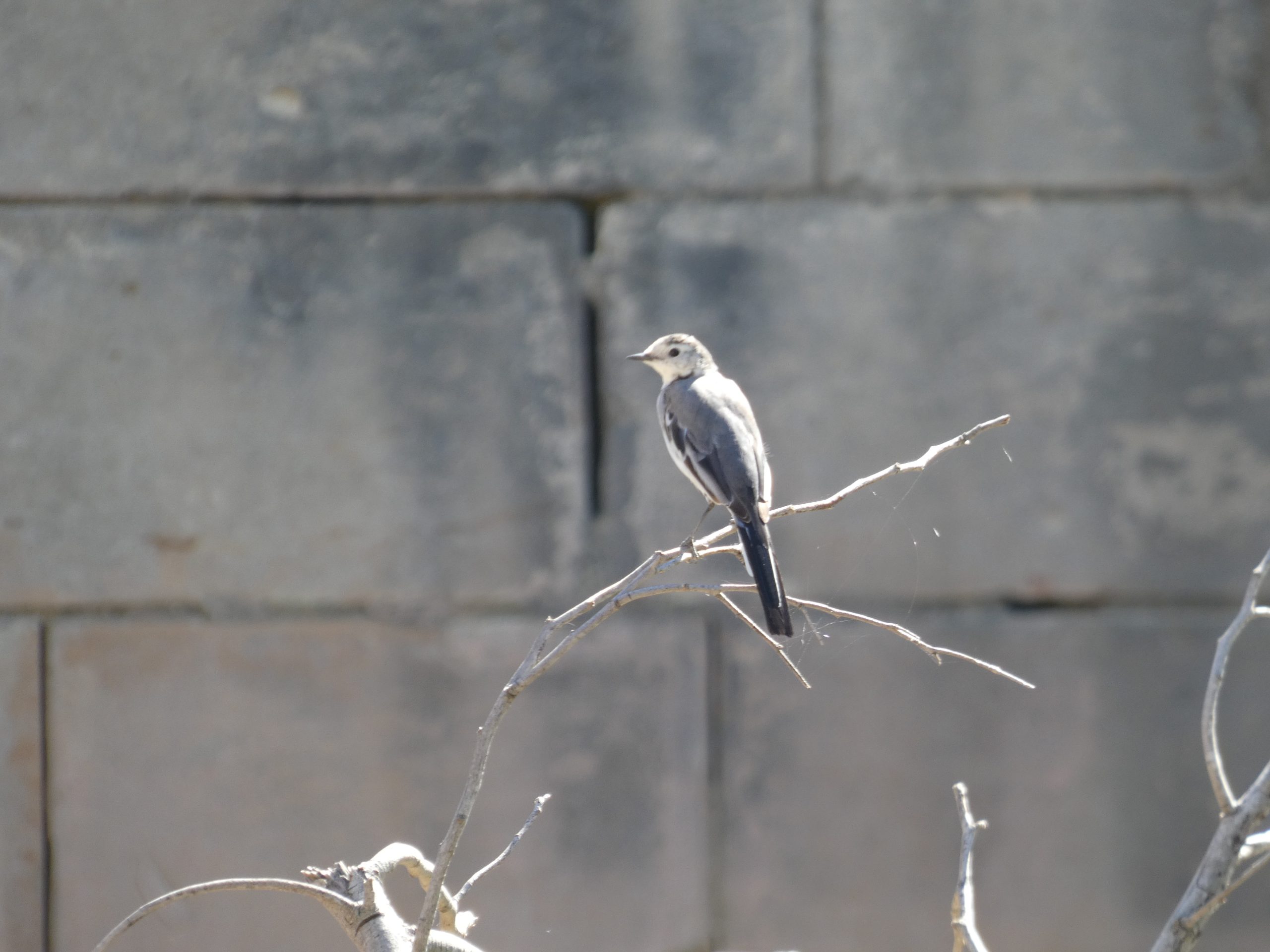
by Vera Tokmakova
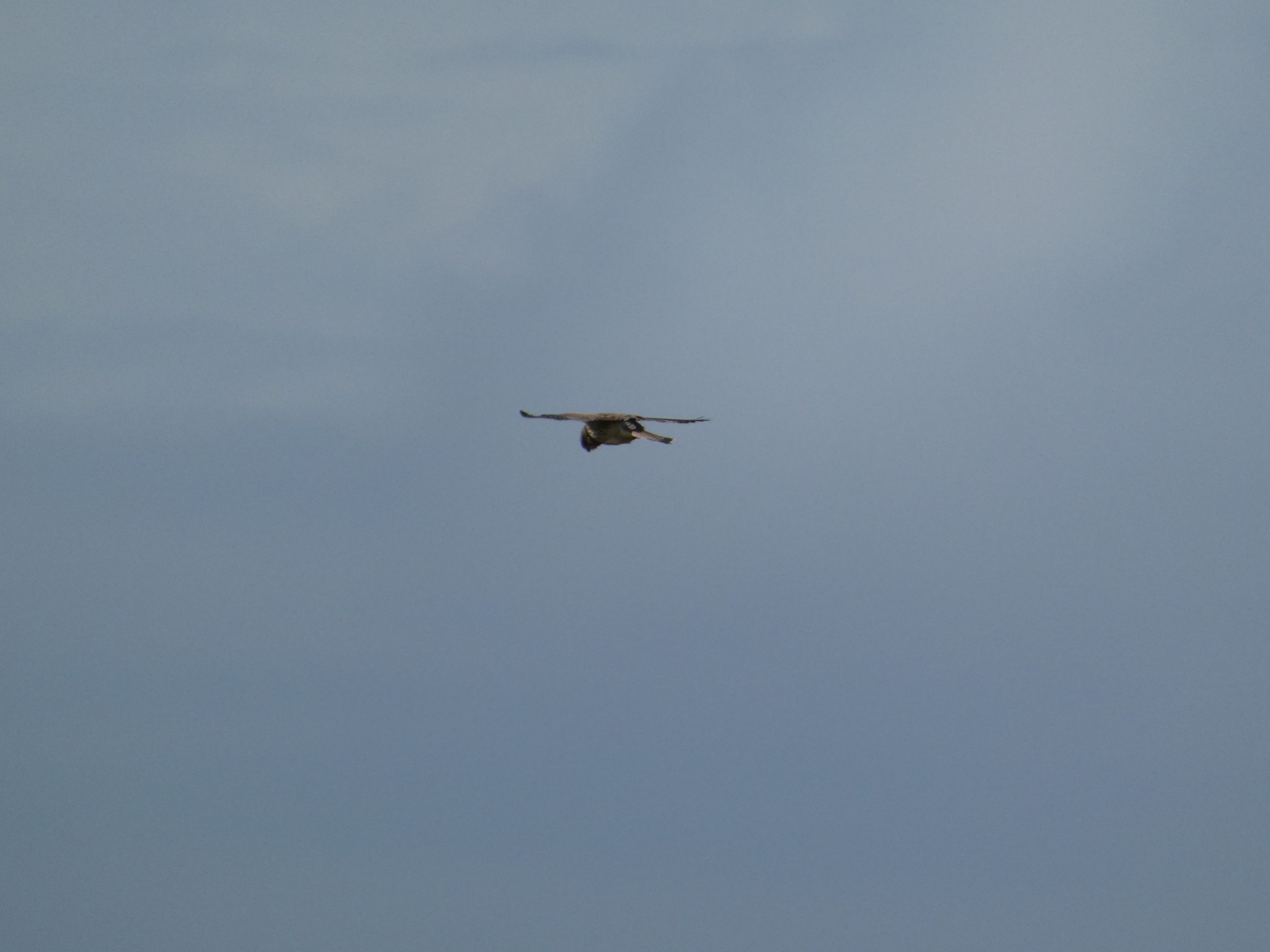
by Vera Tokmakova
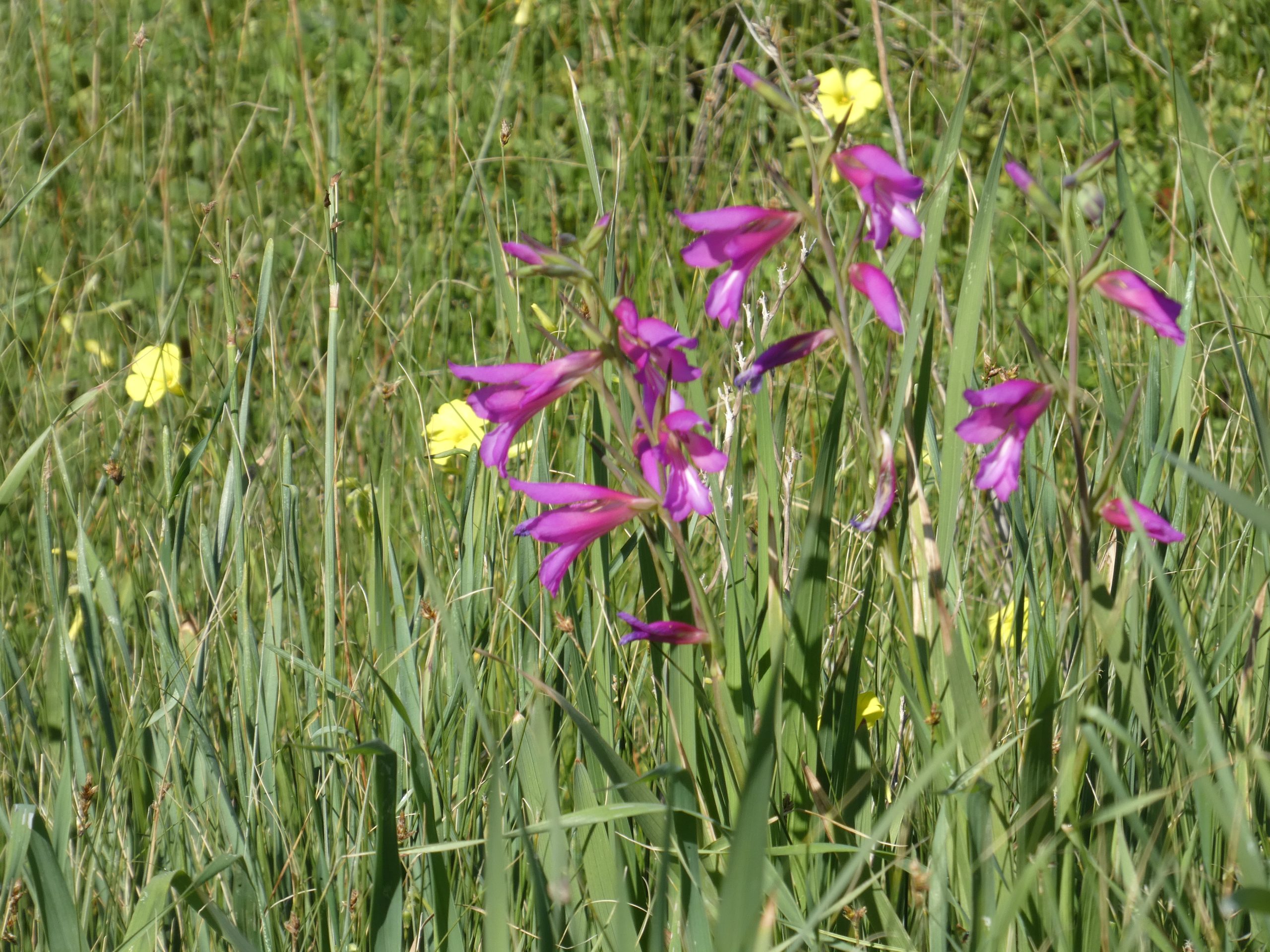
The reserve is also now brighter thanks to the early spring flora. Branched Asphodel, Sulla, and White Mustard are in bloom, attracting a variety of butterflies and other insects on warmer days. The rock pools still hold water, continuing to support small aquatic life and adding to the diversity of habitats within the site.
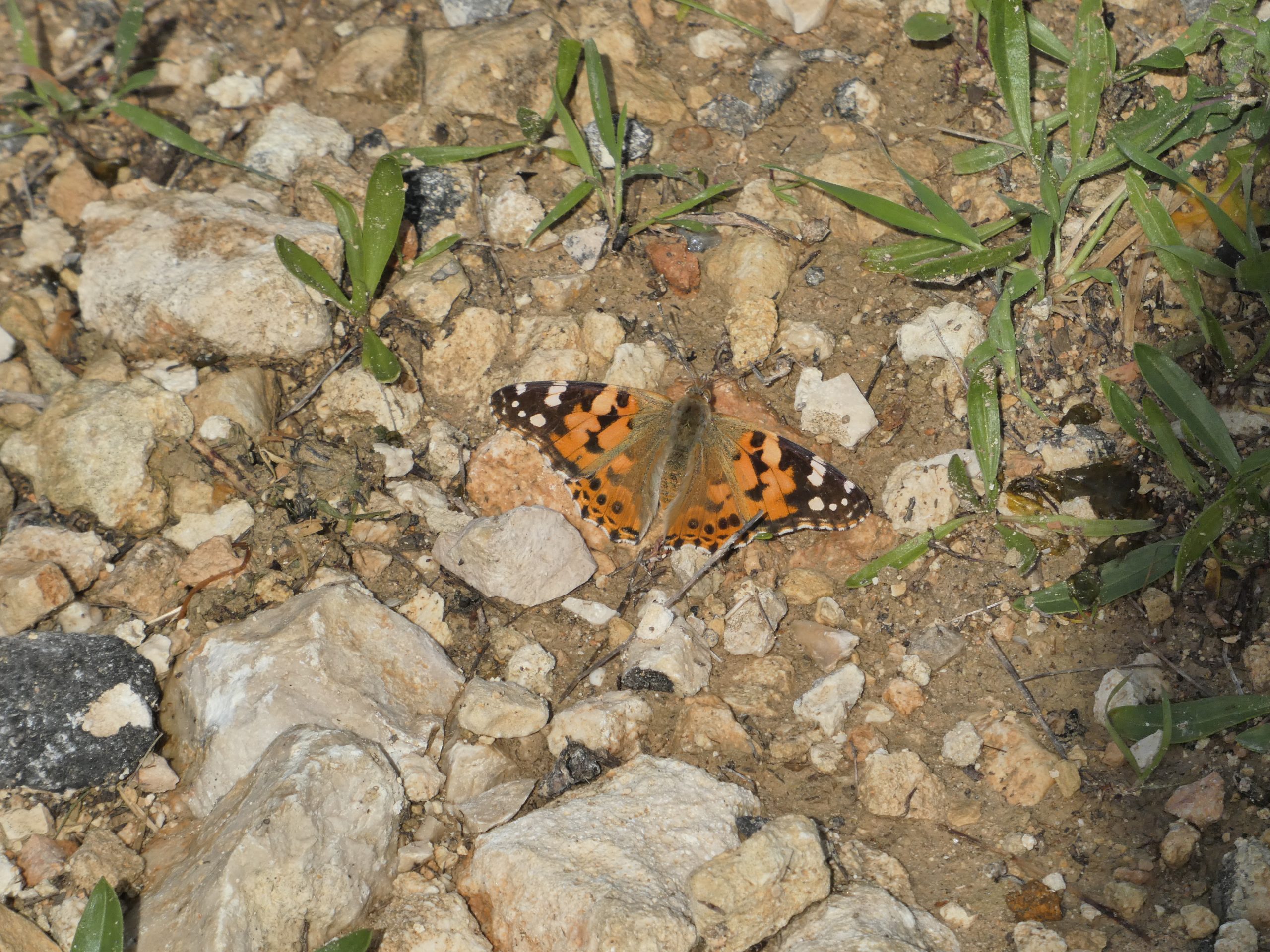
by Vera Tokmakova
by Vera Tokmakova
Works
Regular clean-ups and pruning were carried out throughout the month to maintain safe and accessible paths and to support healthy vegetation growth across the reserve.
Lastly, this month Foresta 2000 proudly hosted the release of some rehabilitated birds. Many guests gathered to witness this moment of freedom, as the birds finally returned to the wild. It was a meaningful event celebrating conservation, recovery, and the connection between people and nature. Find out more in this month’s Rehabilitation and Releases section.
Exciting New Records for Malta’s Birders!
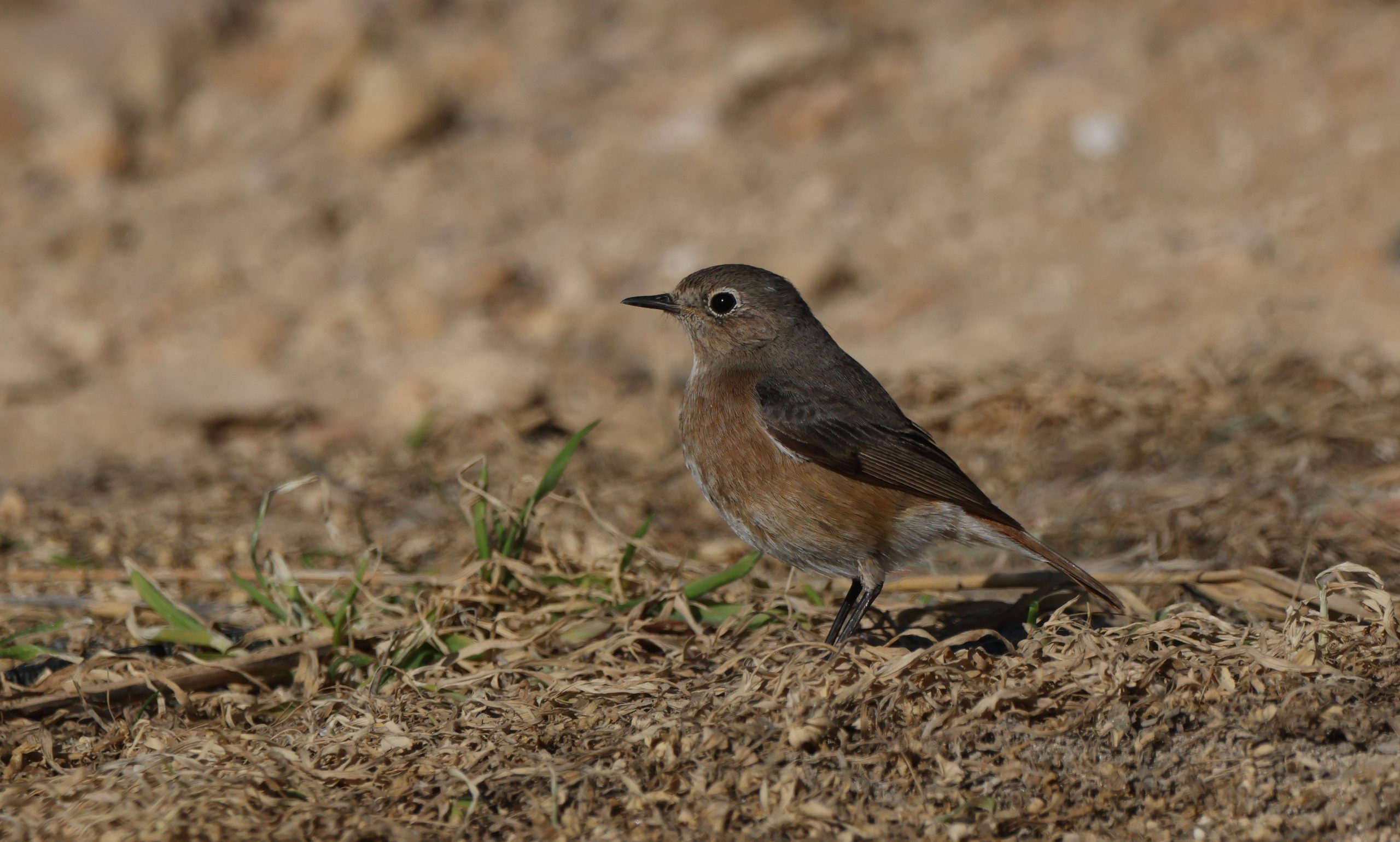
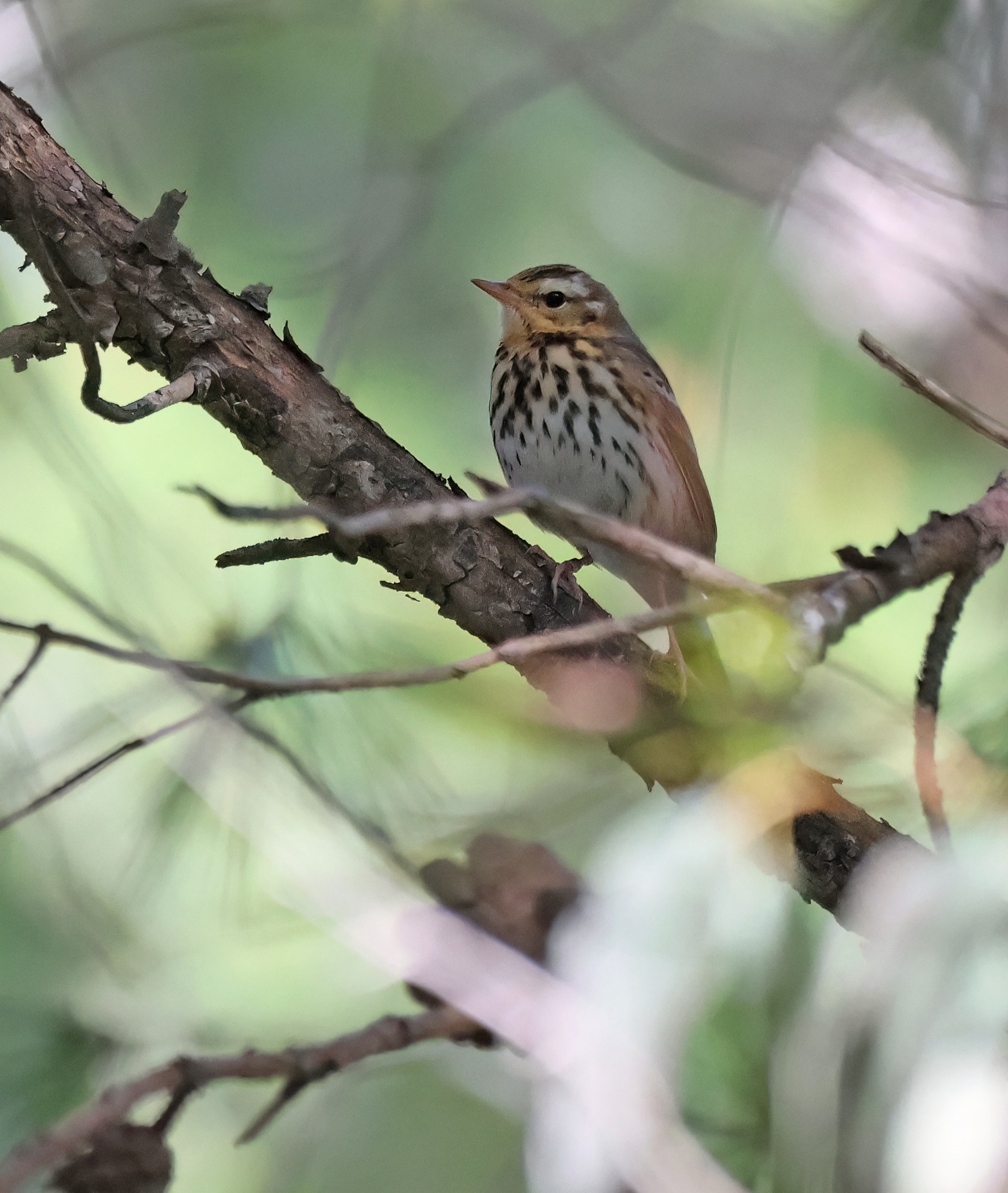
In February, highlights included some lingering birds discovered earlier in winter, some newly discovered wintering rarities, and some scarce early spring migrants. Wintering Moussier’s Redstarts and Olive-backed Pipits were still present in some sites, but we also discovered a new Dartford Warbler!
Towards the end of the month, strong winds brought a few flocks of Common Cranes to Malta as they headed north, to their breeding grounds in Europe and one of them was still seen from various locations on the following day.
by Aron Tanti
by Aron Tanti
Migration in the Comino channel also gradually picked up, with a few flocks of ducks and a Great Skua spotted there. Another notable highlight was the daily sight of several hundred Great Cormorants twice a day as they crossed over the island between their roosting site at Filfla and their feeding areas off the northern coast of Malta.
However, the rarest discovery of the month was a Hume’s Leaf-warbler, only the second record of this species for Malta! Hume’s Leaf-warblers are very similar to the more regular but still scarce Yellow-browed Warblers, but they have a very different call and various subtle plumage difference. This species had a significant influx in Europe during last autumn, so birders were on the lookout for one to finally turn up in Malta. In addition to that, we were also able to spot a Eurasian Blue Tit. Although this bird is very familiar to most European birders, it is very rare here in Malta. Indeed, this constituted only the 4th record for this bird in Malta!
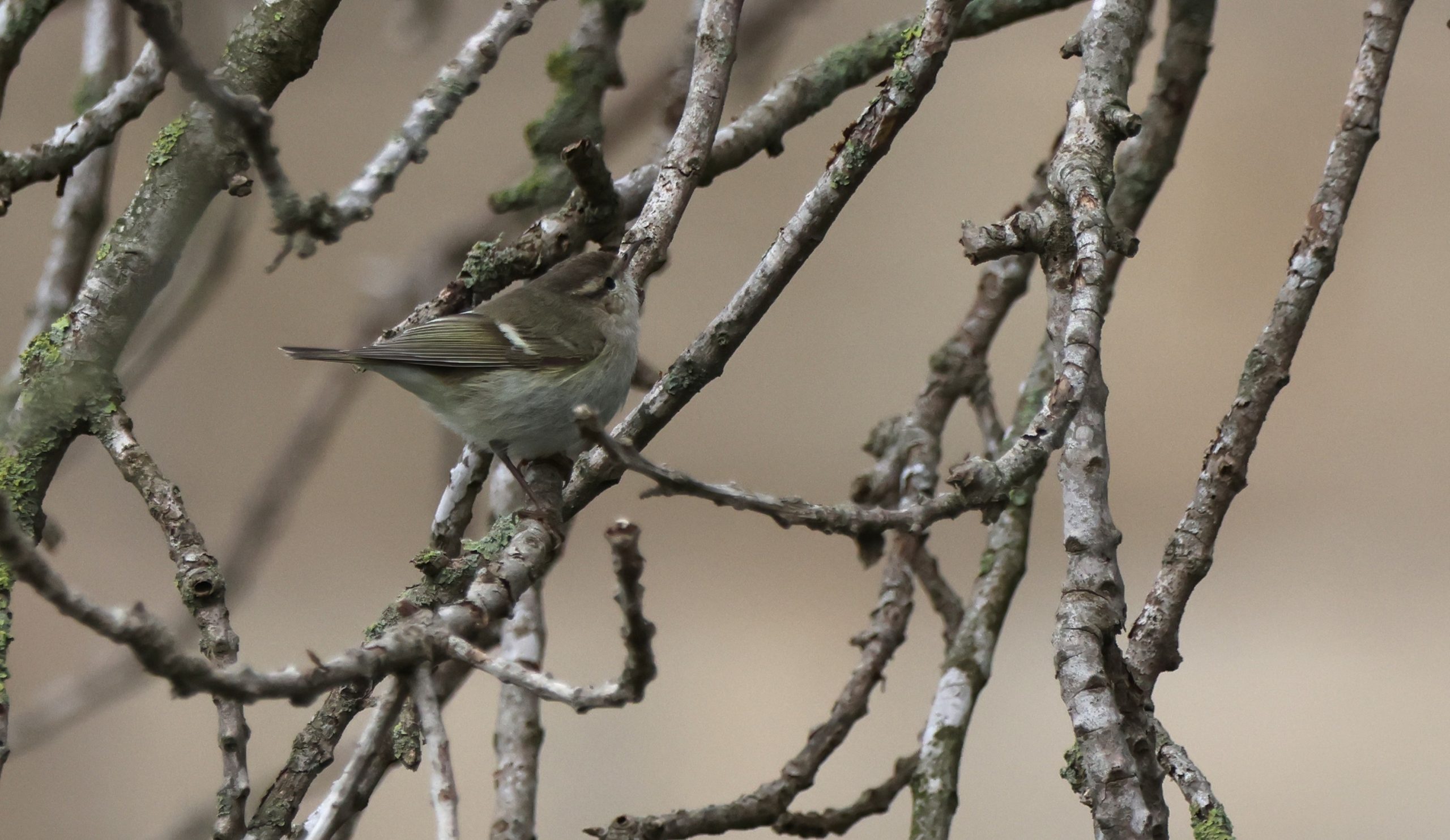
by Aron Tanti
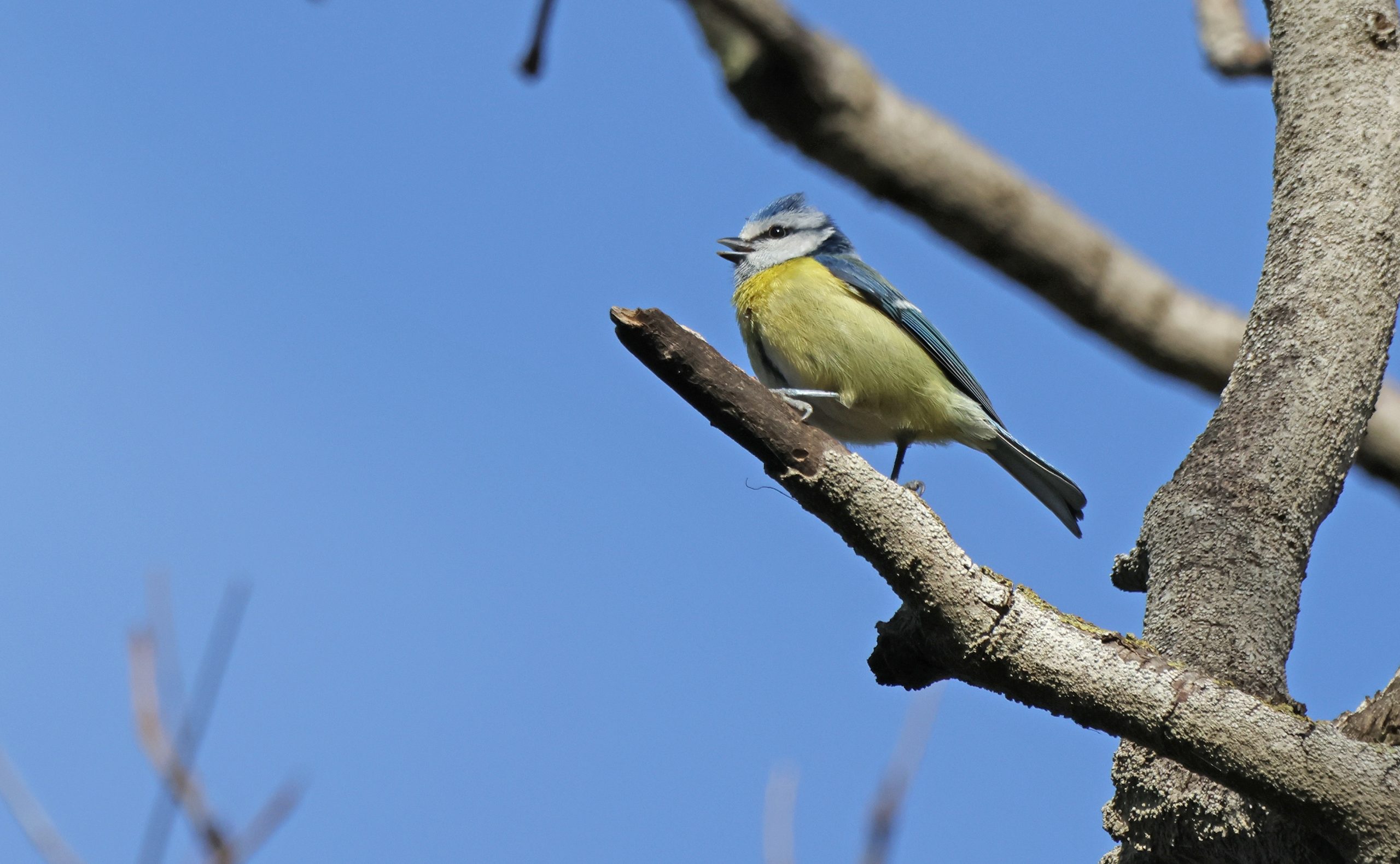
by Aron Tanti
Storytelling to become Nature Allies
At the beginning of February, the collaboration between BirdLife Malta and Project Green continued with Nature Allies, a storytelling event held at Gnien id-Dakkara, San Ġwann. Children and their families embarked on Nina’s wonderful journey, where they met new animal friends such as Oliver the owl and Rolo the roly-poly. Through imagination, creativity and games, children discovered fascinating facts about Maltese animals and learned about the challenges they face in their natural habitats every day.
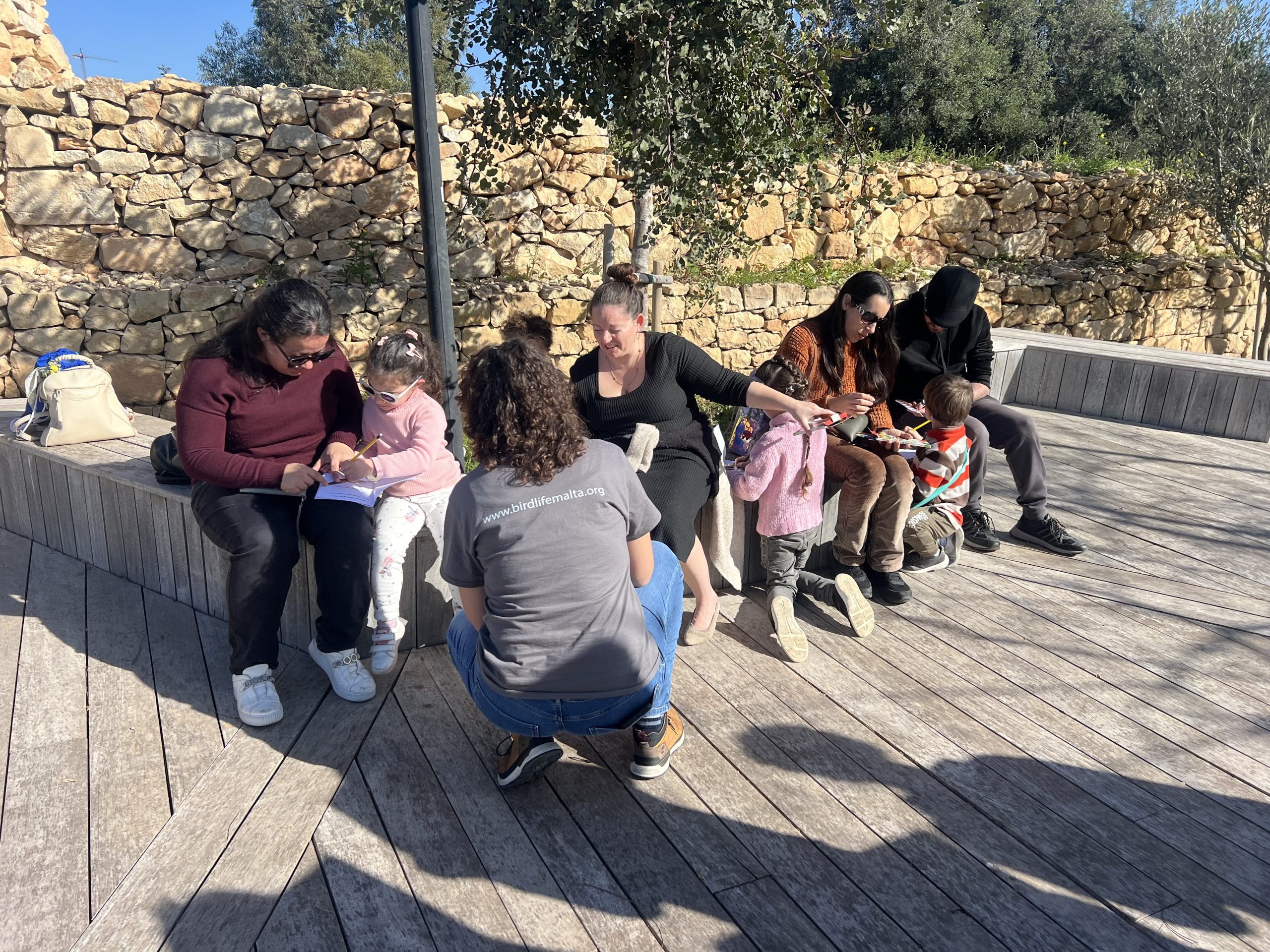
by Sophia Sammut
Nature Walk at Rabat and Chadwick Lakes
On the 15 February, we took off in an afternoon walk, direction: Chadwick Lakes. Organized by the Events and Activities Committee, in collaboration with Fondazzjoni Paulus, the walk took us from the Basilica of St Paul in Rabat to the outskirts of Mtarfa, and then along the serene Chadwick Lakes, through Wied il-Qlejja. Although the afternoon was dotted with clouds and a bit of rain, it was well enjoyed, treating the participants with wonderful views and even a bit of a challenge when we braved the steep uphill climb through the charming village of Mtarfa on our way back.
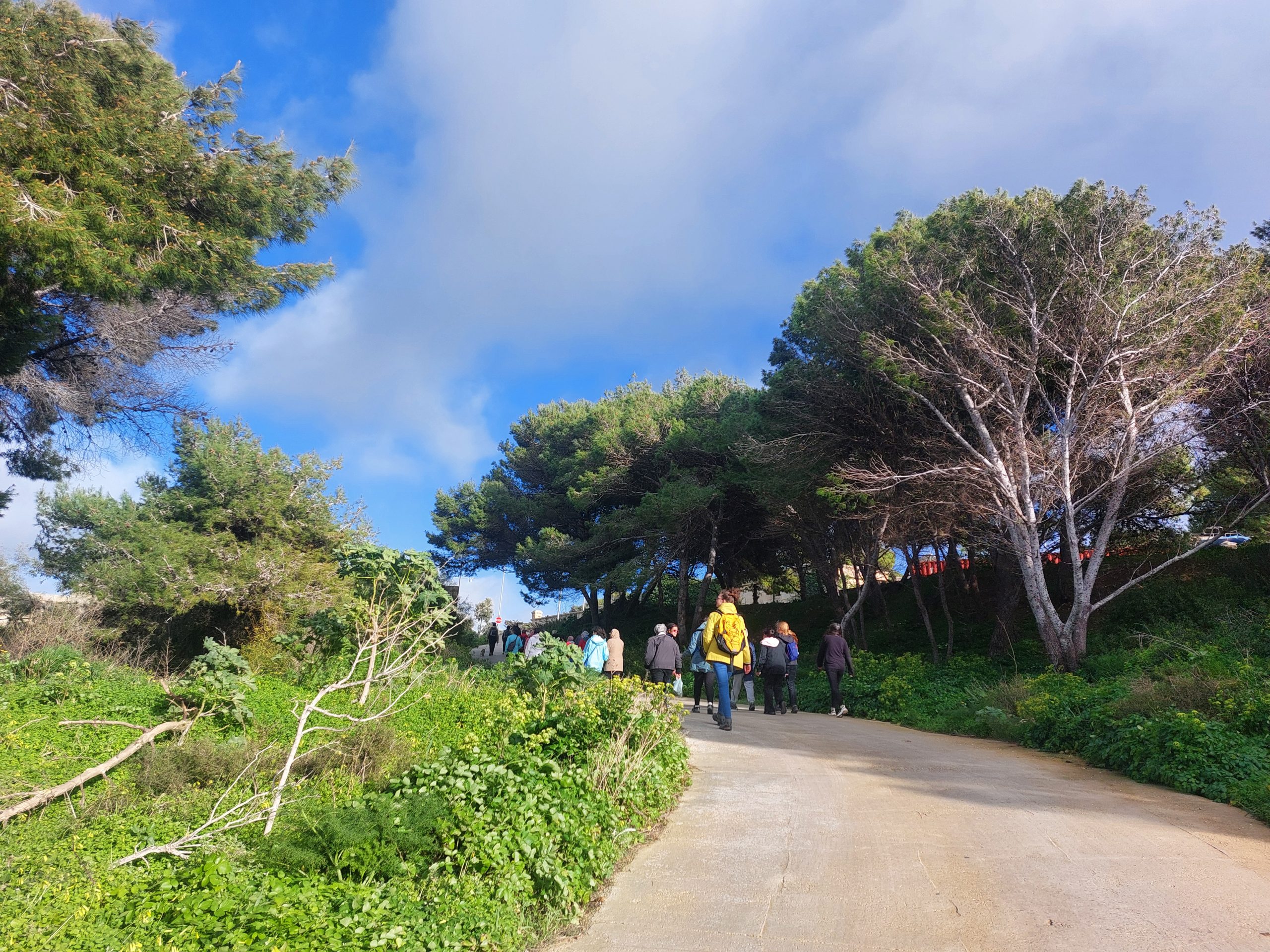
by Sofia Meskhidze
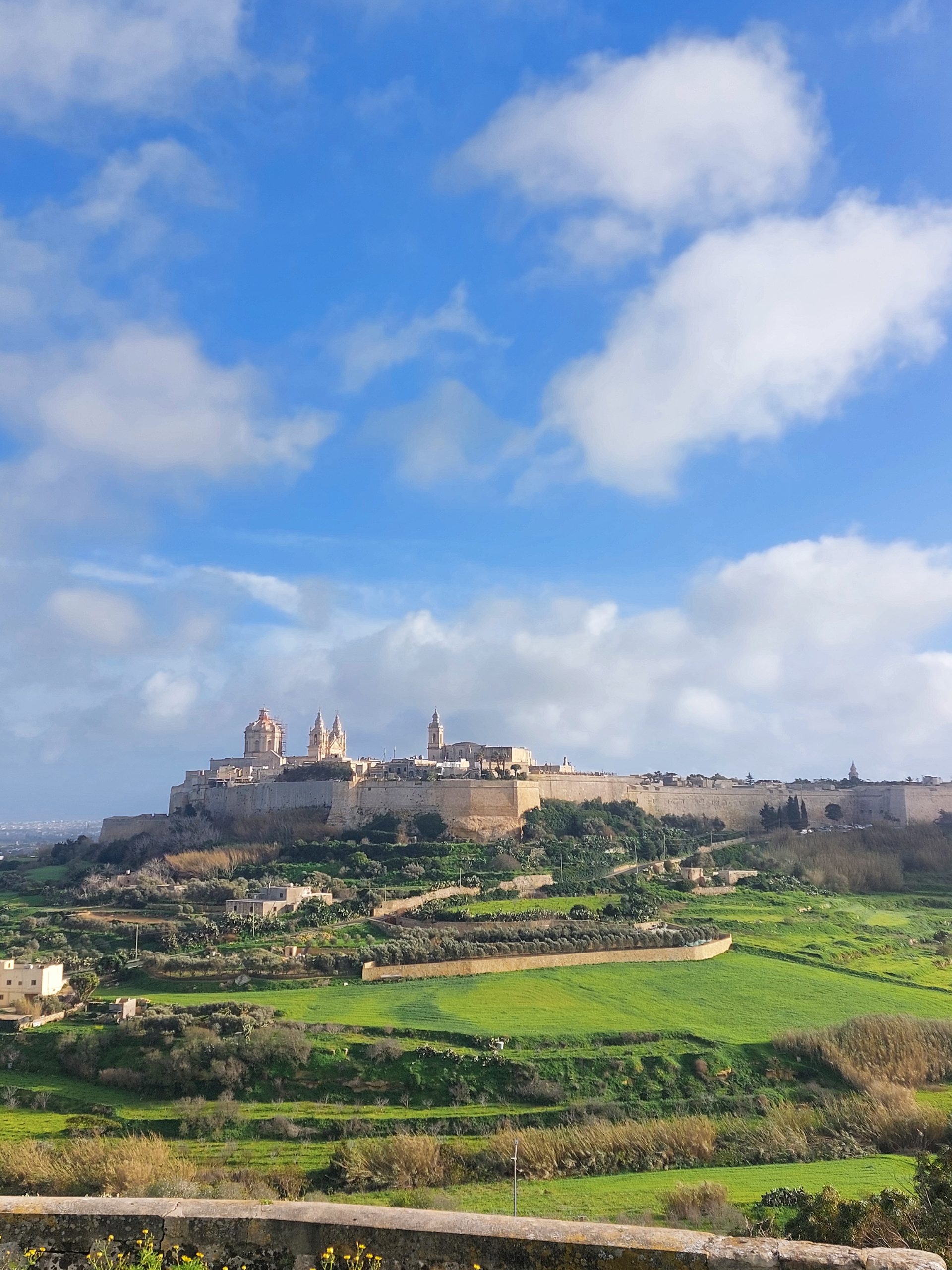
by Sofia Meskhidze
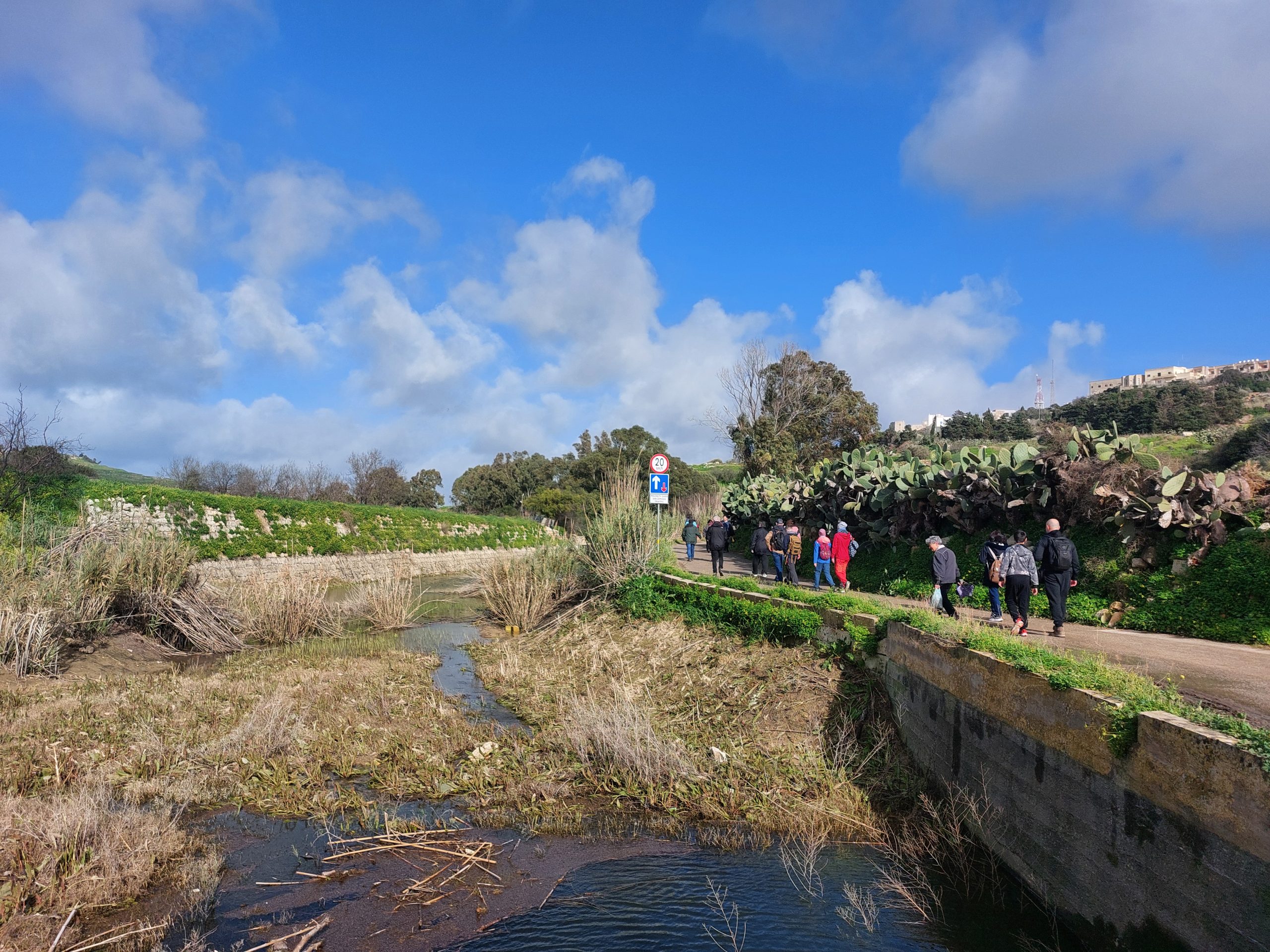
by Sofia Meskhidze
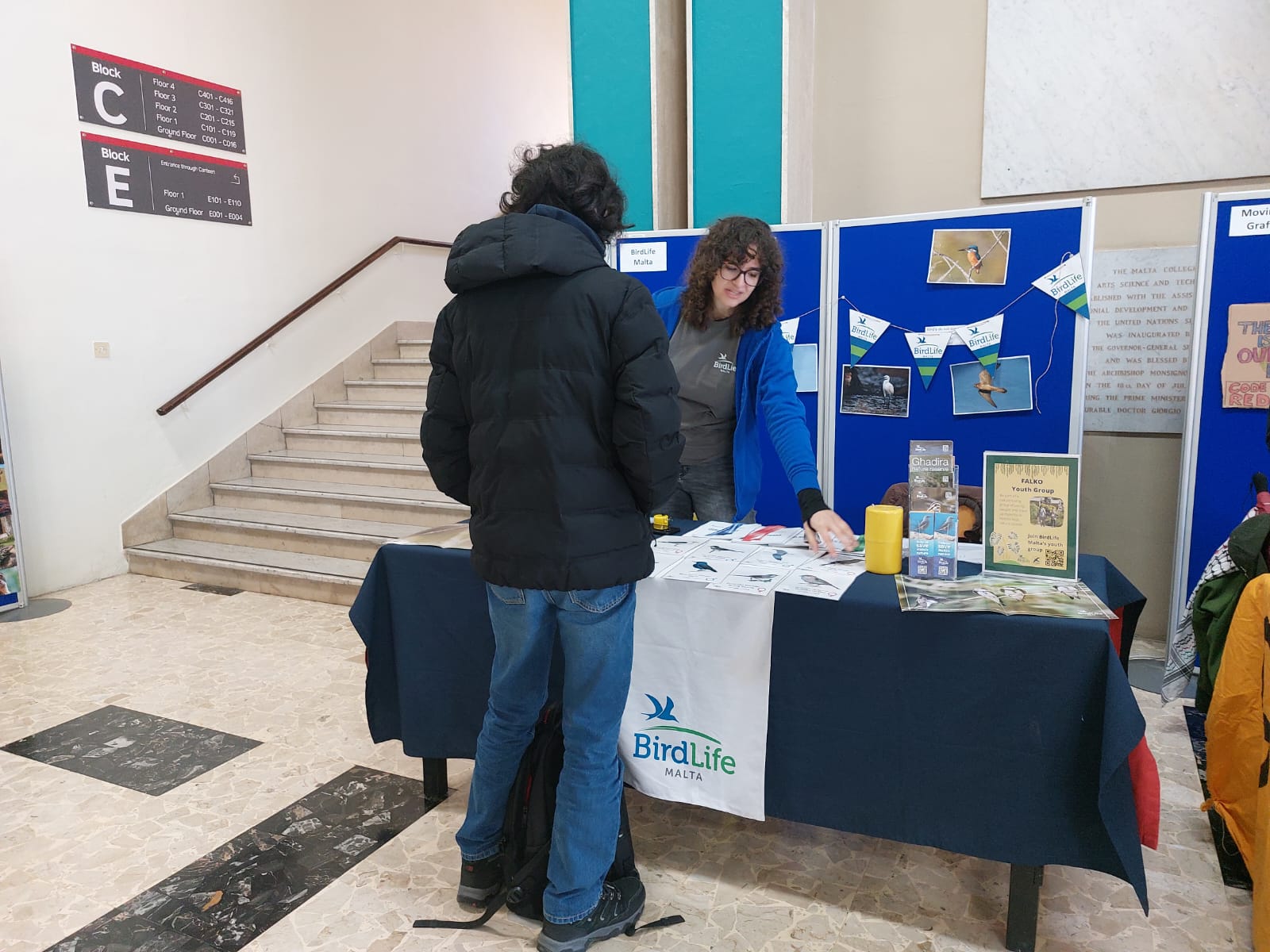
Celebrating Nature and Science at festAmbjent
This month we also set up our stand at Junior College as part of the annual festAmbjent, focusing on environment, nature and science. Together with several other organisations, we had the pleasure of engaging with students and staff, introducing them to our work through a variety of interactive activities. Visitors tested their skills with our memory games, learned more about the science behind bird ringing, and also took a fun quiz to find out which bird best matches their personality!
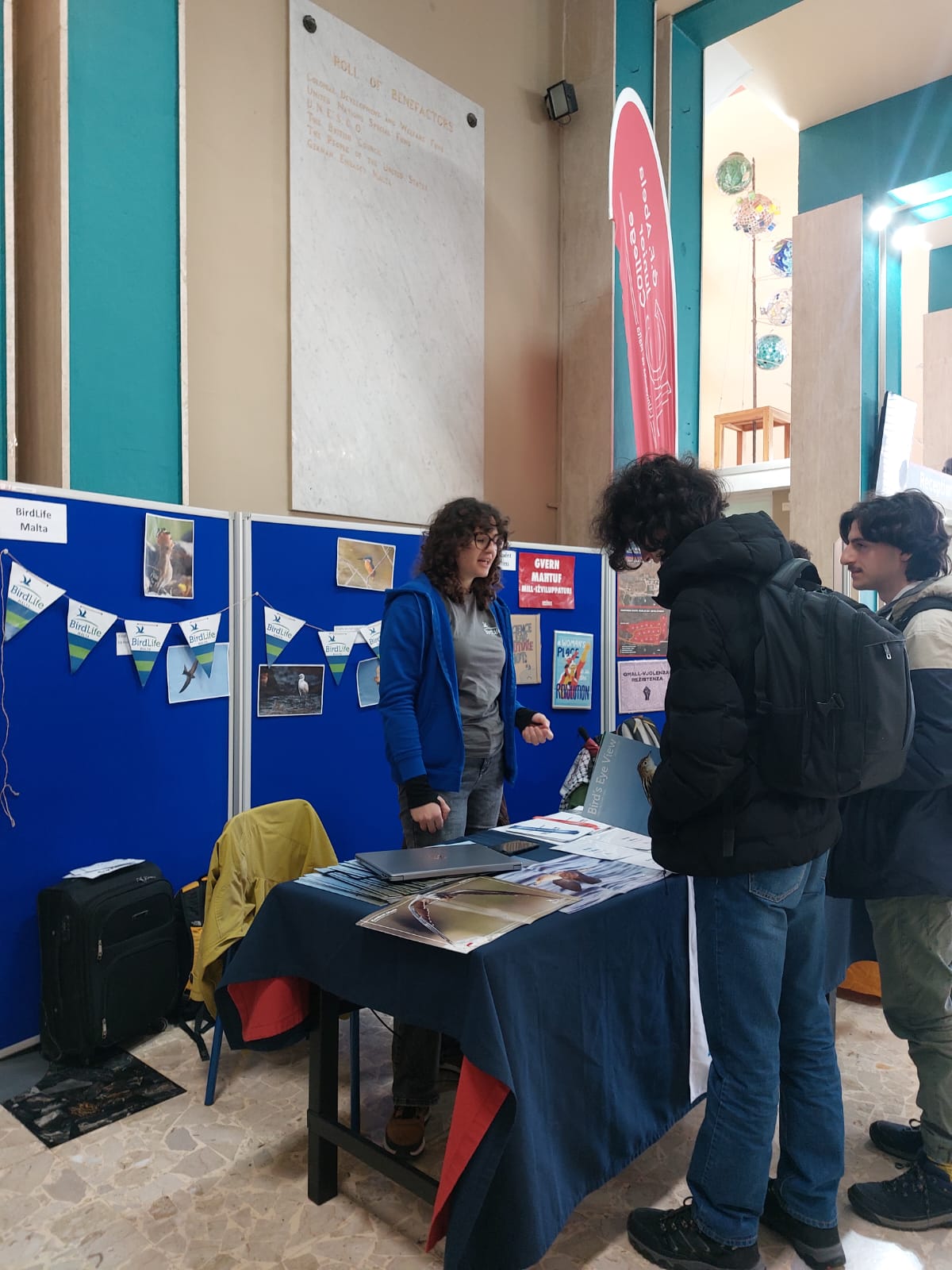
by Sofia Meskhidze
by Sofia Meskhidze
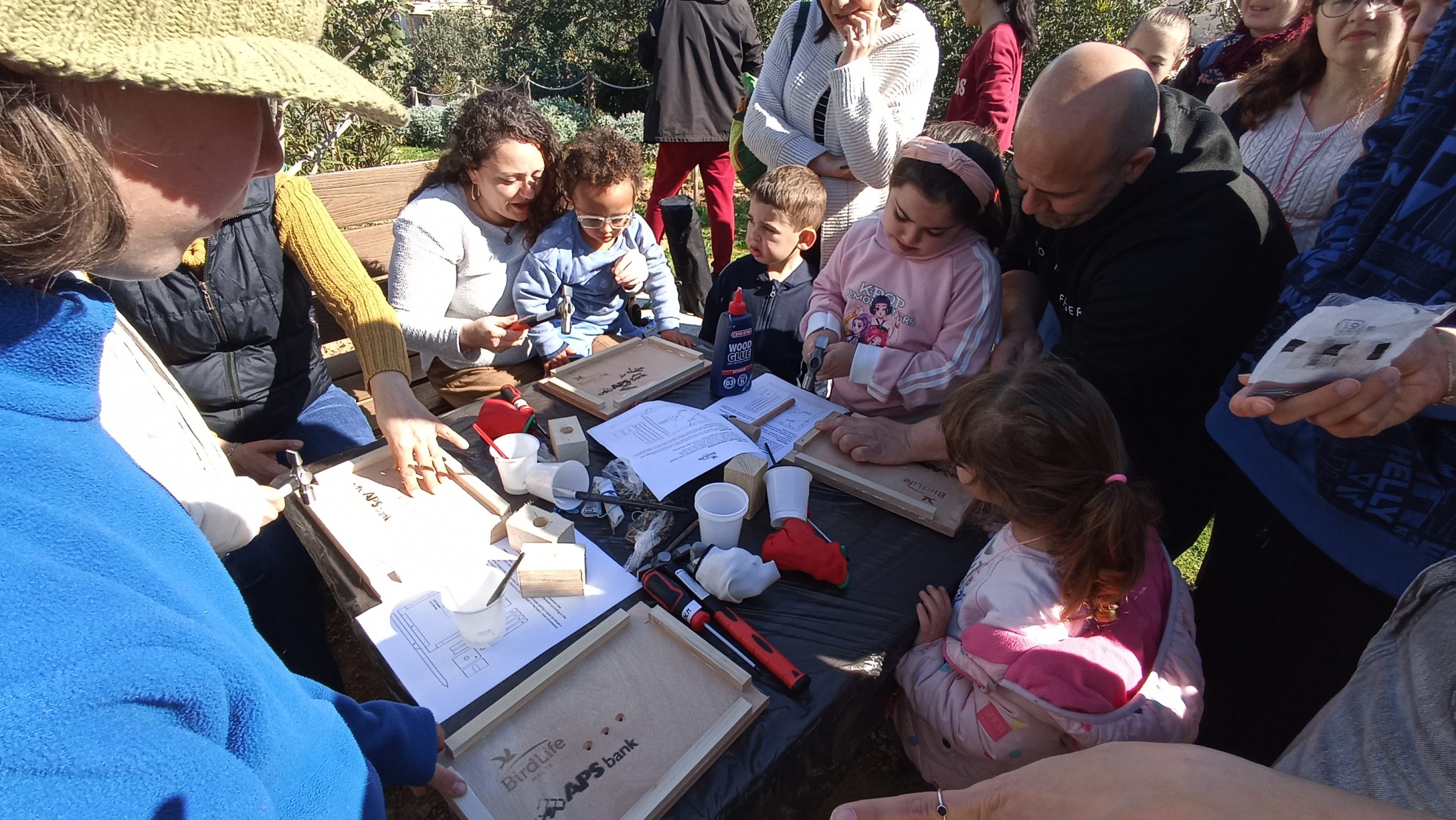
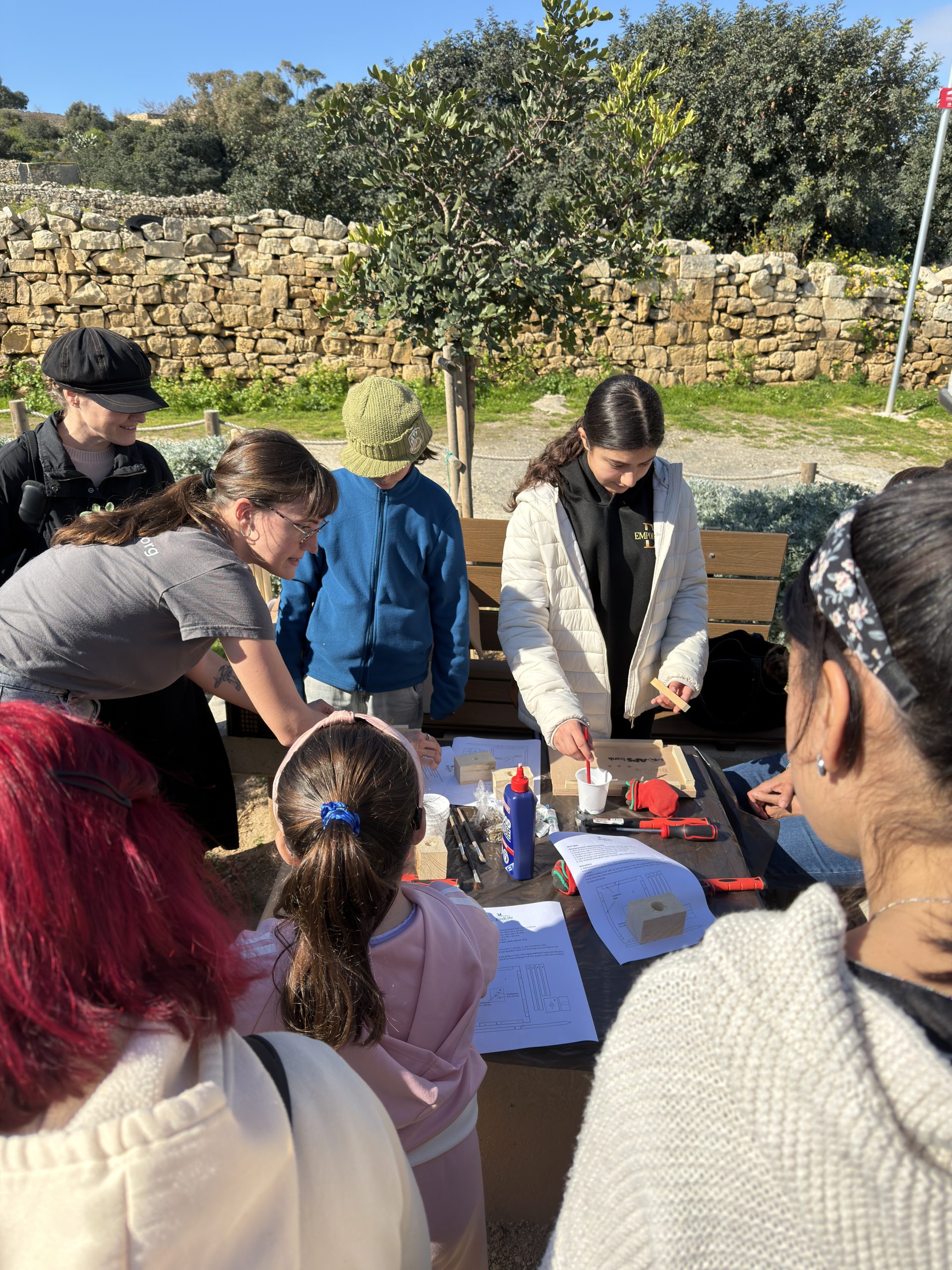
How to Build Your Own Bird Table
On the last weekend of the month, we enjoyed a wonderful morning in Qrendi, at Ġnejnet Nikol Aquilina. In collaboration with APS and Project Green, we set up two building stations, where families had the opportunity to create their own bird tables. It required some hard work, but it was incredibly rewarding to see everyone’s creations! Additionally, children played interactive games about urban birds, challenging their knowledge and memory. They also engaged in birdwatching activities around the park with the help of binoculars. It truly was a blast!
by Lisa Ciantar
by Ayden Akerhomebe
Credits
Text: David Attard, Justine Borg, Charles Coleiro, Anja Finke, Giulia Galvani, Sara Melfi, Stefano Miceli, Vera Tokmakova, Alice Tribe, Vittoria Turone
Editing: Nadia Sodano