
On the frontlines is our monthly newsletter section covering the activities of BirdLife Malta’s conservation, policy, nature reserve (Salina, Simar, Għadira and Foresta 2000), seabird and public engagement teams, together with an update about rare and scarce bird species observed.
Citizen Science in Action: Counting White Wagtails in Valletta
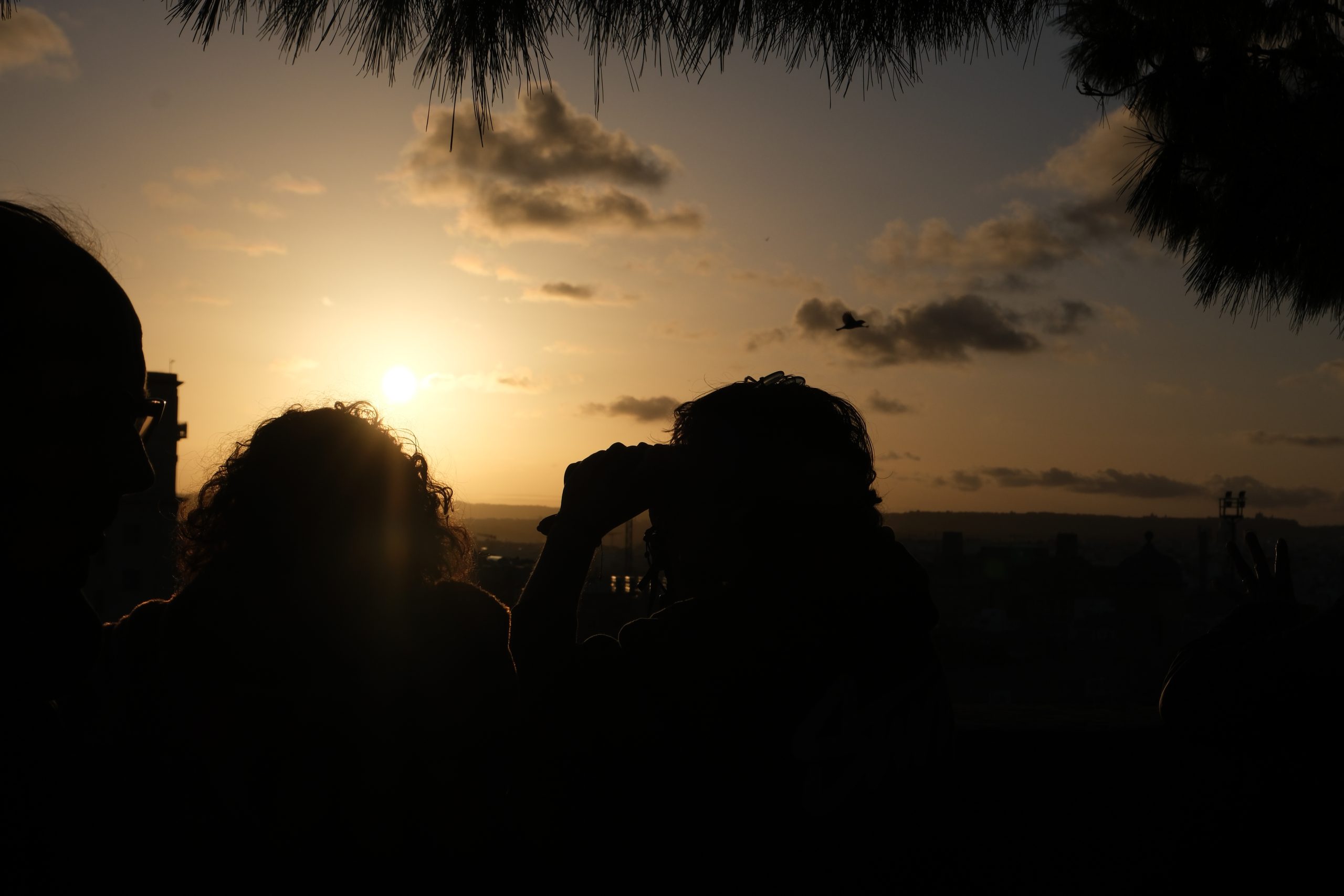
Each winter, Valletta becomes a seasonal haven as flocks of White Wagtails grace the city’s skies, attracted by the mild climate and shelter offered by Malta’s capital. On 17 January, BirdLife Malta organised its yearly White Wagtail roost census, uniting volunteers from a wide range of backgrounds and ages. Seasoned birders stood alongside first-time participants, all taking part in a much-loved initiative that has been ongoing since 1985 and continues to foster a shared commitment to nature conservation.
A total of 13,686 White Wagtails – Zakak Abjad in Maltese – were counted roosting in the mature Ficus trees close to St. John’s Co-Cathedral and the Law Courts. Further surveys recorded 923 birds in Mosta and 1,712 in Bugibba, resulting in a nationwide total of 16,326 White Wagtails. Through their dedication and vigilance, participants are not only helping to protect Malta’s wildlife but also encouraging future generations to appreciate and care for the natural world.
BirdLife Malta extends its sincere gratitude to all volunteers, APS Bank, and the Valletta Local Council for their ongoing support in preserving this remarkable and long-established natural event.
End of Hunting Season
With effect from 31 January, the autumn hunting season is closed. Any hunting activity observed after this date should be reported immediately to the Environmental Protection Unit (EPU) of the Malta Police Force on 119.
Reports may also be submitted to us via Facebook Messenger or by email at [email protected].
by João Candeias
Rehabilitation and Releases
January was a relatively quiet month. Nonetheless, we admitted a number of patients – some of whom required a lengthy stay with us.
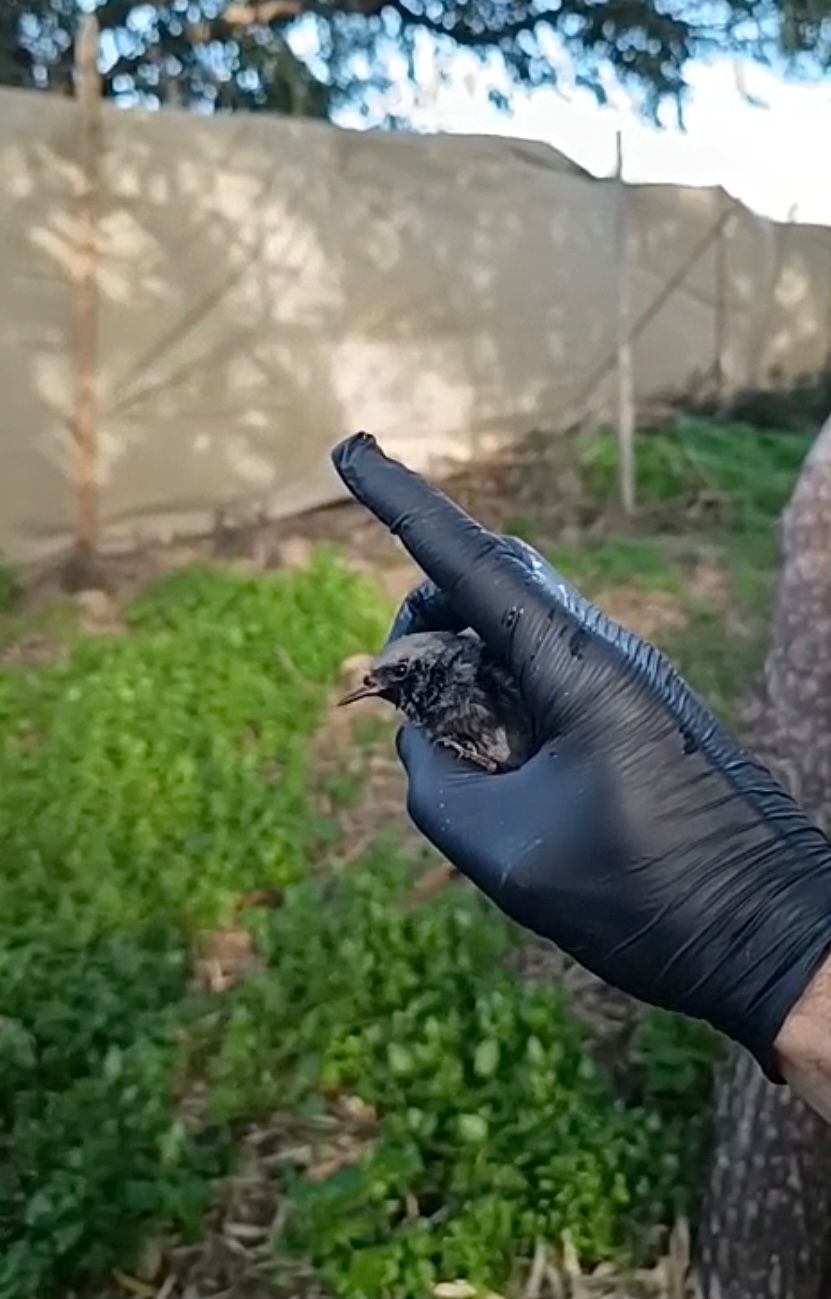
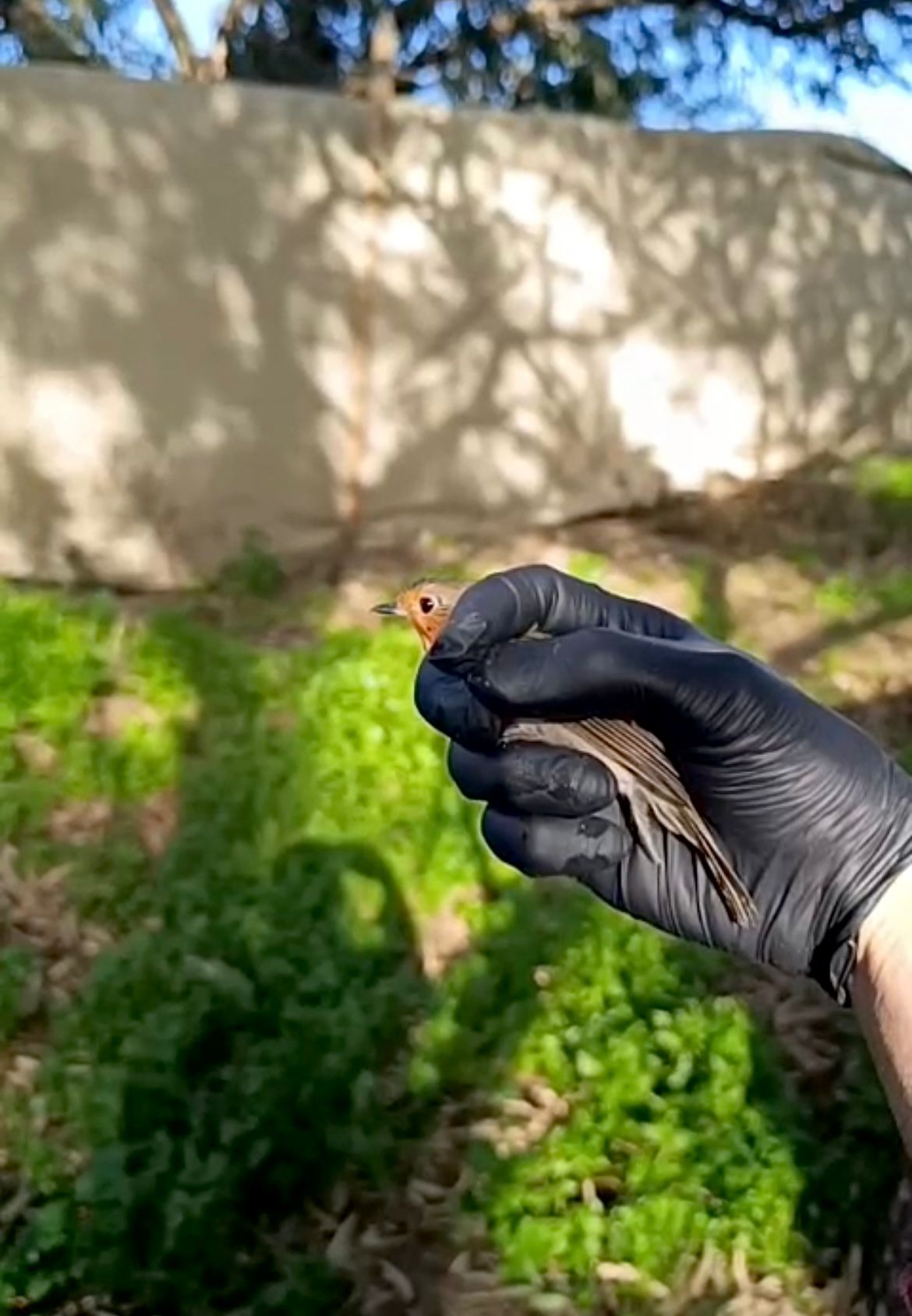
Unfortunately, we occasionally receive reports of birds caught in illegal glue traps. This month, two such cases involved a European Robin and a Black Redstart. Their rehabilitation journey was long and complex, as both were missing their tail feathers and several wing feathers, making it impossible for them to fly. After being stabilised and fed with an appropriate diet with supplements to support feather regrowth, they gradually regained full strength. Once healthy, they underwent flight assessments to confirm they could fly properly, and were subsequently released in our reserves, where they can find the resources they need to thrive.
by Francesco Dal Colle
by Francesco Dal Colle
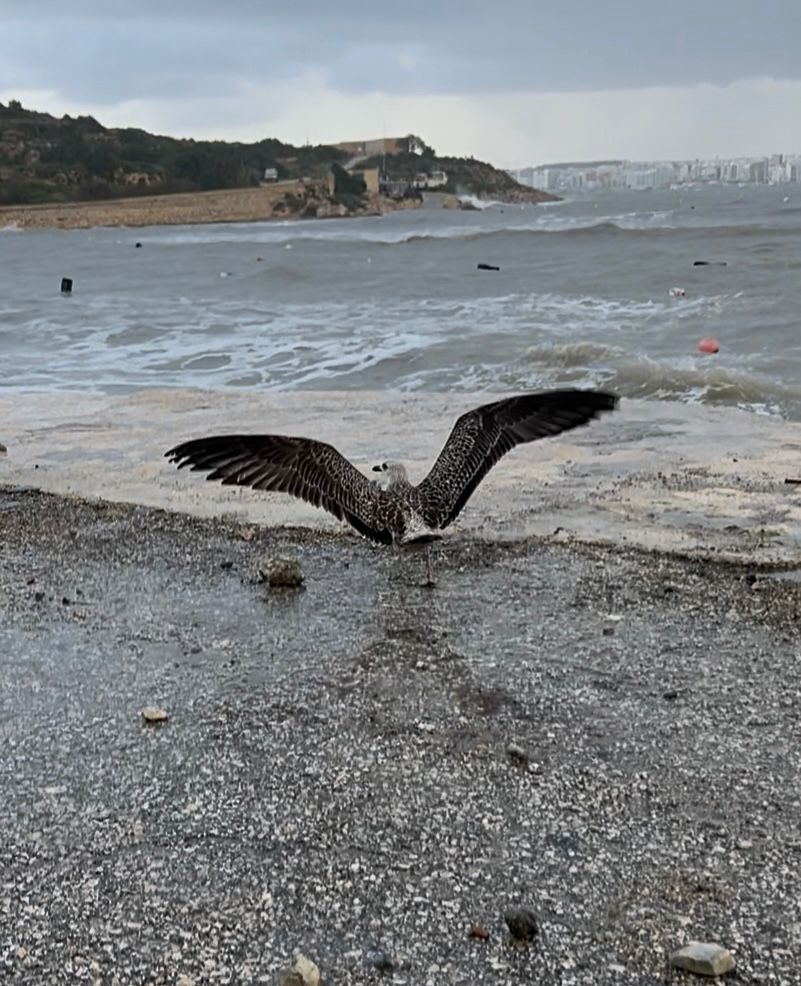
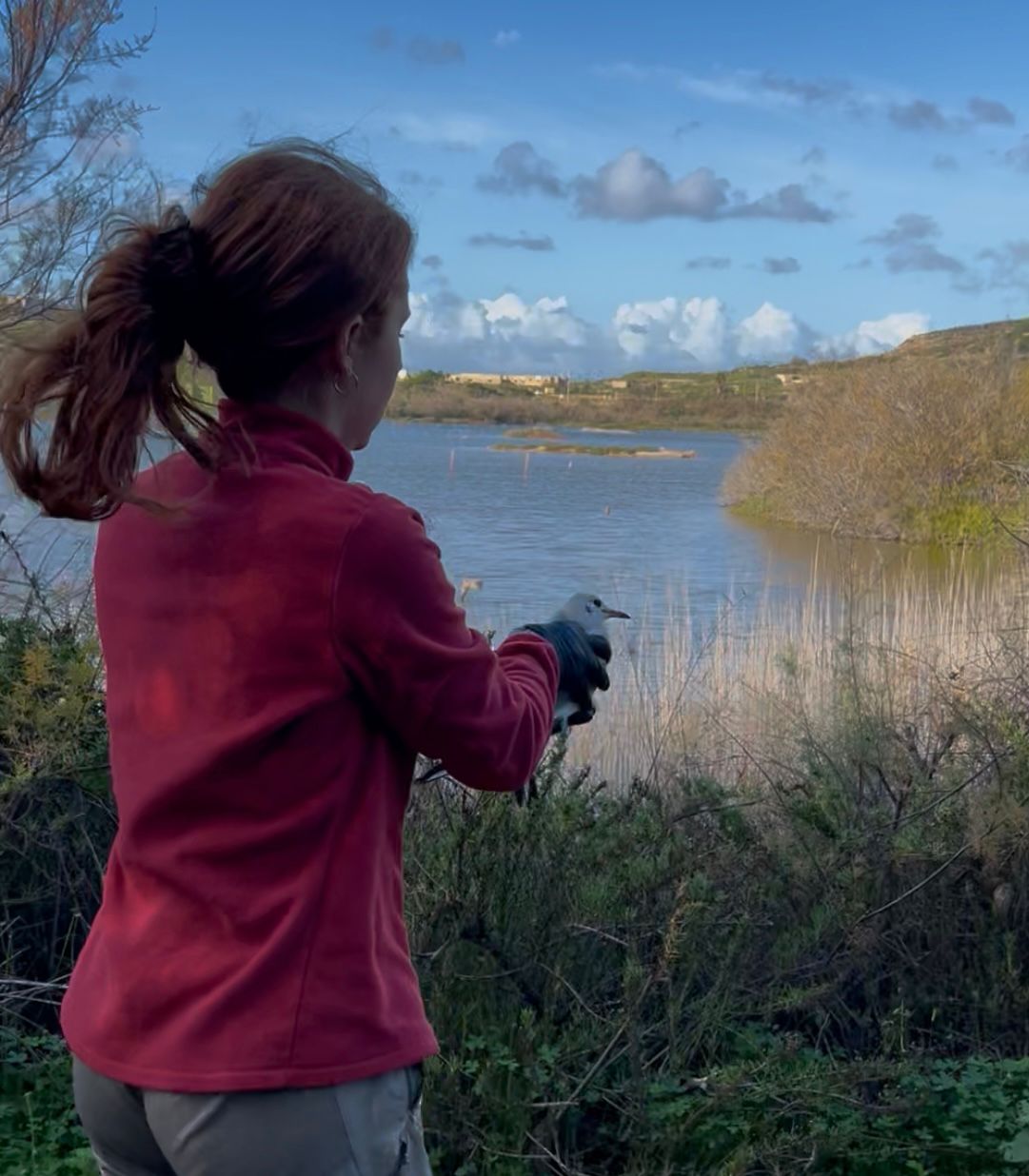
We also responded to several calls concerning gulls. These birds were found grounded, weak, and dehydrated.
After receiving the necessary treatment and supportive care, two Black-headed Gulls were ringed and released at Għadira Nature Reserve, close to suitable feeding areas and the sea. A Lesser Black-backed Gull and a Yellow-legged Gull were also admitted for similar reasons. After regaining strength and passing flight checks, the Lesser Black-backed Gull was ringed and released at Mistra Bay, allowing easy access to natural food sources. Similarly, the Yellow-legged Gull was ringed, tagged, and released at Salina Nature Reserve, following a full recovery. By tagging this gull, we will be able to better understand its movements after release, thus helping us with our ongoing monitoring and conservation work.
by Anja Finke
by David Attard
Monitor Visit for LIFE PanPuffinus! in Greece
As part of the last actions of the LIFE PanPuffinus! project, our project team will be heading out to Lesvos, in Greece, for the upcoming monitor visit! For four days, the monitor assigned by the EU Commission and the LIFE PanPuffinus! partners from different countries will be meeting in this beautiful island to discuss the last actions and the progress achieved at the end of the project. These important visits ensure the still ongoing success of the project and will help all partners input the last results of five years on seabird work.
Monitoring Tools Set Out for the Start of the Field Season!
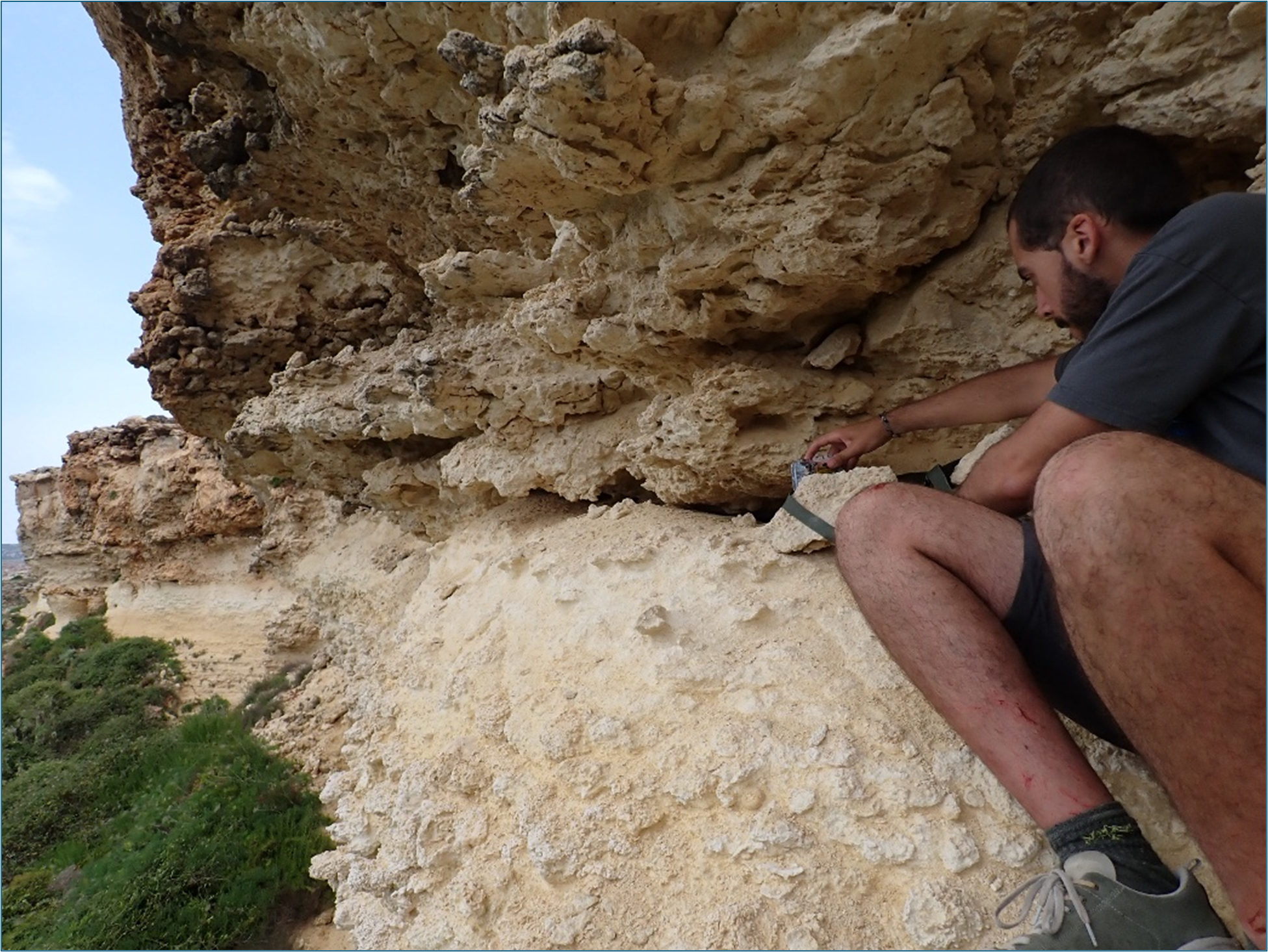
As the new year begins, our team is back in the field for another exciting season of seabird monitoring! Using specialized tools like autonomous recording units in remote areas and camera traps in more accessible sites, we’re collecting vital data to track population trends and inform our conservation efforts. Regular site visits ensure our equipment is functioning properly, helping us protect Malta’s incredible seabird species. Stay tuned for more updates!
LIFE Tetide Rope-Guards to Protect our Islets
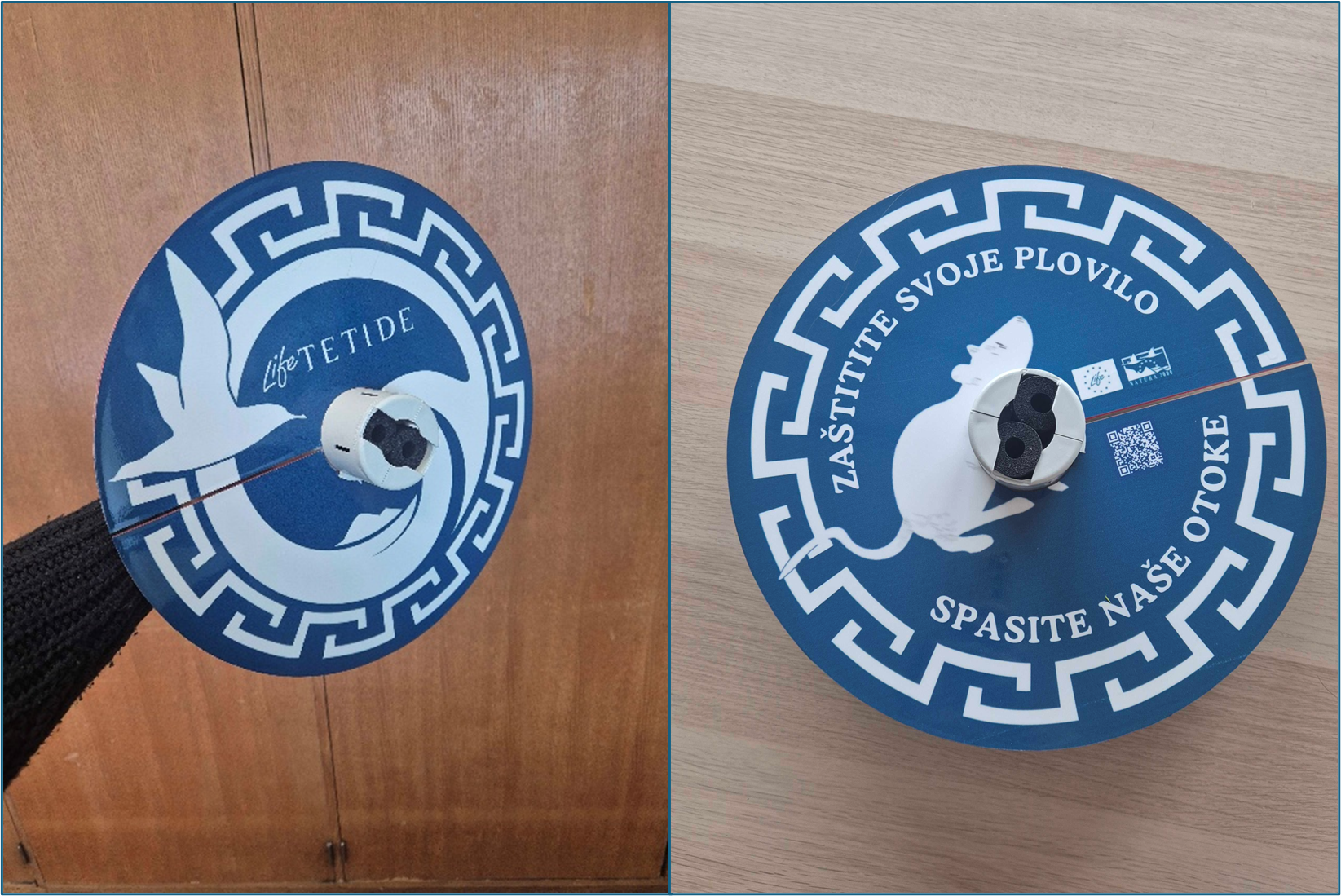
As part of the LIFE Tetide project, we designed specialized rope guards for distribution to local fishers and boat users operating from sensitive project sites such as Dwejra, Gozo and Wied Iż-Żurrieq. These rope guards not only help promote the project but also play an important role in preventing rodents from boarding vessels and spreading to nearby areas. The rope guards were also shared with project partners in Italy and Croatia, reinforcing a shared message: protecting our unique islets and their biodiversity!
by Rita Matos
by Udruga BIOM
Follow our LIFE PanPuffinus! project on our website and social media!

Building Collaboration for Nature Restoration in Malta
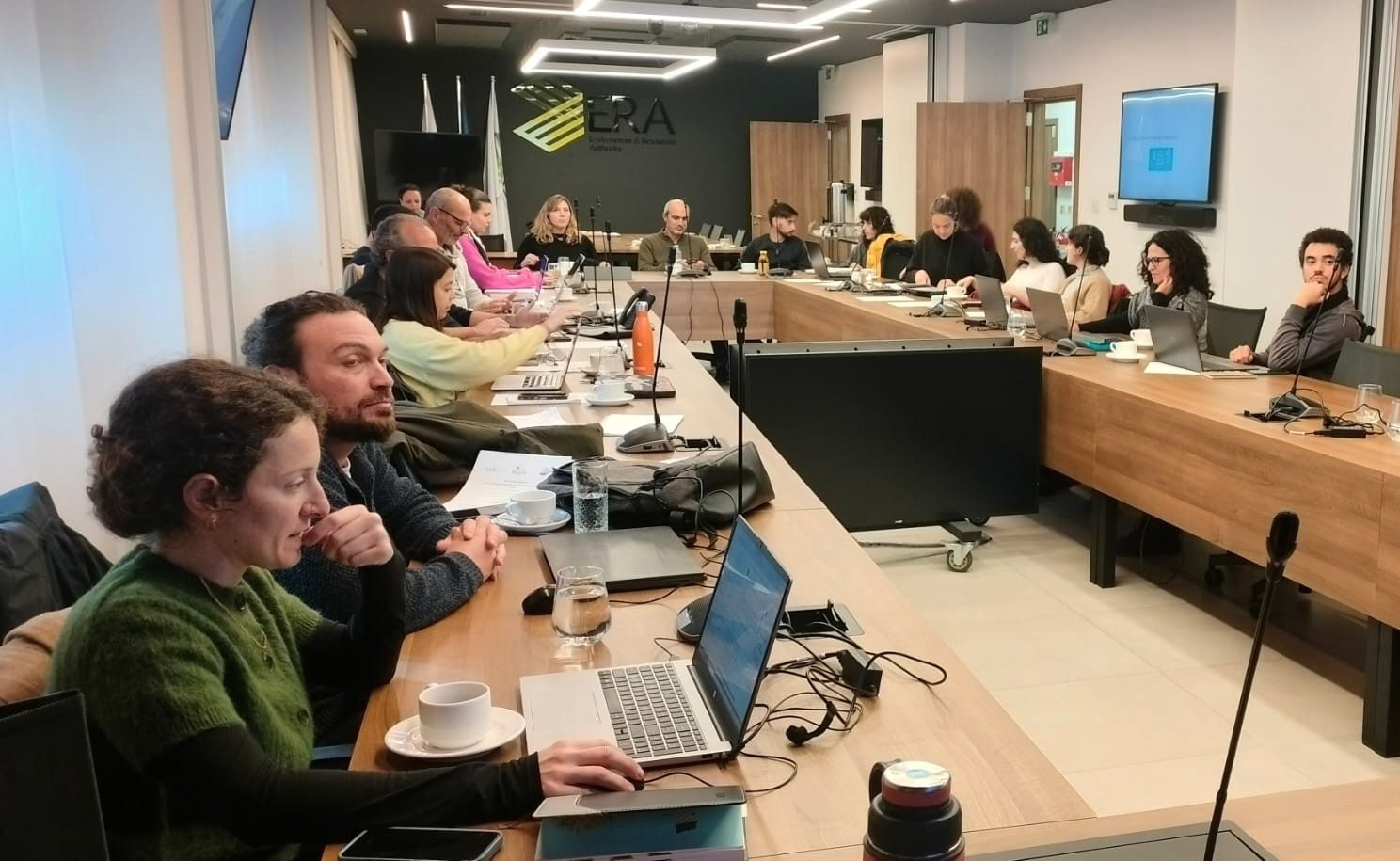
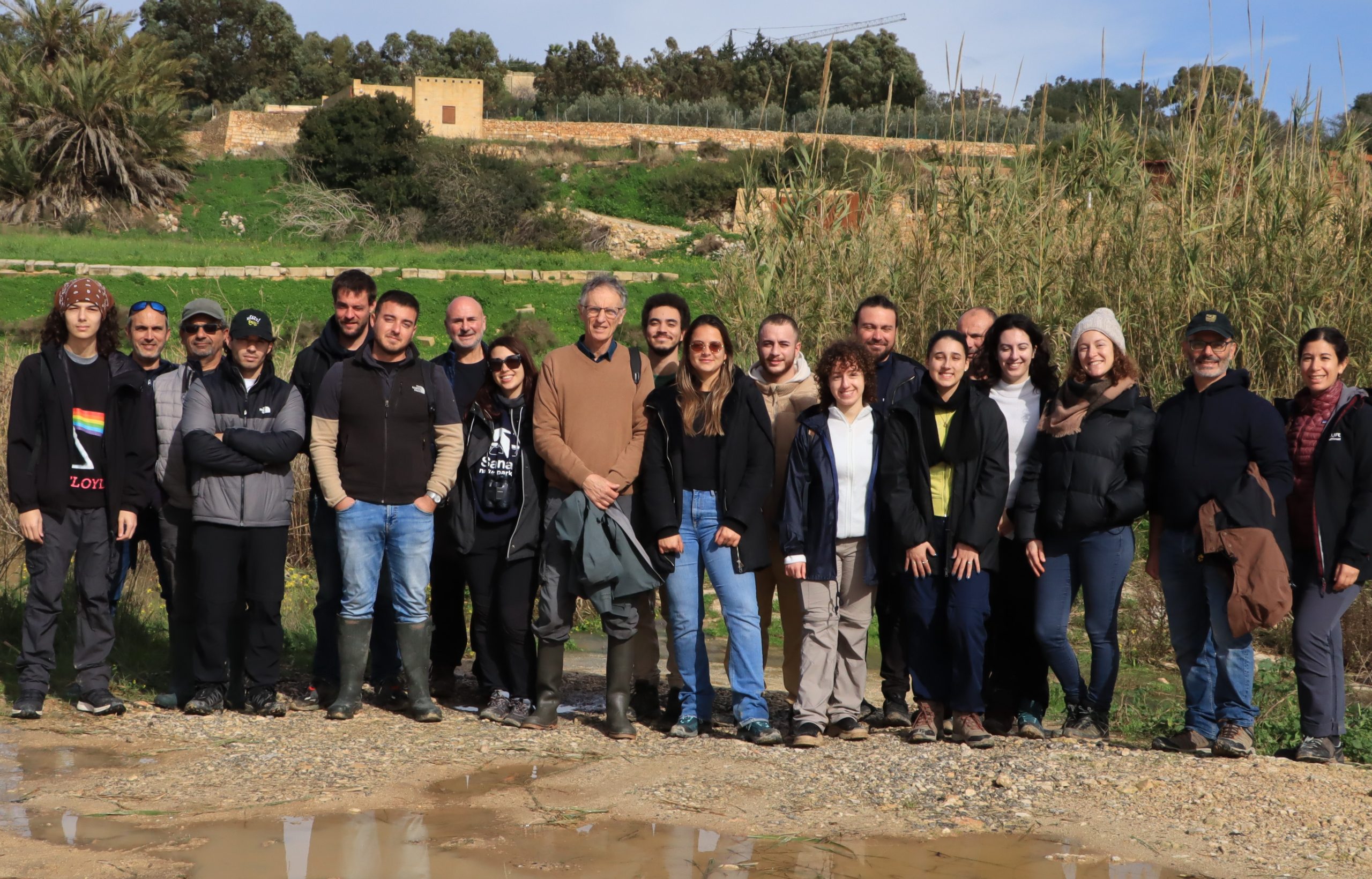
Between 19 and 22 January, BirdLife Malta organised a four-day, in-person training on nature restoration, bringing together key government bodies and environmental organisations to strengthen national restoration capacity and foster collaboration. Participants included the Environmental Resources Authority (ERA), the Energy and Water Agency, Nature Trust, Majjistral Park and Friends of the Earth.
Led by wetland ecologist Patrick Grillas, who also represents the Society for Ecological Restoration (SER), the sessions addressed key knowledge gaps and encouraged discussion on site-specific opportunities and challenges. SER is the leading global organisation setting international standards for ecological restoration.
The training focused on international standards and best practices in nature restoration, at a critical time following the adoption of the EU Nature Restoration Law in 2024. In Malta, ERA is leading the development of the National Nature Restoration Plan, which need to be submitted by September 2026. Despite challenges such as limited space, high population density and development pressure, Malta has significant restoration needs and strong potential for impactful projects
Following the training’s success, BirdLife Malta looks forward to continued cooperation among participants and other stakeholders, highlighting the importance of involving farmers, landowners and fishers. This is in fact one of the core principles of nature restoration, where the participation of every stakeholder is essential for successful restoration planning and long-term implementation.
by BirdLife Malta
by BirdLife Malta
Salina Nature Reserve
Sightings
As the weather became colder, gull numbers increased significantly, with a noticeable influx recorded. The vast majority were Black-headed Gulls, alongside good numbers of Mediterranean Gulls – a threatened species of conservation concern. Smaller numbers of Slender-billed Gulls and Lesser Black-backed Gulls were also observed, including quite a few adults. A few Caspian Gulls were present, among them two stunning adults, which is a very rare occurrence. Audouin’s Gulls were recorded, as well as the rare Little Gull and Common Gull, the latter being uncommon along our shores.
Some wintering waders persisted, including small flocks of Dunlin and Little Stint. The expected wintering ducks were also present, mainly Common Shelducks. Unfortunately, these were not spared by hunting activities, as one individual was observed with shotgun injuries. Other ducks recorded included Northern Shovelers, Gadwalls, and two male Common Pochards.
Common Kingfishers continued to delight us with their regular presence, while White Wagtails numbers increased dramatically, reaching the hundreds before heading to roost.
Works
The pumps have been operating non-stop, especially following the massive storm experienced by the island, which flattened a large part of the common reed bed. A significant amount of plastic debris was washed ashore and had to be removed, although further clean-up work is still required. Several fences needed mending, though structural damage was minor. The sukurssu became clogged with Neptune grass (Posidonia oceanica) and debris.
Beside that, the wetlands filled up well following the rainfall, and vegetation appears to be flourishing.
We also hosted a successful public event, welcoming many visitors to learn more about gulls – as a matter of fact, Salina is the reserve that supports the largest number of these birds on the island!
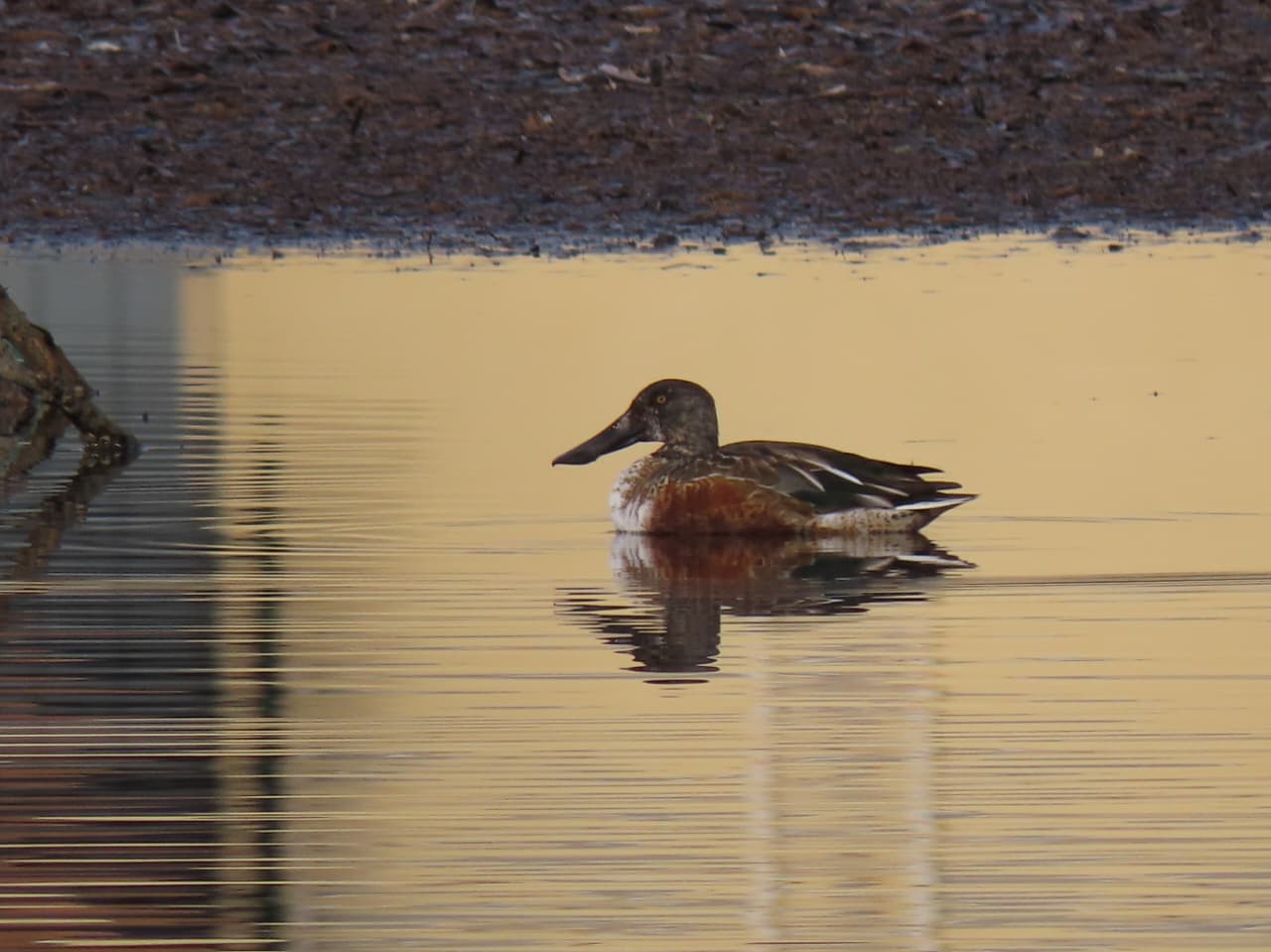
by Pamela Jorgo
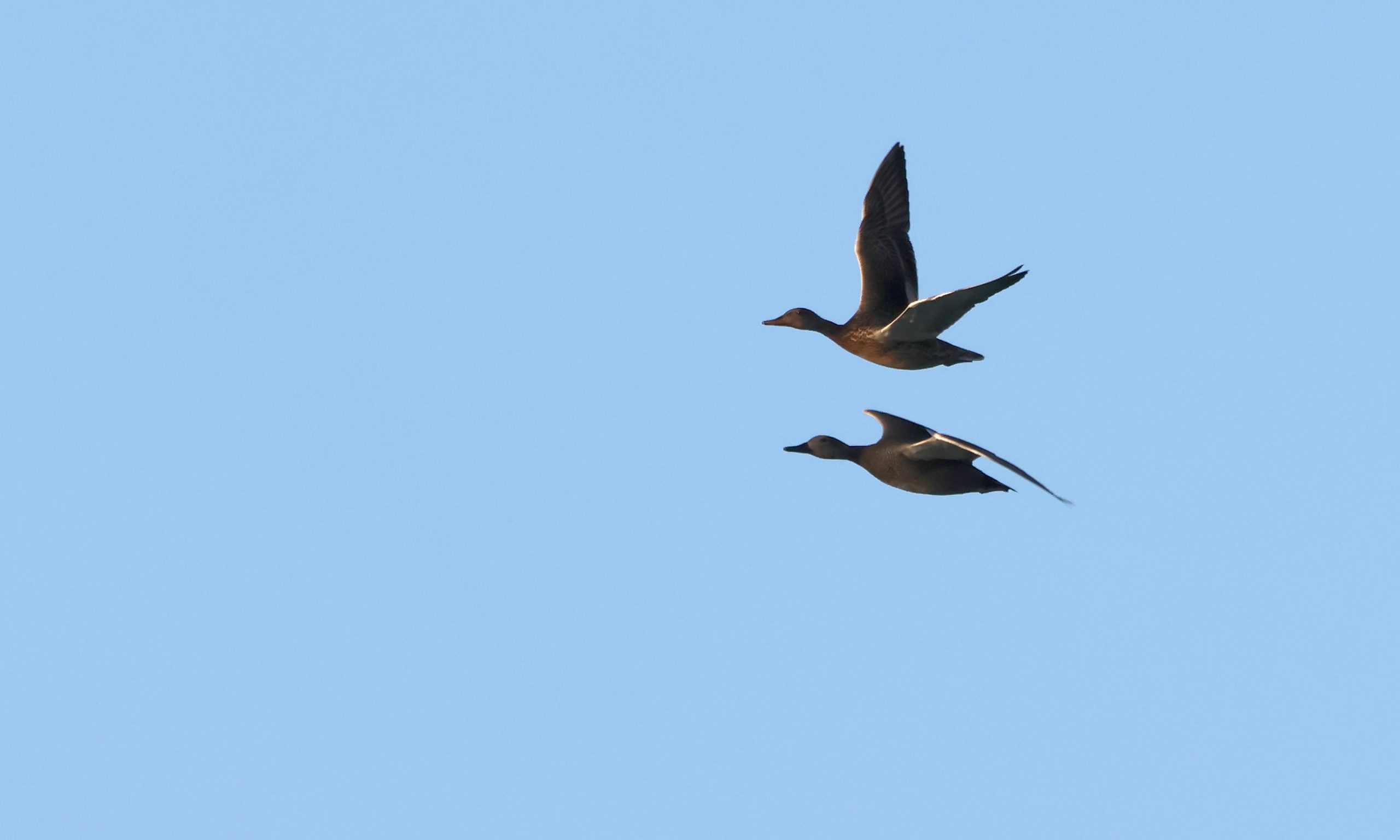
by Aron Tanti
Għadira Nature Reserve
Sightings
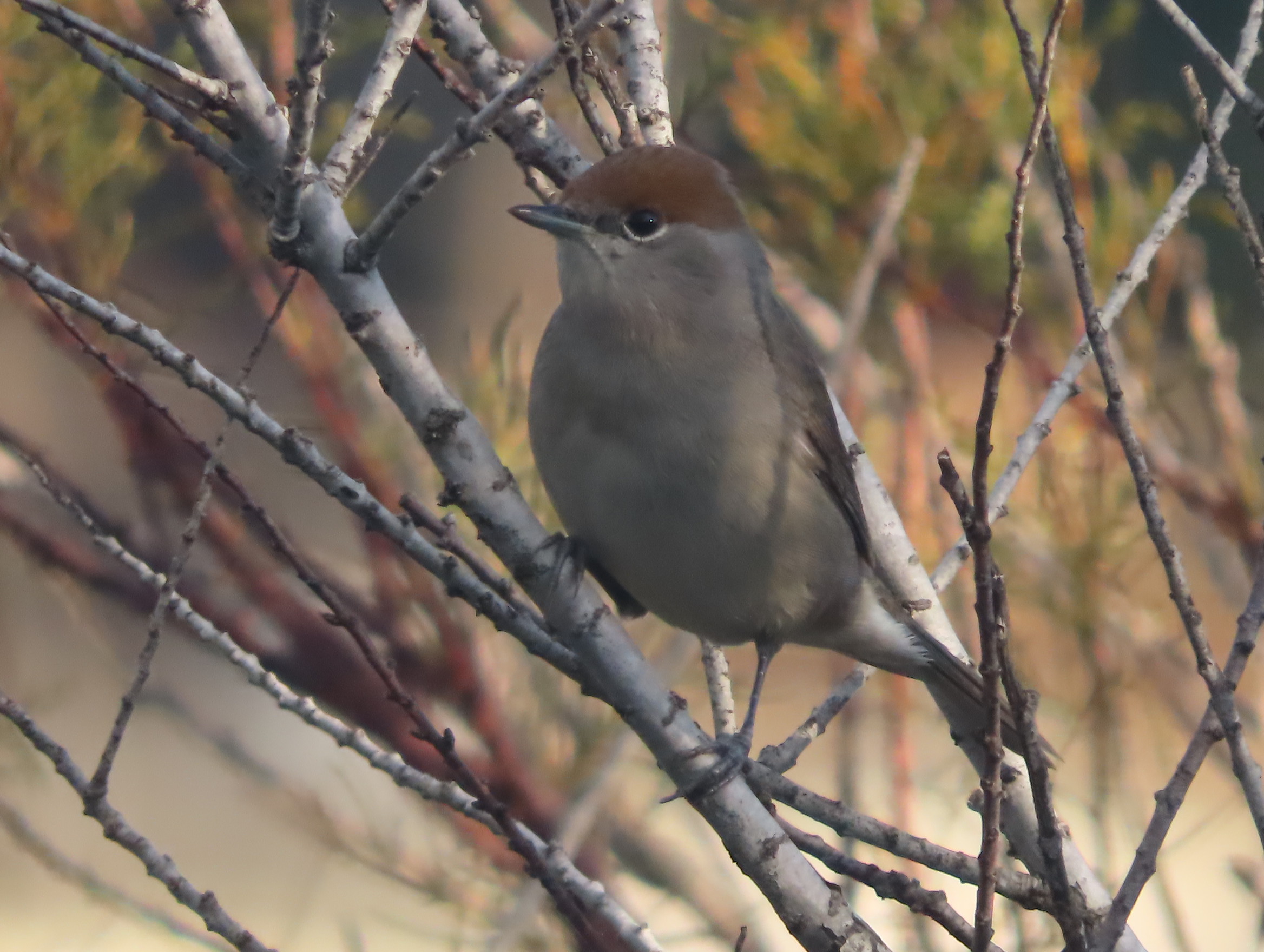
The year started with rather few wintering birds recorded at Għadira Nature Reserve. On most days we were able to record a Little Grebe, a couple of Black-necked Grebes and Common Kingfishers, some Water Rails and up to ten Common Moorhens! A Western Marsh-harrier was also spotted, as well as a Ruff and a few Common Shelducks. Great Cormorants were recorded in small numbers on a couple of days. On the other hand, Black-headed Gulls and Mediterranean Gulls were recorded in small flocks during stormy weather.
Amongst passerine species, Meadow Pipits, White Wagtails, European Robins and Common Chiffchaffs were recorded daily. Eurasian Blackcaps and Song Thrushes were noted singing towards the end of the month as well. Finally, a Corn Bunting was observed as the month drew to a close.
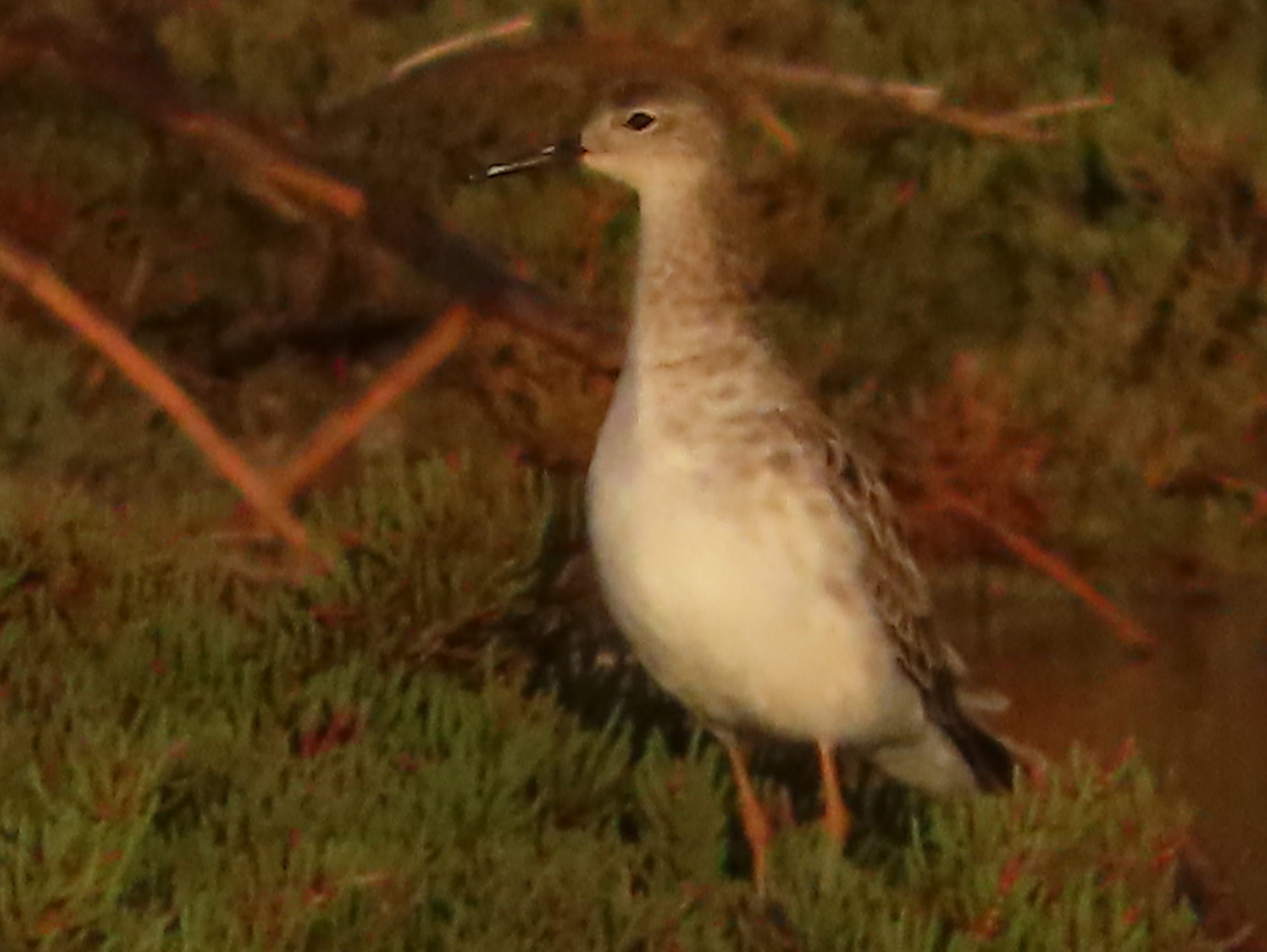
by David Attard
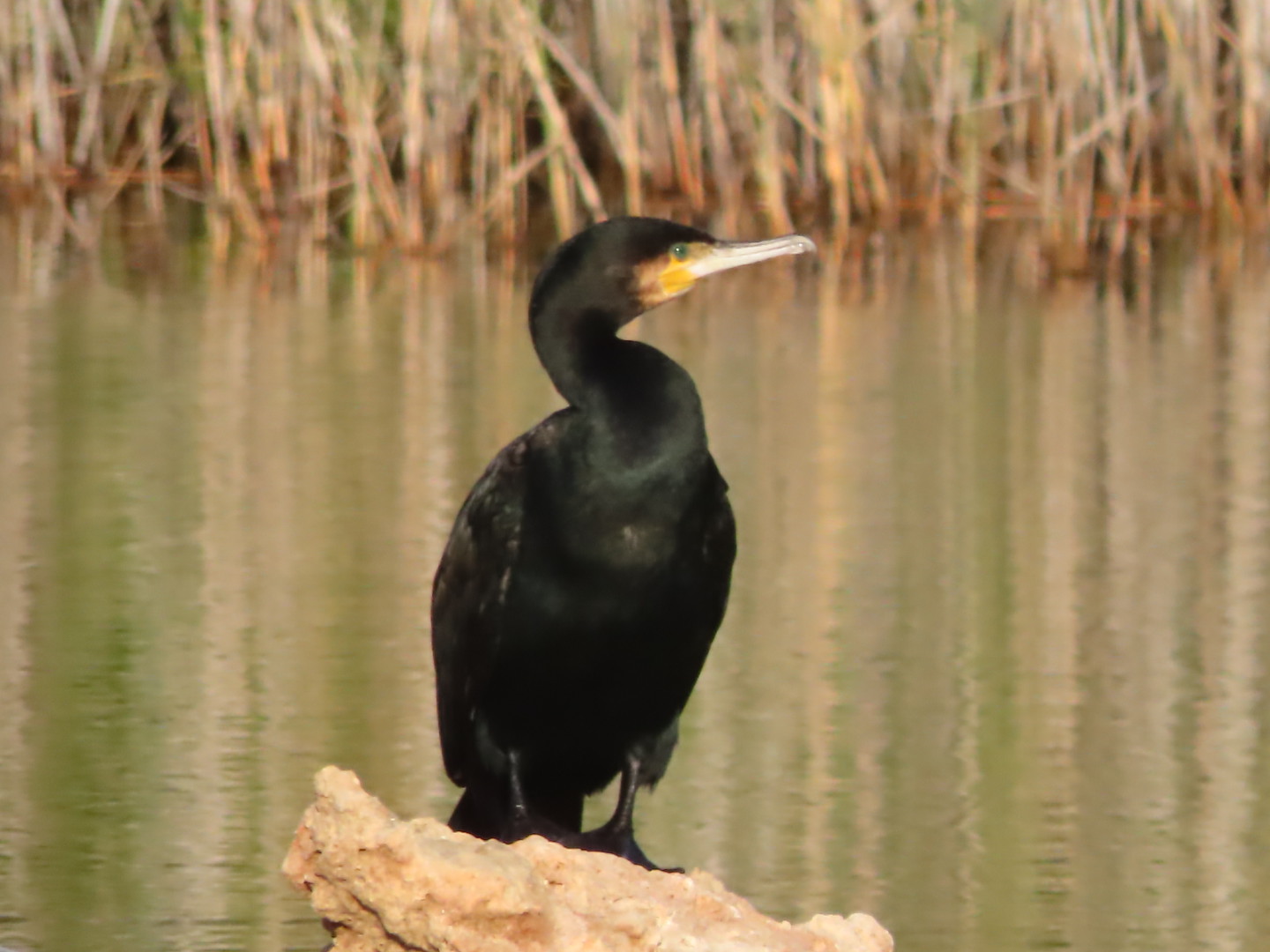
by David Attard
by David Attard
Works
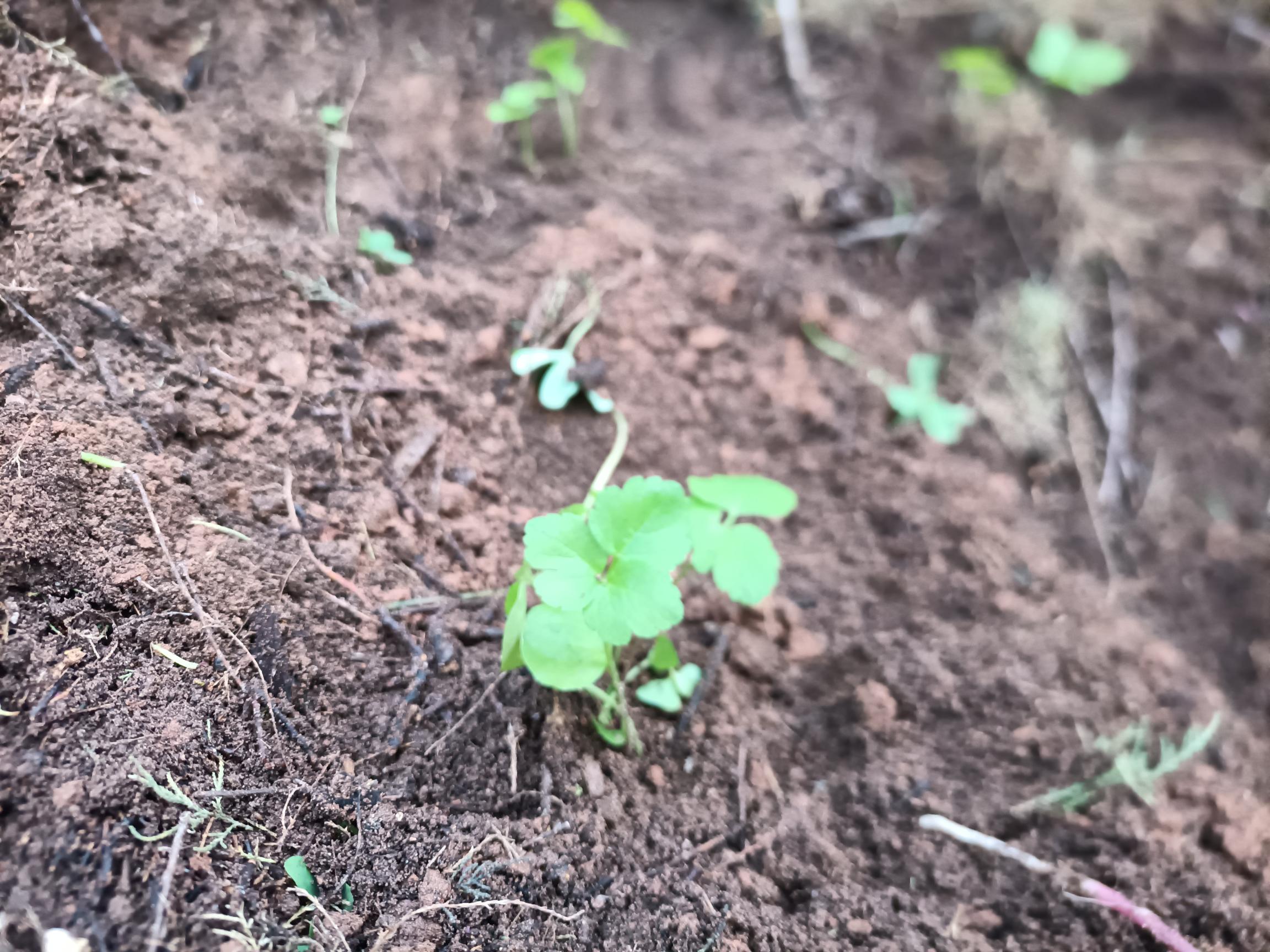
A good number of invasive African Box Thorn shrubs were uprooted in the south-east side of the reserve. Seedlings of Alexanders (Smyrnium olusatrum) and several bulbs and corms of Italian Lord’s and Ladies (Arum italicum) and Bear’s Breeches (Acanthus mollis) were planted along the public path, in an effort to control swats of invasive alien Cape Sorrel growing along the path. Such indigenous species grow high, shading the cape sorrel and eventually outnumbering the invasive alien species.
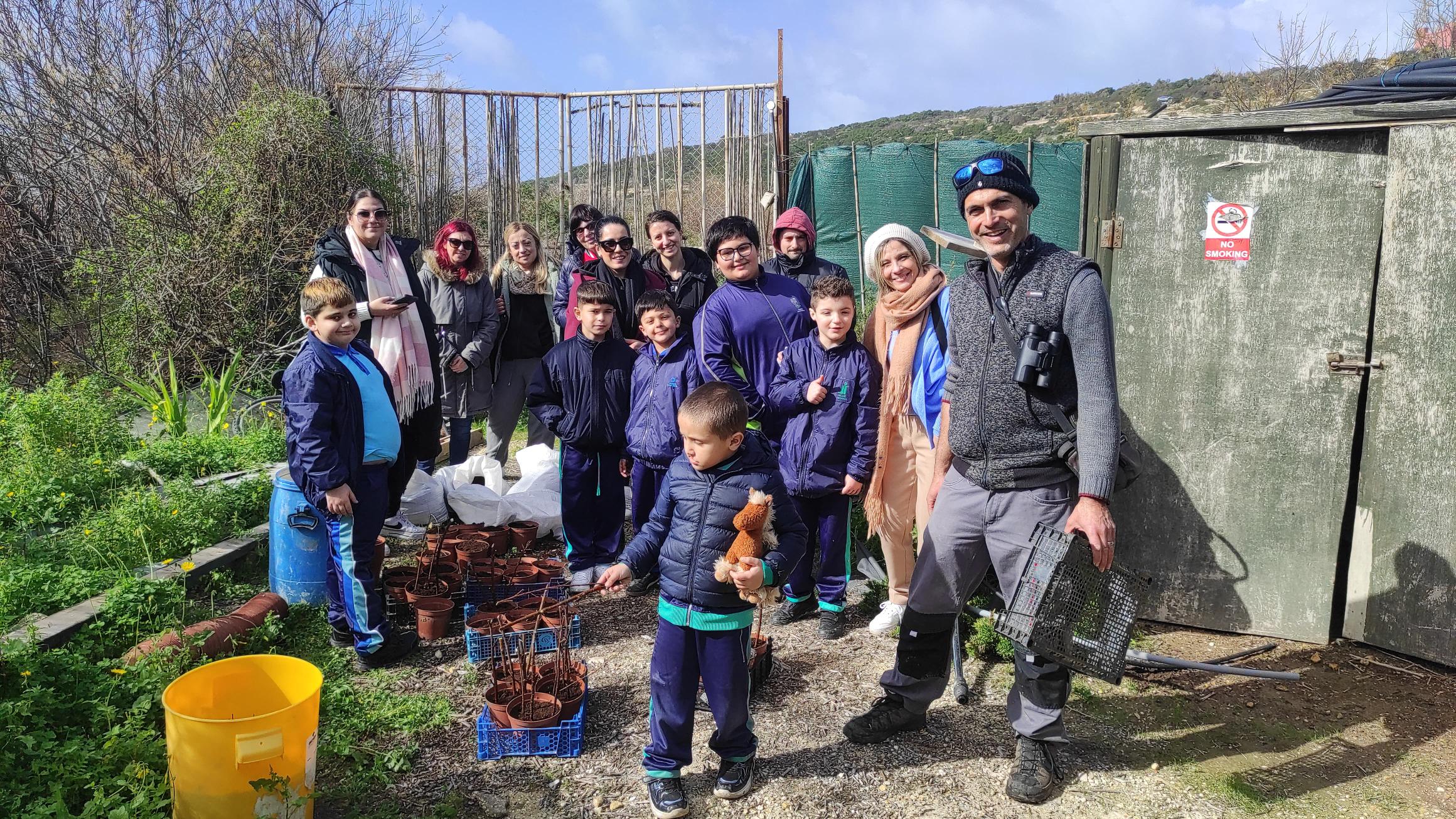
A total of twenty-five Chaste trees (Vitex agnus-castus) – grown in our tree nursery – were planted in part of the south embankment. A number of Tamarix and Chaste tree cuttings were also planted in the nursery during a school kids activity. The students were also given potted Tamarix cuttings to take care of at school!
During the month we also carried on with pruning of Tamarix trees and clearing of broken branches fallen on stormy days along the main paths as necessary.
by David Attard
by Rachele Bassi
Simar Nature Reserve
Sightings
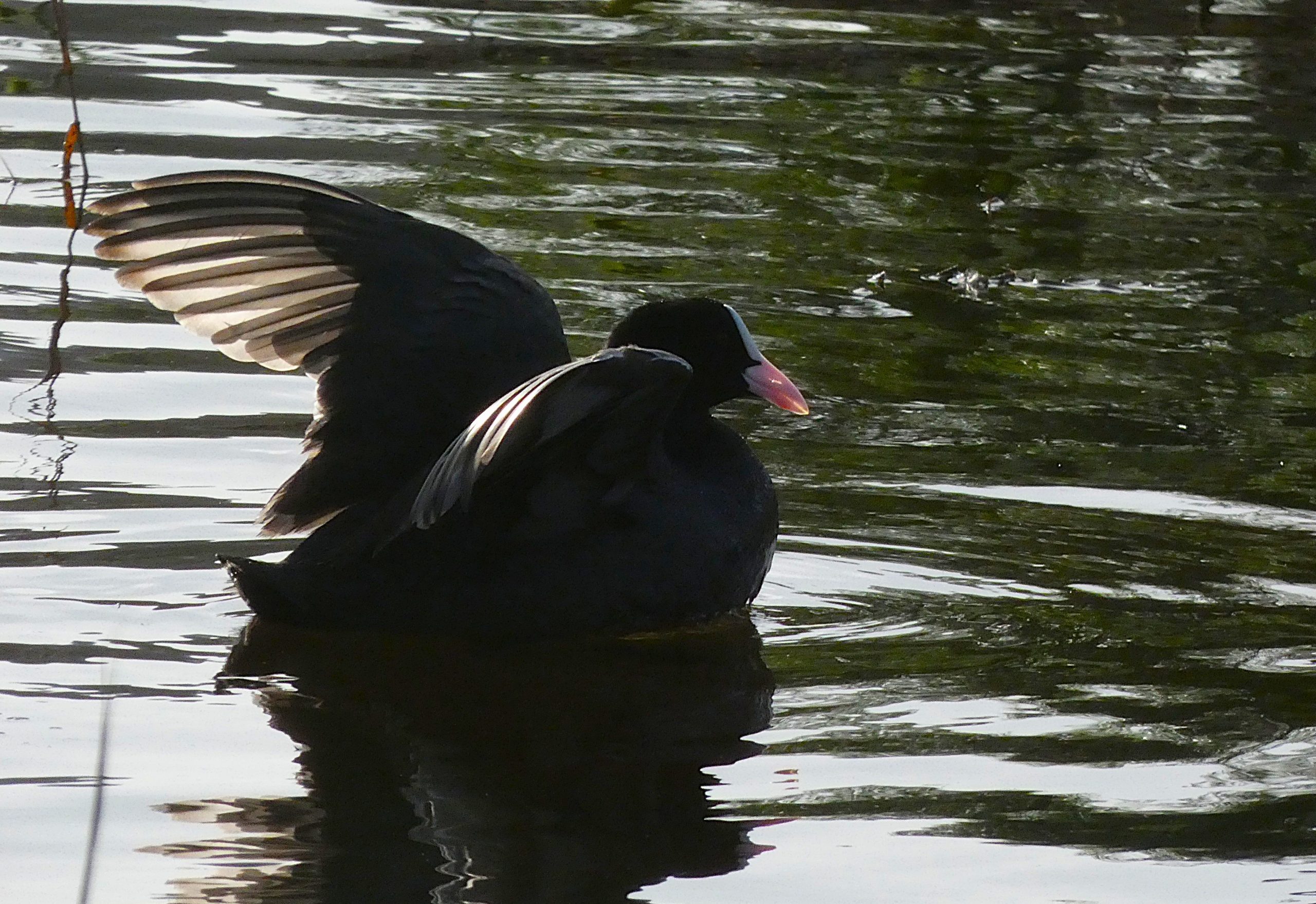
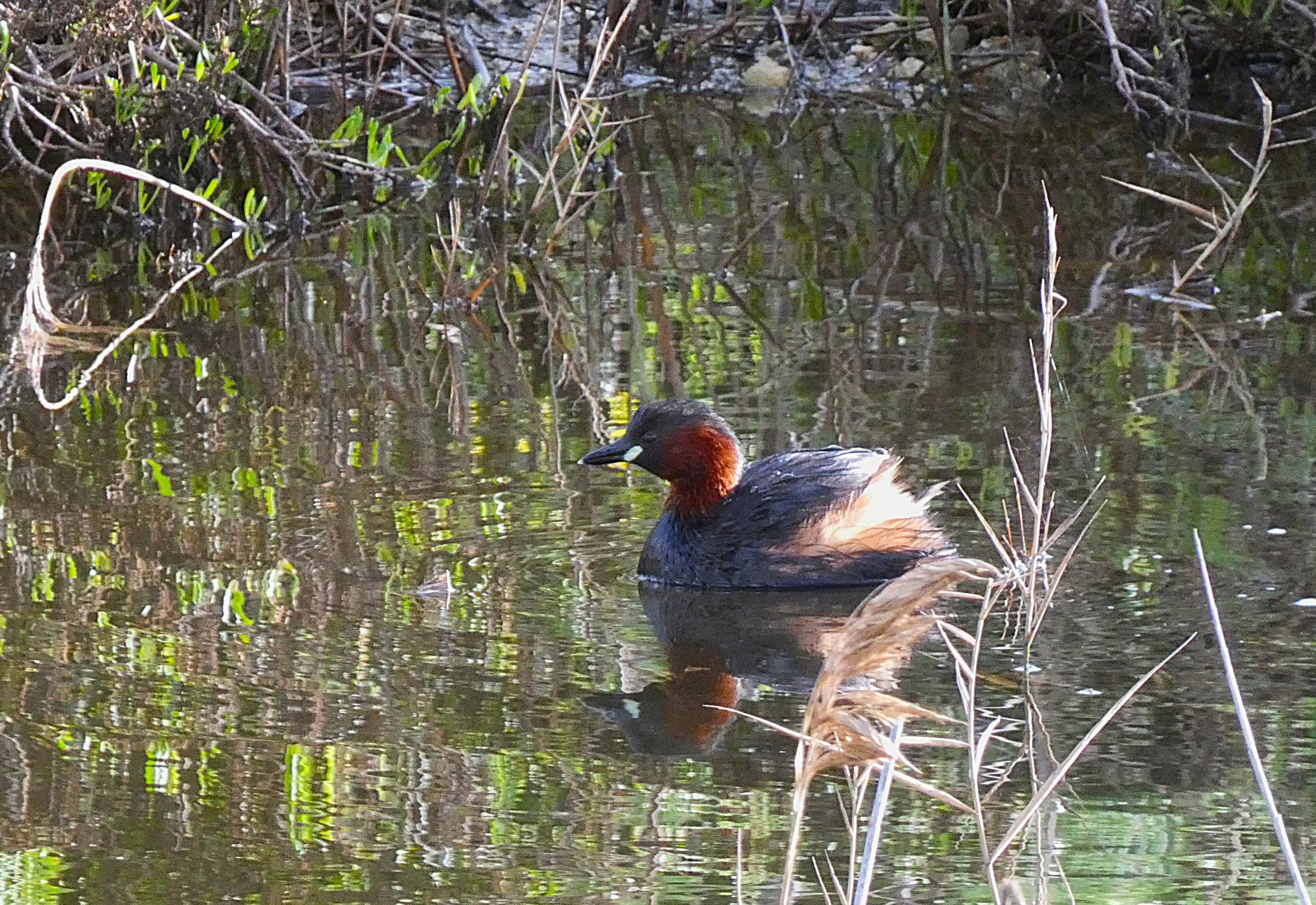
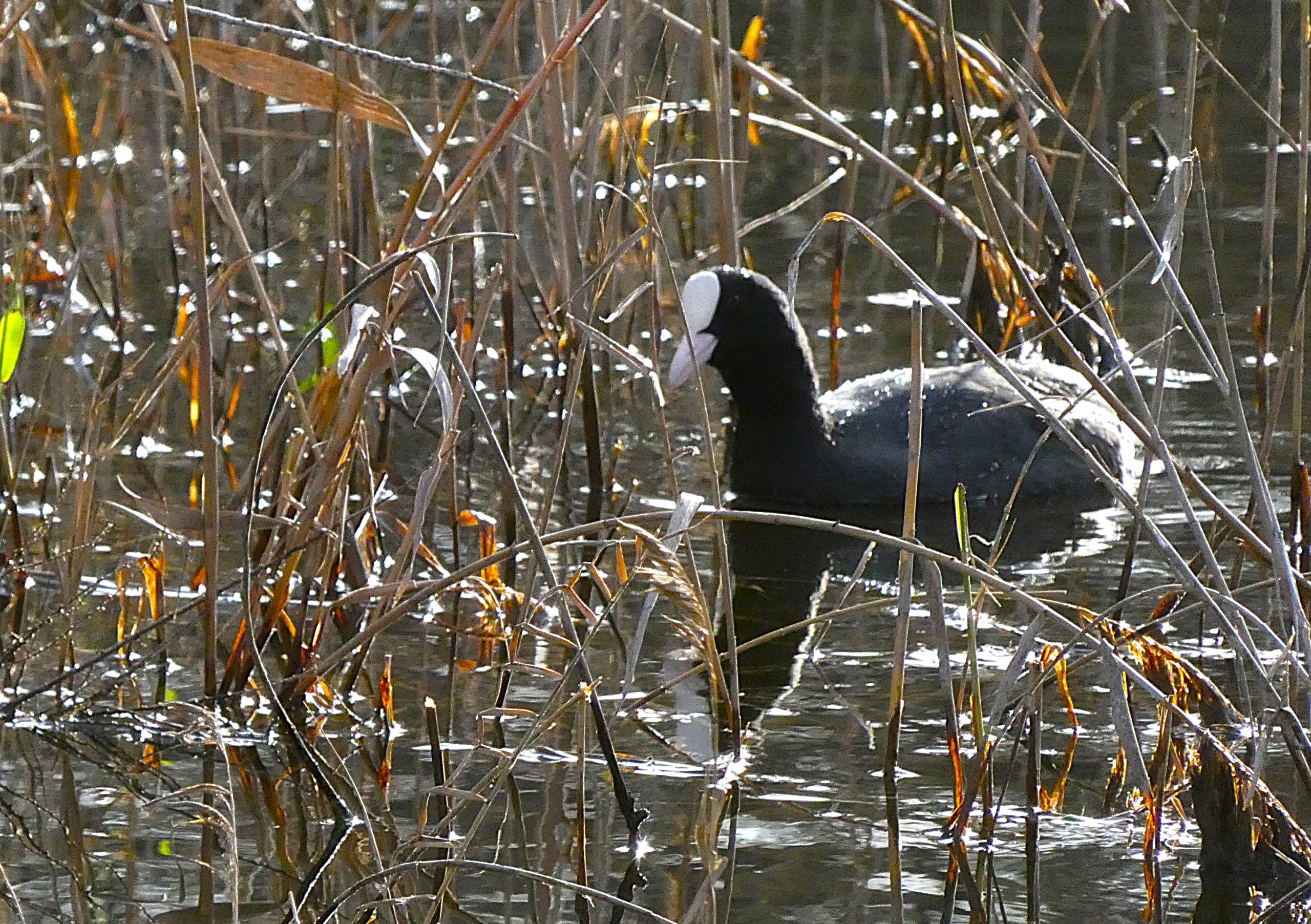
The wintering birds continued their stay, but some of them are already preparing themselves for the arrival of spring. The Little Grebes are now in full breeding plumage and continuously uttering their characteristic trilling call. The adult Common Coots have paired up and are showing signs of territorial behaviour. A male and a female Common Kingfisher have been regularly spotted and are possibly pairing up. Common Moorhens are also preparing for the breeding season, with some pairs already establishing their territory.
As usual the first spring migrant to arrive was the Northern House Martin, appeared towards the end of the month. Beside that, other species were very low in number, due to the strong winds and persistent rains. These included a few European Robins, Common Chiffchaffs, Eurasian Blackcaps and Common Stonechats. Occasionally, small numbers of Cattle Egrets were observed, as well as a few Water Rails and Little Egrets.
When the wind got stronger, a good number of Black-headed Gulls and Mediterranean Gulls often flew into the wetland. Towards the end of the month we also saw an adult Slender-billed Gull, and on some days a Western Marsh-harrier was observed flying over as well.
by Charles Coleiro
by Charles Coleiro
by Charles Coleiro
Works
Several storms with a good amount of rainfall led to increasing water levels in the wetland of Simar Nature Reserve. Most shorelines became submerged with some islands even flooded. Constant flow of water runoff from the surrounding fields and direct precipitations are important to replenish the wetland and reduce salinity.
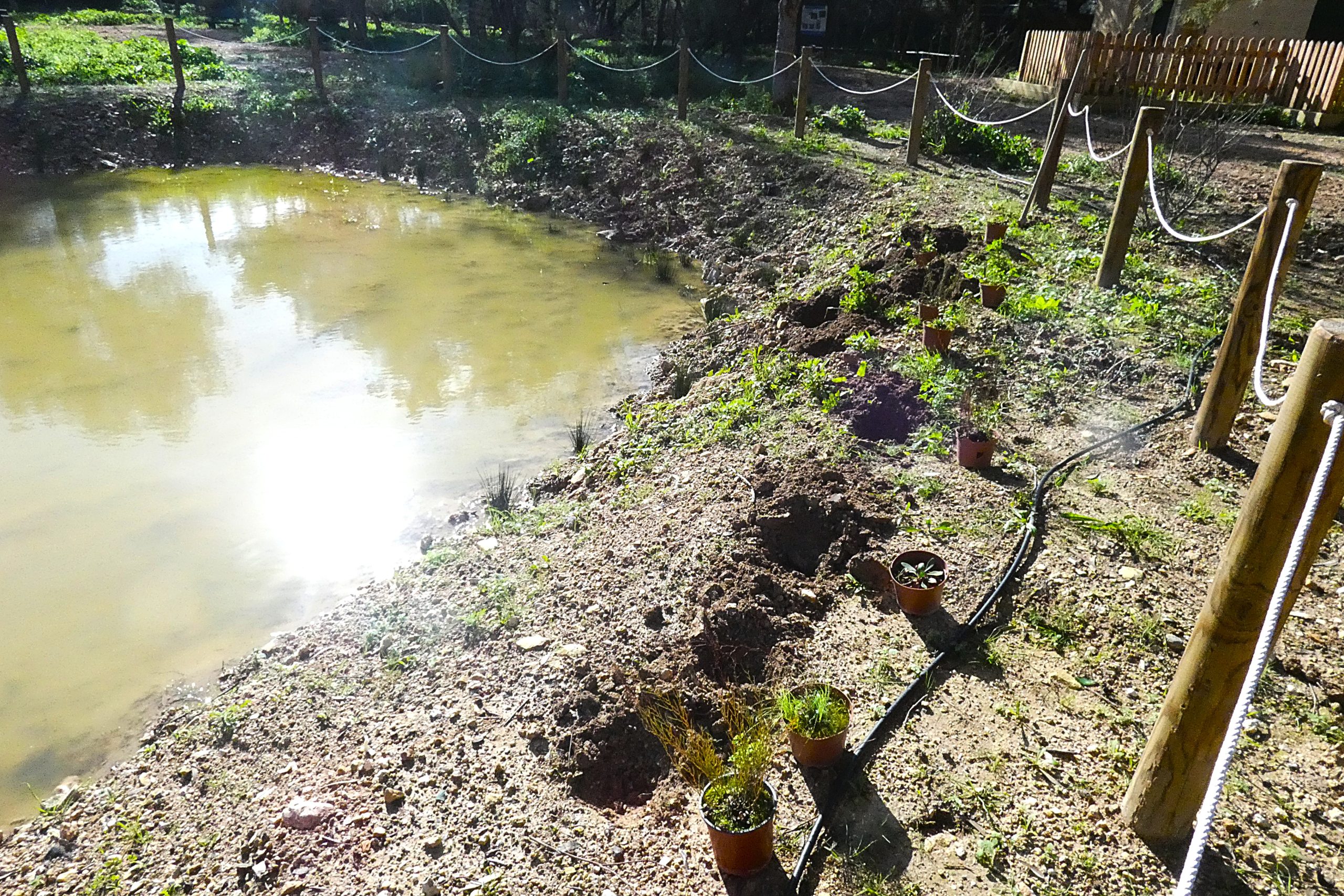
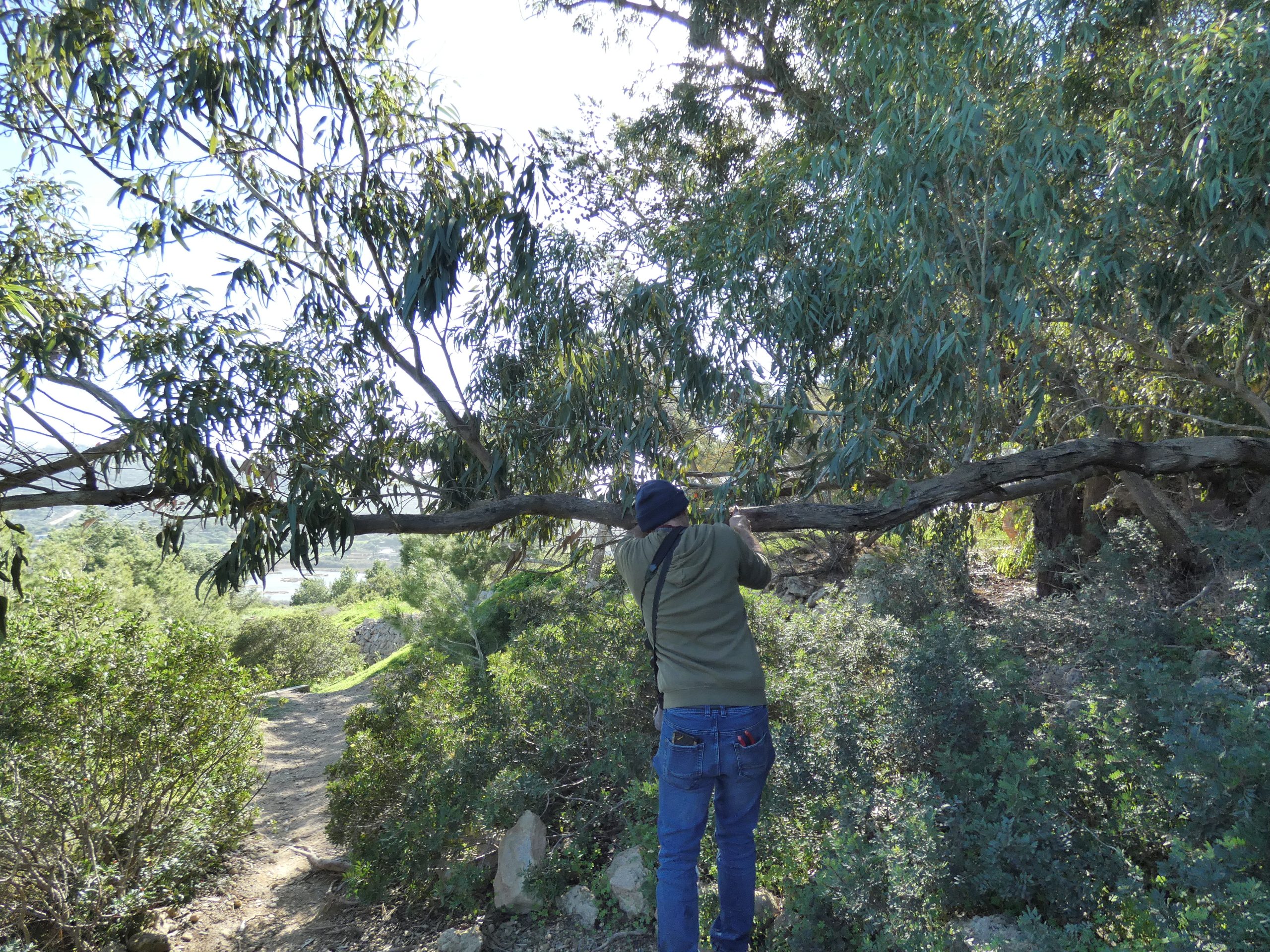
In the new area on the eastern end of the reserve, nature is gradually taking over following some engineering works. The excavated pond is now looking more natural, having a good amount of water and with various plants growing in it. Several Sharp Rush plants were planted as well as Golden Samphire and Maltese Sea-lavander. The Common Reeds are also gradually growing in some parts and will be managed to form a small reedbed. A fallen Eucalyptus tree was cut into small pieces with the main tree stump left on site for gradual decomposing. In the main reserve more Maltese Sea-lavander were planted along the nature trail and along some shorelines in the wetland.
by Charles Coleiro
Foresta 2000
Sightings
In Foresta 2000 the year began with cool, fresh days and a landscape still benefiting from the winter rains. The reserve remained visibly green, with new growth spreading across the garigue and woodland edges. This seasonal renewal continued to support a rich variety of wildlife, proving that winter is a lively and important period for Mediterranean ecosystems.
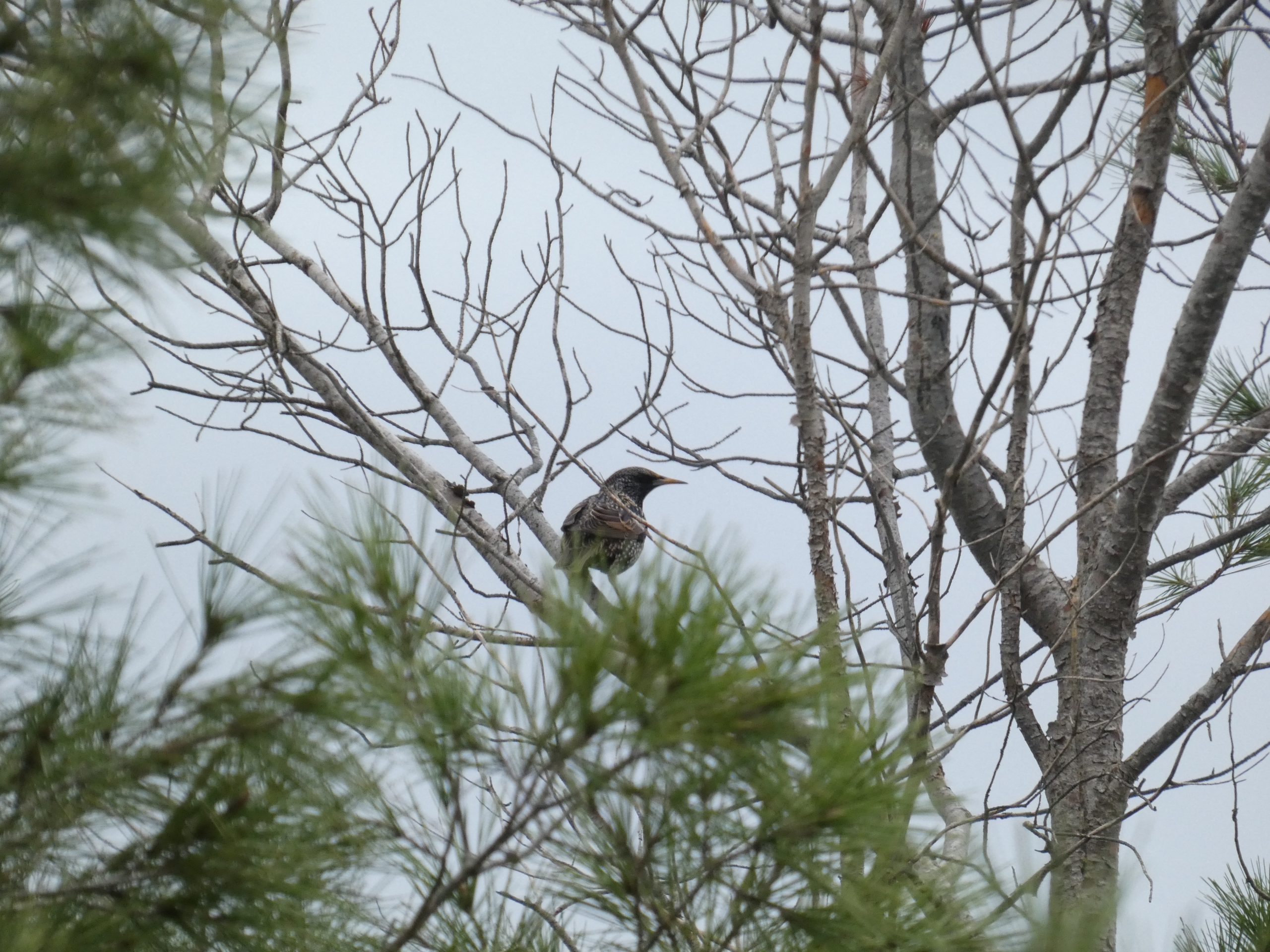
A strong presence of wintering birds was recorded throughout the month. European Robins were widespread and vocal, while Black Redstarts, Common Stonechats, and Sardinian Warblers were regularly encountered along paths and in shrubland areas. Song Thrushes and flocks of Common Starlings were seen frequently. Overhead, Common Kestrels were observed on a number of occasions as they were hovering and hunting across the open areas.
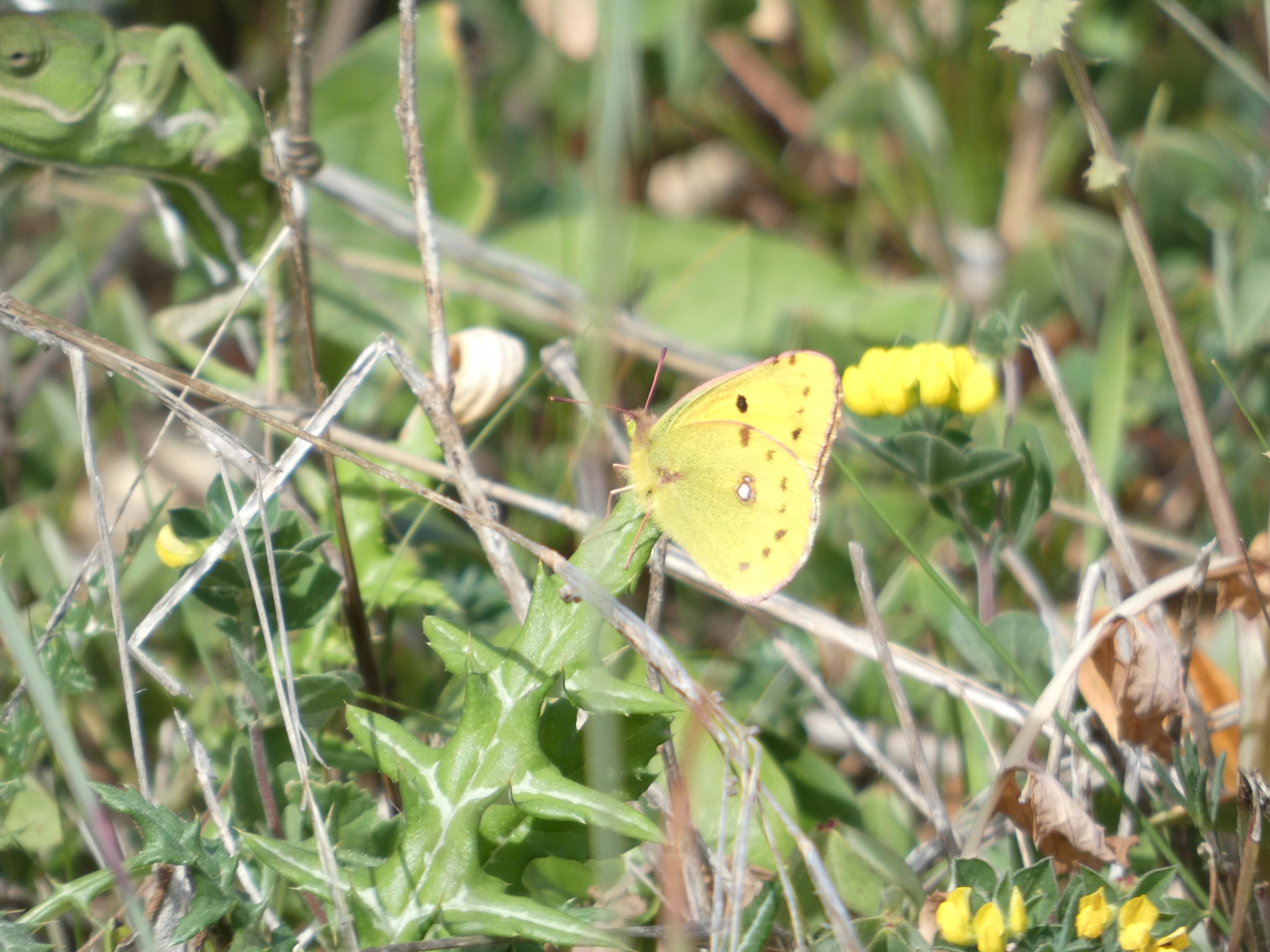
Despite the cooler temperatures, insect life was still present on sunny days. Clouded Yellow butterflies and Painted Ladies were occasionally seen on the wing, along with the last of the Red-veined Darters near sheltered clearings. Finally, the rock pool is now filled with water!
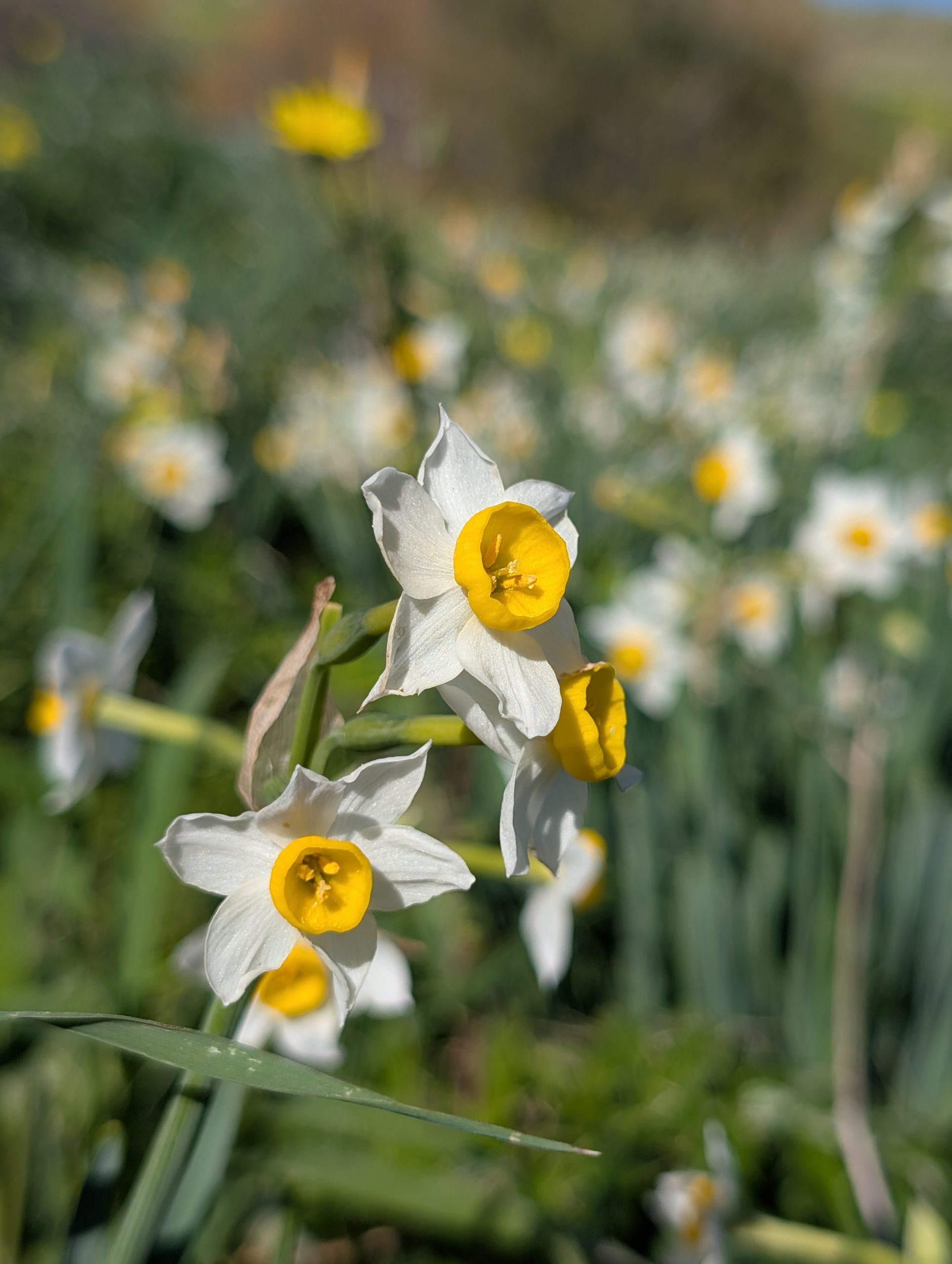
Across the reserve, early winter flora continues to emerge and the grass keeps on thickening, with French Daffodils and Sulas colouring the meadows. Furthermore, all around many mushrooms appeared as well.
by Vera Tokmakova
by Vera Tokmakova
by Vera Tokmakova
Works
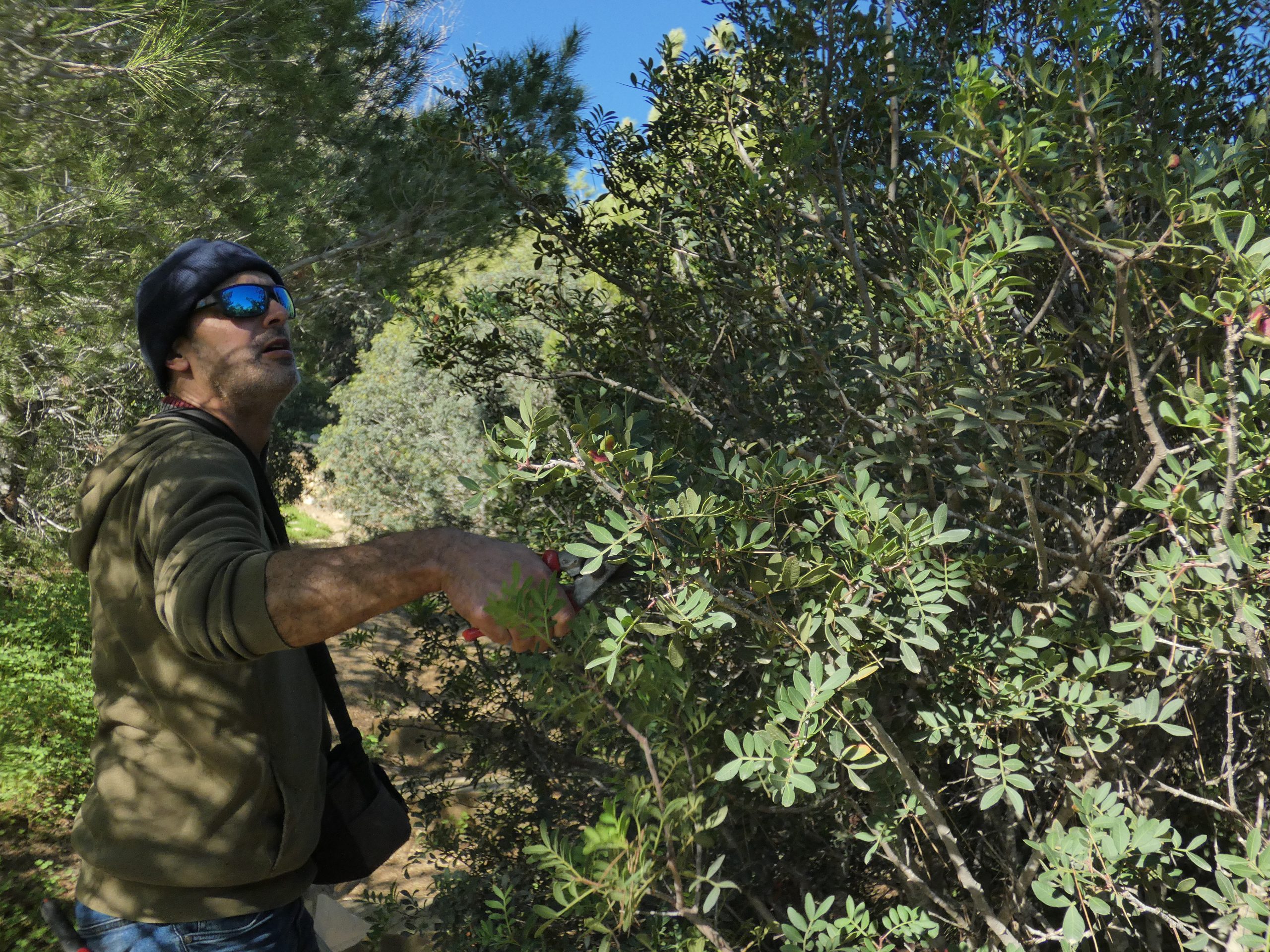
In preparation for the winter storms, branches hanging over the paths were removed to improve visitor safety. As Storm Harry passed over Malta, in Foresta 2000 we were lucky as it caused very little damage here, with no major impact on trees or infrastructures, and only minimal litter being brought into the reserve.
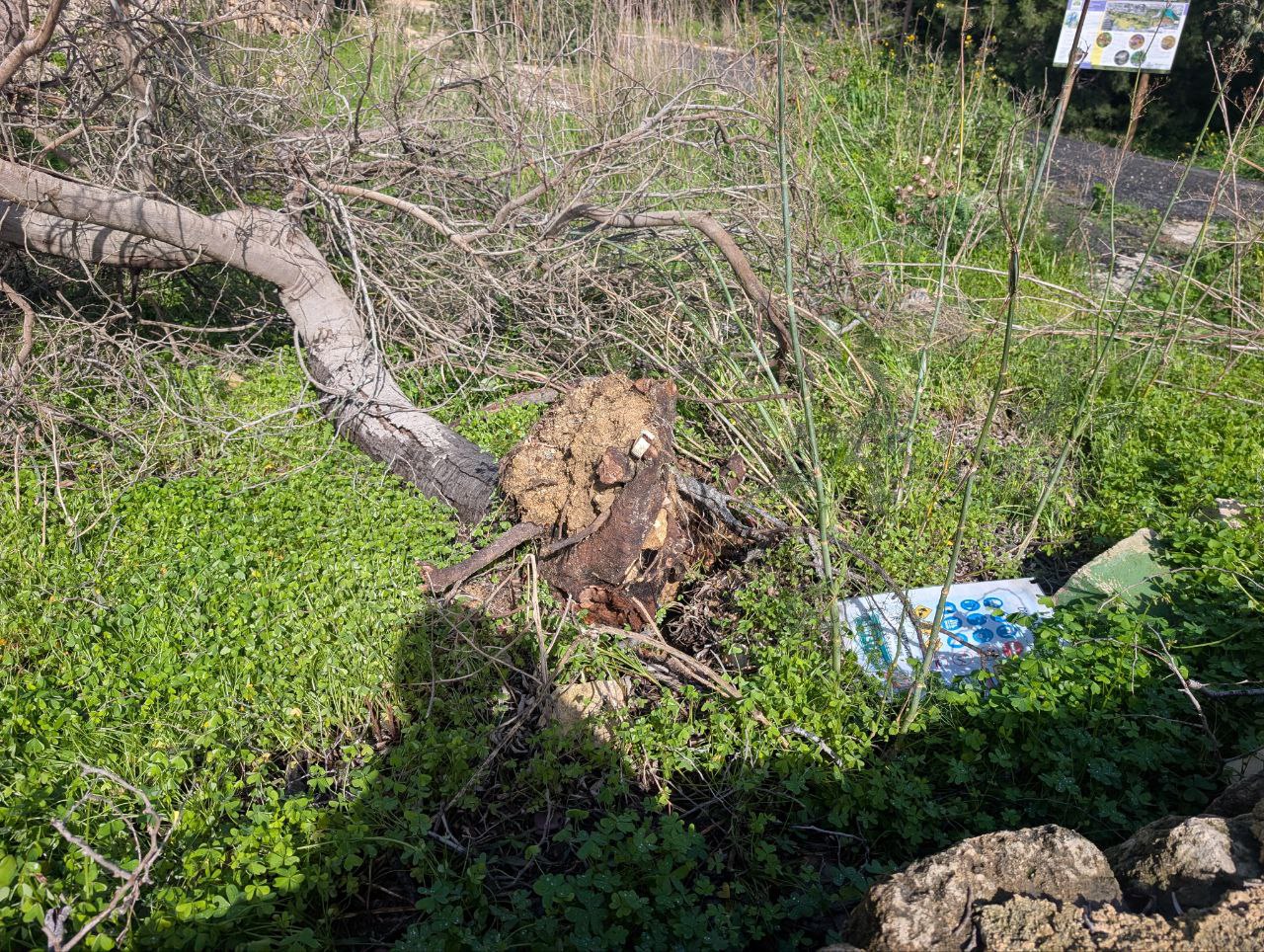
Any fallen branches were promptly cleared from the paths after the storm, and a general clean-up of the area was carried out.
On the upper boundary of Foresta 2000, construction works involving the installation of pipes were completed by the Mellieħa Local Council. These works were monitored to ensure minimal disturbance to the reserve.
by Vera Tokmakova
by Vera Tokmakova
by Vera Tokmakova
An Interesting Mix of Wintering Rarities
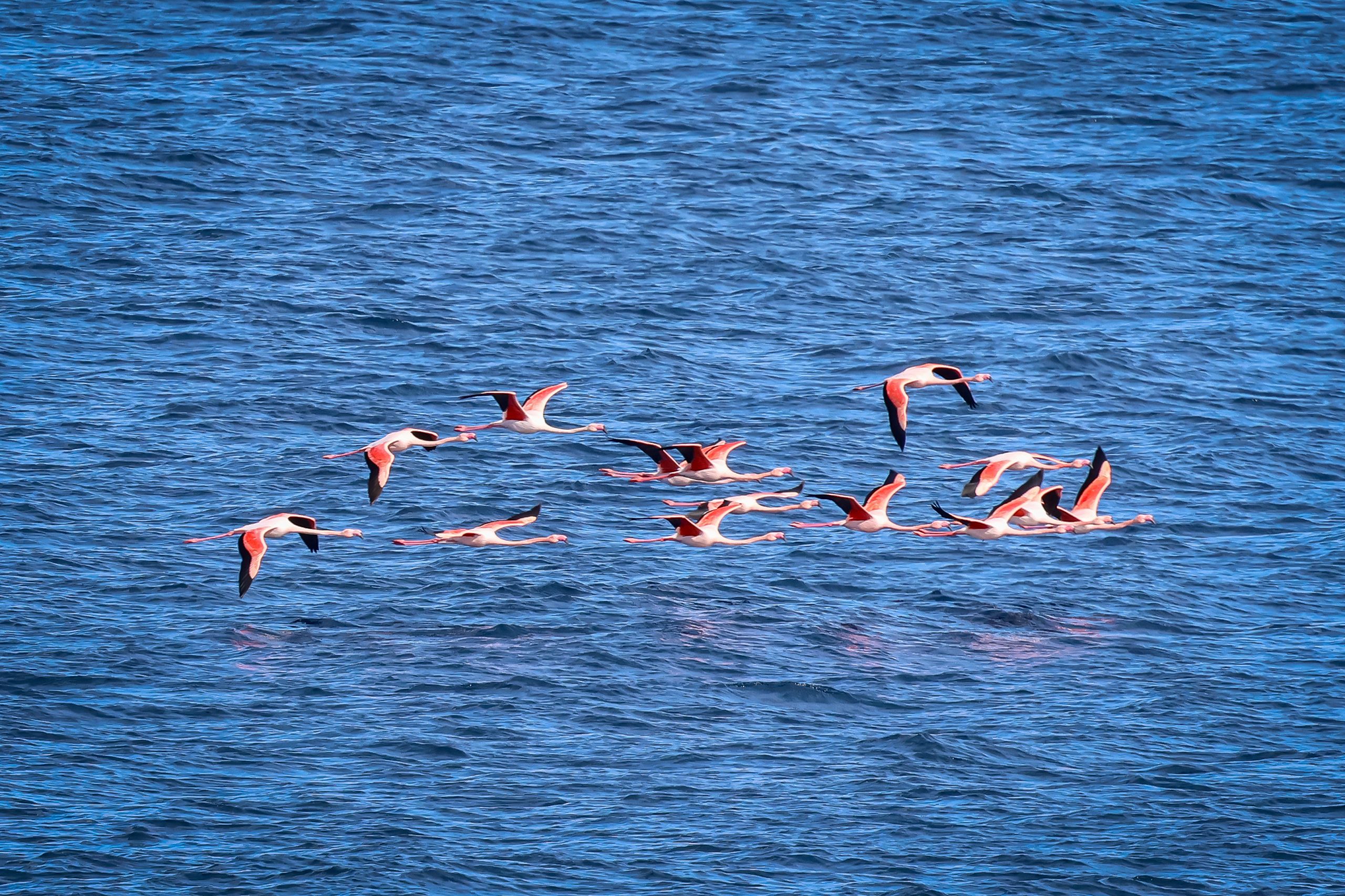
This year began with a very fortunate sighting as one lucky birder spotted a couple of Common Cranes over Gozo on the very first day of the year! Not less impressive was the sight of a flock of 14 Greater Flamingos in the south of Malta a few weeks later. This is particularly unusual, as most flocks of flamingos are usually seen in August and September.
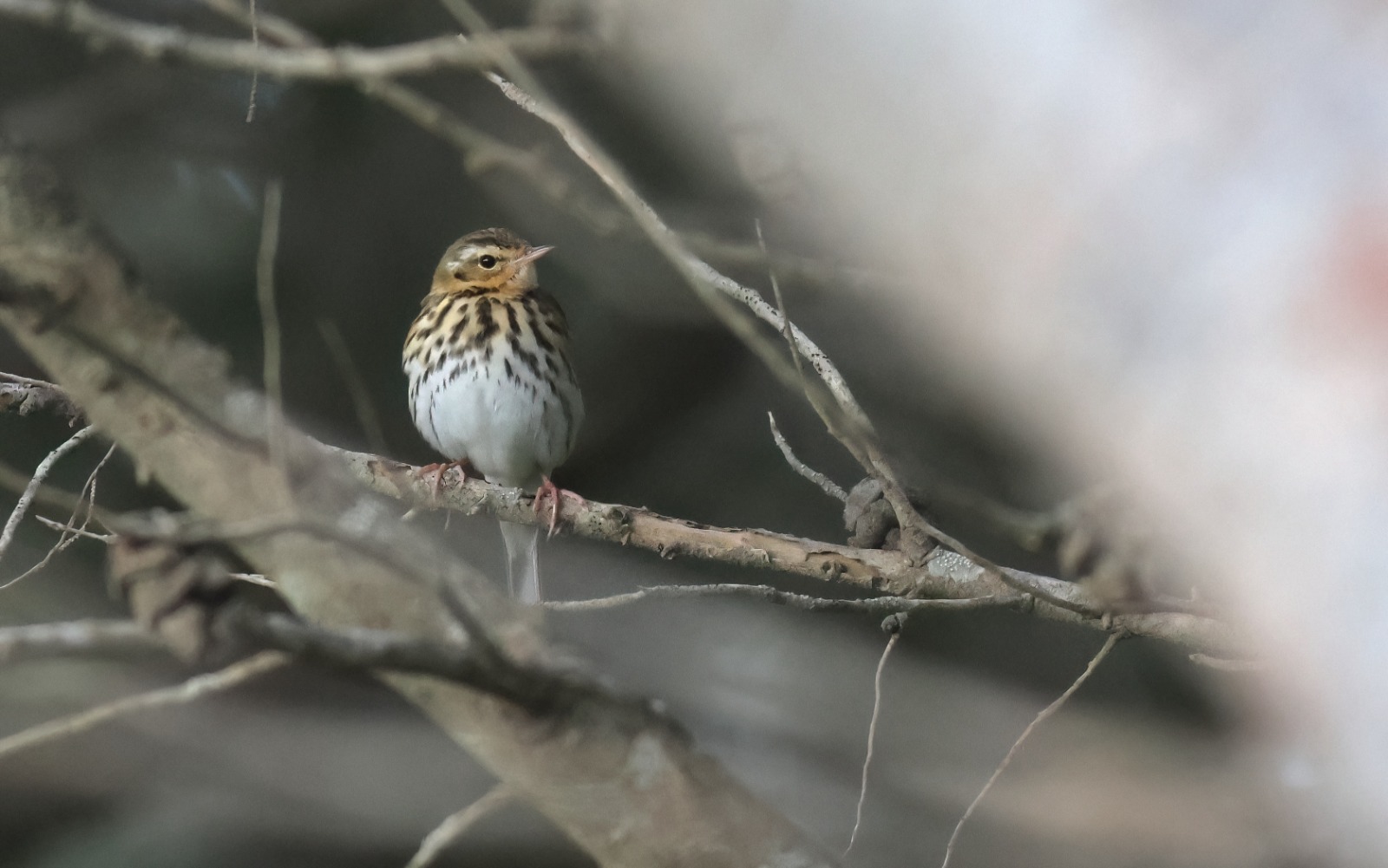
As January marks the middle of winter, it is not surprising that many of the interesting birds present during this month where those lingering from earlier in the season. We were still able to occasionally see Moussier’s Redstarts, and wintering Olive-backed Pipits were discovered in some new locations as well. A Water Pipit from the previous month was also still around. This represent an interesting mix of wintering rarities, with the Moussier’s Redstart originating from North Africa, the Olive-backed Pipits originating from Asia, and the Water Pipit coming from continental Europe.
Other notable sightings included multiple Western Marsh-harriers, continuing a run of unseasonal sightings this winter, while the wintering Grey Herons were still present in some areas. A few Northern Gannets were also spotted offshore. These large and majestic seabirds used to be much more frequent until recently. However, their breeding colonies have been significantly affected by bird flu.
Finally, a few Northern House Martins were also spotted – heralding the upcoming spring migration and raising birders’ hopes for more abundance and diversity.
by Aron Tanti
by Shaun Isherwood
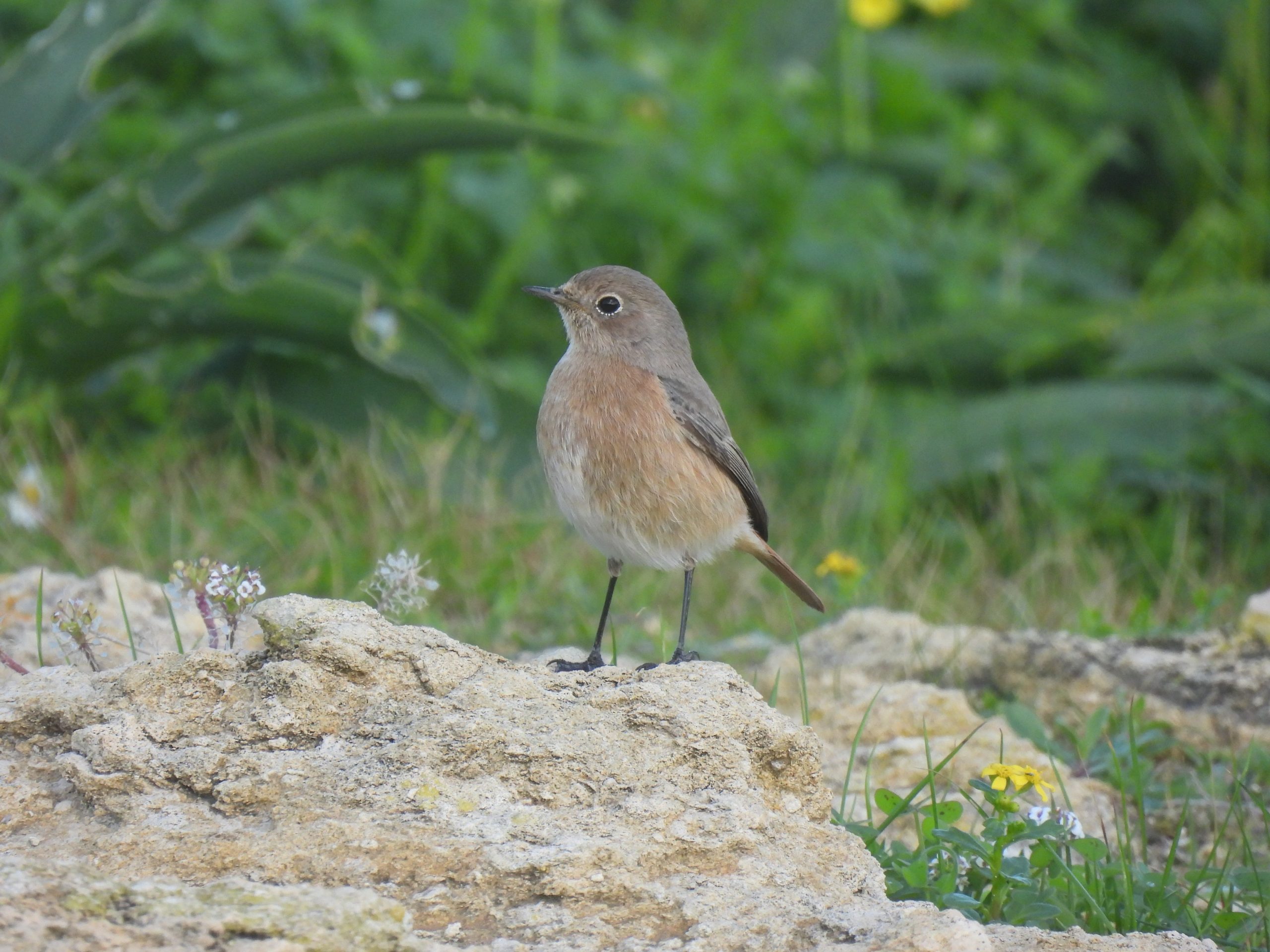
by Stefano Miceli
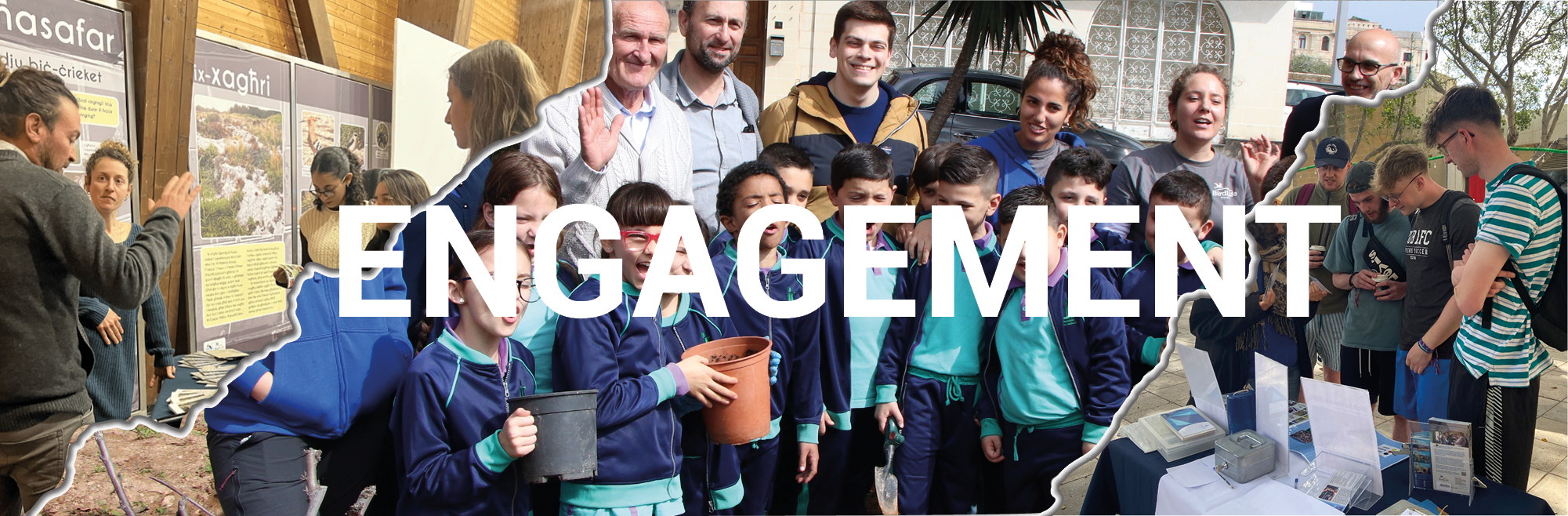
White Wagtail Roost Count in Valletta
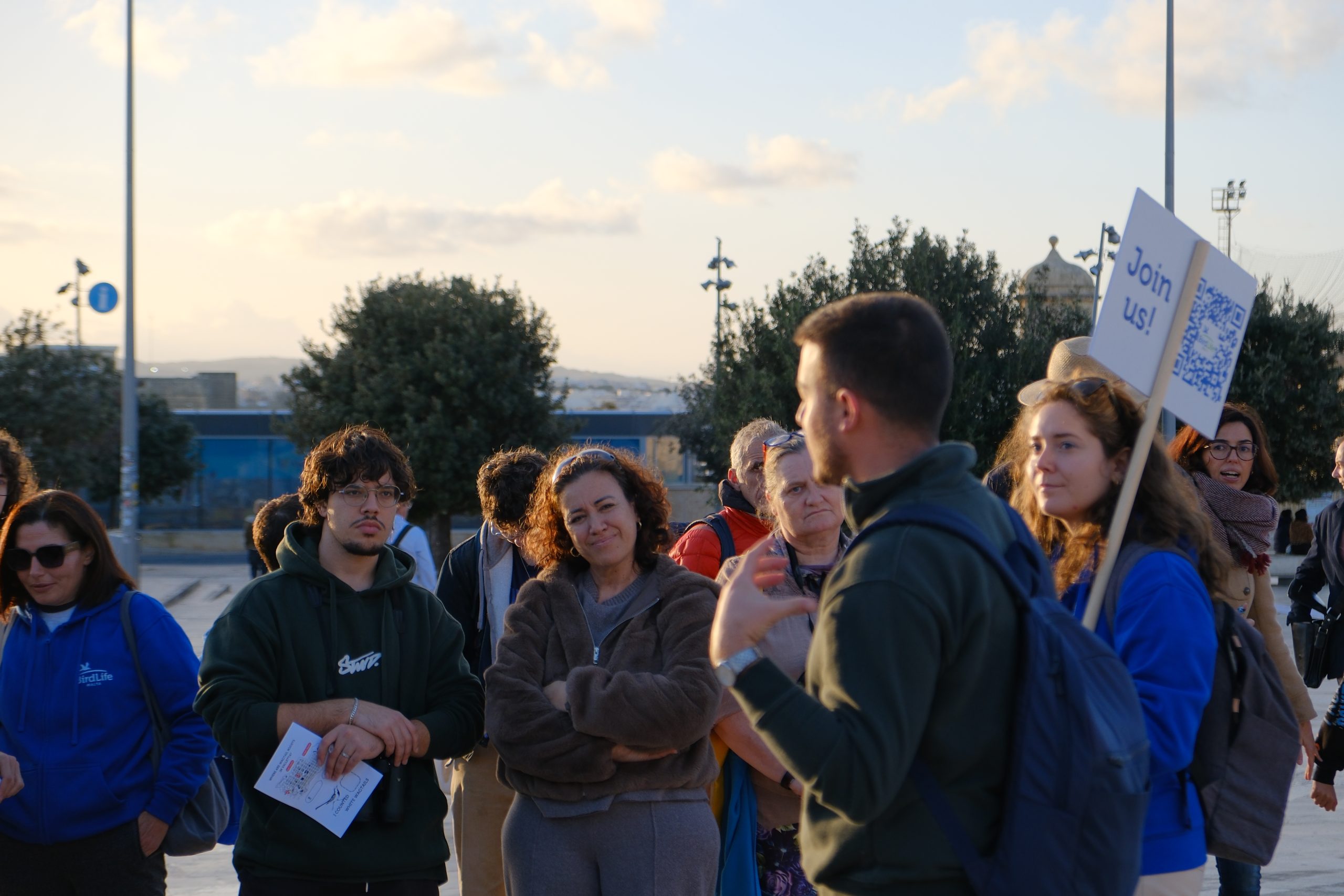
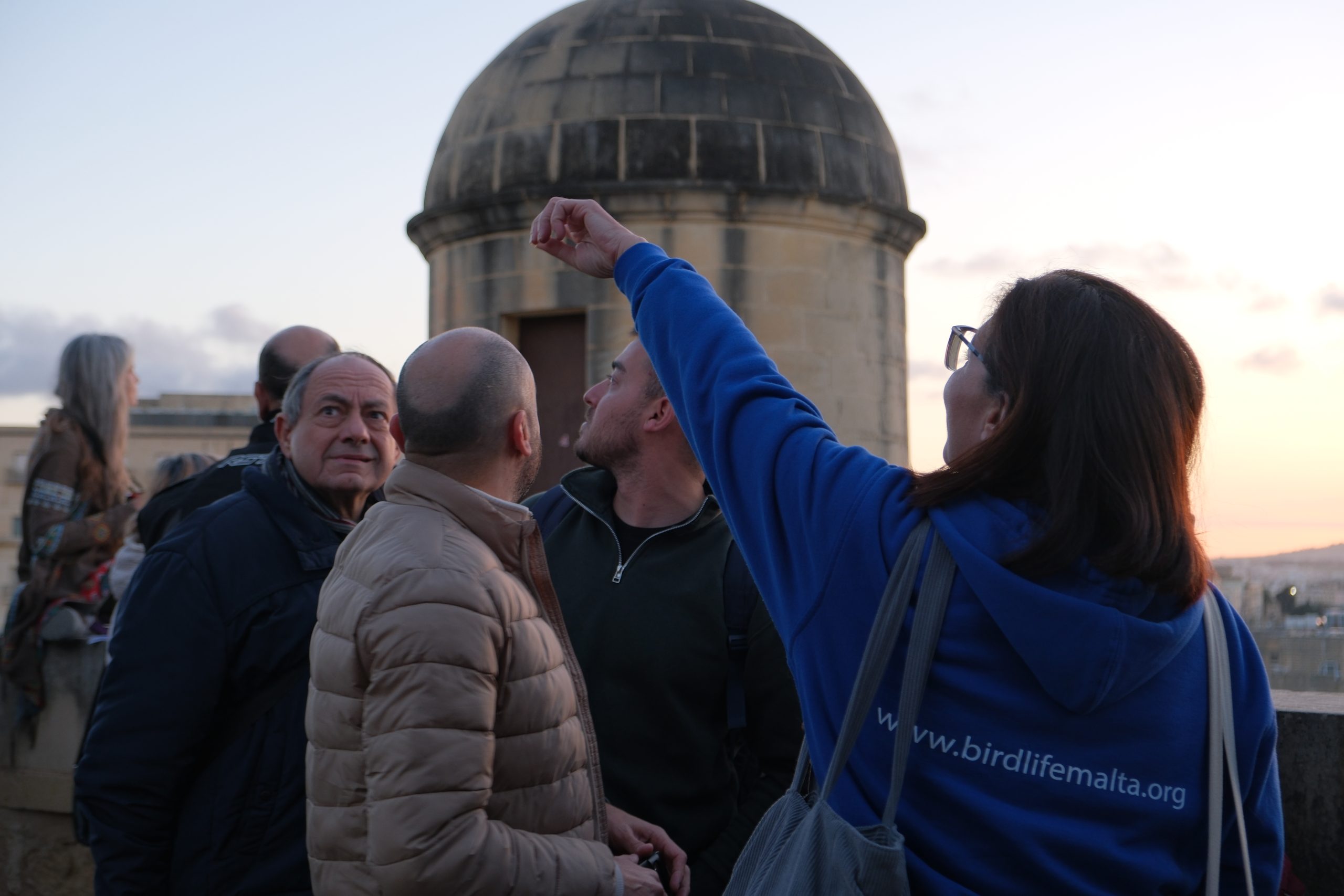
On 17 January the annual White Wagtail Roost Count took place in several strategic locations in Valletta. While the Conservation team was counting the birds, the Engagement team took interested members of the public to Hastings Gardens, where we were able to observe the White Wagtails as they flocked in hundreds towards Valletta. We were joined by the Mayor of Valletta and a representative of APS bank, which is supporting BirdLife Malta in raising awareness about urban birds. After the sunset we met up with the rest of the birders by the trees in front of the Courts of Justice to catch up, share our experiences, and hang up the information signs about these birds and their roosting sites.
by João Candeias
by João Candeias
Up to a Successful Start with our First Nature Walk!
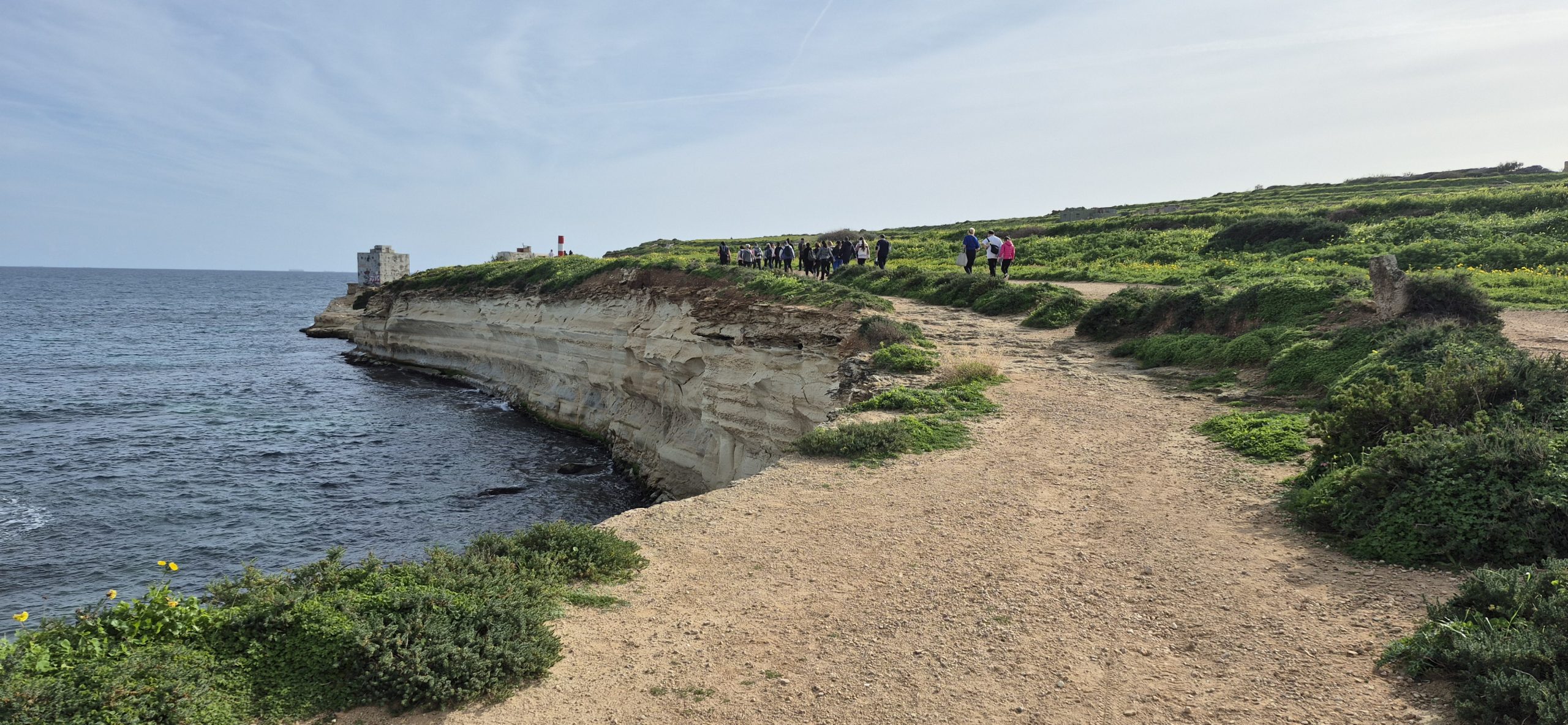
The first nature walk of 2026 – organized by Events and Activities Group – took place on 18 January, and we’re up to a great start!
We took off from the centre of Marsascala and followed an easy-to-moderate circular route in the surrounding area. Passing through Munxar Window and Żonqor Point, we enjoyed the wonderful weather and the beautiful sightings these places have to offer us. Taking advantage of the sunny day, up to 60 participants joined us. We can say that our first walk of the year surely was well-attended and enjoyed by everyone!
by Bernadette Chircop
Clean-up with Żibel
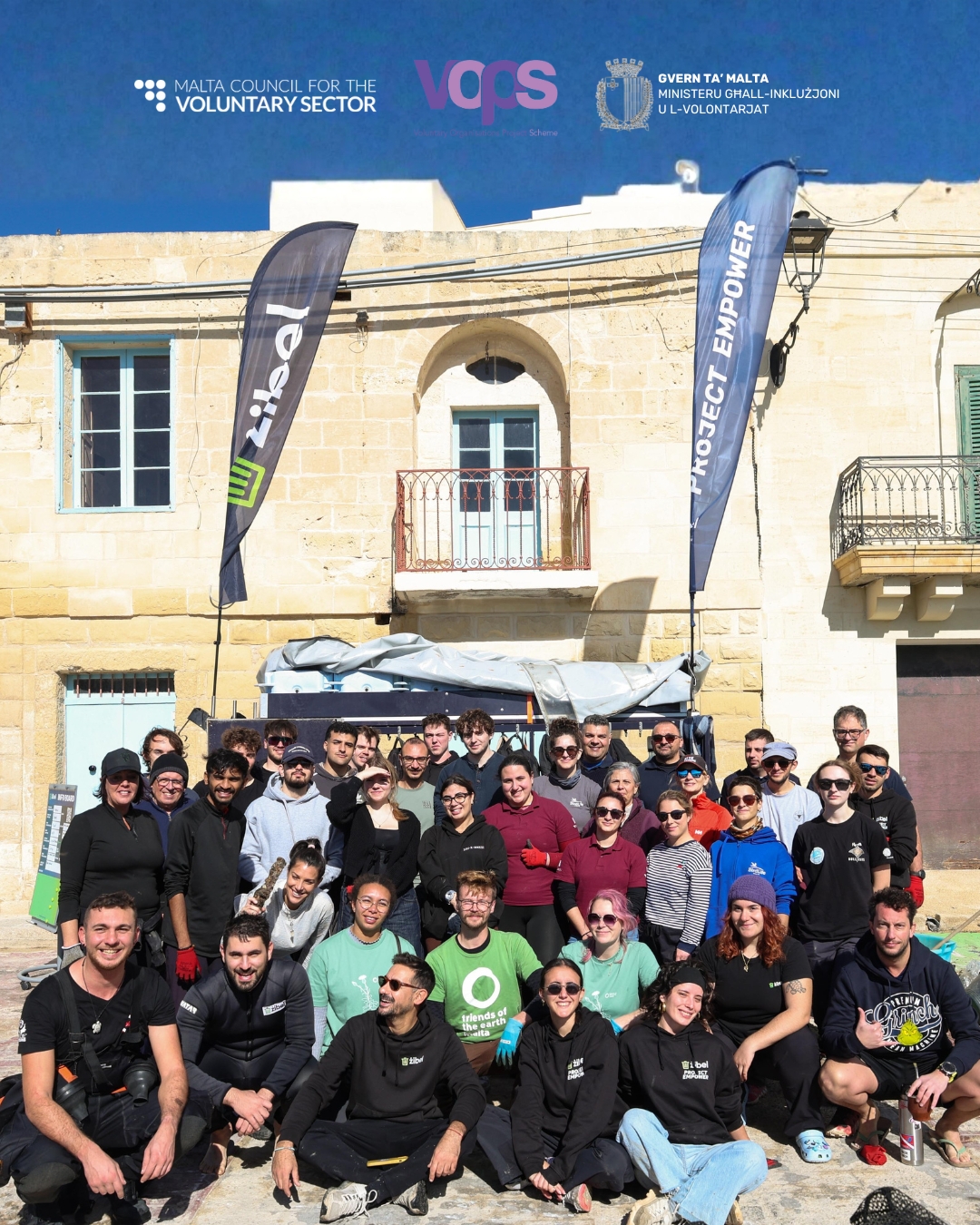
This month we also joined Żibel Project Empower. After attending a capacity-building workshop earlier in the month, a clean-up took place in Marsaskala on 27 January. Together with members of the community and other organisations, we spent the morning collecting and sorting waste in the area, following the destruction caused by Storm Harry. According to Żibel, the total of collected waste exceeded 1.1 tonne, including an entire boat!
by Żibel
Credits
Text: David Attard, Justine Borg, Charles Coleiro, Ricardo Fernandes, Anja Finke, Marcella Giornetti, Pamela Jorgo, Sofia Meskhidze, Stefano Miceli, Nimrod Mifsud, Nadia Sodano, Vera Tokmakova, Silvia Viviani
Editing: Nadia Sodano