
On Saturday 7 February 2026, a week after the autumn hunting season had closed, BirdLife Malta collected a Barn-owl from Dwejra, Malta, bearing a closed ring inscribed BORP 10.0 24 014, linking the bird to the Barn-owl reintroduction project managed by the FKNK. The bird was found severely emaciated with a broken leg, and a veterinary examination confirmed that it had suffered shotgun injuries. This is the second shot Barn-owl recovered since November 2025 originating from the same project.
Data from the recently published national Breeding Bird Atlas confirm that, despite reintroduction efforts starting in 2018, the Barn-owl remains locally extinct, mainly due to illegal hunting – the same issue that led to its extinction in the 1980s, over 40 years ago.
Incidentally, the FKNK’s project has just secured its sixth round of funding under the Conservation of Wild Birds Fund, with a total of €80,000 awarded to the federation for this work over the years.
Despite ambitions of having hunters actively involved in conservation, actions linked to such projects have not resulted in any significant reduction in illegal hunting practices, instead remaining largely public relations exercises, accompanied by the federation’s continued silence in condemning such illegal behaviour.
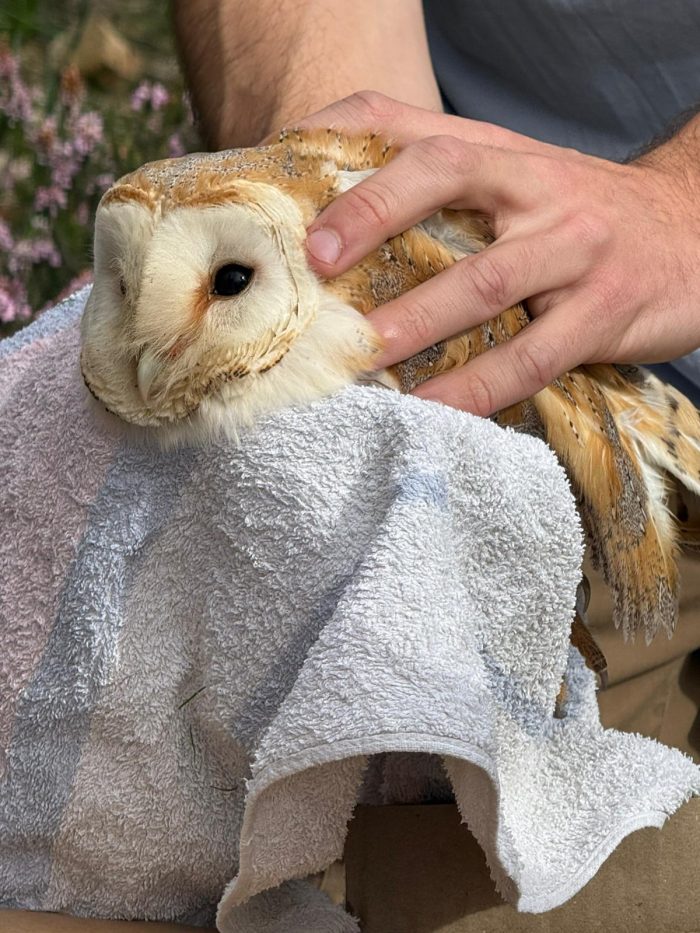
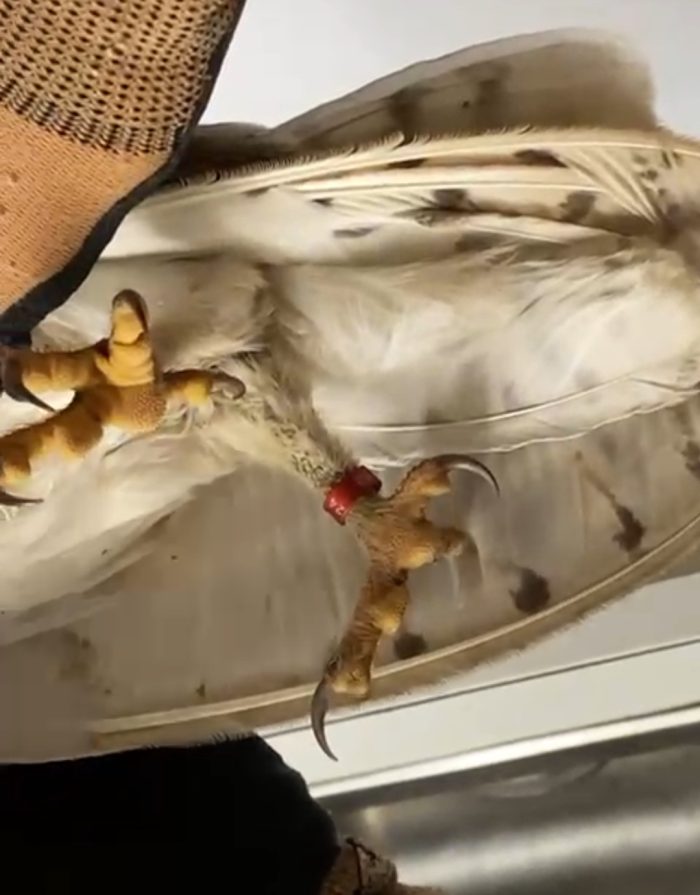
“While the FKNK strives to leave a legacy to the Maltese community, the only legacy of hunting in Malta so far is the extinction of several once common breeding birds, namely the Jackdaw, Common Kestrel, Peregrine Falcon and Barn-owl,” said BirdLife Malta CEO Mark Sultana. “Although the Common Kestrel and Peregrine Falcon continue to attempt breeding annually, when successful their young are often targeted by illegal hunting during the smokescreen-rabbit hunting season.”
Beyond preventing the return of species such as the Barn-owl, Peregrine Falcon and Common Kestrel as breeding birds, illegal hunting deprives the public of the opportunity to experience and appreciate these protected species in the wild. Effective conservation requires strong enforcement, accountability and genuine commitment to safeguarding Malta’s natural heritage – aspects that are currently lacking among the main actors involved in such projects.
Following veterinary care, the owl was returned to the FKNK.
Read our press release in Maltese here.