
On the frontlines is our monthly newsletter section covering the activities of BirdLife Malta’s conservation, policy, nature reserve (Salina, Simar, Għadira and Foresta 2000), seabird and public engagement teams, together with an update about rare and scarce bird species observed.
End of Trapping Season!
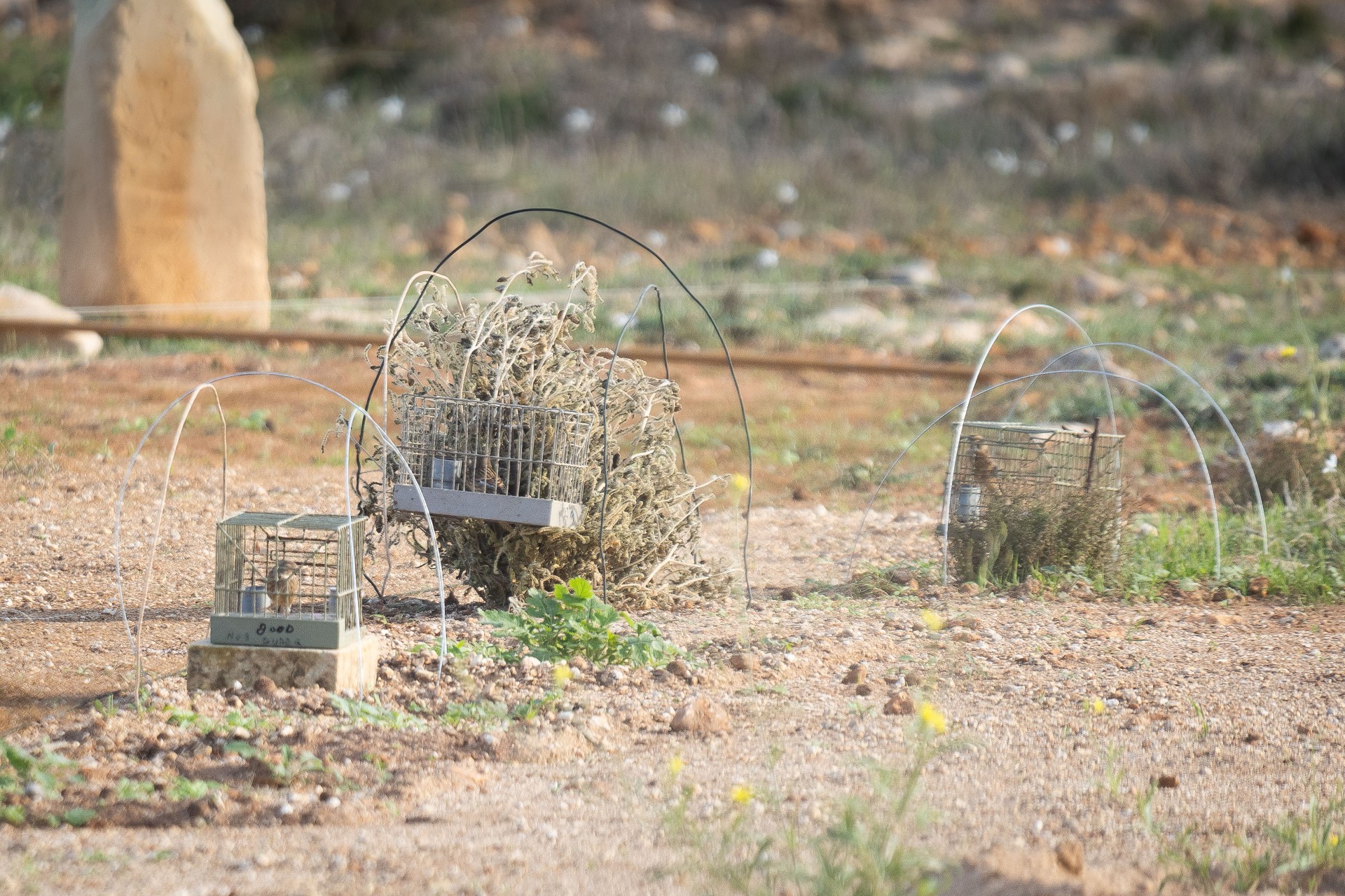
On 20 December, the controversial finch “research” season – widely abused to trap and retain birds throughout Malta and Gozo – came to an end. Song Thrush trapping was allowed until 31 December, while Golden Plover quotas were met by 4 January, according to Wild Birds Regulation Unit (WBRU):
“LAPSE AND REVOCATION OF THE GOLDEN PLOVER LIVE-CAPTURING SPECIAL LICENCES BY VIRTUE of the powers conferred by regulation 6(2)(c) of the Conservation of Wild Birds (Framework for Allowing a Derogation Opening an Autumn Live-Capturing Season for Song Thrush and Golden Plover) Regulations, the Minister responsible for the environment, in conjunction with the Minister for Gozo and Planning, notifies that the overall seasonal bag limit for Golden Plover has been reached and that, with immediate effect, the Autumn 2025 live-capturing special licences have lapsed and are considered revoked. The live-capturing season has now closed, and all clap-nets shall be dismantled immediately.”
This also means that, starting from 5 January, nets on the ground are strictly prohibited. As such, they should be reported to us via Facebook Messenger or email at [email protected]. The Environmental Protection Unit (EPU) can be contacted directly at 119.
Unattended nets run the risk of killing wildlife, and although they should have been covered when they weren’t in use throughout the season, they should have been fully dismantled by now.
Please be aware that hunting is still permitted until 31 January.
by Luca Eberle
Rehabilitation and Releases
December proved to be a very quiet month at our rescue centre. With migration coming to an end, our focus has shifted and we are already preparing for the next migration season. Despite the calm period, we still welcomed a few patients.
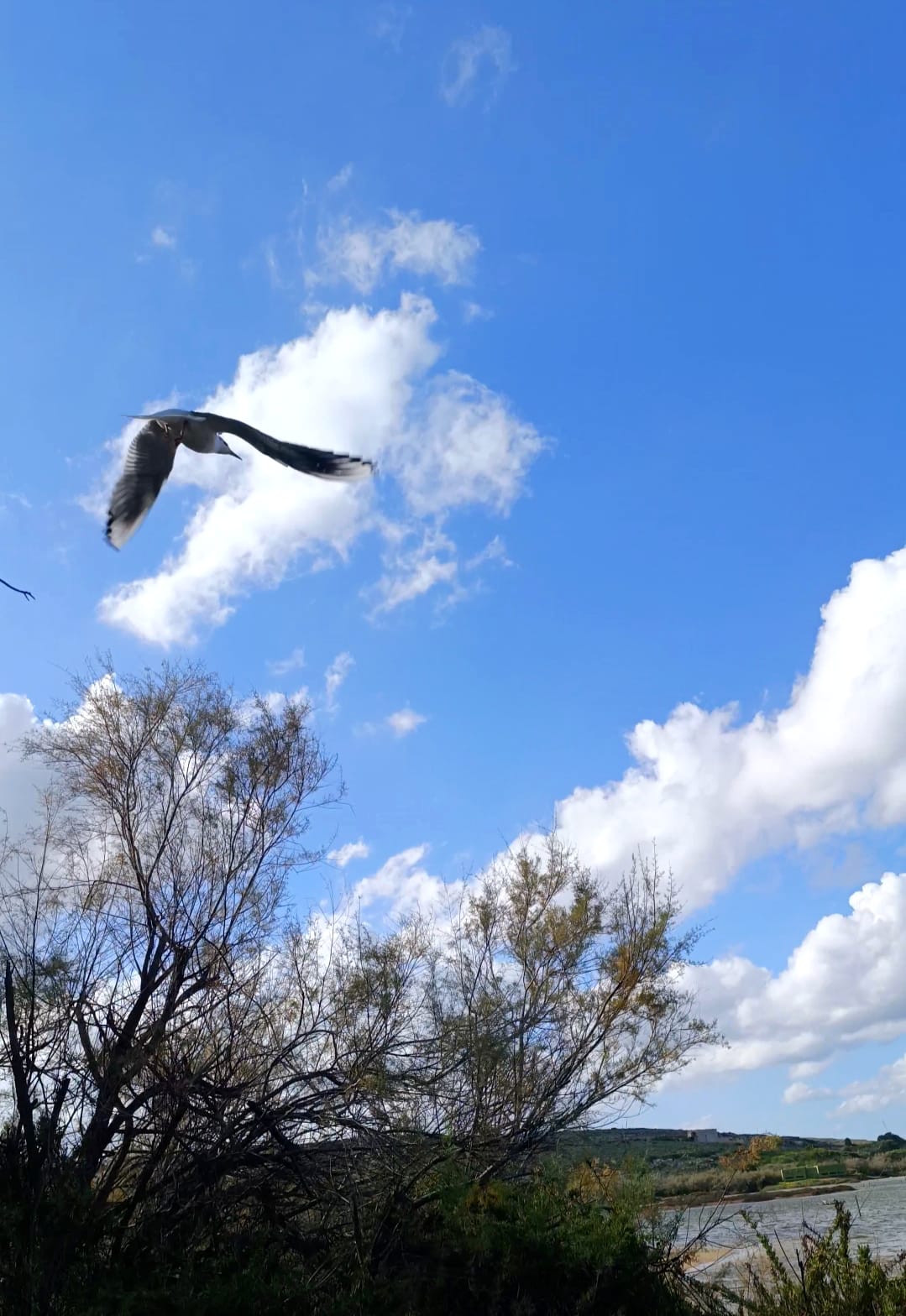
Throughout the month, we received several calls concerning weak and stranded gulls, including one individual that was found oiled. Most of the birds rescued belonged to three species: Yellow-legged Gulls, Black-headed Gulls and Mediterranean Gulls. They all showed similar symptoms and, once collected, they underwent full physical examinations before starting their rehabilitation.
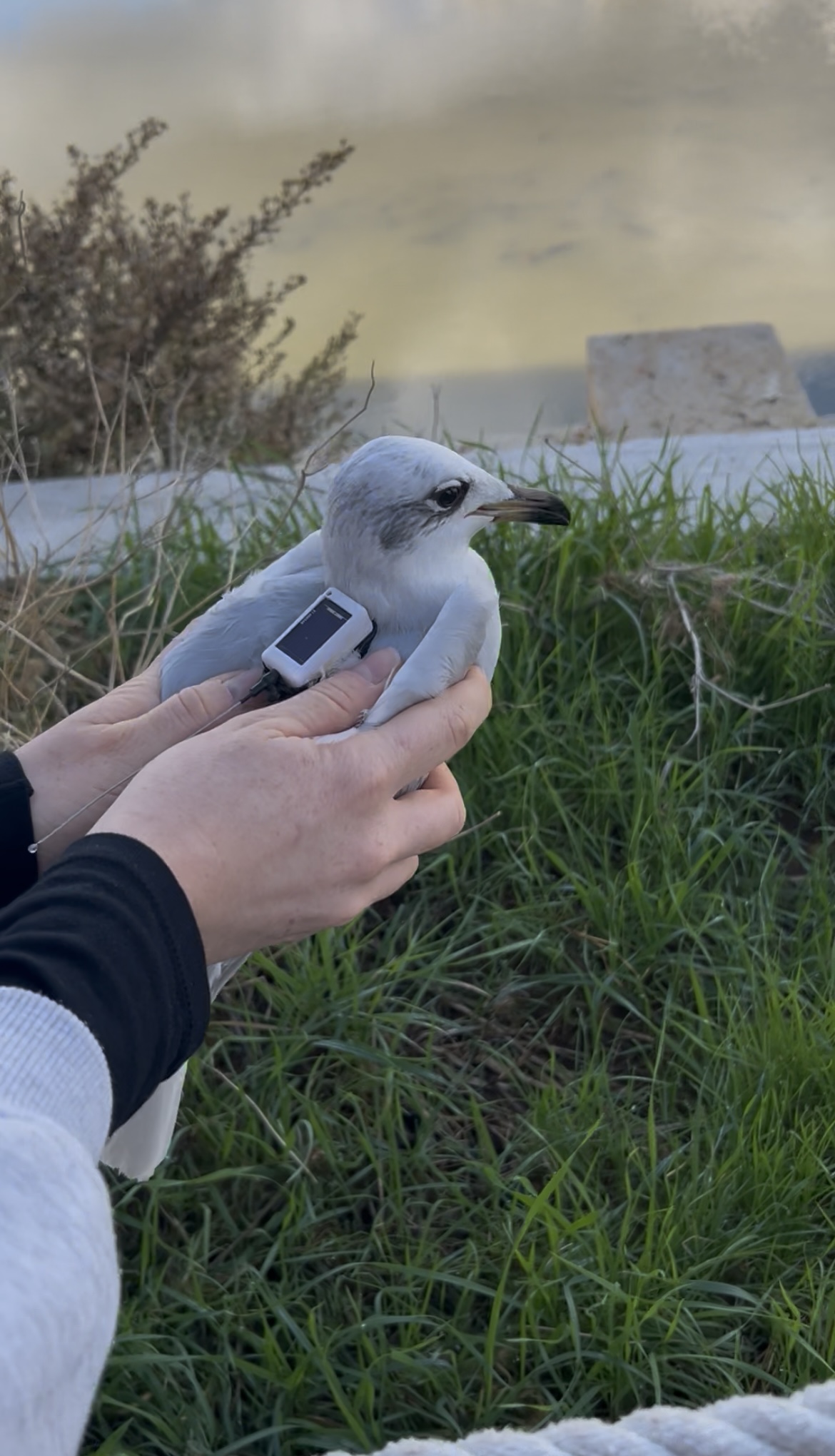
After receiving the necessary treatments – and following a thorough feather-cleaning procedure for the oiled gull – the birds were assessed to ensure they were fit to fly. Once deemed ready, they were released back into the wild: the Yellow-legged Gulls in Mistral Bay, the Black-headed Gull at Għadira Nature Reserve, and the Mediterranean Gull at Salina Nature Reserve. The latter was also tagged, allowing us to monitor its movements in the future.
In addition to the gulls, we briefly cared for an Eurasian Coot. The bird had been attacked by a cat in Buġibba but fortunately it showed no visible injuries. After just one day of observation and rehabilitation, it was declared fit and released at Għadira Nature Reserve – an ideal habitat to meet all its needs..
by Francesco Dal Colle
by Anja Finke
LIFE PanPuffinus! project is drawing to a close
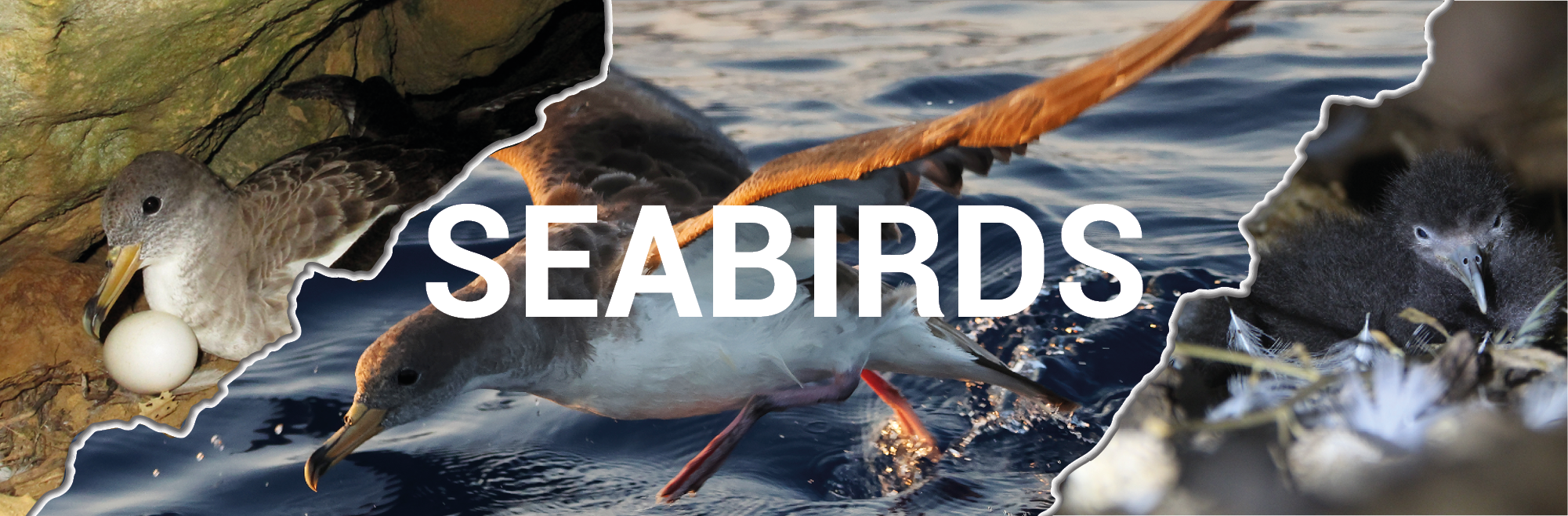
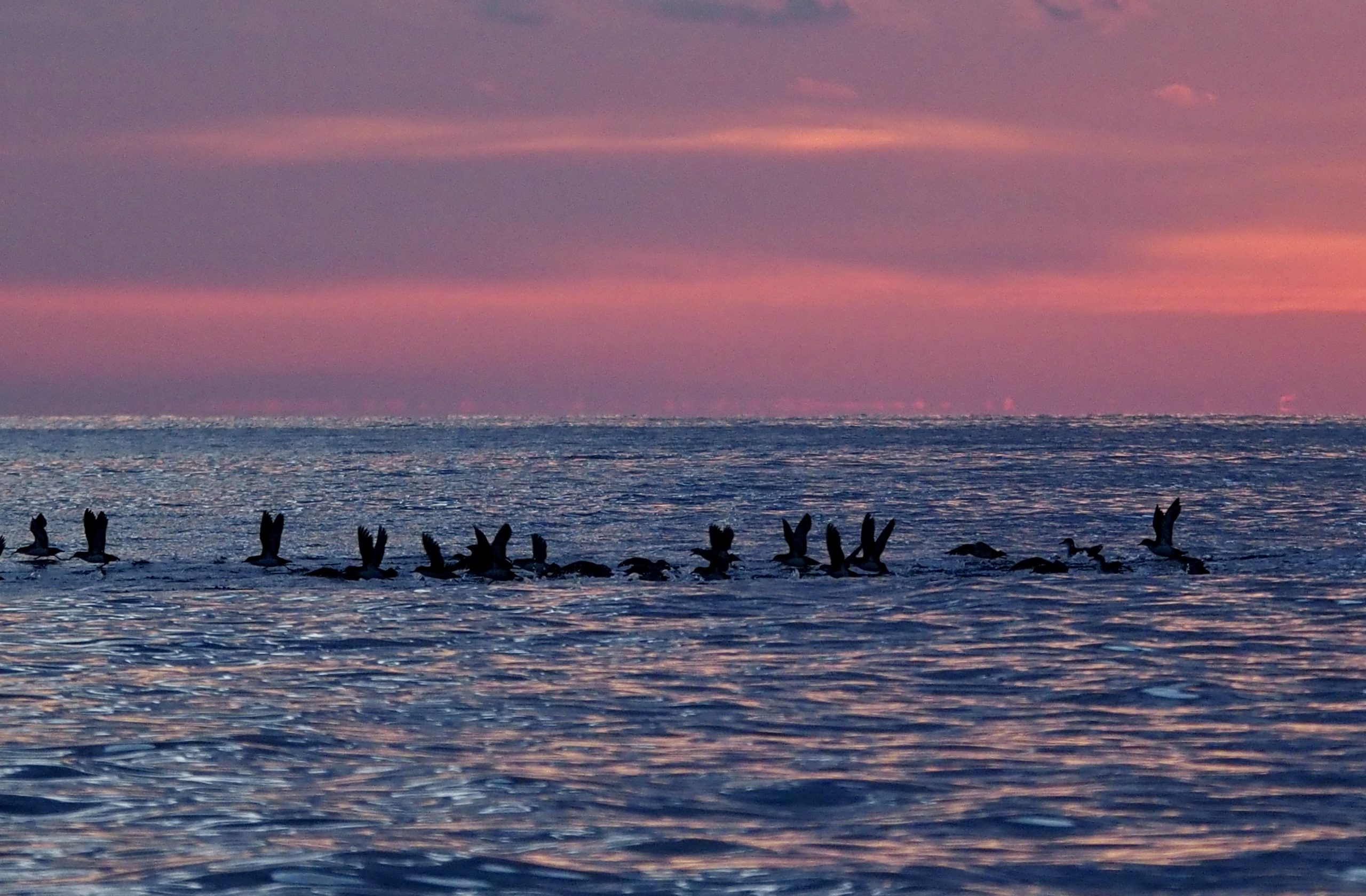
As 2026 begins, the LIFE PanPuffinus! team is gearing up to close the project, which ends in February 2026. The team will be preparing the documentation for the final report, ensuring all information pertinent to the administration and finances of the project across the partnership is archived and complete. The last few technical milestones are also being prepared, including the After-LIFE report, which is compiled amongst partners and key project stakeholders. These final tasks are important steps to ensure that the project has finalised all committed milestones, and that its legacy is continued in the next 5 years.
by Marc Schruoffeneger
Follow our LIFE PanPuffinus! project on our website and social media!
Salina Nature Reserve
Sightings
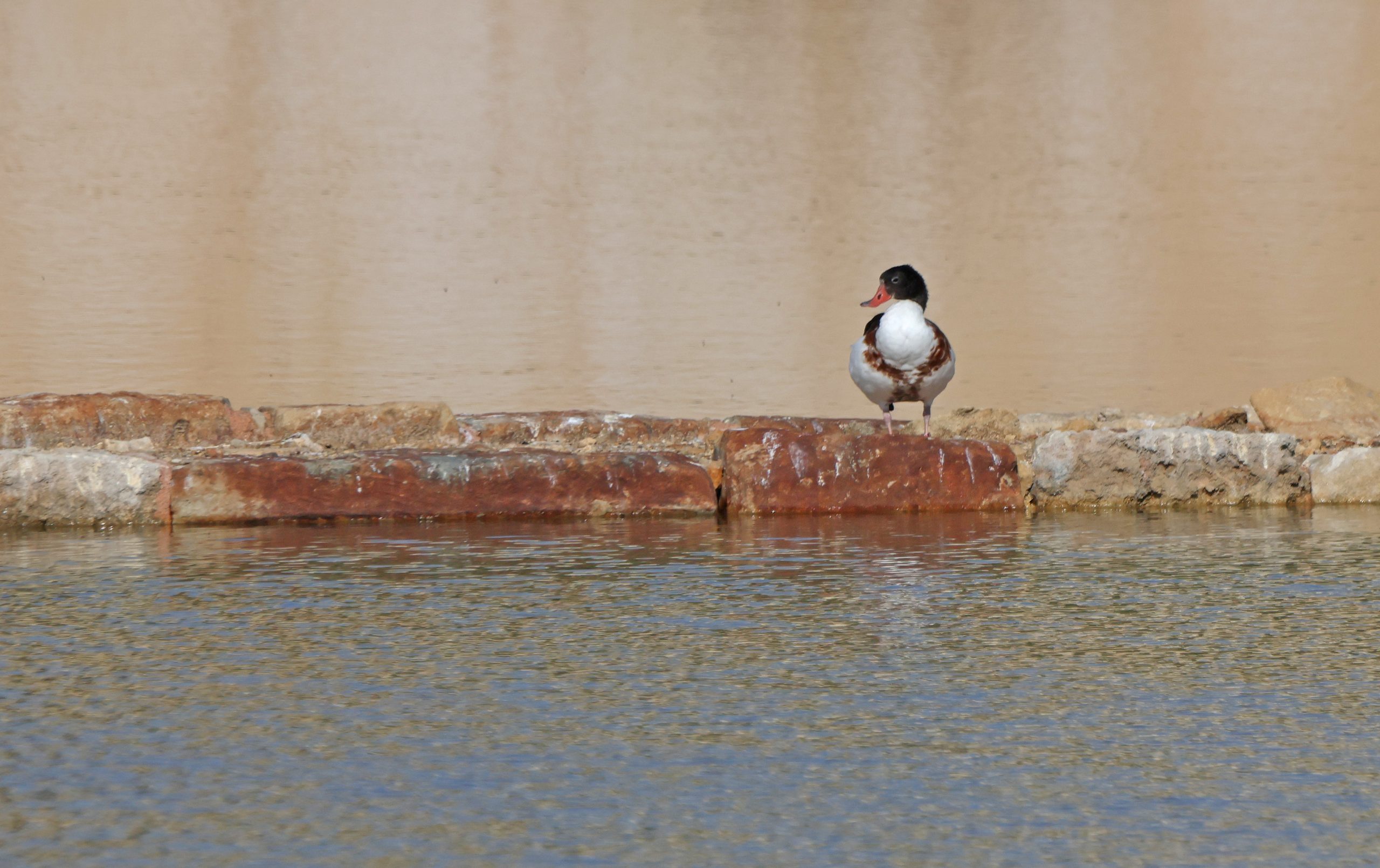
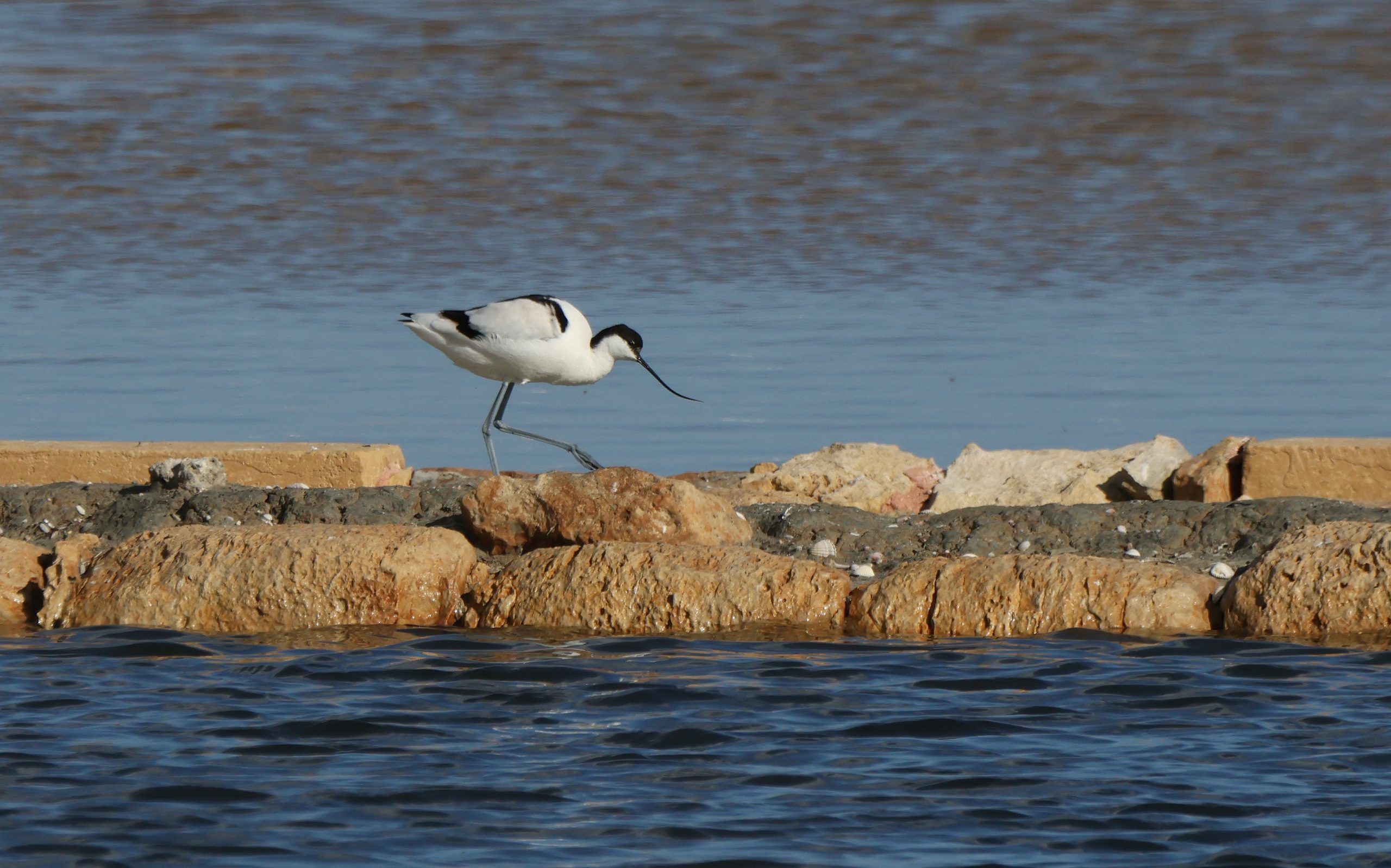
Several species stood out towards the end of autumn, notably the Common Shelduck and the Pied Avocet. Ongoing studies on European Eel and Mediterranean Killifish populations continued throughout the month, alongside regular monitoring of water quality, insects, and vegetation.
Within the wetland area of Salina Nature Reserve, control efforts targeting invasive alien species – such as Hairy Fleabane (Erigeron bonariensis), Blue-leaved Acacia (Acacia saligna), and Brazilian Pepper (Schinus terebinthifolius) – were maintained, and the perimeter fence was repaired once again. In the plant nursery adjacent to the salt pans, young potted plants were regularly watered whilst some species – like the Pale Pea (Lathyrus ochrus) – were planted directly into the ground. Trees were pruned and chipped, with the resulting material laid along the main path. Finally, around 100 Sea Lavender (genus Limonium) specimens provided by Project Green are planned to be planted along the walls separating the different salt pans.
Works
Overall, December was a busy and festive month for the Salina Nature Reserve team, as preparations for the Christmas season took place. Activities included creative workshops for both children and adults, focused on making Christmas decorations from recycled materials. The decorations created by our Nature Guardians community and BirdLife Malta volunteers were used to decorate Salina’s Visitor Centre, helping to create a warm and festive atmosphere. In the same spirit, Salina Nature Reserve welcomed several organisations, including Ambjent Malta, for their Christmas celebrations.
by Aron Tanti
by Aron Tanti
Għadira Nature Reserve
Sightings
Wintering birds at Għadira Nature Reserve were rather sparse in December, with daily listings including a Little Grebe, a few Black-necked Grebes, up to 10 Moorhens, as well as some Western Water Rails and Kingfishers. Shelducks were also recorded on a few dates, and an Eurasian Wryneck was frequently heard.
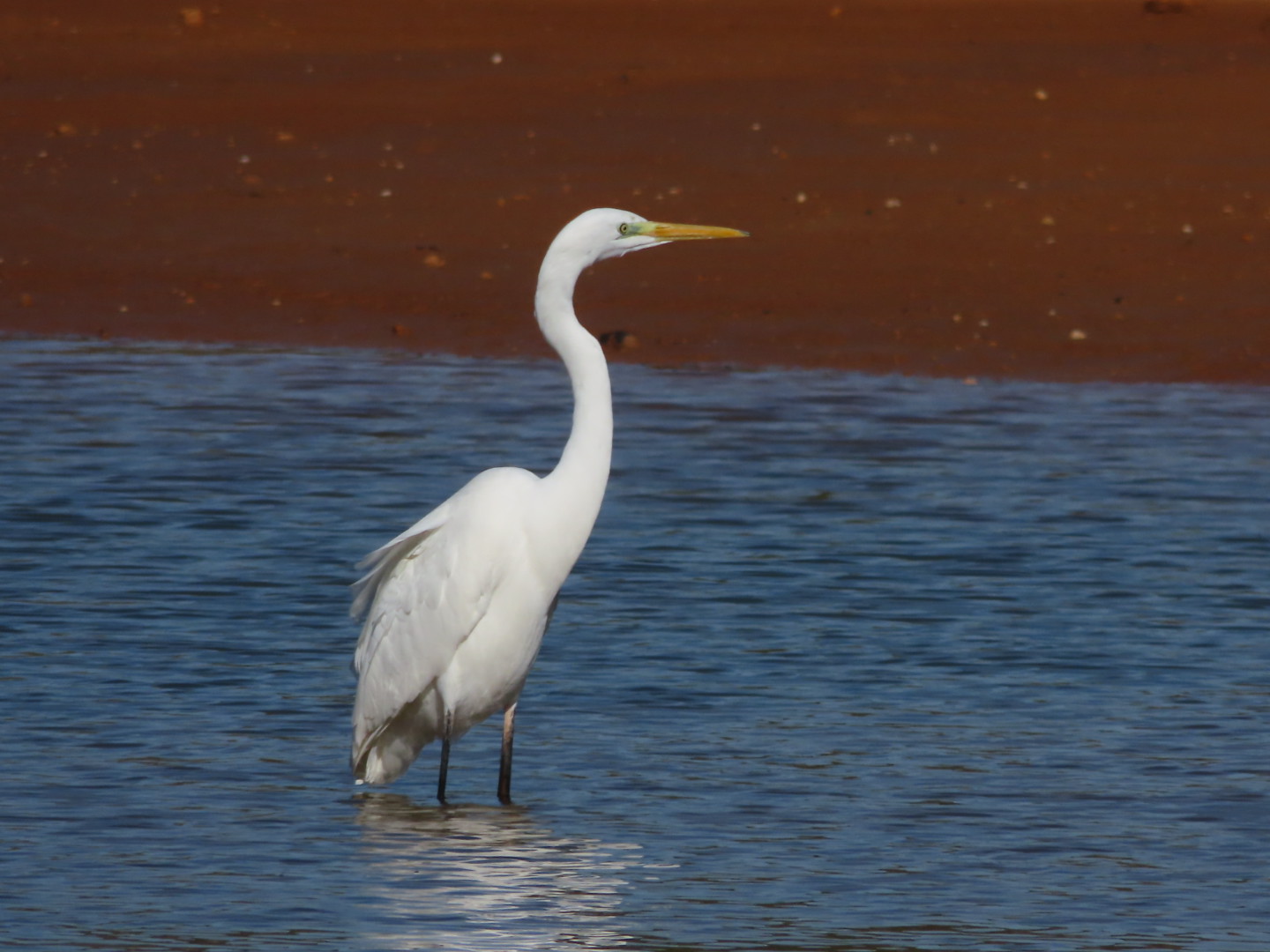
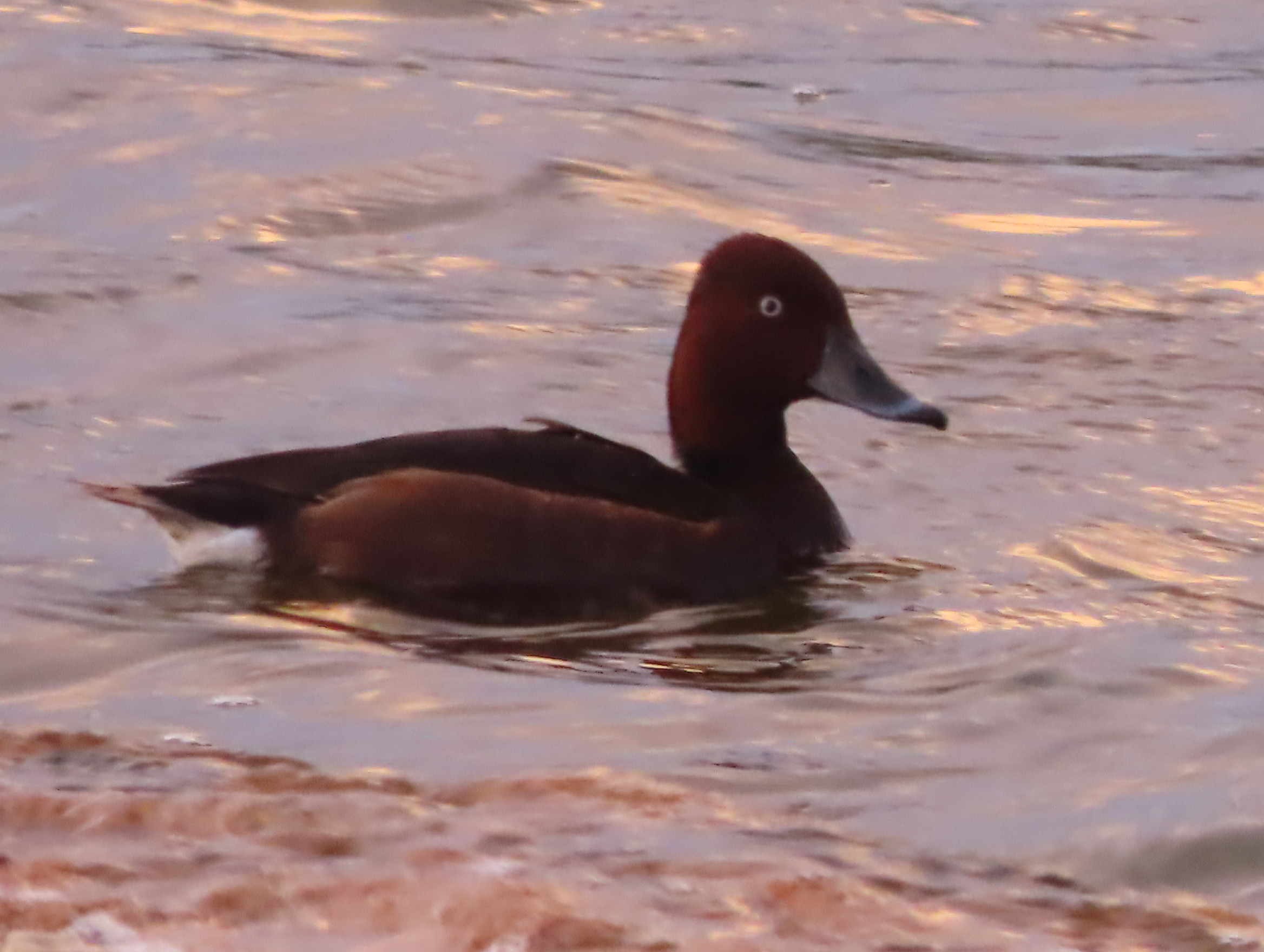
Stonechats, Meadow Pipits, Eurasian Blackcaps, European Robins and White Wagtails were spotted daily in small numbers. A Moustached Warbler was also recorded. Other rarities this month included a Great White Egret and a Ferruginous Duck.
by David Attard
by David Attard
Works
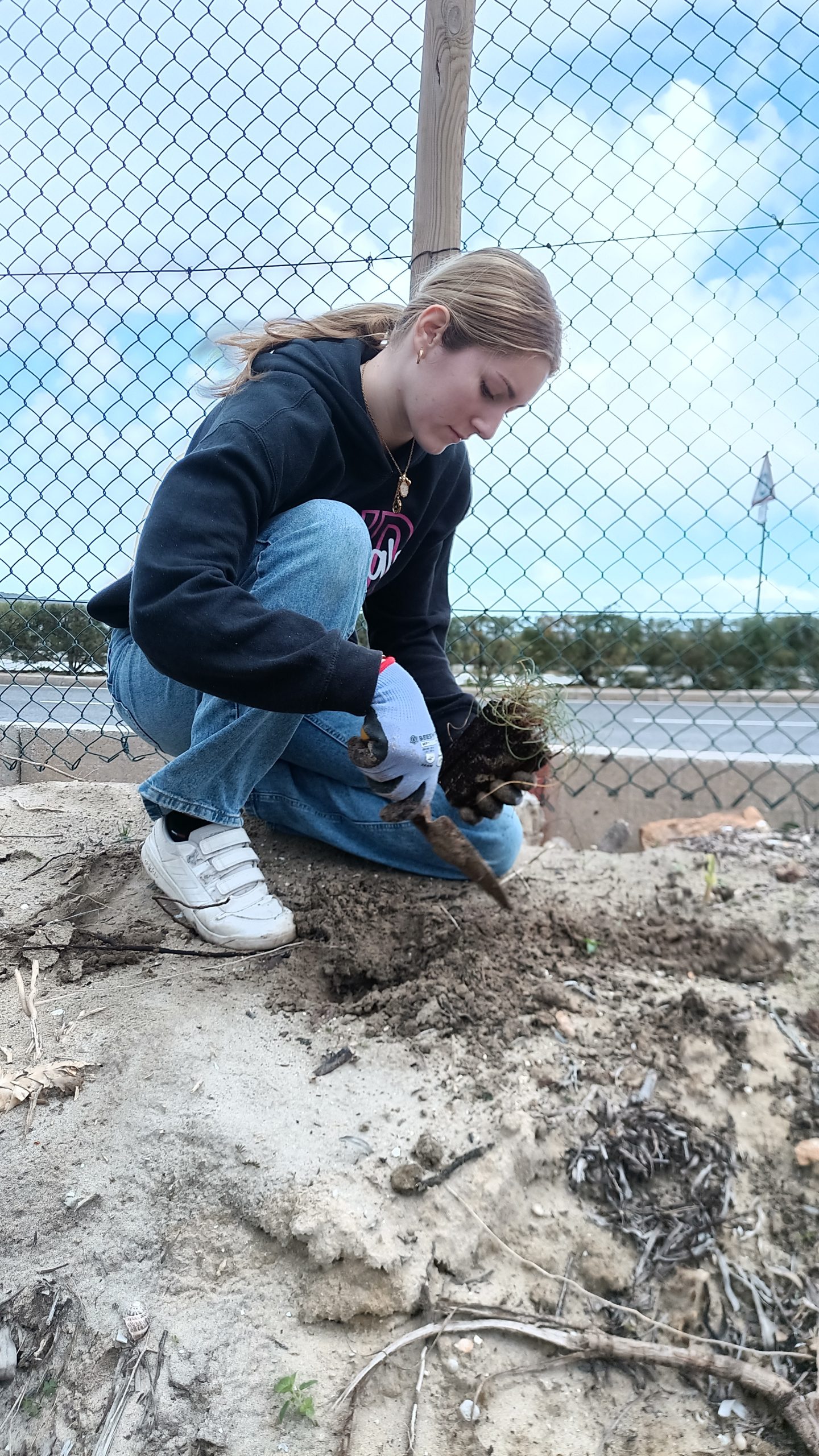
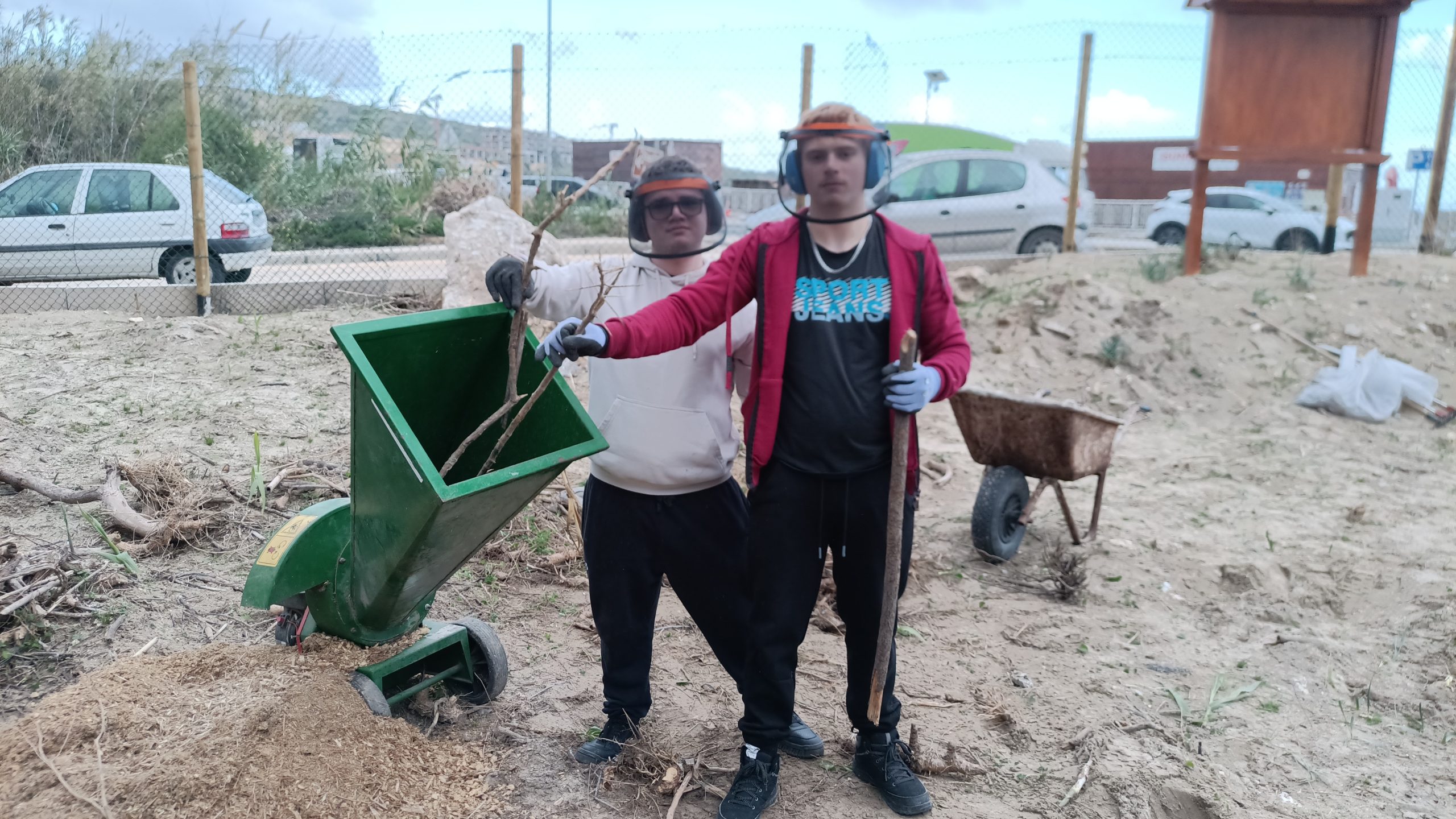
The new sand dune restoration project on the eastward side of the reserve continued with help from sixth form students, as part of a short work phase. The students collected plastic fly tipping from the site, uprooted Giant reeds, shredded reed material and uprooted African Box Thorn. They also planted around 100 rare Cyperus capitatus in the sand dune areas!
Furthermore, pruning of Tamarix trees was done were necessary in the public pathway, and new security cameras were installed in different locations, to better monitor the area against illegalities.
by David Attard
by David Attard
Simar Nature Reserve
Sightings
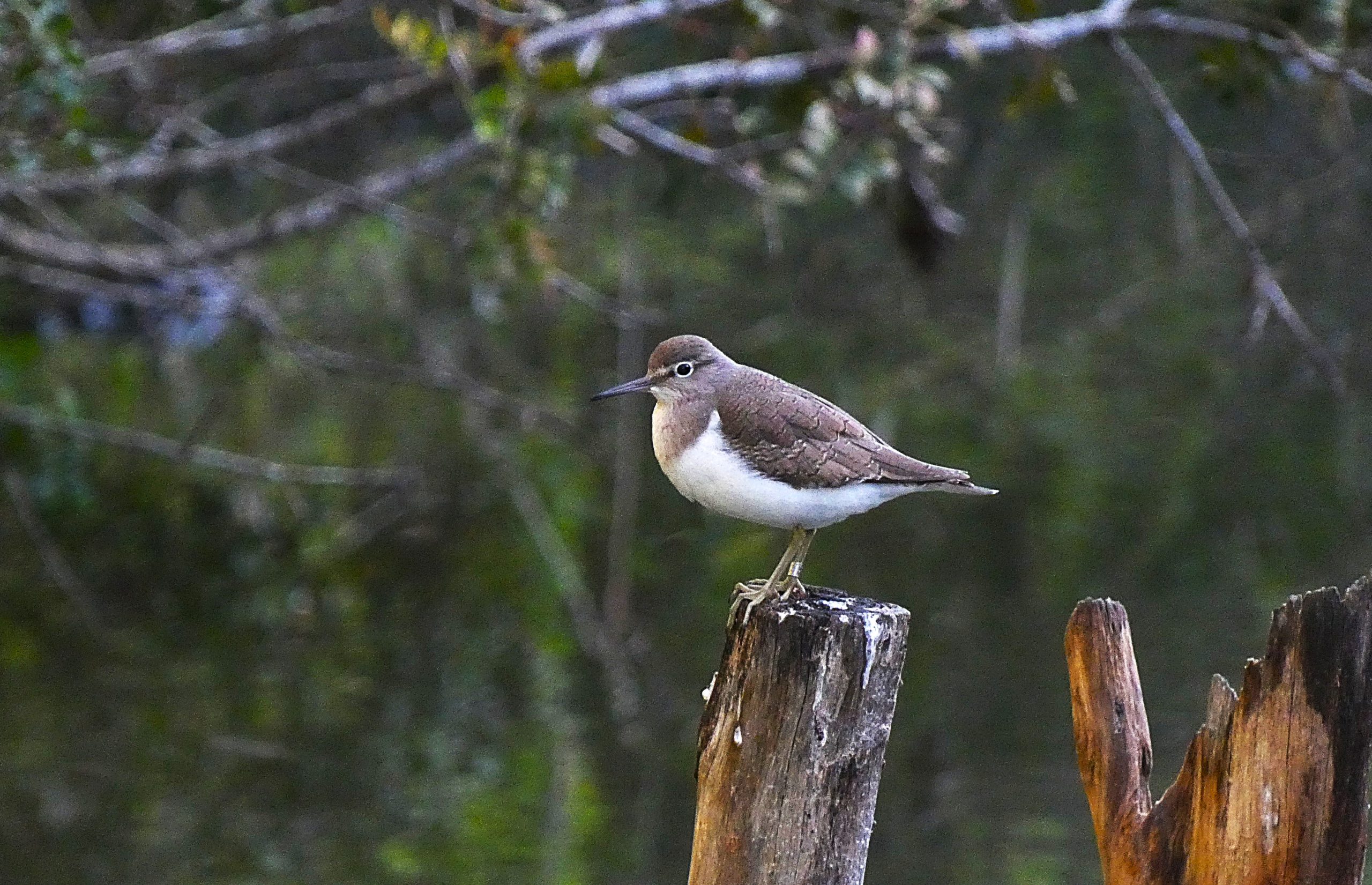
By the end of the year, the weather got colder and several storms came with it. A good amount of rainfall raised the water level, hence influencing the amount of birds present in Simar Nature Reserve. Common Coots slightly decreased in number, but most of the remaining ones are already pairing up. A few Little Grebes are also still present, with some already in breeding plumage. Water Rail numbers are still low and increasingly difficult to locate, whilst a good amount of Moorhens are present throughout the reserve. Some Common Sandpipers continued feeding in the reserve until the water level got higher, while a Grey Heron occasionally roosted in the wetland.
A Northern Pintail remained in the reserve for a few weeks, whilst a female Northern Shoveler made a brief appearance towards the end of the month. Common Kingfishers are often seen fishing from perches. Little Egrets sometimes visited in small numbers, with a good number of Black-headed Gulls often flying in from the bay. A male Mallard spent a few weeks in the reserve, whilst Reed Buntings were present in very low numbers. Several other species were present including European Robins, Common Stonechats, Eurasian Blackcaps and Common Chiffchaffs.
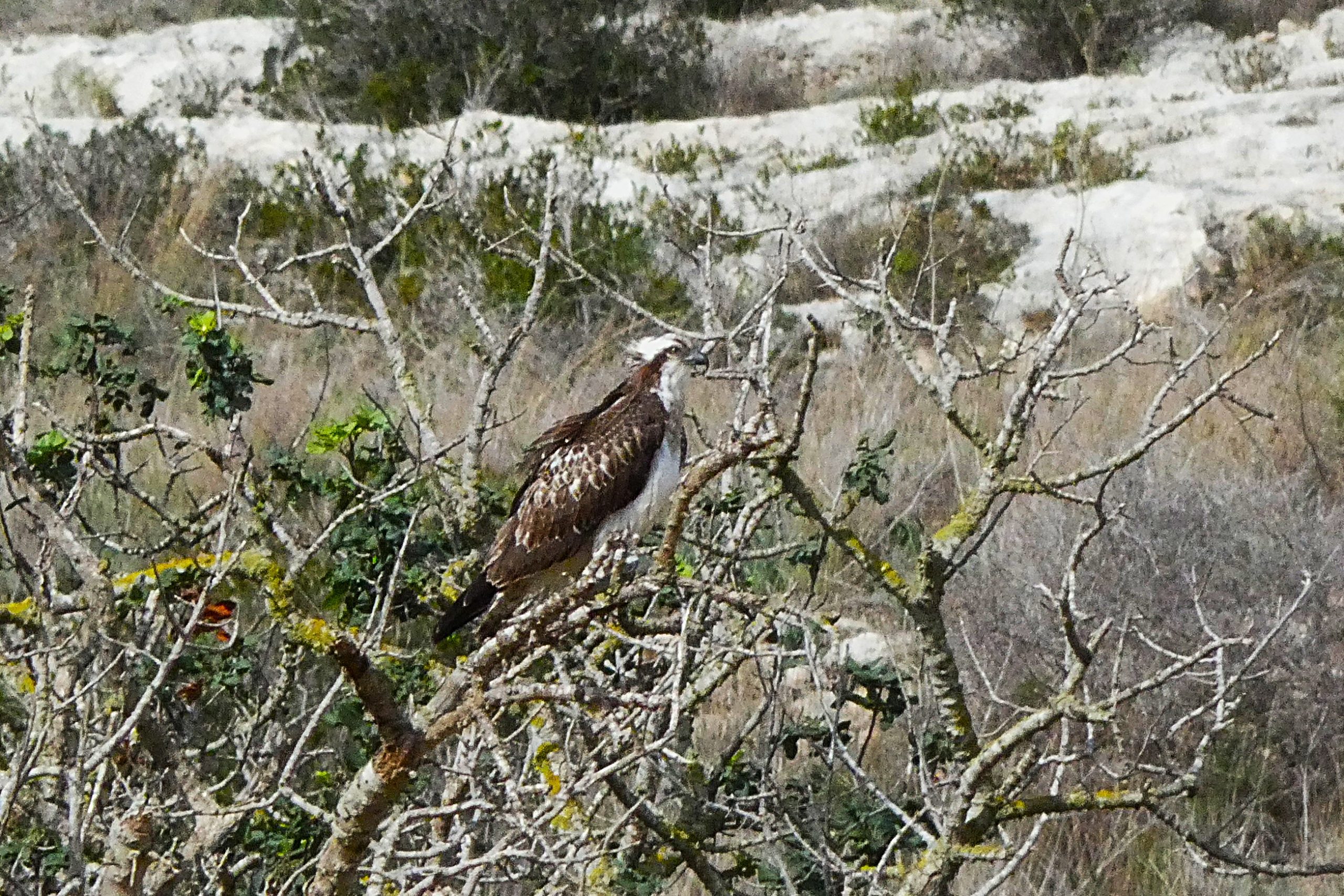
A few raptors were also observed. An Osprey spent a day feeding and roosting in the reserve, something unusual for this time of the year. A female Western Marsh-harrier was also observed hunting in the wetland quite regularly throughout the month, often roosting in the reserve as well. Several Common Kestrels were also observed, mainly flying over but also hunting in the surrounding areas.
by Charles Coleiro

by Charles Coleiro
by Charles Coleiro
Foresta 2000
Sightings
December brought a quiet yet noticeable transformation to Foresta 2000. With the arrival of the first winter rains, the reserve turned greener, refreshing the landscape and supporting a wide range of wildlife. Even during the cooler months, Foresta 2000 continues to show us how active and important Mediterranean habitats remain throughout the year.
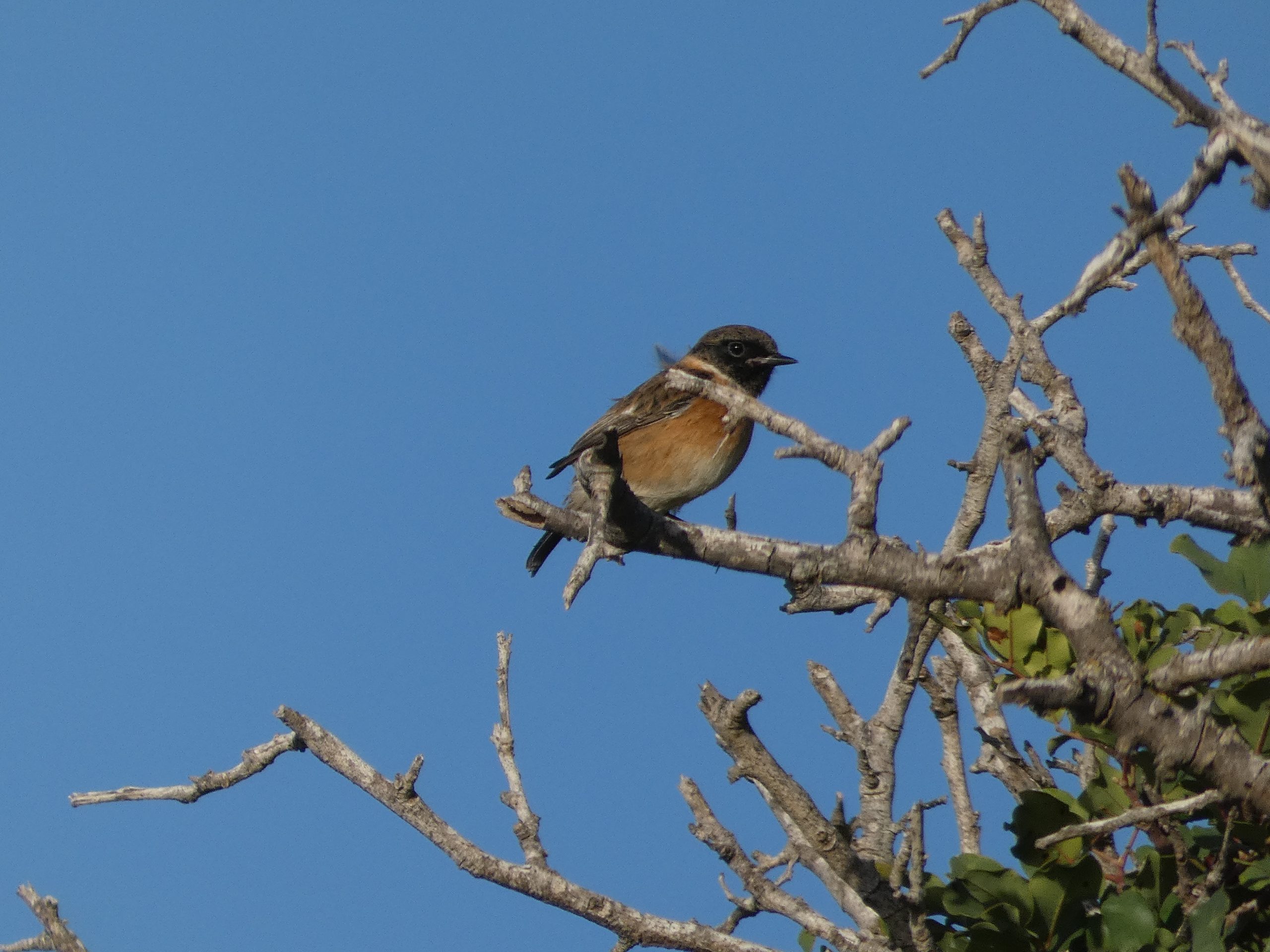
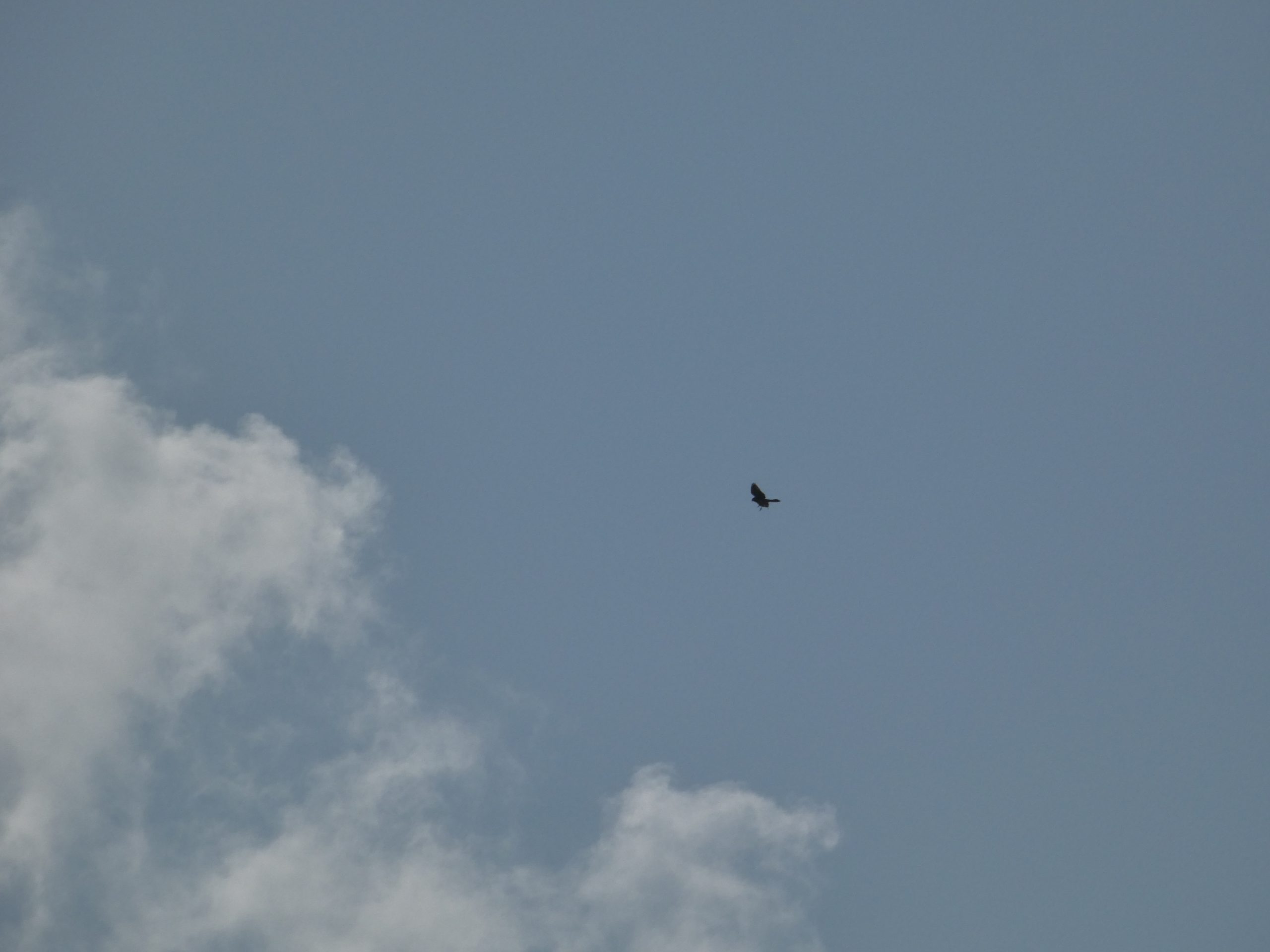
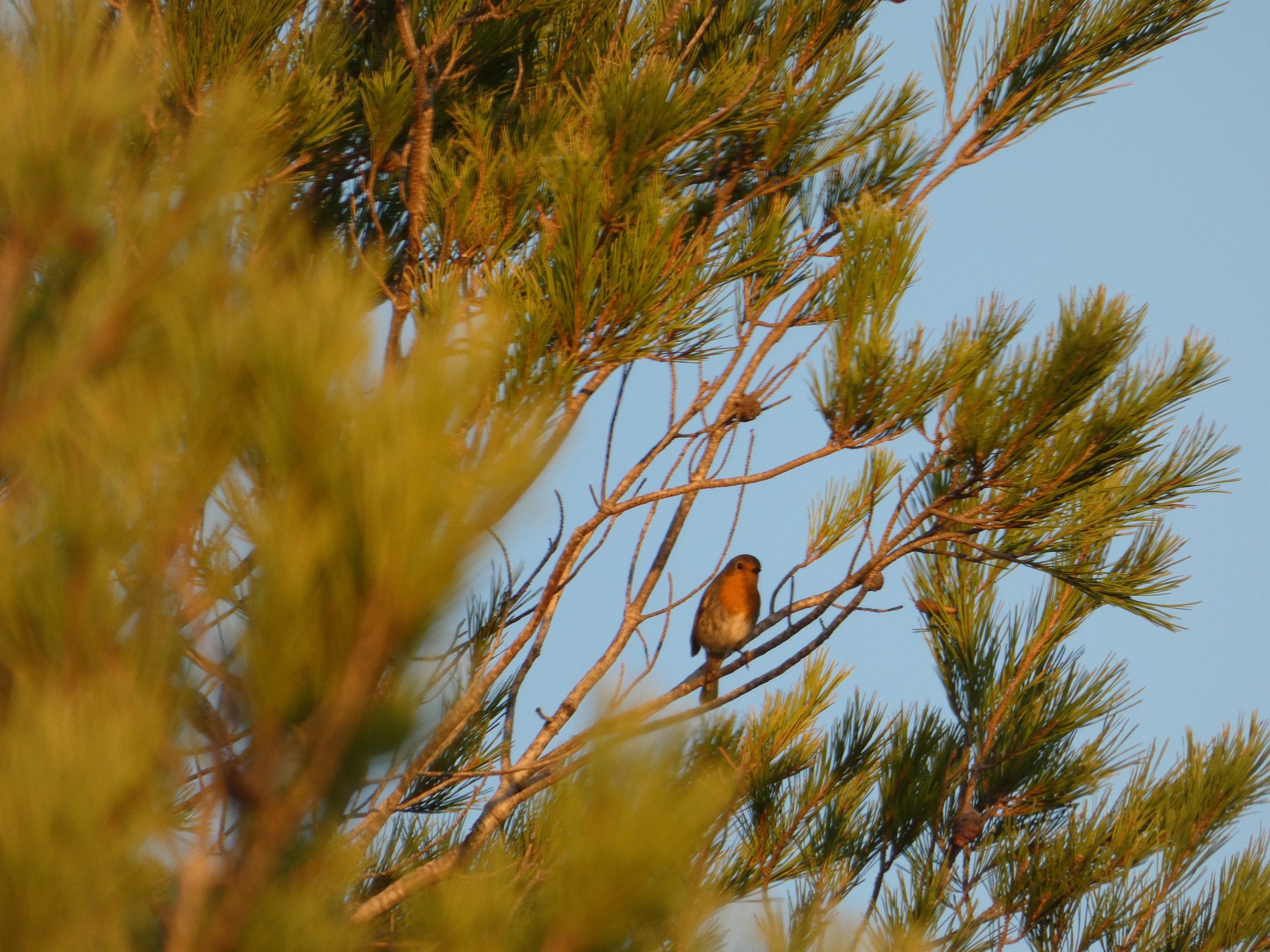
A rich mix of resident and wintering birds was recorded across the reserve. European Robins, Common Stonechats, and Sardinian Warblers were frequently encountered along paths and garrigue areas, while Song Thrushes moved discreetly through wooded sections. Eurasian Siskins were heard and added to the diversity of winter visitors. Overhead, Common Kestrels were regularly seen soaring and hunting, highlighting the importance of Foresta 2000 and the nearby cliffs as feeding grounds for birds of prey.
by Vera Tokmakova
by Vera Tokmakova
by Vera Tokmakova
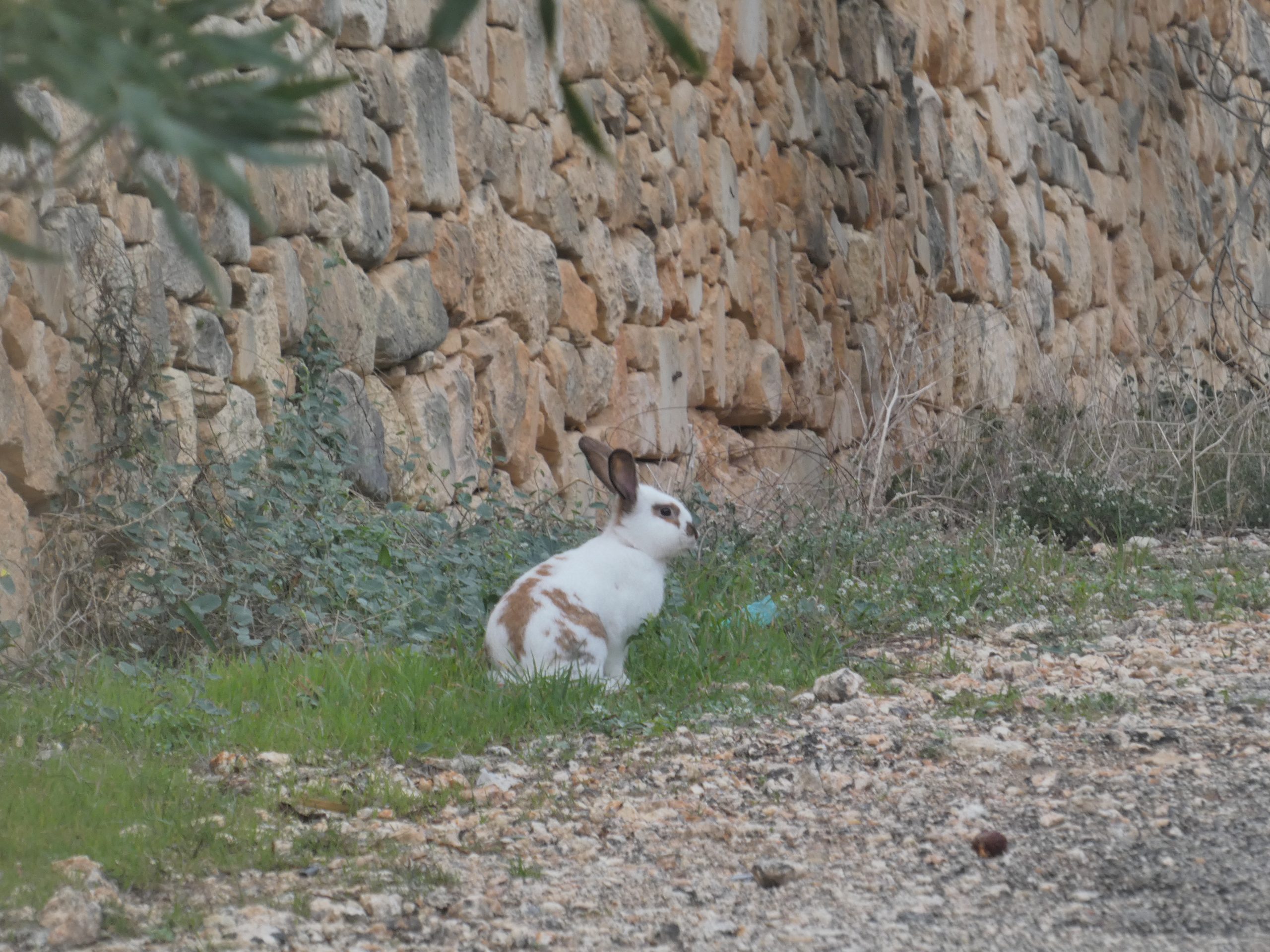
Despite the season, insect life remains present. Large numbers of Large White butterfly caterpillars were observed feeding on host plants from the Brassicaceae family, and occasional adult butterflies were still on the wing. Dragonflies were also spotted during milder days, taking advantage of favourable weather conditions. As for unusual sightings – an escaped domestic rabbit was found!
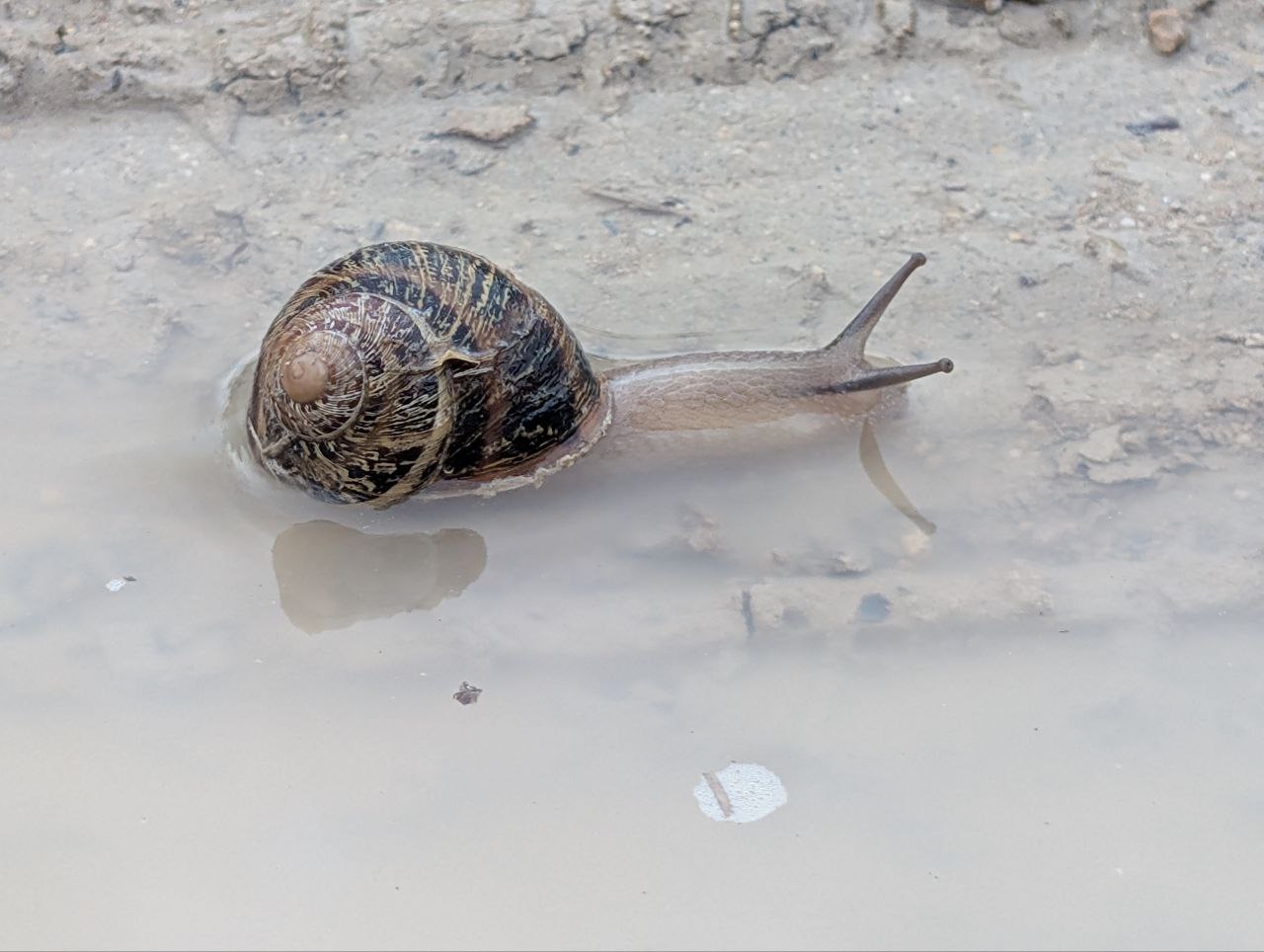
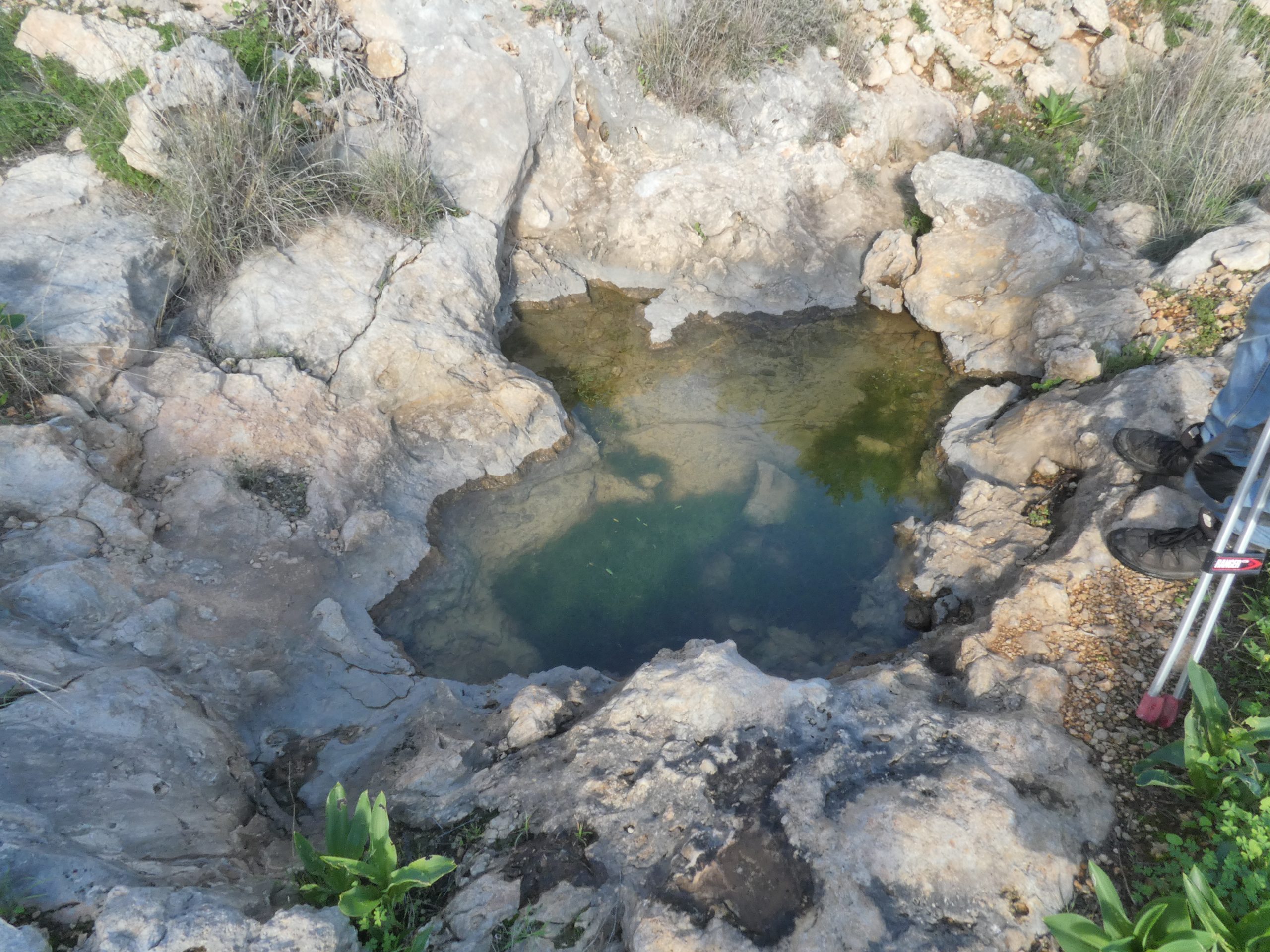
Recent rainfall has refilled the rock pools, which are now supporting a variety of small organisms. These temporary water bodies play a crucial role in sustaining biodiversity during winter and early spring.
by Vera Tokmakova
by Vera Tokmakova
by Vera Tokmakova
Works
December was a busy month for educational activities at Foresta 2000. Many school visits took place, as well as Nature Guardians activities. During these visits, children had the opportunity to observe Mediterranean Chameleons, often for the very first time in their lives!
We look forward to continuing this wonderful educational journey in spring, so keep an eye out for upcoming updates! We wish you many new discoveries in the year ahead.
Winter Rarities
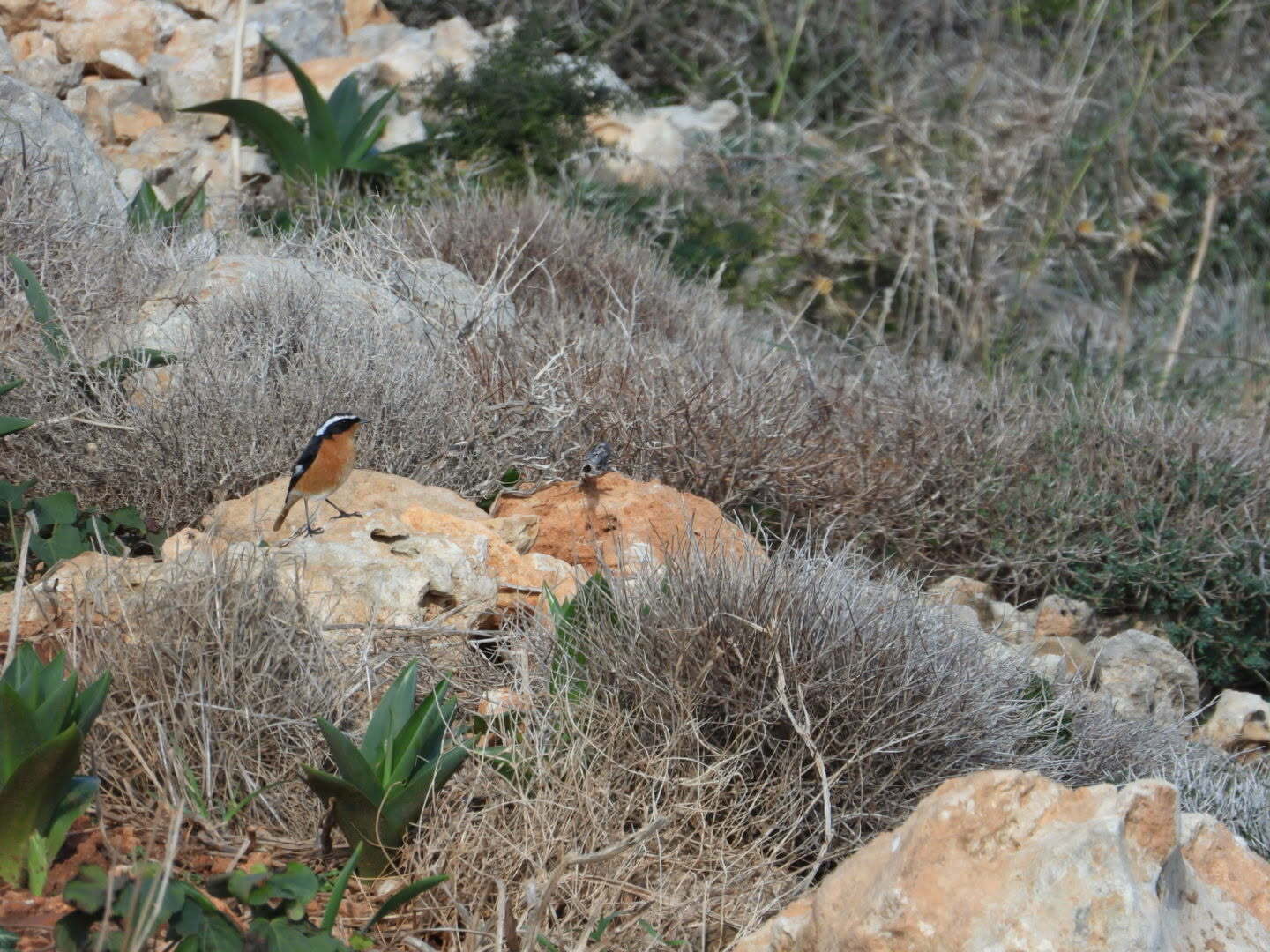
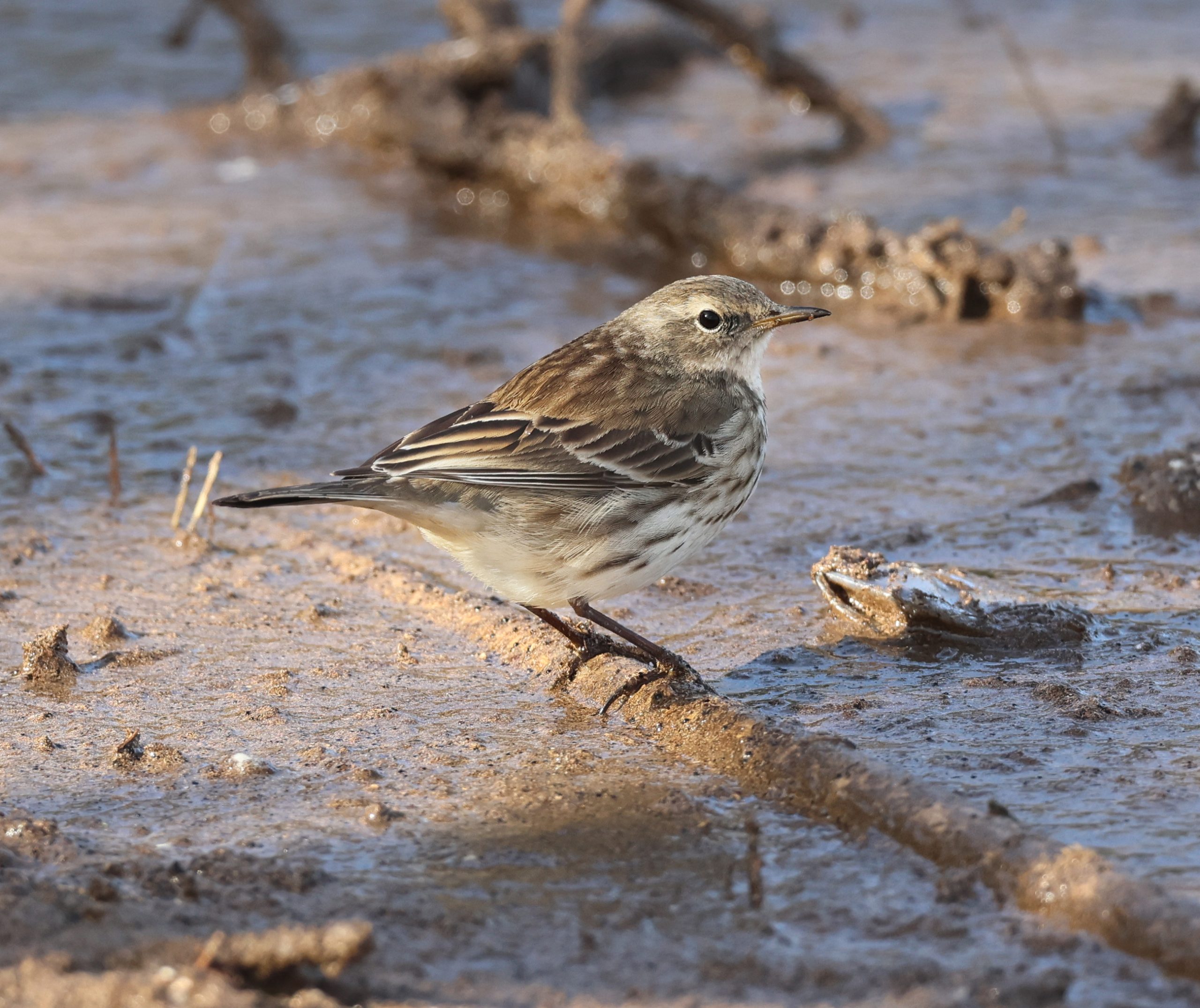
This was a good year for Moussier’s Redstarts, with at least four birds reported in total, including a smart male which was first seen at Ċumnija at the end of November and still present in early December. A Water Pipit was also spotted at the beginning of December and was still present by the end of the year. This species is very scarce in Malta, with on average only one or two records annually. These birds usually turn up in coastal saltmarshes, but also occasionally at inland valleys holding freshwater.
Other rare passerines spotted included a Dartford Warbler and an Olive-backed Pipit at different sites. Another interesting occurrence was the settling of multiple Grey Herons in the area of St. Paul’s Islands. Although common during migration, it is unusual for this species to spend the winter in such numbers. This also applies for Western Marsh-harriers, a few of which were seen over December. A rare Hen Harrier was also spotted, as well as a few flocks of ducks migrating offshore, including Common Shelducks, Northern Pintails, and Northern Shovelers.
Finally, towards the end of the year, five Common Cranes were spotted over the Siġġiewi area. These spectacular birds and their evocative calls are always special to see and hear. They used to be more frequently observed migrating over Malta, but have now become scarcer, with larger numbers remaining in Europe for the winter.
by Alishia Stone
by James Aquilina
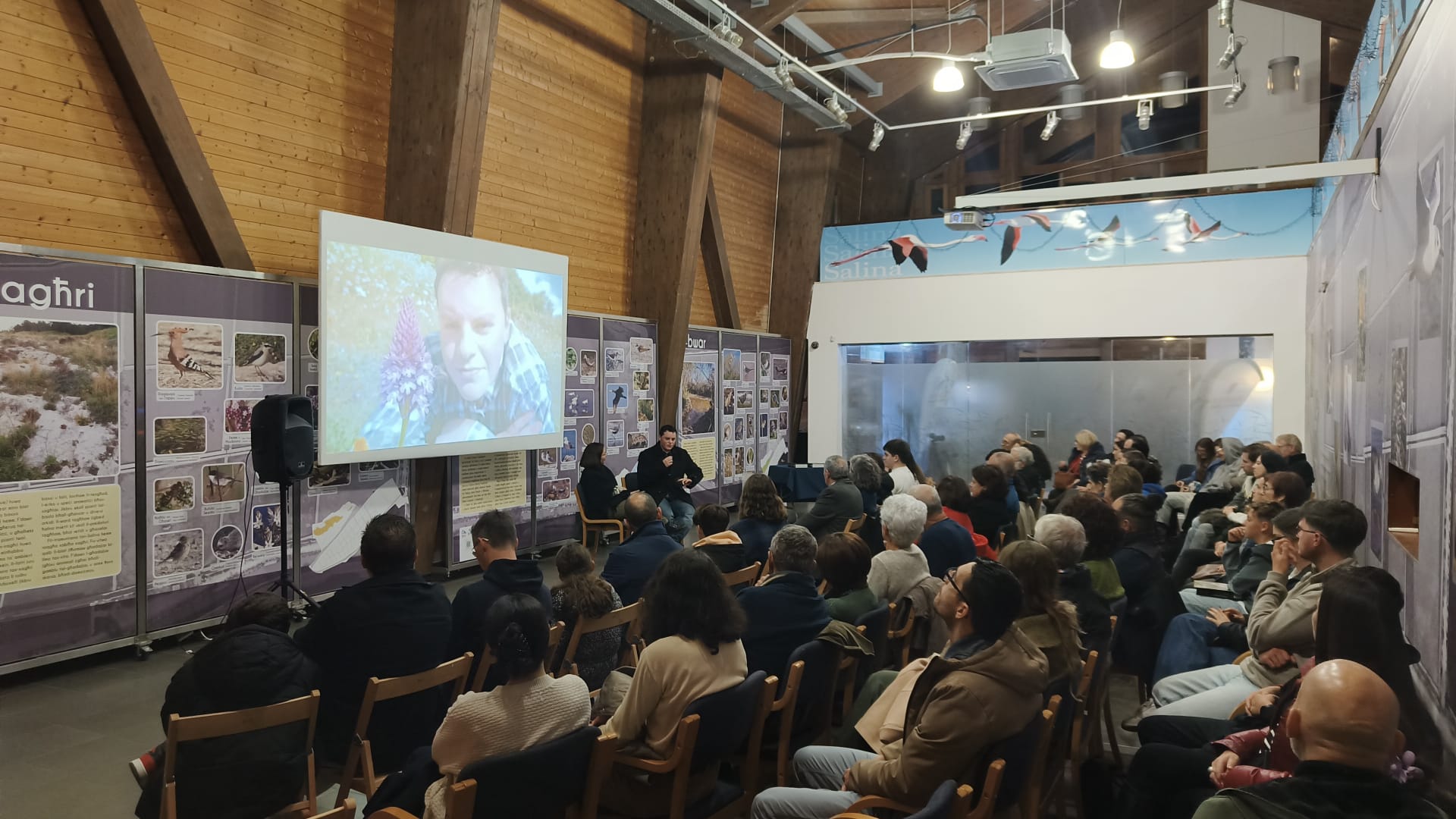
Science, Film and Orchids Meet at Salina Nature Reserve
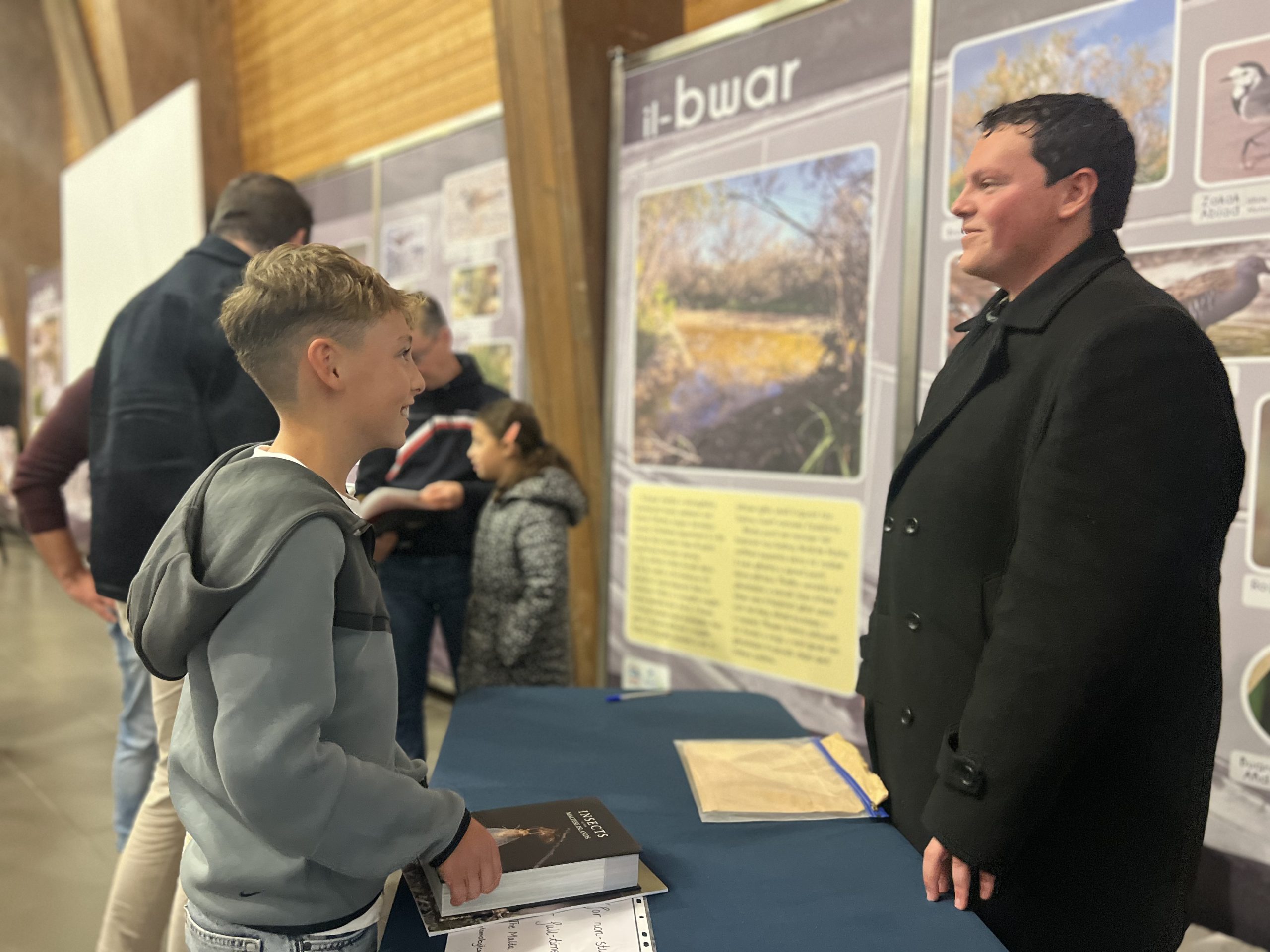
BirdLife Malta hosted a special Sip, Soak & Savour in Nature evening at Salina Nature Reserve on 29 December. The event featured the full screening of Orchids – Darwin’s Conundrum, an award-winning documentary by Maltese biologist Thomas Cassar.
The film explores orchid evolution and a scientific mystery that challenged Charles Darwin. The documentary has recently received international recognition in Germany and the United States.
Cassar attended in person and answered questions after the screening. Participants discussed his career in scientific research and natural history filmmaking. Guests later enjoyed light refreshments on the terrace. Cassar also signed copies of his book ‘Insects of the Maltese Islands’.
by BirdLife Malta
by BirdLife Malta
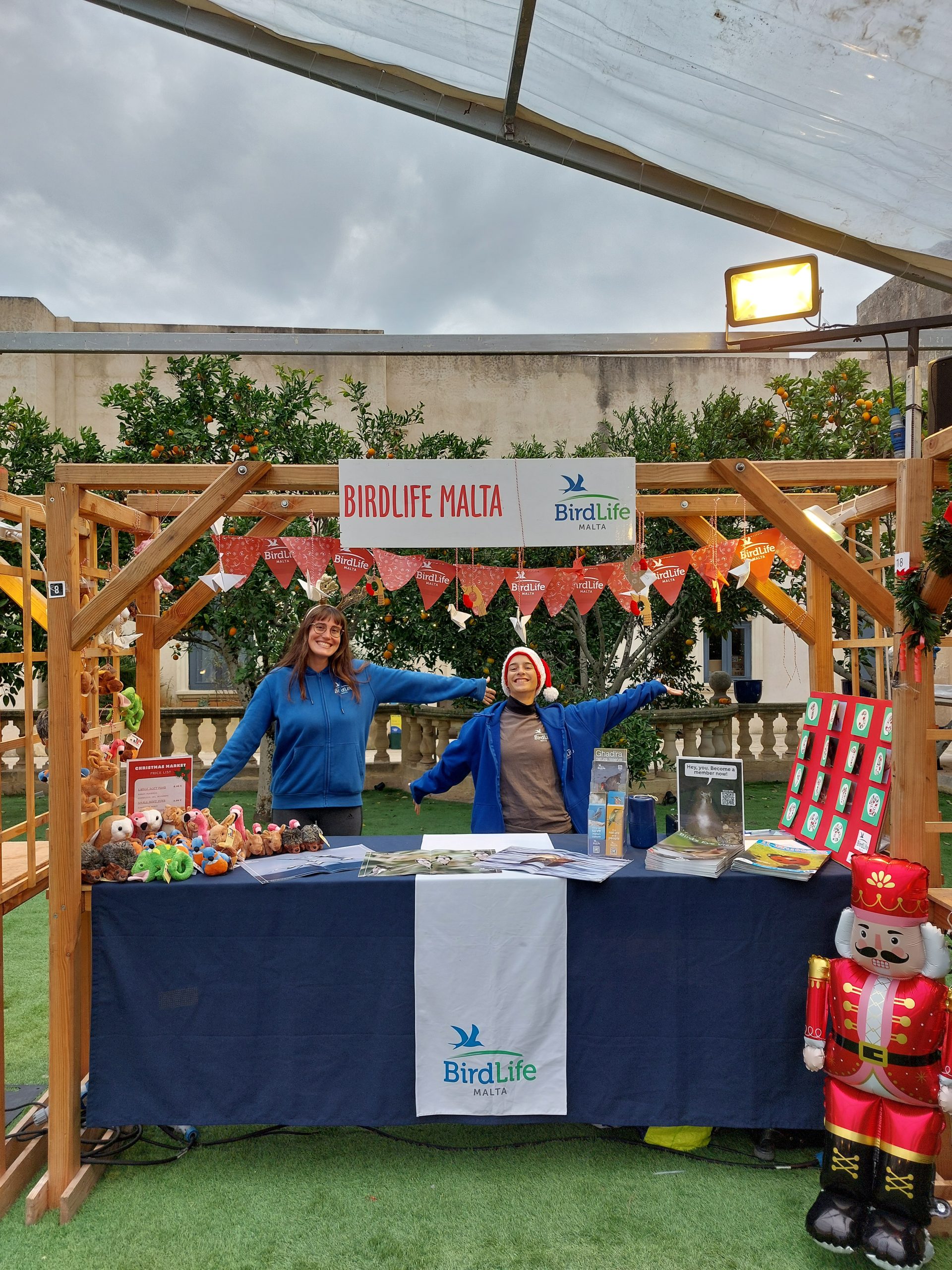
BirdLife Malta feeling the Christmas spirit!
For three days, BirdLife Malta soaked up the Christmas atmosphere in a unique location: Palazzo Francesco in Ħal Lija. Visitors stopped by our stand to enjoy the festive atmosphere, learn about our conservation work, and support nature protection while exploring the historic building which opened to the public for the first time. Surrounded by the scent of oranges and clementines, we conveyed the importance of protecting birds in Malta, focusing on urban birds, which are often overlooked.
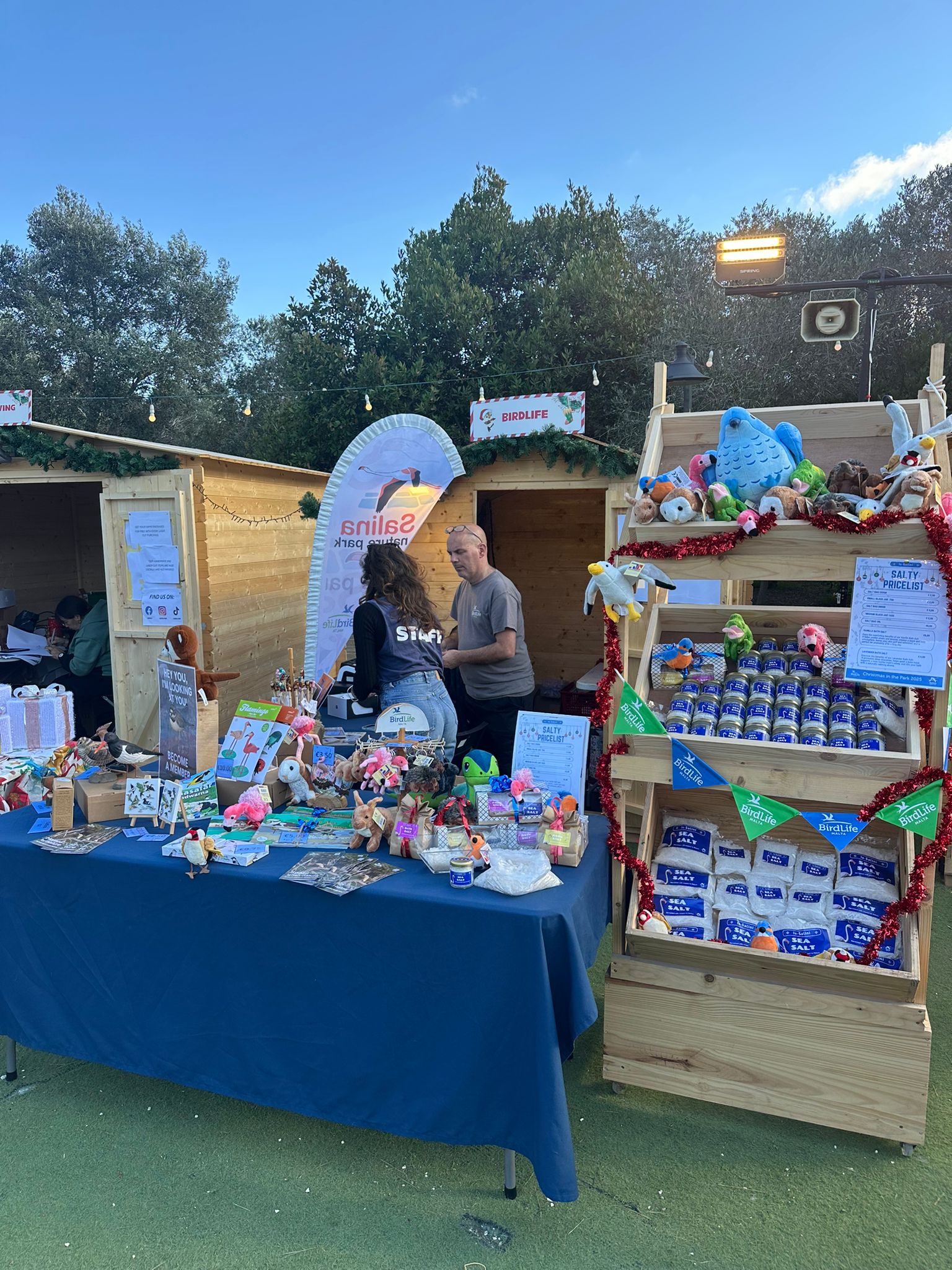
Between 12 and 21 December, our team also joined the Christmas in the Park fair at Salina National Park. Our stand offered bird-themed gifts and sustainable products. Visitors learned about locally harvested sea salt, our conservation work, and how everyday choices help protect birds and habitats like Salina Nature Reserve.
by Sàra Bezvodova
by Mark Sultana
New Year, New Collaborations!
As the year comes to an end and a new one begins, we are delighted to announce a new collaboration with Project Green that will bring BirdLife Malta even closer to citizens and local communities! Through this partnership, we will be hosting one event per month in different locations around Malta, not only within our nature reserves.
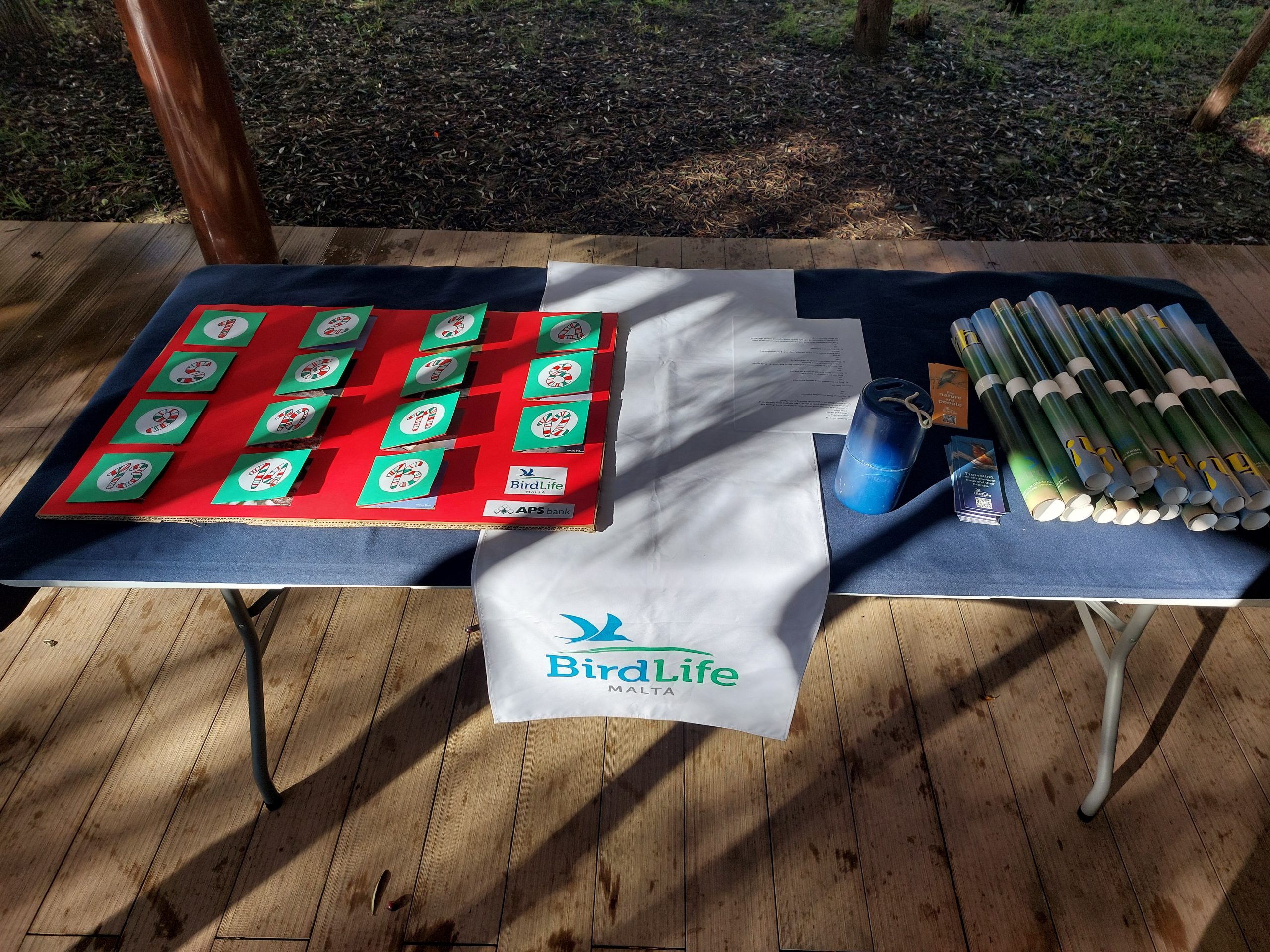
We kicked off this collaboration with a craft and nature day in Ġnien Victor Calvagna, where adults and children enjoyed learning how to build bird feeders, creating bird-themed ornaments, and answering bird-related questions in a charming Bird Advent Calendar setting.
by Silvia Viviani
Credits
Text: David Attard, Sàra Bezvodova, Charles Coleiro, Anja Finke, Marcella Giornetti, Iñaki Leunda, Antonia Micallef, Stefano Miceli, Manya Russo, Vera Tokmakova, Silvia Viviani
Photographs: James Aquilina, David Attard, Charles Coleiro, Francesco Dal Colle, Luca Eberle, Anja Finke, Mario V. Gauci, Marc Schruoffeneger, Alishia Stone, Aron Tanti, Vera Tokmakova, Silvia Viviani, BirdLife Malta
Editing: Nadia Sodano