
On the frontlines is our monthly newsletter section covering the activities of BirdLife Malta’s conservation, policy, nature reserve (Salina, Simar, Għadira and Foresta 2000), seabird and public engagement teams, together with an update about rare and scarce bird species observed.
Trapping Sites and Confiscation in Gozo
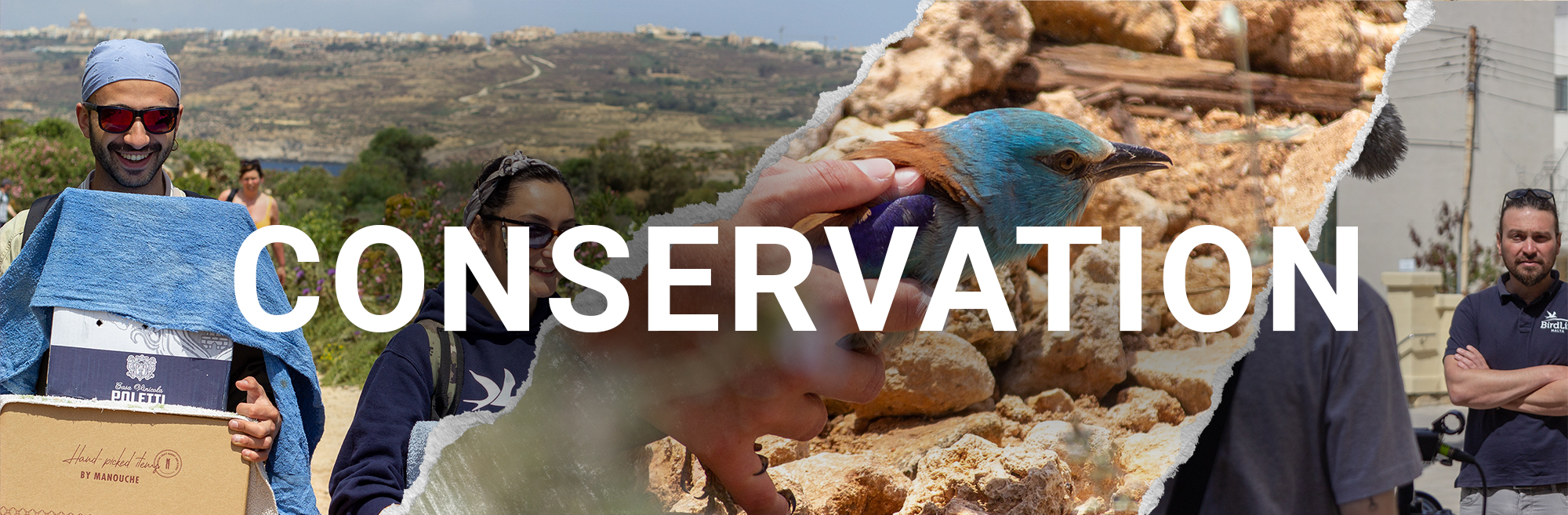
This month, our Conservation Team visited Gozo to monitor trapping activities following numerous reports of illegalities in unregistered trapping sites, the use of illegal electronic bird callers, and hunting within protected areas.
During the patrol, the team discovered a registered Eurasian Golden Plover trapping site near Xewkija with deployed nets and an active electronic caller, all left unattended. After a police inspection, officers confiscated the nets along with several Golden Plovers found at the site.
On the same day, our team identified three additional trapping sites – two registered and one unregistered – with unattended, deployed nets, as well as electronic Northern Lapwing and Eurasian Golden Plover callers heard in various places.
Monitoring trapping and hunting activities across Malta and Gozo remains challenging, and the public’s support is essential. You can help protect wildlife this autumn trapping season by reporting any illegal or suspicious activity. Contact us at (+356) 7925 5697, message us on Facebook Messenger, or report directly to the EPU by calling 119.
Wild Bird Seller Fined
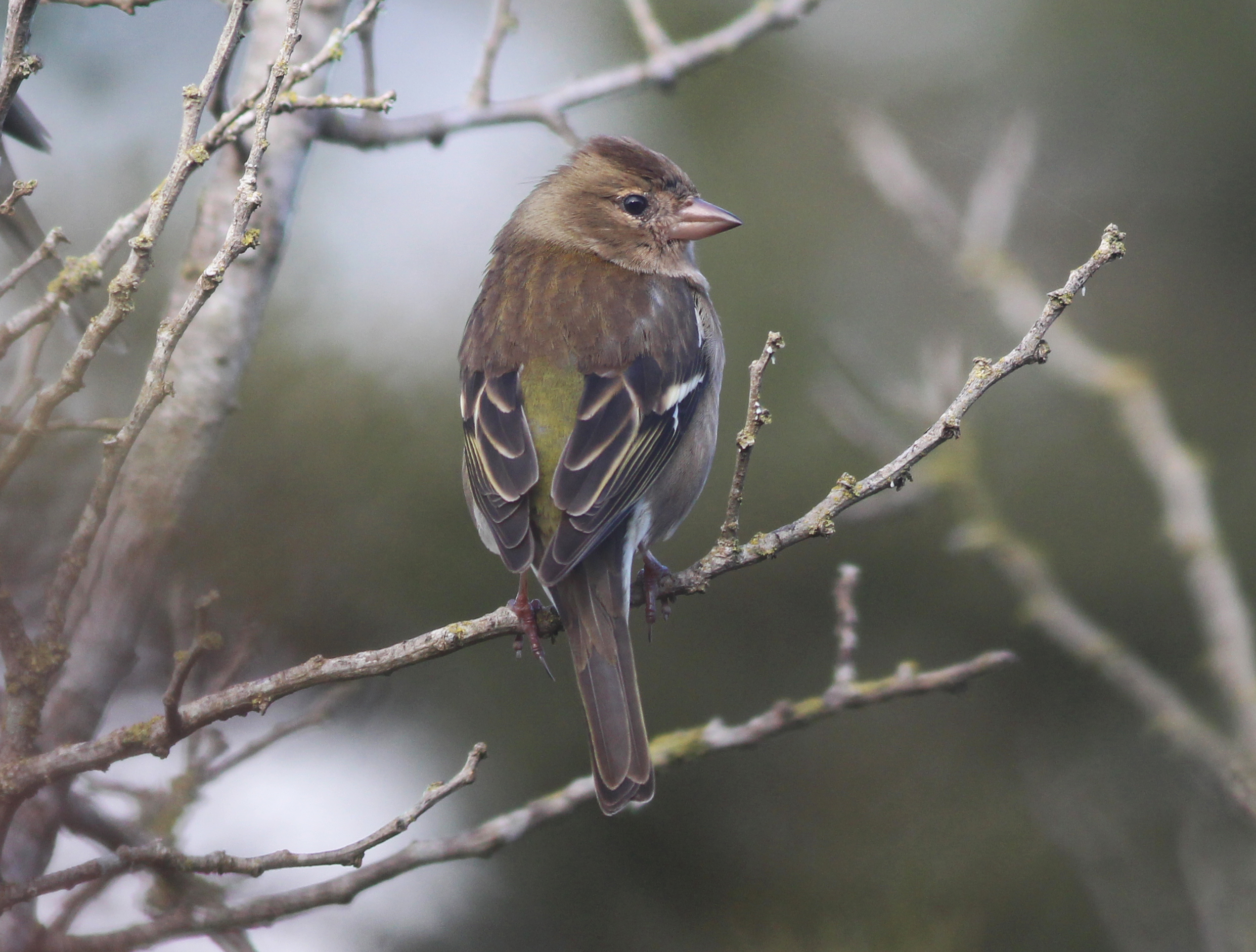
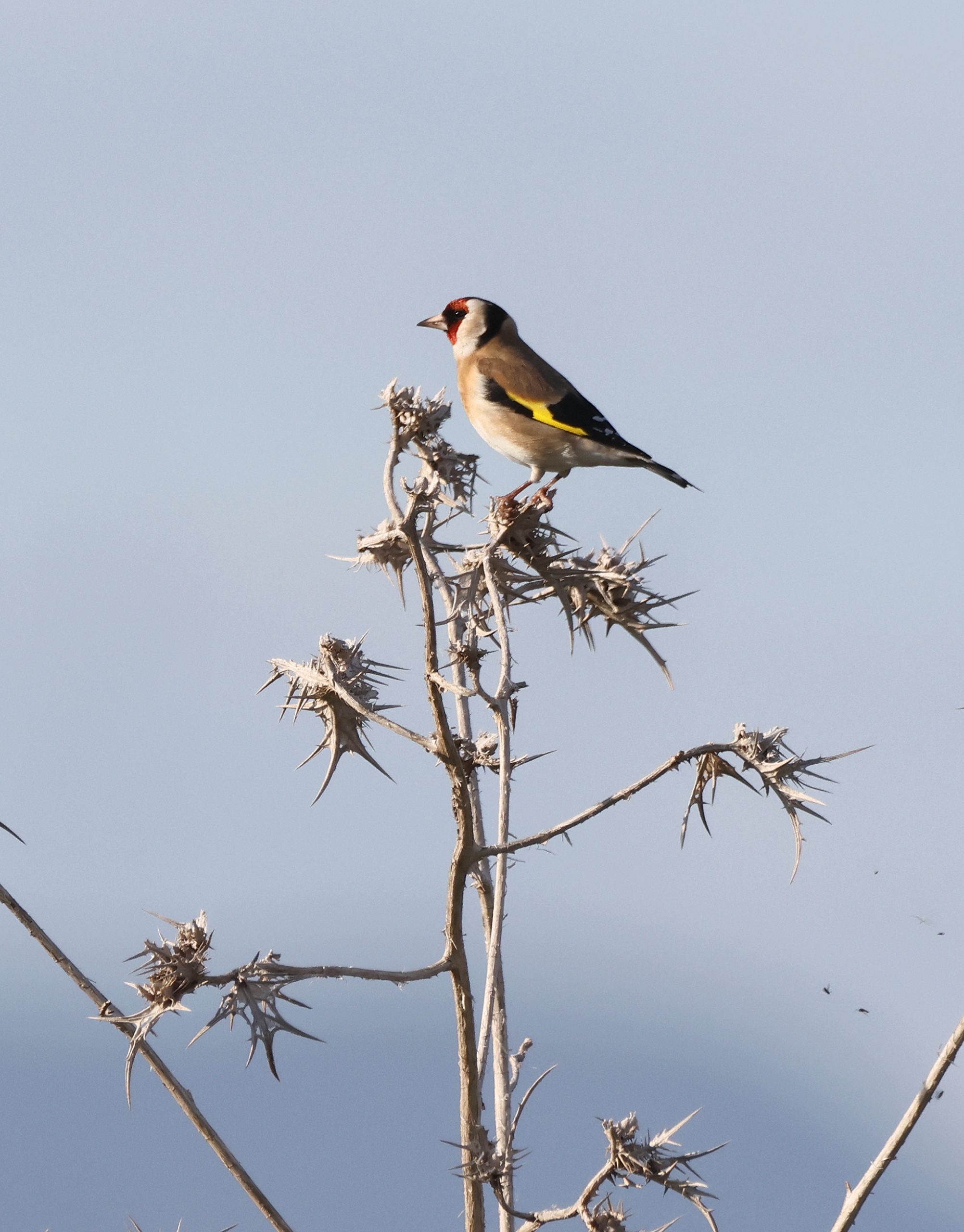
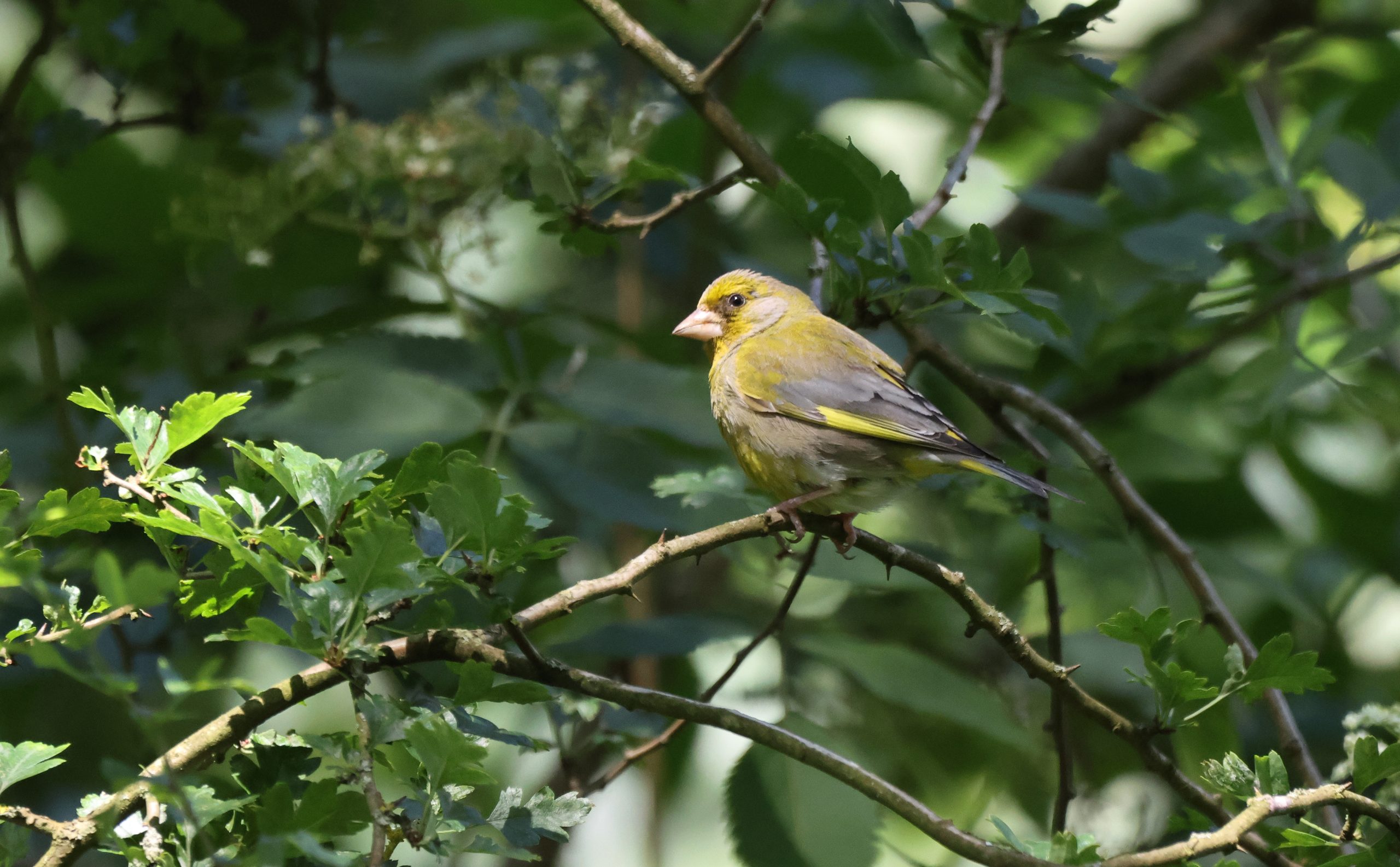
On 29 October 2023, officers from the Environmental Protection Unit charged a vendor for selling wild finches in Floriana, following a report filed by BirdLife Malta. Several European Goldfinches, European Greenfinches and Common Chaffinches were confiscated on the day.
The case went to court, where a BirdLife Malta representative testified. In late October, the wild bird seller was fined €1,000 and received a suspension of his bird possession licence for three years.
by James Aquilina
by Aron Tanti
by Aron Tanti
Rehabilitation and Releases
Despite November usually marking the end of the Scopoli’s Shearwater season, this year we kept receiving several cases even later on, all linked to the same persistent issue: light pollution.
Most of the birds rescued came from Xlendi, Gozo, one of the areas with the highest incidence of Scopoli’s Shearwater strandings. Some individuals arrived dehydrated, underweight, or with poor feather waterproofing. Thanks to proper rehabilitation, their condition improved, and once ready, they were released at Anchor Bay, an environment rich in resources suitable for these seabirds.
In addition to that, this month we also admitted other seabirds in need of help: two Yellow-legged Gulls and one Black-headed Gull. All of them were found weak and stranded near the coast. After several physical checks and a period of rehabilitation, the two Yellow-legged Gulls were released at Mistra Bay, an area offering ideal feeding opportunities and favourable wind conditions. The Black-headed Gull, on the other hand, was released at the Salina Nature Reserve, where it was able to join an existing flock.
We also intervened to rescue a young Common Moorhen, found disoriented and stranded in Sliema. Fortunately, it was in relatively good health, and after a few days of monitoring its hydration and diet, it was released in a habitat rich in water and foraging opportunities.
Finally, one of the most notable cases this month involved a Cattle Egret found injured with a fracture to its left wing caused by a firearm. After a lengthy period of care and monitoring, the fracture healed completely, and the bird was released back into the wild at the Salina Nature Reserve.

by Marcella Giornetti

by Anja Finke
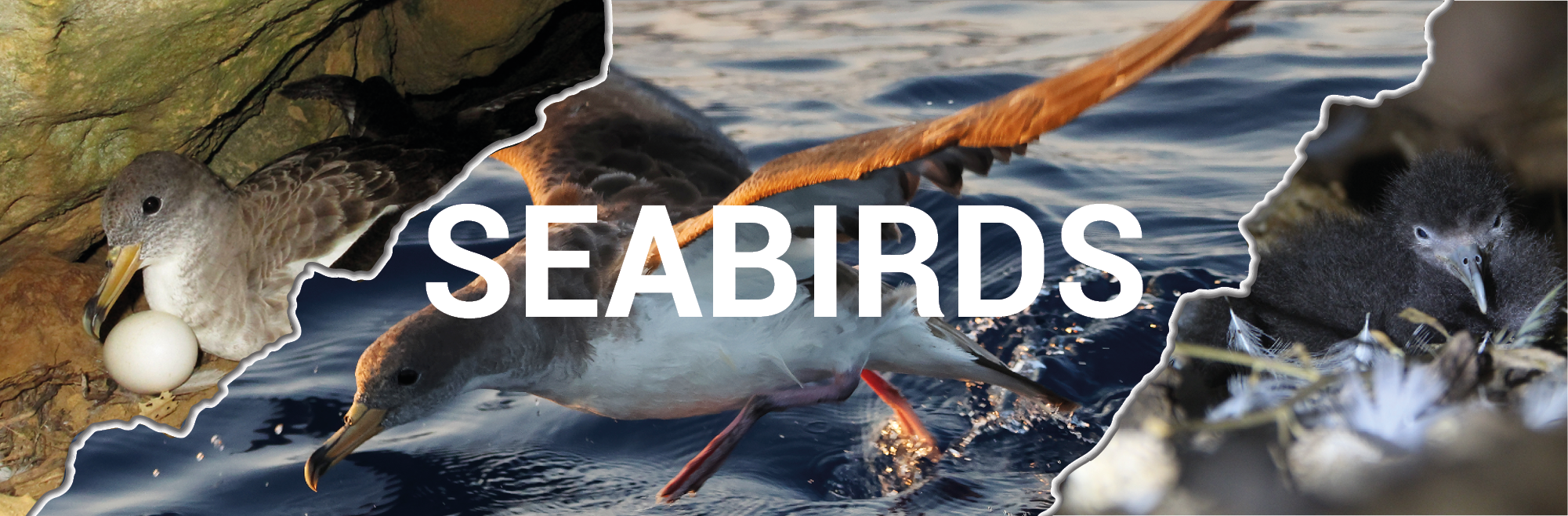
Equipment Checks and Preparations for Next Season
Our team has been busy maintaining and checking all field gear ahead of the upcoming season at the Yelkouan Shearwater colonies. This proactive preparation – from checking climbing and monitoring equipment to replacing worn-out items – will help us ensure a smooth, safe, and effective start once fieldwork resumes.
LIFE Tetide Event at Elba Island
As part of the LIFE Tetide project, our Seabird team members Ricardo Fernandes and Martin Austad will take part in the project’s first public workshop, taking place on Elba Island in the Tuscan Archipelago, Italy. The workshop will focus on biological invasions and biosecurity, highlighting several ongoing project case studies. The event will also include a TAG meeting, where BirdLife partners will discuss strategies and best practices for biosecurity and monitoring tools. Our team members will also present the current biosecurity actions being implemented in Malta under the project.
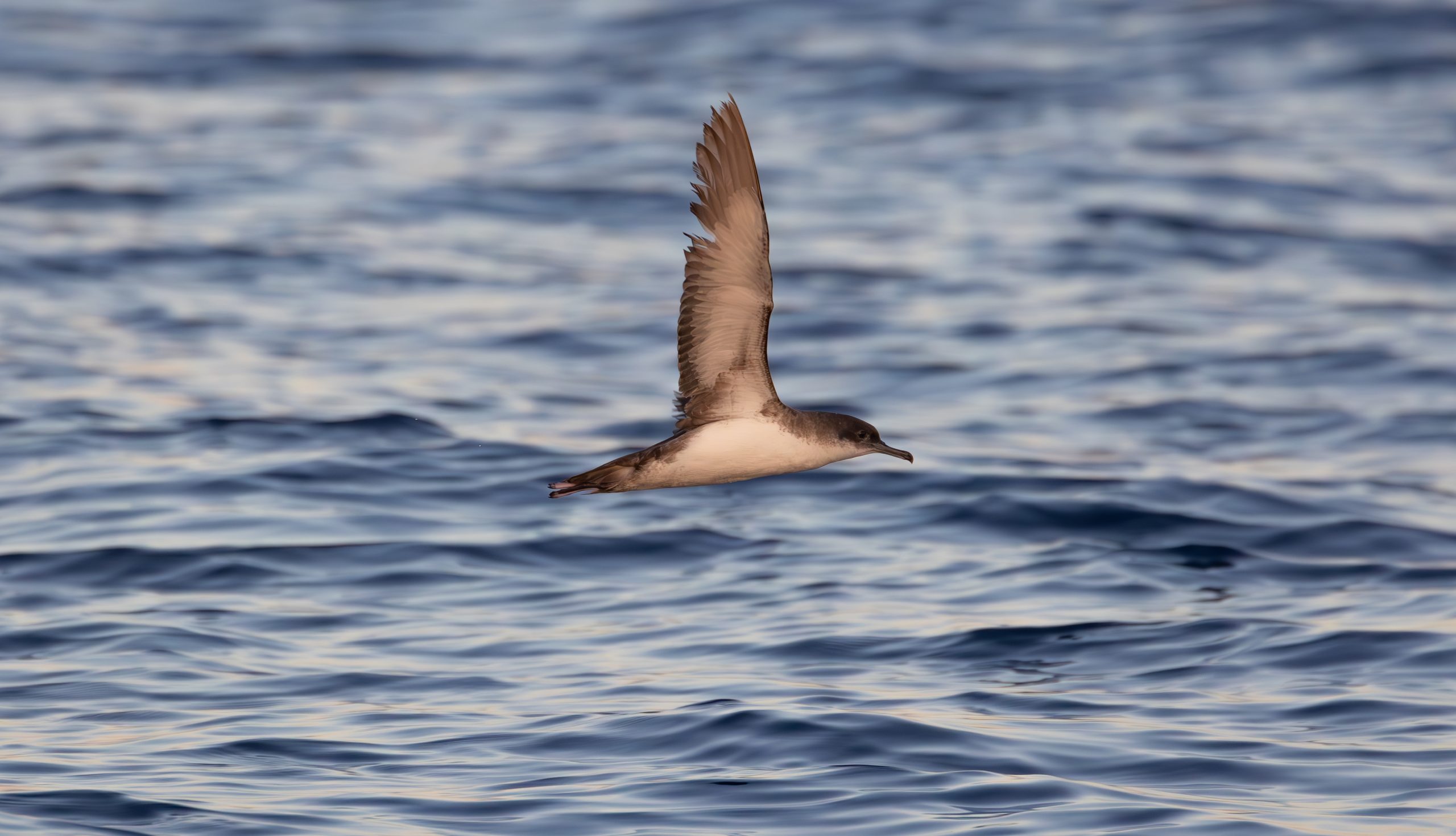
by Luke Vella
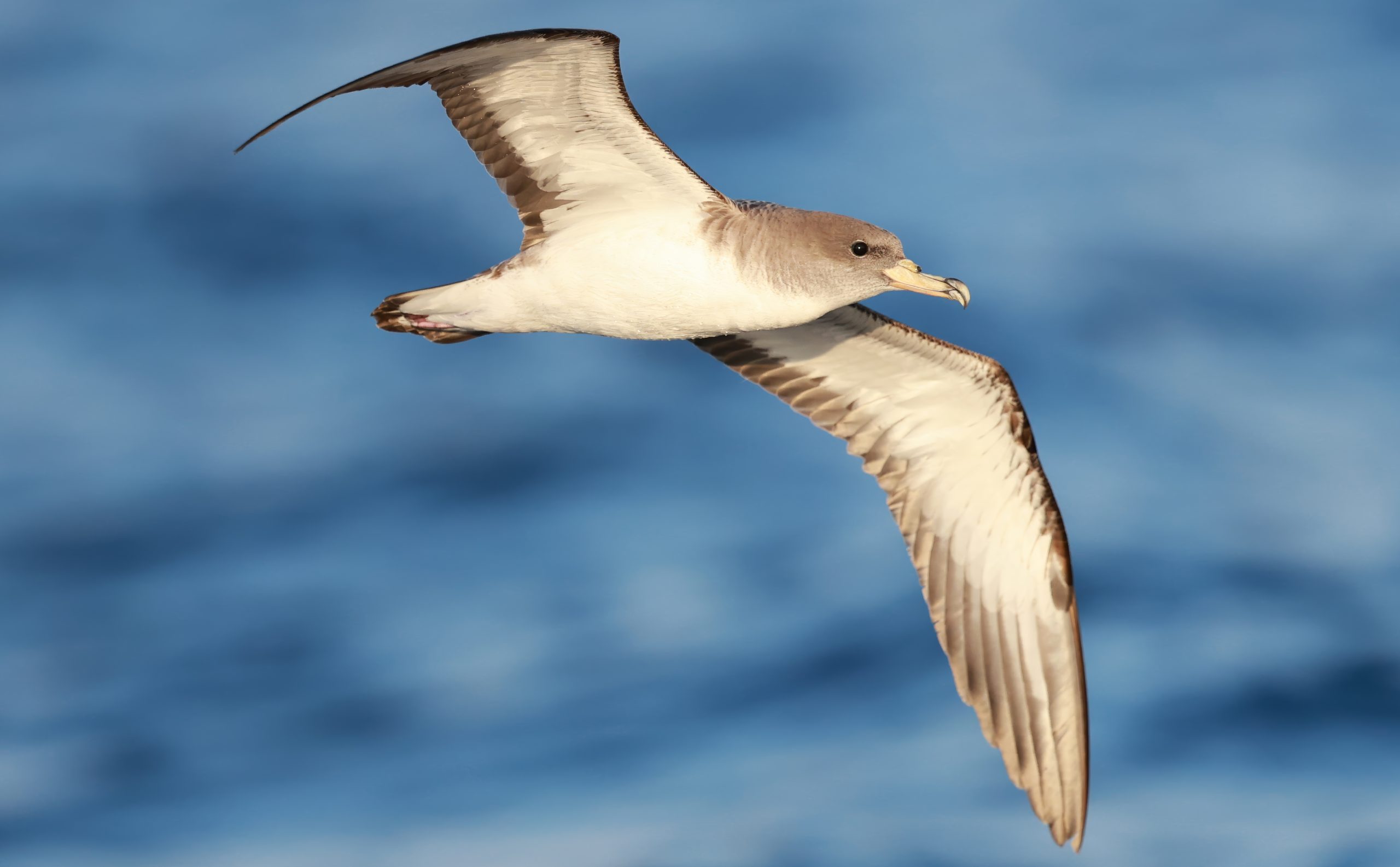
by Ian Balzan
Follow our LIFE PanPuffinus! project on our website and social media!

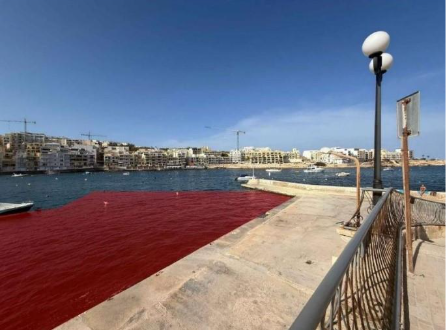
Objection to Marsaskala Ferry Landing Works
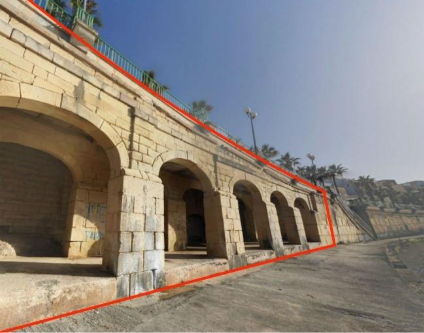
BirdLife Malta has submitted objections to planning applications PA/06645/25 and PA/06646/25, which propose the construction of a controversial ferry landing in Marsaskala. Both applications were filed without a Project Description Statement and necessary impact assessments. In addition, treating the two applications separately prevents proper evaluation of their cumulative impacts which contradicts Article 72(2) of the Development Planning Act.
We highlighted the need for assessing the impacts on Posidonia oceanica, an Annex I habitat vital for biodiversity, coastal protection, carbon storage, and water quality. Dredging could increase turbidity and severely damage this habitat. In view of these concerns and missing documentation, BirdLife Malta urged the Planning Authority to refuse both applications and require a single, transparent, fully assessed proposal.
by Malta Today
by Malta Today
Ta’ Qali Sports Village: Our Joint Input on the EIA Terms of Reference
BirdLife Malta, together with Nature Trust, has submitted joint recommendations for the Terms of Reference of the Environmental Impact Assessment for a proposed Multi-Purpose Sports Village at Ta’ Qali – on a site formerly known as Flower Power. We highlighted the need to assess alternative, smaller site footprints, especially given the inclusion of non-essential facilities such as a hotel, retail outlets, and a garden centre.
We also stressed the importance of comprehensive traffic, flora, fauna, and year-round avifaunal studies, given the site’s proximity to the Ta’ Qali Bird Sanctuary and the presence of species such as hedgehogs, snakes, and bats. Finally, we highlighted that the project conflicted with the Nature Restoration Law, which favours restoring agricultural ecosystems rather than converting them to intensive recreational use.
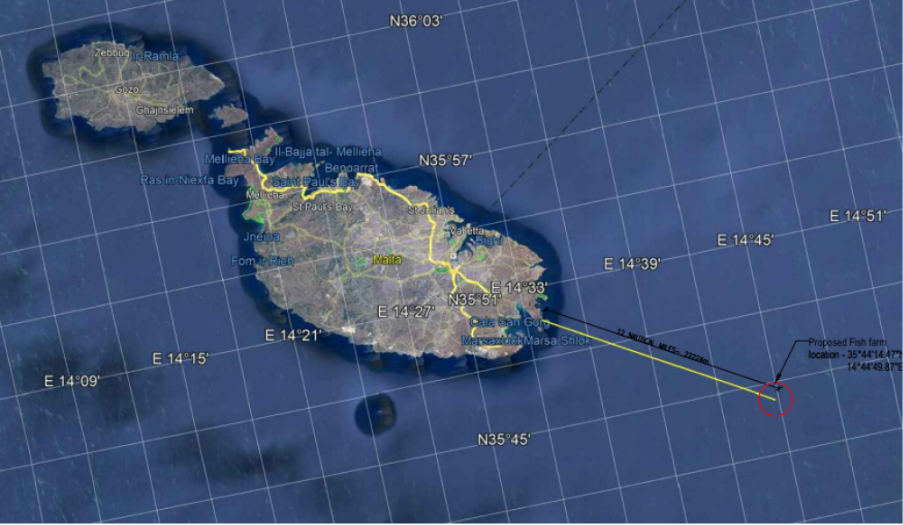
BirdLife Malta Calls for Robust Environmental Assessments in Proposed Fish Farm
BirdLife Malta also submitted its recommendations for the Terms of Reference of the Environmental Impact Assessment for a proposed fish farm, 22 km south of Marsaxlokk. The project lies just 230 metres from the Żona fil-Baħar fil-Lvant Special Protected Area and will consist of a platform rising to approximately 20 metres above sea level, raising concerns about disturbance to seabirds, particularly shearwaters and storm-petrels. We highlighted risks from oil slicks, lighting, noise, collisions, and attraction to fish farms, all of which may increase energy expenditure, stress, or mortality in seabirds. We also called for careful site selection in harmony with Malta’s maritime spatial planning.
Other recommendations including the inclusion of a comprehensive avifauna monitoring programme, cumulative impacts assessments of aquaculture in conjunction with future offshore wind farms, mandatory reporting of bird incidents during the operational phase, and socio-economic impact assessment on existing fishing activities on site.
by Malta Today
Updates of the Conservation Objectives and Measures for Gozo’s terrestrial Natura 2000 sites
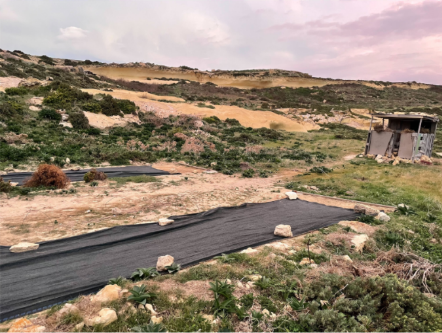
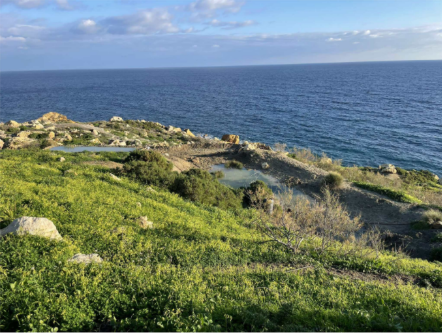
In response to the update of the Conservation Objectives and Measures for Gozo’s terrestrial Natura 2000 (N2K) sites, we provided comprehensive feedback and recommendations. We highlighted gaps the need to update Standard Data Forms of N2K sites with accurate population estimates and migratory species records. Even though population estimates change over time, we stressed the importance of establishing conservation measures based on the higher estimates of population numbers – ensuring that the measures are ambitious and aim at restoring previous reference numbers. Conservation measures should also address specific human impacts such as fireworks, sport climbing, chemical runoff, off-leash dogs, ad existing light pollution sources.
We also recommended restoration of degraded habitats in N2K sites, including quarries and abandoned trapping sites. Trapping sites completely strip bare garrigue areas through the use of herbicides, hence, even for registered trapping sites, the common practice of using herbicides to clear areas of vegetation should not be allowed in N2K sites. Similarly, excavated water ponds created for hunting purposes should be recognised as a significant threat due to their impact on habitats, migrant birds, and the extraction of groundwater required to maintain them.
by Martin Austad
by Martin Austad
Salina Nature Reserve
Sightings
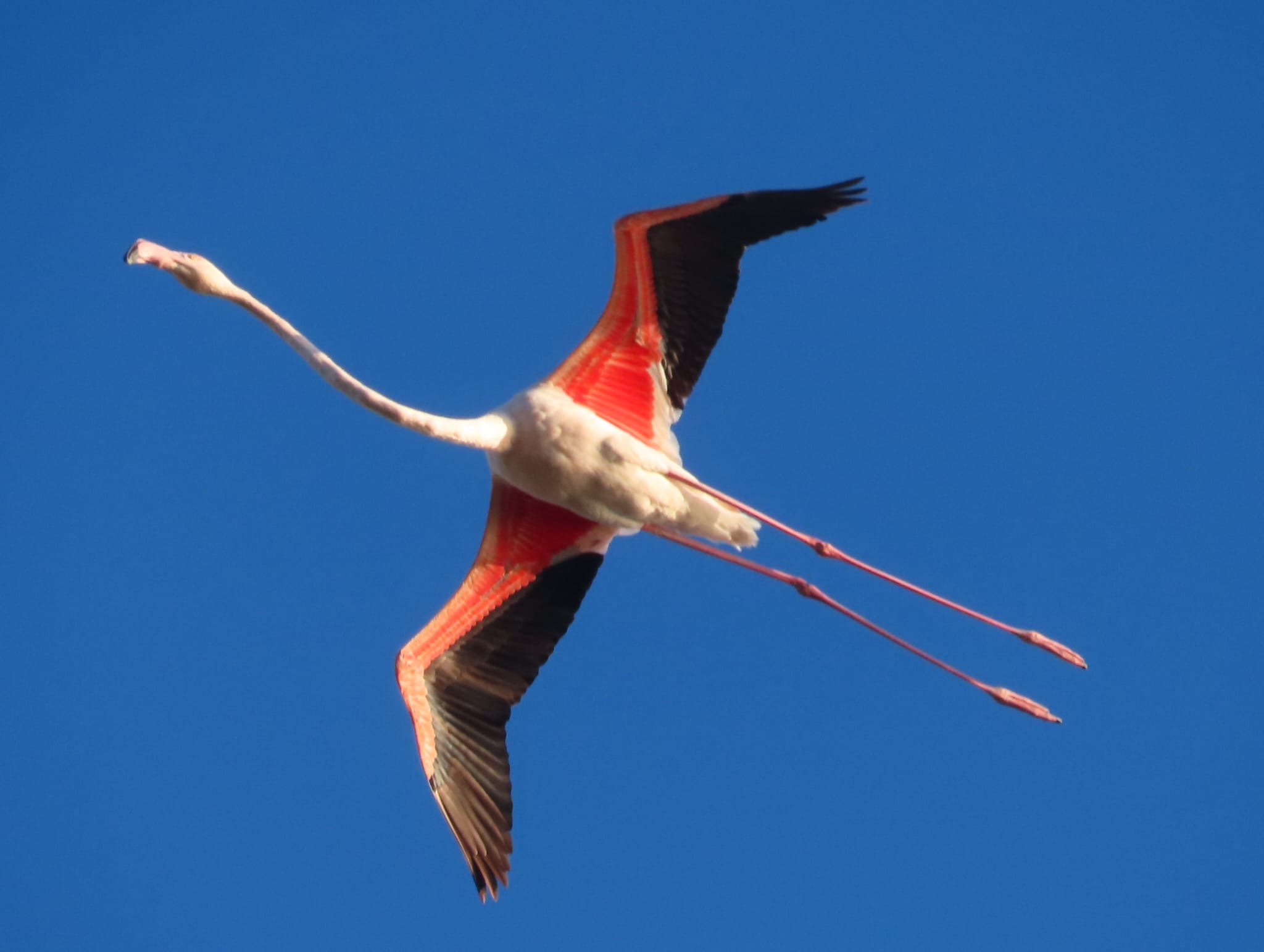
During the past month, Salina Nature Reserve has been tinged with pink thanks to the presence of an adult Greater Flamingo! However, this wasn’t the only highlight of the month: the first European Robins have begun to sing, White Wagtails are returning, and our saltpans are filling with many gulls once again!
by David Attard
Works
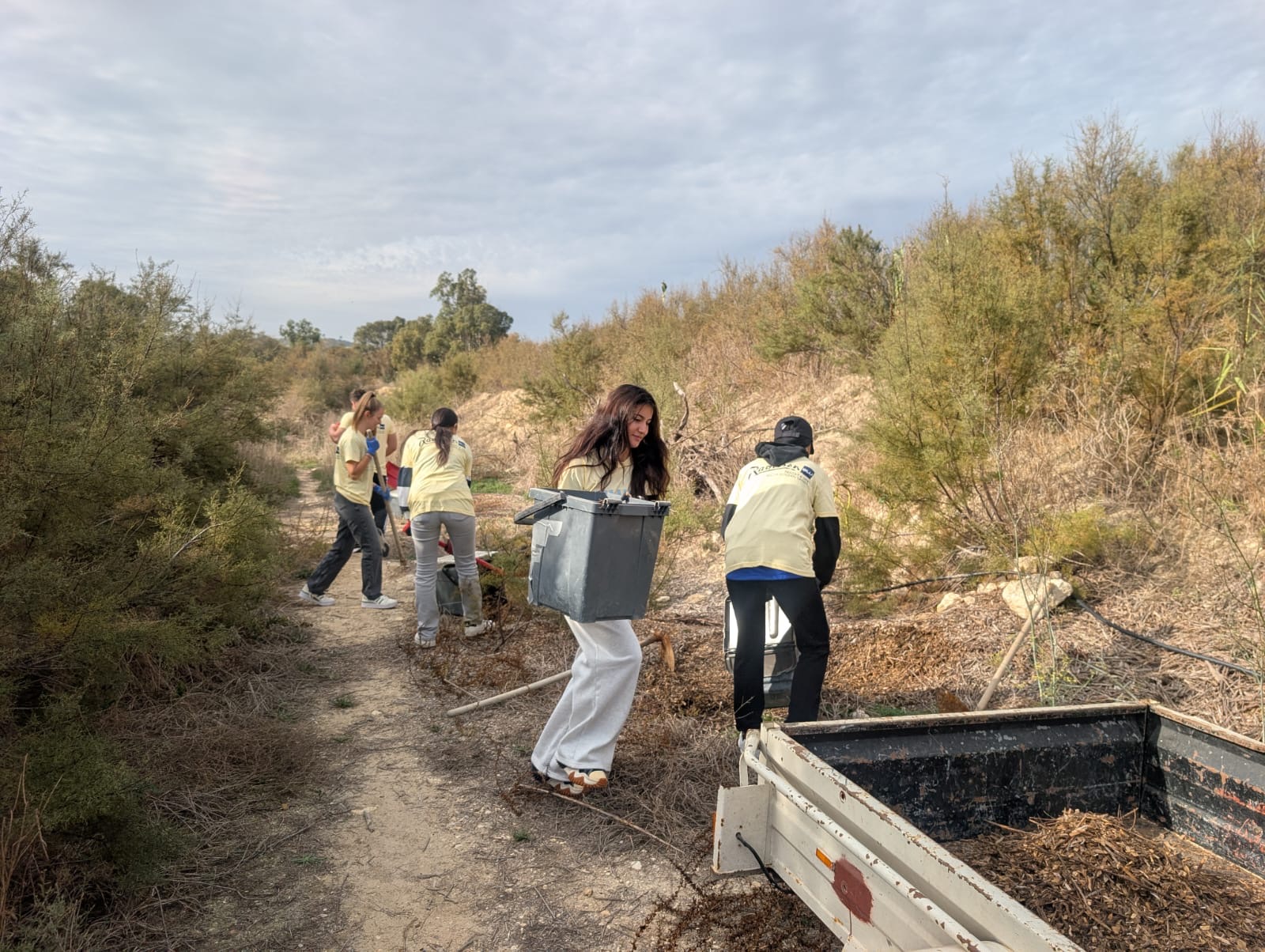
Work to improve the reserve continues thanks to the invaluable help of our volunteers! They assist us by removing invasive plants from the wetland and covering parts of the Salina path with wood chips to improve soil conditions where vegetation is still struggling to take hold.
During the first week of November, Salina Nature Reserve hosted partners of the LIFE PanPuffinus! project, in occasion of the Marine Task Force meeting. The event was also streamed live, to allow remote participants to interact with those on site in real time. Beyond the value of the conference itself, this was the first major test of Salina’s audio-visual system – one that successfully demonstrated its full technical potential!
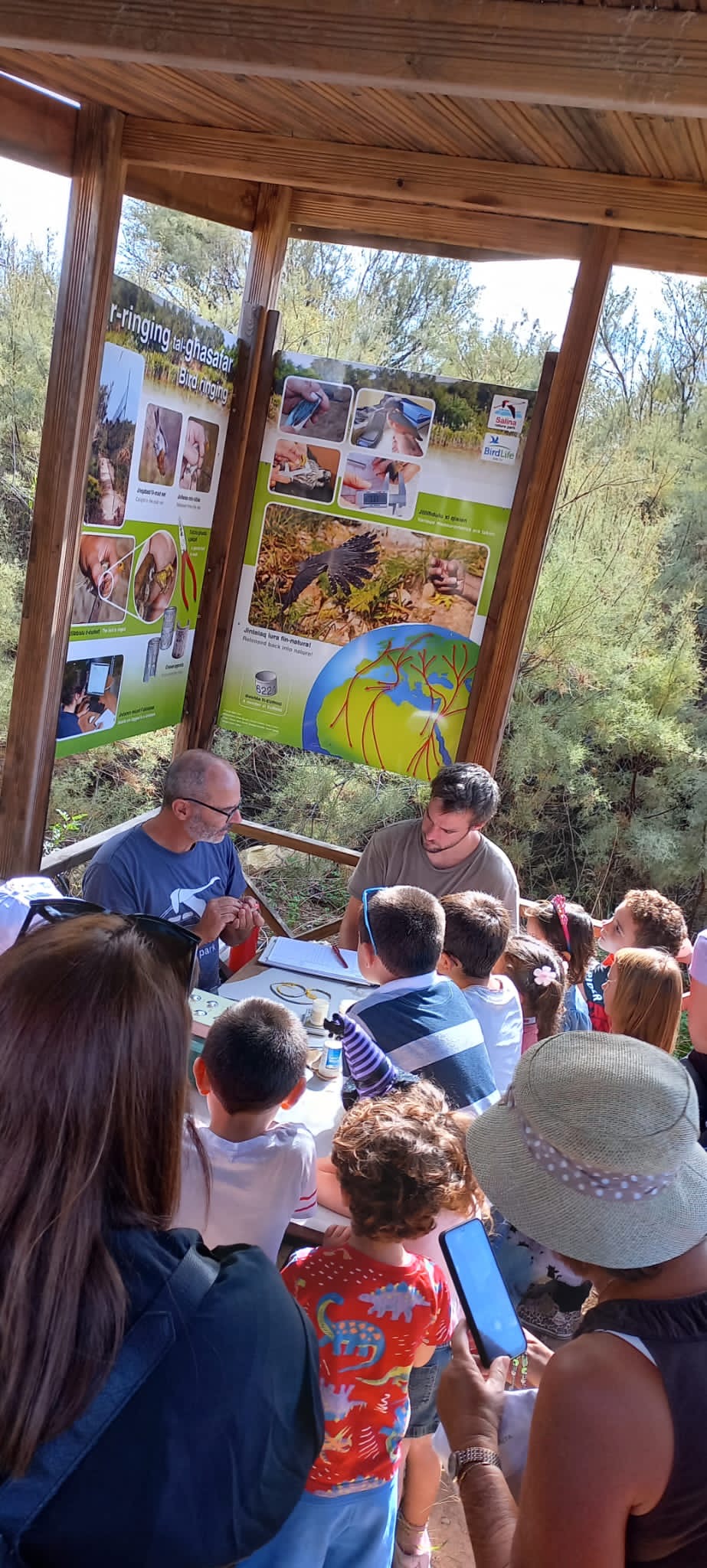
Finally, we also opened the photographic hide in the wetland area to the public and held a bird-ringing session, giving attendees the chance to see how this scientific practice is carried out with great care for the birds’ wellbeing. This session was organised in collaboration with Ambjent Malta during an event at Kennedy Grove.
by Vera Tokmakova
by Mark Gauci
Għadira Nature Reserve
Sightings
Daily records of bird species were taken at Għadira Nature Reserve, as autumn migration continued throughout the month, though overall numbers were notably lower than usual.
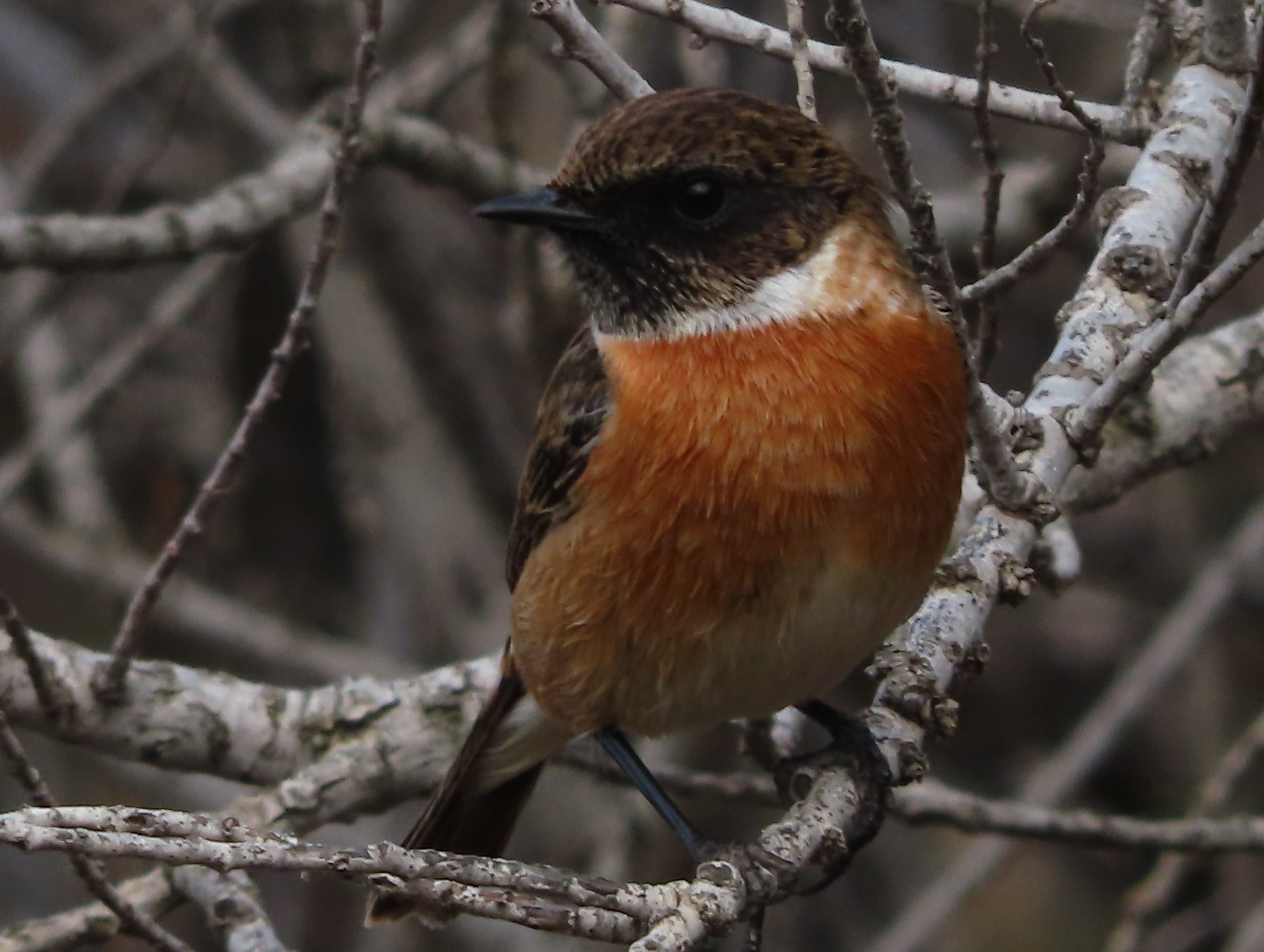
Common Chiffchaffs arrived in high numbers, while most of other common species – including European Robins, Common Stonechats, Black Redstarts, White Wagtails, Eurasian Skylarks, Song Thrushes and Meadow Pipits – were recorded in low numbers.
by David Attard
by David Attard
by David Attard
Three Black-necked Grebes and a Little Grebe were noted daily, as well as a couple of Common Kingfishers, a Little Stint and a few Common Sandpipers. A small number of trans-Saharan migrants including Garden Warblers, Common Reed Warblers and Barn Swallows were also recorded until mid-month. Other species recorded included a few Great Cormorants, Reed Buntings and Goldcrests.
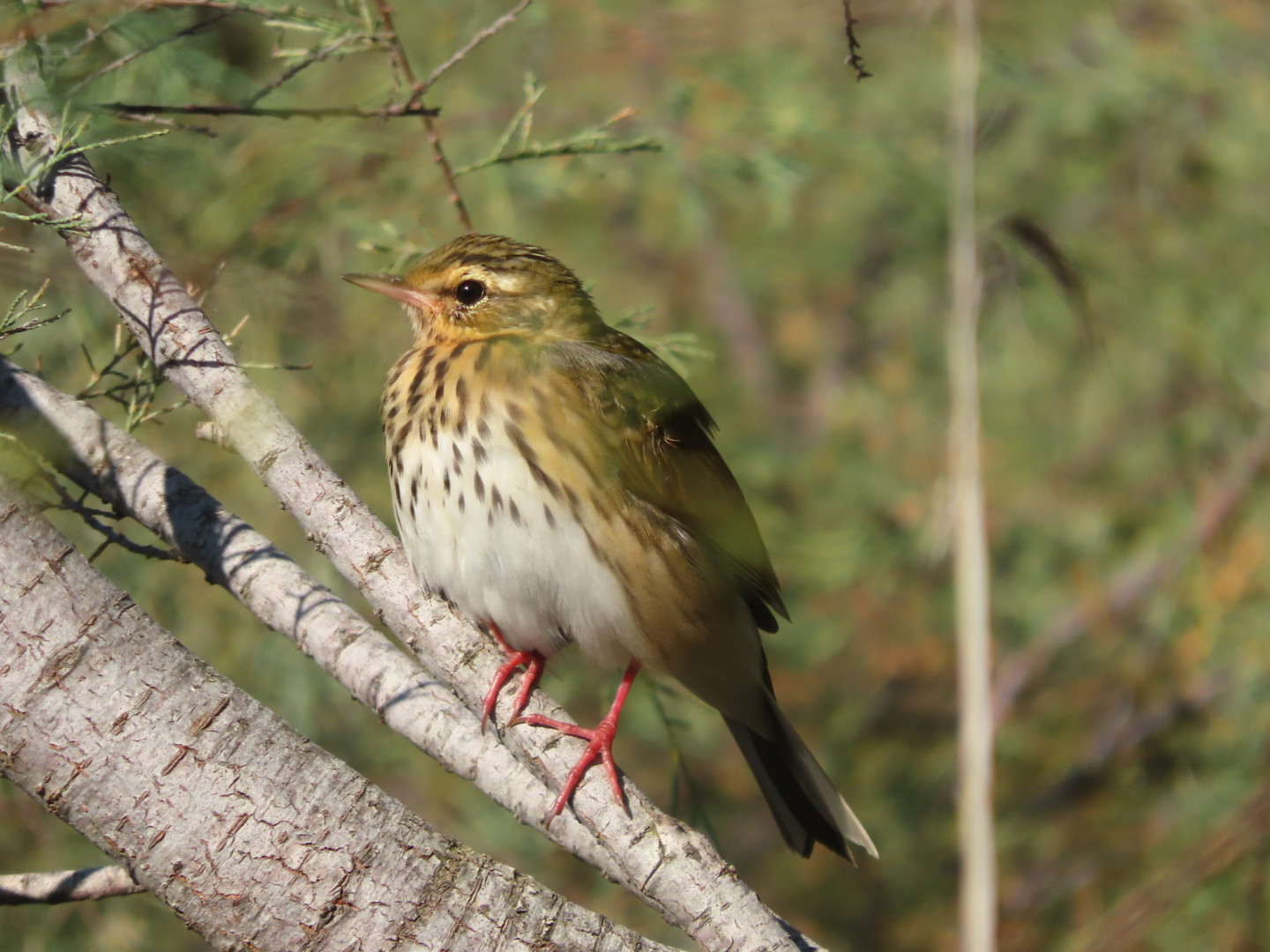
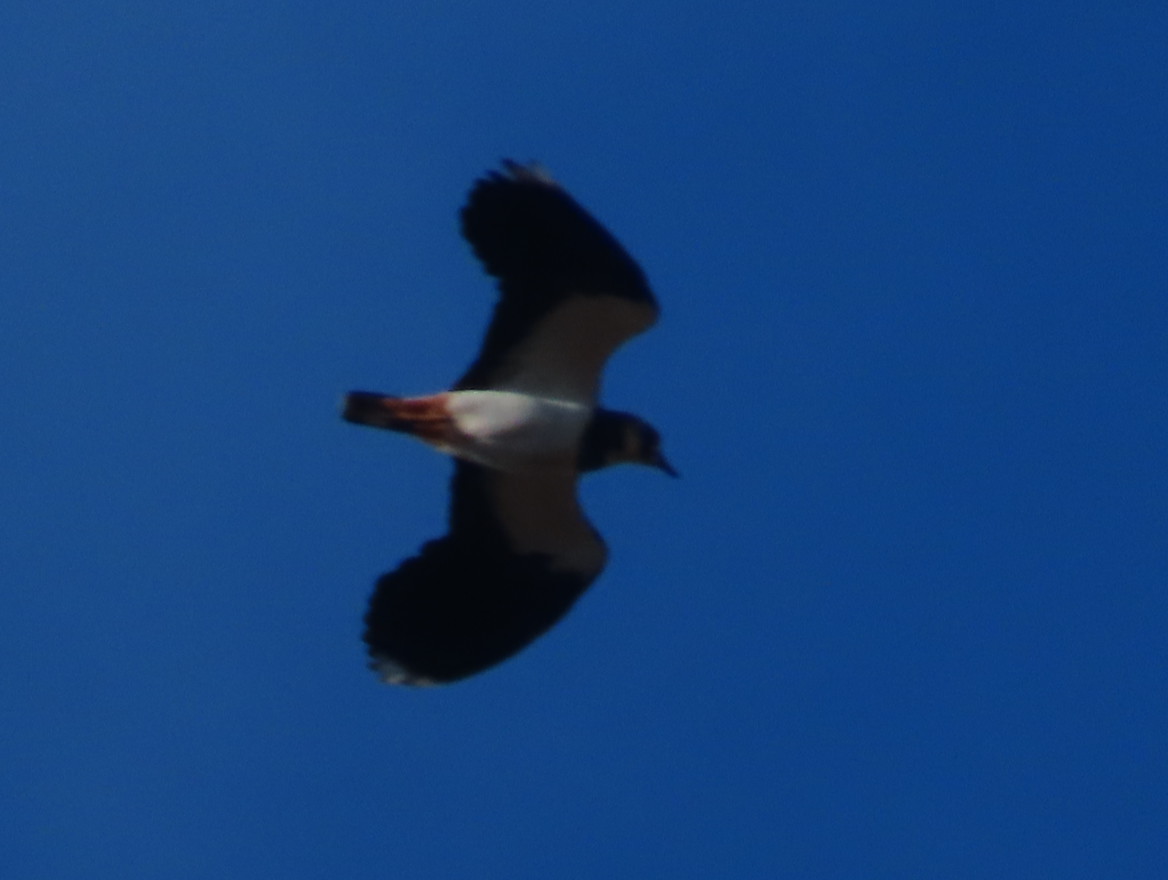
Among the rarities that visited us this month there were a Greater Flamingo and an Olived-backed Pipit both on 6 November; a Redwing on 13 November, a Northern Lapwing on 14 November and a Moustached Warbler ringed on 20 November.
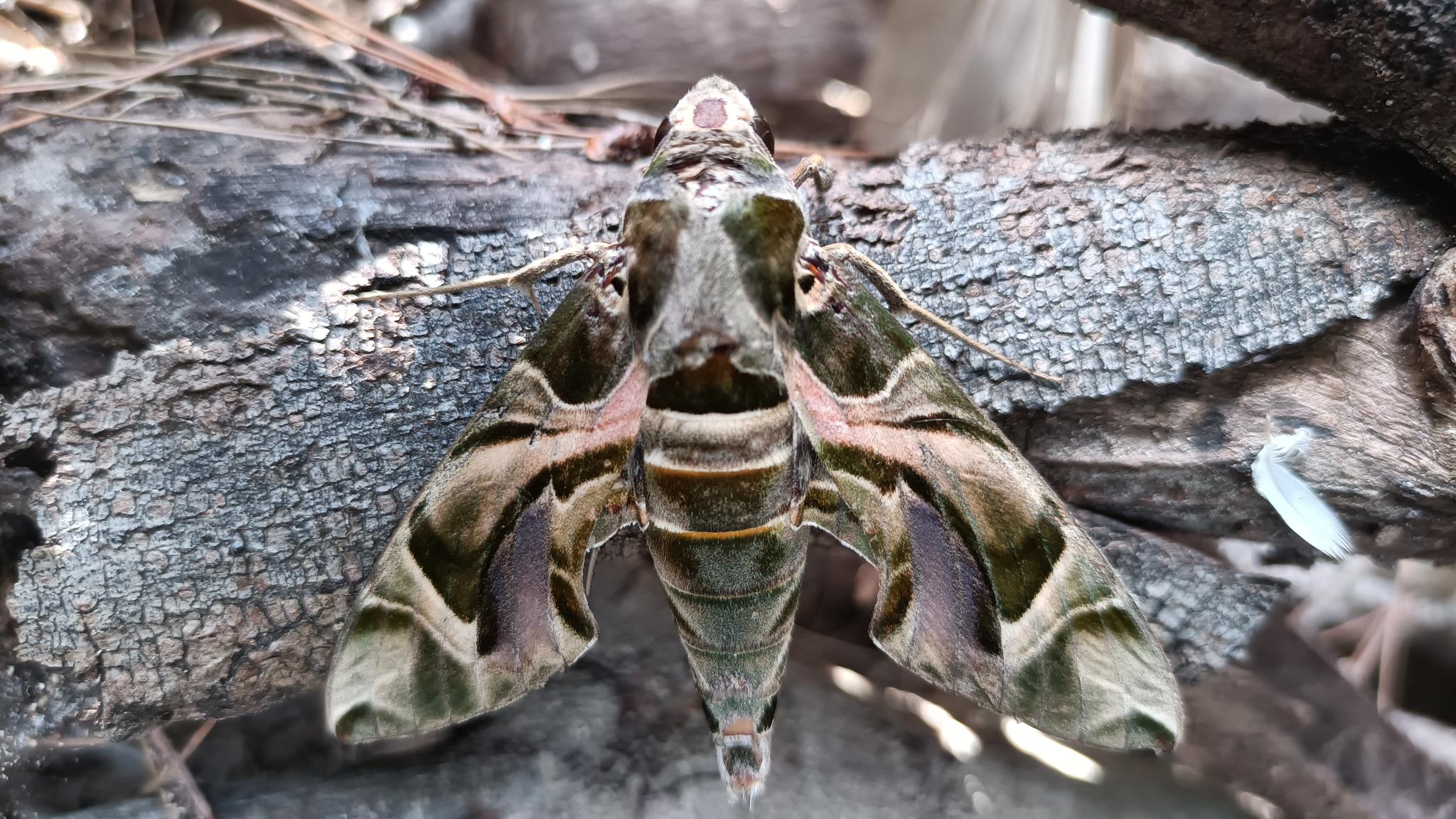
Moreover, a very rare moth – the Oleander Hawk-moth (Daphnis nerii) – was found at the reserve by our conservation volunteer Anya Finke on 6 November!
by David Attard
Works
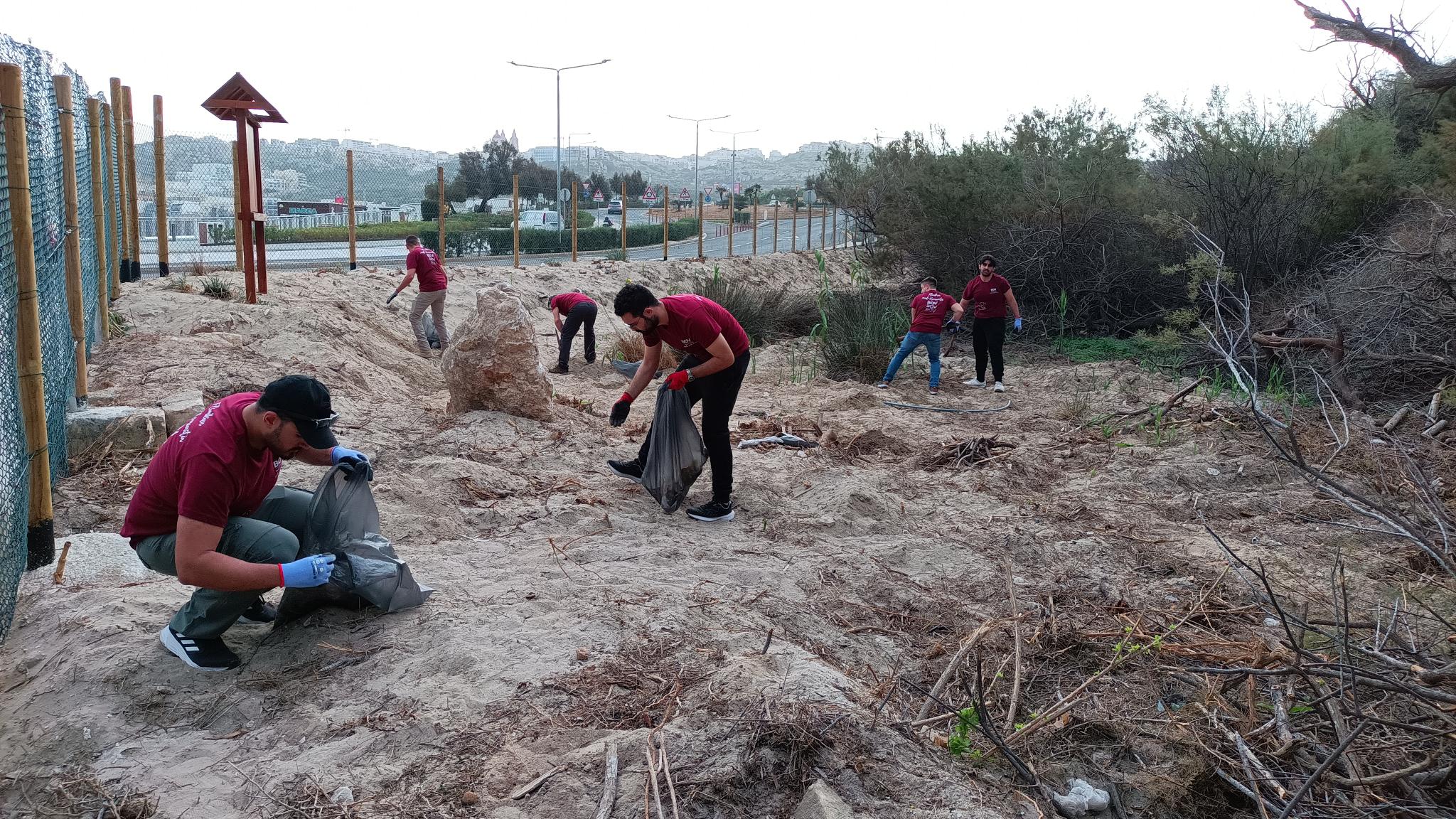
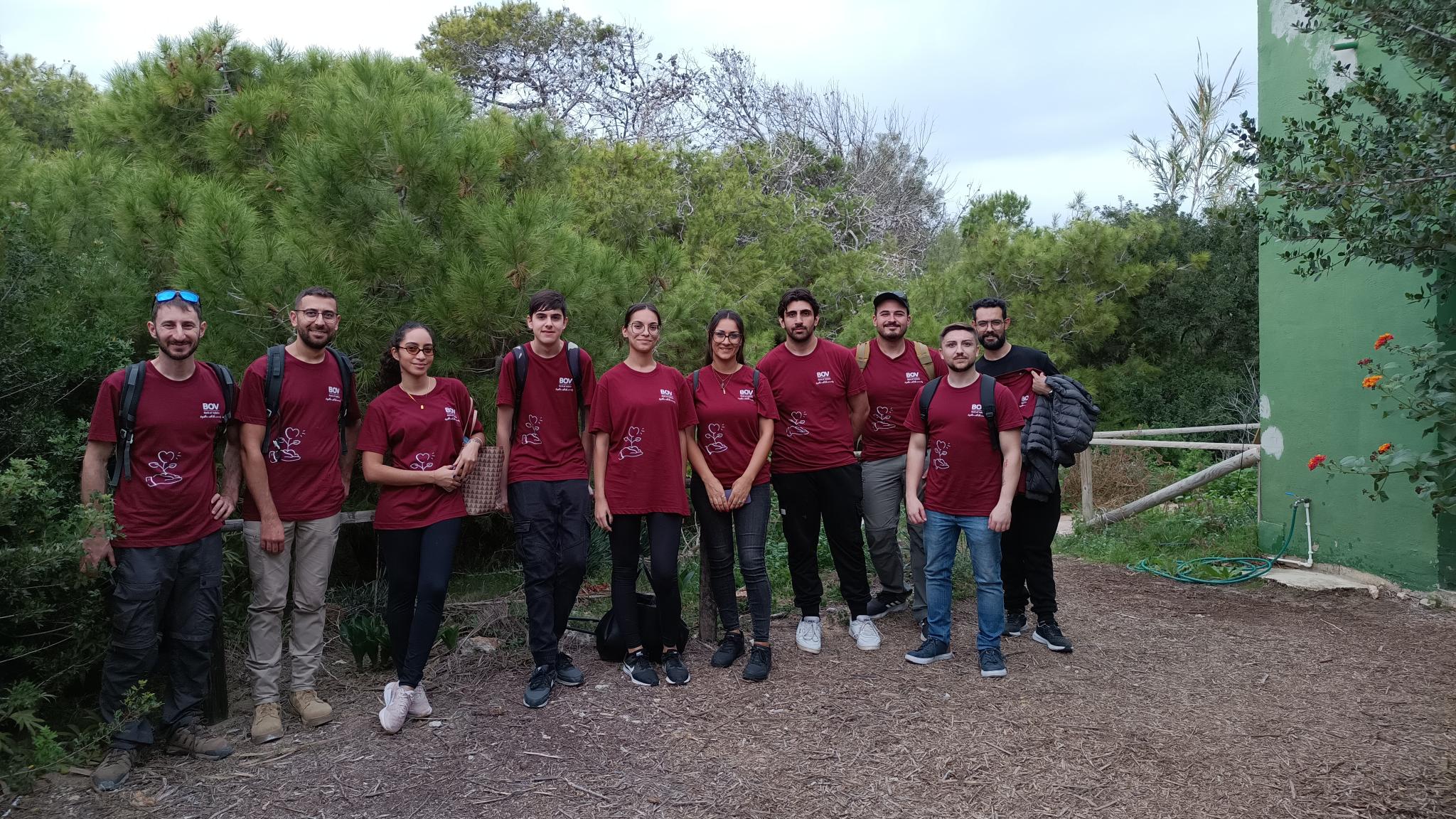
We continue our sand dune restoration project on the seaward side of the reserve with a clean-up of the area organised by volunteers from the Bank Of Valletta IT Development section on 18 November. The event lasted the entire morning, during which the area was cleared of excessive plastic debris, and Giant Reeds were uprooted to control this invasive species. Additionally, Giant Reeds were also cut from another section of the sand dune to be shredded for use in pathways. After their hard work, the volunteers were given a guided tour of the reserve.
In the days following the clean-up, we planted the restoration area. Around 80 sand dune plant seedlings of local origin – including Sea Holly (Eryngium maritimum), Spanish Oyster Thistle (Scolimus hispanicus), Capitate Galingale (Cyperus capitatus), and a number of sand dune grasses – were planted ahead of the rainy days to help them establish in the regenerating habitat.
Finally, we continued to control the spread of invasive African box-thorn plants on the eastern side of the reserve, and pruning of trees along the main paths at Għadira was also carried out regularly.
by David Attard
by David Attard
Simar Nature Reserve
Sightings
With winter approaching, most bird species from northern Europe have already migrated. Nevertheless, a few were still making their journey south to the Mediterranean during the last month.
Common Chiffchaffs continued to arrive in good numbers throughout the month. European Robins and Eurasian Blackcaps were present too, although in smaller numbers. We also regularly saw Common Stonechats and Black Redstarts, along with a few Grey Wagtails.
The elusive Moustached Warbler was recorded as well, whilst Reed Bunting numbers remained very low this autumn. A Goldcrest was also noted.
Some late trans-Saharan migrants were still observed throughout the month, including a Red-rumped Swallow, a Tree Pipit and a few Barn Swallows. At least three Common Sandpipers appeared to be settling in the reserve for the winter. A late Western Marsh-harrier was regularly present during the first part of the month, while Common Kestrels often flew over the area. Occasional flocks of Cattle Egrets were sometimes seen migrating overhead, with a few settling in the wetland. A few Grey Herons also visited us occasionally to feed.
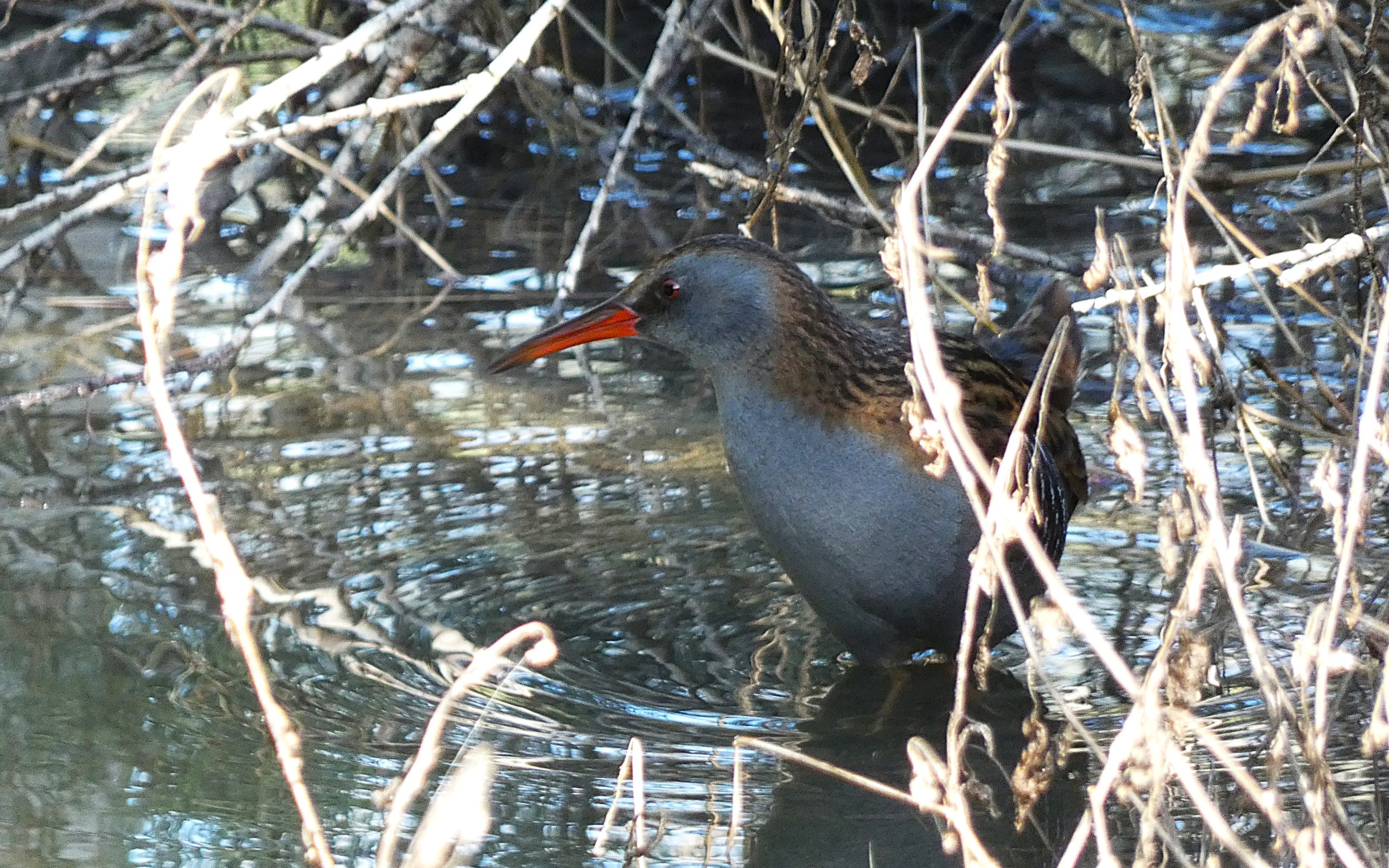
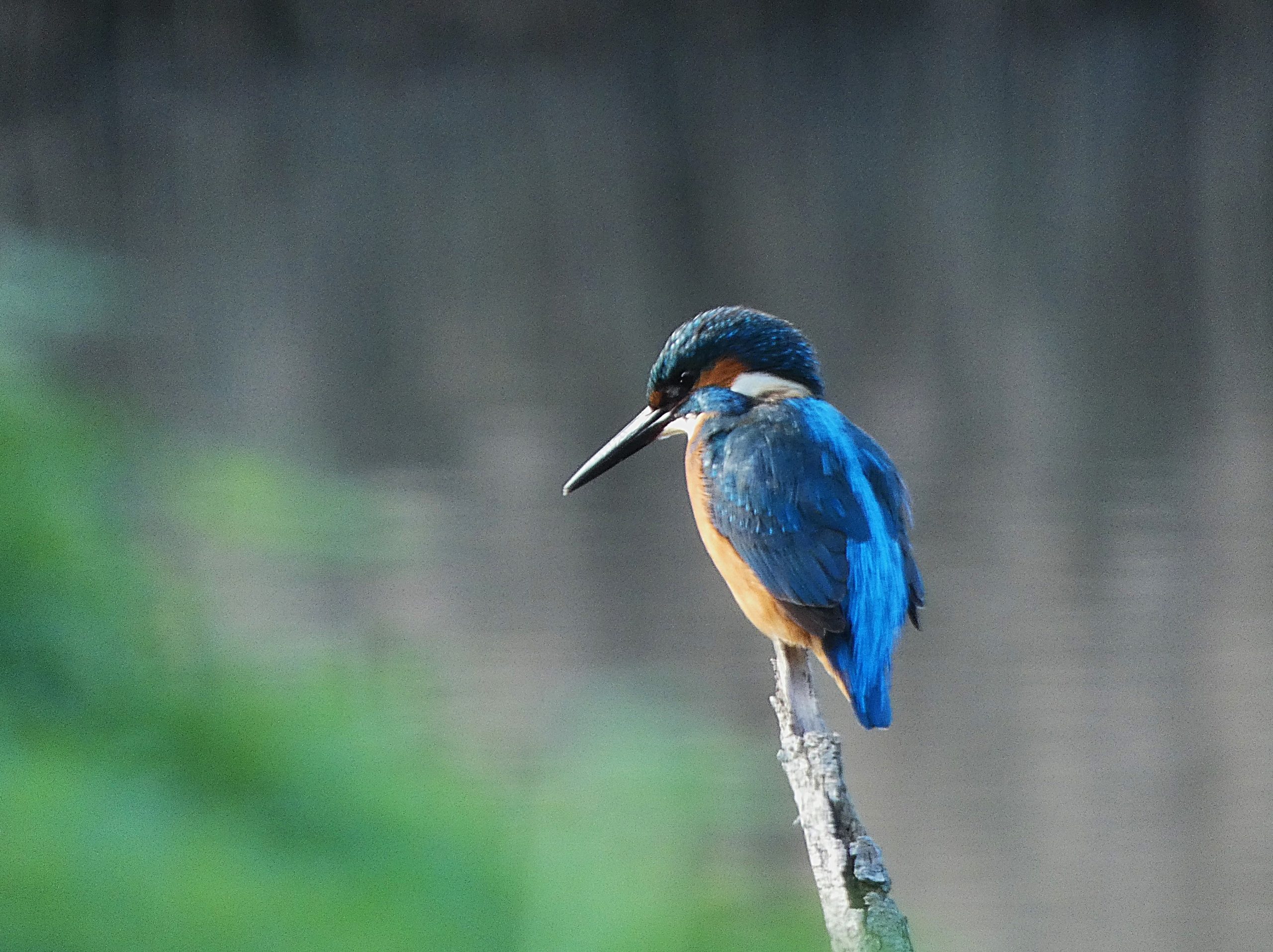
Wintering birds seems to have settled in, including at least twelve Common Coots, a Northern Pintail and a male Mallard. A small number of Western Water Rails can be heard calling from various part of the wetland. A few Little Grebes and Common Kingfishers are also present, along with a good number of Common Moorhens. A Common Snipe is regularly seen feeding in the muddy fringes while a few Eurasian Teals were frequently observed. Great Cormorants often visited the reserve while Black-headed Gulls and Mediterranean Gulls regularly flew into the wetland.
by Charles Coleiro
by Charles Coleiro
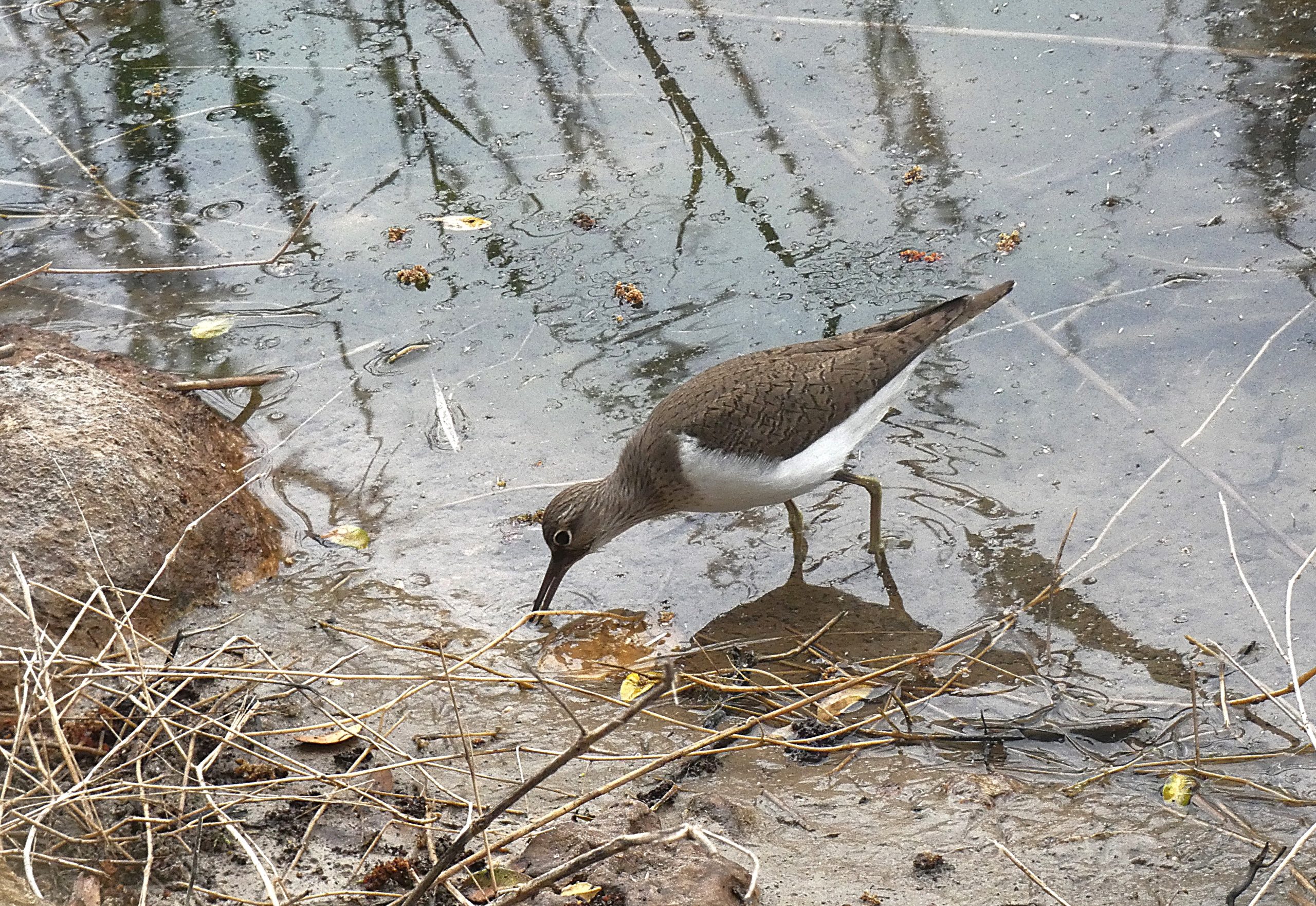
by Charles Coleiro
Foresta 2000
Sightings
November brought a clear shift into the cooler season at Foresta 2000, with winter visitors arriving steadily and activity across the reserve reflecting the change.
The familiar calls of European Robins, Black Redstarts, and Common Stonechats became more prominent as these species settled in for winter. Flocks of Common Starlings and Song Thrushes gathered across the open areas, while Common Kestrels were regularly seen soaring and hunting over the garrigue.
On sunny days, Barn Swallows were still gliding above the canopy, and a Goldcrest – the smallest bird in Europe – was also heard among the pines, always a delight to detect!
With cooler weather, chameleons have become less active, though several individuals were still spotted basking in the sun during warmer hours.
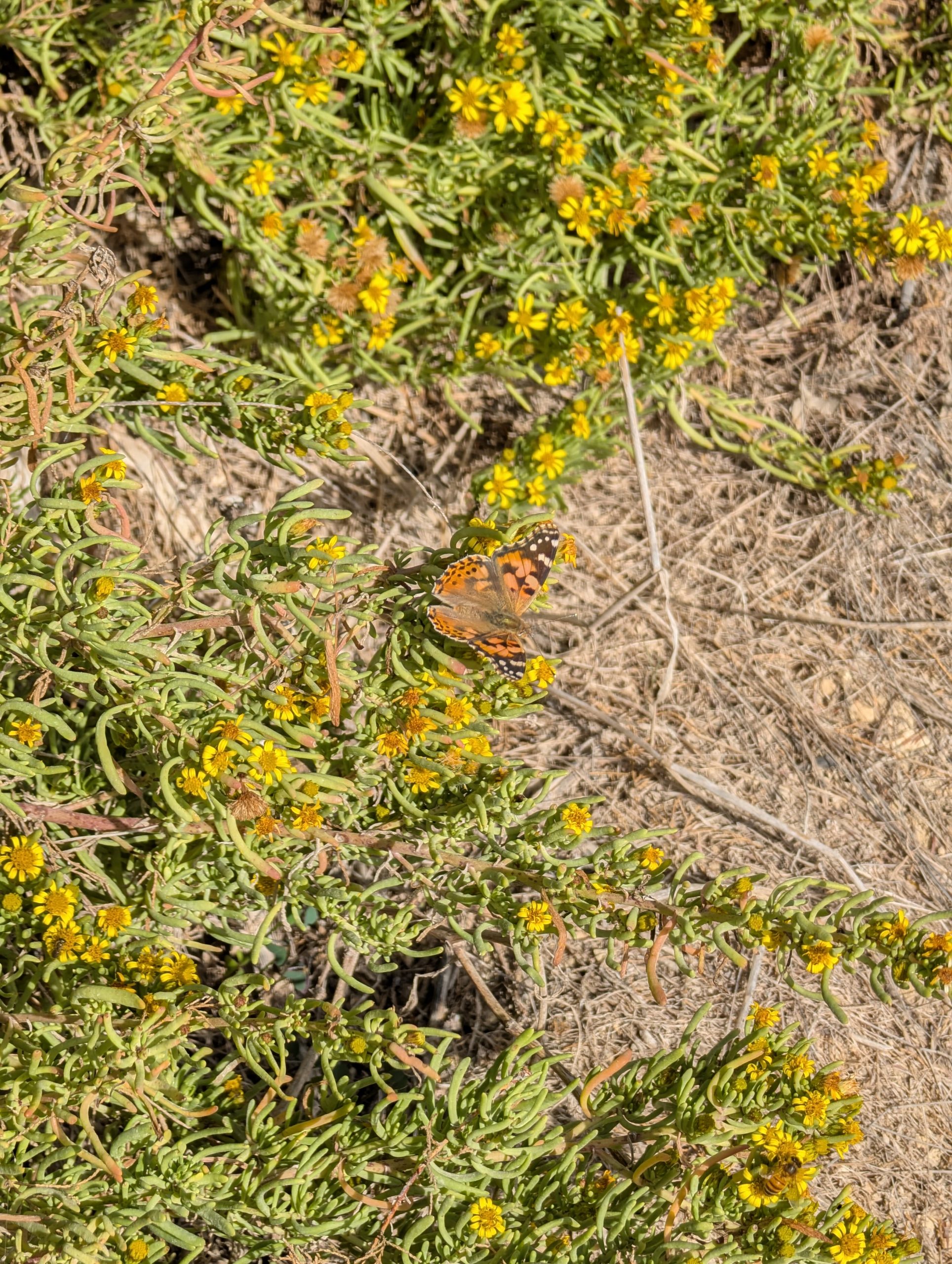
Insects are now fewer, but we occasional observed Clouded Yellows, Painted Ladies, Common Blues, and the last Red-veined Darters. Many Large White butterfly caterpillars were seen feeding on plants belonging to the Brassicaceae family, a typical host group for this species.
Across the reserve, autumn rains have triggered the regeneration of shrubs and young trees, bringing fresh colour and life to the landscape. Ground flora is beginning its winter cycle, with the first shoots appearing across the garrigue.
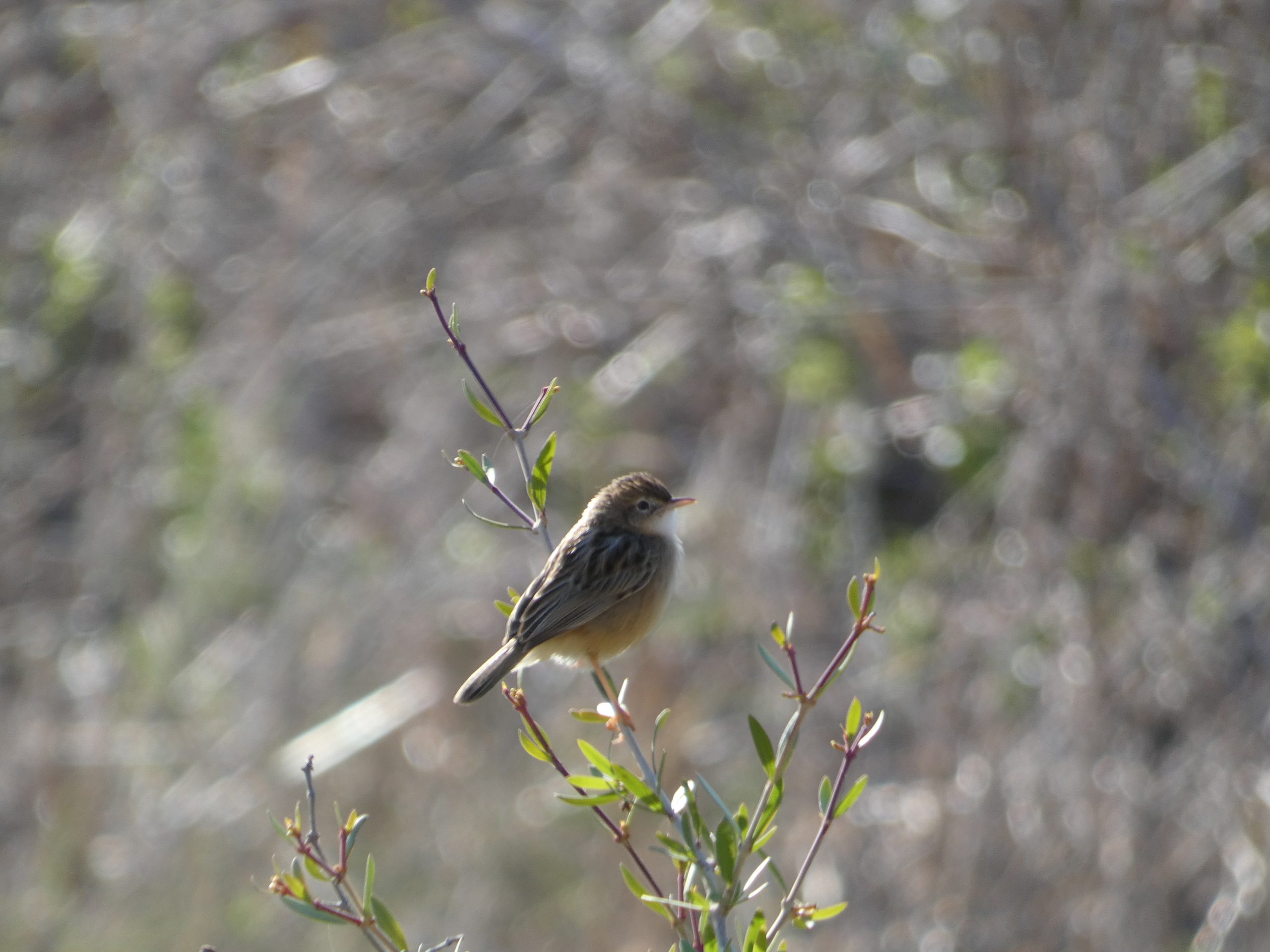
by Vera Tokmakova
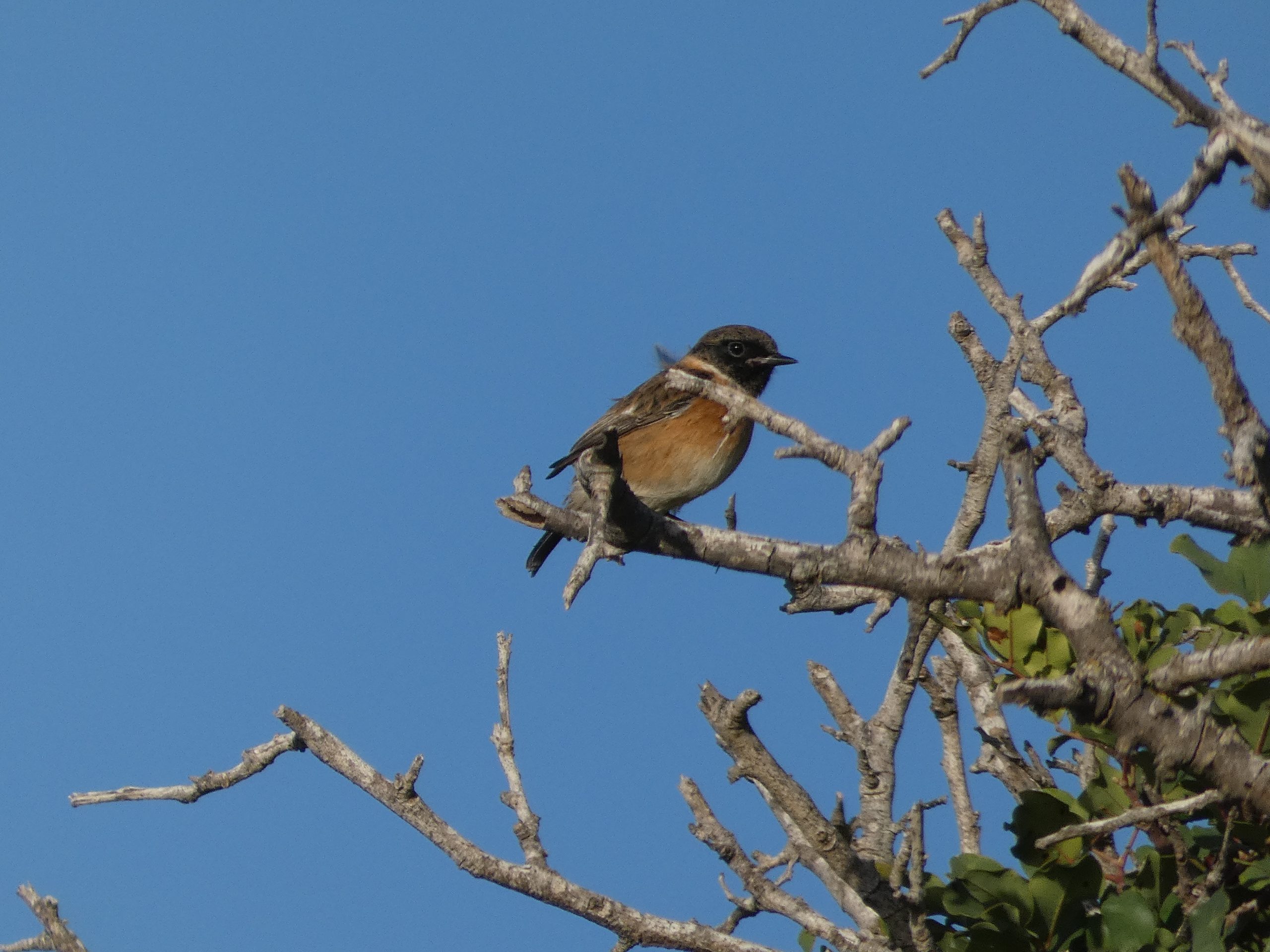
by Vera Tokmakova
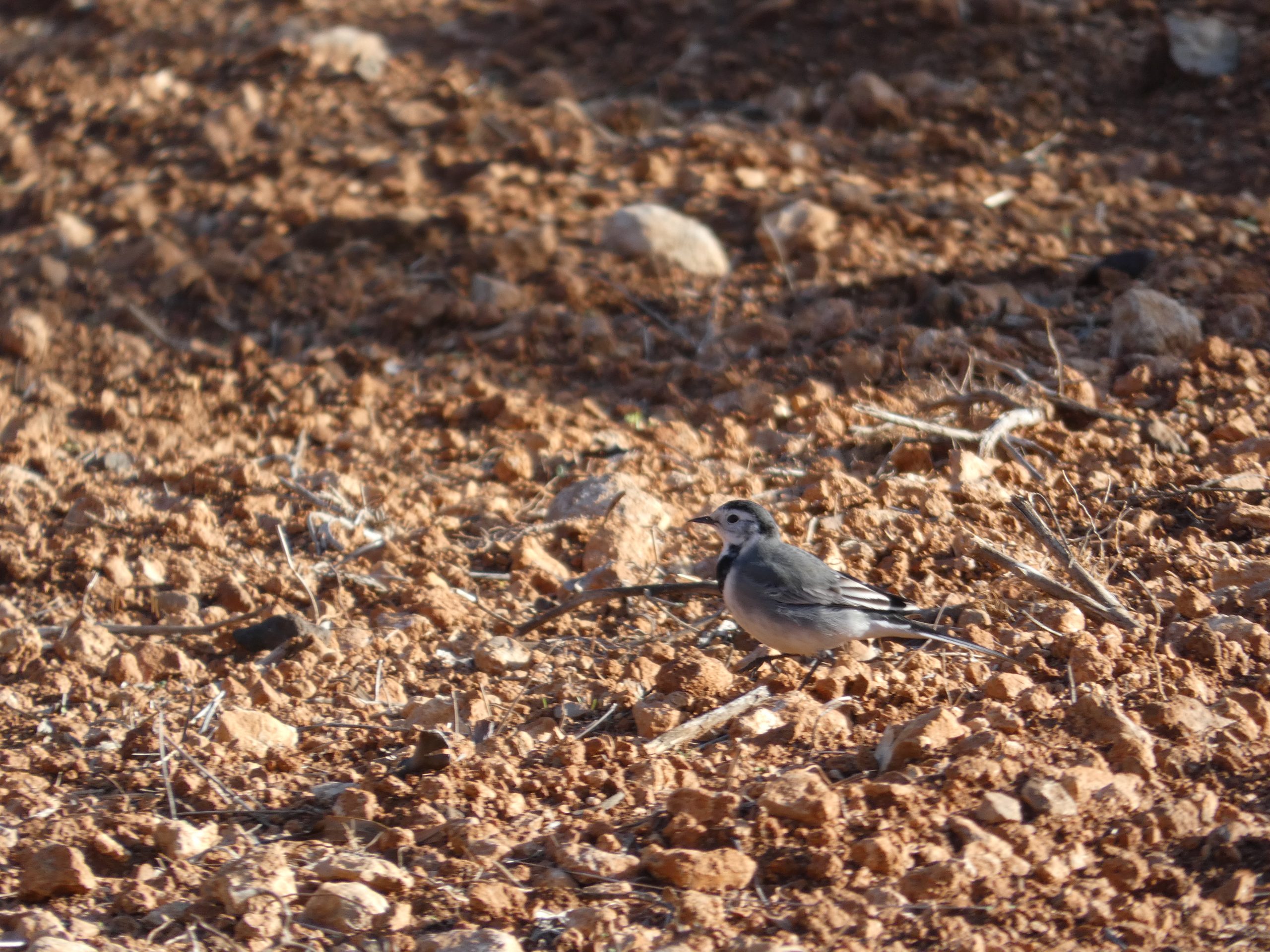
by Vera Tokmakova
Works
Regular clean-ups continued to help maintain the reserve’s natural environment, along with ongoing monitoring of paths to ensure safe access during periods of increased rainfall. With school visits still taking place, providing a safe and welcoming experience remains a top priority.
During the month, we were also honoured to welcome Ray Vella, who served as a Foresta 2000 ranger for 15 years (2004–2019). Ray was delighted to see the site flourishing and shared memories from its early years. If you’d like to learn more about the story of Foresta 2000 from his perspective, you can read the article on our Project ROOTED website – an Erasmus+ project aimed at connecting generations through nature!
Rare Birds Ringed!
November heralds the approach of the end of the autumn migration, and the setting in of the winter period. Nevertheless, eager birders are always on the lookout for scarce and rare birds during this time of the year.
Indeed, several notable highlights were reported. These included sightings of a female Moussier’s Redstart on the west coast. This species is of North African origin, but occurs practically annually in Malta in very small numbers. While males are highly distinctive, females require more careful observation to be identified.
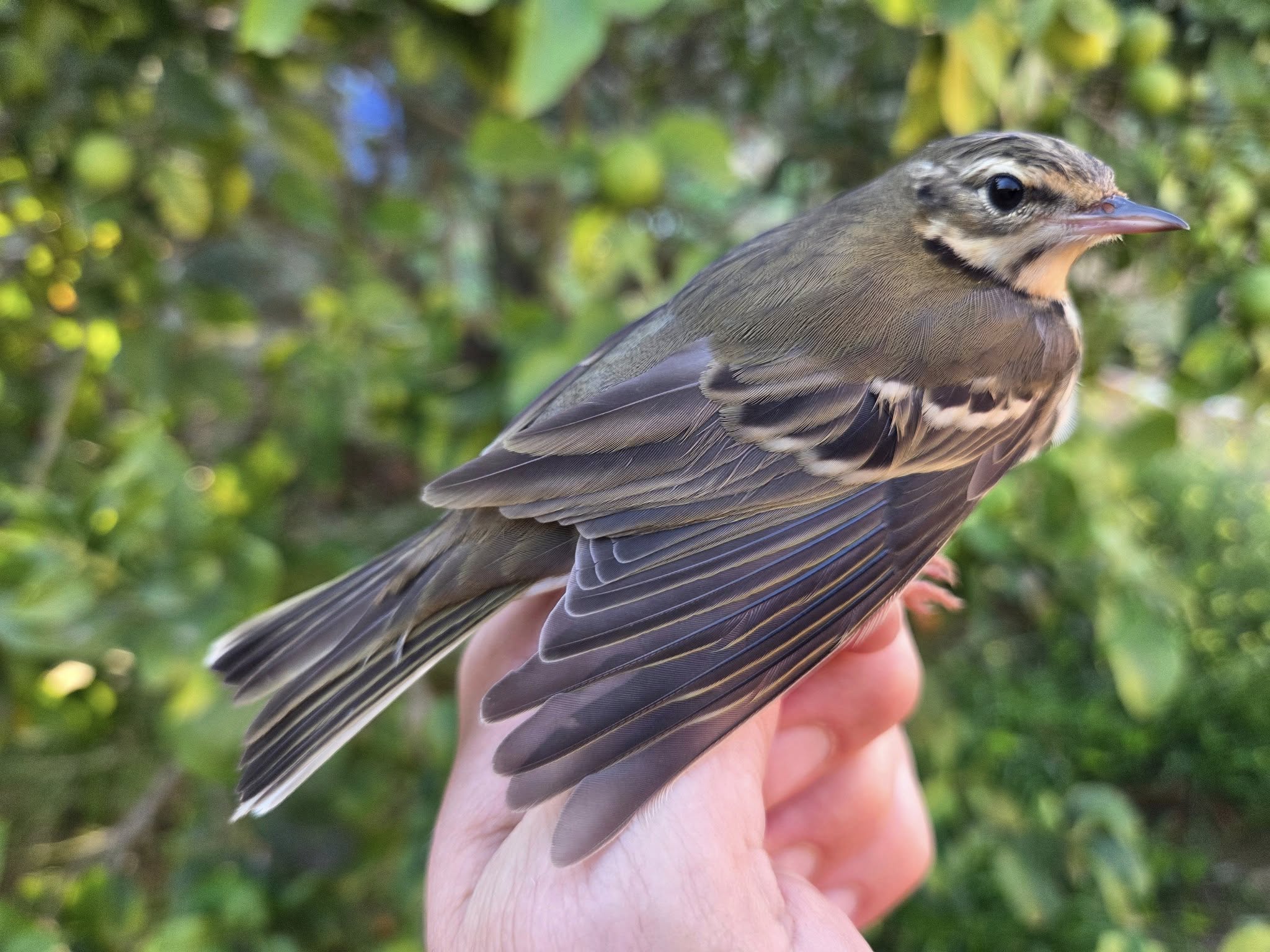
Additional highlights included multiple Olive-backed Pipits from various sites. In contrast, this species is of Siberian origin, but is also recorded annually in Malta, and has even overwintered on several occasions.

by Shaun Isherwood
by Glenn Micallef
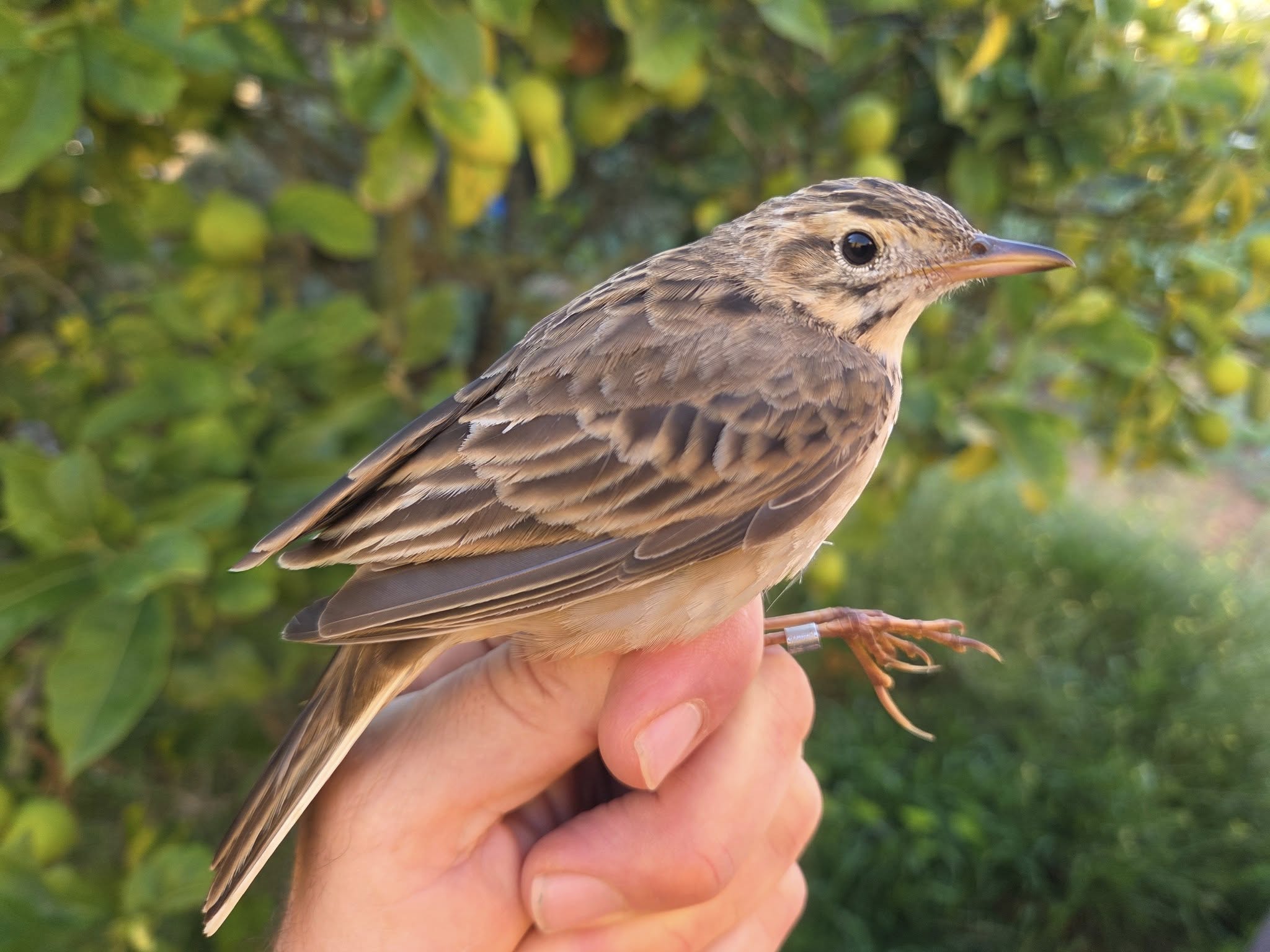
A Richard’s Pipit was also ringed on 6 November – only the second of this species to be ringed locally! This bird is also of eastern origin, but studies have confirmed a regular migration route into Europe.
Other observations included a few Bluethroats, Mistle Thrushes, and a Water Pipit, while a pair of Red-breasted Mergansers was also spotted at Marsascala.
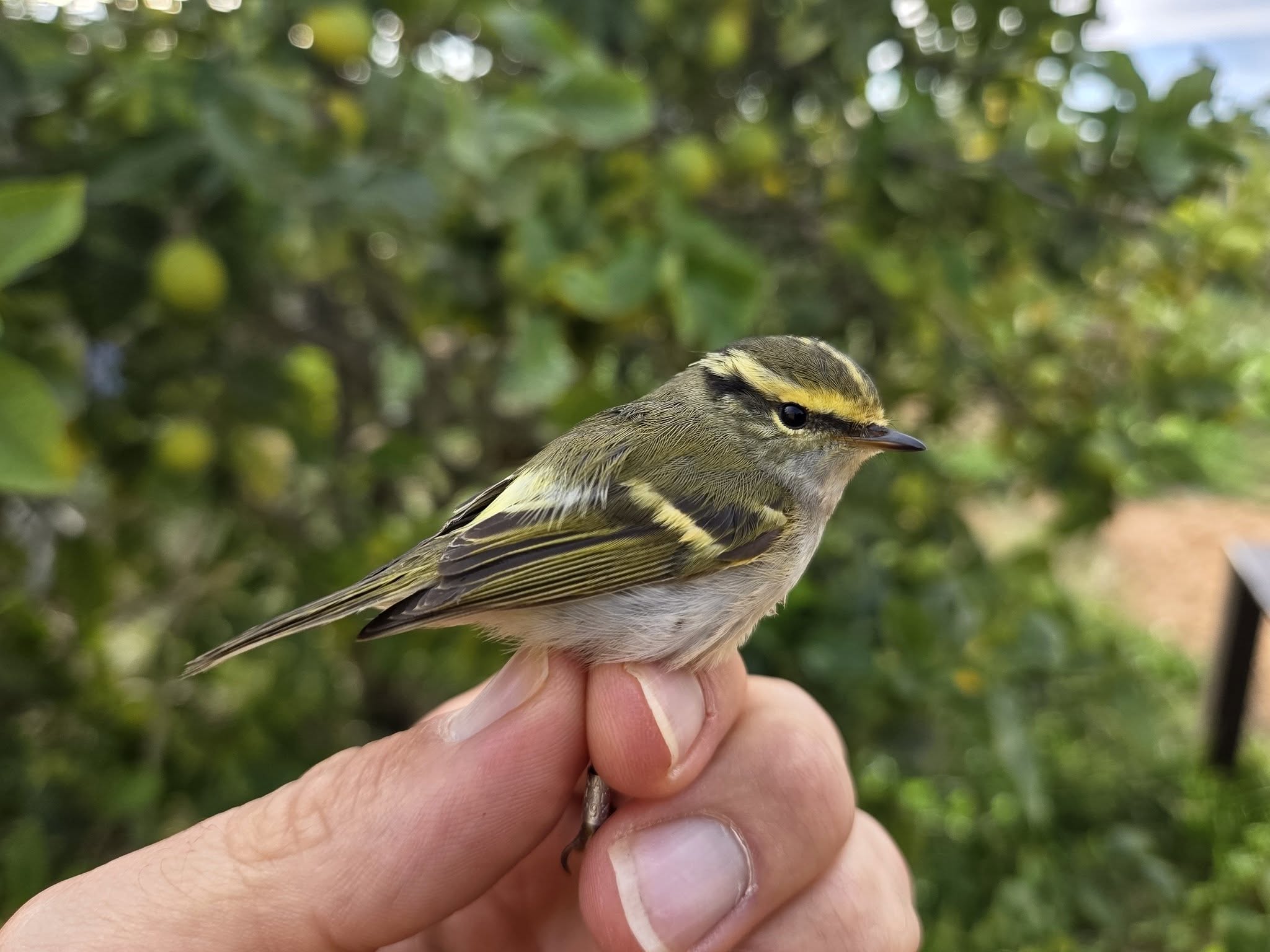
However, the standout rarity of the month was the sixth ever Pallas’s Leaf-warbler for Malta, ringed on 15 November. This striking member of the leaf-warbler family is a rare but regular vagrant to Europe from Siberia. It resembles the more familiar Yellow-browed Warbler, but can be distinguished by a stripe down the middle of the top of its head, a broader yellow stripe above the eye, and a lemon-yellow patch just above the tail, amongst other features.
by Glenn Micallef
by Glenn Micallef
Dinja Waħda Awards Ceremony
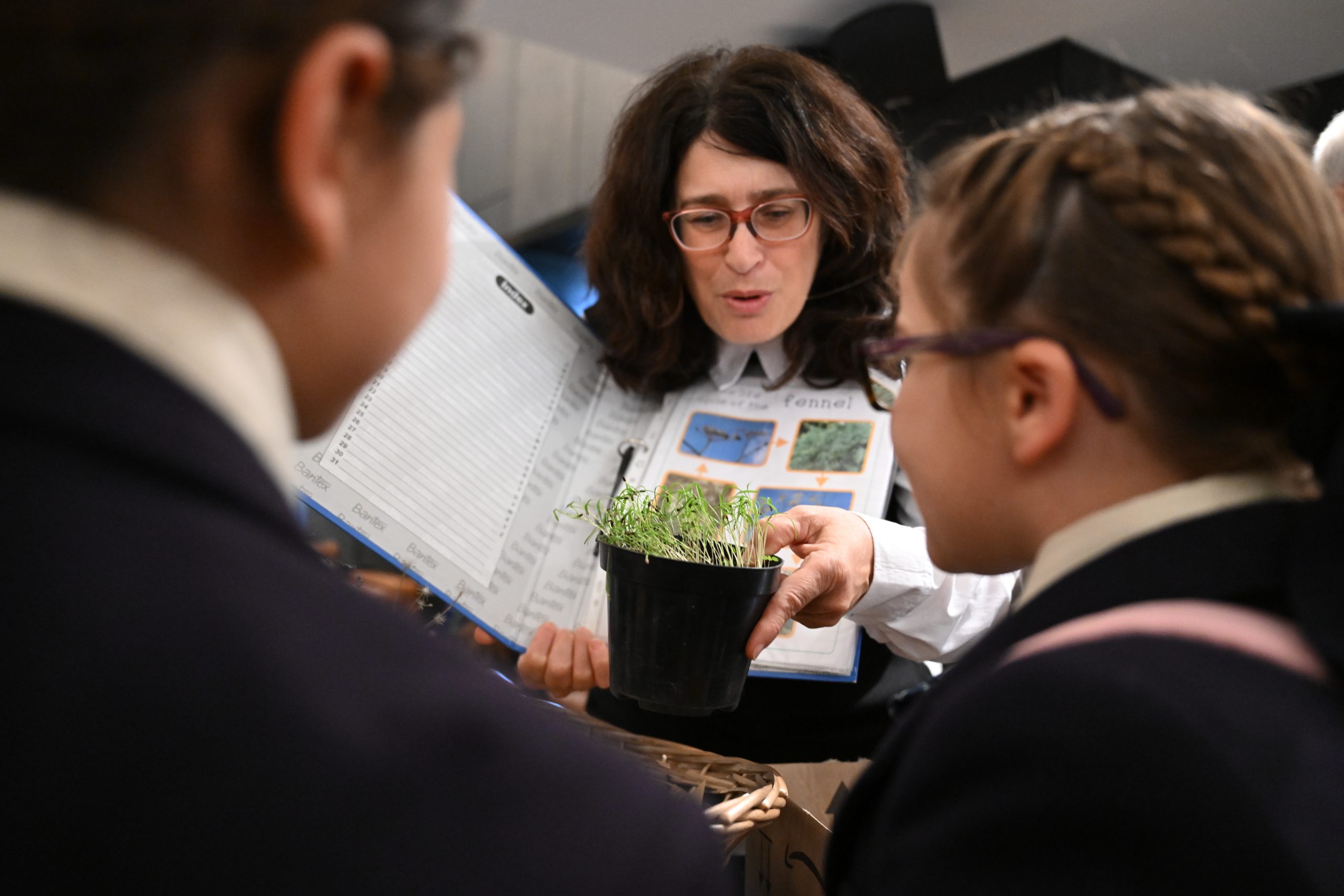
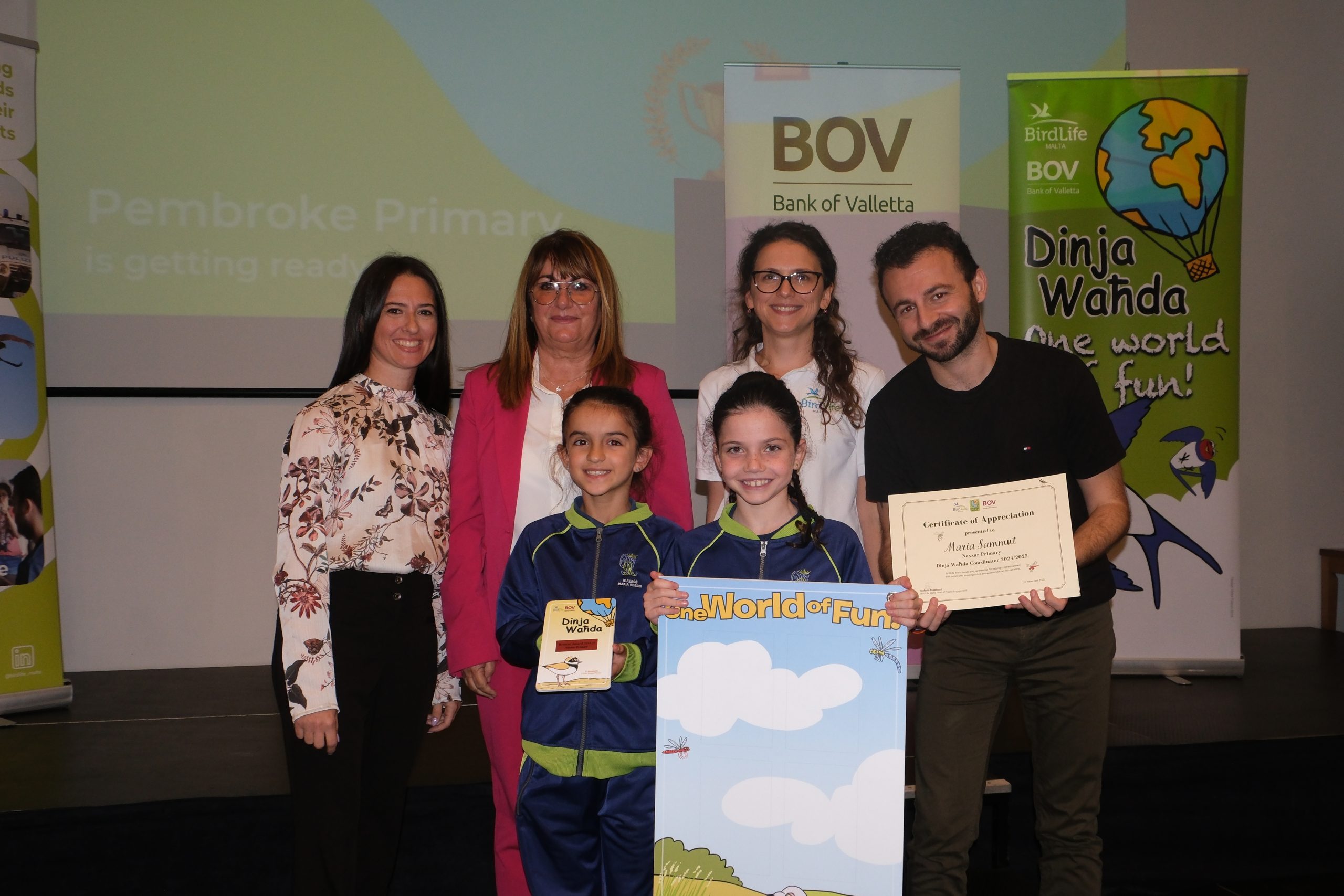
This year’s Dinja Waħda Awards celebrated the achievements of 787 teachers and 12,560 students who took part in the programme over the past school year. Through Dinja Waħda, teachers introduce nature-based activities into their lessons, giving students hands-on opportunities to learn how to protect Malta’s biodiversity and take positive action in their communities.
Want to bring this inspiring programme to your school? Join Dinja Waħda and help your students explore, learn, and care for the nature around them. Contact [email protected] to get started!
by Daniel Studio Malta
by João Candeias
Teacher Training in Majjistral Park: How to Experience and Teach Nature
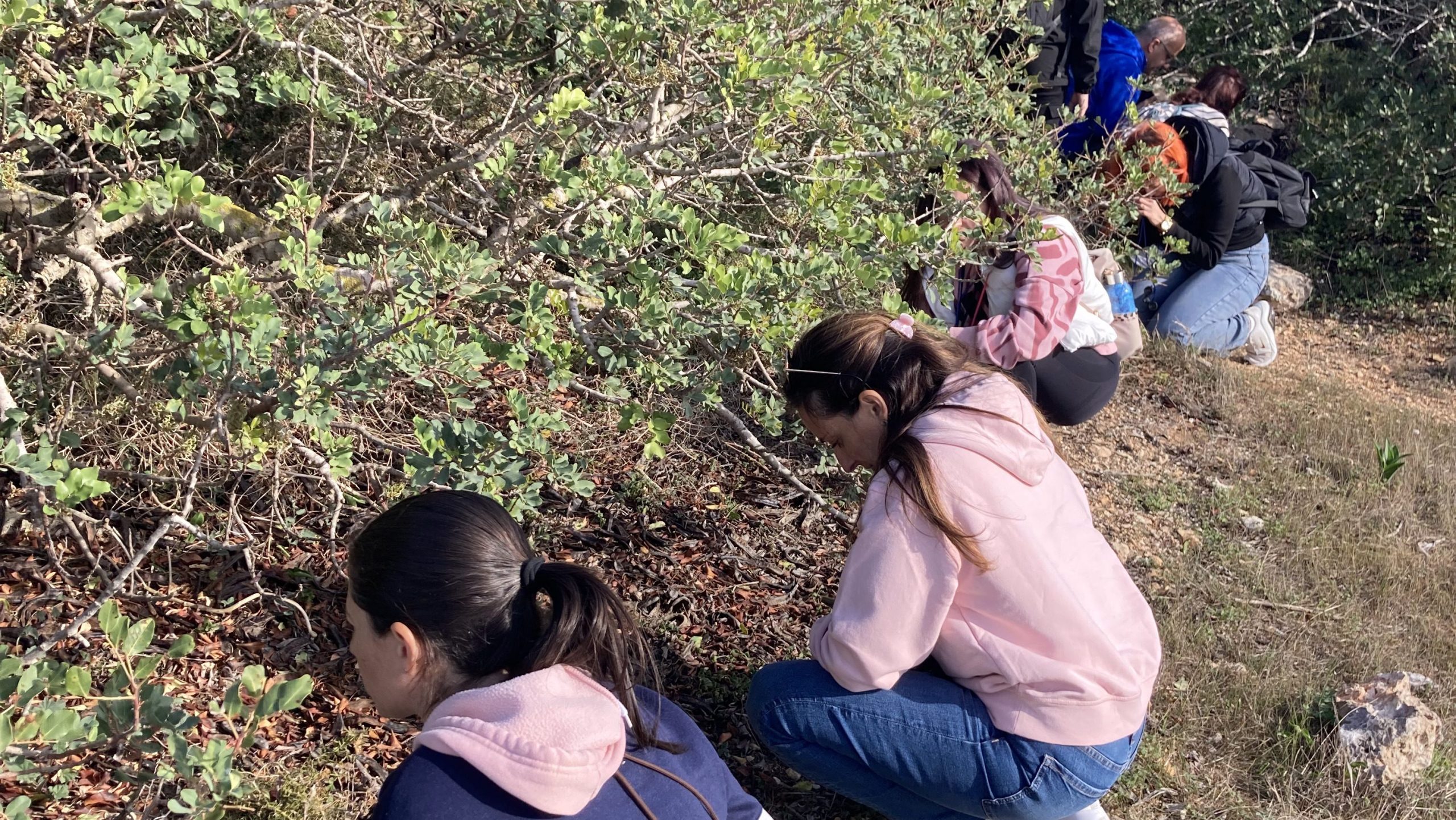
Ever thought that teaching children the love for nature is difficult? Our field teachers have shown that all we need to do is cultivate our curiosity, as this naturally leads to interesting observations. Starting with the shape of a bush, we can understand how the wind has shaped it. Or, by observing a spring flower blooming in November, we can notice signs of climate change.
These are just some of the interesting things we noticed, and we challenge you to go out in nature and start noticing small but fascinating things, just as our teachers are doing in this picture!
by Sára Bezvodová
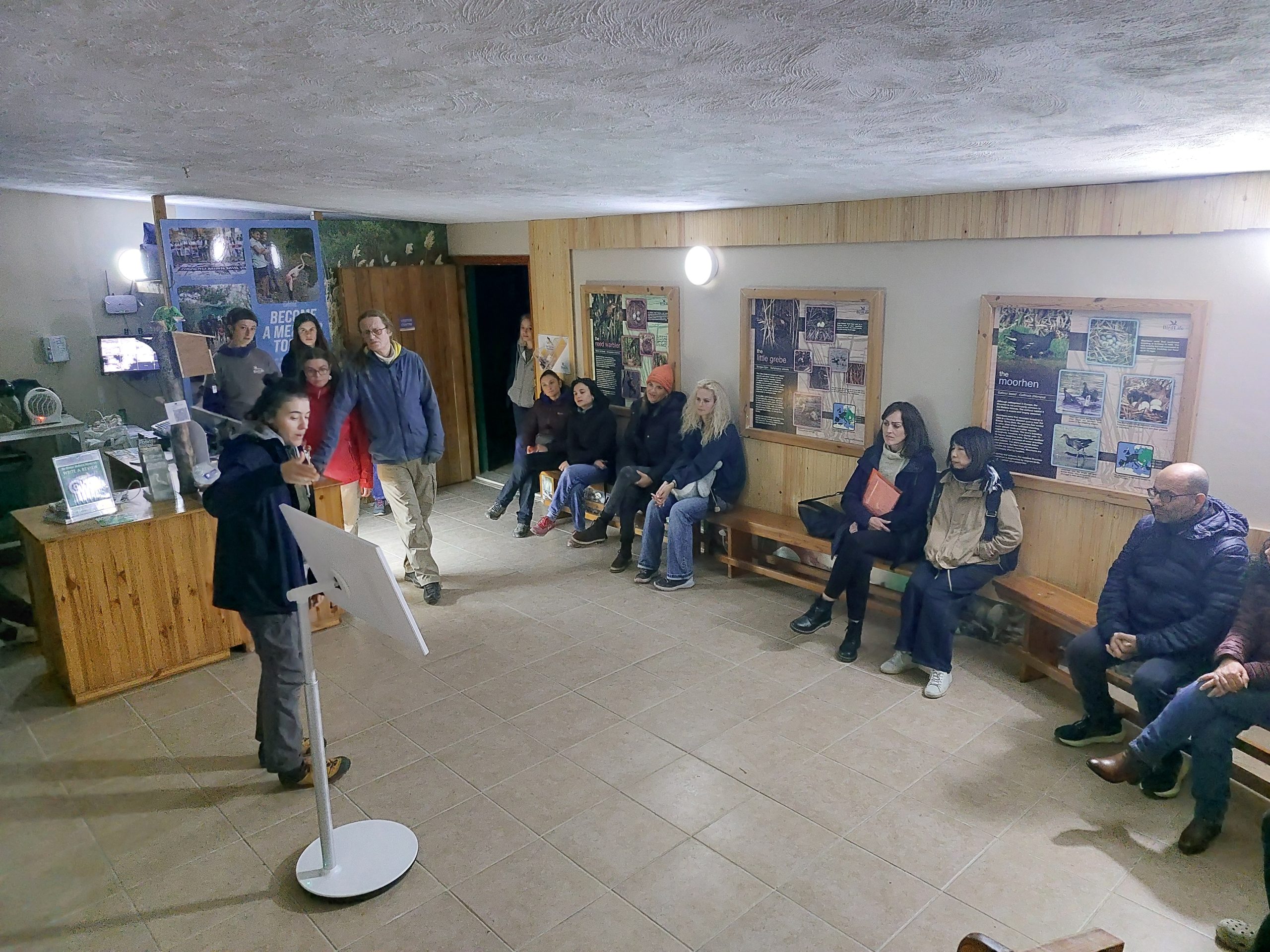
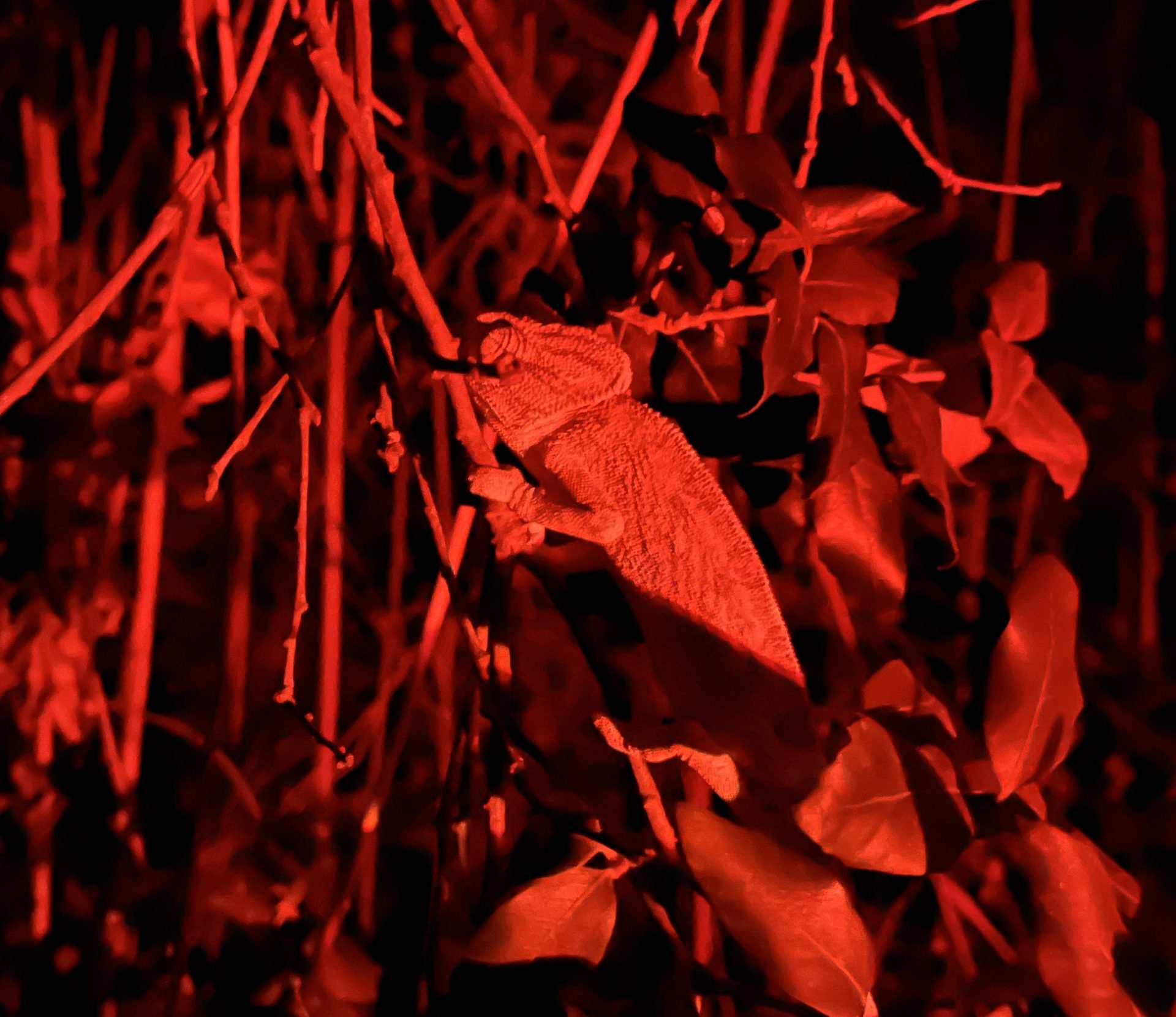
Chameleon Night in Simar
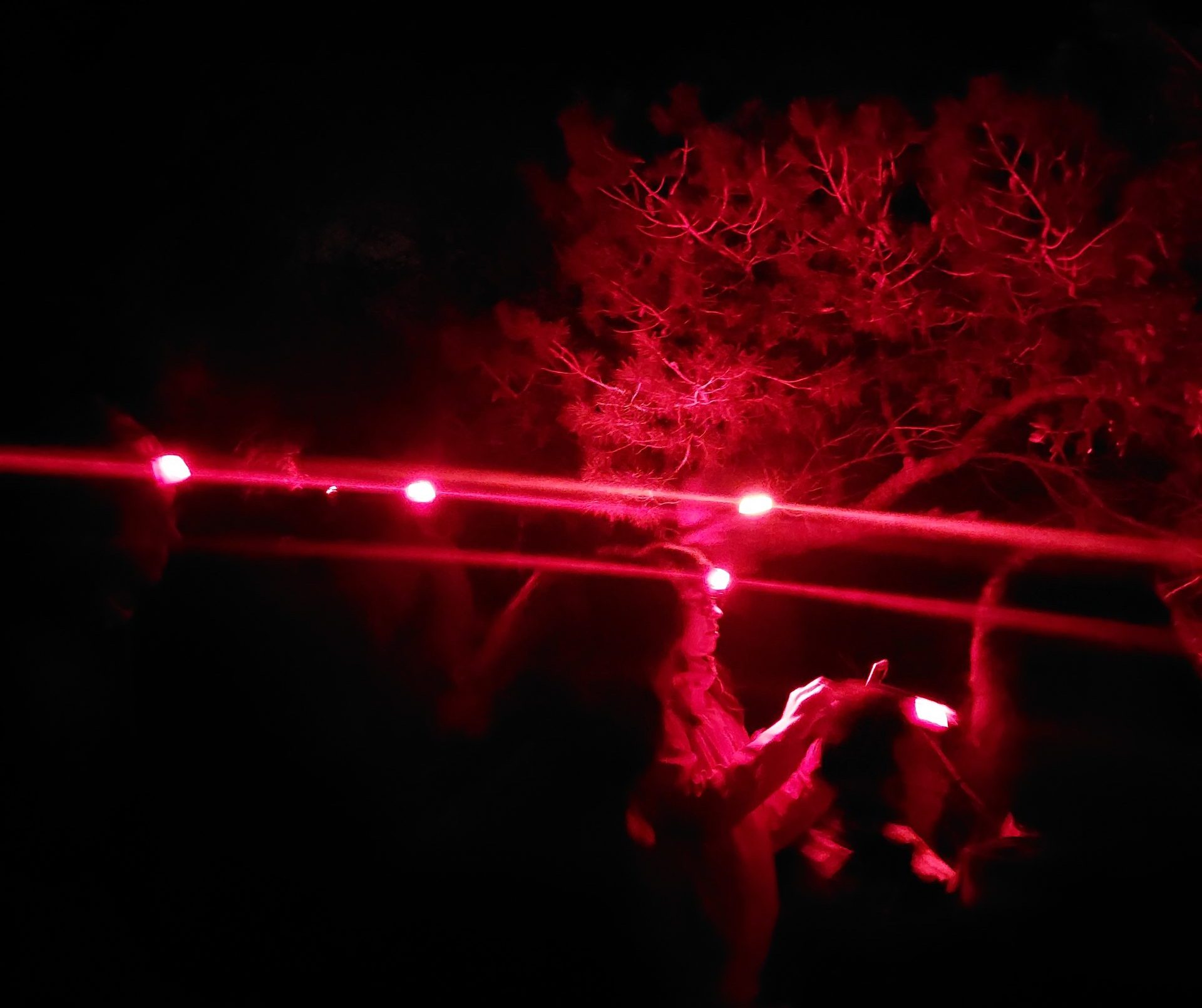
Two large groups of nature enthusiasts joined us for an night adventure at Simar Nature Reserve!
Equipped with red torches to avoid disturbing wildlife, we set out on a guided search for chameleons – and we actually found several hidden among the branches! Despite the cold, visitors of all ages enjoyed the challenge of spotting chameleons among the dark foliage. The reserve itself took on a different character after sunset, offering participants a magical and slightly eerie atmosphere that can only be experienced in nature at night.
by Sofia Meskhidze
by Sofia Meskhidze
by Nadia Sodano
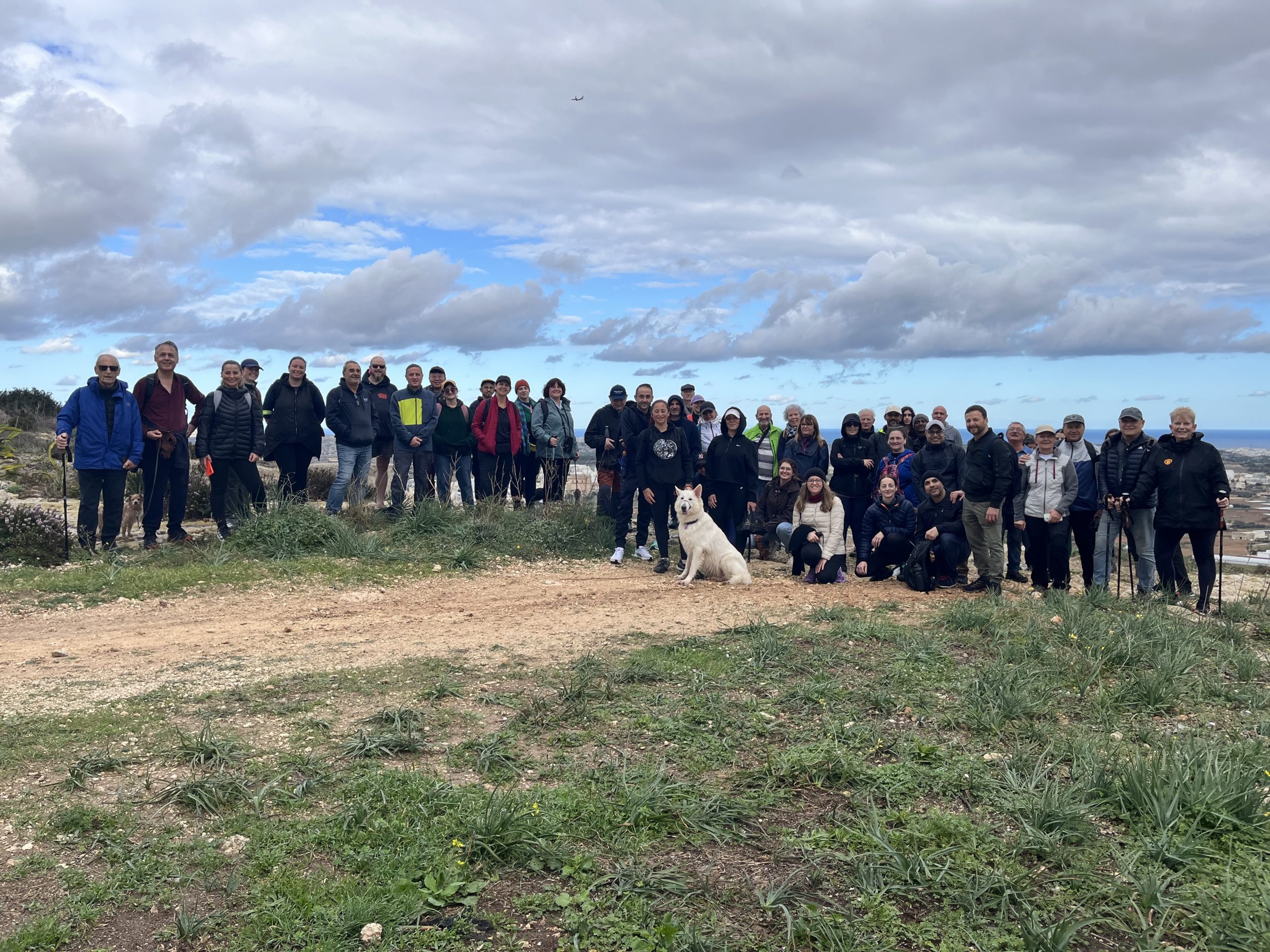
Nature Walk: Mġarr – Victoria Lines
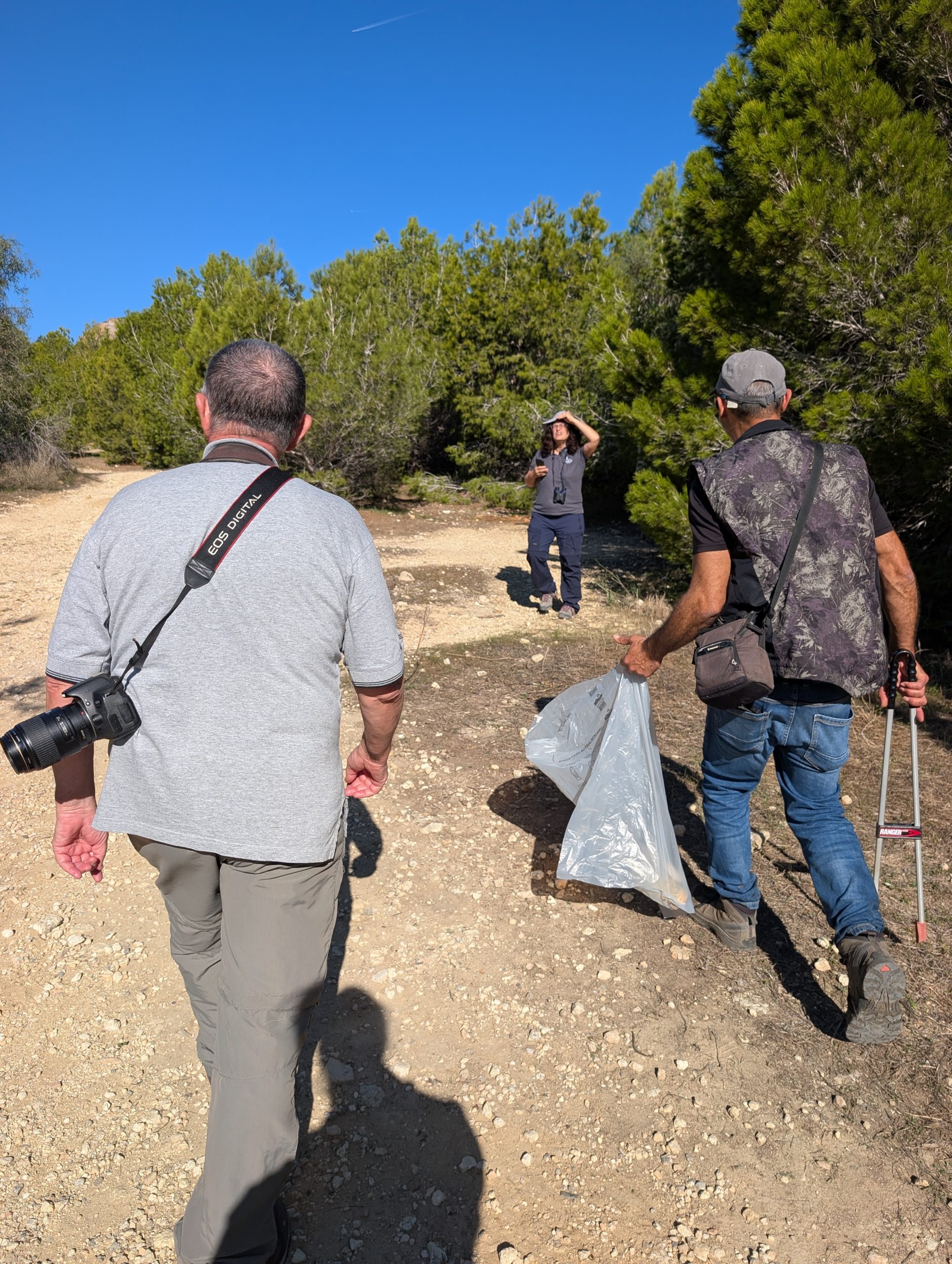
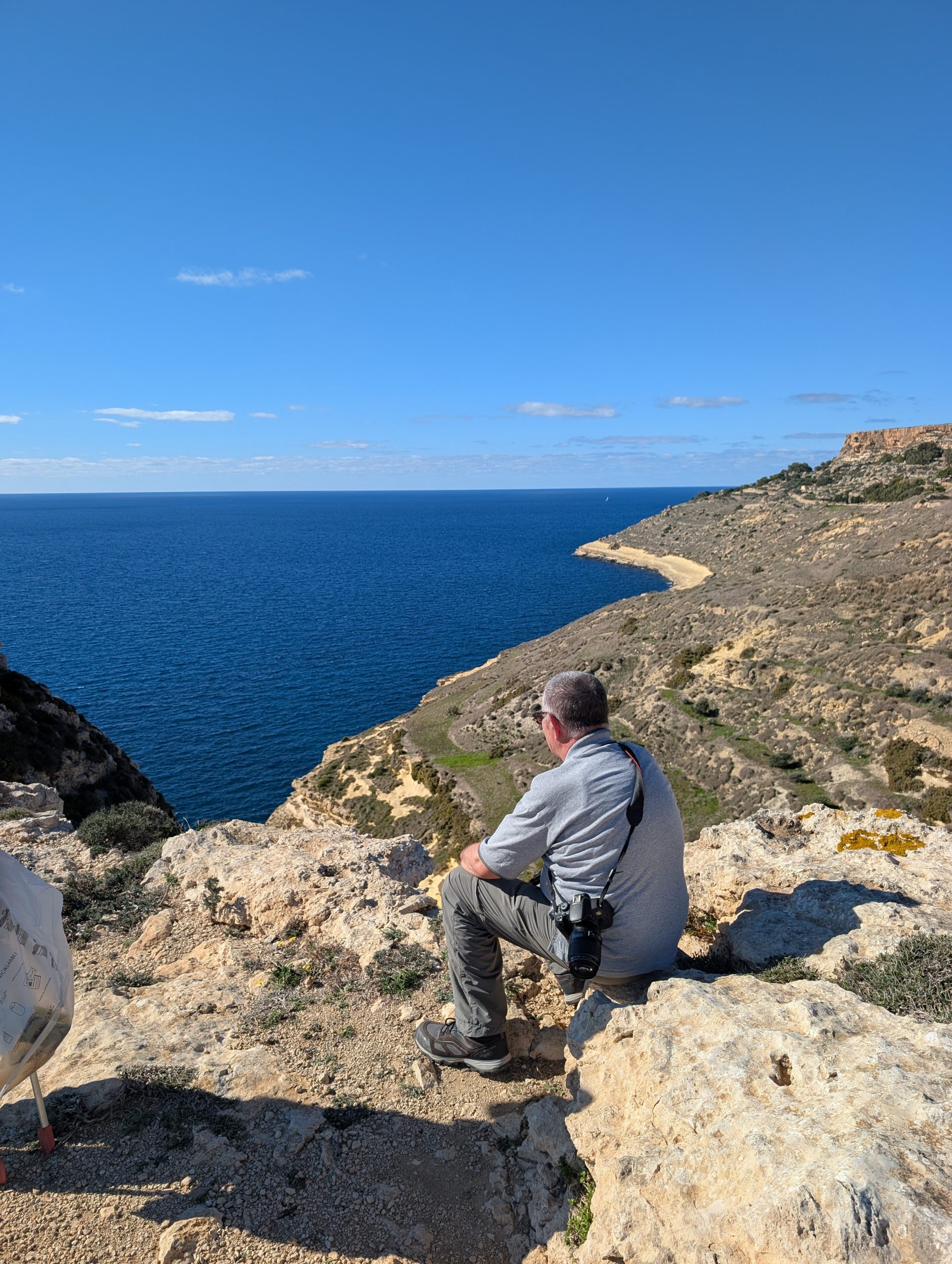
On the last day of November, the BirdLife Malta Events & Activities Group hosted their final nature walk of the year.
The circular route led us from Mġarr Parish Church on a lengthy trek through the surrounding countryside, taking in Fomm ir-Riħ Bay, Kunċizzjoni, and Fort Binġemma. Along the way, participants enjoyed a mix of open landscapes, rugged paths, and panoramic views that made the route both scenic and rewarding. Despite the cold, rainy weather and the occasional muddy stretch, the group stayed in high spirits. It turned into an enjoyable Sunday morning spent in good company, appreciating the fresh air and the beautiful scenery that unfolded with every turn.
by Sofia Meskhidze
Credits
Text: David Attard, Sára Bezvodová, Justine Borg, Charles Coleiro, Anja Finke, Iacopo Tito Gallizioli, Sara Melfi, Sofia Meskhidze, Stefano Miceli, Manya Russo, Vera Tokmakova, Silvia Viviani
Photographs: James Aquilina, Martin Austad, David Attard, Ian Balzan, Sára Bezvodová, Charles Coleiro, Anja Finke, Mark Gauci, Marcella Giornetti, Shaun Isherwood, Sofia Meskhidze, Glenn Micallef, Nadia Sodano, Aron Tanti, Vera Tokmakova, Luke Vella, Malta Today, BirdLife Malta
Editing: Nadia Sodano